
Tent Caterpillars
Malacosoma species
Hairy spring caterpillars that build conspicuous silken tents in the forks of cherry, crabapple, and other trees and fan out to chew the leaves. Eastern tent caterpillars are mostly a cosmetic nuisance on healthy trees, but heavy feeding can defoliate and stress small or already-weak trees and ruin the look of a spring garden tree.
🔎 How to spot it
Look for hairy caterpillars up to about two inches long, with a solid white stripe down the back, bluish sides flecked with spots, and long pale hairs. The clearest sign is the silken tent built in the crotch where branches meet, which the caterpillars enlarge as they grow; this is different from fall webworm, whose tents sit at the branch tips later in the year.
🥀 Damage it causes
The caterpillars chew the leaves and can strip patches of a tree in spring, but healthy mature trees usually tolerate the loss and releaf, so the damage is mostly cosmetic and the unsightly tents. Small, young, or already-stressed trees, and fruit trees, can be more seriously set back, with reduced fruit and, rarely, dieback.
🛡️ Prevent it
Scout host trees, cherry, crabapple, apple, and others, in late fall and winter for the dark, shiny egg masses that ring small twigs, and prune them out or scrape them off. Keep trees healthy and vigorous so they shrug off spring feeding. Encourage the birds and parasitic insects that prey on the caterpillars.
🧯 If it is already here
Remove the tents by hand, wearing gloves, or wind them onto a stick, ideally in the cool of early morning or evening when the caterpillars are inside, and destroy them; do not burn tents on the tree, which harms the tree more than the caterpillars do. On small trees, the organic spray Bacillus thuringiensis (Bt) controls young caterpillars while they are under an inch long.
💡 Good to know
Eastern tent caterpillars appear early, in spring, with tents in branch forks, while the similar fall webworm shows up late, in summer and fall, with tents at the branch tips, an easy way to tell the two apart. On a healthy shade tree the damage is mostly an eyesore, so removing the tents by hand is usually all that is needed.
🌱 Plants it attacks
76 plants in the library can be attacked by this pest
 American Basswood
 Anjou Pear
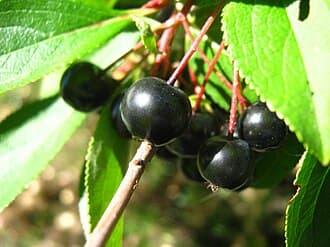 Aronia
 Asian Pear
 Aunt Molly's Ground Cherry
 Balsam Poplar
 Bartlett Pear
 Beach Plum
 Bing Cherry
 Black Tartarian Cherry
 Black Walnut
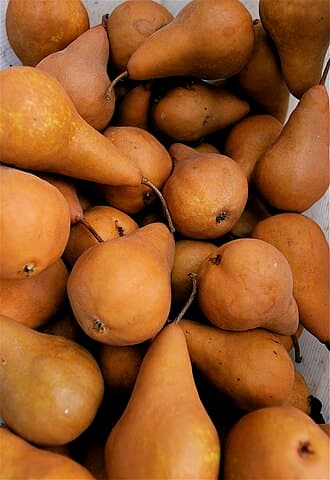 Bosc Pear
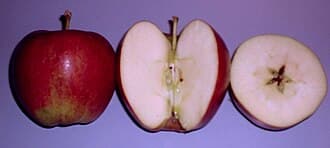 Braeburn Apple
 Champagne Loquat
 Chokecherry
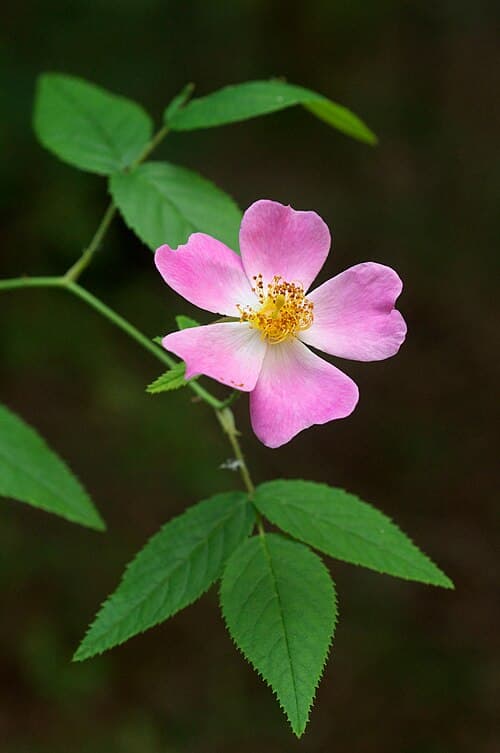 Climbing Prairie Rose
 Contender Peach
 Coral Drift Groundcover Rose
 Cornelian Cherry
 Cortland Apple
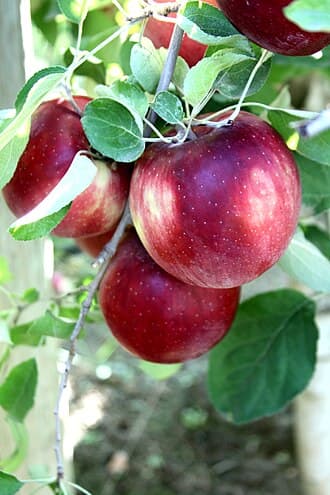 Cosmic Crisp Apple
 Damson Plum
 Dill
Dill Elberta Peach
 English Walnut
 Fantasia Nectarine
 Florence Fennel
 Flowering Dogwood
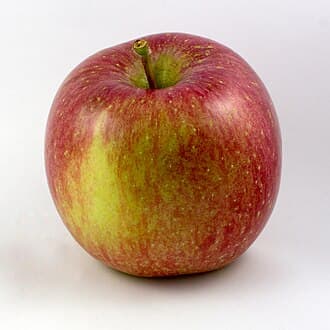 Fuji Apple
 Gala Apple
 Graham Thomas English Rose
 Granny Smith Apple
 Hansa Rugosa Rose
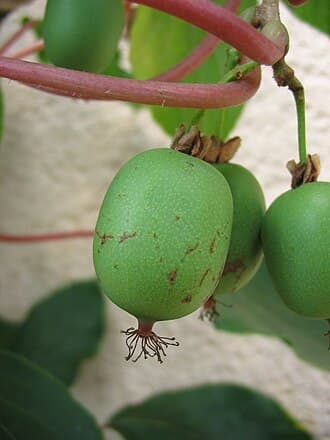 Hardy Kiwi
 Hawthorn
 Honey Locust
 Honeycrisp Apple
 Iceberg Floribunda Rose
 Indian Hawthorn
 Knock Out Rose
 Licorice
 McIntosh Apple
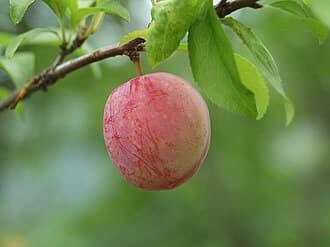 Methley Plum
 Mister Lincoln Hybrid Tea Rose
 Montmorency Cherry
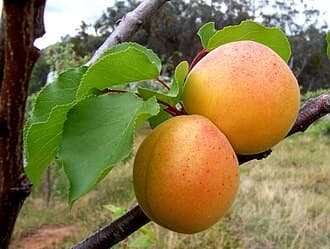 Moorpark Apricot
 Moringa
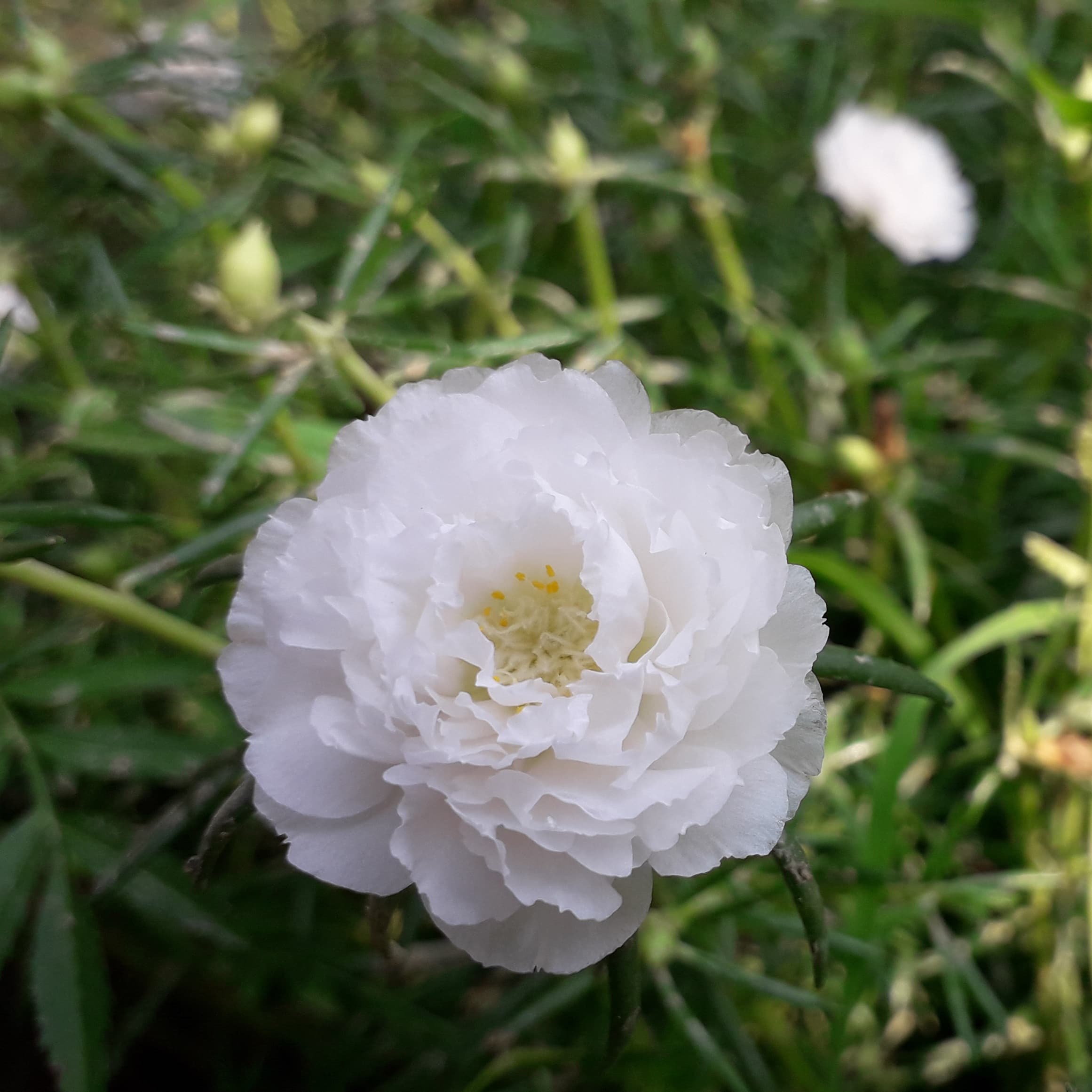 Moss Rose
 Nanking Cherry
 New Dawn Climbing Rose
 Paper Birch
 Peace Hybrid Tea Rose
 Pink Lady Apple
 Possum Purple Passion Fruit
 Prickly Pear
 Quaking Aspen
 Queen Elizabeth Grandiflora Rose
 Quince
 Rainier Cherry
 Red Alder
 Red Delicious Apple
 Redhaven Peach
 Regent Saskatoon
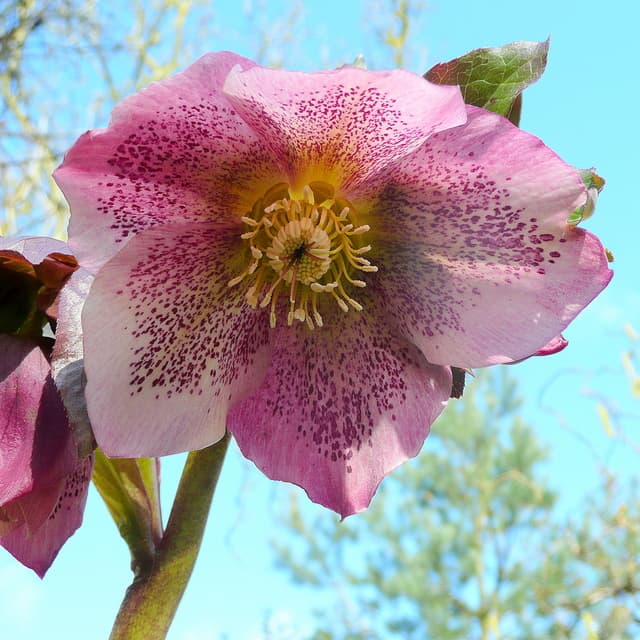 Royal Heritage Lenten Rose
 Sassafras
 Sea Kale
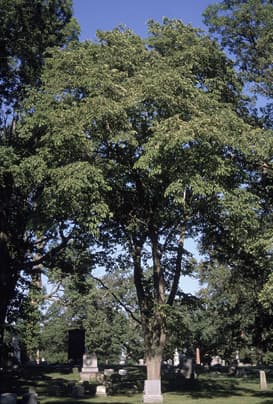 Slippery Elm
 Stanley Plum
 Stinging Nettle
 Sugar Apple
 Sugar Maple
 Sweet Chariot Miniature Rose
 Texas Scarlet Flowering Quince
 White Ash
 White Willow
 Witch Hazel
For educational and informational purposes only. Pest control advice is general guidance drawn from university cooperative extension sources; always identify a pest positively and read and follow the label on any product before use, especially around food crops, children, and pets.