
Bacterial Soft Rot
Pectobacterium and Dickeya species
A bacterial disease that turns the fleshy parts of plants into a soft, wet, foul-smelling mush, in the garden and especially in storage. Bacterial soft rot hits a huge range of crops, potatoes, carrots, onions, cabbage, cucurbits, peppers, and more, and rots the rhizomes and corms of ornamentals such as calla lily, iris, and gladiolus. It enters through wounds and spreads fast in warm, wet conditions, and there is no cure once it starts.
🔎 How to spot it
Look for a soft, watery, mushy rot that begins as a small water-soaked spot and spreads, turning the tissue into a slimy, cream-to-tan mass that often collapses. A foul, putrid odor is the giveaway and separates it from the drier, moldy rots of fungi. It strikes fleshy roots, tubers, bulbs, rhizomes, corms, stems, and fruit, frequently starting at a wound or bruise and rotting outward. On calla lily the rhizome goes soft and slimy with a fishy odor and the leaf bases and flower stalks rot and collapse.
🥀 Damage it causes
Soft rot dissolves the fleshy, edible parts of the plant into slime, destroying roots, tubers, bulbs, rhizomes, heads, and fruit in the garden and, very commonly, in storage where it spreads from one rotting vegetable to its neighbors. It is one of the most important causes of post-harvest loss, and a wet season can rot a crop in the field as well. In rhizome and corm ornamentals it is the main cause of plants failing to come up or collapsing in the bed.
🔬 What causes it
Bacterial soft rot is caused by several bacteria, most often Pectobacterium (formerly Erwinia) and Dickeya species, that live in soil, water, and debris. They cannot break through intact skin, so they enter through wounds from tools, insects, cracks, and weather, and through natural openings. Warm, wet conditions, poor air circulation, low-calcium tissue, and waterlogged or overfertilized soil all favor a fast, spreading rot.
🛡️ Prevent it
Avoid wounding produce and rhizomes: handle gently at harvest and planting, control the insects that chew openings, and keep tools clean. Harvest in dry weather, cure roots, bulbs, and tubers properly, and store only sound, unblemished, dry stock in a cool, dry, well-ventilated place. For calla and other rhizome plants, plant in well-drained soil, use drip rather than overhead watering, avoid excess nitrogen, and dry incoming rhizomes so abrasions heal before planting. Rotate crops, improve drainage and airflow, and do not work among wet plants.
🧯 If it is already here
There is no cure once tissue is rotting, so remove and discard affected plants, rhizomes, and produce promptly and do not compost them, since the bacteria spread readily. In storage, sort out and remove any rotting item immediately so it does not infect the rest, and lower the humidity and temperature. Prevention through gentle handling, curing, and dry, cool storage is the only real control.
💡 Good to know
The foul smell and slimy texture are the signature that separates bacterial soft rot from the firmer, fuzzy rots caused by fungi. Because the bacteria need a wound to get in, the most effective single step is avoiding cuts and bruises and keeping stored produce and rhizomes dry, since a single rotting unit can spoil a whole bin or bed.
🌱 Plants it affects
290 plants in the library can be affected by this problem
 Acorn Squash
 Adirondack Blue Potato
 Adzuki Bean
 Aji Amarillo Pepper🥔All Blue Potato
 Ambrosia Corn
 Amish Paste Tomato
 Anaheim Pepper
 Angelique Tulip
 Anjou Pear
 Apeldoorn Tulip
 Armenian Cucumber
 Arugula
 Asian Pear
 Atlantic Giant Pumpkin🥕Atomic Red Carrot
 Banana Pepper
 Bartlett Pear
 Beauregard Sweet Potato🍅Beefmaster Tomato
 Better Boy Tomato🥬Bibb Lettuce🍅Big Beef Tomato
 Big Boy Tomato
 Bitter Melon
 Black Bean
 Black Beauty Eggplant
 Black Beauty Zucchini
 Black Beluga Lentil
 Black Cherry Tomato
 Black Kabouli Chickpea
 Black Krim Tomato🥬Black Seeded Simpson Lettuce🥕Black Spanish Radish
 Black-Eyed Pea
 Bloomsdale Spinach
 Blue Lake Green Bean
 Bok Choy🥕Bolero Carrot
 Bosc Pear🥒Boston Pickling Cucumber
 Bottle Gourd🍅Box Car Willie Tomato
 Brandywine Tomato
 Broad Windsor Fava Bean
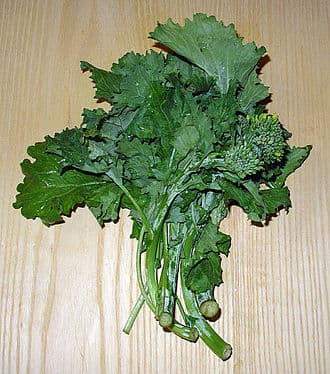 Broccoli Rabe
 Brussels Sprouts
 Bull's Blood Beet
 Burdock
 Burgundy Okra
 Buttercrunch Lettuce
 Buttercup Squash
 Butternut Squash
 Calabrese Broccoli
 Cannellini Bean
 Cardoon
 Carolina Reaper Pepper
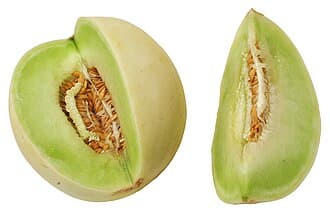 Casaba Melon
 Cassava
 Cayenne Pepper
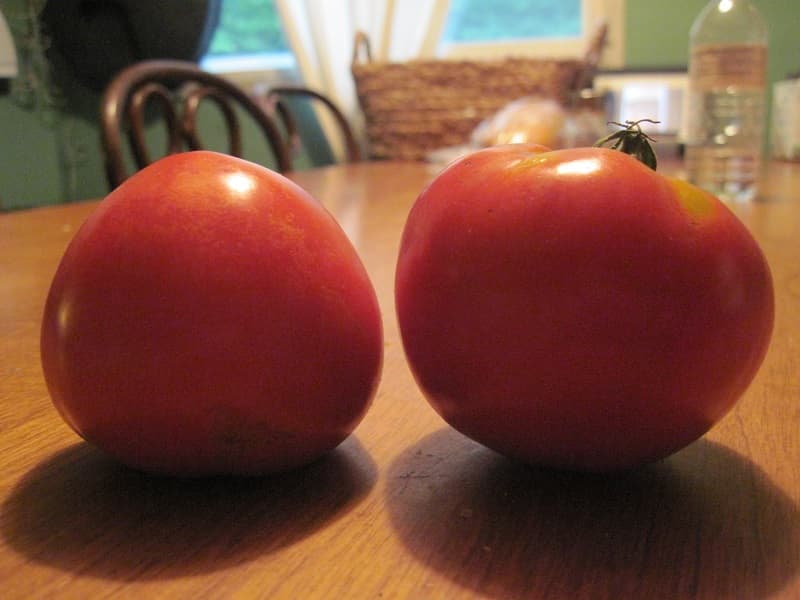 Celebrity Tomato
 Celeriac
 Celtuce🥬Champion Collards
 Chantenay Carrot
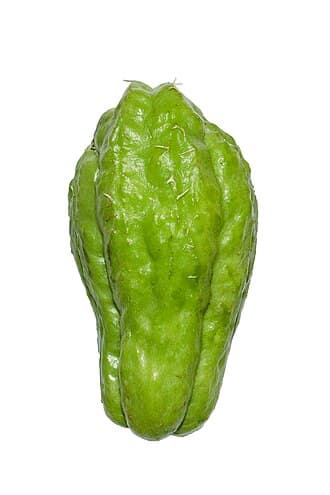 Chayote
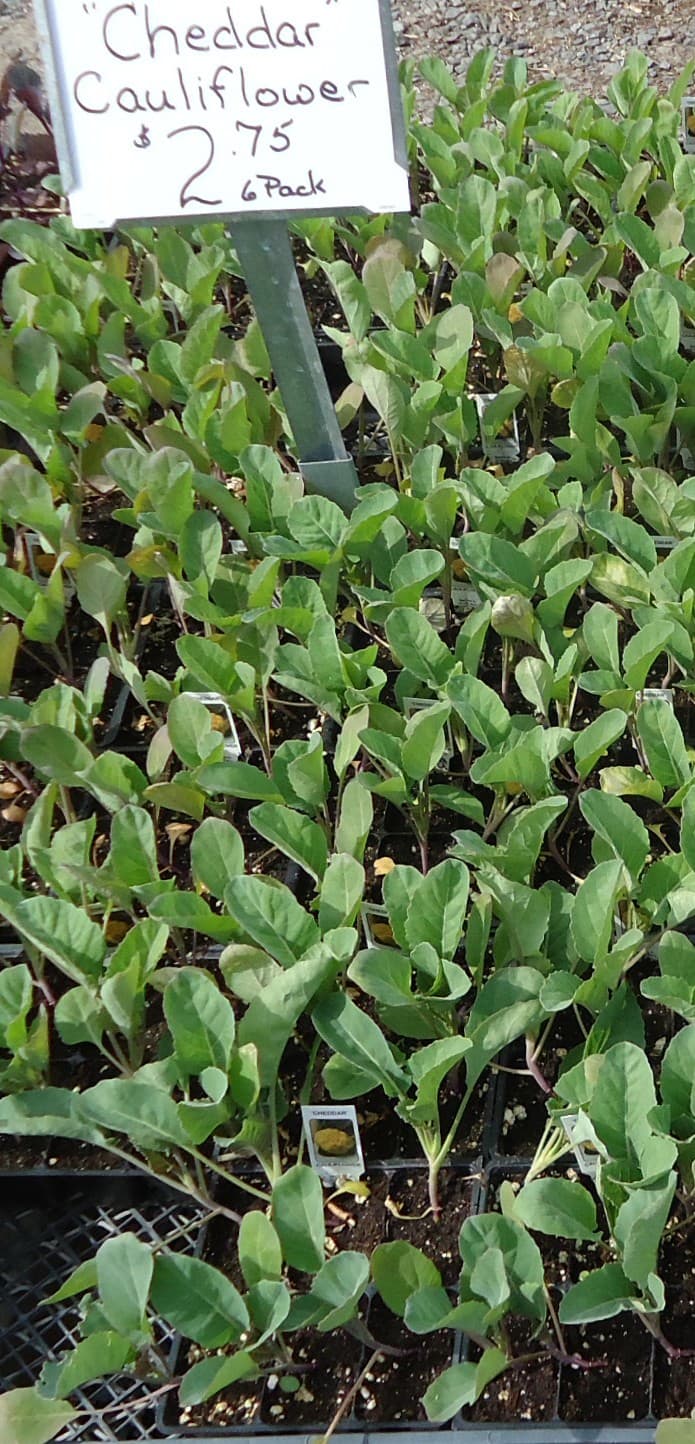 Cheddar Cauliflower
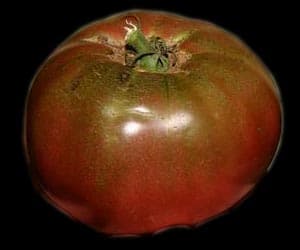 Cherokee Purple Tomato
 Cherry Belle Radish
 Chicory
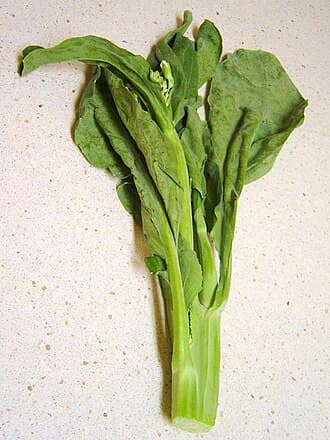 Chinese Broccoli
 Chioggia Beet
 Choy Sum
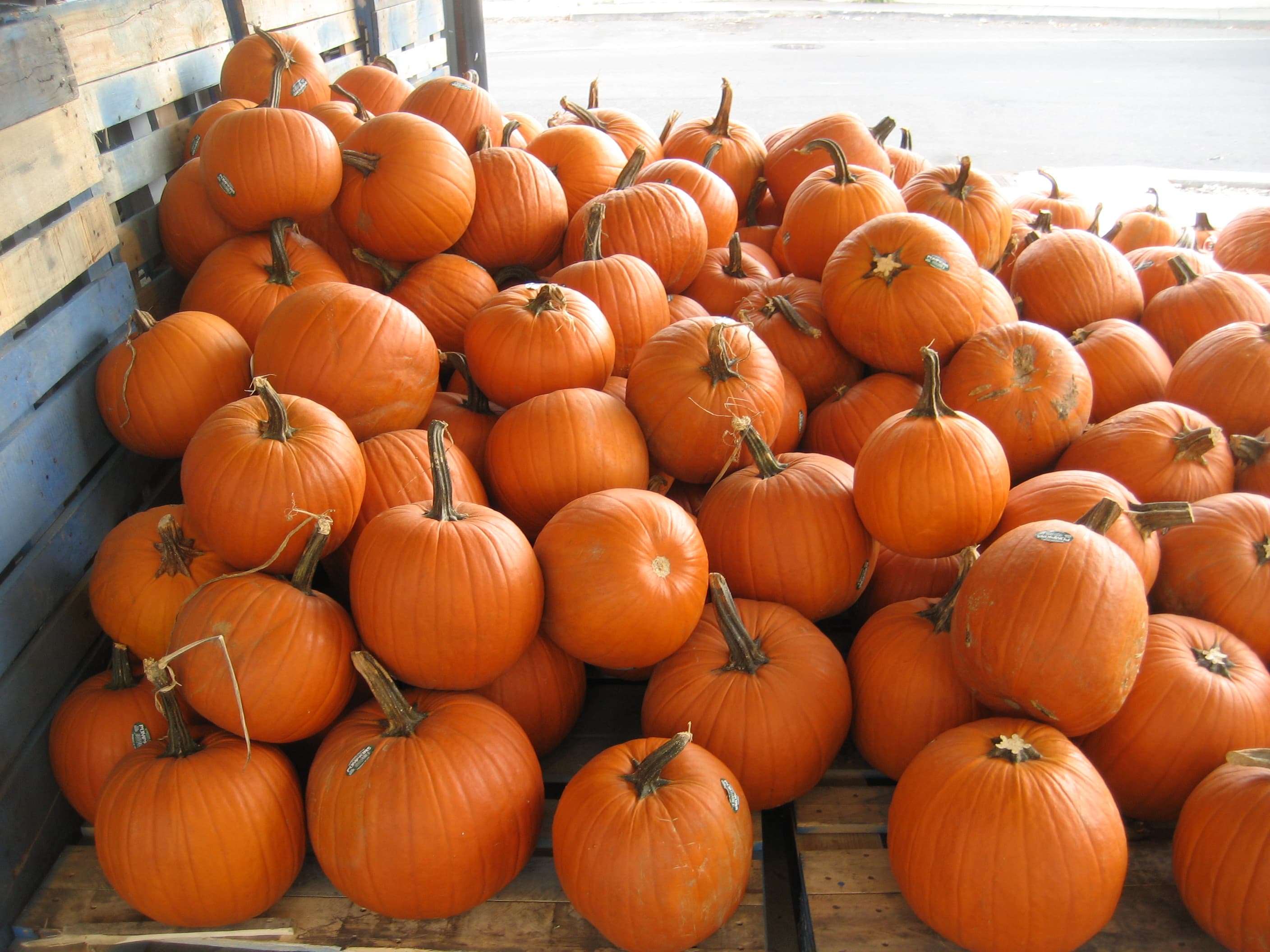 Cinderella Pumpkin
 Cipollini Onion
 Clemson Spineless Okra
 Collard Greens
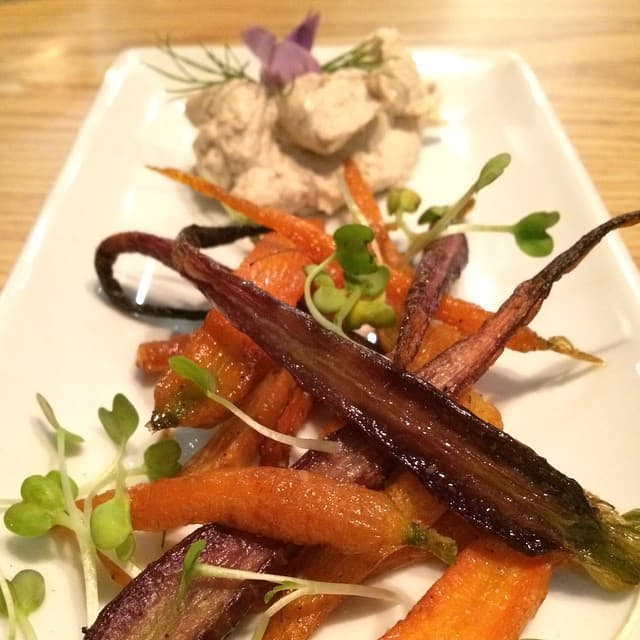 Cosmic Purple Carrot
 Costata Romanesco Zucchini
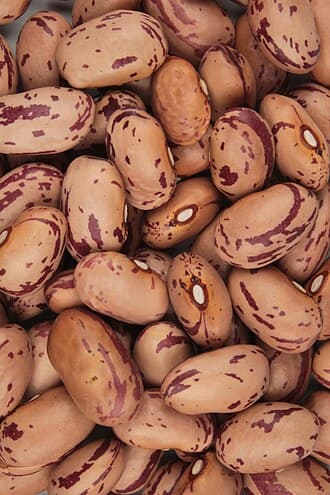 Cranberry Bean
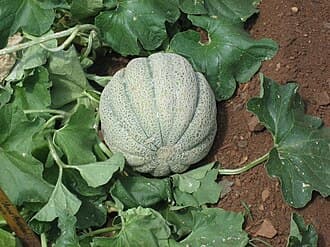 Crenshaw Melon
 Crimson Cherry Rhubarb
 Cubanelle Pepper
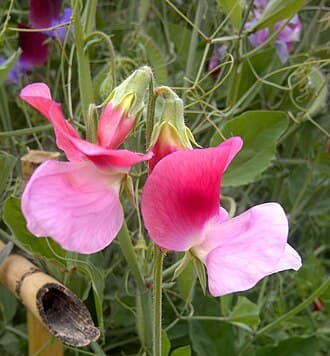 Cupani Sweet Pea
 Cylindra Beet
 Daikon Radish
 Dandelion
 Danvers Carrot
 De Cicco Broccoli
 Delft Blue Hyacinth
 Delicata Squash
 Detroit Dark Red Beet🥒Diva Cucumber
 Dragon Carrot
 Dwarf Blue Curled Vates Kale🥬Dwarf Siberian Kale
 Early Girl Tomato🌸Easter Egg Radish
 Edamame
 Egyptian Walking Onion
For educational and informational purposes only. Disease management advice is general guidance drawn from university cooperative extension sources; always identify a problem positively and read and follow the label on any product before use, especially around food crops, children, and pets.