
Collar Rot
Phytophthora species
A rot of the trunk base and crown at or just below the soil line, usually caused by Phytophthora water molds in wet, poorly drained ground. It girdles the tree from the bottom, choking off the flow of water and nutrients, and is a common cause of slow decline and sudden death in fruit trees and many woody plants.
🔎 How to spot it
Above ground the first signs are vague decline: leaves yellow, growth is weak, and the canopy thins, often on one side. At the base, the bark turns dark, wet, and soft and may ooze gum or sap, and cutting it away reveals a reddish-brown rotted inner bark with a sharp line between diseased and healthy white tissue. The rot can extend down into the crown and major roots.
🥀 Damage it causes
As the rotted band widens it girdles the trunk, and the tree declines and can die, sometimes slowly over seasons and sometimes collapsing in a single hot spell once the damaged roots cannot keep up. Young trees and those on susceptible rootstocks can be killed outright.
🔬 What causes it
Soilborne Phytophthora species, which need saturated soil to spread and infect and can survive in the ground for years. Poor drainage, heavy or compacted soil, planting too deep, and mulch or soil piled against the trunk all keep the crown wet and invite infection.
🛡️ Prevent it
Plant on well-drained sites or raised berms, set trees at the right depth with the graft union well above the soil, and keep mulch, soil, and turf pulled back from the trunk so the base stays dry. Avoid overwatering and prolonged soil saturation, and choose resistant rootstocks where collar rot is a known problem.
🧯 If it is already here
Improve drainage and let the crown dry: pull soil and mulch away from the trunk to expose the affected area and remove standing water. On valuable trees a fixed-copper or phosphonate (phosphorous acid) treatment can help, but badly girdled trees rarely recover and are best removed, then replanted with resistant stock on a better-drained site.
💡 Good to know
Collar rot specifically attacks the scion bark just above the graft union, while crown rot hits the rootstock below it, but the cause and cure are the same: keep the base dry and well drained. A sharp margin between brown dead bark and white healthy bark at the trunk base is the classic confirming sign.
🌱 Plants it affects
72 plants in the library can be affected by this problem
 Anjou Pear
 Aronia
 Asian Pear
 Atemoya
 Aunt Molly's Ground Cherry
 Avocado
 Bartlett Pear
 Beach Plum
 Bing Cherry
 Black Tartarian Cherry
 Black Walnut
 Blood Orange
 Blue Bird Delphinium
 Bosc Pear
 Braeburn Apple
 Brown Turkey Fig
 Butterfly Blue Pincushion Flower
 Calamondin
 Champagne Loquat
 Chicago Hardy Fig
 Chokecherry
 Contender Peach
 Cornelian Cherry
 Cortland Apple
 Cosmic Crisp Apple
 Crimson Cherry Rhubarb
 Damson Plum
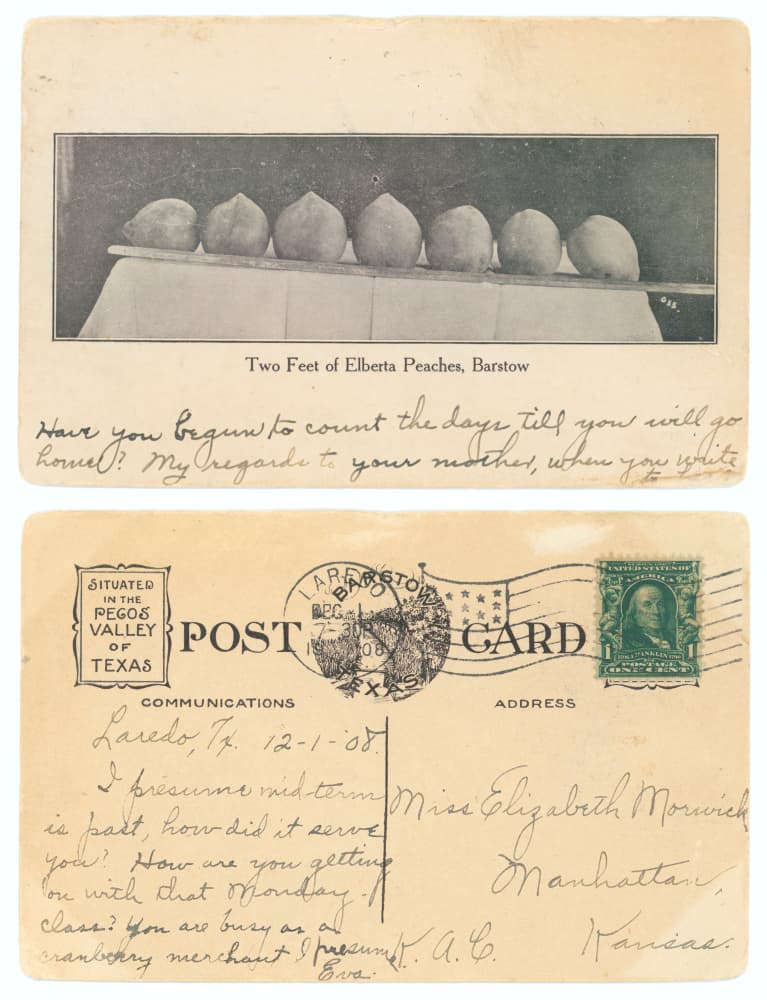 Elberta Peach
 English Walnut
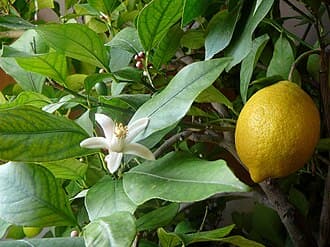 Eureka Lemon
 Fantasia Nectarine
 Finger Lime
 Foxglove
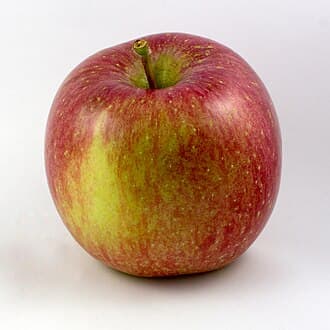 Fuji Apple
 Gala Apple
 Garvinea Sweet Glow Gerbera
 Granny Smith Apple
 Grapefruit
 Hawthorn
 Honeycrisp Apple
 Indian Hawthorn
 Key Lime
 Kumquat
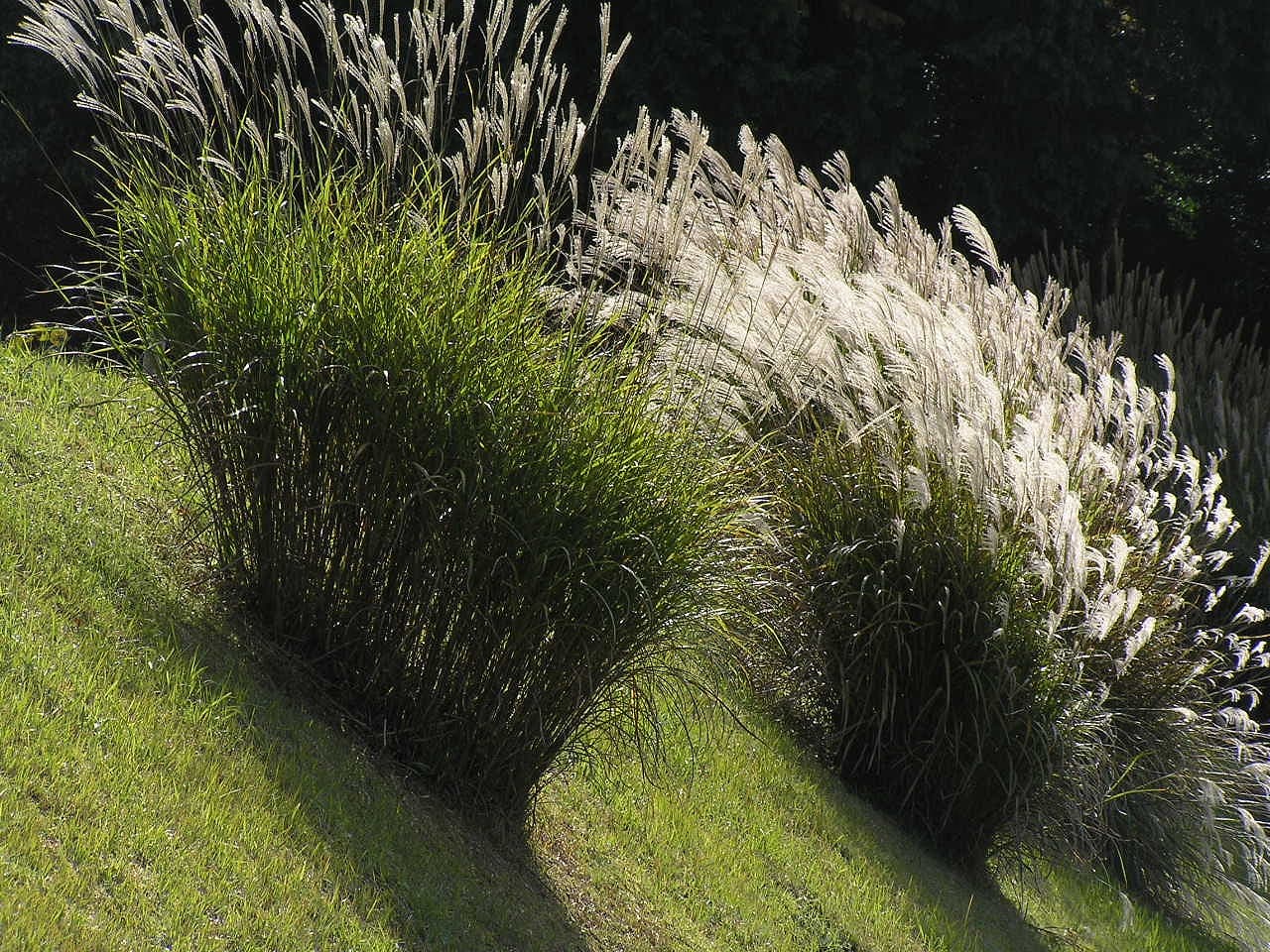 Maiden Grass
 Mandarin Orange
 McIntosh Apple
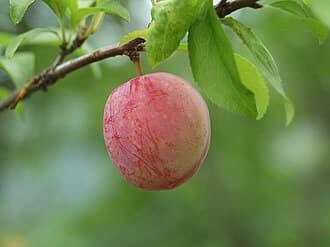 Methley Plum
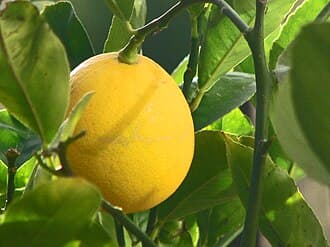 Meyer Lemon
 Montmorency Cherry
 Moonbeam Coreopsis
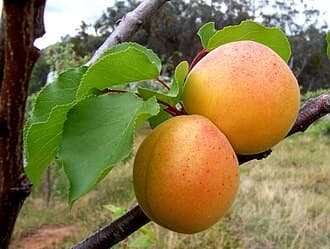 Moorpark Apricot
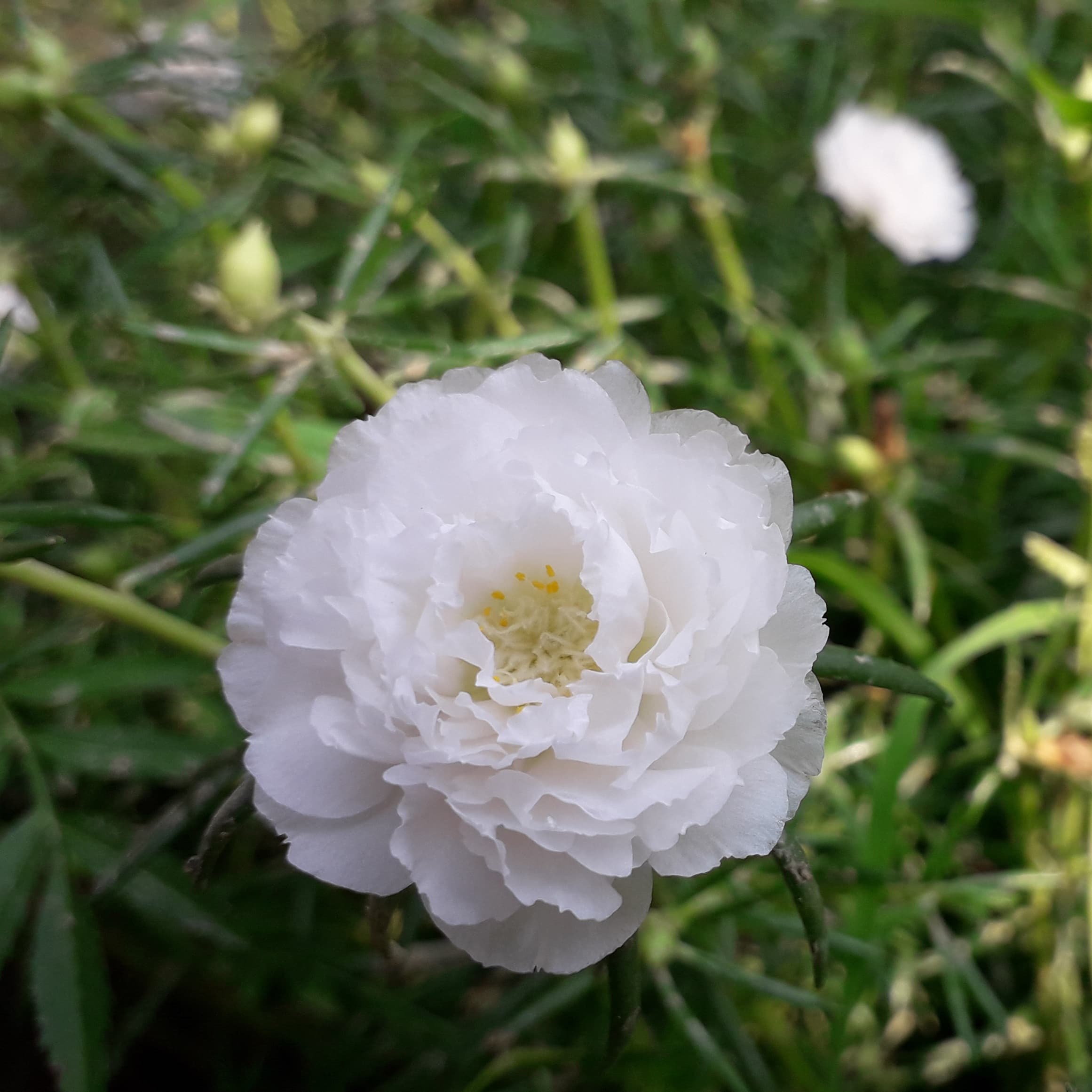 Moss Rose
 Nanking Cherry
 Natchez Mock Orange
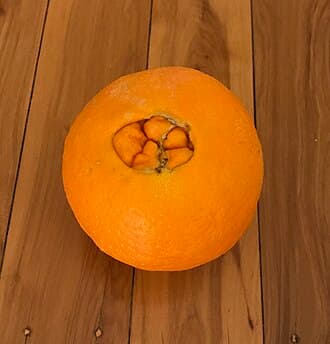 Navel Orange
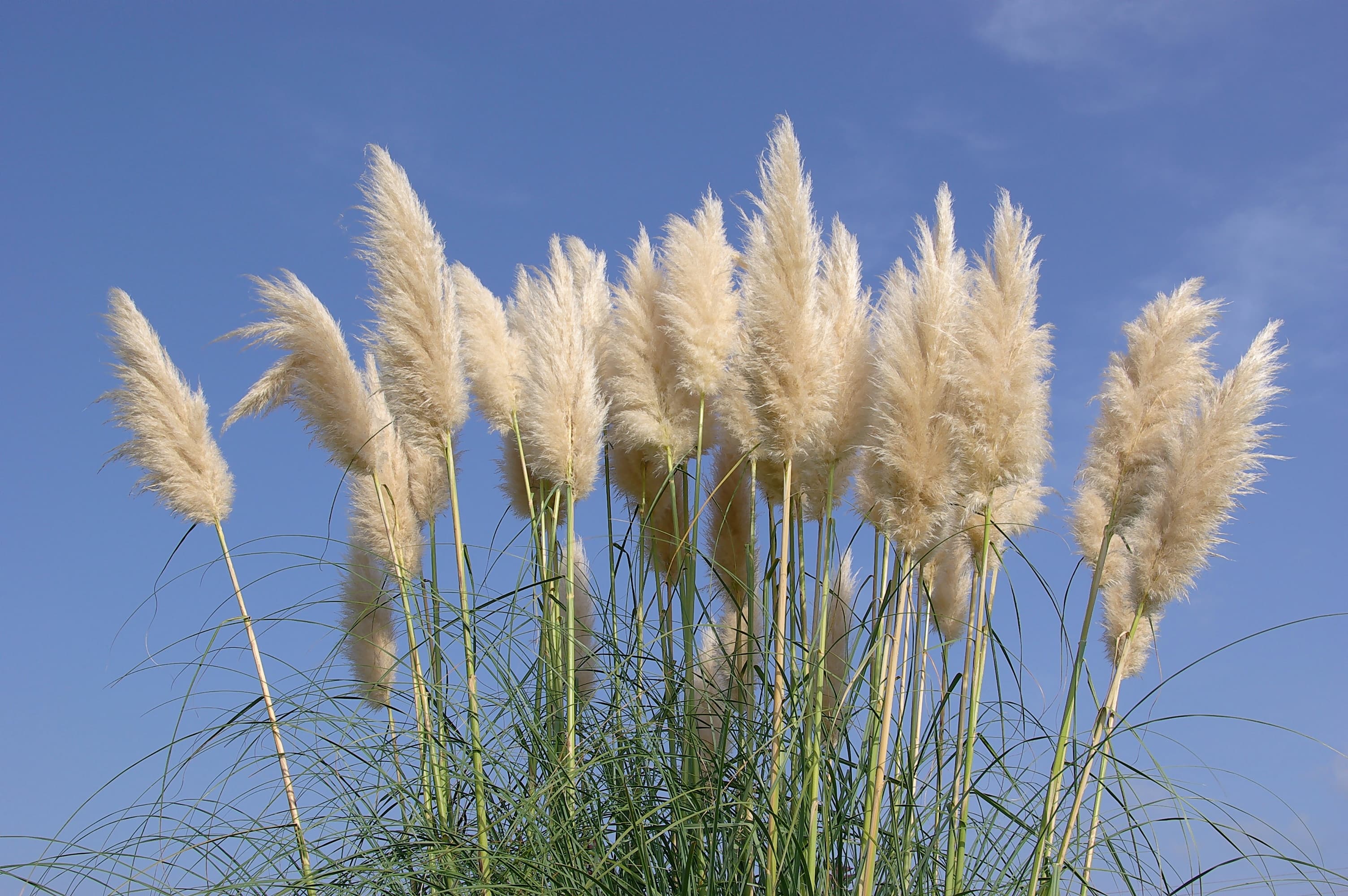 Pampas Grass
 Persian Lime
 Pink Lady Apple
 Pomegranate
 Prickly Pear
 Quince
 Rainier Cherry
 Red Delicious Apple
 Redhaven Peach
 Regent Saskatoon
 Stanley Plum
 Sugar Apple
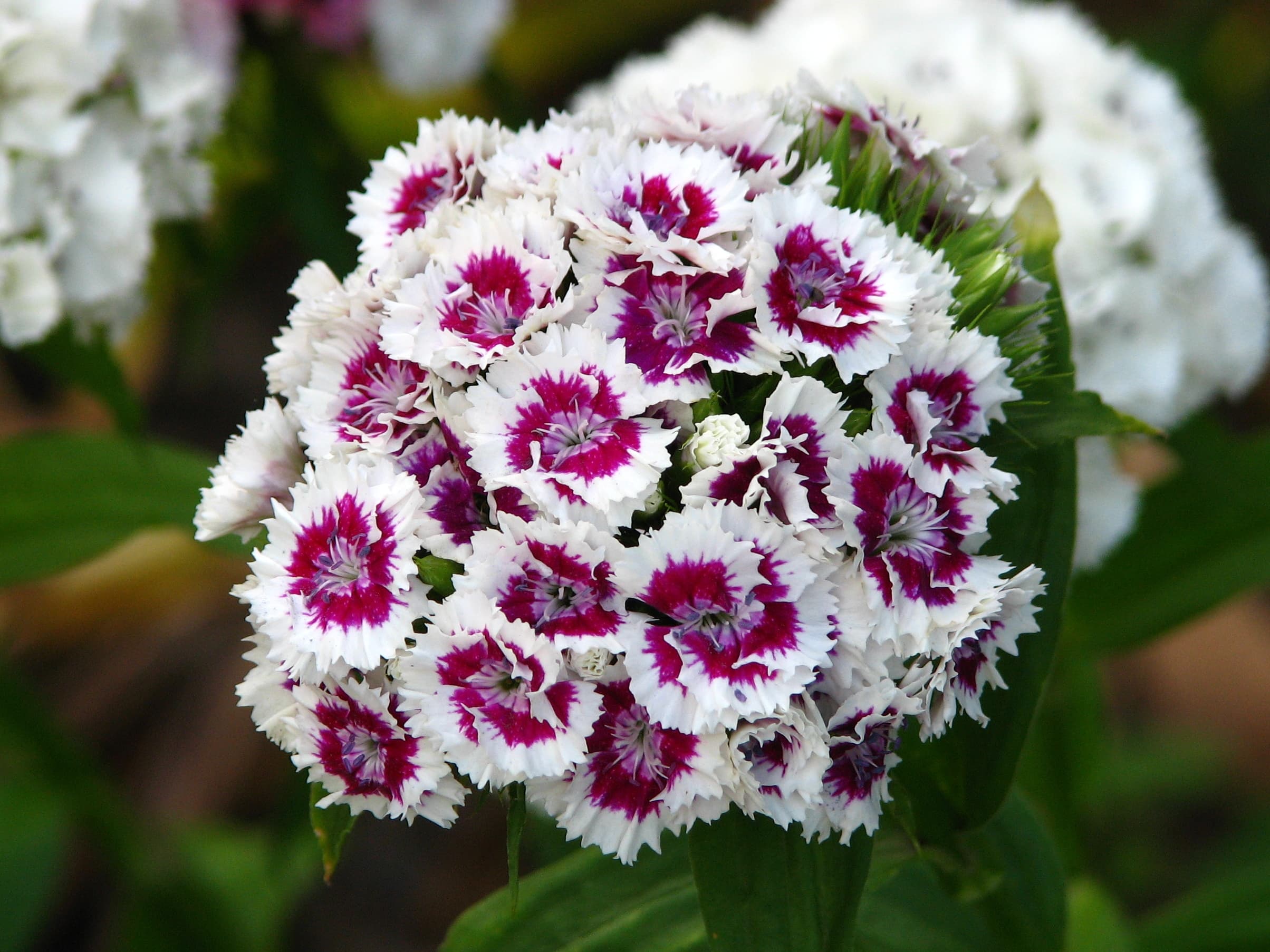 Sweet William
 Texas Scarlet Flowering Quince
 Triple Crown Blackberry
 Valencia Orange
 Victoria Rhubarb
For educational and informational purposes only. Disease management advice is general guidance drawn from university cooperative extension sources; always identify a problem positively and read and follow the label on any product before use, especially around food crops, children, and pets.