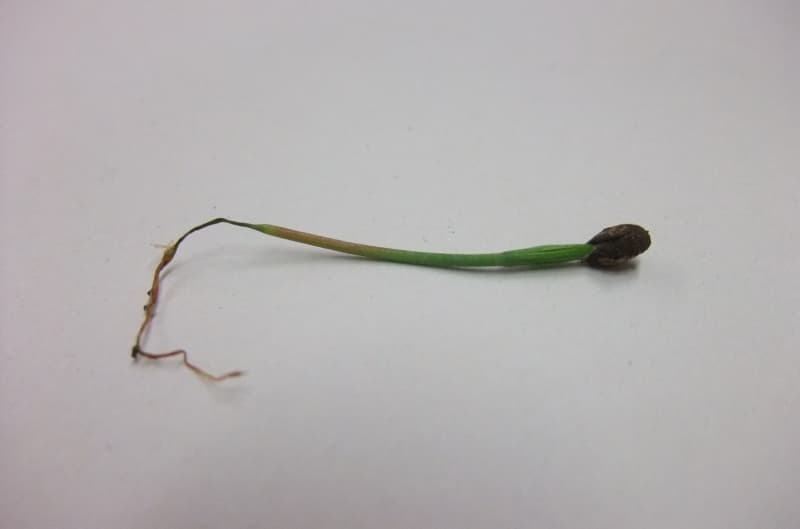
Damping-Off
Pythium, Rhizoctonia, and Fusarium species
The bane of seed starting, damping-off is the sudden collapse and death of seedlings at or just below the soil line. Seeds may rot before they sprout, or healthy-looking seedlings can topple over within a day. It is caused by several soil-dwelling molds and fungi and is driven by cold, wet, overcrowded growing conditions.
🔎 How to spot it
Look for seeds that fail to come up, or seedlings that develop a thin, water-soaked, pinched, brown or black spot at the stem base and then flop over and die. The stem looks like wire or thread where it has collapsed. It often shows up in patches that spread outward across a tray, sometimes with a fine white mold on the soil surface or on fallen seedlings.
🥀 Damage it causes
Damping-off kills seeds and young seedlings outright, often wiping out patches or whole trays in a day or two before plants ever reach the garden. Seedlings that survive a mild brush with it can be stunted, with weakened roots that never fully recover.
🔬 What causes it
Damping-off is caused by soil molds and fungi, most often the water mold Pythium along with Rhizoctonia and Fusarium, that survive in old soil, dirty pots, and debris and spread through wet media and shared water. They strike hardest when seeds sit in cold, soggy, poorly drained mix that slows germination, and they ride in on reused tools, unwashed containers, and hose ends dragged through dirt.
🛡️ Prevent it
Start seeds in clean containers and fresh, sterile seed-starting mix, never garden soil, and wash and sanitize reused pots and tools. Sow at the right depth and wait for warm media, about 65 to 70 F, often with a heat mat, so seeds sprout fast. Avoid overwatering, let the surface dry slightly between waterings, give good light and airflow, and do not crowd seedlings.
🧯 If it is already here
There is no cure once a seedling collapses, so remove affected seedlings and the soil around them immediately. Improve the conditions for the rest: more warmth, more air movement, brighter light, and less water. Letting the surface dry and running a small fan over the tray often halts the spread. Badly affected trays are best discarded and restarted with fresh, clean mix.
💡 Good to know
Prevention is everything with damping-off, because it moves too fast to treat. Bottom watering, a fan for air movement, and a thin layer of dry vermiculite on the surface all help keep the crucial stem zone from staying wet. Warm, fast germination is the best protection, since the pathogens hit slow, struggling seedlings hardest.
🌱 Plants it affects
714 plants in the library can be affected by this problem
 Acorn Squash
 Adirondack Blue Potato
 Adzuki Bean
 African Blue Basil
 African Marigold
 Agapanthus
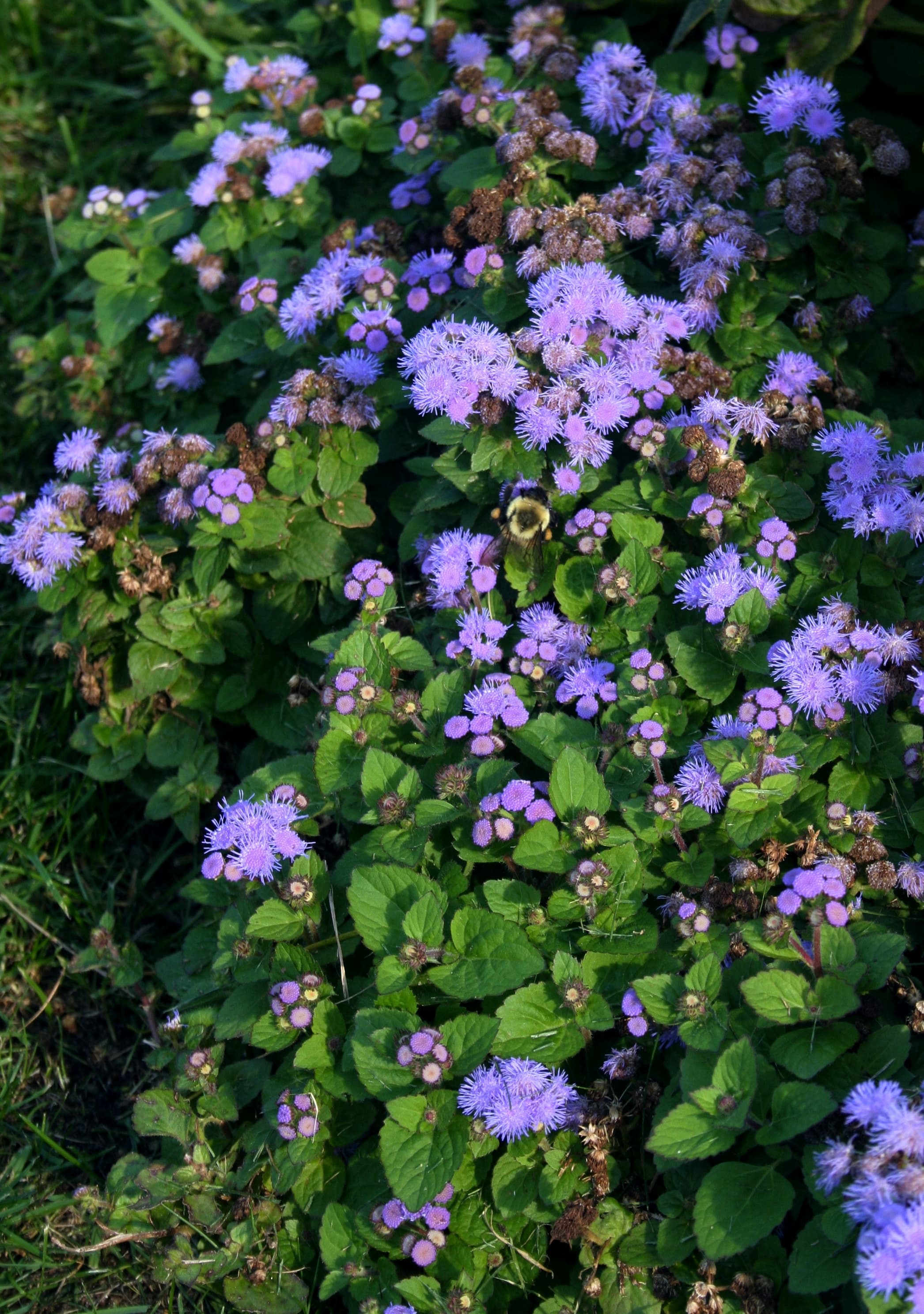 Ageratum
 Agrimony
 Aji Amarillo Pepper🍓Albion Strawberry
 Alice du Pont Mandevilla🥔All Blue Potato
 Almond
 Aloe Vera
 Ambrosia Corn
 American Basswood
 American Beauty Dragon Fruit
 American Beech
 American Persimmon
 Amethyst Falls Wisteria
 Amish Paste Tomato
 Anaheim Pepper
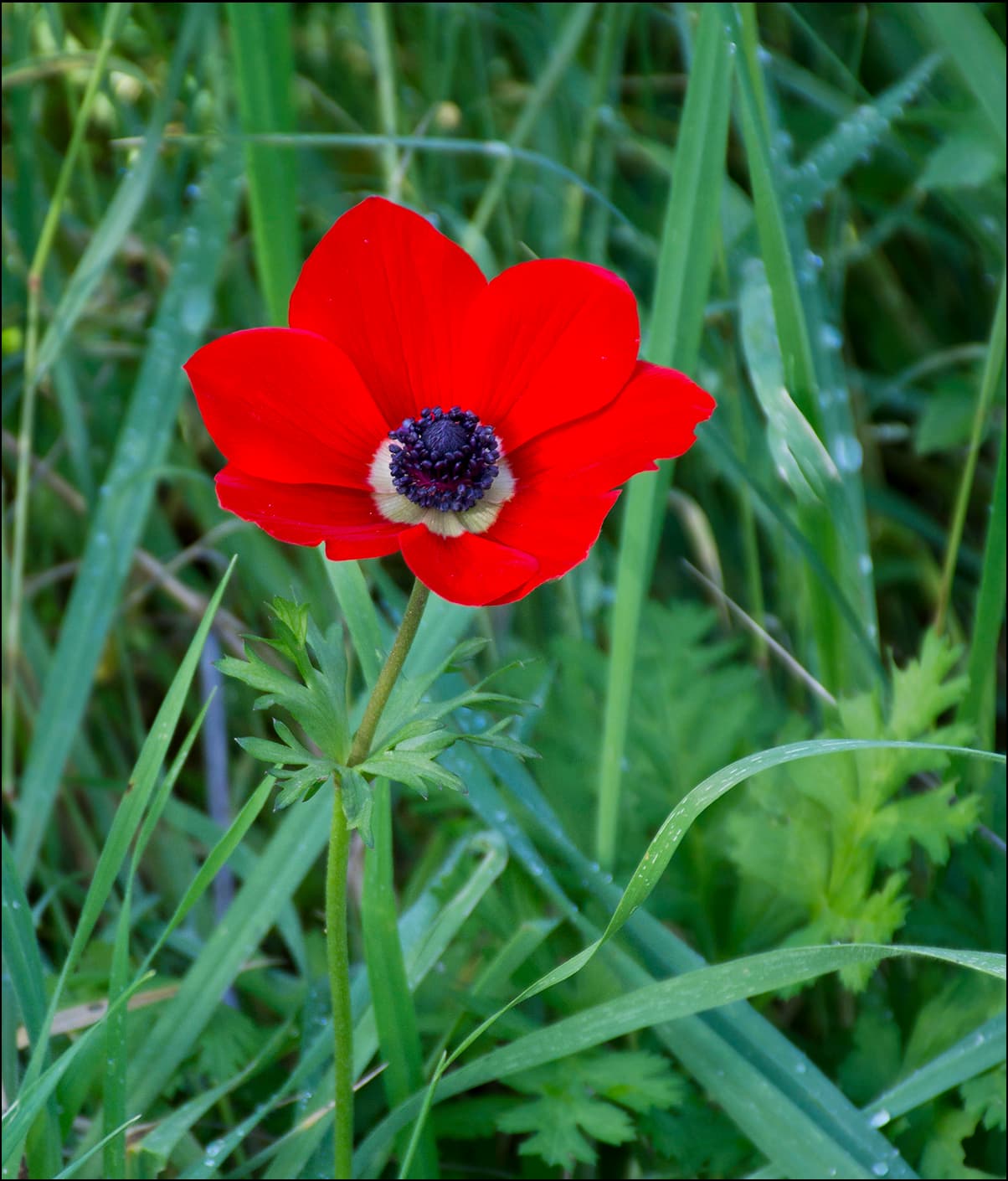 Anemone
 Angelique Tulip
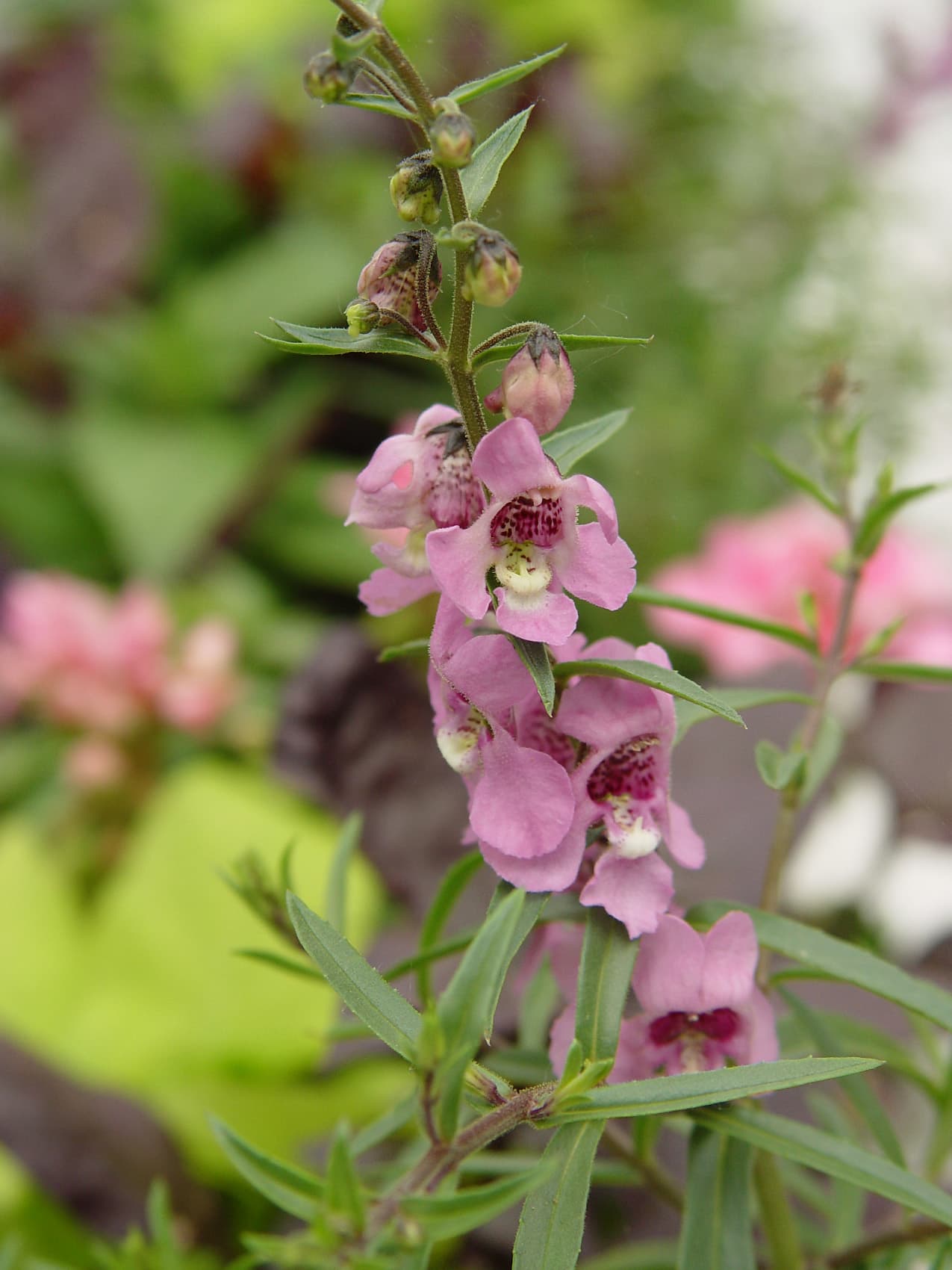 Angelonia
 Anise
Anise Anise Hyssop
 Anjou Pear
 Annabelle Smooth Hydrangea
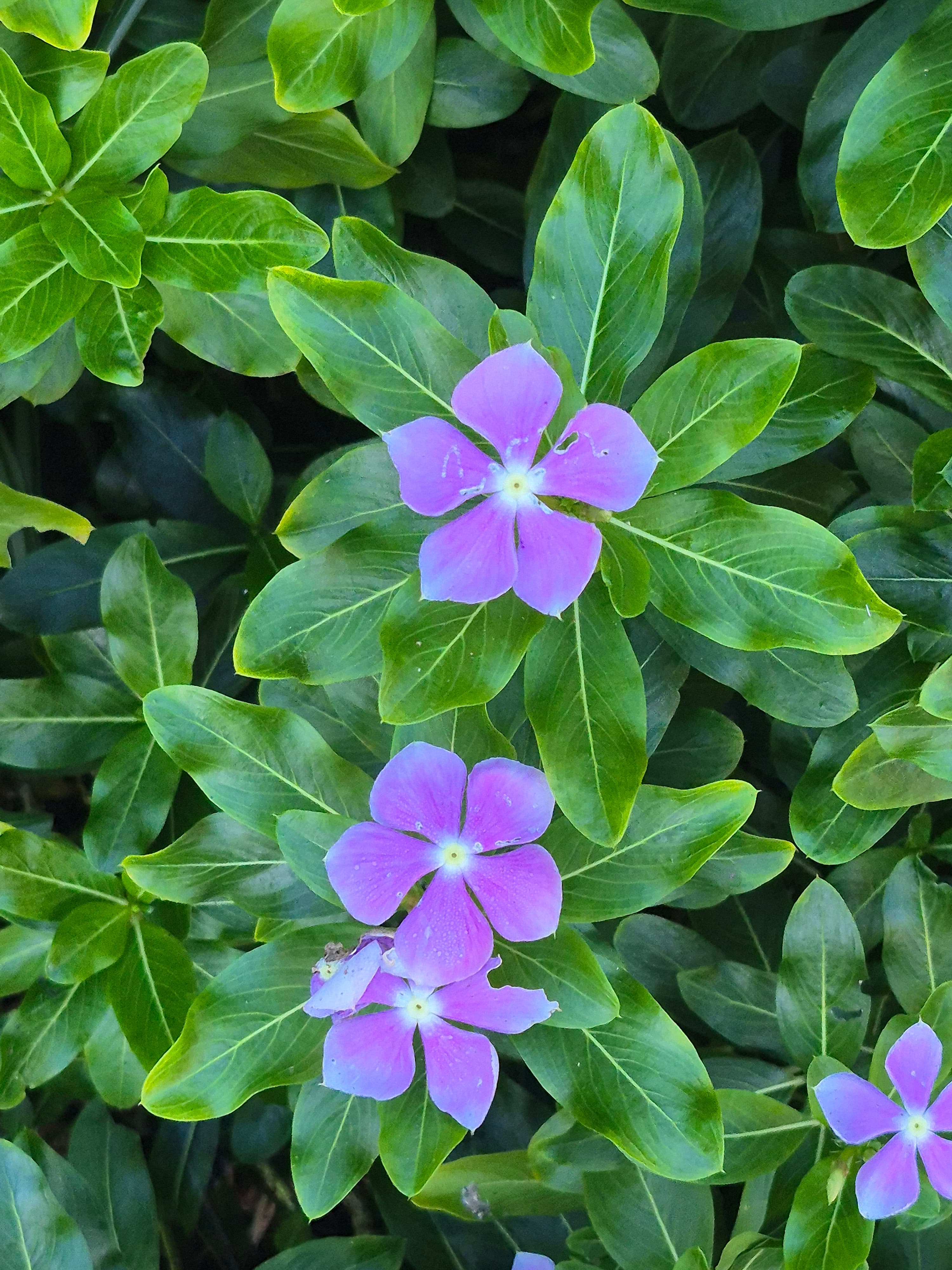 Annual Vinca
 Apeldoorn Tulip
 Apple Mint
 April Tryst Camellia
 Arbequina Olive
 Arizona Sun Blanket Flower
 Arkin Carambola
 Armenian Cucumber
 Aronia
 Arp Rosemary
 Arugula
 Ashwagandha
 Asian Pear
 Asian Persimmon
 Atemoya
 Atlantic Giant Pumpkin🥕Atomic Red Carrot
 Aucuba
 August Beauty Gardenia
 Aunt Molly's Ground Cherry
 Autumn Joy Sedum
 Avocado
 Bachelor's Button
 Balsam Fir
 Balsam Poplar
 Banana Pepper
 Barbara Karst Bougainvillea
 Bartlett Pear
 Bay Laurel
 Bayberry
 Beach Plum
 Beauregard Sweet Potato
 Becky Shasta Daisy
 Bee Balm🍅Beefmaster Tomato
 Benarys Giant Zinnia
 Bengal Tiger Canna
 Better Boy Tomato🥬Bibb Lettuce🍅Big Beef Tomato
 Big Boy Tomato
 Bilberry
 Bing Cherry
 Bitter Melon
 Black Bean
 Black Beauty Eggplant
 Black Beauty Zucchini
 Black Beluga Lentil
 Black Cherry Tomato
 Black Crowberry
 Black Currant🍉Black Diamond Watermelon
 Black Kabouli Chickpea
 Black Krim Tomato
 Black Raspberry
 Black Sapote🥬Black Seeded Simpson Lettuce🥕Black Spanish Radish
 Black Tartarian Cherry
 Black Walnut
 Black-Eyed Pea
 Black-eyed Susan Vine
 Blood Orange
 Bloomsdale Spinach
 Blue Bird Delphinium
 Blue Bird Rose of Sharon
 Blue Fescue
 Blue Lake Green Bean
 Bluecrop Blueberry
 Bocking 14 Comfrey
 Bok Choy
For educational and informational purposes only. Disease management advice is general guidance drawn from university cooperative extension sources; always identify a problem positively and read and follow the label on any product before use, especially around food crops, children, and pets.