
Frost & Cold Injury
Physical damage to plants from freezing or near-freezing temperatures, when ice forms in or around the plant tissue and ruptures the cells. Frost injury is a top cause of lost transplants and ruined harvests at the cold ends of the season, but it often looks worse than it is, and many plants recover from a light frost.
🔎 How to spot it
Look for leaves and shoots that turn dark, water-soaked, and limp within a day or two of a cold night, then dry to brown or black and wilt or collapse. Tender new growth, blossoms, and fruit are hit first, and open flowers may brown and drop. On fruit, watch for sunken, pitted, or streaked areas. The damage appears soon after the cold event, not gradually over weeks.
🥀 Damage it causes
Freezing ruptures plant cells, so frosted tender growth wilts, blackens, and dies, and a hard freeze can kill an unhardened transplant outright or destroy a bloom and the crop it would have set. Damage ranges from a few scorched leaf tips after a light frost, which the plant outgrows, to total loss of a tender crop after a hard freeze.
🔬 What causes it
Cold injury occurs when temperatures drop low enough to freeze water in or around the plant tissue, bursting the cells. How much harm depends on how cold it gets, how long, and how hardy and hardened the plant is: tender, lush, unhardened growth and warm-season crops are most vulnerable, while cool-season crops tolerate frost. Clear, calm, dry nights and low spots where cold air pools raise the risk.
🛡️ Prevent it
Know your frost dates and each plant cold tolerance, and do not set tender crops out until the danger passes. Harden off transplants before planting. When frost threatens, cover plants in the evening with row cover, sheets, or boxes, water the soil beforehand since moist soil holds heat, and use cloches or cold frames for extra protection. Keep tender crops out of low, frost-pooling spots.
🧯 If it is already here
Do not prune frost-damaged growth right away; wait until the weather settles and you can see what truly died, since the plant may push new growth from below. Keep it watered and let it recover. Hosing a light frost off the foliage before the morning sun reaches it can sometimes reduce the damage. For a hard freeze that kills a tender crop, replanting once the danger passes is usually the answer.
💡 Good to know
Frost injury often looks fatal but is not: many plants recover from a light frost, so it pays to wait and see before pulling them. Cool-season crops like kale, spinach, and broccoli shrug off frost that would kill tomatoes and peppers, and a few, like kale, even sweeten after it. Low spots where cold air settles frost first, so where you plant tender crops matters.
🌱 Plants it affects
714 plants in the library can be affected by this problem
 Acorn Squash
 Adirondack Blue Potato
 Adzuki Bean
 African Blue Basil
 African Marigold
 Agapanthus
 Ageratum
 Agrimony
 Aji Amarillo Pepper🍓Albion Strawberry
 Alice du Pont Mandevilla🥔All Blue Potato
 Almond
 Aloe Vera
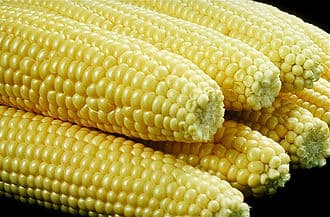 Ambrosia Corn
 American Basswood
 American Beauty Dragon Fruit
 American Beech
 American Persimmon
 Amethyst Falls Wisteria
 Amish Paste Tomato
 Anaheim Pepper
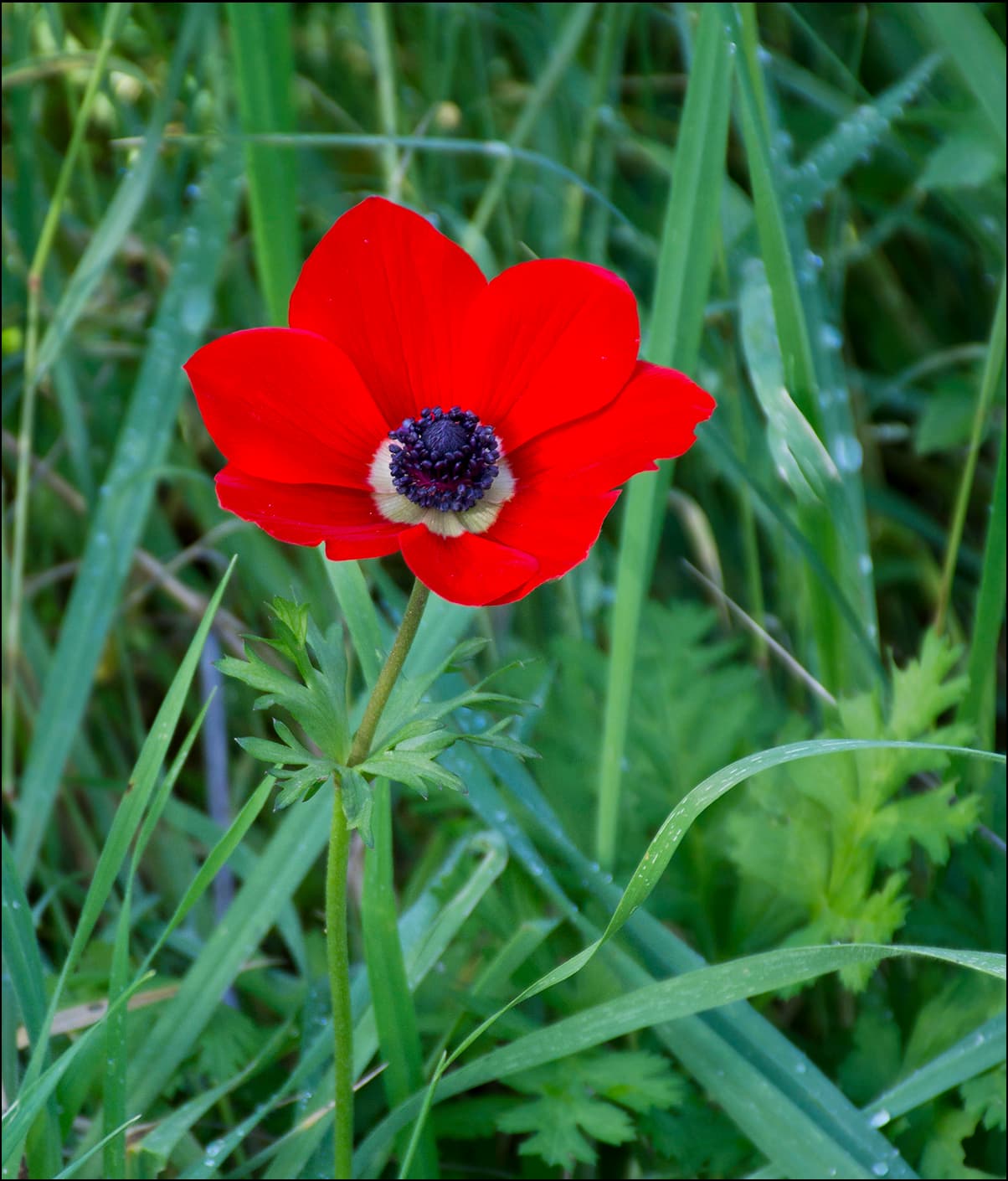 Anemone
 Angelique Tulip
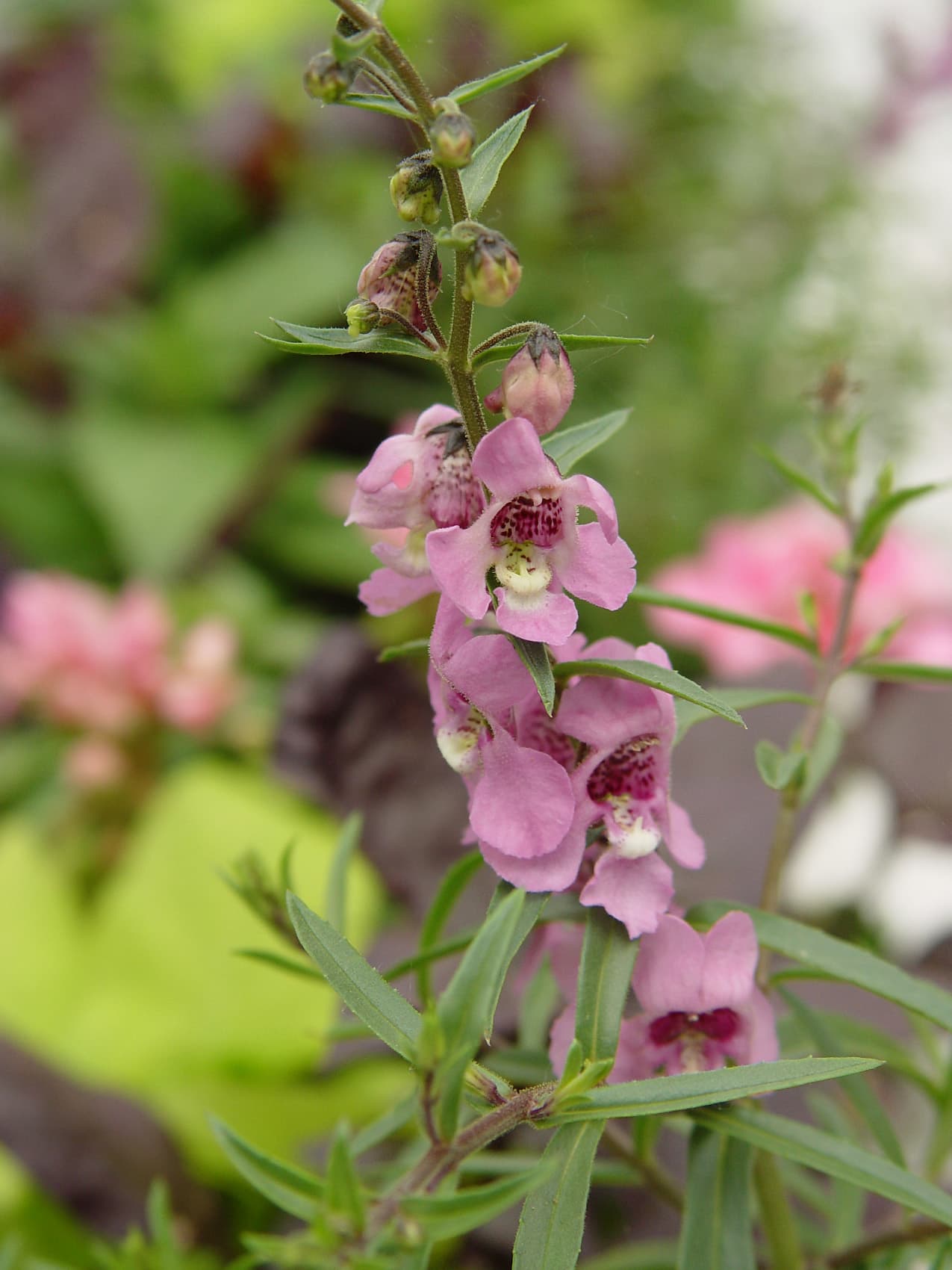 Angelonia
 Anise
Anise Anise Hyssop
 Anjou Pear
 Annabelle Smooth Hydrangea
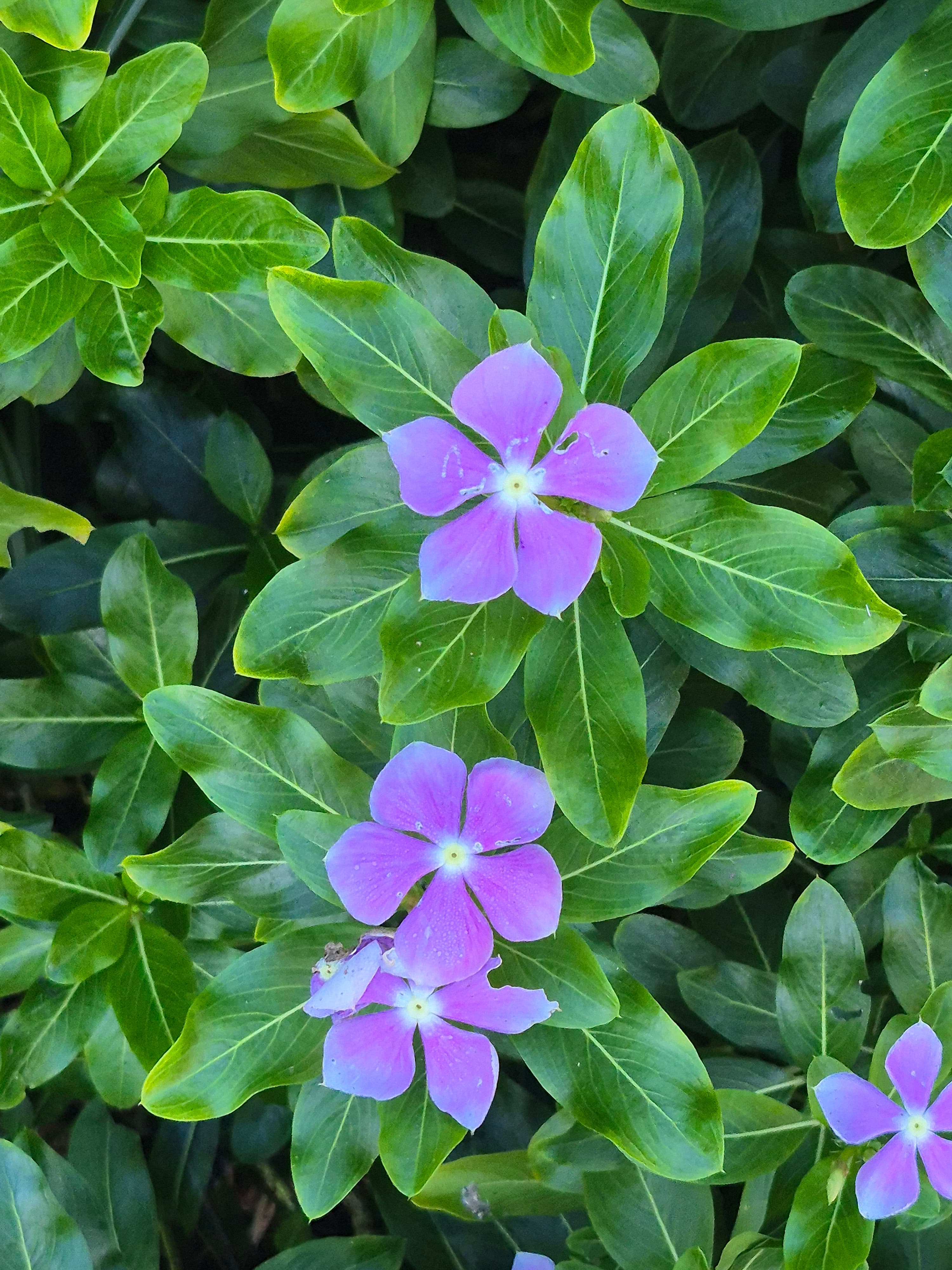 Annual Vinca
 Apeldoorn Tulip
 Apple Mint
 April Tryst Camellia
 Arbequina Olive
 Arizona Sun Blanket Flower
 Arkin Carambola
 Armenian Cucumber
 Aronia
 Arp Rosemary
 Arugula
 Ashwagandha
 Asian Pear
 Asian Persimmon
 Atemoya
 Atlantic Giant Pumpkin🥕Atomic Red Carrot
 Aucuba
 August Beauty Gardenia
 Aunt Molly's Ground Cherry
 Autumn Joy Sedum
 Avocado
 Bachelor's Button
 Balsam Fir
 Balsam Poplar
 Banana Pepper
 Barbara Karst Bougainvillea
 Bartlett Pear
 Bay Laurel
 Bayberry
 Beach Plum
 Beauregard Sweet Potato
 Becky Shasta Daisy
 Bee Balm🍅Beefmaster Tomato
 Benarys Giant Zinnia
 Bengal Tiger Canna
 Better Boy Tomato🥬Bibb Lettuce🍅Big Beef Tomato
 Big Boy Tomato
 Bilberry
 Bing Cherry
 Bitter Melon
 Black Bean
 Black Beauty Eggplant
 Black Beauty Zucchini
 Black Beluga Lentil
 Black Cherry Tomato
 Black Crowberry
 Black Currant🍉Black Diamond Watermelon
 Black Kabouli Chickpea
 Black Krim Tomato
 Black Raspberry
 Black Sapote🥬Black Seeded Simpson Lettuce🥕Black Spanish Radish
 Black Tartarian Cherry
 Black Walnut
 Black-Eyed Pea
 Black-eyed Susan Vine
 Blood Orange
 Bloomsdale Spinach
 Blue Bird Delphinium
 Blue Bird Rose of Sharon
 Blue Fescue
 Blue Lake Green Bean
 Bluecrop Blueberry
 Bocking 14 Comfrey
 Bok Choy
For educational and informational purposes only. Disease management advice is general guidance drawn from university cooperative extension sources; always identify a problem positively and read and follow the label on any product before use, especially around food crops, children, and pets.