Herbicide Injury
Damage to garden plants from weed killers that drift in on the wind, vaporize from a neighbor lawn or field, or linger in mulch, manure, or compost. Tomatoes, peppers, beans, and grapes are especially sensitive, and growth-regulator herbicides like 2,4-D and dicamba cause the classic twisted, distorted growth that is often mistaken for a disease.
🔎 How to spot it
Look for new growth that is twisted, cupped, curled, or strap-shaped, with stems and leaf stalks that bend and twist downward, and leaves that are narrow, fan-veined, or fern-like, all without any spots, mold, or insects. Tomatoes show extreme distortion and stunting of the growing tips. Symptoms appear over days to a couple of weeks and concentrate on the newest growth.
🥀 Damage it causes
Growth-regulator herbicides distort and stunt the plant, twisting stems and malforming leaves, and in severe cases stunt or kill it and prevent fruit set. Even plants that recover are slowed and may fruit late. Contaminated mulch, manure, or compost can stunt a whole bed, and grapes and tomatoes are damaged by surprisingly small doses.
🔬 What causes it
Herbicide injury comes from weed killers reaching plants they were not meant for: spray drifting on the wind, vapor drift as low-volatility products evaporate in heat, root uptake from a treated lawn nearby, or persistent herbicides carried in hay, manure, compost, grass clippings, or bagged mulch. Growth-regulator types such as 2,4-D, dicamba, and aminopyralid cause the distinctive twisting at very low doses.
🛡️ Prevent it
Do not spray weed killers on windy or hot days, and keep them far from the vegetable garden, using a dedicated sprayer for herbicides only. Ask neighbors and lawn services about timing, and shield sensitive plants. Be cautious with manure, compost, hay, and clippings from unknown sources, since persistent herbicides can survive composting, and let suspect materials age or test them on a few plants first.
🧯 If it is already here
There is no antidote, so keep affected plants watered and lightly fed and give them time, since plants that were only drifted on, not directly sprayed, often grow out of it over several weeks, just more slowly. Remove plants too badly distorted to recover, and do not eat fruit from plants with significant injury. Identify and remove the source, such as contaminated mulch, before it affects more plants.
💡 Good to know
The telltale sign of growth-regulator herbicide injury is the twisting, cupping, and fern-like distortion of new growth with no spots, mold, or pests, which sets it apart from a virus or disease. A baffling, gardenwide case of distorted tomatoes often traces back to contaminated manure, compost, or straw mulch rather than spray drift, so consider what was recently added to the soil.
🌱 Plants it affects
714 plants in the library can be affected by this problem
 Acorn Squash
 Adirondack Blue Potato
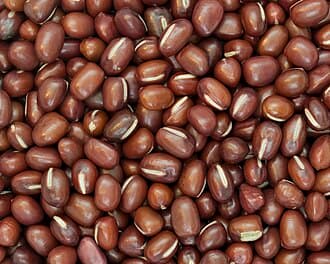 Adzuki Bean
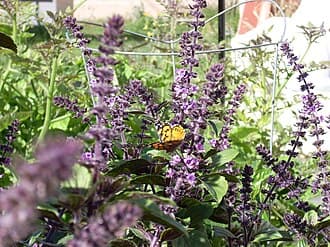 African Blue Basil
 African Marigold
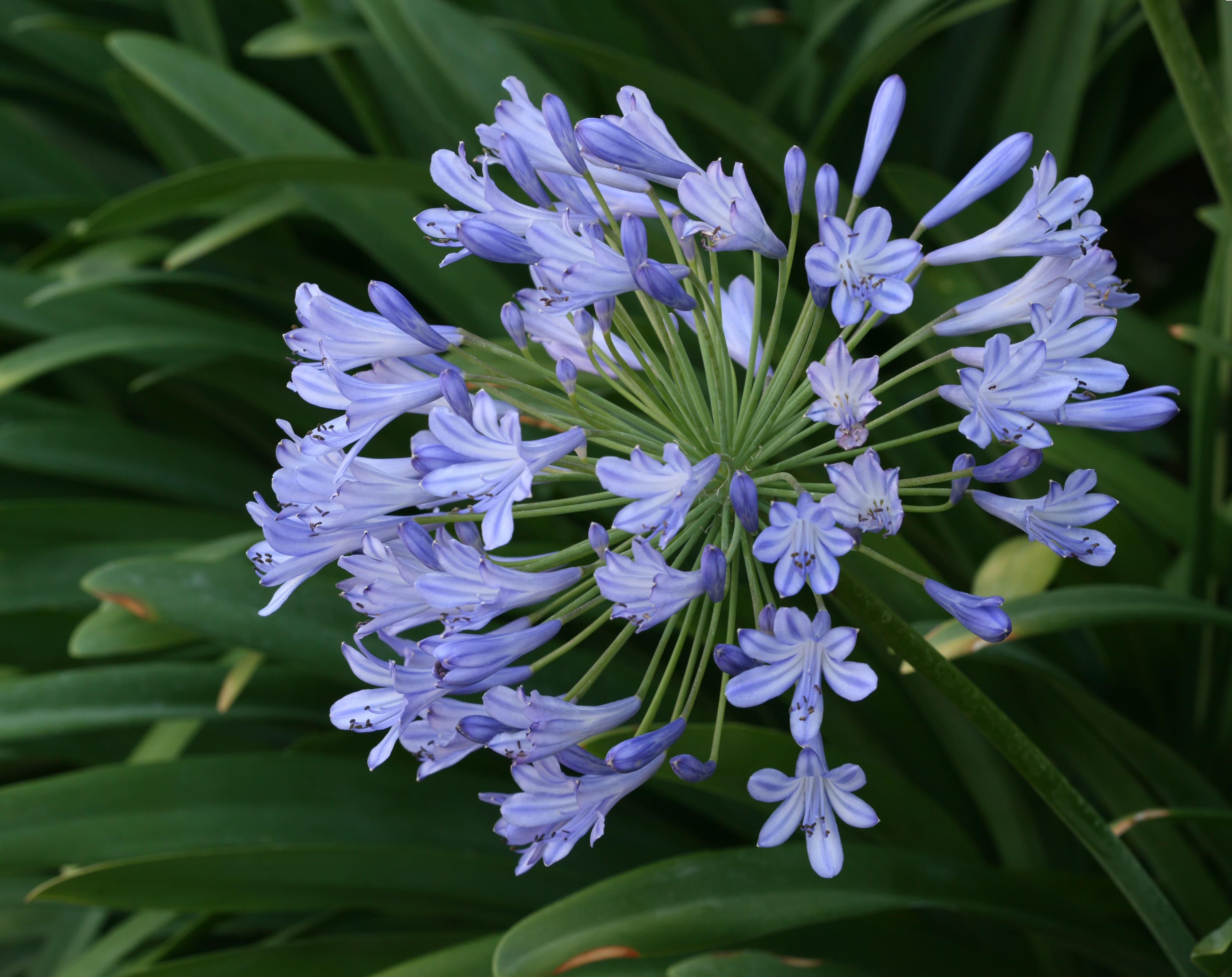 Agapanthus
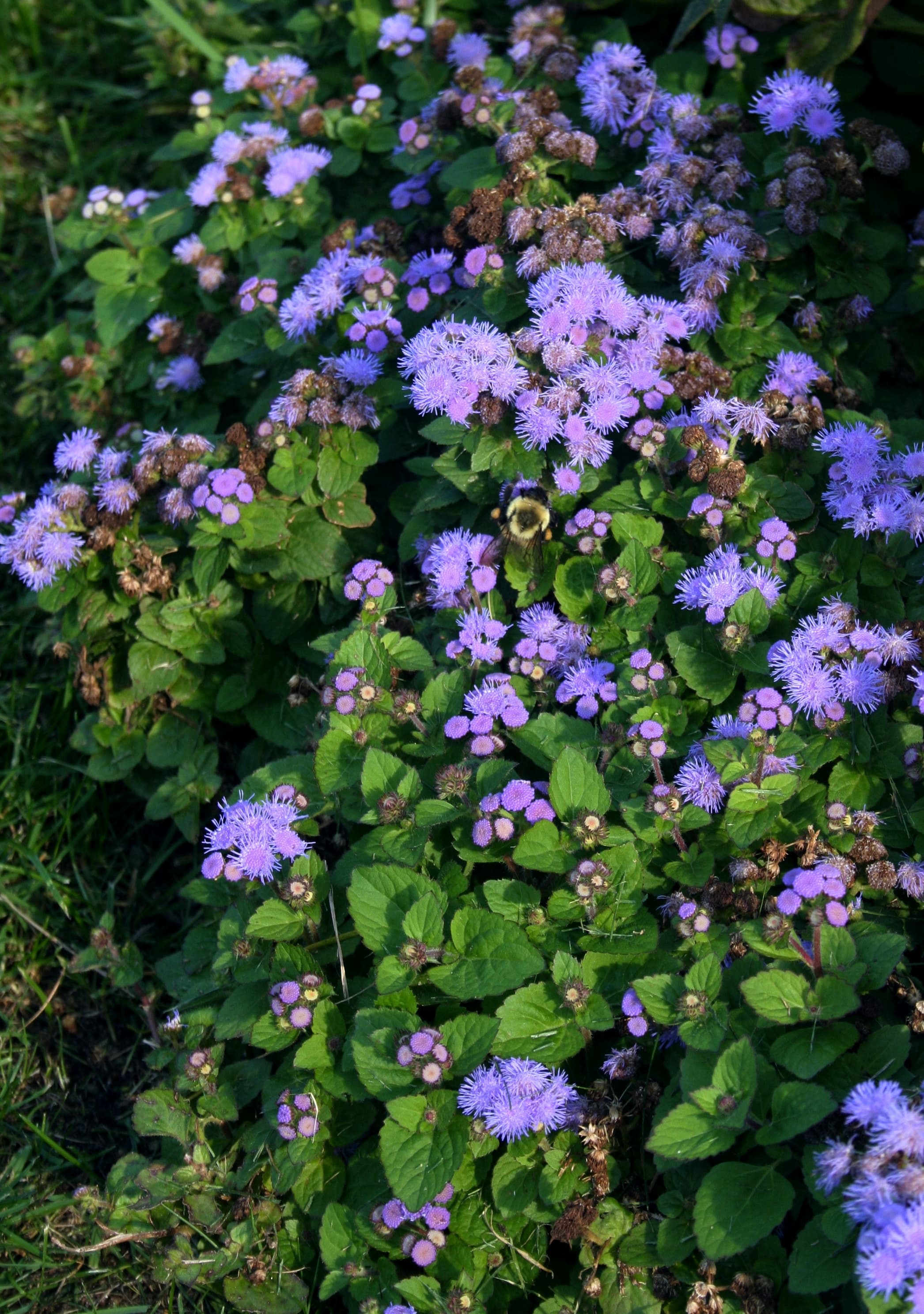 Ageratum
 Agrimony
 Aji Amarillo Pepper🍓Albion Strawberry
 Alice du Pont Mandevilla🥔All Blue Potato
 Almond
 Aloe Vera
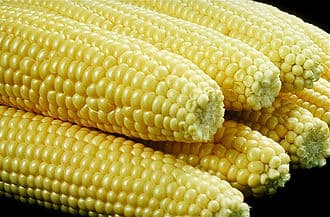 Ambrosia Corn
 American Basswood
 American Beauty Dragon Fruit
 American Beech
 American Persimmon
 Amethyst Falls Wisteria
 Amish Paste Tomato
 Anaheim Pepper
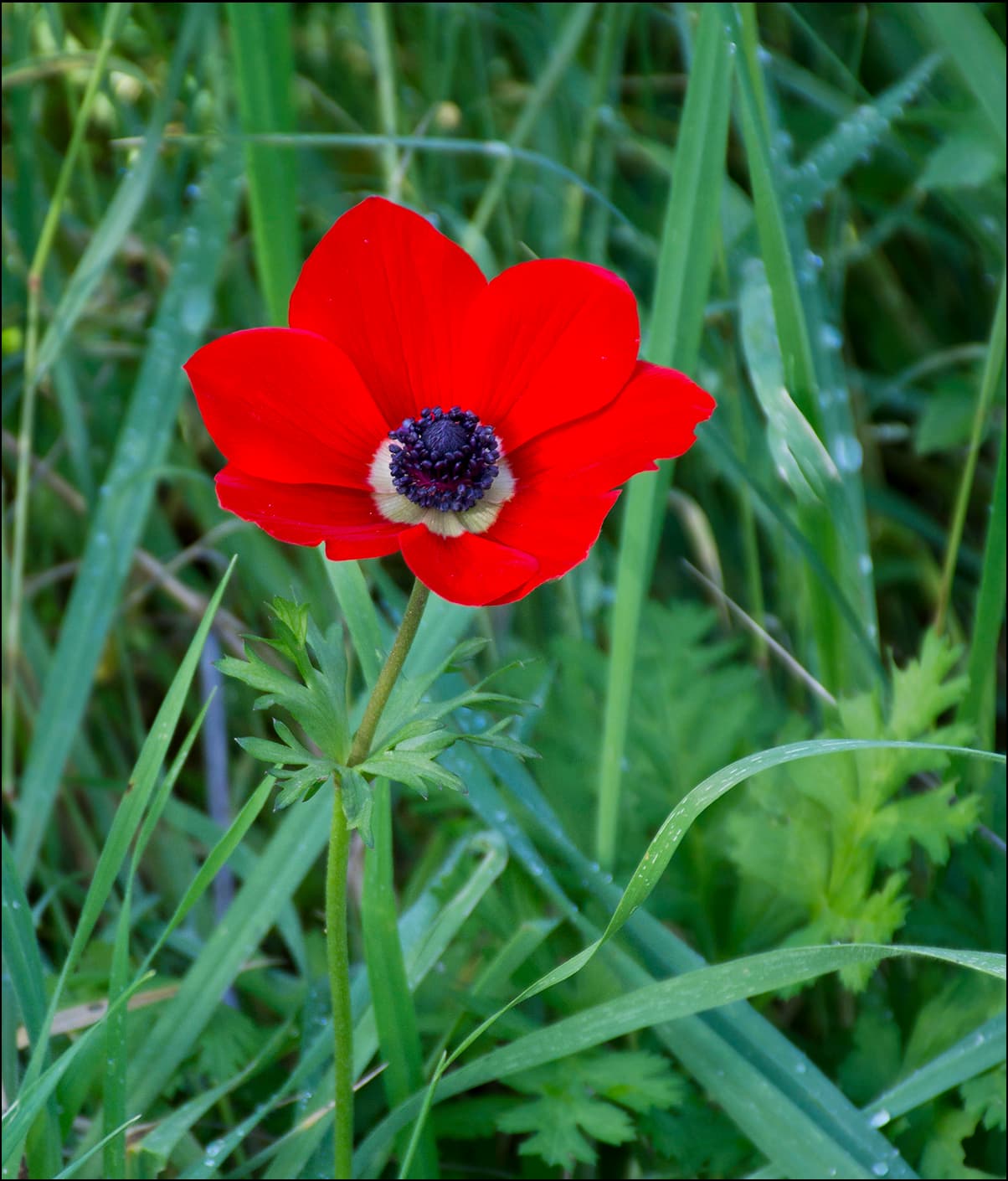 Anemone
 Angelique Tulip
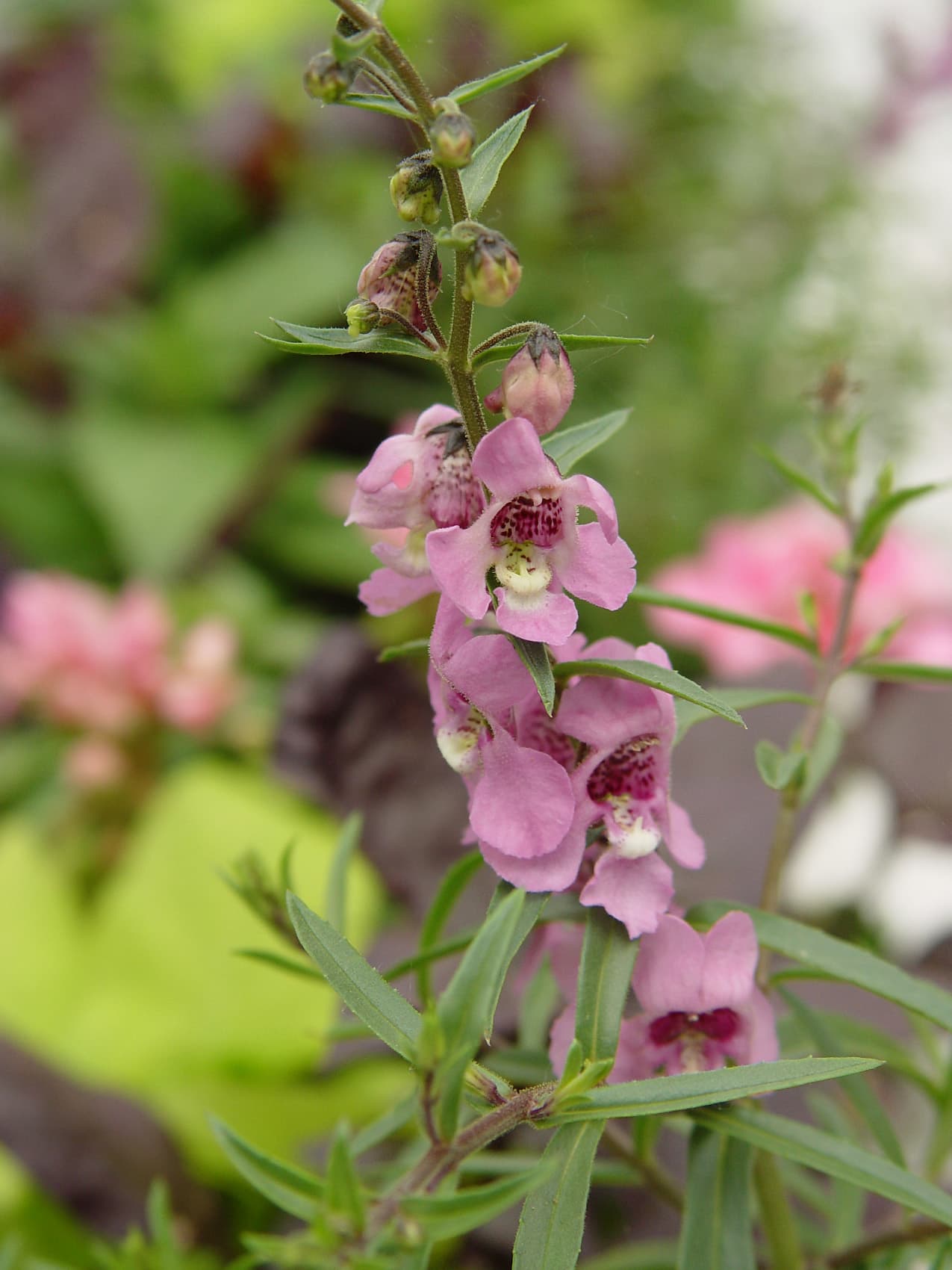 Angelonia
 Anise
Anise Anise Hyssop
 Anjou Pear
 Annabelle Smooth Hydrangea
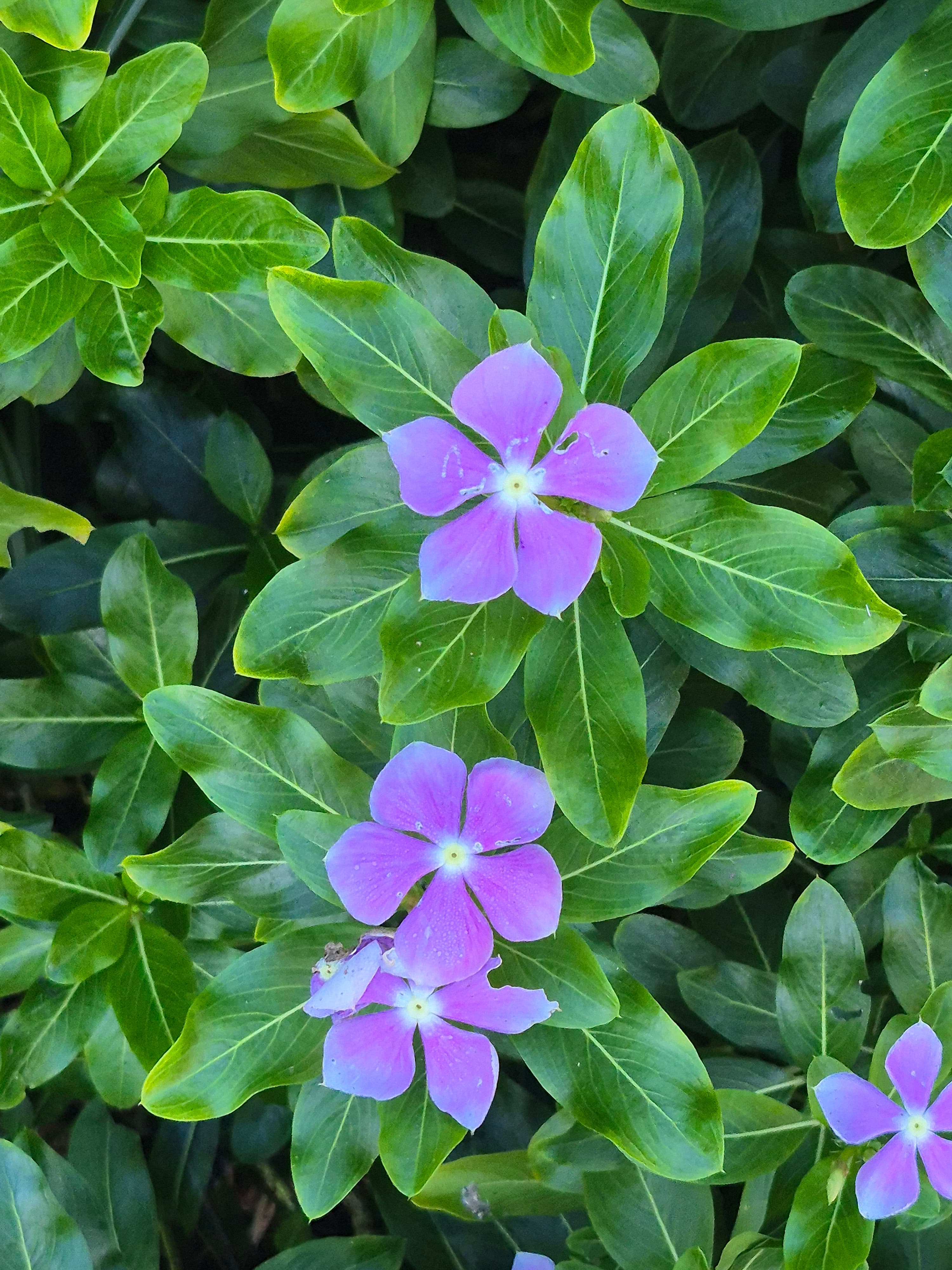 Annual Vinca
 Apeldoorn Tulip
 Apple Mint
 April Tryst Camellia
 Arbequina Olive
 Arizona Sun Blanket Flower
 Arkin Carambola
 Armenian Cucumber
 Aronia
 Arp Rosemary
 Arugula
 Ashwagandha
 Asian Pear
 Asian Persimmon
 Atemoya
 Atlantic Giant Pumpkin🥕Atomic Red Carrot
 Aucuba
 August Beauty Gardenia
 Aunt Molly's Ground Cherry
 Autumn Joy Sedum
 Avocado
 Bachelor's Button
 Balsam Fir
 Balsam Poplar
 Banana Pepper
 Barbara Karst Bougainvillea
 Bartlett Pear
 Bay Laurel
 Bayberry
 Beach Plum
 Beauregard Sweet Potato
 Becky Shasta Daisy
 Bee Balm🍅Beefmaster Tomato
 Benarys Giant Zinnia
 Bengal Tiger Canna
 Better Boy Tomato🥬Bibb Lettuce🍅Big Beef Tomato
 Big Boy Tomato
 Bilberry
 Bing Cherry
 Bitter Melon
 Black Bean
 Black Beauty Eggplant
 Black Beauty Zucchini
 Black Beluga Lentil
 Black Cherry Tomato
 Black Crowberry
 Black Currant🍉Black Diamond Watermelon
 Black Kabouli Chickpea
 Black Krim Tomato
 Black Raspberry
 Black Sapote🥬Black Seeded Simpson Lettuce🥕Black Spanish Radish
 Black Tartarian Cherry
 Black Walnut
 Black-Eyed Pea
 Black-eyed Susan Vine
 Blood Orange
 Bloomsdale Spinach
 Blue Bird Delphinium
 Blue Bird Rose of Sharon
 Blue Fescue
 Blue Lake Green Bean
 Bluecrop Blueberry
 Bocking 14 Comfrey
 Bok Choy
For educational and informational purposes only. Disease management advice is general guidance drawn from university cooperative extension sources; always identify a problem positively and read and follow the label on any product before use, especially around food crops, children, and pets.