
Nutrient Deficiency
A physiological disorder, not a disease, in which a plant runs short of an essential mineral nutrient and shows it in the leaves, usually as yellowing (chlorosis), discoloration, or stunting. Nutrient problems are among the most common things gardeners misread as disease, and the pattern, which leaves and where the yellowing falls, points to which nutrient is short.
🔎 How to spot it
Read the pattern. Nitrogen shortage yellows the whole plant starting with the oldest, lowest leaves. Potassium scorches and browns the margins of older leaves. Magnesium yellows between the veins of older leaves while the veins stay green. Iron and manganese cause that same interveinal yellowing but on the youngest, top leaves, the classic chlorosis seen on plants in alkaline, high-pH soil. Phosphorus shortage stunts the plant and can purple the older leaves. Where and which leaves yellow is the key clue.
🥀 Damage it causes
Nutrient-starved plants grow slowly, stay small and pale, flower and fruit poorly, and yield less. Severe or prolonged shortages can kill leaf tissue and stunt the plant for the season. The discoloration also weakens the plant and is easily mistaken for a disease, which can lead to the wrong treatment.
🔬 What causes it
A deficiency happens either because the nutrient is genuinely low in the soil or, just as often, because the plant cannot take it up. Cold, wet, or compacted soil, the wrong pH (high, alkaline pH in particular locks up iron and manganese and causes chlorosis), drought, and damaged roots all cause temporary shortages even when the soil test looks fine. Heavy feeding of one nutrient can also crowd out another.
🛡️ Prevent it
Start with a soil test to learn what your soil actually has and its pH, and amend and fertilize based on the results rather than guessing. Build soil with compost and organic matter, keep the pH in the right range for your crops so nutrients stay available, and water evenly. Avoid overdoing any single fertilizer, which can induce a deficiency of another nutrient.
🧯 If it is already here
Match the fix to the nutrient and the cause: feed nitrogen for general yellowing and use a balanced or targeted fertilizer guided by a soil test. For chlorosis from locked-up iron or manganese, lower a high soil pH with elemental sulfur and apply a chelated iron or manganese product, and a quick-acting or foliar feed can green the leaves while the slower soil correction takes hold. If cold, wet soil is the cause, the problem often clears on its own as the soil warms and the roots recover.
💡 Good to know
The single most useful clue is whether the oldest or the youngest leaves are affected: mobile nutrients (nitrogen, potassium, magnesium, phosphorus) are pulled from old leaves to feed new growth, so their shortages show on the lower, older leaves first, while immobile nutrients (iron, manganese, calcium) show as chlorosis on the new top growth. A soil test prevents most guesswork and wasted fertilizer.
🌱 Plants it affects
714 plants in the library can be affected by this problem
 Acorn Squash
 Adirondack Blue Potato
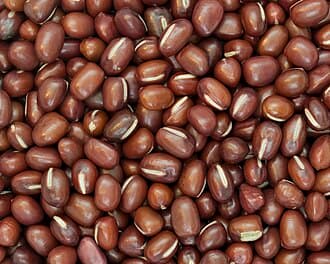 Adzuki Bean
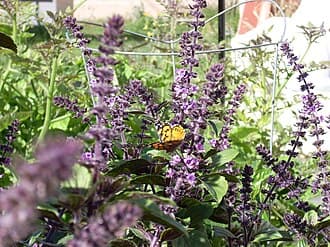 African Blue Basil
 African Marigold
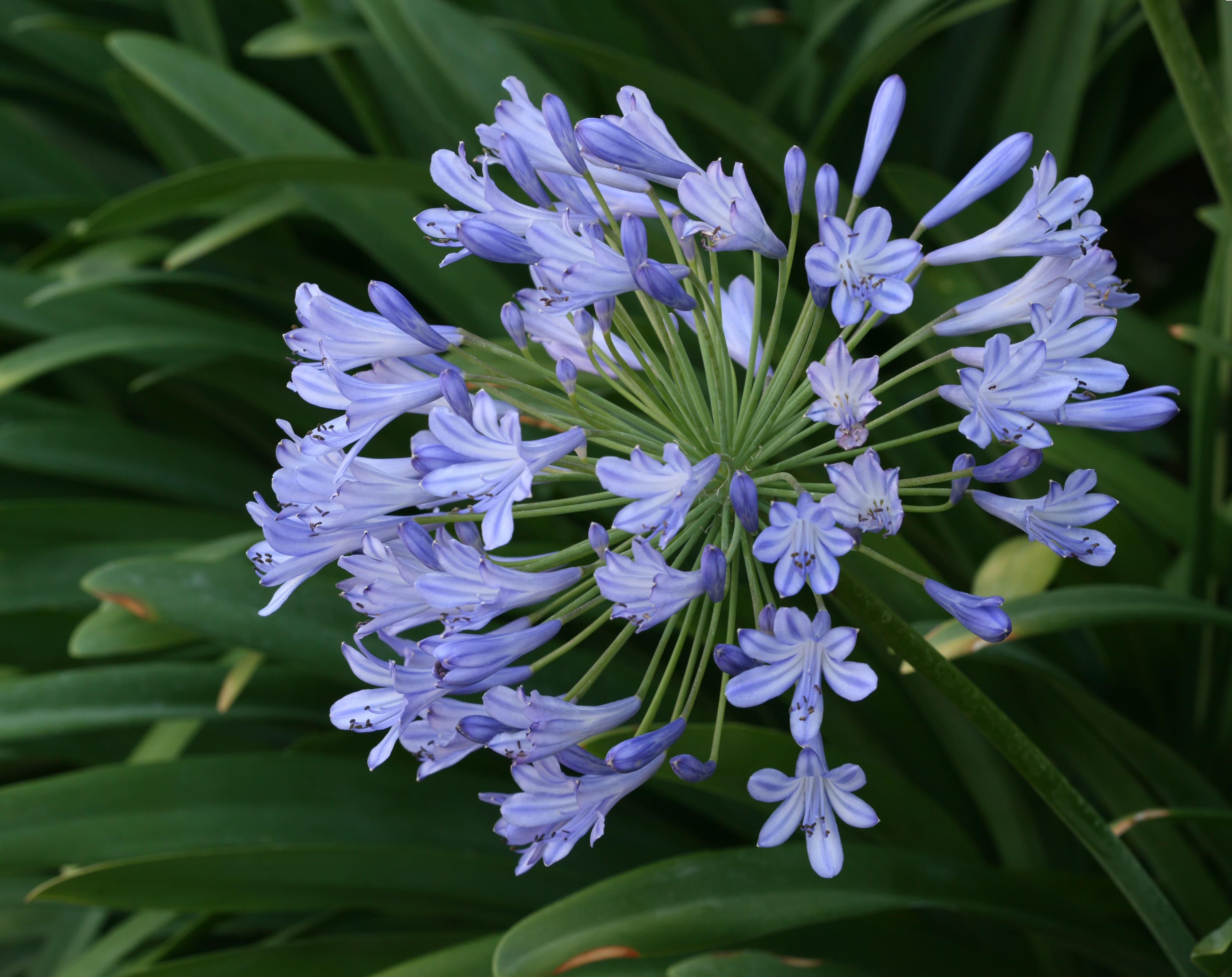 Agapanthus
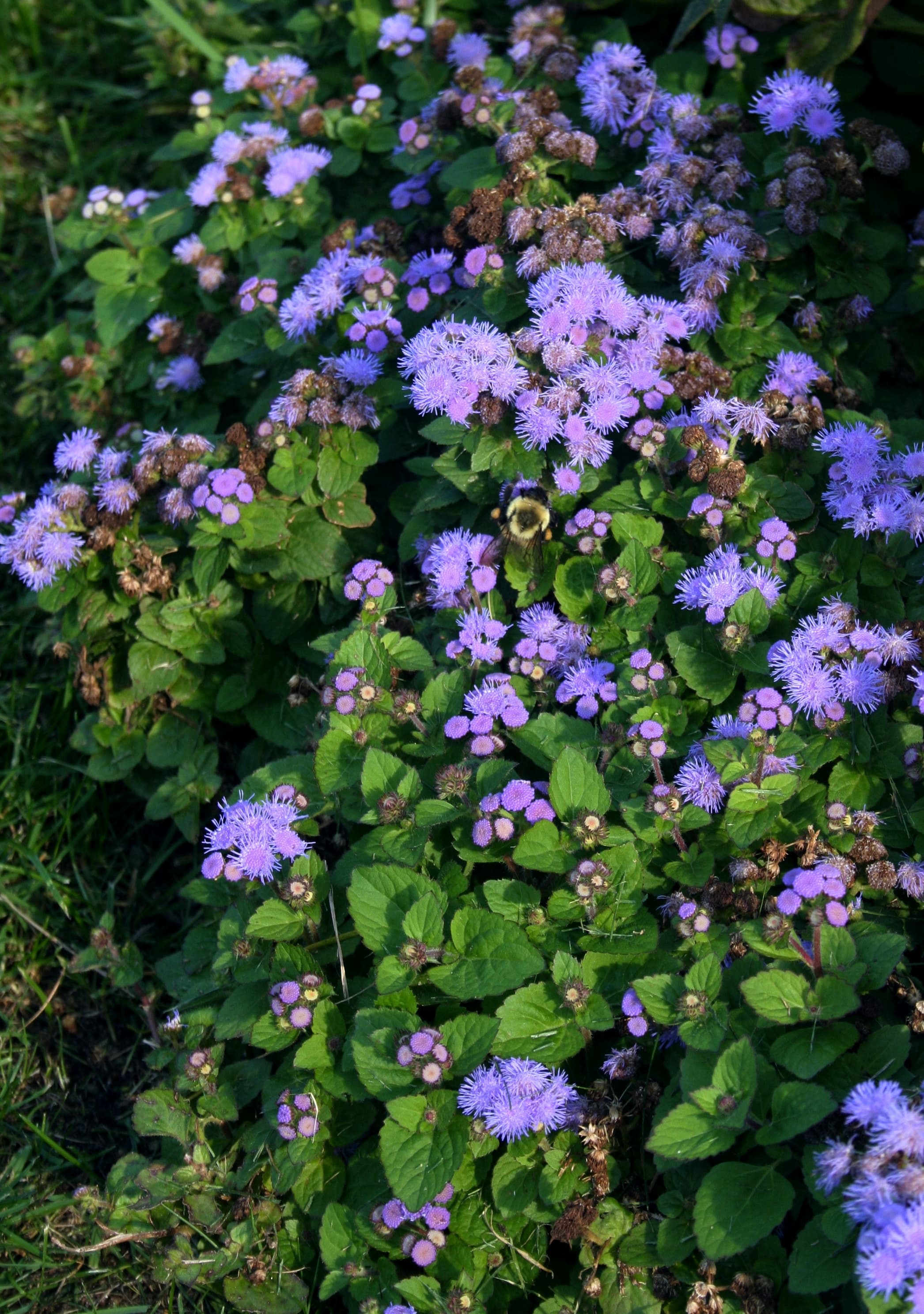 Ageratum
 Agrimony
 Aji Amarillo Pepper🍓Albion Strawberry
 Alice du Pont Mandevilla🥔All Blue Potato
 Almond
 Aloe Vera
 Ambrosia Corn
 American Basswood
 American Beauty Dragon Fruit
 American Beech
 American Persimmon
 Amethyst Falls Wisteria
 Amish Paste Tomato
 Anaheim Pepper
 Anemone
 Angelique Tulip
 Angelonia
 Anise
Anise Anise Hyssop
 Anjou Pear
 Annabelle Smooth Hydrangea
 Annual Vinca
 Apeldoorn Tulip
 Apple Mint
 April Tryst Camellia
 Arbequina Olive
 Arizona Sun Blanket Flower
 Arkin Carambola
 Armenian Cucumber
 Aronia
 Arp Rosemary
 Arugula
 Ashwagandha
 Asian Pear
 Asian Persimmon
 Atemoya
 Atlantic Giant Pumpkin🥕Atomic Red Carrot
 Aucuba
 August Beauty Gardenia
 Aunt Molly's Ground Cherry
 Autumn Joy Sedum
 Avocado
 Bachelor's Button
 Balsam Fir
 Balsam Poplar
 Banana Pepper
 Barbara Karst Bougainvillea
 Bartlett Pear
 Bay Laurel
 Bayberry
 Beach Plum
 Beauregard Sweet Potato
 Becky Shasta Daisy
 Bee Balm🍅Beefmaster Tomato
 Benarys Giant Zinnia
 Bengal Tiger Canna
 Better Boy Tomato🥬Bibb Lettuce🍅Big Beef Tomato
 Big Boy Tomato
 Bilberry
 Bing Cherry
 Bitter Melon
 Black Bean
 Black Beauty Eggplant
 Black Beauty Zucchini
 Black Beluga Lentil
 Black Cherry Tomato
 Black Crowberry
 Black Currant🍉Black Diamond Watermelon
 Black Kabouli Chickpea
 Black Krim Tomato
 Black Raspberry
 Black Sapote🥬Black Seeded Simpson Lettuce🥕Black Spanish Radish
 Black Tartarian Cherry
 Black Walnut
 Black-Eyed Pea
 Black-eyed Susan Vine
 Blood Orange
 Bloomsdale Spinach
 Blue Bird Delphinium
 Blue Bird Rose of Sharon
 Blue Fescue
 Blue Lake Green Bean
 Bluecrop Blueberry
 Bocking 14 Comfrey
 Bok Choy
For educational and informational purposes only. Disease management advice is general guidance drawn from university cooperative extension sources; always identify a problem positively and read and follow the label on any product before use, especially around food crops, children, and pets.