
Sooty Mold
Capnodium and related fungi
A black, soot-like coating that grows on leaves, stems, and fruit wherever honeydew, the sticky waste of sap-sucking insects, has rained down. Sooty mold does not infect the plant; it grows on the honeydew, but a heavy black film blocks light and can weaken the plant. It is a sign that aphids, scale, whiteflies, or another honeydew maker are at work above.
🔎 How to spot it
Look for a dark gray to black, dry, sooty film coating the upper surfaces of leaves, twigs, and fruit, and often whatever sits below the plant. The coating wipes or flakes off, since it sits on the surface rather than penetrating. Above the blackened leaves you will usually find the real cause: colonies of aphids, soft scale, whiteflies, mealybugs, or psyllids, plus shiny, sticky honeydew and often ants.
🥀 Damage it causes
Sooty mold itself does not infect plant tissue, but a thick black coating blocks sunlight from the leaf, reducing photosynthesis and, when heavy, stunting growth and lowering vigor and fruit quality. Coated fruit is unsightly and downgraded. The bigger harm is usually from the sap-sucking insects producing the honeydew, not the mold itself.
🔬 What causes it
Sooty mold is caused by harmless fungi that grow only on honeydew, the sugary excretion of sap-feeding insects such as aphids, soft scales, whiteflies, mealybugs, and psyllids feeding above. Wherever those insects drip honeydew, the mold colonizes it. Ants make it worse by farming and protecting the honeydew producers from their natural enemies.
🛡️ Prevent it
Because the mold only grows on honeydew, the fix is to control the insects making it: keep aphids, scale, whiteflies, and mealybugs in check, and manage the ants that protect them so beneficial predators can work. Rinse honeydew off with a strong spray of water, avoid over-fertilizing with nitrogen, which fuels the soft growth those insects love, and encourage natural enemies.
🧯 If it is already here
Treat the insects, not the mold: knock back the aphids, scale, or whiteflies with a water jet, insecticidal soap, or horticultural oil, and band tree trunks or set bait to stop the ants. Once the honeydew stops, the existing sooty mold weathers and flakes off over time, and you can speed it up by washing the leaves and fruit with water or a mild soap solution.
💡 Good to know
Sooty mold is a symptom, not the disease, a black flag that a honeydew-producing insect is feeding overhead, so the real diagnosis is finding the aphids, scale, or whiteflies above the blackened leaves. Controlling those insects, and the ants that guard them, clears the mold; spraying fungicide on the mold itself accomplishes little.
🌱 Plants it affects
714 plants in the library can be affected by this problem
 Acorn Squash
 Adirondack Blue Potato
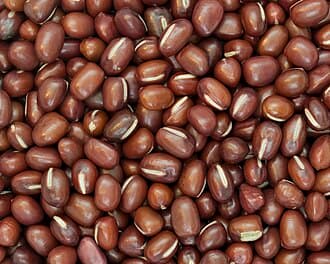 Adzuki Bean
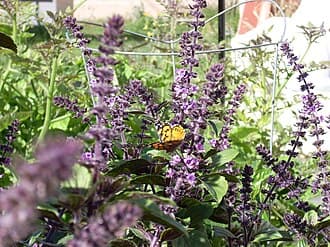 African Blue Basil
 African Marigold
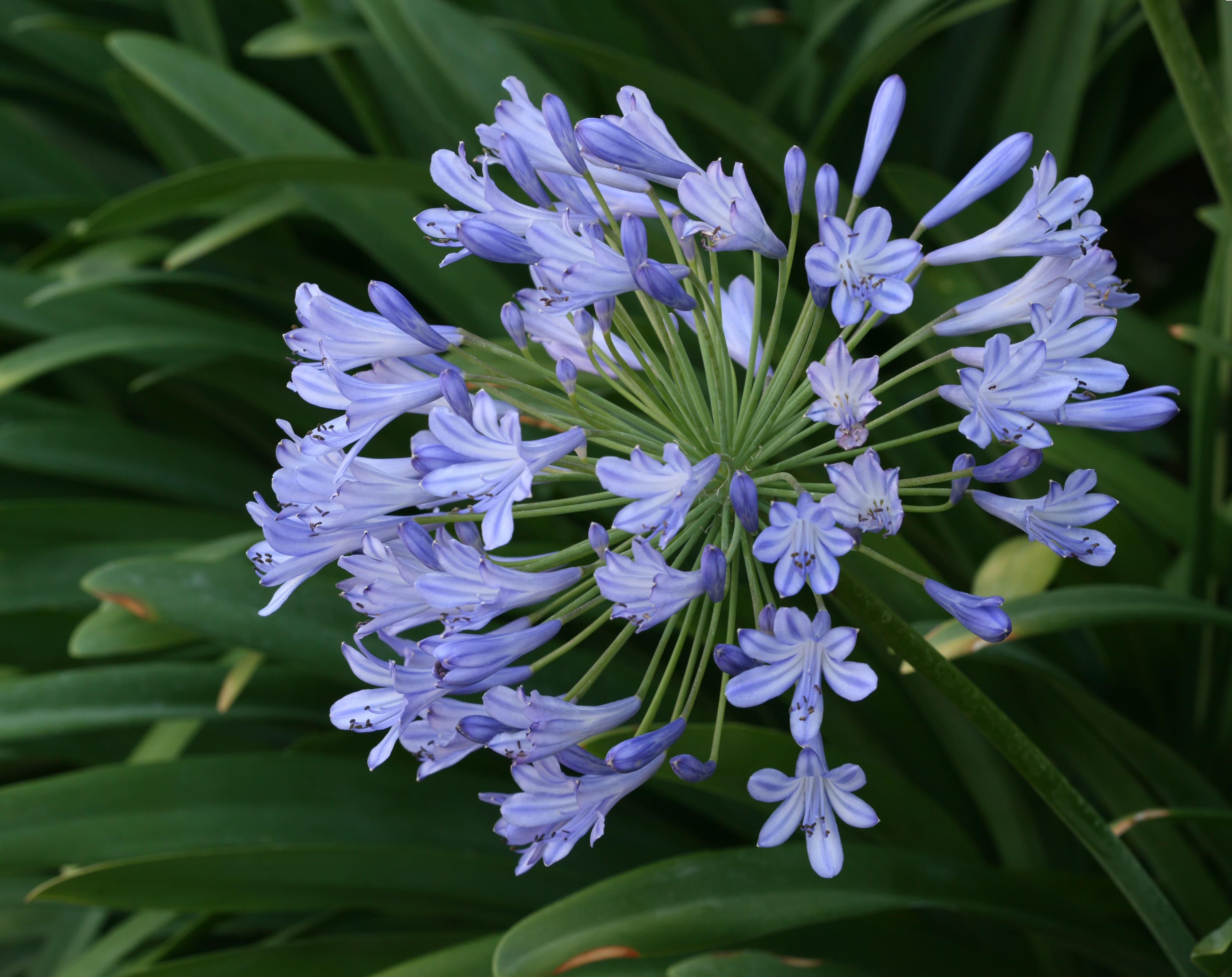 Agapanthus
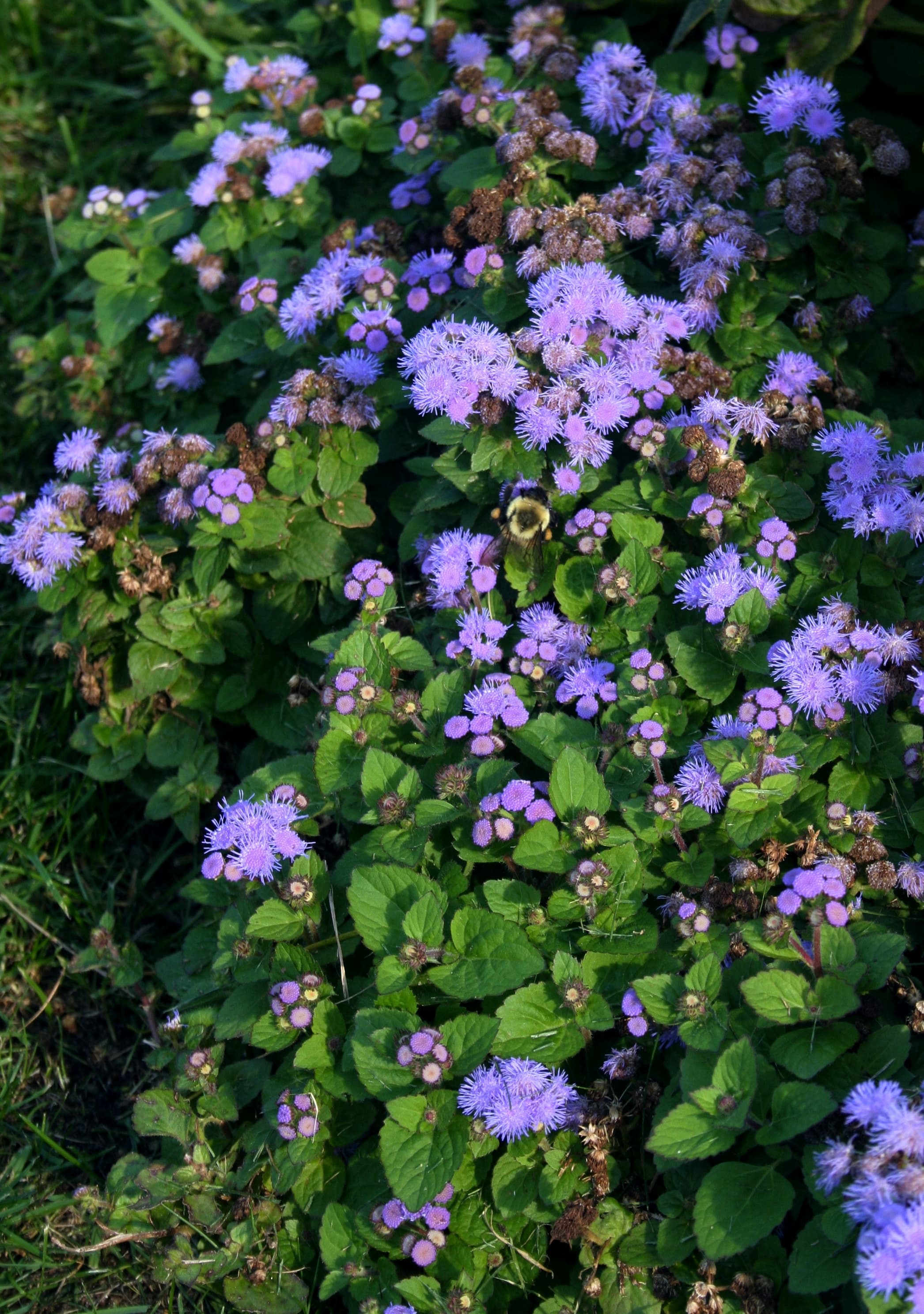 Ageratum
 Agrimony
 Aji Amarillo Pepper🍓Albion Strawberry
 Alice du Pont Mandevilla🥔All Blue Potato
 Almond
 Aloe Vera
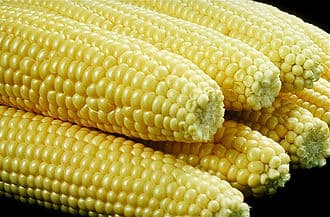 Ambrosia Corn
 American Basswood
 American Beauty Dragon Fruit
 American Beech
 American Persimmon
 Amethyst Falls Wisteria
 Amish Paste Tomato
 Anaheim Pepper
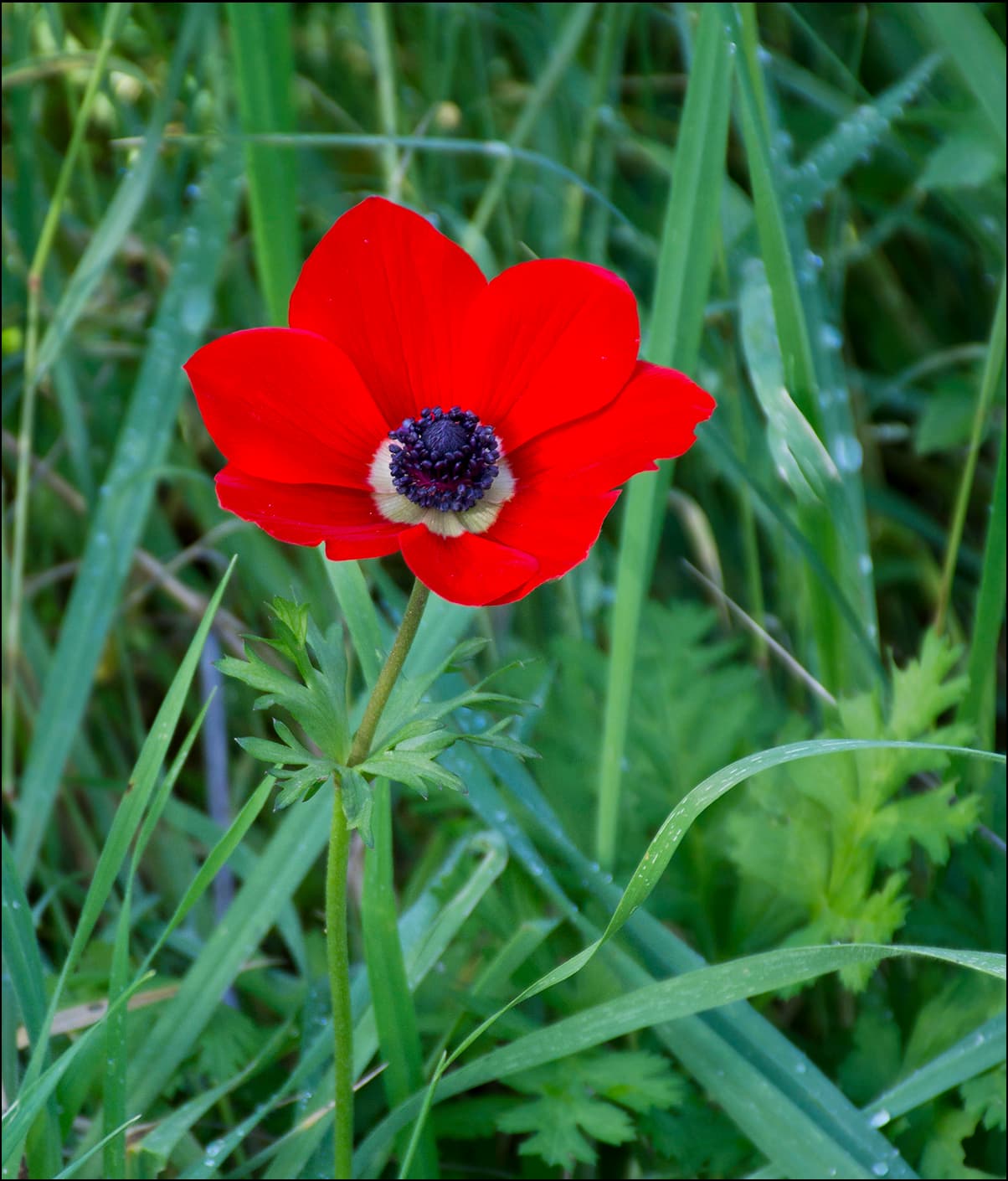 Anemone
 Angelique Tulip
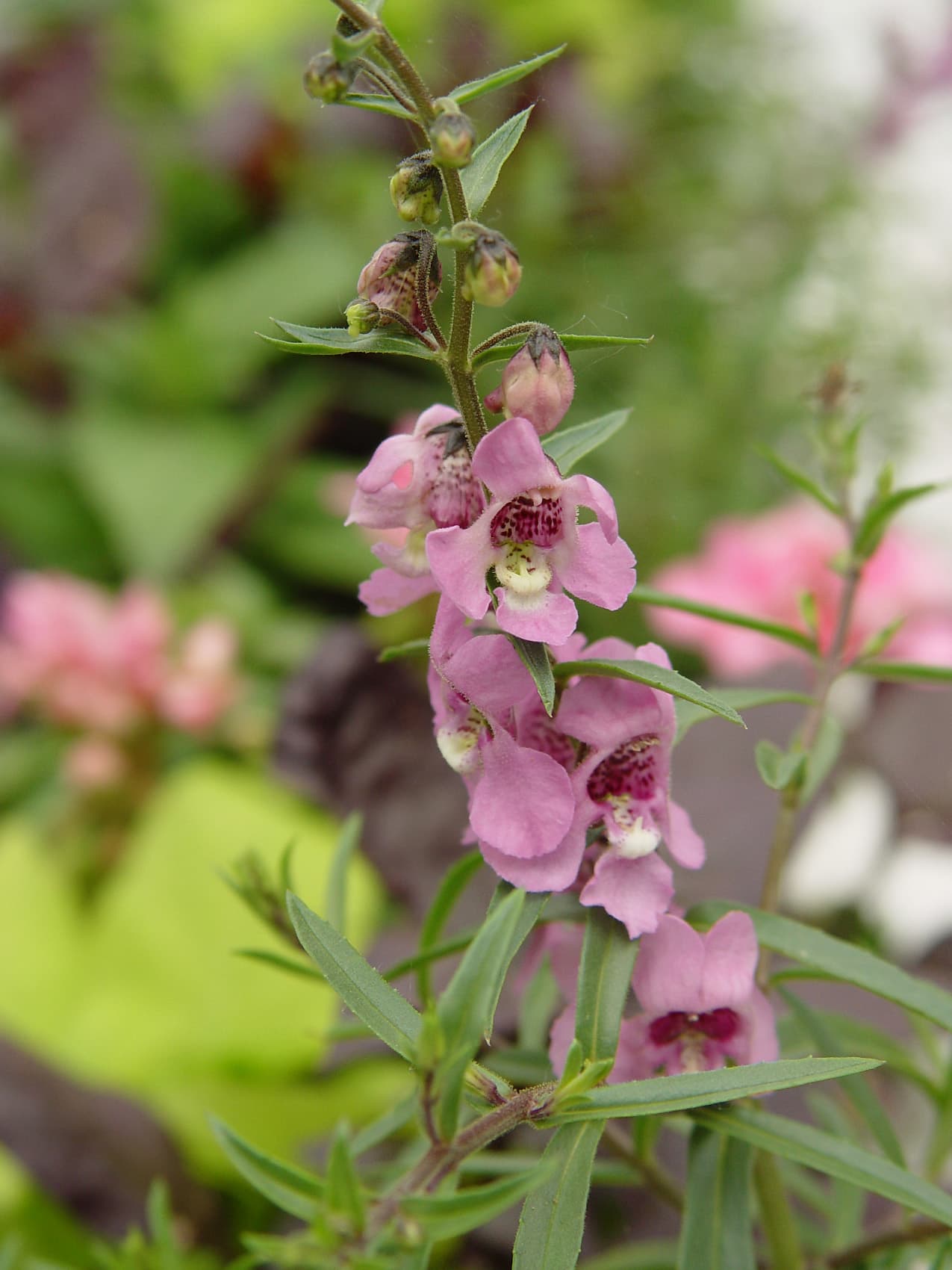 Angelonia
 Anise
Anise Anise Hyssop
 Anjou Pear
 Annabelle Smooth Hydrangea
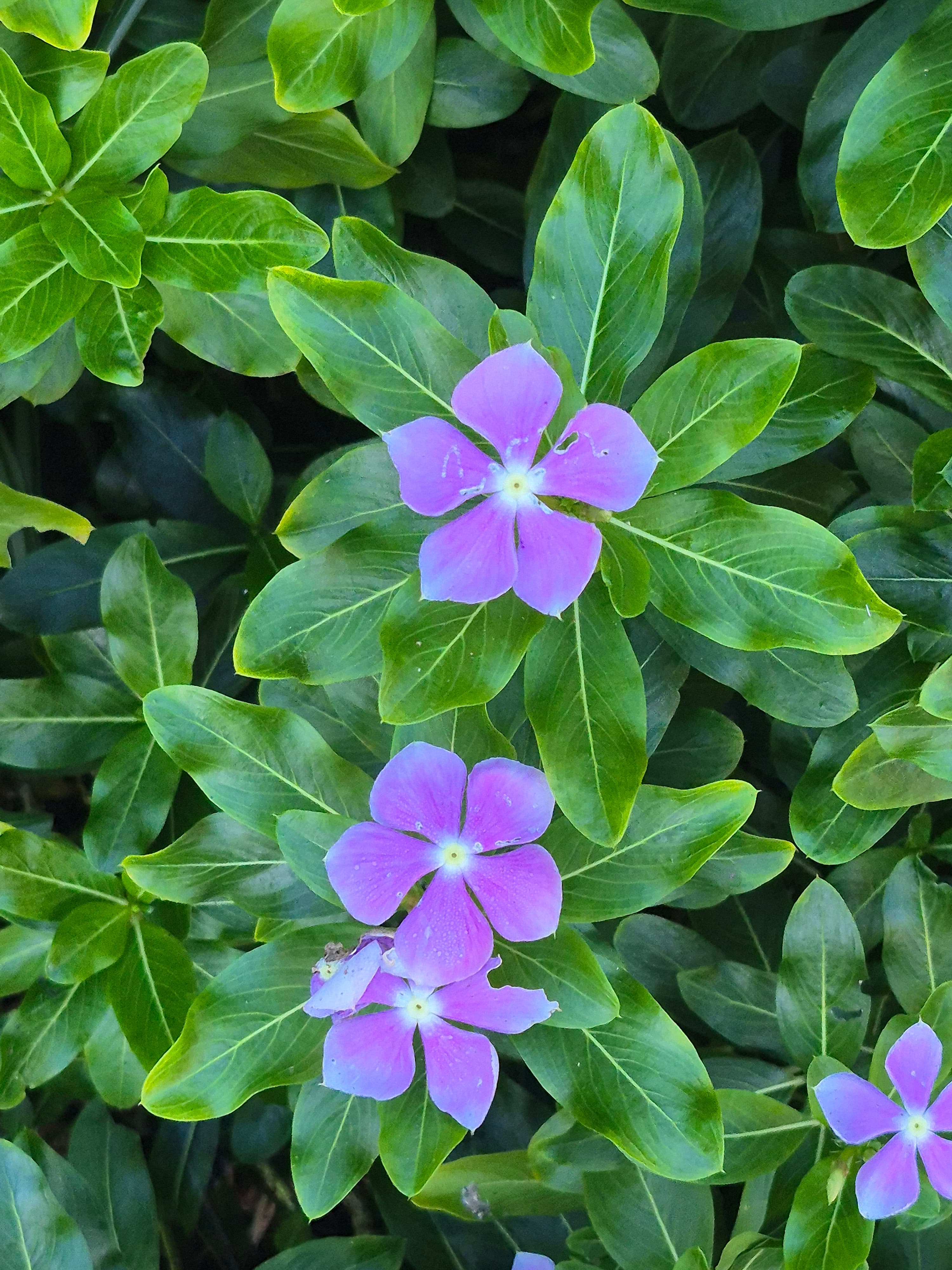 Annual Vinca
 Apeldoorn Tulip
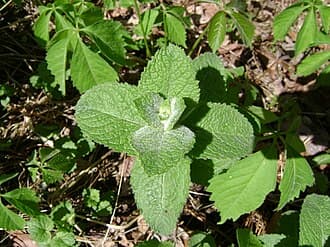 Apple Mint
 April Tryst Camellia
 Arbequina Olive
 Arizona Sun Blanket Flower
 Arkin Carambola
 Armenian Cucumber
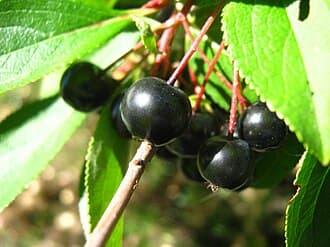 Aronia
 Arp Rosemary
 Arugula
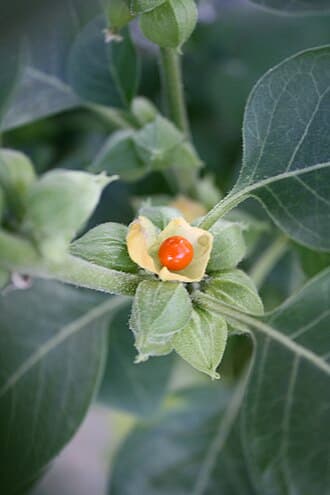 Ashwagandha
 Asian Pear
 Asian Persimmon
 Atemoya
 Atlantic Giant Pumpkin🥕Atomic Red Carrot
 Aucuba
 August Beauty Gardenia
 Aunt Molly's Ground Cherry
 Autumn Joy Sedum
 Avocado
 Bachelor's Button
 Balsam Fir
 Balsam Poplar
 Banana Pepper
 Barbara Karst Bougainvillea
 Bartlett Pear
 Bay Laurel
 Bayberry
 Beach Plum
 Beauregard Sweet Potato
 Becky Shasta Daisy
 Bee Balm🍅Beefmaster Tomato
 Benarys Giant Zinnia
 Bengal Tiger Canna
 Better Boy Tomato🥬Bibb Lettuce🍅Big Beef Tomato
 Big Boy Tomato
 Bilberry
 Bing Cherry
 Bitter Melon
 Black Bean
 Black Beauty Eggplant
 Black Beauty Zucchini
 Black Beluga Lentil
 Black Cherry Tomato
 Black Crowberry
 Black Currant🍉Black Diamond Watermelon
 Black Kabouli Chickpea
 Black Krim Tomato
 Black Raspberry
 Black Sapote🥬Black Seeded Simpson Lettuce🥕Black Spanish Radish
 Black Tartarian Cherry
 Black Walnut
 Black-Eyed Pea
 Black-eyed Susan Vine
 Blood Orange
 Bloomsdale Spinach
 Blue Bird Delphinium
 Blue Bird Rose of Sharon
 Blue Fescue
 Blue Lake Green Bean
 Bluecrop Blueberry
 Bocking 14 Comfrey
 Bok Choy
For educational and informational purposes only. Disease management advice is general guidance drawn from university cooperative extension sources; always identify a problem positively and read and follow the label on any product before use, especially around food crops, children, and pets.