
Verticillium Wilt
Verticillium dahliae
A widespread soilborne fungal wilt that, like Fusarium, clogs the water-conducting tissue of a plant and causes yellowing, wilting, and dieback. Verticillium attacks an enormous range of vegetables, flowers, brambles, and trees, and its resting structures can survive in soil for over a decade, making resistant varieties and rotation essential.
🔎 How to spot it
Look for foliage that fades to dull green, yellow, then brown and wilts in scattered parts of the canopy, often starting on lower and outer leaves and sometimes on one side of the plant. Leaf edges may scorch and curl. Slicing the lower stem or a root lengthwise reveals brown, streaked discoloration in the water-conducting tissue. Decline is usually slower than with a sudden bacterial wilt.
🥀 Damage it causes
The fungus blocks water movement, so plants wilt, lose leaves, decline, and may die, with the harvest reduced or lost. On long-lived plants like brambles and trees it can cause branch dieback over several seasons. The soilborne resting bodies keep the site infested for many years.
🔬 What causes it
Verticillium wilt is caused mainly by the soil fungus Verticillium dahliae, which enters through the roots and colonizes the water-conducting tissue. It forms microscopic black resting structures, microsclerotia, that can survive in soil up to about 14 years without a host. It is spread on infested soil, debris, and transplants and tends to be favored by cooler soils than Fusarium.
🛡️ Prevent it
Plant resistant or tolerant varieties, shown with a V in seed catalogs, and rotate with non-susceptible crops such as grasses and grains. Avoid following susceptible crops in the same ground, control weeds that host the fungus, and keep plants vigorous but not over-fertilized. Clean soil from tools and equipment, and do not move infested soil to clean beds.
🧯 If it is already here
There is no cure once a plant is infected, so remove and destroy affected plants and avoid composting them. Manage future plantings with resistant varieties, long rotations, and clean soil or containers. In hot climates, soil solarization can reduce the fungus in the surface soil. Keeping survivors watered and lightly fed may prolong them but will not cure the disease.
💡 Good to know
Verticillium and Fusarium wilt are hard to tell apart by eye, since both cause one-sided wilting and brown vascular streaking; Verticillium generally favors cooler conditions and has a much wider host range. Because the resting bodies last so long in soil, rotation alone rarely clears a bed, so resistant varieties are the dependable answer.
🌱 Plants it affects
714 plants in the library can be affected by this problem
 Acorn Squash
 Adirondack Blue Potato
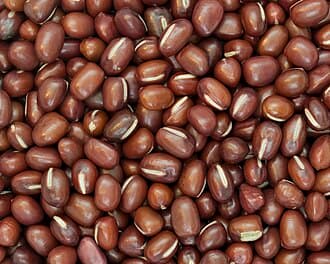 Adzuki Bean
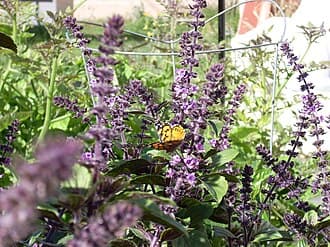 African Blue Basil
 African Marigold
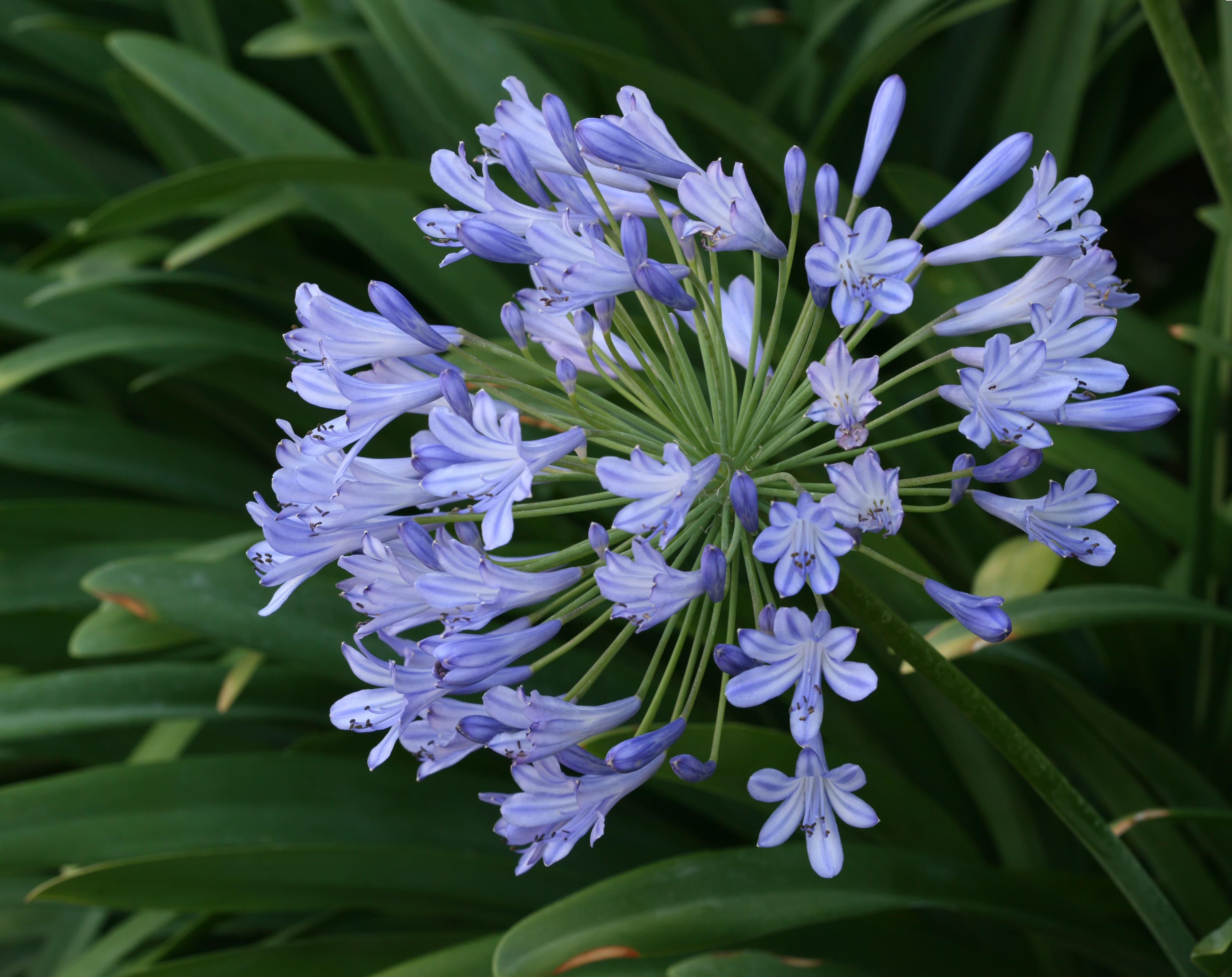 Agapanthus
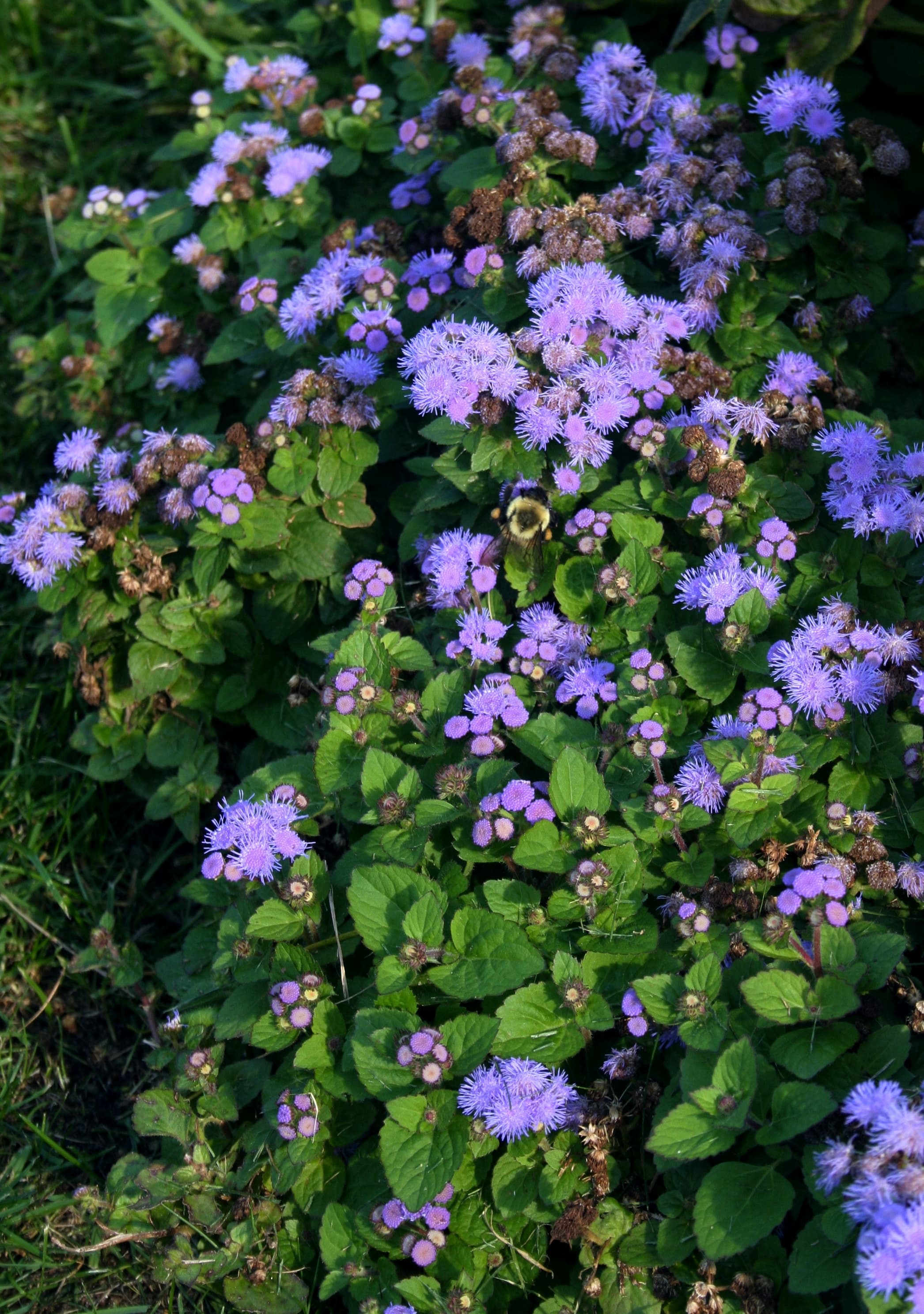 Ageratum
 Agrimony
 Aji Amarillo Pepper🍓Albion Strawberry
 Alice du Pont Mandevilla🥔All Blue Potato
 Almond
 Aloe Vera
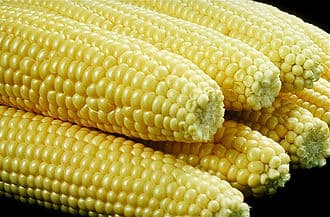 Ambrosia Corn
 American Basswood
 American Beauty Dragon Fruit
 American Beech
 American Persimmon
 Amethyst Falls Wisteria
 Amish Paste Tomato
 Anaheim Pepper
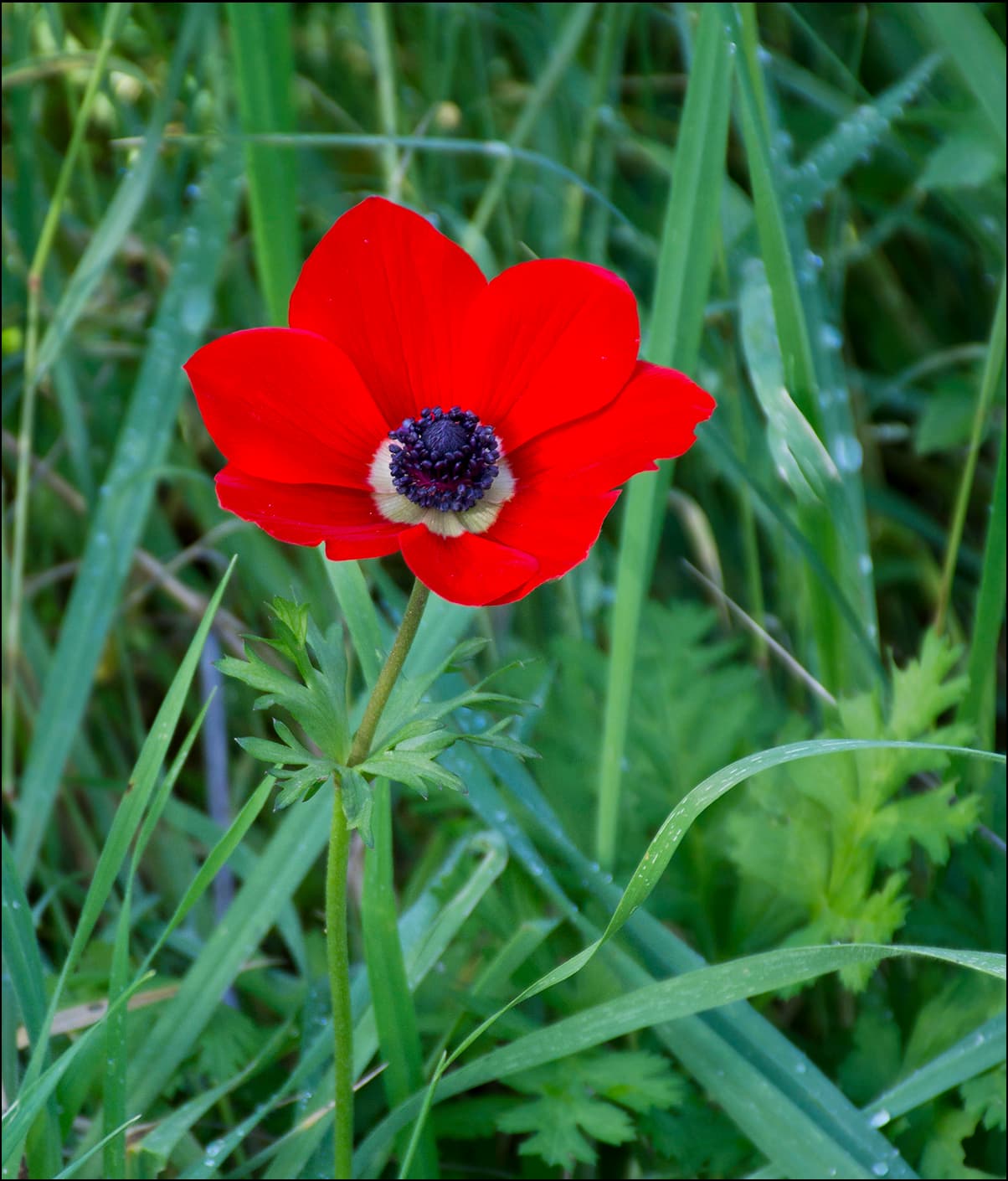 Anemone
 Angelique Tulip
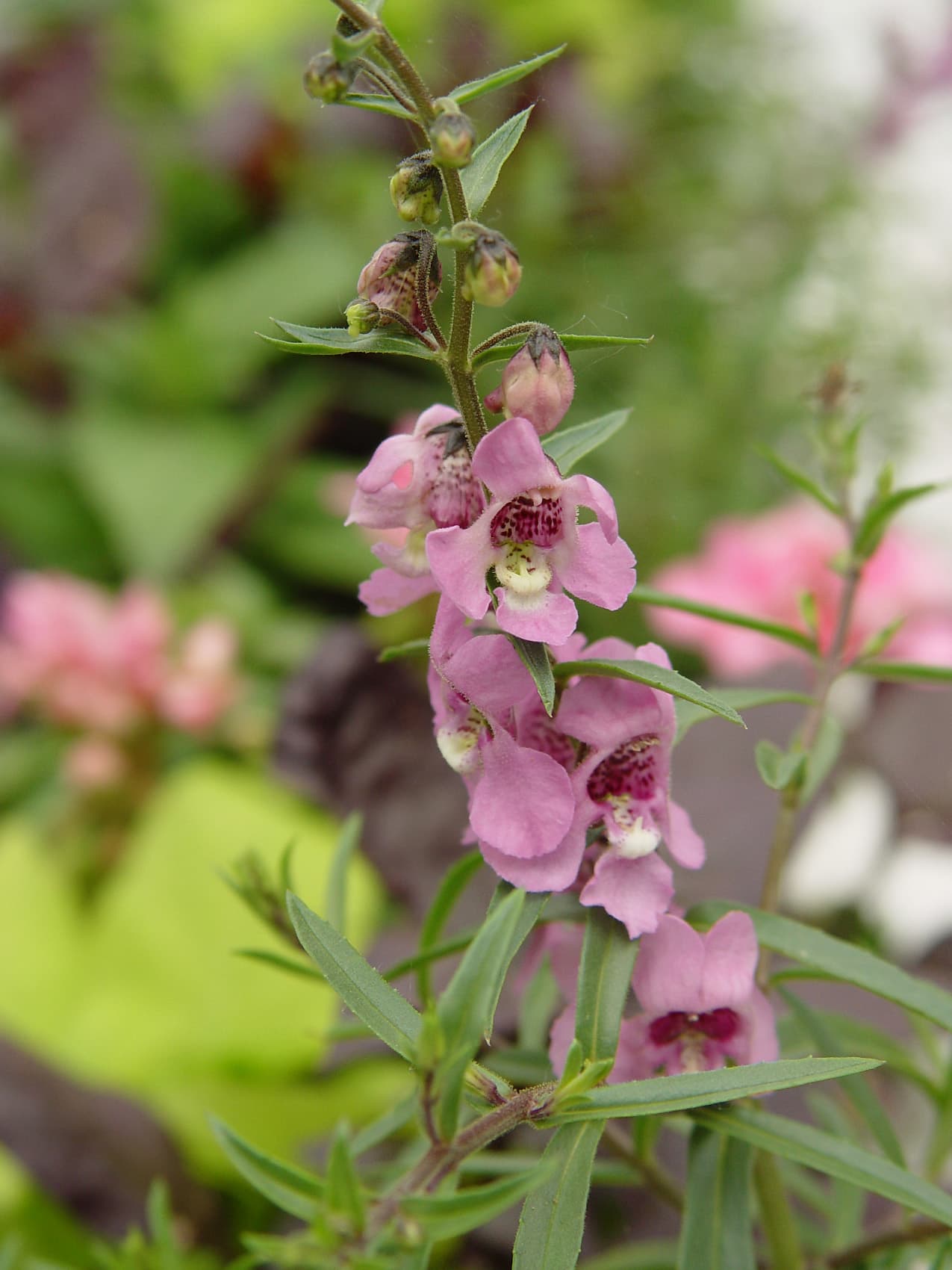 Angelonia
 Anise
Anise Anise Hyssop
 Anjou Pear
 Annabelle Smooth Hydrangea
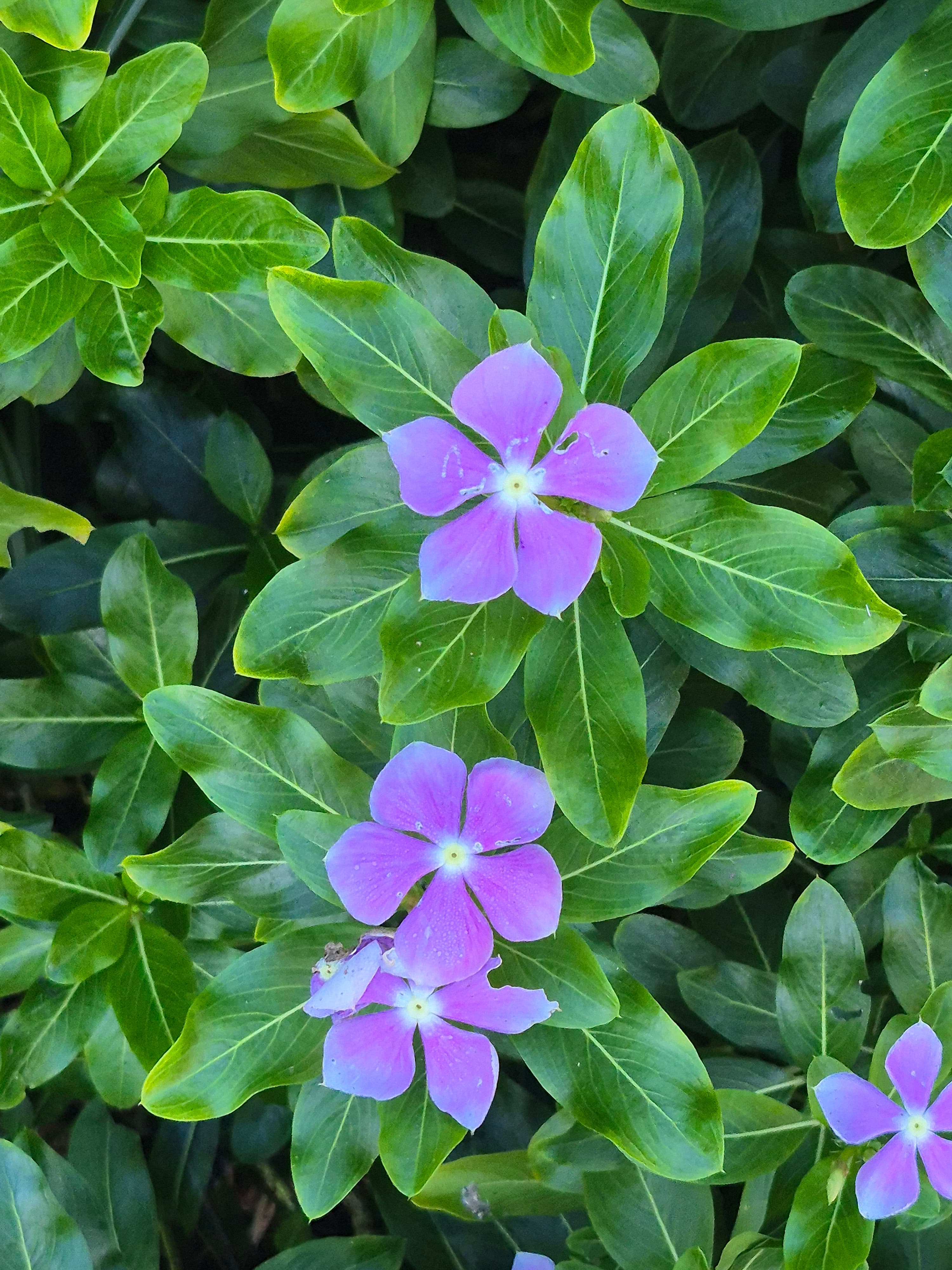 Annual Vinca
 Apeldoorn Tulip
 Apple Mint
 April Tryst Camellia
 Arbequina Olive
 Arizona Sun Blanket Flower
 Arkin Carambola
 Armenian Cucumber
 Aronia
 Arp Rosemary
 Arugula
 Ashwagandha
 Asian Pear
 Asian Persimmon
 Atemoya
 Atlantic Giant Pumpkin🥕Atomic Red Carrot
 Aucuba
 August Beauty Gardenia
 Aunt Molly's Ground Cherry
 Autumn Joy Sedum
 Avocado
 Bachelor's Button
 Balsam Fir
 Balsam Poplar
 Banana Pepper
 Barbara Karst Bougainvillea
 Bartlett Pear
 Bay Laurel
 Bayberry
 Beach Plum
 Beauregard Sweet Potato
 Becky Shasta Daisy
 Bee Balm🍅Beefmaster Tomato
 Benarys Giant Zinnia
 Bengal Tiger Canna
 Better Boy Tomato🥬Bibb Lettuce🍅Big Beef Tomato
 Big Boy Tomato
 Bilberry
 Bing Cherry
 Bitter Melon
 Black Bean
 Black Beauty Eggplant
 Black Beauty Zucchini
 Black Beluga Lentil
 Black Cherry Tomato
 Black Crowberry
 Black Currant🍉Black Diamond Watermelon
 Black Kabouli Chickpea
 Black Krim Tomato
 Black Raspberry
 Black Sapote🥬Black Seeded Simpson Lettuce🥕Black Spanish Radish
 Black Tartarian Cherry
 Black Walnut
 Black-Eyed Pea
 Black-eyed Susan Vine
 Blood Orange
 Bloomsdale Spinach
 Blue Bird Delphinium
 Blue Bird Rose of Sharon
 Blue Fescue
 Blue Lake Green Bean
 Bluecrop Blueberry
 Bocking 14 Comfrey
 Bok Choy
For educational and informational purposes only. Disease management advice is general guidance drawn from university cooperative extension sources; always identify a problem positively and read and follow the label on any product before use, especially around food crops, children, and pets.