
Ants
Family Formicidae
Among the most common insects in any garden, ants are usually harmless or even helpful, but they turn into a pest when they farm sap-sucking insects for honeydew. By protecting and spreading aphids, scale, whiteflies, and mealybugs from their predators, ants make those pests, and the sooty mold that follows, far worse.
🔎 How to spot it
Ants are familiar small insects with elbowed antennae and a narrow, pinched waist, traveling in trails. The pest connection is the giveaway: look for ants streaming up plant stems and trunks to tend colonies of aphids, soft scale, whiteflies, or mealybugs, often with sticky honeydew and black sooty mold nearby. Some ants also nest in beds and pots, loosening soil around roots, and a few bite or sting.
🥀 Damage it causes
Ants rarely damage plants directly. The harm is indirect: by guarding honeydew-producing insects from the lady beetles, lacewings, and wasps that would eat them, ants let aphid, scale, and whitefly populations explode, worsening that feeding damage and the sooty mold it causes. Nesting ants can also disturb roots and seedlings and farm pests onto new plants.
🛡️ Prevent it
Manage the honeydew makers, since ants follow the aphids and scale, not the plant itself. Encourage natural enemies and keep those sap-suckers in check so ants have less to farm. Keep mulch and debris from piling against stems where ants nest, and remove other attractions like spilled pet food and sugary trash near the garden.
🧯 If it is already here
Wrap a sticky band around tree trunks and woody stems to stop ants from climbing to the colonies they tend, which lets predators knock the aphids and scale back down. Use ant baits along trails to control the nest, the most effective chemical approach, rather than spraying foliage. Once the ants are gone, beneficial insects usually clean up the honeydew producers on their own.
💡 Good to know
Ants are best thought of as a symptom and an accomplice rather than the main pest: a trail of ants up a plant almost always means aphids, scale, or whiteflies are feeding above. Because the ants protect those pests from their predators, getting the ants off the plant is often the key that lets nature control the real culprits.
🌱 Plants it attacks
714 plants in the library can be attacked by this pest
 Acorn Squash
 Adirondack Blue Potato
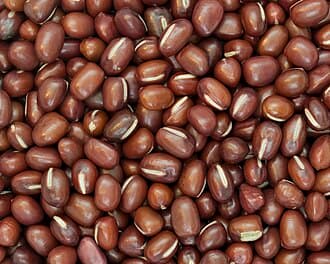 Adzuki Bean
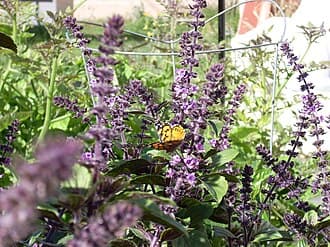 African Blue Basil
 African Marigold
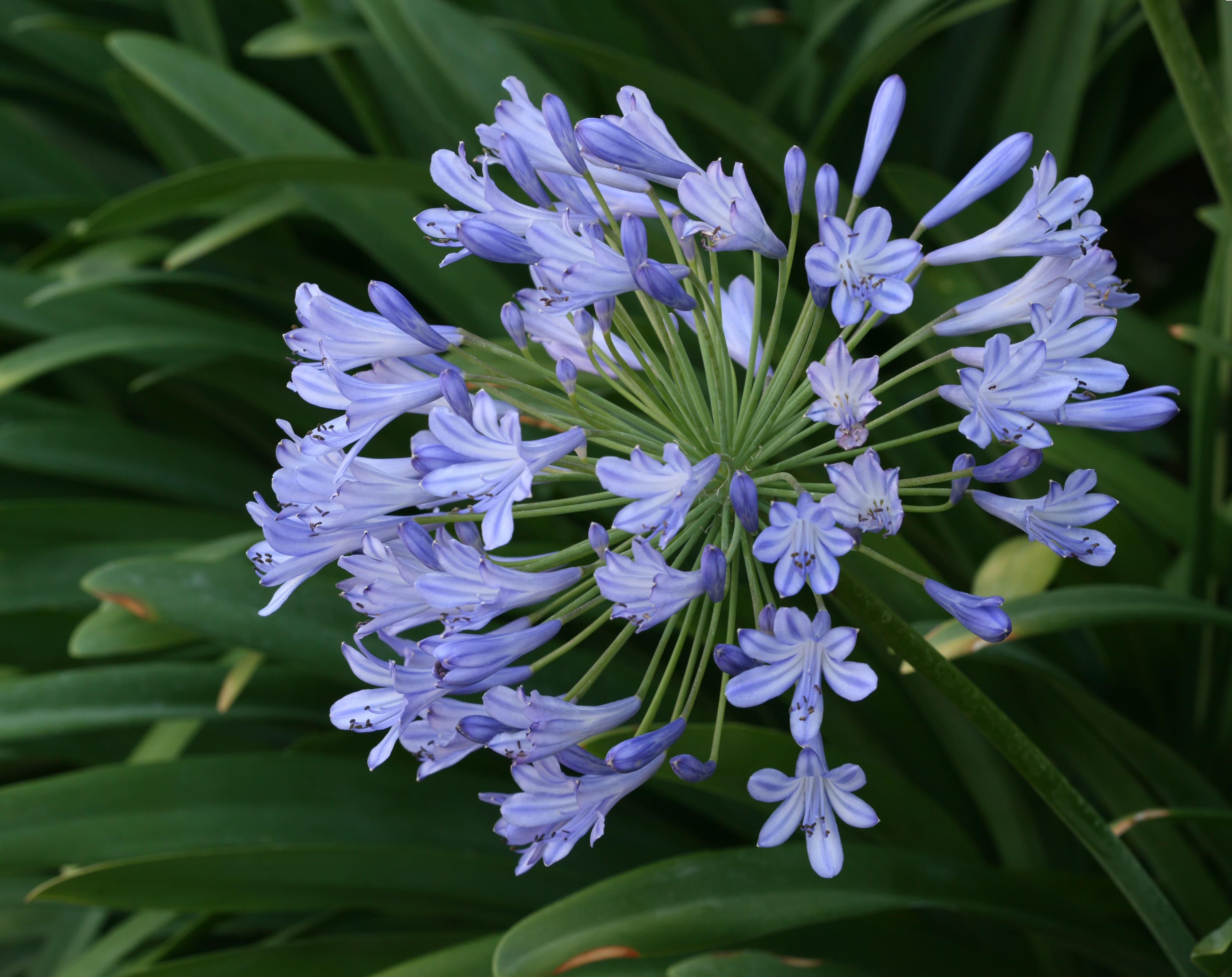 Agapanthus
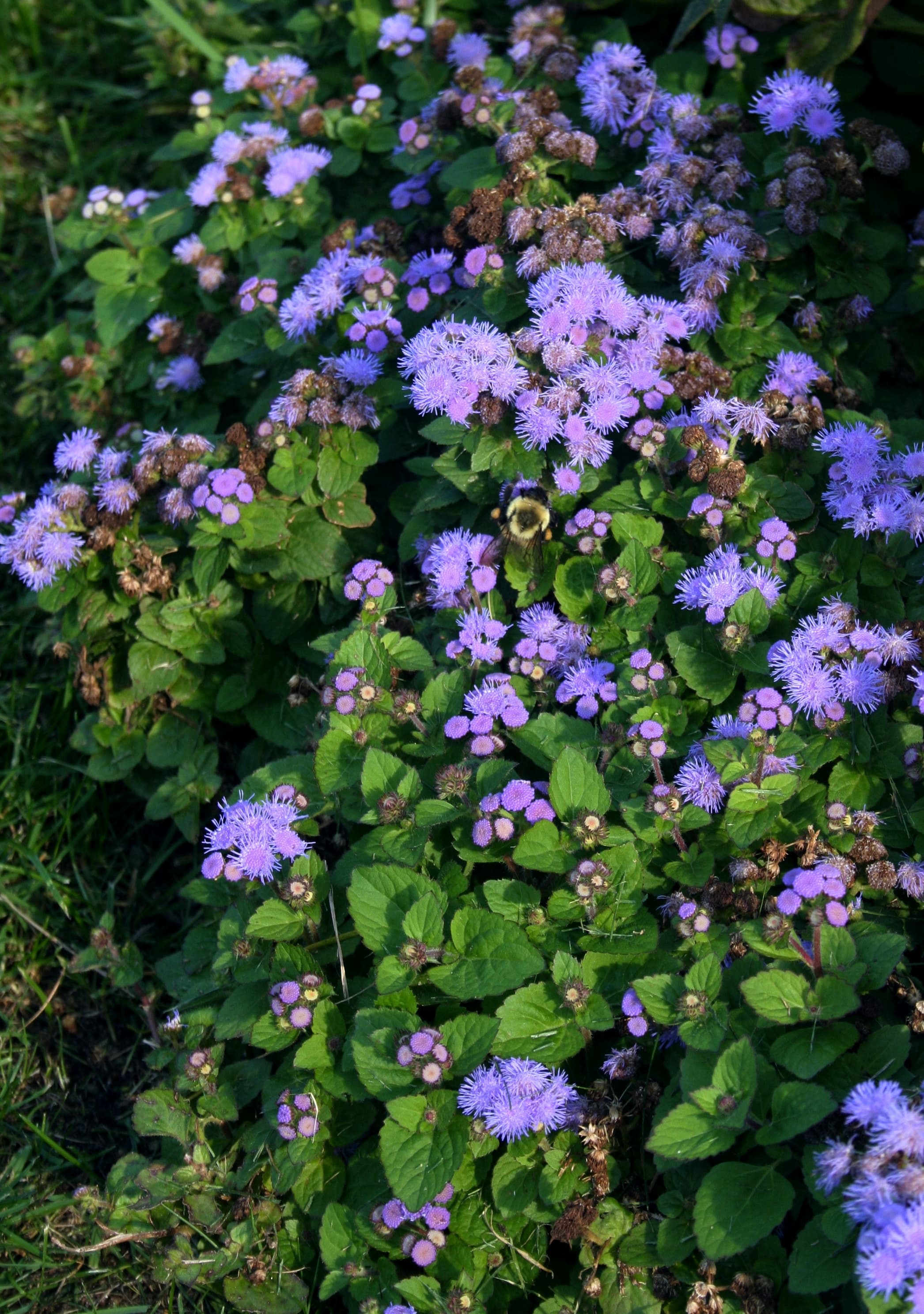 Ageratum
 Agrimony
 Aji Amarillo Pepper🍓Albion Strawberry
 Alice du Pont Mandevilla🥔All Blue Potato
 Almond
 Aloe Vera
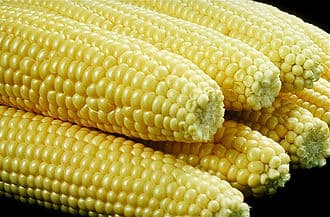 Ambrosia Corn
 American Basswood
 American Beauty Dragon Fruit
 American Beech
 American Persimmon
 Amethyst Falls Wisteria
 Amish Paste Tomato
 Anaheim Pepper
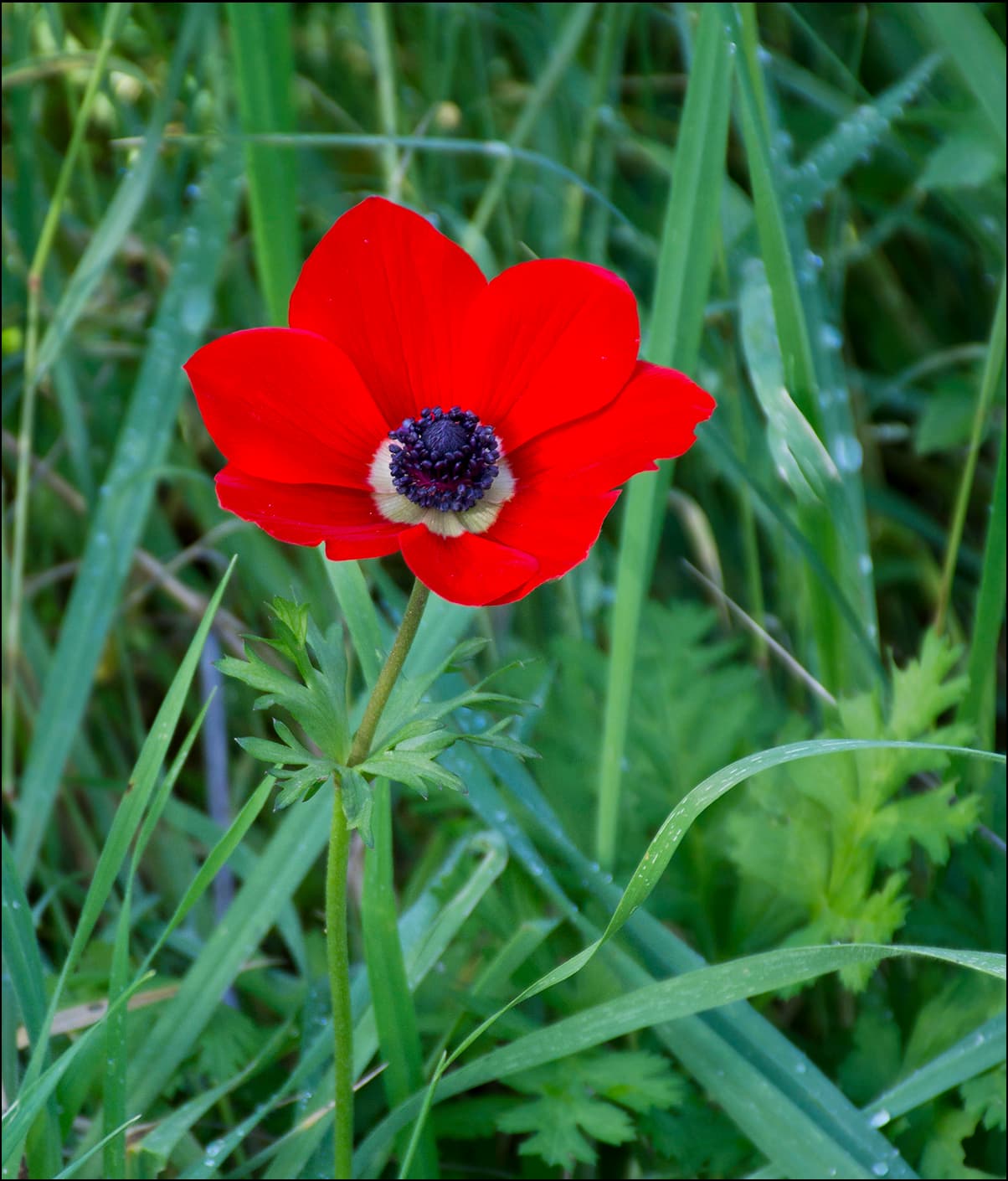 Anemone
 Angelique Tulip
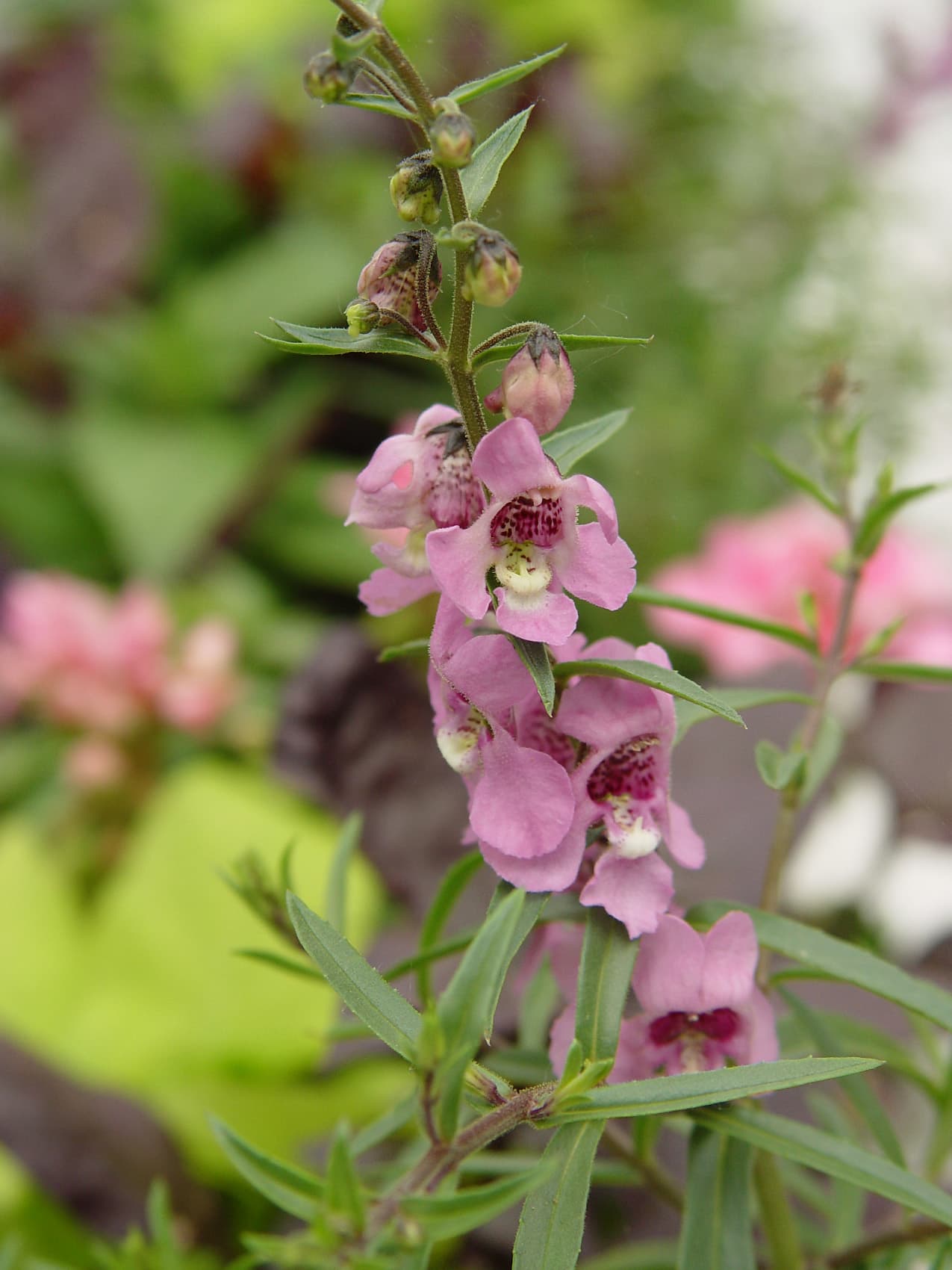 Angelonia
 Anise
Anise Anise Hyssop
 Anjou Pear
 Annabelle Smooth Hydrangea
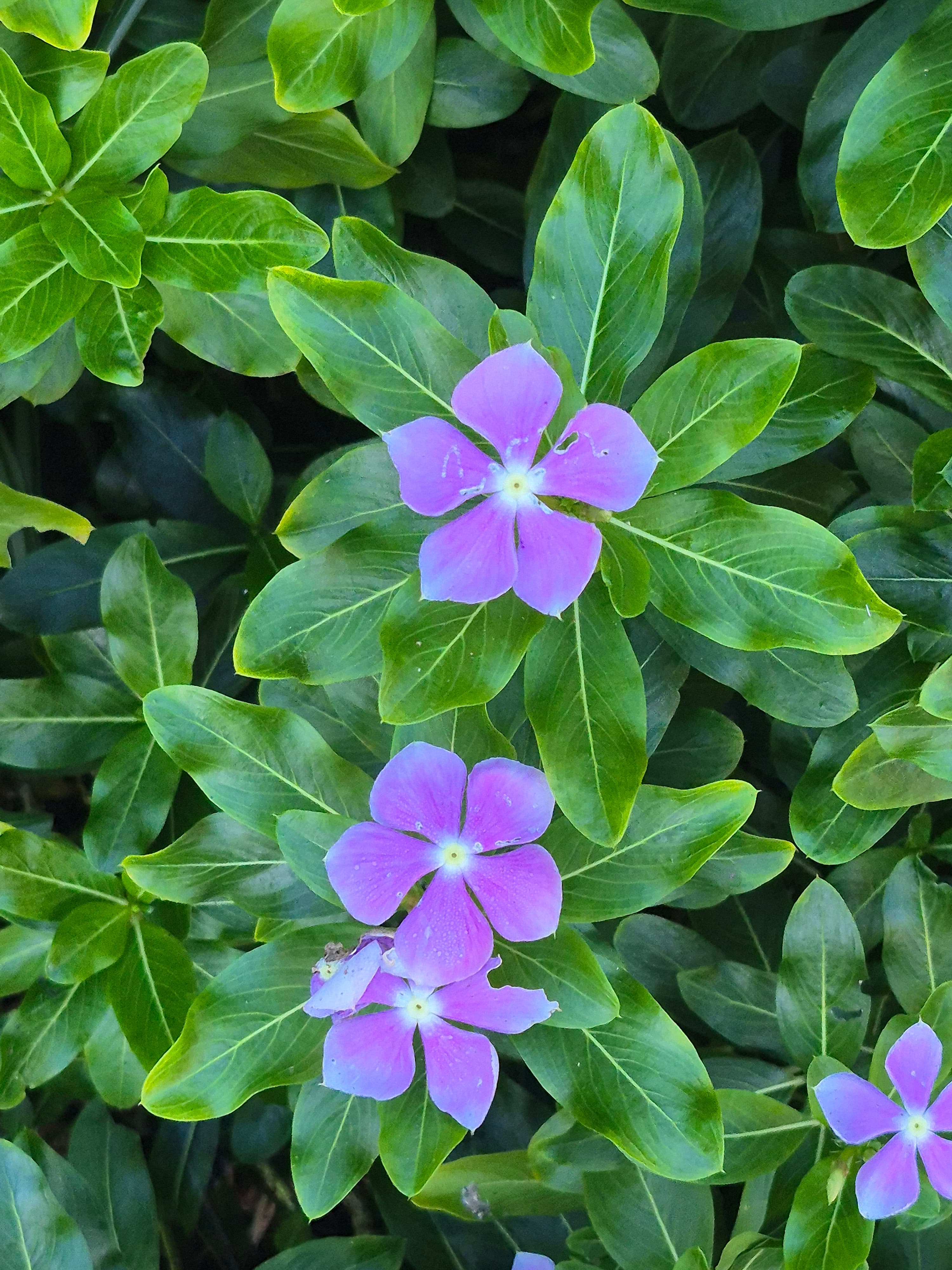 Annual Vinca
 Apeldoorn Tulip
 Apple Mint
 April Tryst Camellia
 Arbequina Olive
 Arizona Sun Blanket Flower
 Arkin Carambola
 Armenian Cucumber
 Aronia
 Arp Rosemary
 Arugula
 Ashwagandha
 Asian Pear
 Asian Persimmon
 Atemoya
 Atlantic Giant Pumpkin🥕Atomic Red Carrot
 Aucuba
 August Beauty Gardenia
 Aunt Molly's Ground Cherry
 Autumn Joy Sedum
 Avocado
 Bachelor's Button
 Balsam Fir
 Balsam Poplar
 Banana Pepper
 Barbara Karst Bougainvillea
 Bartlett Pear
 Bay Laurel
 Bayberry
 Beach Plum
 Beauregard Sweet Potato
 Becky Shasta Daisy
 Bee Balm🍅Beefmaster Tomato
 Benarys Giant Zinnia
 Bengal Tiger Canna
 Better Boy Tomato🥬Bibb Lettuce🍅Big Beef Tomato
 Big Boy Tomato
 Bilberry
 Bing Cherry
 Bitter Melon
 Black Bean
 Black Beauty Eggplant
 Black Beauty Zucchini
 Black Beluga Lentil
 Black Cherry Tomato
 Black Crowberry
 Black Currant🍉Black Diamond Watermelon
 Black Kabouli Chickpea
 Black Krim Tomato
 Black Raspberry
 Black Sapote🥬Black Seeded Simpson Lettuce🥕Black Spanish Radish
 Black Tartarian Cherry
 Black Walnut
 Black-Eyed Pea
 Black-eyed Susan Vine
 Blood Orange
 Bloomsdale Spinach
 Blue Bird Delphinium
 Blue Bird Rose of Sharon
 Blue Fescue
 Blue Lake Green Bean
 Bluecrop Blueberry
 Bocking 14 Comfrey
 Bok Choy
For educational and informational purposes only. Pest control advice is general guidance drawn from university cooperative extension sources; always identify a pest positively and read and follow the label on any product before use, especially around food crops, children, and pets.