
Armyworms
Spodoptera and Mythimna species
Caterpillars that feed in large numbers and march from plant to plant, named for the way they move through a planting like an army. Several species attack gardens, including the fall armyworm, and they can chew up corn, lettuce, tomato, and many other crops, sometimes appearing suddenly in big numbers overnight.
🔎 How to spot it
The caterpillars grow to about one and a half inches and range from pale green to brown to nearly black, with lengthwise stripes; the fall armyworm has a pale upside-down Y on the front of its dark head. Young larvae skeletonize leaves, leaving one surface intact like a windowpane, while older ones chew ragged holes and eat from the leaf edge inward, and on corn they burrow into the whorl and ears. The drab tan moths fly at night.
🥀 Damage it causes
Armyworms defoliate plants and bore into lettuce heads, corn whorls and ears, and the fruit of tomato and pepper, often ruining the harvested part directly. Because they feed as a group and move on once a plant is stripped, damage can be heavy and fast, and a single generation can clear a row of seedlings.
🛡️ Prevent it
Scout often, especially in late summer when fall armyworm flights peak, and check the undersides of leaves for the fuzzy egg masses and tiny young larvae. Keep down grassy weeds that host them, and use floating row cover on vulnerable young plantings. Healthy, promptly harvested crops give the caterpillars less to bore into. Encourage the birds, parasitic wasps, and predatory bugs that feed on them.
🧯 If it is already here
Handpick caterpillars and crush egg masses; on small plantings this is very effective. The organic sprays Bacillus thuringiensis (Bt) and spinosad work well while larvae are still small, and are best applied at dawn or dusk when the caterpillars feed. Large caterpillars are harder to kill, so catch infestations early. Remove and destroy badly infested plants.
💡 Good to know
Armyworms get their name from their habit of moving en masse from a stripped plant to the next, sometimes crossing whole beds. Fall armyworm cannot survive cold northern winters and instead spreads north each year on storm fronts from the south, so outbreaks tend to come late in the season. A range of parasitic wasps and flies attack them and usually keep numbers down.
🌱 Plants it attacks
714 plants in the library can be attacked by this pest
 Acorn Squash
 Adirondack Blue Potato
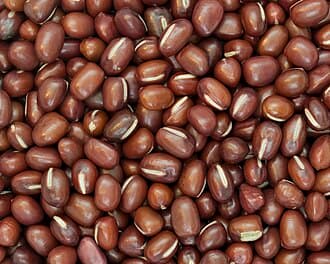 Adzuki Bean
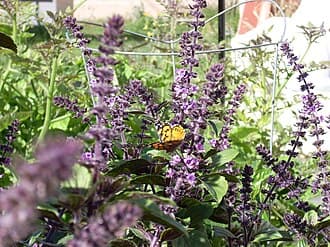 African Blue Basil
 African Marigold
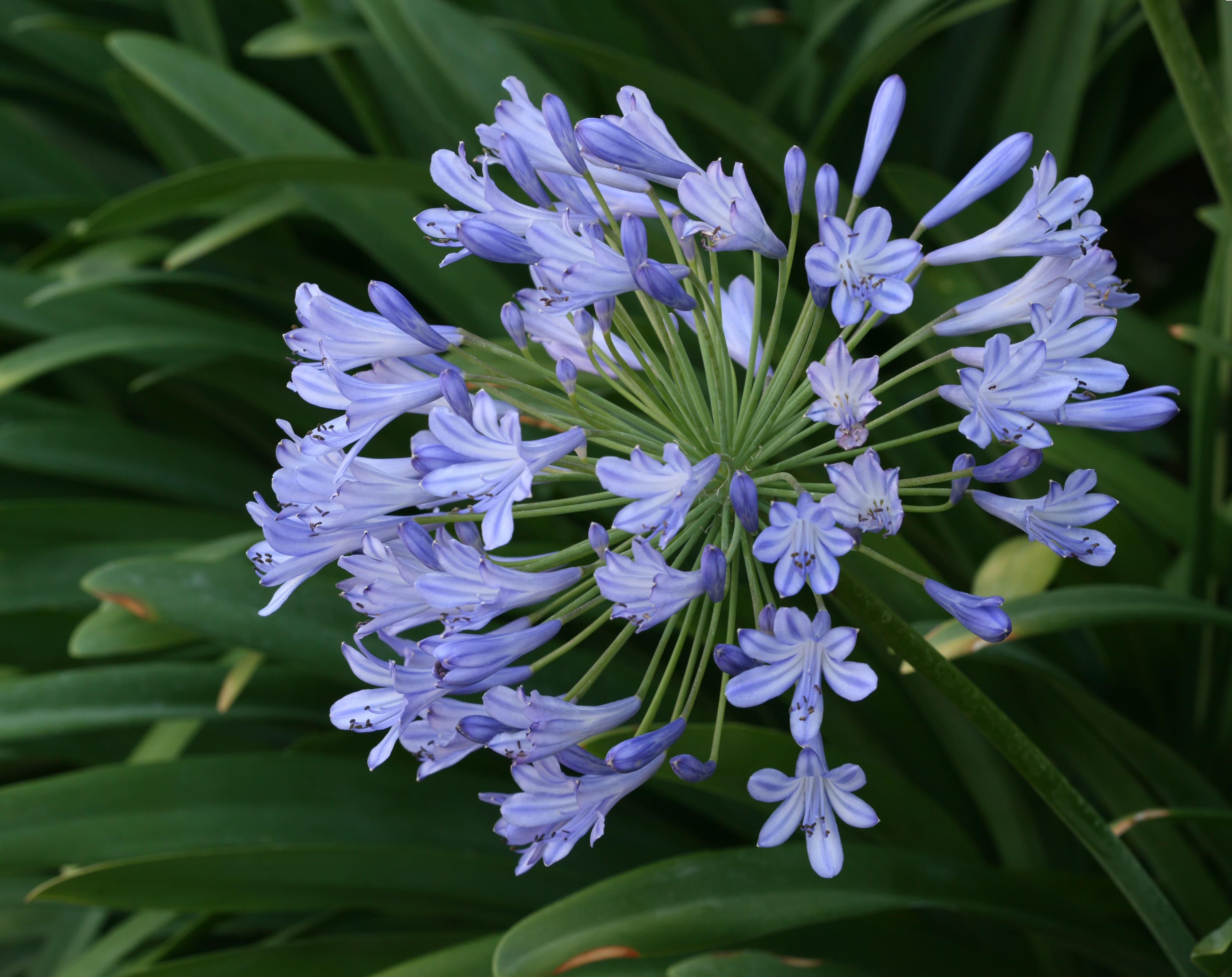 Agapanthus
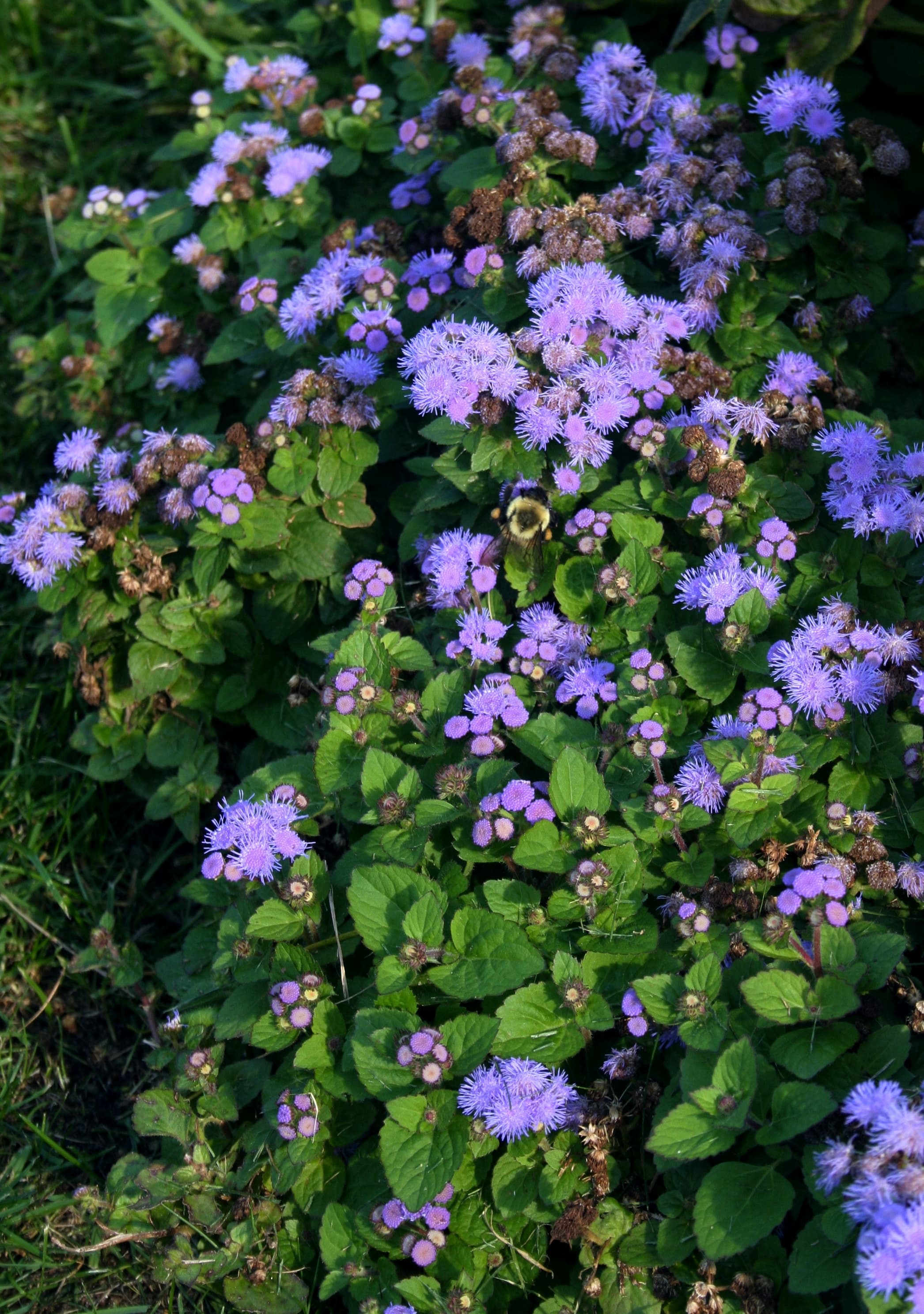 Ageratum
 Agrimony
 Aji Amarillo Pepper🍓Albion Strawberry
 Alice du Pont Mandevilla🥔All Blue Potato
 Almond
 Aloe Vera
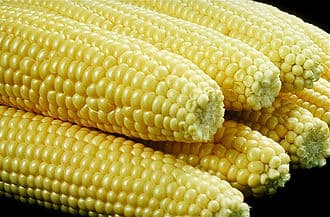 Ambrosia Corn
 American Basswood
 American Beauty Dragon Fruit
 American Beech
 American Persimmon
 Amethyst Falls Wisteria
 Amish Paste Tomato
 Anaheim Pepper
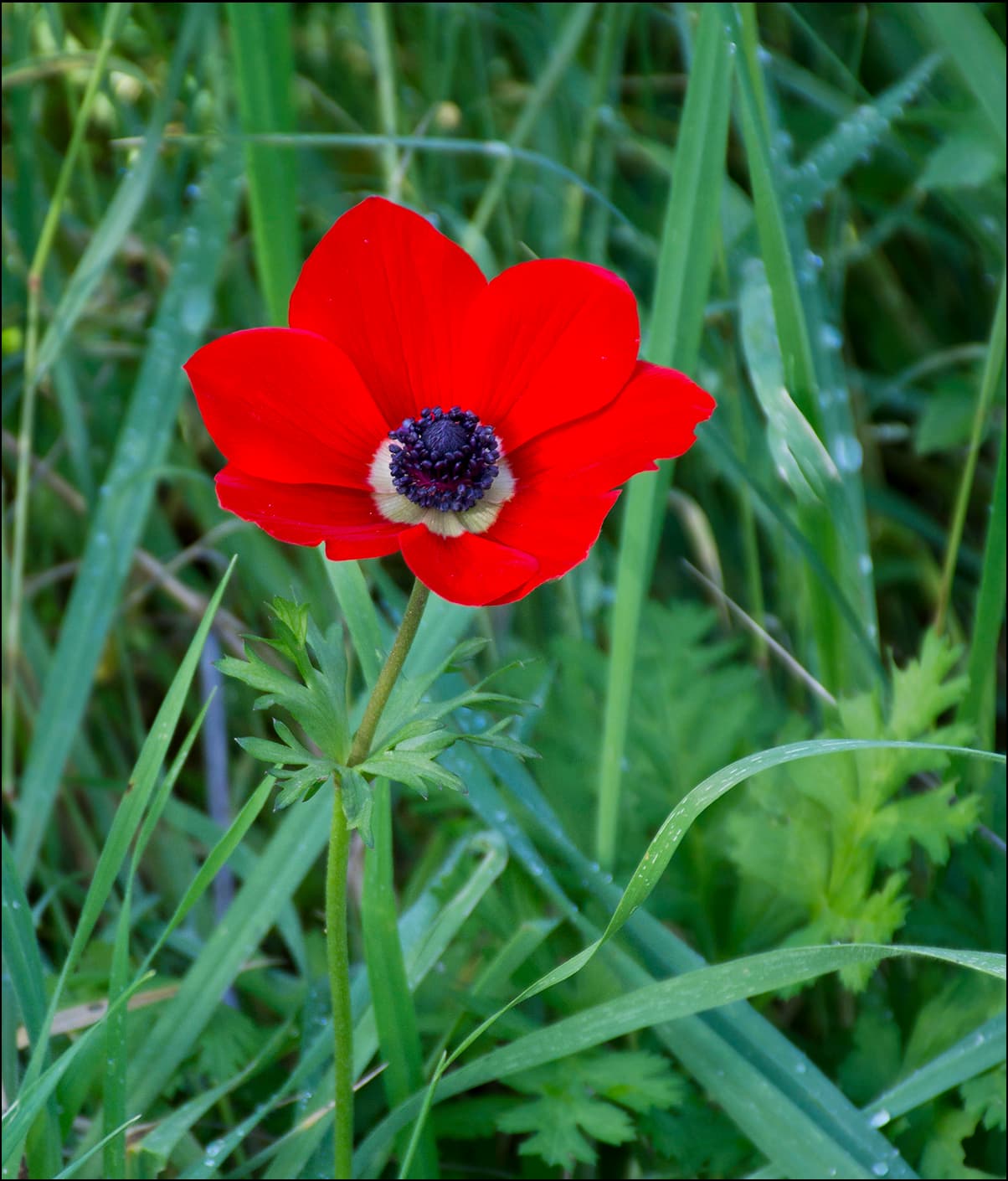 Anemone
 Angelique Tulip
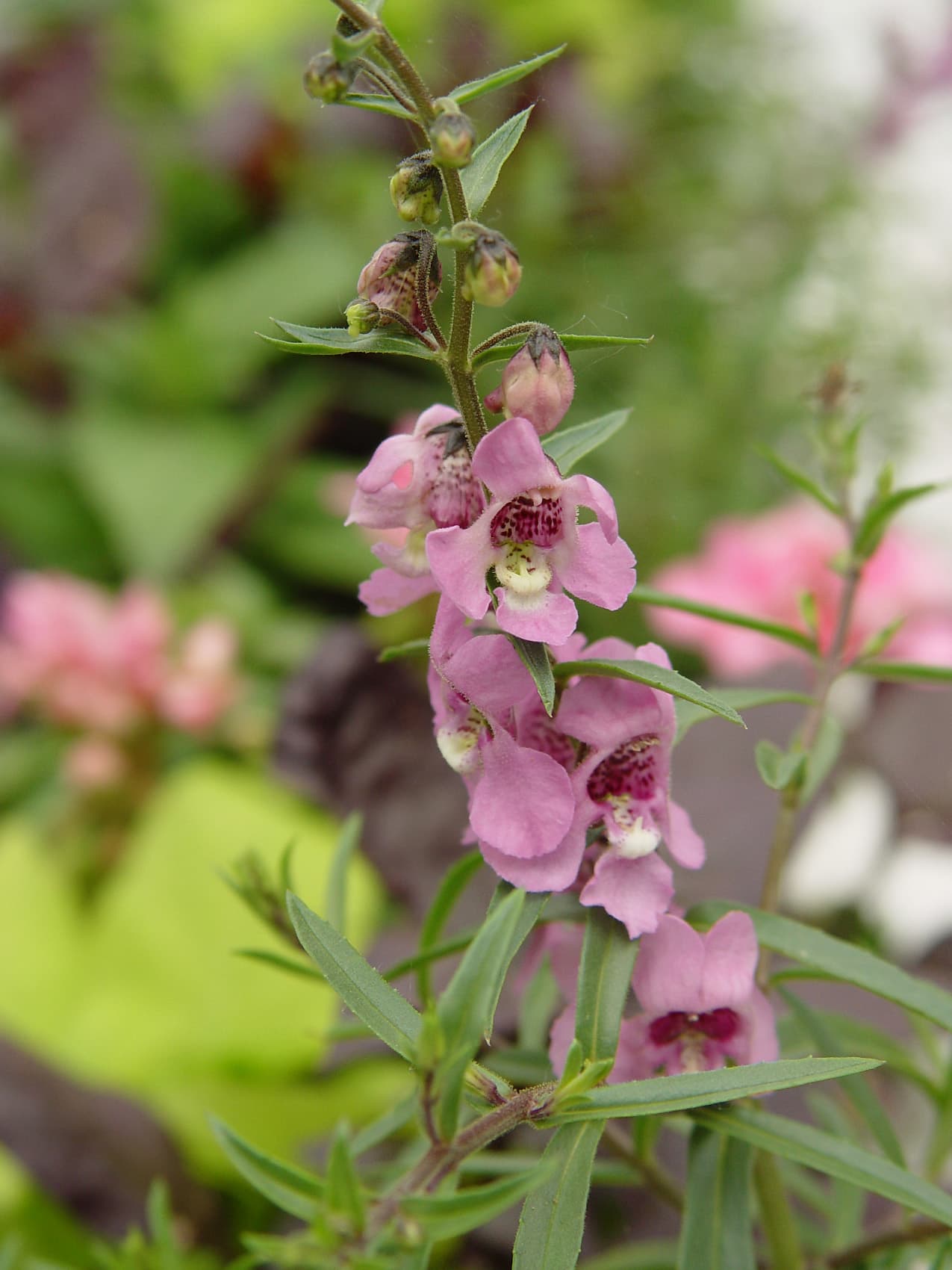 Angelonia
 Anise
Anise Anise Hyssop
 Anjou Pear
 Annabelle Smooth Hydrangea
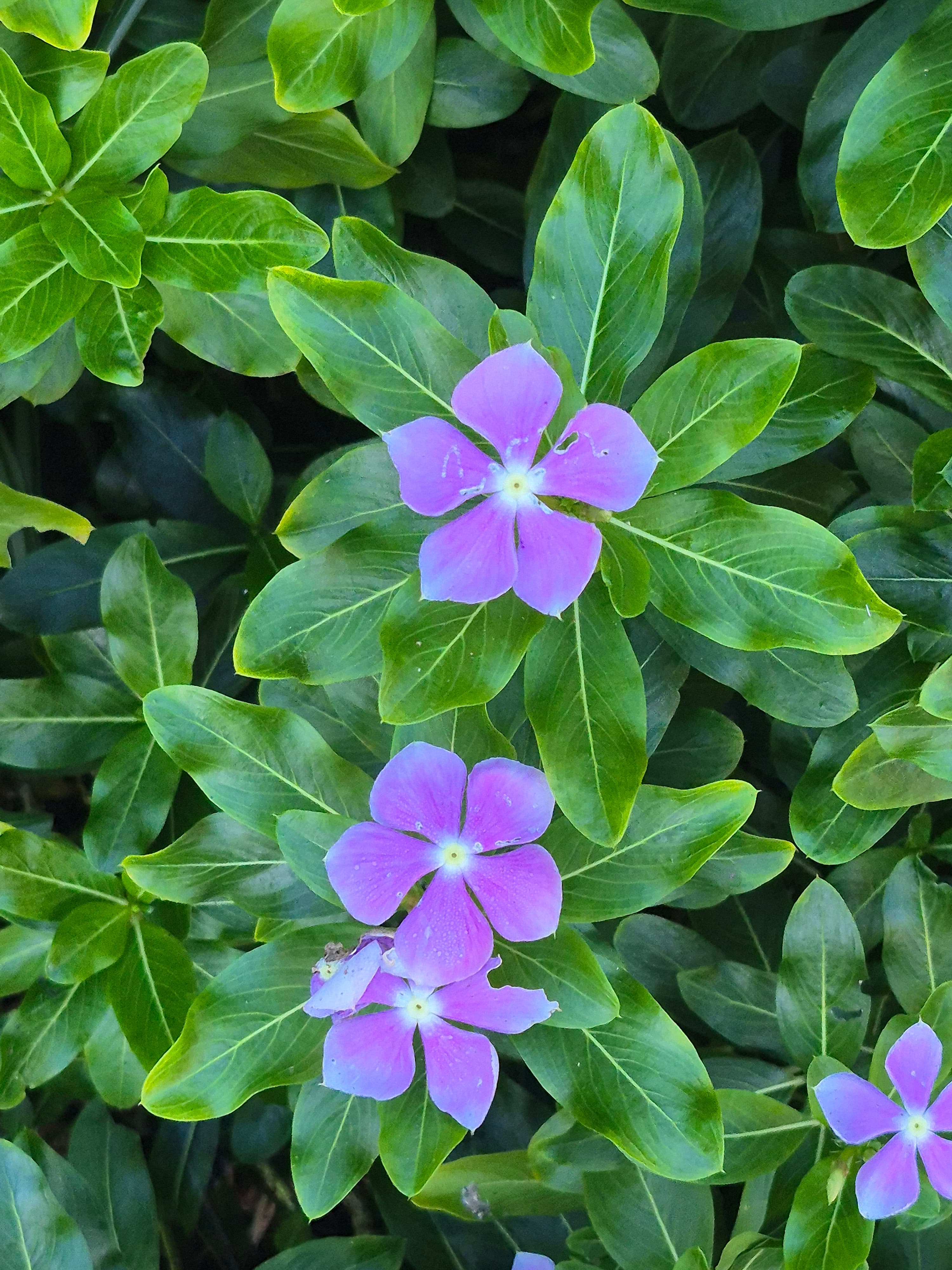 Annual Vinca
 Apeldoorn Tulip
 Apple Mint
 April Tryst Camellia
 Arbequina Olive
 Arizona Sun Blanket Flower
 Arkin Carambola
 Armenian Cucumber
 Aronia
 Arp Rosemary
 Arugula
 Ashwagandha
 Asian Pear
 Asian Persimmon
 Atemoya
 Atlantic Giant Pumpkin🥕Atomic Red Carrot
 Aucuba
 August Beauty Gardenia
 Aunt Molly's Ground Cherry
 Autumn Joy Sedum
 Avocado
 Bachelor's Button
 Balsam Fir
 Balsam Poplar
 Banana Pepper
 Barbara Karst Bougainvillea
 Bartlett Pear
 Bay Laurel
 Bayberry
 Beach Plum
 Beauregard Sweet Potato
 Becky Shasta Daisy
 Bee Balm🍅Beefmaster Tomato
 Benarys Giant Zinnia
 Bengal Tiger Canna
 Better Boy Tomato🥬Bibb Lettuce🍅Big Beef Tomato
 Big Boy Tomato
 Bilberry
 Bing Cherry
 Bitter Melon
 Black Bean
 Black Beauty Eggplant
 Black Beauty Zucchini
 Black Beluga Lentil
 Black Cherry Tomato
 Black Crowberry
 Black Currant🍉Black Diamond Watermelon
 Black Kabouli Chickpea
 Black Krim Tomato
 Black Raspberry
 Black Sapote🥬Black Seeded Simpson Lettuce🥕Black Spanish Radish
 Black Tartarian Cherry
 Black Walnut
 Black-Eyed Pea
 Black-eyed Susan Vine
 Blood Orange
 Bloomsdale Spinach
 Blue Bird Delphinium
 Blue Bird Rose of Sharon
 Blue Fescue
 Blue Lake Green Bean
 Bluecrop Blueberry
 Bocking 14 Comfrey
 Bok Choy
For educational and informational purposes only. Pest control advice is general guidance drawn from university cooperative extension sources; always identify a pest positively and read and follow the label on any product before use, especially around food crops, children, and pets.