
Boxwood Mite
Eurytetranychus buxi
A tiny spider mite specific to boxwood that feeds on the leaves and stipples them with fine scratch-like marks. Heavy populations bronze and discolor the foliage and can cause leaf drop, with the worst damage on plants in full sun.
🔎 How to spot it
Adults are greenish to yellowish brown, have eight legs, and are tiny, only about one sixty-fourth of an inch long, so a hand lens is needed to see them. The eggs are laid on the undersides of the leaves. The first sign is fine stippling and tiny scratch-like yellow spots on the upper leaf surface.
🥀 Damage it causes
Feeding produces fine stippling on the upper leaf surface and tiny scratch-like yellow marks caused by the toxic saliva, giving leaves a dull, speckled, hen-scratched look. As feeding continues the foliage bronzes and discolors, and heavy infestations can lead to premature leaf drop. English and American boxwoods in sunny, dry sites are the most affected.
🛡️ Prevent it
Inspect boxwoods in spring and early summer, checking leaf undersides for mites and eggs, since the pest breeds rapidly once warm. Keep plants healthy and not drought-stressed, and avoid broad-spectrum insecticides that kill the predators that help suppress mites. Hosing down the foliage can reduce light infestations.
🧯 If it is already here
Apply horticultural oil at the labeled summer rate to kill eggs and mites, and use insecticidal soap before populations get high, treating early in the season on plants that showed heavy feeding the year before. Repeat applications may be needed because many generations occur. Good coverage of the leaf undersides improves results.
💡 Good to know
The boxwood mite overwinters as eggs on the undersides of leaves and can produce eight or more generations a year, so it builds quickly in warm weather. It feeds only on boxwood. Sun-stressed plants show the most injury, so siting and vigor matter as much as spraying.
🌱 Plants it attacks
178 plants in the library can be attacked by this pest
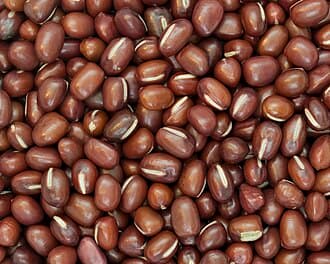 Adzuki Bean
 African Marigold
 Aji Amarillo Pepper🍓Albion Strawberry
 Alice du Pont Mandevilla
 Anaheim Pepper
 Anise Hyssop
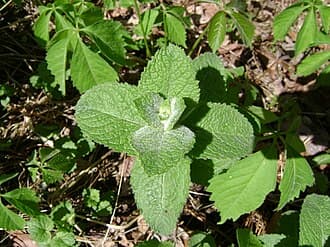 Apple Mint
 Armenian Cucumber
 Arp Rosemary
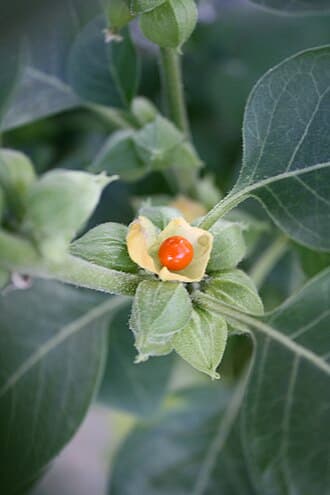 Ashwagandha
 Banana Pepper
 Becky Shasta Daisy
 Bee Balm
 Bitter Melon
 Black Bean
 Black Beauty Eggplant🍉Black Diamond Watermelon
 Black-eyed Susan Vine
 Blue Lake Green Bean🥒Boston Pickling Cucumber
 Boxwood
 Burning Bush
 Calamondin
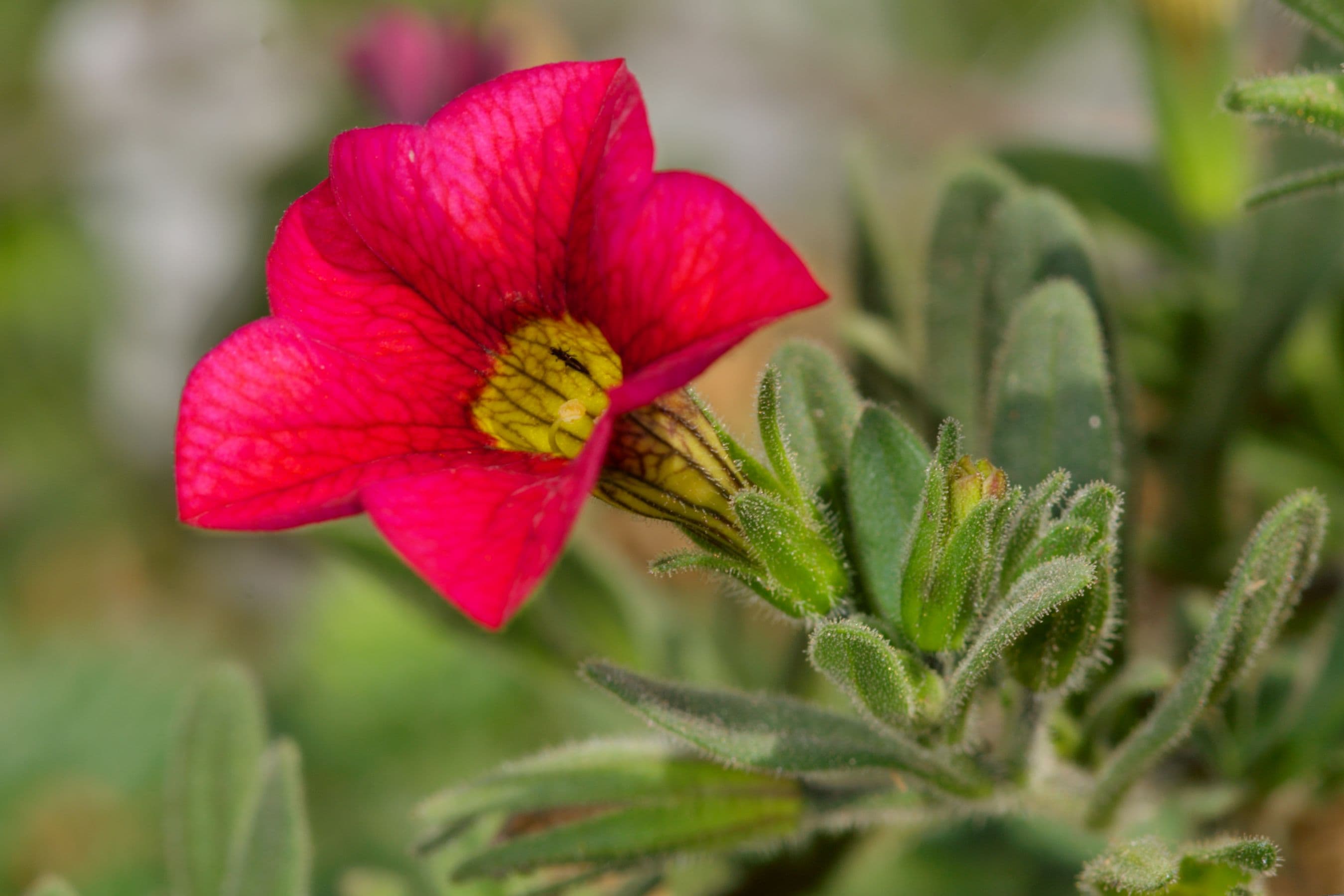 Calibrachoa
 Cannellini Bean
 Cantaloupe
 Carolina Reaper Pepper
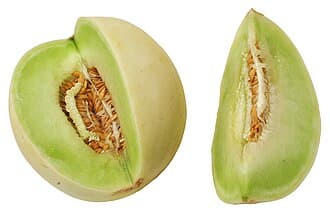 Casaba Melon
 Cassava
 Catnip
 Cayenne Pepper
 Charleston Gray Watermelon
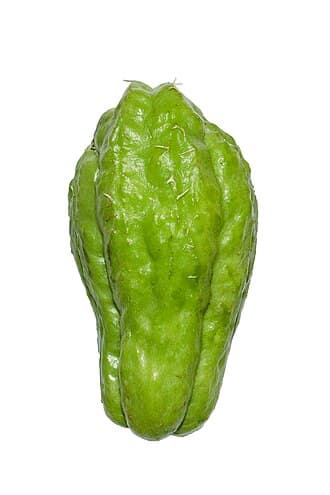 Chayote
 Chocolate Mint
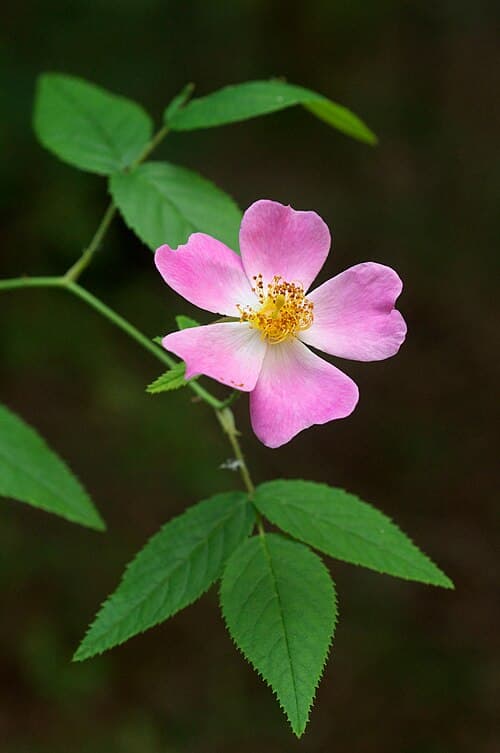 Climbing Prairie Rose
 Coleus
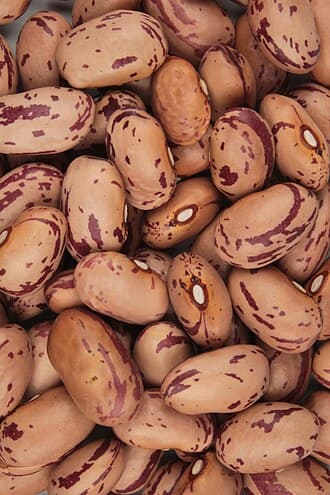 Cranberry Bean
 Cranberry Cotoneaster
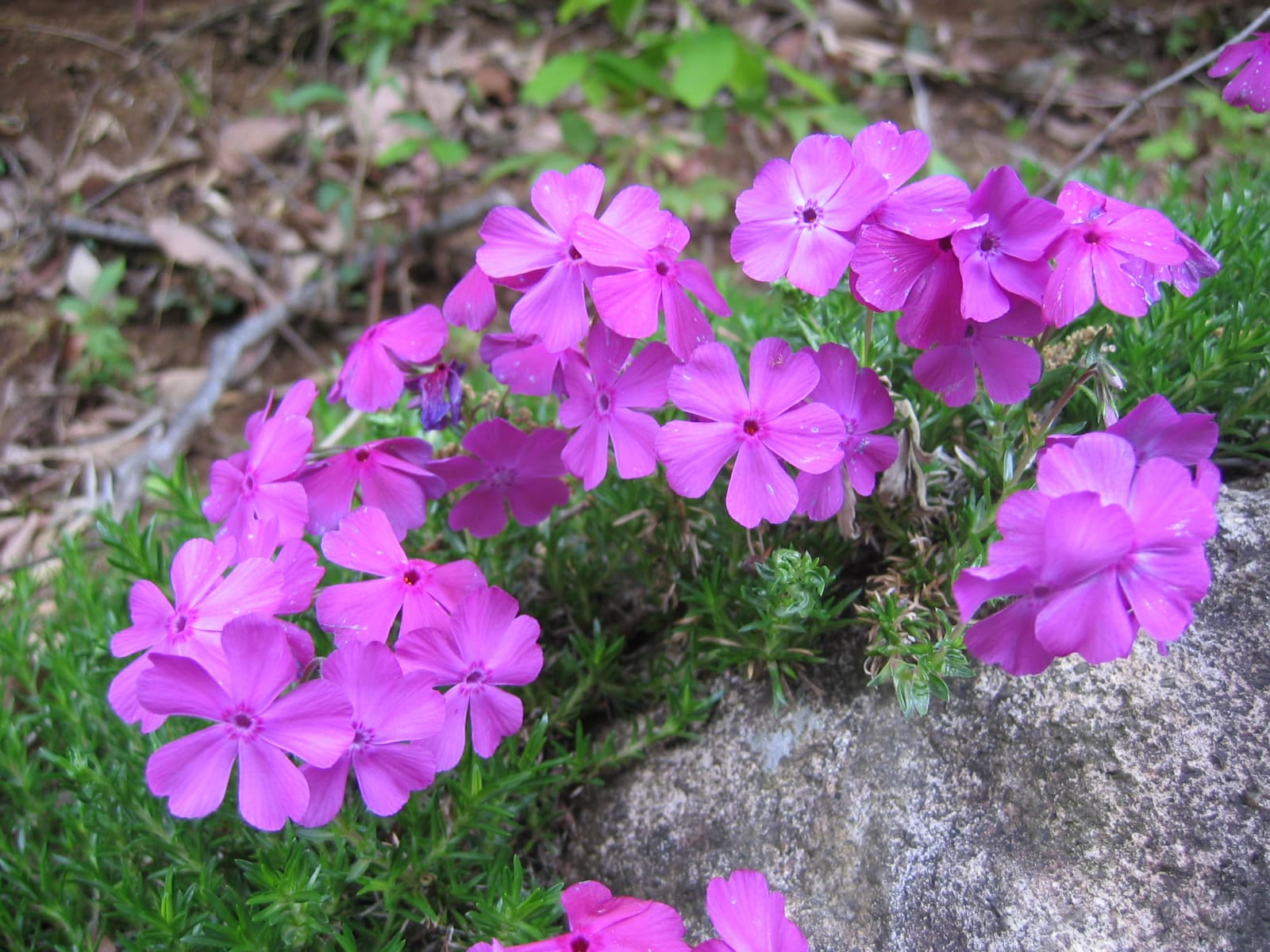 Creeping Phlox
 Crenshaw Melon
 Crimson Sweet Watermelon
 Cuban Oregano
 Cubanelle Pepper
 David Garden Phlox🥒Diva Cucumber
 Dwarf Yaupon Holly
 Early Amethyst Beautyberry
 Elderberry
 Endless Summer Hydrangea🥒English Cucumber
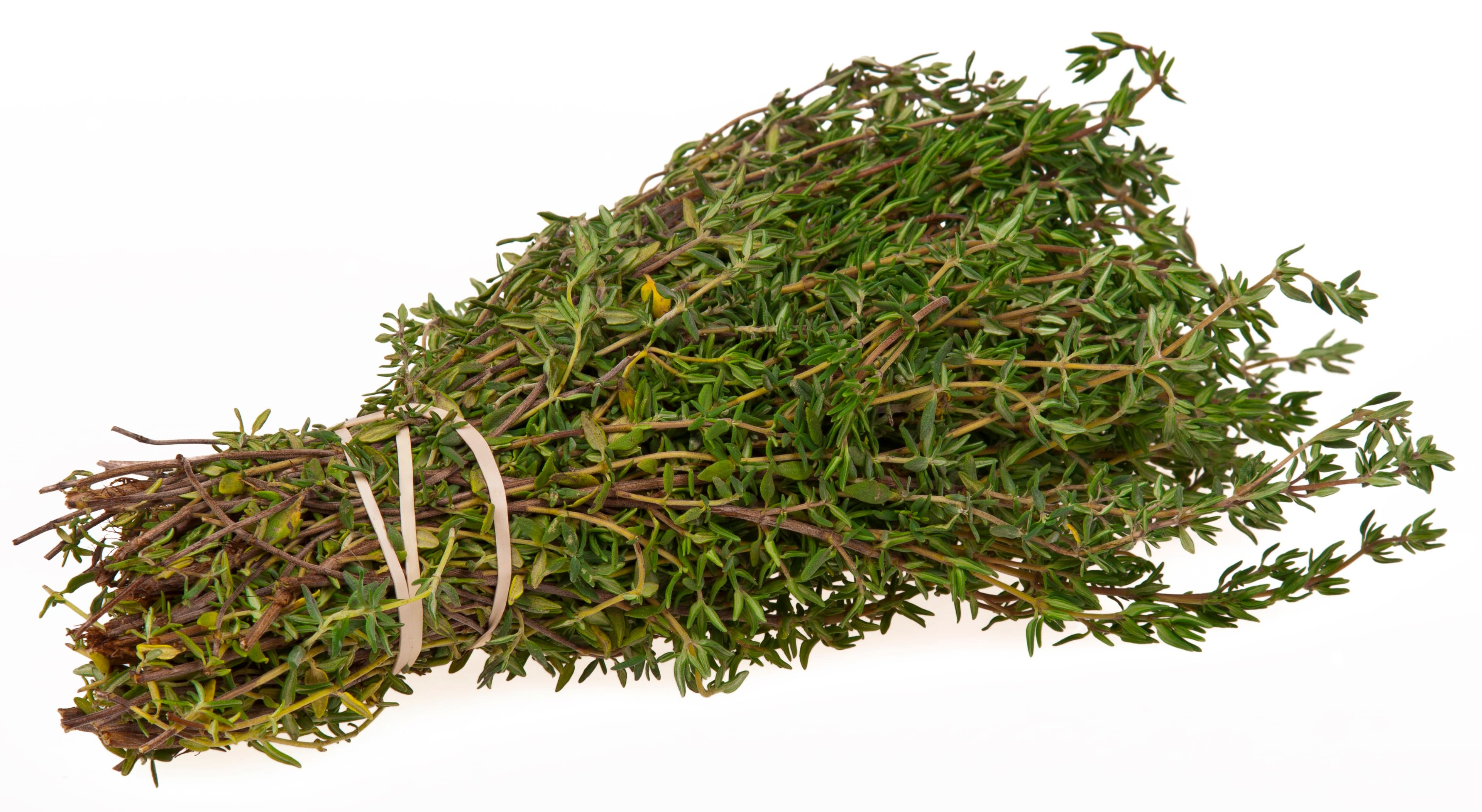 English Thyme
 Eureka Lemon
 Fairy Tale Eggplant
 Fanal Astilbe
 Flamingo Feather Celosia
 Fordhook 242 Lima Bean
 French Marigold
 French Tarragon
 Fresno Pepper
 Galia Melon
 Garden Sage
 Garvinea Sweet Glow Gerbera
 Ghost Pepper
 Ginger
 Globe Amaranth
 Goji Berry
 Goldflame Spirea
 Grapefruit
 Greek Oregano
 Green Bell Pepper
 Habanero Pepper
 Honeoye Strawberry
 Honeydew Melon
 Hops
Hops Hummingbird Summersweet
 Hungarian Wax Pepper
 Indigo Rose Tomato
 Italian Eggplant
 Italian Flat-Leaf Parsley🌿Italian Oregano
 Ivy Gourd
 Jackmanii Clematis
 Jalapeño Pepper
 Japanese Eggplant
 Japanese Holly
 Jicama🍉Jubilee Watermelon
 June-Bearing Strawberry
 Karen Azalea
 Kentucky Wonder Pole Bean
 Key Lime
 Kidney Bean
 Kirby Cucumber
 Kohala Longan
 Kumquat
 Lemon Balm
 Lemon Cucumber
 Lemon Thyme
 Lemon Verbena
For educational and informational purposes only. Pest control advice is general guidance drawn from university cooperative extension sources; always identify a pest positively and read and follow the label on any product before use, especially around food crops, children, and pets.