
Crickets
Family Gryllidae
Familiar chirping insects that are mostly harmless but can chew on seedlings, leaves, and ripening fruit, especially where they build up near weedy edges. In most gardens crickets are a minor, occasional nuisance, but in large numbers, particularly during dry spells, they can clip rows of young seedlings overnight.
🔎 How to spot it
Crickets are brown to black, with long antennae as long as the body, large jumping hind legs, and, on females, a long sword-like egg-laying tube at the rear. Males chirp by rubbing their wings. Look for chewed, ragged holes in leaves and seedlings and gnawed spots on fruit lying near the ground, with the crickets themselves hiding by day under debris, mulch, and in weedy spots.
🥀 Damage it causes
Crickets chew leaves, stems, and seedlings and gnaw on soft fruit and vegetables resting on the soil. Usually the damage is light and cosmetic, but a large population, often migrating in from weedy or grassy areas during stand establishment or a dry spell, can destroy several rows of young seedlings in a day or two.
🛡️ Prevent it
Keep the garden and its edges free of the tall weeds, grass, and debris where crickets breed and shelter, clearing them early in spring before the crickets mature and move in. Protect vulnerable seedlings with row cover or protective cones. Reduce daytime hiding spots, boards, mulch piles, and dense ground cover, near young plantings.
🧯 If it is already here
Control is rarely needed in a garden. Where seedlings are being destroyed, remove the weedy and debris harborage the crickets hide in, and protect plants with covers. Trapping and baits can knock back a heavy population, and natural enemies, birds, and the simple step of cleaning up cover usually keep numbers down on their own.
💡 Good to know
Crickets are far more often heard than harmful, and the chirping males do no damage at all. Trouble comes mainly when a weedy field or border lets a big population build and then move into the garden, so keeping the edges mowed and clean is the most useful preventive step.
🌱 Plants it attacks
714 plants in the library can be attacked by this pest
 Acorn Squash
 Adirondack Blue Potato
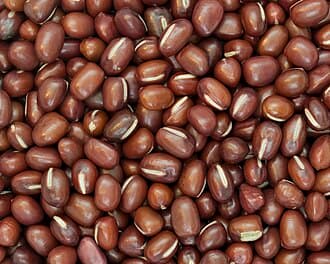 Adzuki Bean
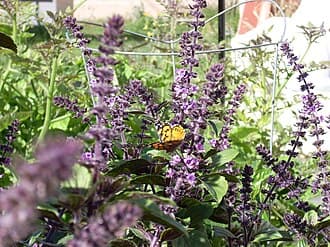 African Blue Basil
 African Marigold
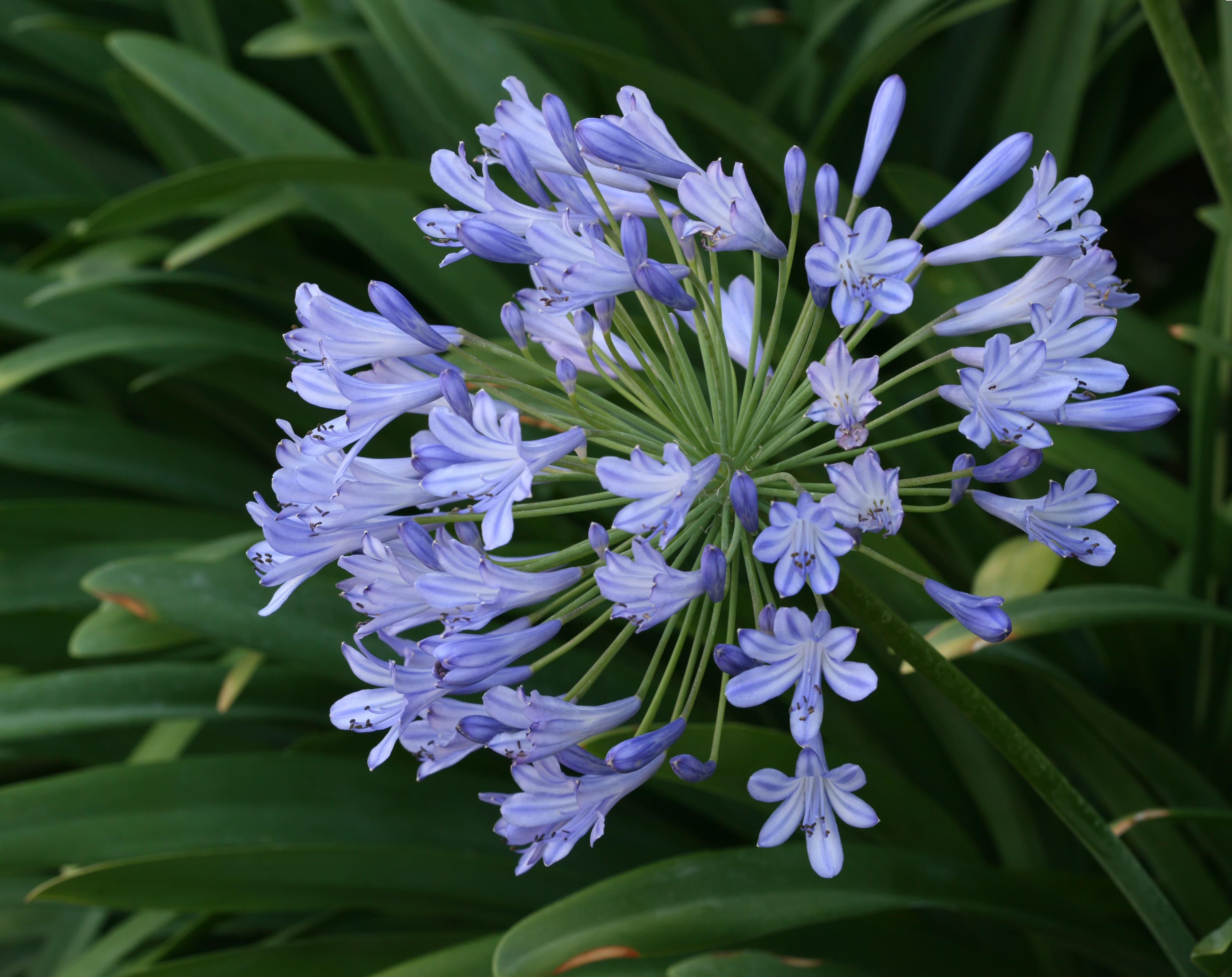 Agapanthus
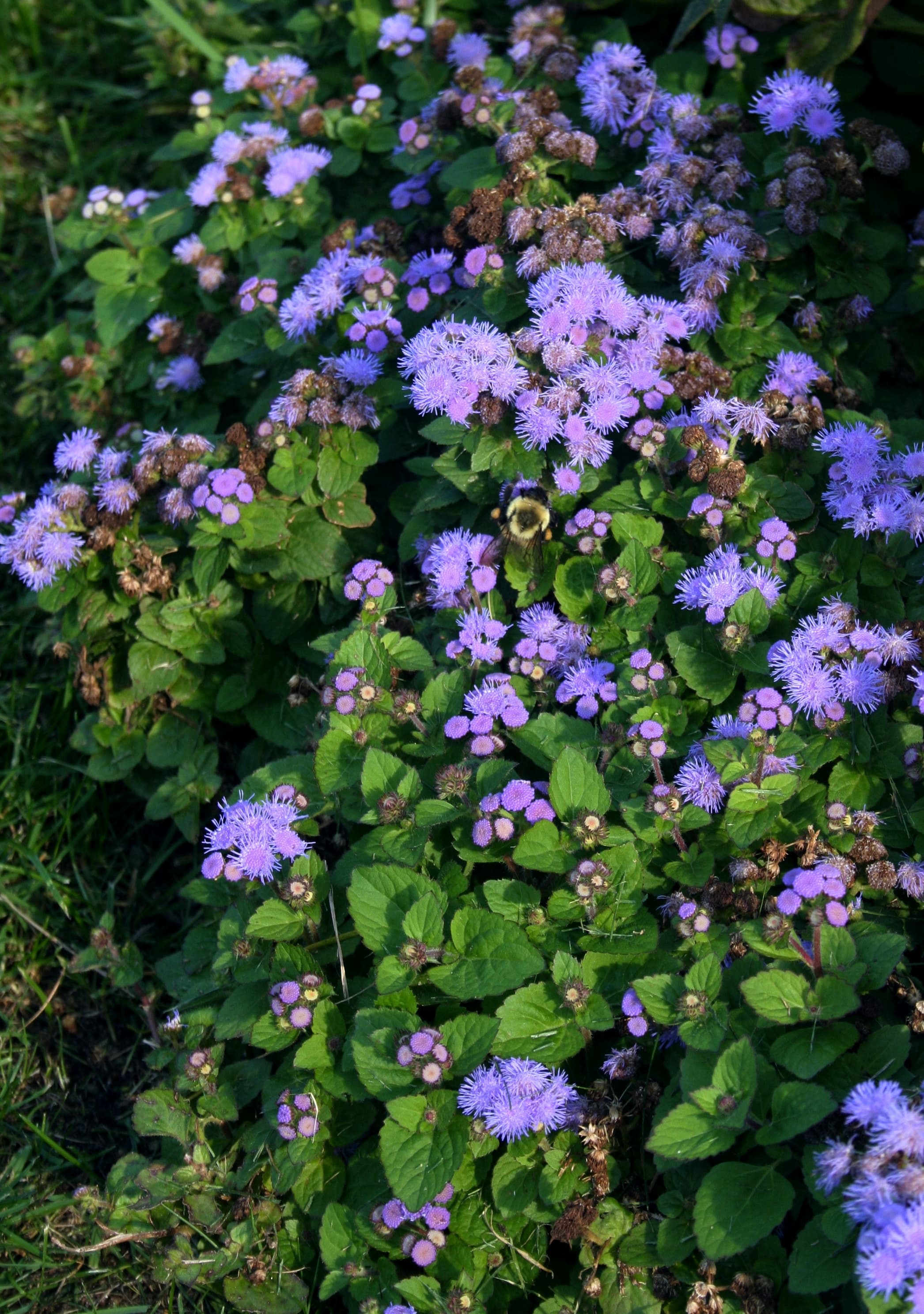 Ageratum
 Agrimony
 Aji Amarillo Pepper🍓Albion Strawberry
 Alice du Pont Mandevilla🥔All Blue Potato
 Almond
 Aloe Vera
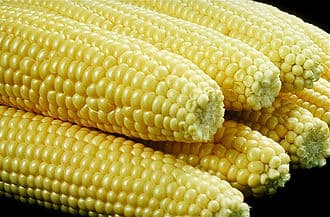 Ambrosia Corn
 American Basswood
 American Beauty Dragon Fruit
 American Beech
 American Persimmon
 Amethyst Falls Wisteria
 Amish Paste Tomato
 Anaheim Pepper
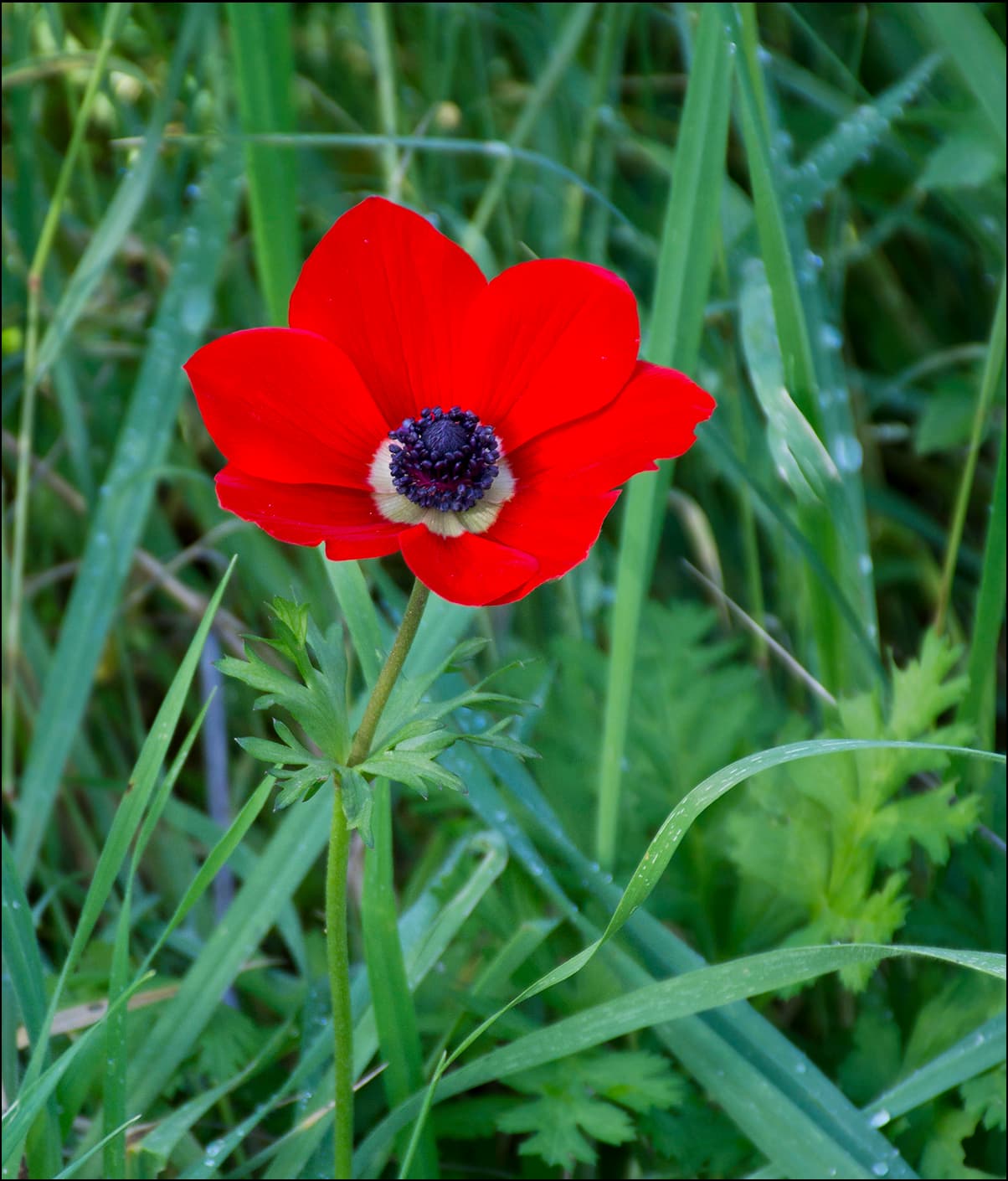 Anemone
 Angelique Tulip
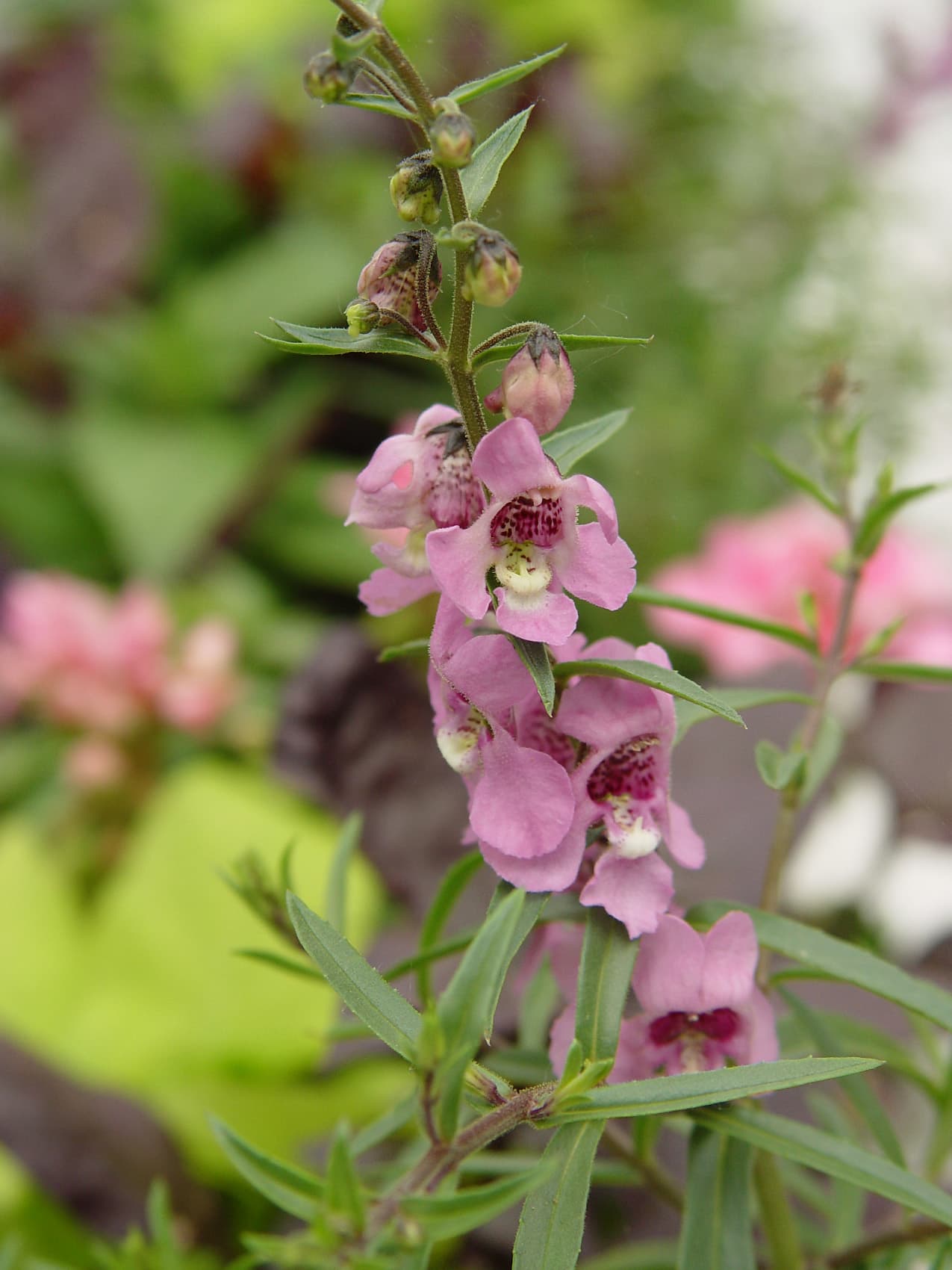 Angelonia
 Anise
Anise Anise Hyssop
 Anjou Pear
 Annabelle Smooth Hydrangea
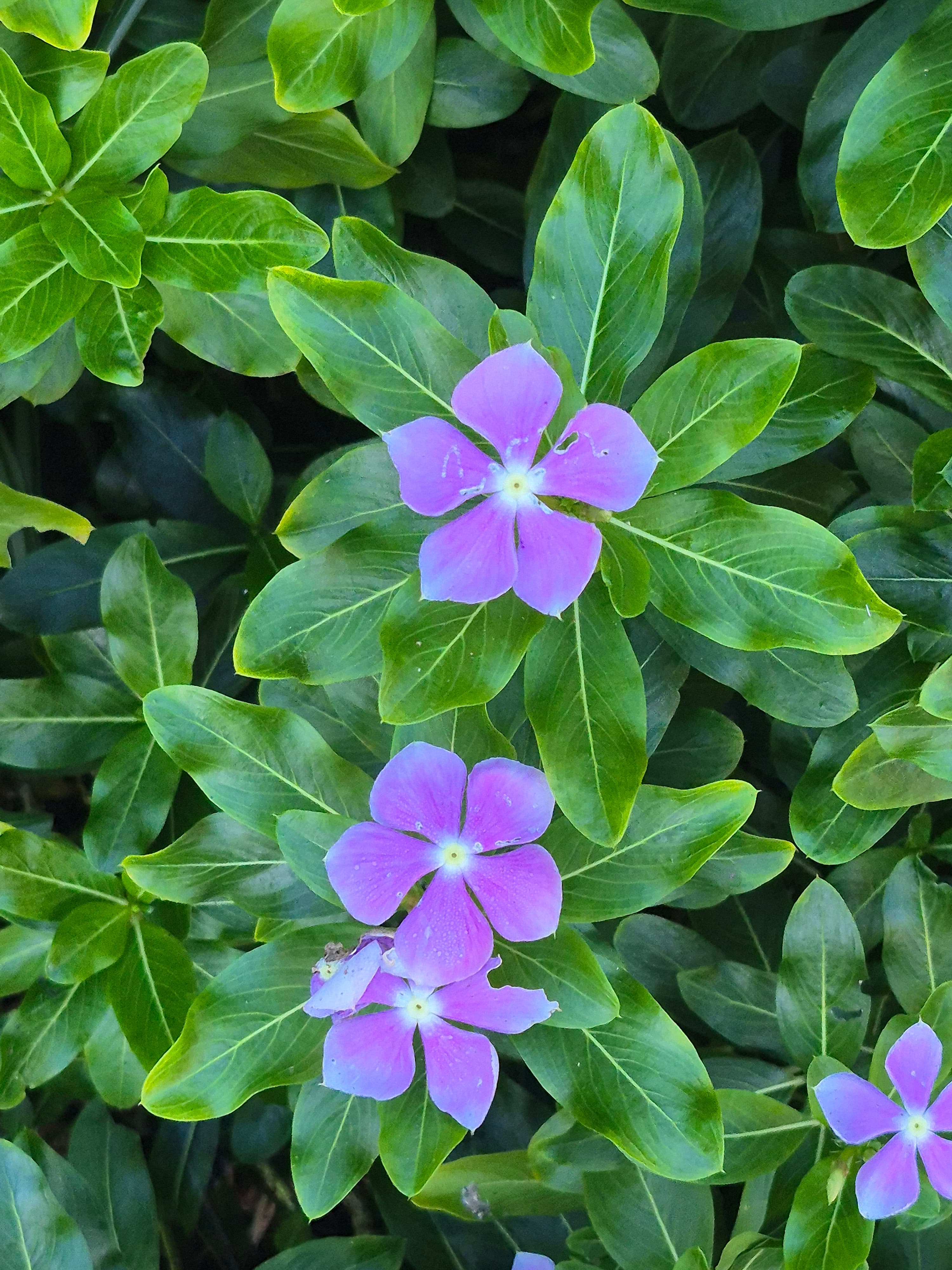 Annual Vinca
 Apeldoorn Tulip
 Apple Mint
 April Tryst Camellia
 Arbequina Olive
 Arizona Sun Blanket Flower
 Arkin Carambola
 Armenian Cucumber
 Aronia
 Arp Rosemary
 Arugula
 Ashwagandha
 Asian Pear
 Asian Persimmon
 Atemoya
 Atlantic Giant Pumpkin🥕Atomic Red Carrot
 Aucuba
 August Beauty Gardenia
 Aunt Molly's Ground Cherry
 Autumn Joy Sedum
 Avocado
 Bachelor's Button
 Balsam Fir
 Balsam Poplar
 Banana Pepper
 Barbara Karst Bougainvillea
 Bartlett Pear
 Bay Laurel
 Bayberry
 Beach Plum
 Beauregard Sweet Potato
 Becky Shasta Daisy
 Bee Balm🍅Beefmaster Tomato
 Benarys Giant Zinnia
 Bengal Tiger Canna
 Better Boy Tomato🥬Bibb Lettuce🍅Big Beef Tomato
 Big Boy Tomato
 Bilberry
 Bing Cherry
 Bitter Melon
 Black Bean
 Black Beauty Eggplant
 Black Beauty Zucchini
 Black Beluga Lentil
 Black Cherry Tomato
 Black Crowberry
 Black Currant🍉Black Diamond Watermelon
 Black Kabouli Chickpea
 Black Krim Tomato
 Black Raspberry
 Black Sapote🥬Black Seeded Simpson Lettuce🥕Black Spanish Radish
 Black Tartarian Cherry
 Black Walnut
 Black-Eyed Pea
 Black-eyed Susan Vine
 Blood Orange
 Bloomsdale Spinach
 Blue Bird Delphinium
 Blue Bird Rose of Sharon
 Blue Fescue
 Blue Lake Green Bean
 Bluecrop Blueberry
 Bocking 14 Comfrey
 Bok Choy
For educational and informational purposes only. Pest control advice is general guidance drawn from university cooperative extension sources; always identify a pest positively and read and follow the label on any product before use, especially around food crops, children, and pets.