
Deer
Odocoileus spp.
Large, graceful, and very hungry, deer browse a huge range of garden plants, vegetables, fruit, and young trees, usually at dawn and dusk. A herd can clip a planting to the ground overnight, and the only reliable protection is to physically exclude them.
🔎 How to spot it
You may not see the deer, which feed in the early morning and evening, so read the signs: plants browsed off with a torn, ragged break rather than a clean cut (deer lack upper front teeth), browse lines on shrubs up to about head height, tracks and droppings, and bucks shredding bark on young trunks when they rub their antlers in fall.
🥀 Damage it causes
Deer eat shoots, leaves, buds, flowers, vegetables, and fruit, and strip the foliage and tender bark of young trees and shrubs; the torn, ragged ends they leave distinguish their browsing from the clean cut of rabbits. Damage is heaviest where food is scarce, in late winter and early spring, and a single night of feeding can devastate a vegetable bed.
🛡️ Prevent it
A good fence is the only dependable answer: a sturdy woven-wire fence about eight feet tall, or a slanted or double fence, since motivated deer clear lower ones. For small beds, a cage or a few strands of fishing line or wire strung at 30 to 36 inches can deter them, and individual young trees can be sleeved with tree guards. Favor deer-resistant plants at the garden edge.
🧯 If it is already here
Where fencing is not yet up, taste-and-odor repellents (eggs, dried blood, capsaicin, and similar) can give temporary relief, but they wash off, need frequent reapplication, and lose effect as deer get used to them, so rotate products. Scare devices help only briefly. For lasting control, invest in exclusion, because hungry deer eventually push past every other measure.
💡 Good to know
Repellents and scare tactics buy time but do not solve a real deer problem; fencing does. Remember that a starving deer will eat almost anything, including plants rated deer-resistant, so in high-pressure areas plan on a tall fence around the vegetable garden rather than hoping repellents will hold.
🌱 Plants it attacks
714 plants in the library can be attacked by this pest
 Acorn Squash
 Adirondack Blue Potato
 Adzuki Bean
 African Blue Basil
 African Marigold
 Agapanthus
 Ageratum
 Agrimony
 Aji Amarillo Pepper🍓Albion Strawberry
 Alice du Pont Mandevilla🥔All Blue Potato
 Almond
 Aloe Vera
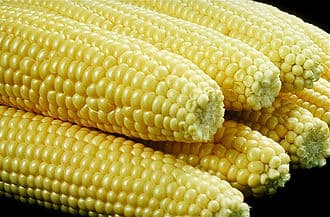 Ambrosia Corn
 American Basswood
 American Beauty Dragon Fruit
 American Beech
 American Persimmon
 Amethyst Falls Wisteria
 Amish Paste Tomato
 Anaheim Pepper
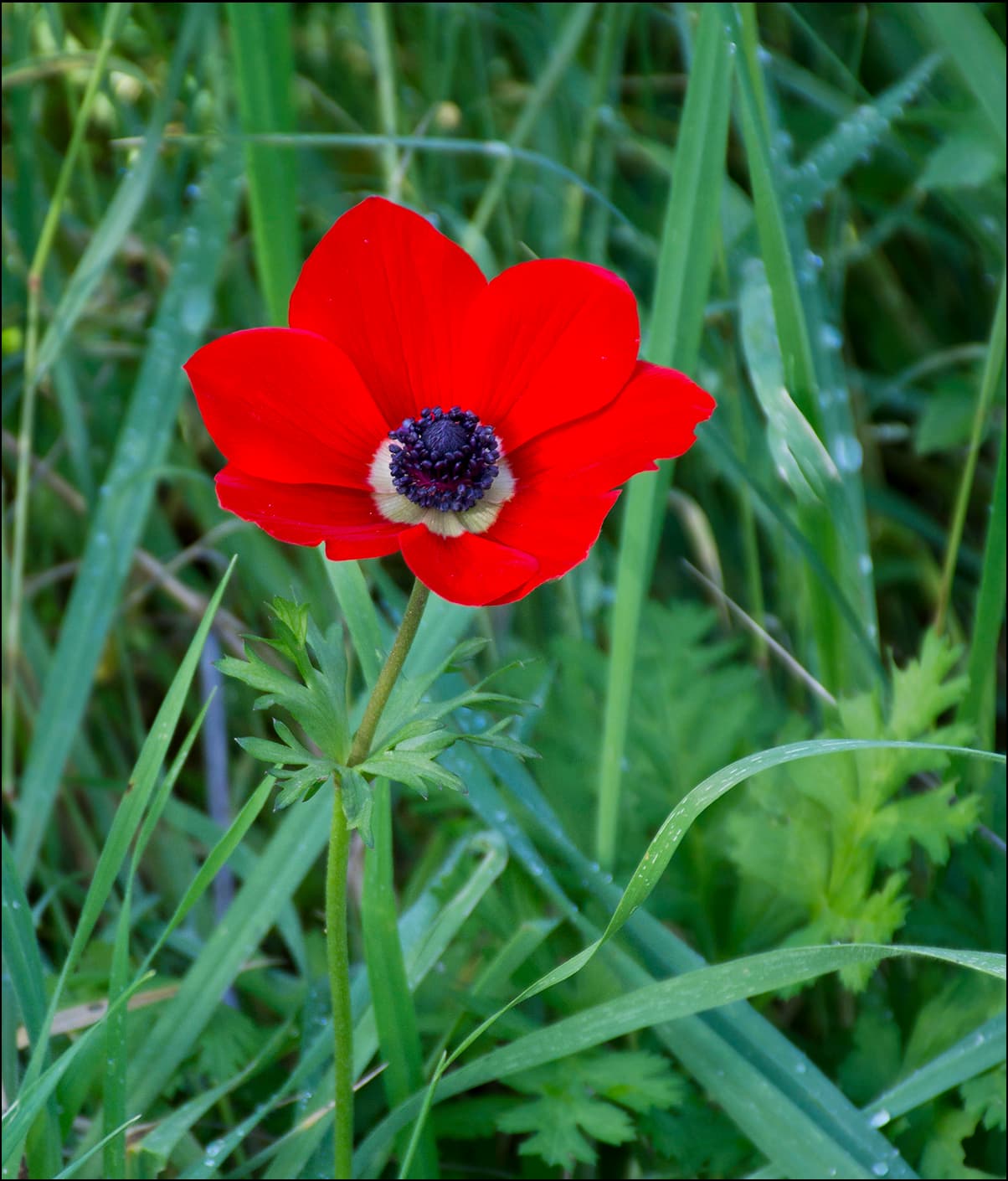 Anemone
 Angelique Tulip
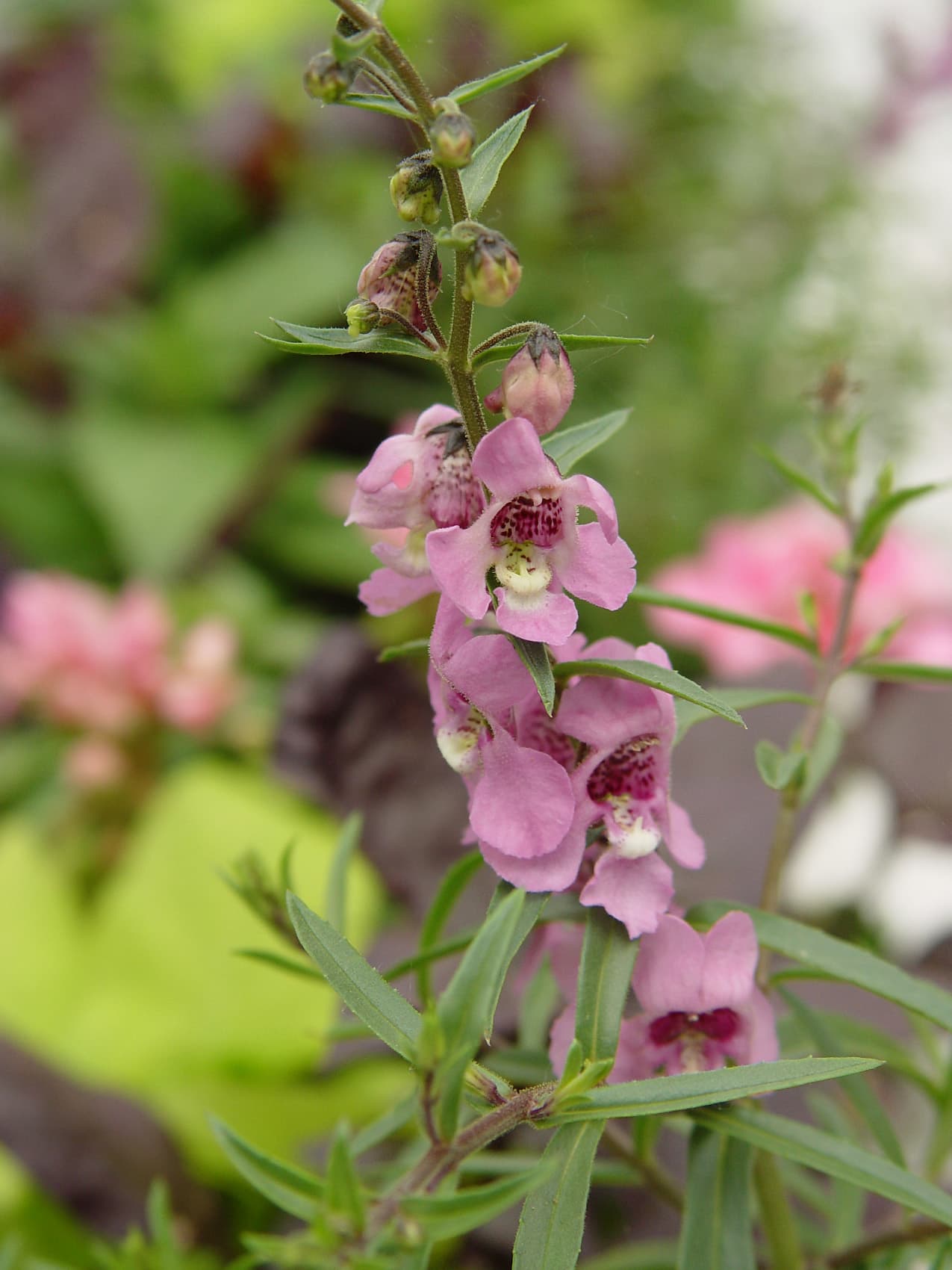 Angelonia
 Anise
Anise Anise Hyssop
 Anjou Pear
 Annabelle Smooth Hydrangea
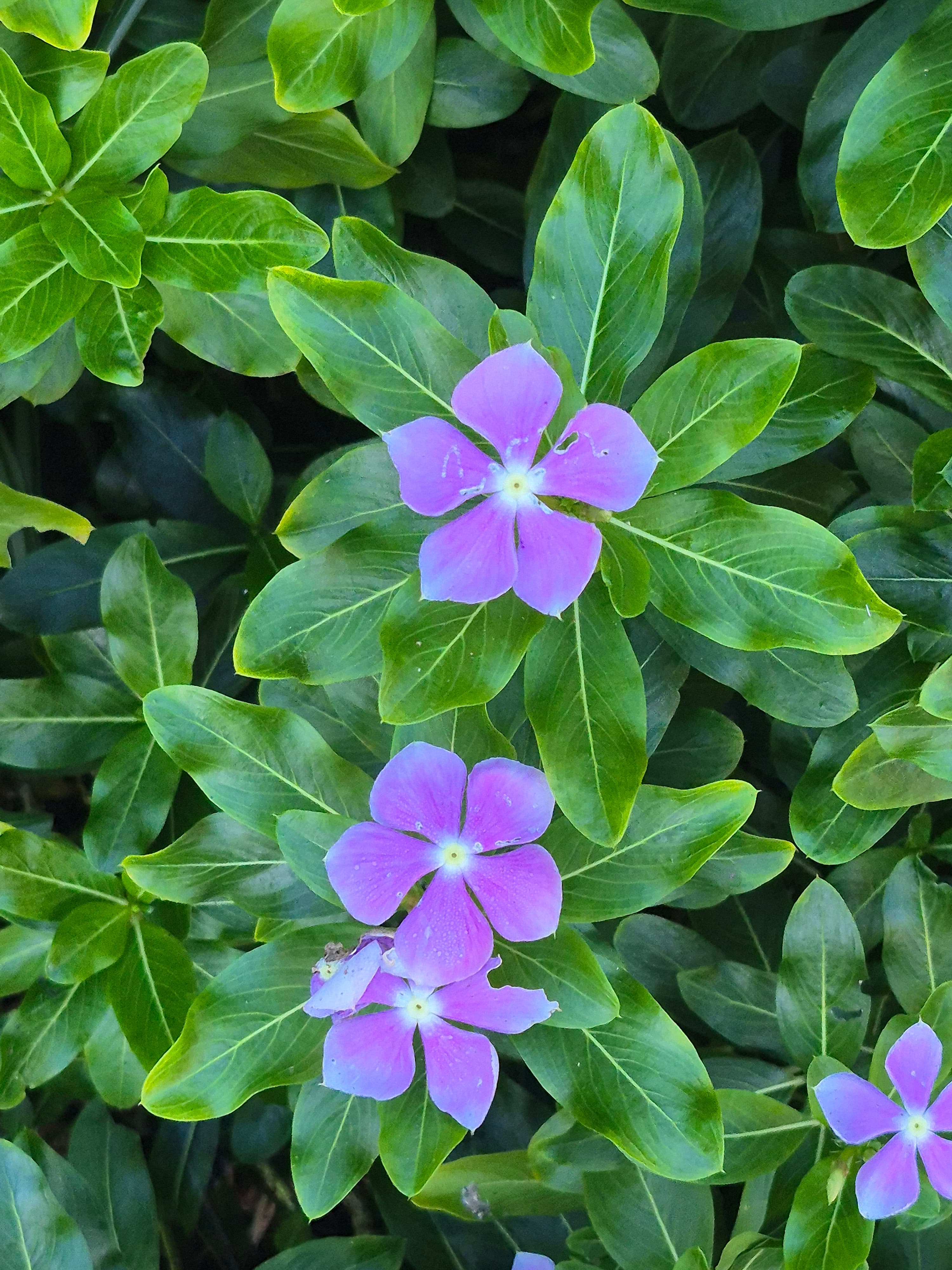 Annual Vinca
 Apeldoorn Tulip
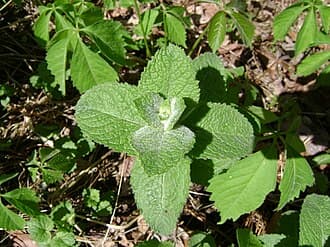 Apple Mint
 April Tryst Camellia
 Arbequina Olive
 Arizona Sun Blanket Flower
 Arkin Carambola
 Armenian Cucumber
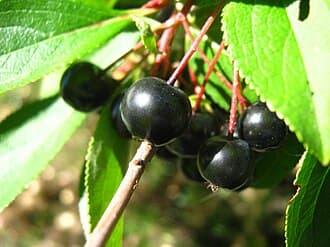 Aronia
 Arp Rosemary
 Arugula
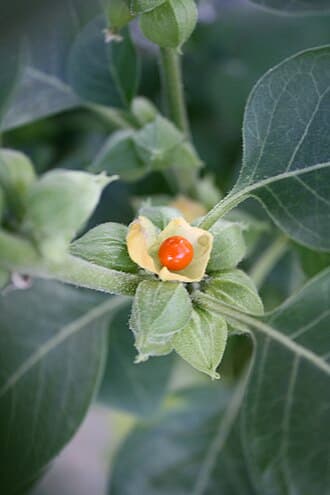 Ashwagandha
 Asian Pear
 Asian Persimmon
 Atemoya
 Atlantic Giant Pumpkin🥕Atomic Red Carrot
 Aucuba
 August Beauty Gardenia
 Aunt Molly's Ground Cherry
 Autumn Joy Sedum
 Avocado
 Bachelor's Button
 Balsam Fir
 Balsam Poplar
 Banana Pepper
 Barbara Karst Bougainvillea
 Bartlett Pear
 Bay Laurel
 Bayberry
 Beach Plum
 Beauregard Sweet Potato
 Becky Shasta Daisy
 Bee Balm🍅Beefmaster Tomato
 Benarys Giant Zinnia
 Bengal Tiger Canna
 Better Boy Tomato🥬Bibb Lettuce🍅Big Beef Tomato
 Big Boy Tomato
 Bilberry
 Bing Cherry
 Bitter Melon
 Black Bean
 Black Beauty Eggplant
 Black Beauty Zucchini
 Black Beluga Lentil
 Black Cherry Tomato
 Black Crowberry
 Black Currant🍉Black Diamond Watermelon
 Black Kabouli Chickpea
 Black Krim Tomato
 Black Raspberry
 Black Sapote🥬Black Seeded Simpson Lettuce🥕Black Spanish Radish
 Black Tartarian Cherry
 Black Walnut
 Black-Eyed Pea
 Black-eyed Susan Vine
 Blood Orange
 Bloomsdale Spinach
 Blue Bird Delphinium
 Blue Bird Rose of Sharon
 Blue Fescue
 Blue Lake Green Bean
 Bluecrop Blueberry
 Bocking 14 Comfrey
 Bok Choy
For educational and informational purposes only. Pest control advice is general guidance drawn from university cooperative extension sources; always identify a pest positively and read and follow the label on any product before use, especially around food crops, children, and pets.