
Earwigs
Order Dermaptera
Familiar reddish-brown insects with a pair of pincers at the tail, earwigs are a mixed bag in the garden: they eat aphids and decaying matter, but in numbers they also chew ragged holes in seedlings, leaves, soft fruit, and flowers, feeding at night and hiding by day.
🔎 How to spot it
Earwigs are flat, elongate, shiny reddish-brown insects about three-quarters of an inch long, with a distinctive pair of forceps-like pincers at the rear; they are harmless to people despite the look. They hide by day in dark, damp, tight places, under pots, boards, mulch, and debris, and forage at night. Hunt with a flashlight to confirm them, since the damage alone can be mistaken for other chewers.
🥀 Damage it causes
Earwigs chew small, irregular holes scattered across young leaves and clip the edges of older leaves into a ragged look; they also feed on flower petals (zinnias, marigolds, and dahlias are favorites), seedlings, soft fruit, and corn silk, which can interfere with pollination. Seedlings can be set back severely, while established plants usually shrug off the cosmetic damage.
🛡️ Prevent it
Reduce their daytime shelter and the moisture they love: clear away leaf litter, boards, and debris, thin heavy mulch near vulnerable plants, and water in the morning so beds dry by night. Because earwigs also eat aphids and other pests, tolerate modest numbers and act only where they are clearly harming seedlings, flowers, or fruit.
🧯 If it is already here
Trap them with low cans baited with a little oil (a drop of bacon grease or fish oil added) sunk to soil level, or with rolled damp newspaper or short pieces of hose laid out at dusk, then collect and dump the hidden earwigs each morning. A few nights of intensive trapping sharply cuts the population. Protect seedlings until they are large enough to outgrow the feeding.
💡 Good to know
Earwigs are genuinely both friend and foe, so the goal is to thin them around vulnerable plants rather than wipe them out. The pincers are for defense and mating, not for harming people, and the old tale about them crawling into ears is just a tale. Trapping plus drying out their hiding spots is far more effective than spraying.
🌱 Plants it attacks
714 plants in the library can be attacked by this pest
 Acorn Squash
 Adirondack Blue Potato
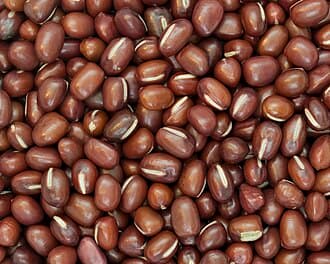 Adzuki Bean
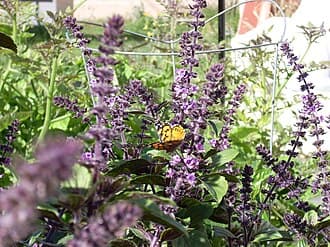 African Blue Basil
 African Marigold
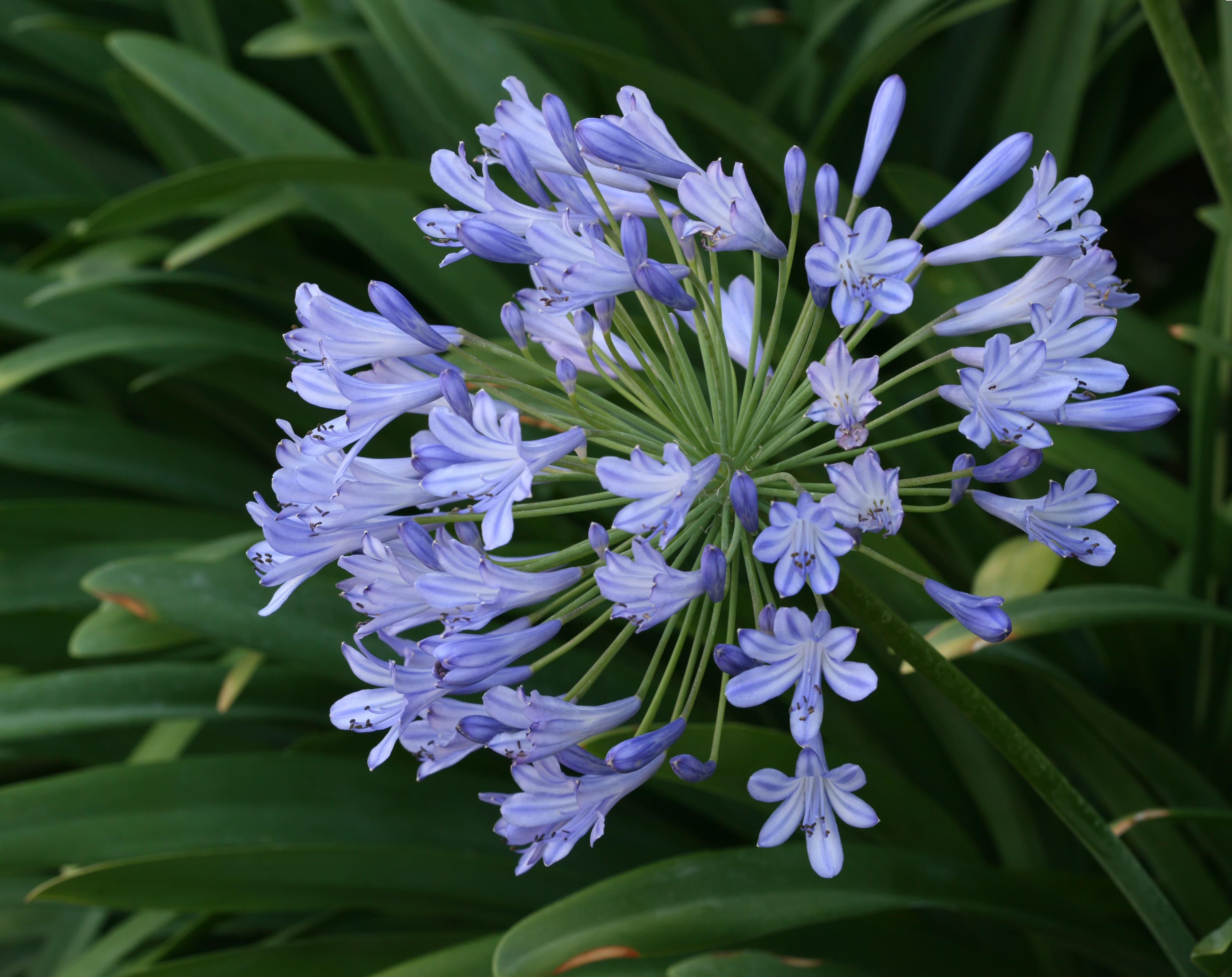 Agapanthus
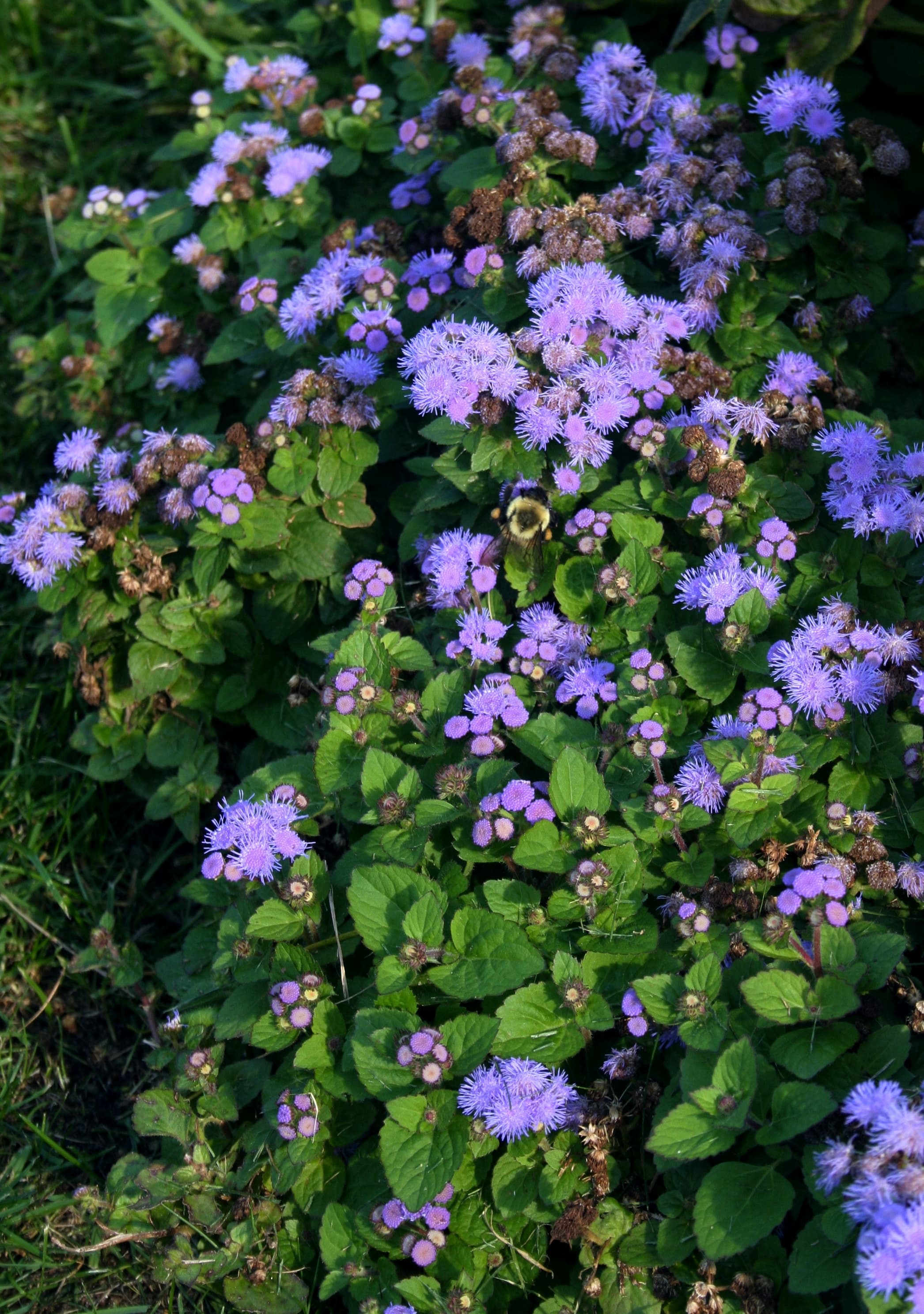 Ageratum
 Agrimony
 Aji Amarillo Pepper🍓Albion Strawberry
 Alice du Pont Mandevilla🥔All Blue Potato
 Almond
 Aloe Vera
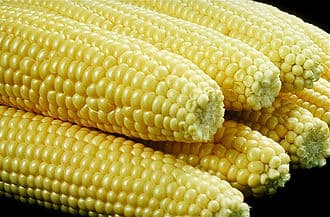 Ambrosia Corn
 American Basswood
 American Beauty Dragon Fruit
 American Beech
 American Persimmon
 Amethyst Falls Wisteria
 Amish Paste Tomato
 Anaheim Pepper
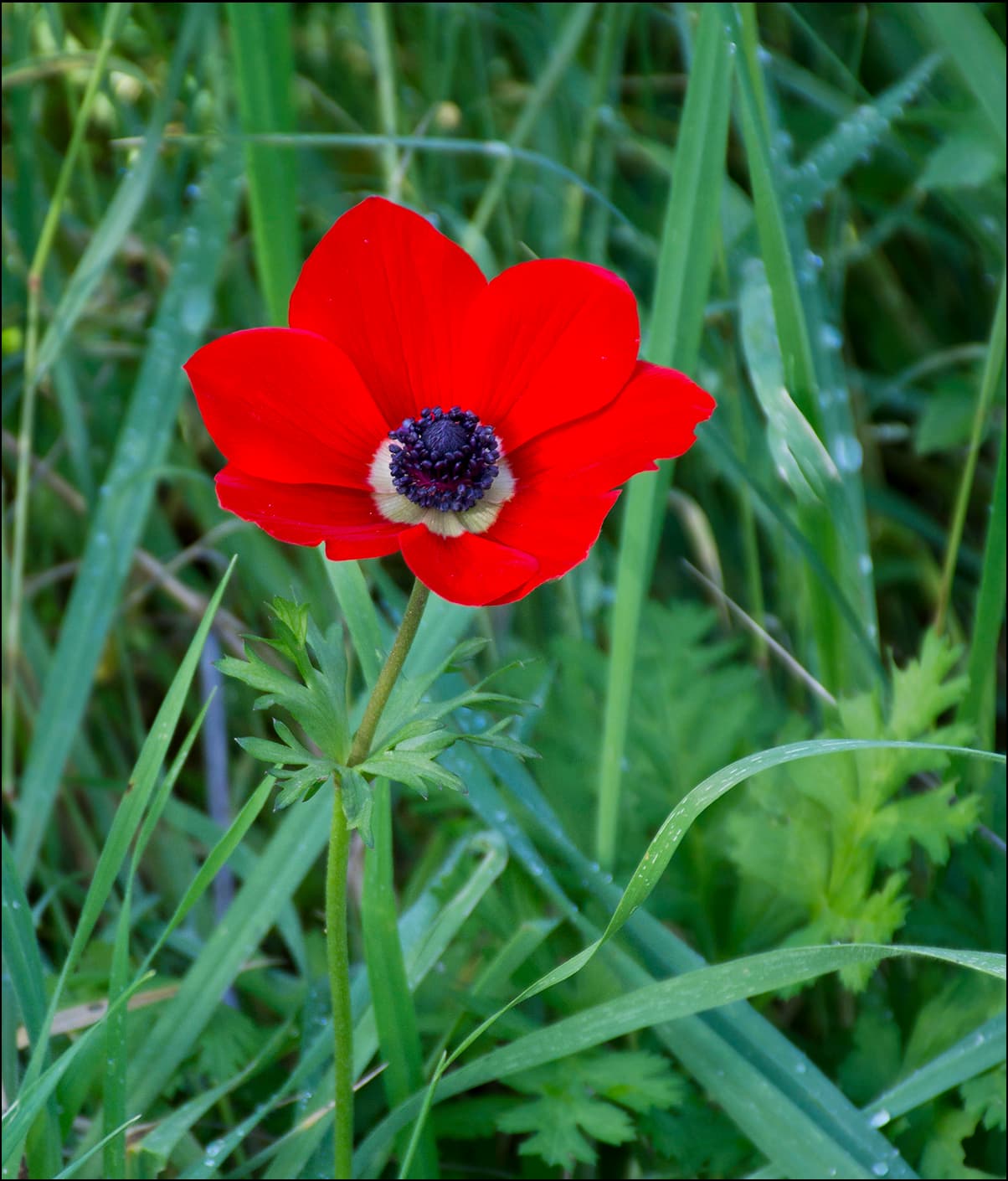 Anemone
 Angelique Tulip
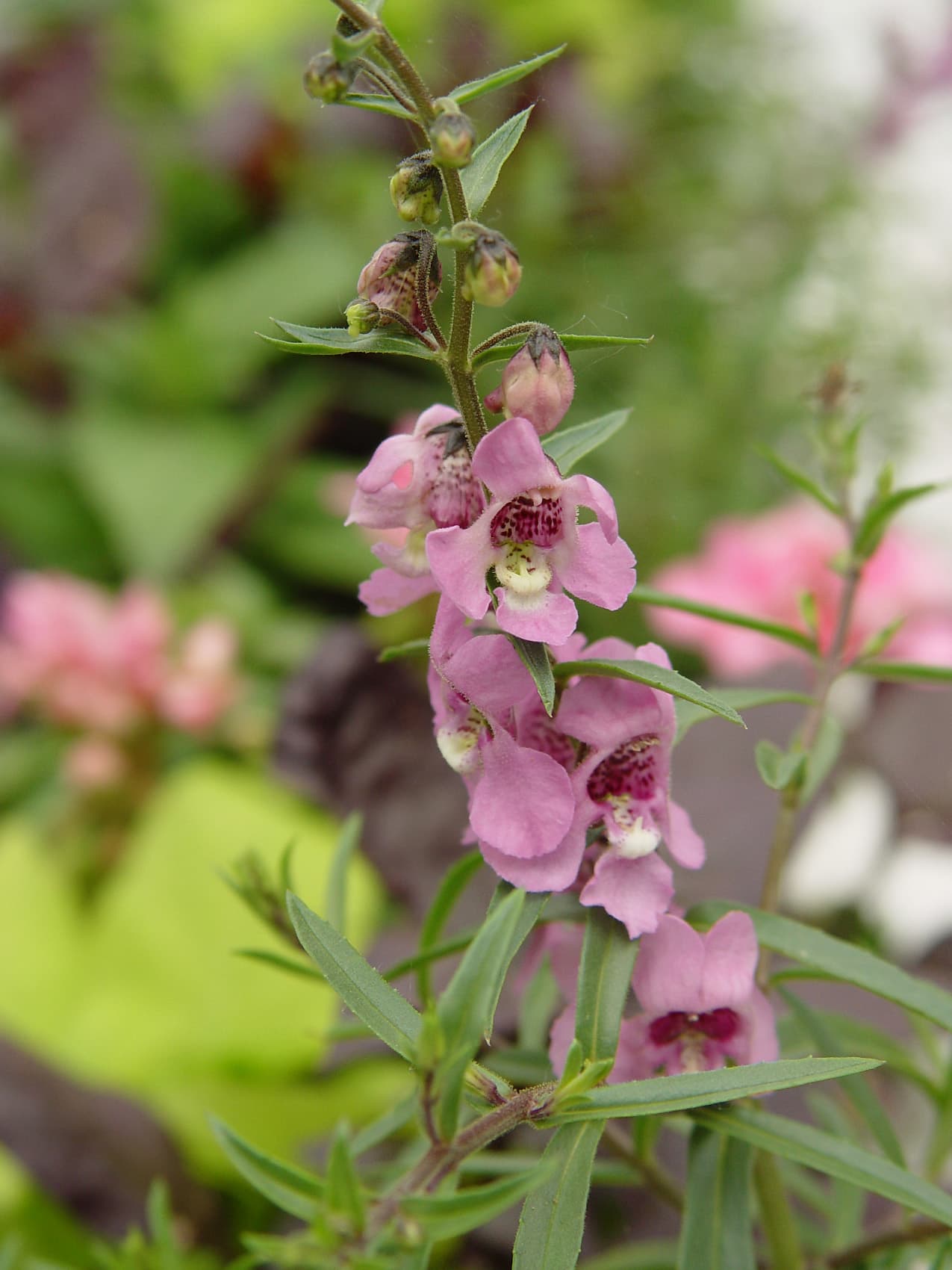 Angelonia
 Anise
Anise Anise Hyssop
 Anjou Pear
 Annabelle Smooth Hydrangea
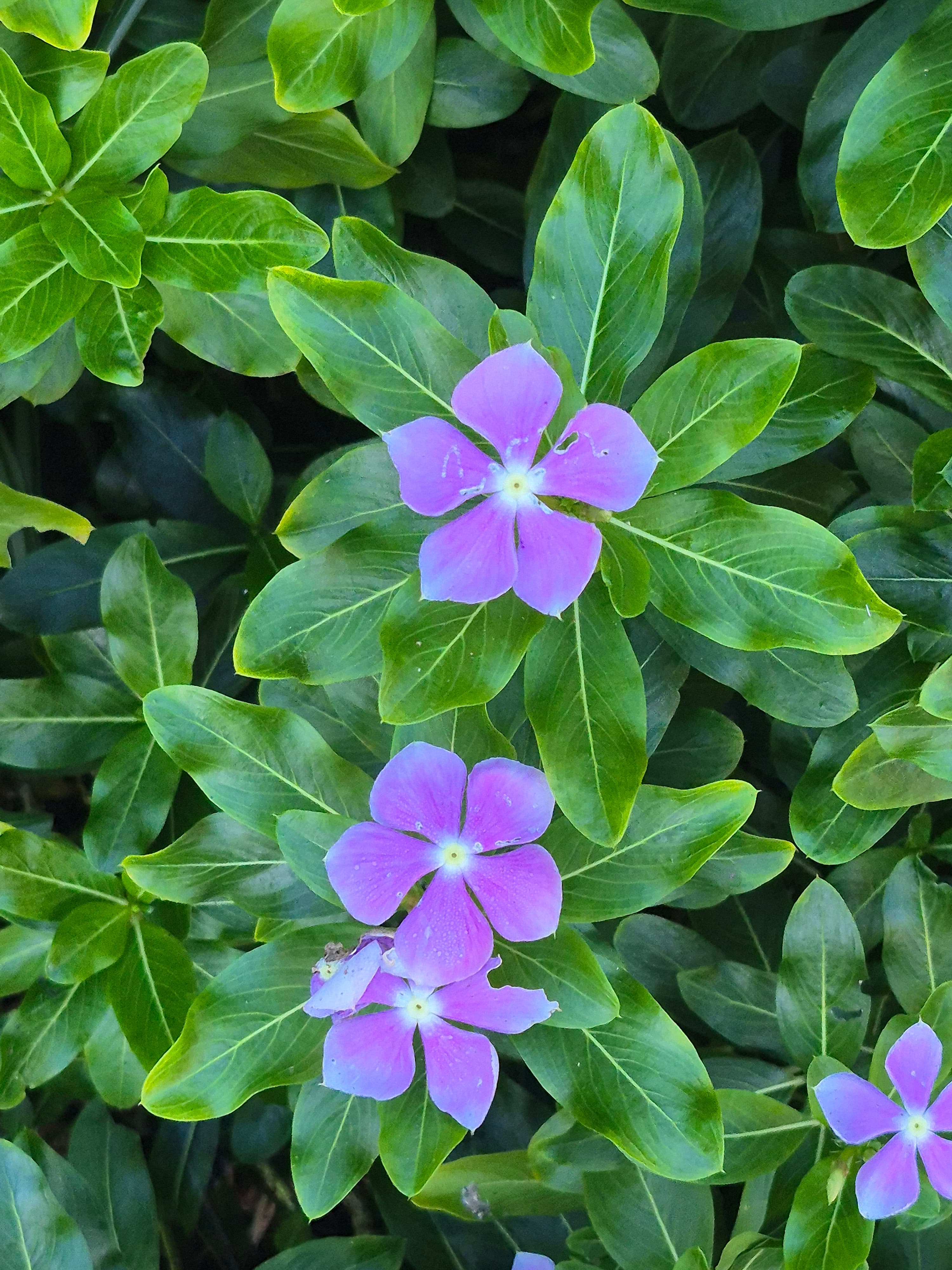 Annual Vinca
 Apeldoorn Tulip
 Apple Mint
 April Tryst Camellia
 Arbequina Olive
 Arizona Sun Blanket Flower
 Arkin Carambola
 Armenian Cucumber
 Aronia
 Arp Rosemary
 Arugula
 Ashwagandha
 Asian Pear
 Asian Persimmon
 Atemoya
 Atlantic Giant Pumpkin🥕Atomic Red Carrot
 Aucuba
 August Beauty Gardenia
 Aunt Molly's Ground Cherry
 Autumn Joy Sedum
 Avocado
 Bachelor's Button
 Balsam Fir
 Balsam Poplar
 Banana Pepper
 Barbara Karst Bougainvillea
 Bartlett Pear
 Bay Laurel
 Bayberry
 Beach Plum
 Beauregard Sweet Potato
 Becky Shasta Daisy
 Bee Balm🍅Beefmaster Tomato
 Benarys Giant Zinnia
 Bengal Tiger Canna
 Better Boy Tomato🥬Bibb Lettuce🍅Big Beef Tomato
 Big Boy Tomato
 Bilberry
 Bing Cherry
 Bitter Melon
 Black Bean
 Black Beauty Eggplant
 Black Beauty Zucchini
 Black Beluga Lentil
 Black Cherry Tomato
 Black Crowberry
 Black Currant🍉Black Diamond Watermelon
 Black Kabouli Chickpea
 Black Krim Tomato
 Black Raspberry
 Black Sapote🥬Black Seeded Simpson Lettuce🥕Black Spanish Radish
 Black Tartarian Cherry
 Black Walnut
 Black-Eyed Pea
 Black-eyed Susan Vine
 Blood Orange
 Bloomsdale Spinach
 Blue Bird Delphinium
 Blue Bird Rose of Sharon
 Blue Fescue
 Blue Lake Green Bean
 Bluecrop Blueberry
 Bocking 14 Comfrey
 Bok Choy
For educational and informational purposes only. Pest control advice is general guidance drawn from university cooperative extension sources; always identify a pest positively and read and follow the label on any product before use, especially around food crops, children, and pets.