
Fungus Gnats
Bradysia species
Tiny dark flies that hover around houseplants, seed trays, and damp potting soil. The adults are a harmless nuisance, but their root-feeding larvae can stunt and damage seedlings and cuttings, especially in the overwatered conditions of indoor seed starting. They are one of the most common problems of indoor and greenhouse growing.
🔎 How to spot it
Adults are delicate, grayish-black, mosquito-like flies about one eighth inch long, with long legs and a single pair of wings, often seen running across the soil or flying weakly when a plant is watered. The larvae are tiny, clear to white, legless maggots with a shiny black head, living in the top inch or two of moist soil. A yellow sticky card set near the pots quickly confirms them.
🥀 Damage it causes
The adults do not bite or harm plants and are mainly an annoyance. The larvae feed on roots, root hairs, fungi, and decaying matter in the soil, and when numerous they damage fine roots and stunt or kill seedlings and cuttings that have not yet rooted in well. The feeding wounds can also open the door to root-rot fungi.
🛡️ Prevent it
Let the top one to two inches of soil dry out between waterings, since the larvae cannot survive in dry soil; this single change breaks the cycle. Avoid overwatering and improve drainage, use fresh, well-drained potting mix rather than soggy or reused soil, and do not leave standing water in saucers. Bottom water when you can, and cover the soil surface to discourage egg laying.
🧯 If it is already here
Hang yellow sticky traps to catch the egg-laying adults and monitor numbers. Drench the soil with the bacterium Bacillus thuringiensis subspecies israelensis (Bti), sold as mosquito bits steeped in water, or apply beneficial nematodes (Steinernema feltiae) to kill the larvae. Letting the soil dry hard between waterings, combined with sticky traps, clears most infestations without other sprays.
💡 Good to know
Fungus gnats thrive on excess moisture and organic matter, so a persistent problem is almost always a sign that the soil is being kept too wet. They are easy to confuse with the equally harmless shore flies. Because the whole life cycle runs in three to four weeks, consistent drying and trapping over a few weeks is usually enough to end an outbreak.
🌱 Plants it attacks
714 plants in the library can be attacked by this pest
 Acorn Squash
 Adirondack Blue Potato
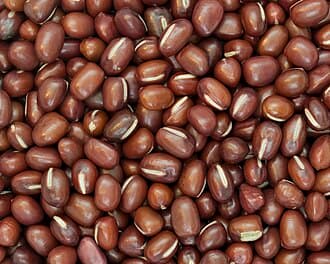 Adzuki Bean
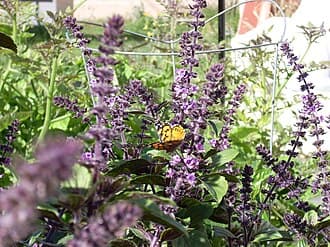 African Blue Basil
 African Marigold
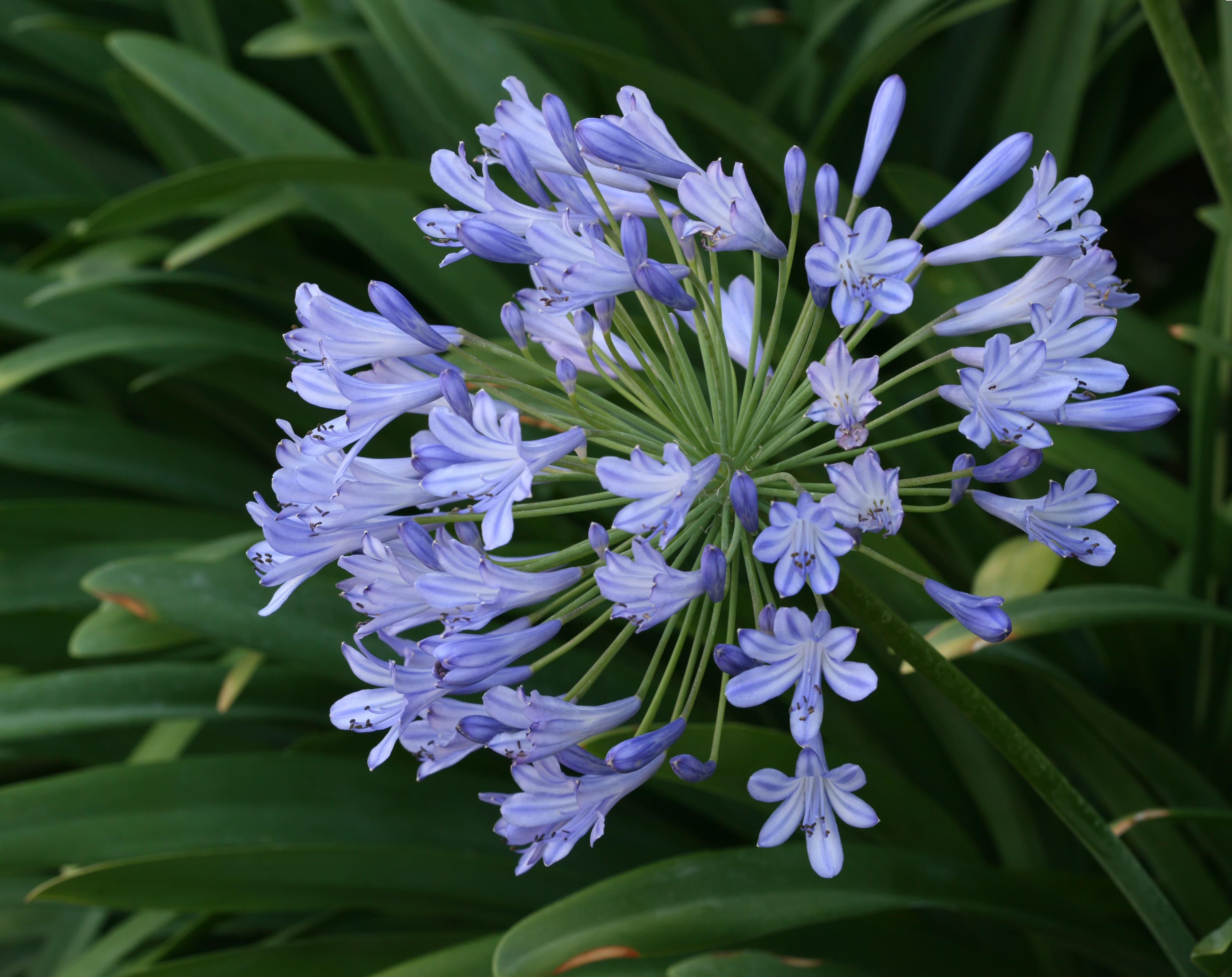 Agapanthus
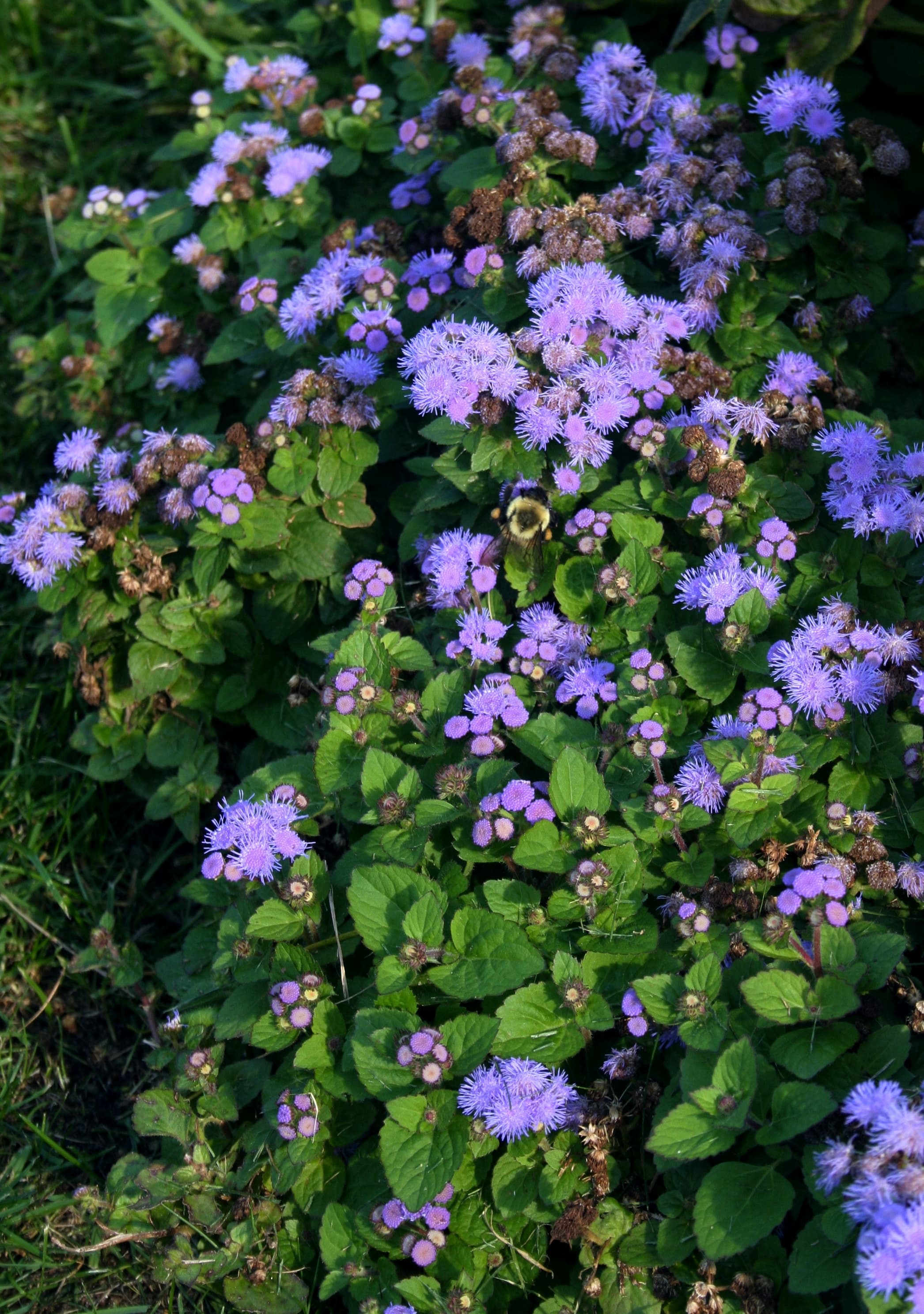 Ageratum
 Agrimony
 Aji Amarillo Pepper🍓Albion Strawberry
 Alice du Pont Mandevilla🥔All Blue Potato
 Almond
 Aloe Vera
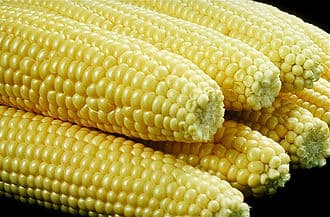 Ambrosia Corn
 American Basswood
 American Beauty Dragon Fruit
 American Beech
 American Persimmon
 Amethyst Falls Wisteria
 Amish Paste Tomato
 Anaheim Pepper
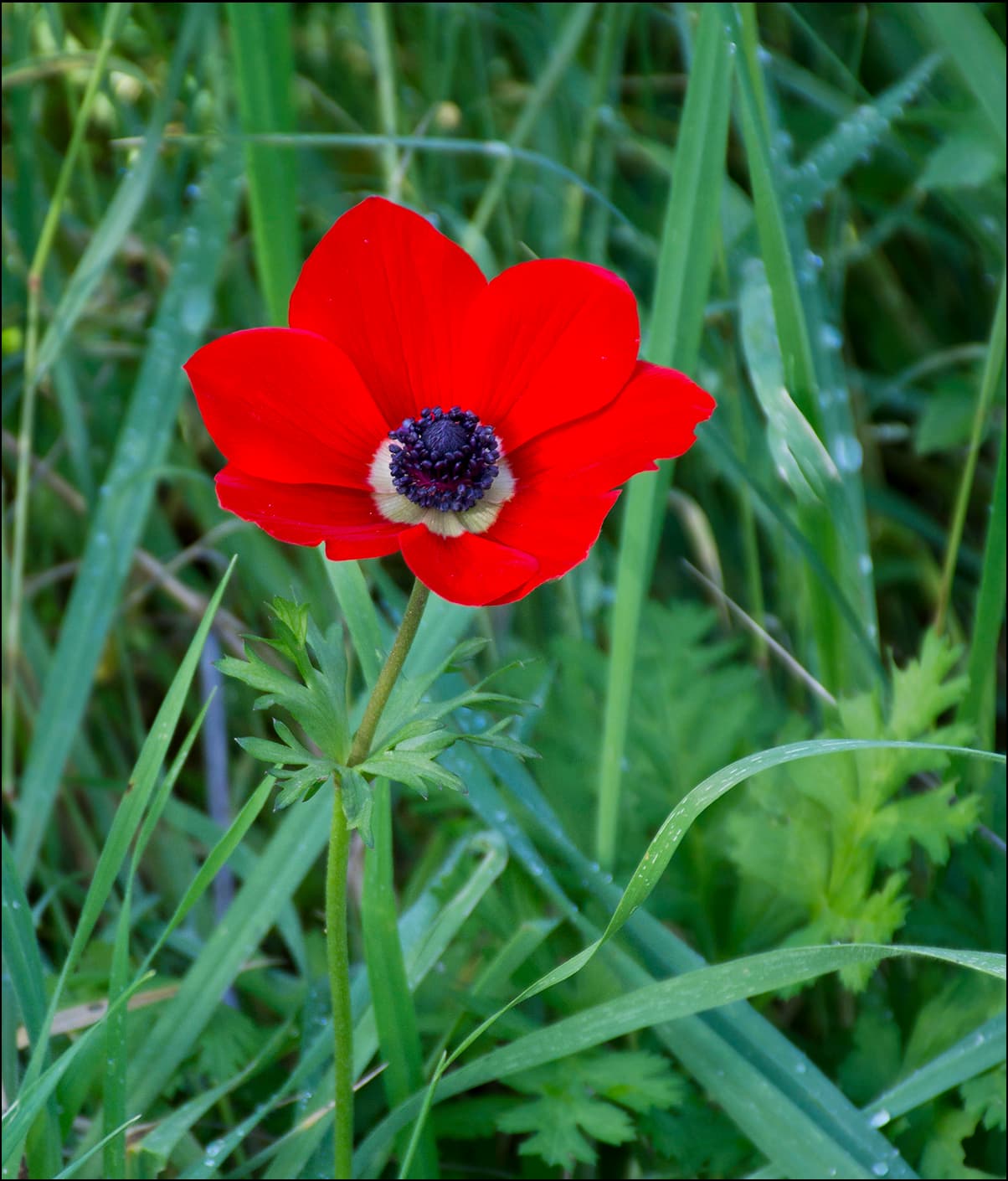 Anemone
 Angelique Tulip
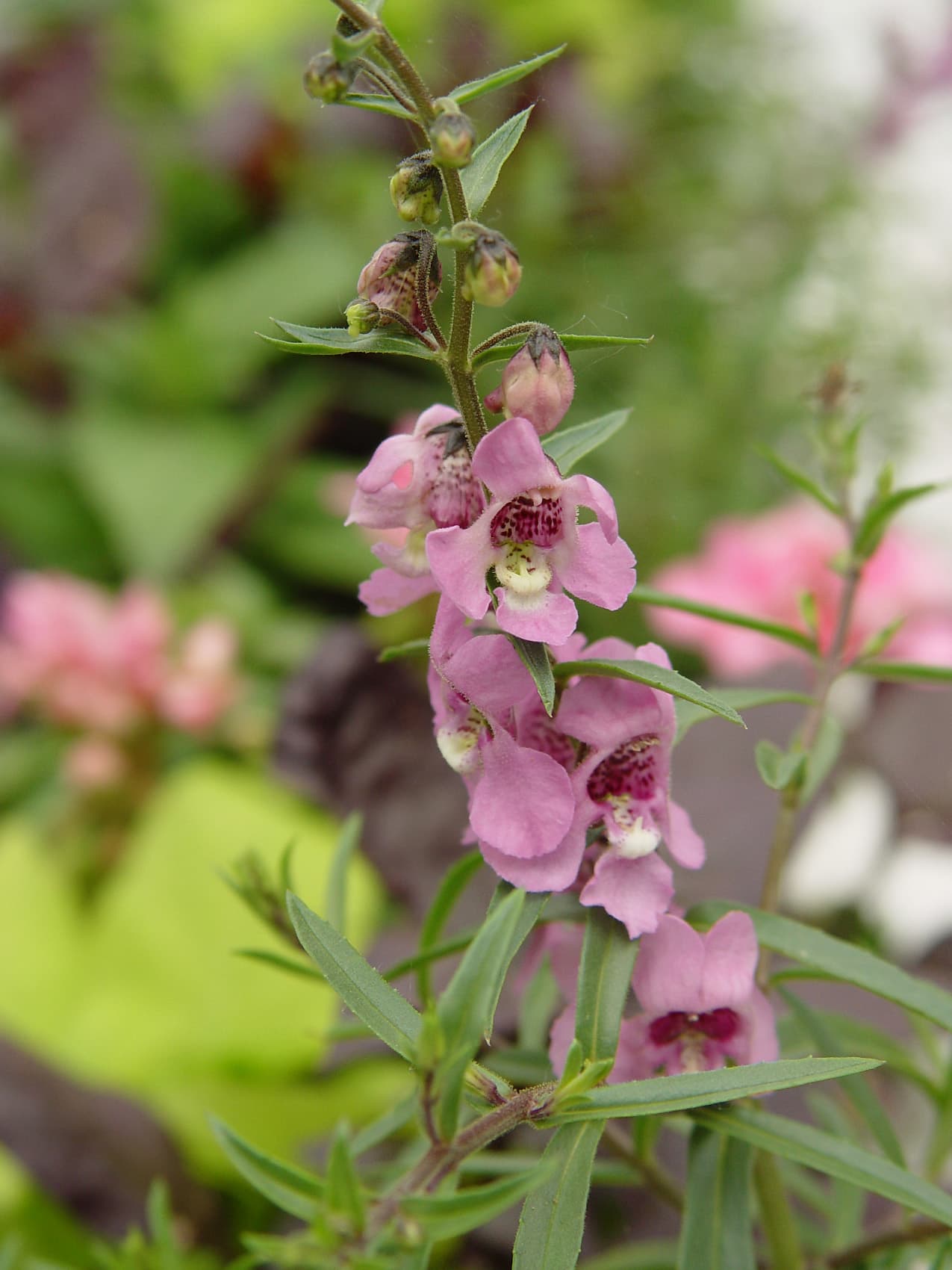 Angelonia
 Anise
Anise Anise Hyssop
 Anjou Pear
 Annabelle Smooth Hydrangea
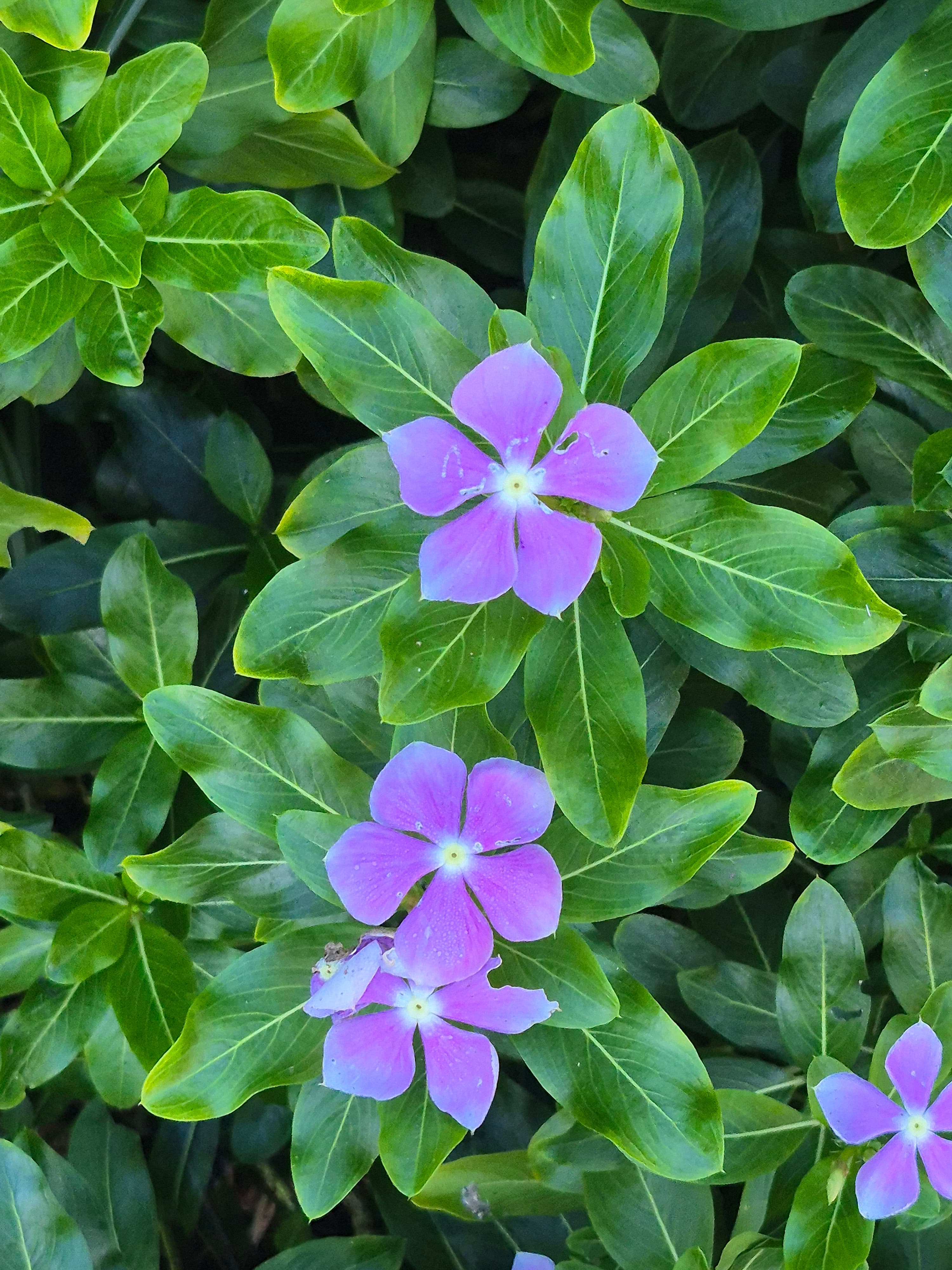 Annual Vinca
 Apeldoorn Tulip
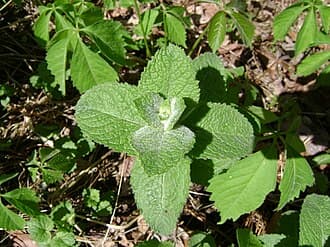 Apple Mint
 April Tryst Camellia
 Arbequina Olive
 Arizona Sun Blanket Flower
 Arkin Carambola
 Armenian Cucumber
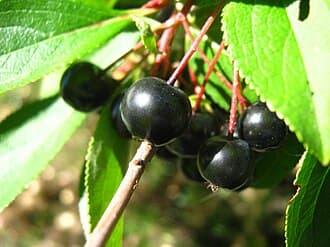 Aronia
 Arp Rosemary
 Arugula
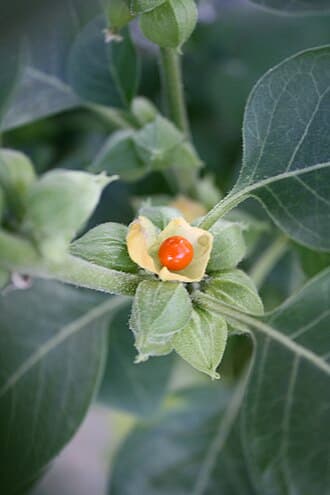 Ashwagandha
 Asian Pear
 Asian Persimmon
 Atemoya
 Atlantic Giant Pumpkin🥕Atomic Red Carrot
 Aucuba
 August Beauty Gardenia
 Aunt Molly's Ground Cherry
 Autumn Joy Sedum
 Avocado
 Bachelor's Button
 Balsam Fir
 Balsam Poplar
 Banana Pepper
 Barbara Karst Bougainvillea
 Bartlett Pear
 Bay Laurel
 Bayberry
 Beach Plum
 Beauregard Sweet Potato
 Becky Shasta Daisy
 Bee Balm🍅Beefmaster Tomato
 Benarys Giant Zinnia
 Bengal Tiger Canna
 Better Boy Tomato🥬Bibb Lettuce🍅Big Beef Tomato
 Big Boy Tomato
 Bilberry
 Bing Cherry
 Bitter Melon
 Black Bean
 Black Beauty Eggplant
 Black Beauty Zucchini
 Black Beluga Lentil
 Black Cherry Tomato
 Black Crowberry
 Black Currant🍉Black Diamond Watermelon
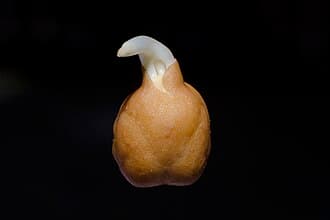 Black Kabouli Chickpea
 Black Krim Tomato
 Black Raspberry
 Black Sapote🥬Black Seeded Simpson Lettuce🥕Black Spanish Radish
 Black Tartarian Cherry
 Black Walnut
 Black-Eyed Pea
 Black-eyed Susan Vine
 Blood Orange
 Bloomsdale Spinach
 Blue Bird Delphinium
 Blue Bird Rose of Sharon
 Blue Fescue
 Blue Lake Green Bean
 Bluecrop Blueberry
 Bocking 14 Comfrey
 Bok Choy
For educational and informational purposes only. Pest control advice is general guidance drawn from university cooperative extension sources; always identify a pest positively and read and follow the label on any product before use, especially around food crops, children, and pets.