
Leafhoppers
Family Cicadellidae
Small, wedge-shaped, fast-moving insects that hop or fly off sideways when disturbed. They suck sap from leaves, leaving a pale stippling, and some scorch the foliage with a toxic feeding burn or carry plant diseases from one plant to the next.
🔎 How to spot it
Leafhoppers are slender, wedge-shaped insects about an eighth of an inch long, often bright green, yellow, or brown, that scuttle sideways and quickly hop or fly when approached. The wingless nymphs do the same sideways shuffle on the leaf undersides. Look for fine white stippling on the leaves, cast skins on the undersides, and the insects themselves darting away as you turn a leaf.
🥀 Damage it causes
Their feeding flecks leaves with pale stippling; under heavy attack the leaf tips and margins yellow, brown, and curl in a scorch called hopperburn, especially on beans and potatoes. Beyond direct feeding, some leafhoppers spread plant pathogens such as aster yellows, and that disease transmission is often the bigger concern.
🛡️ Prevent it
Cover susceptible crops with row cover early to keep leafhoppers off, and clear weeds and old debris that shelter them and the diseases they carry. Keep plants healthy and watered so they better withstand feeding, and protect the spiders, lacewings, lady beetles, and tiny parasitic wasps that naturally suppress leafhoppers by avoiding broad-spectrum insecticides.
🧯 If it is already here
A strong spray of water knocks nymphs off, and insecticidal soap or neem oil helps against heavy infestations when aimed at the leaf undersides where they feed. Remove and destroy plants showing aster-yellows symptoms, since there is no cure for the disease once a plant has it. Otherwise tolerate light stippling, which rarely harms a vigorous plant.
💡 Good to know
Most of the time leafhoppers cause only cosmetic stippling that healthy plants outgrow; the reasons to act are hopperburn on crops like beans and potatoes and, above all, the diseases certain species transmit. Their many natural enemies usually keep numbers down, so the priority is preserving those predators and pulling diseased plants.
🌱 Plants it attacks
714 plants in the library can be attacked by this pest
 Acorn Squash
 Adirondack Blue Potato
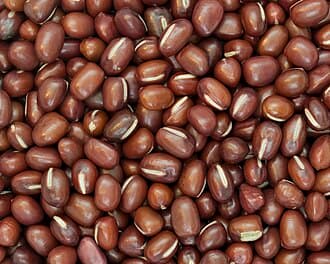 Adzuki Bean
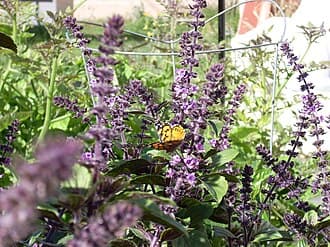 African Blue Basil
 African Marigold
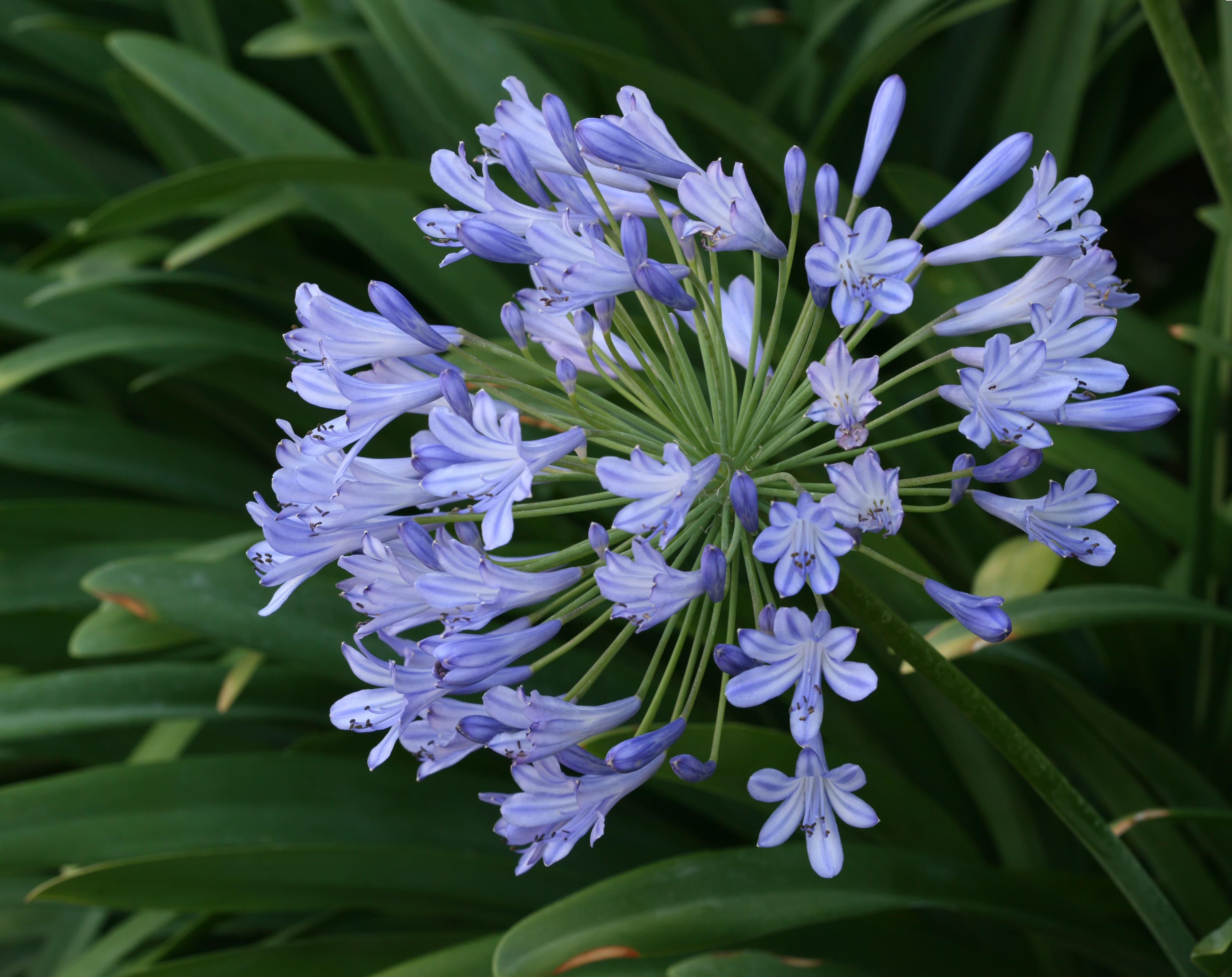 Agapanthus
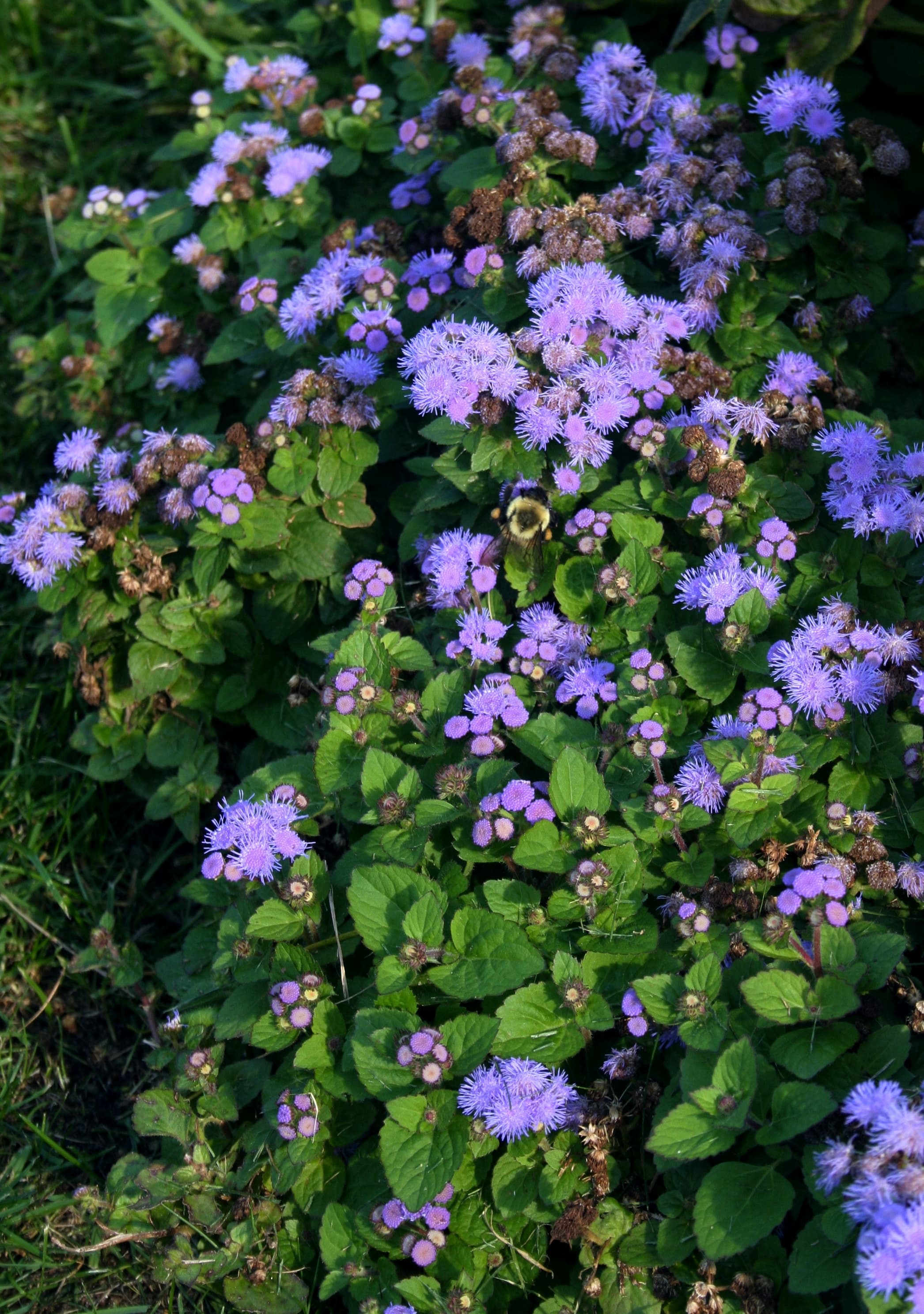 Ageratum
 Agrimony
 Aji Amarillo Pepper🍓Albion Strawberry
 Alice du Pont Mandevilla🥔All Blue Potato
 Almond
 Aloe Vera
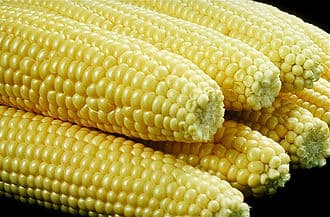 Ambrosia Corn
 American Basswood
 American Beauty Dragon Fruit
 American Beech
 American Persimmon
 Amethyst Falls Wisteria
 Amish Paste Tomato
 Anaheim Pepper
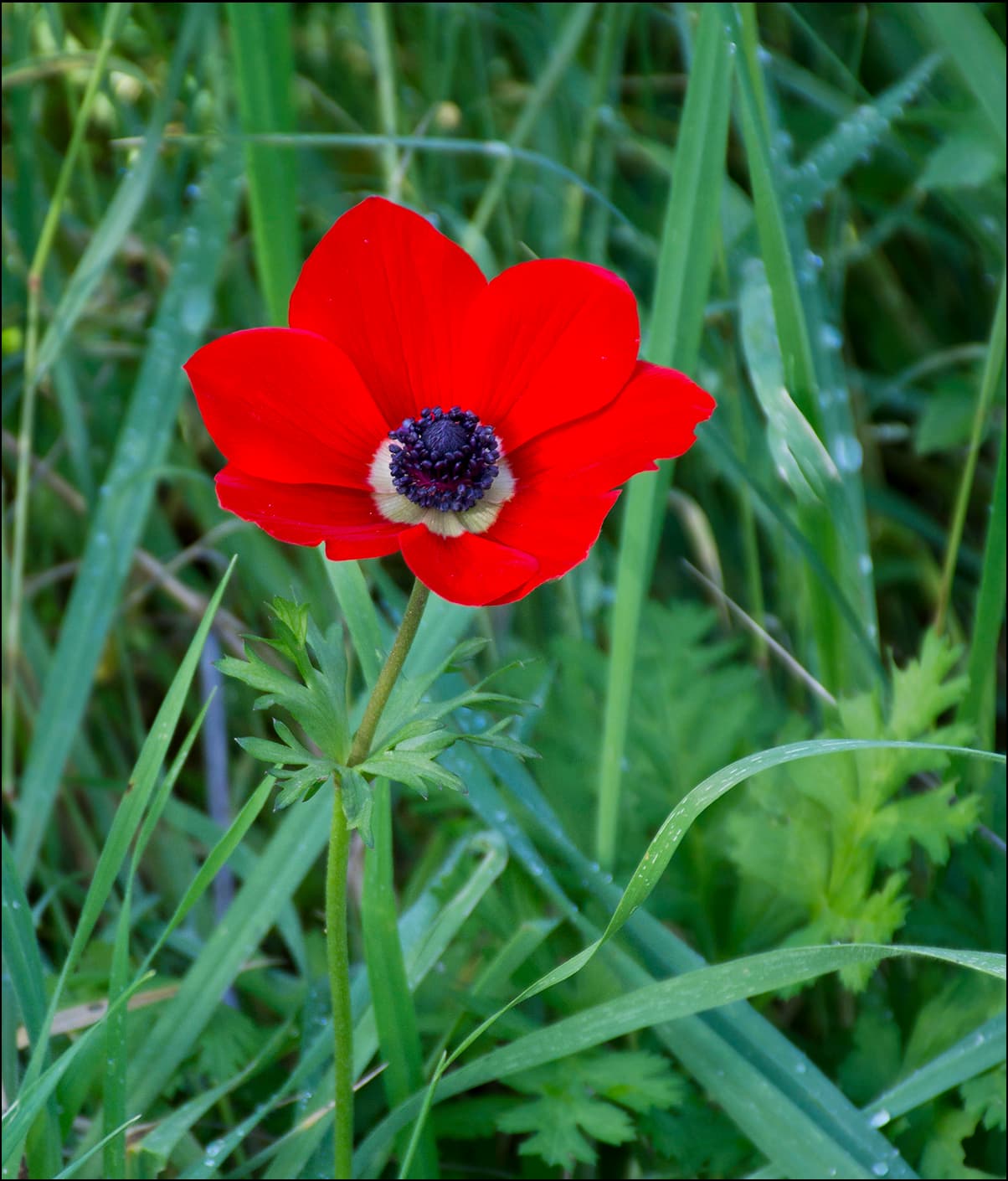 Anemone
 Angelique Tulip
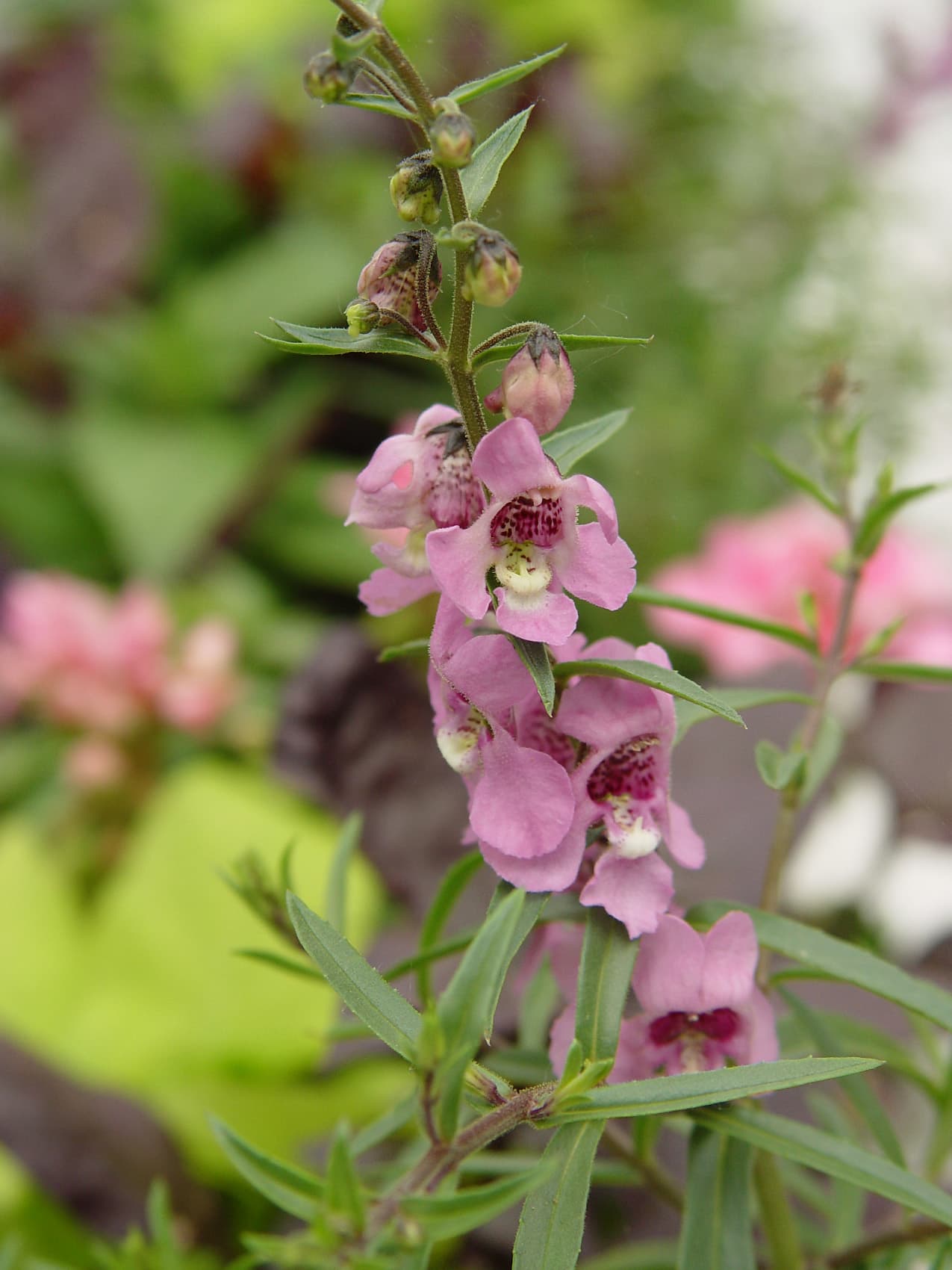 Angelonia
 Anise
Anise Anise Hyssop
 Anjou Pear
 Annabelle Smooth Hydrangea
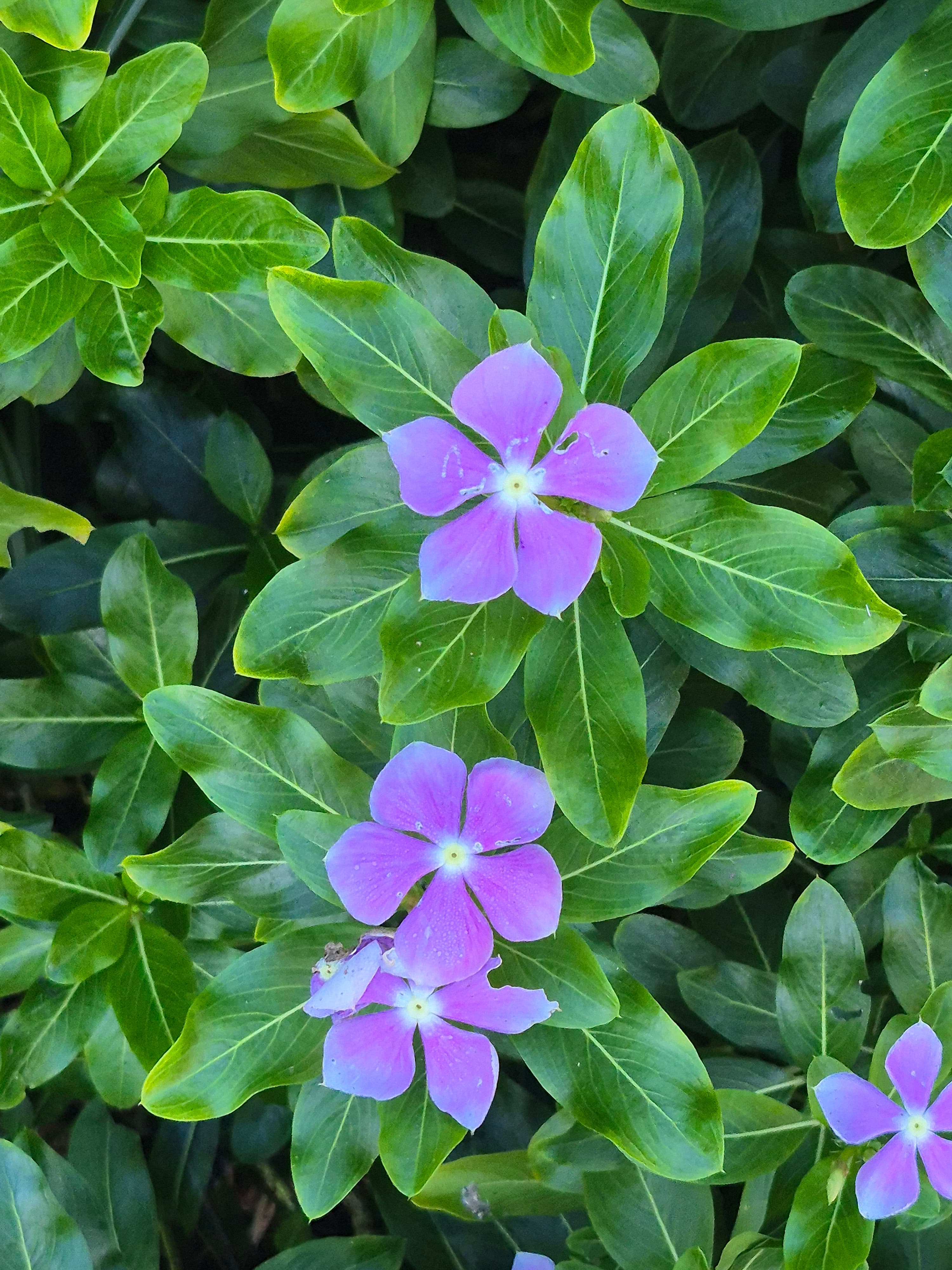 Annual Vinca
 Apeldoorn Tulip
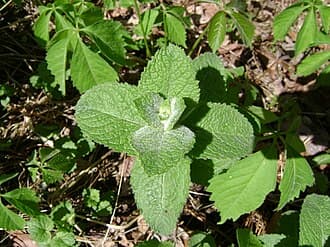 Apple Mint
 April Tryst Camellia
 Arbequina Olive
 Arizona Sun Blanket Flower
 Arkin Carambola
 Armenian Cucumber
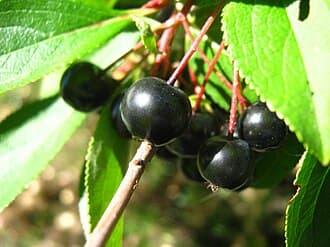 Aronia
 Arp Rosemary
 Arugula
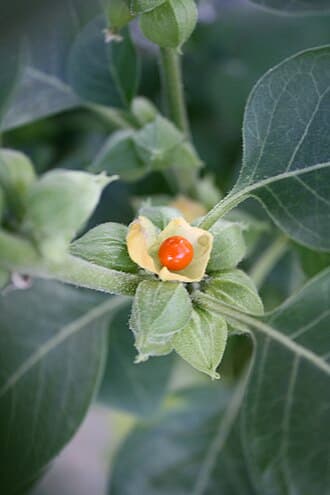 Ashwagandha
 Asian Pear
 Asian Persimmon
 Atemoya
 Atlantic Giant Pumpkin🥕Atomic Red Carrot
 Aucuba
 August Beauty Gardenia
 Aunt Molly's Ground Cherry
 Autumn Joy Sedum
 Avocado
 Bachelor's Button
 Balsam Fir
 Balsam Poplar
 Banana Pepper
 Barbara Karst Bougainvillea
 Bartlett Pear
 Bay Laurel
 Bayberry
 Beach Plum
 Beauregard Sweet Potato
 Becky Shasta Daisy
 Bee Balm🍅Beefmaster Tomato
 Benarys Giant Zinnia
 Bengal Tiger Canna
 Better Boy Tomato🥬Bibb Lettuce🍅Big Beef Tomato
 Big Boy Tomato
 Bilberry
 Bing Cherry
 Bitter Melon
 Black Bean
 Black Beauty Eggplant
 Black Beauty Zucchini
 Black Beluga Lentil
 Black Cherry Tomato
 Black Crowberry
 Black Currant🍉Black Diamond Watermelon
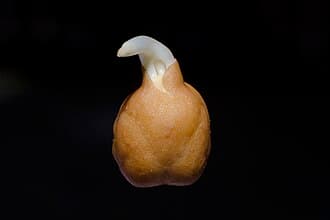 Black Kabouli Chickpea
 Black Krim Tomato
 Black Raspberry
 Black Sapote🥬Black Seeded Simpson Lettuce🥕Black Spanish Radish
 Black Tartarian Cherry
 Black Walnut
 Black-Eyed Pea
 Black-eyed Susan Vine
 Blood Orange
 Bloomsdale Spinach
 Blue Bird Delphinium
 Blue Bird Rose of Sharon
 Blue Fescue
 Blue Lake Green Bean
 Bluecrop Blueberry
 Bocking 14 Comfrey
 Bok Choy
For educational and informational purposes only. Pest control advice is general guidance drawn from university cooperative extension sources; always identify a pest positively and read and follow the label on any product before use, especially around food crops, children, and pets.