
Moles
Family Talpidae
Burrowing, insect-eating mammals that tunnel through lawns and garden beds, heaving up ridges and mounds of soil and uprooting small plants in the process. Moles do not eat plants, they hunt grubs and earthworms, but their tunneling disturbs roots, disfigures the lawn, and opens runways that voles then use to gnaw on plants.
🔎 How to spot it
Moles themselves are rarely seen, but their work is obvious: raised, spongy ridges of soil snaking across the lawn where they tunnel just below the surface, and volcano-shaped mounds of pushed-up soil. Plants may be heaved and loosened, and stepping on a ridge sinks the soft tunnel. Moles have velvety gray fur, tiny eyes, and large, outward-facing digging front feet.
🥀 Damage it causes
Moles damage lawns and beds mainly by their tunneling, which heaves ridges and mounds, disfigures turf, dries out and disturbs roots, and uproots seedlings and small plants. They do not eat roots or bulbs, but their open runways are used by voles and mice, which do gnaw roots, bulbs, and stems, compounding the harm.
🛡️ Prevent it
Because moles are hunting grubs and earthworms, a lawn rich in soil life attracts them; reducing white grubs can make an area less appealing, though it will not remove moles after worms. Firm and reseed disturbed runs, and protect choice beds with mesh barriers buried along the edge. Tolerating moles where their tunneling is harmless is often the simplest choice, since they also aerate soil and eat pest grubs.
🧯 If it is already here
Trapping is the most reliable control: set a mole trap on an active surface tunnel, confirmed by tamping it down and seeing it re-raised within a day. Most home remedies, repellents, noisemakers, gum, and the like, give little lasting result. Reducing the grub food supply can encourage moles to move on, and reseeding and rolling repairs the turf.
💡 Good to know
It helps to remember moles are insectivores, not plant-eaters: they are after grubs and worms, so the root and bulb damage blamed on moles is usually done by voles using the mole tunnels. Their digging even does some good, eating pest grubs and aerating soil, so control is worth it only where the tunneling itself is a real problem.
🌱 Plants it attacks
714 plants in the library can be attacked by this pest
 Acorn Squash
 Adirondack Blue Potato
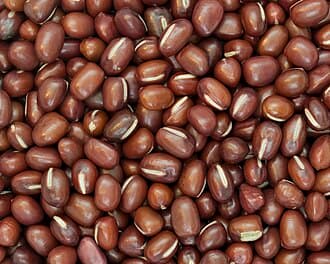 Adzuki Bean
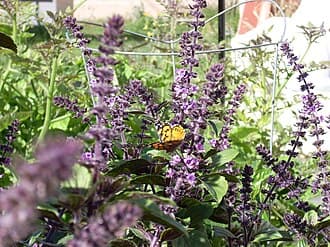 African Blue Basil
 African Marigold
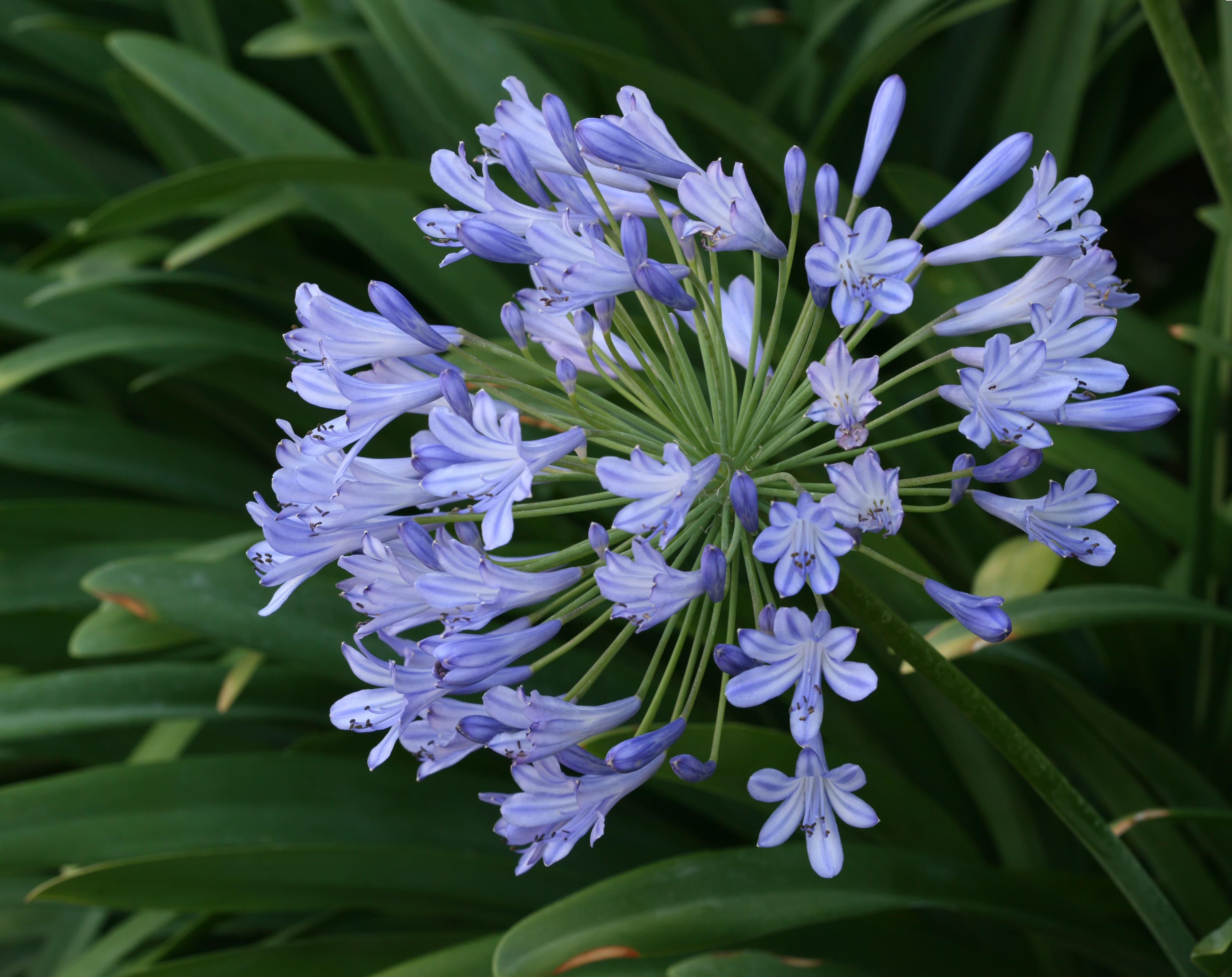 Agapanthus
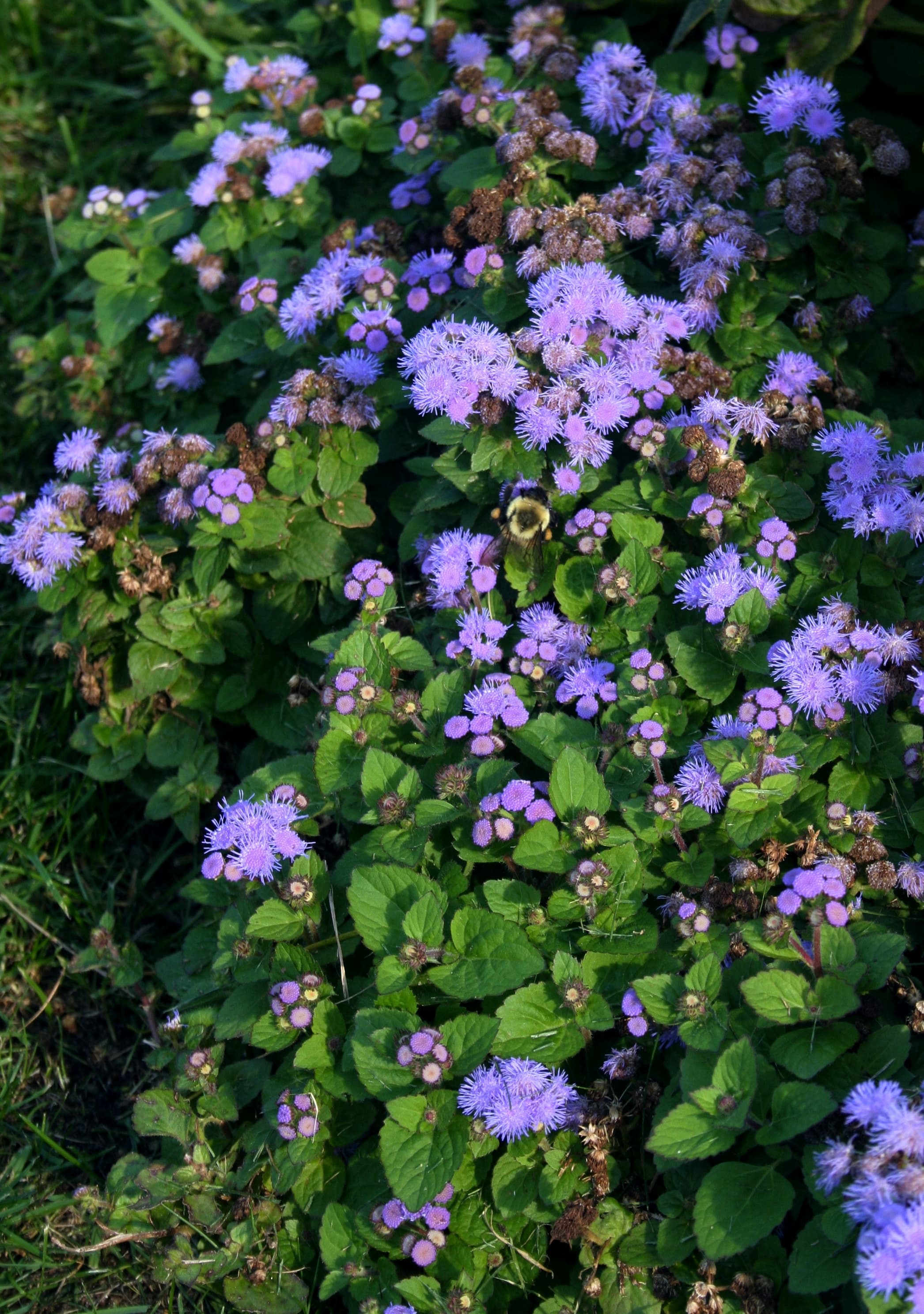 Ageratum
 Agrimony
 Aji Amarillo Pepper🍓Albion Strawberry
 Alice du Pont Mandevilla🥔All Blue Potato
 Almond
 Aloe Vera
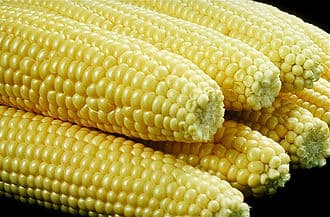 Ambrosia Corn
 American Basswood
 American Beauty Dragon Fruit
 American Beech
 American Persimmon
 Amethyst Falls Wisteria
 Amish Paste Tomato
 Anaheim Pepper
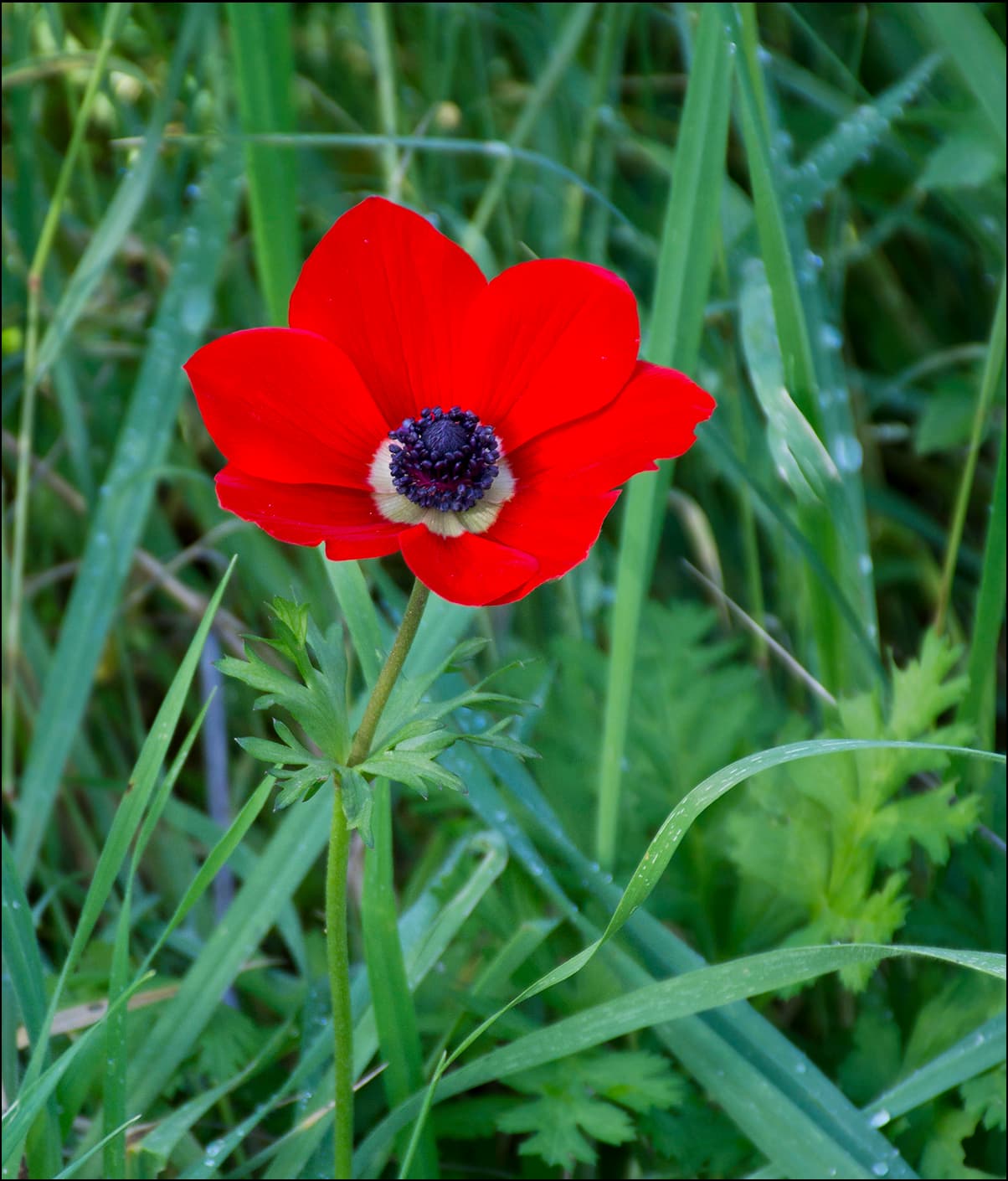 Anemone
 Angelique Tulip
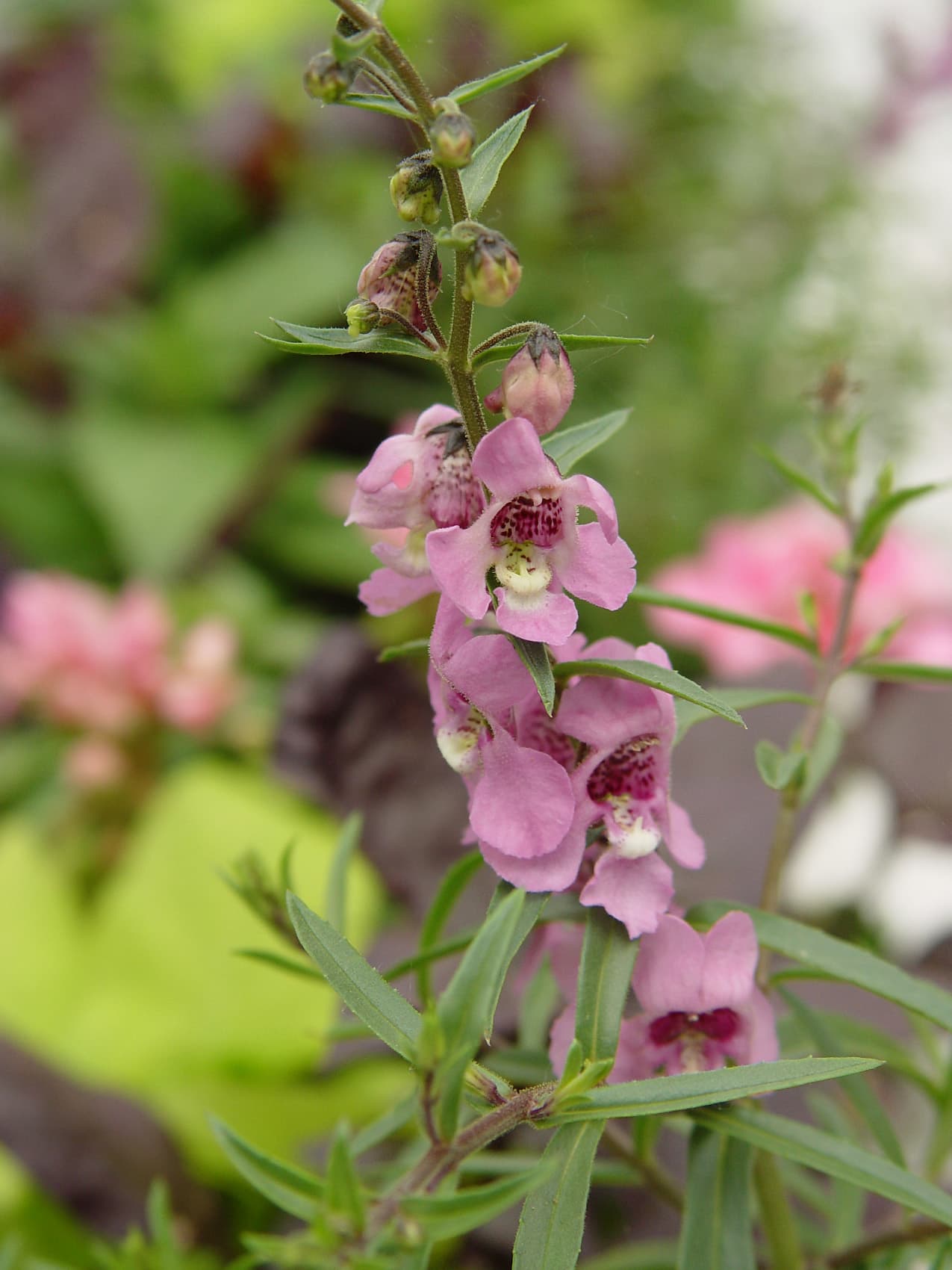 Angelonia
 Anise
Anise Anise Hyssop
 Anjou Pear
 Annabelle Smooth Hydrangea
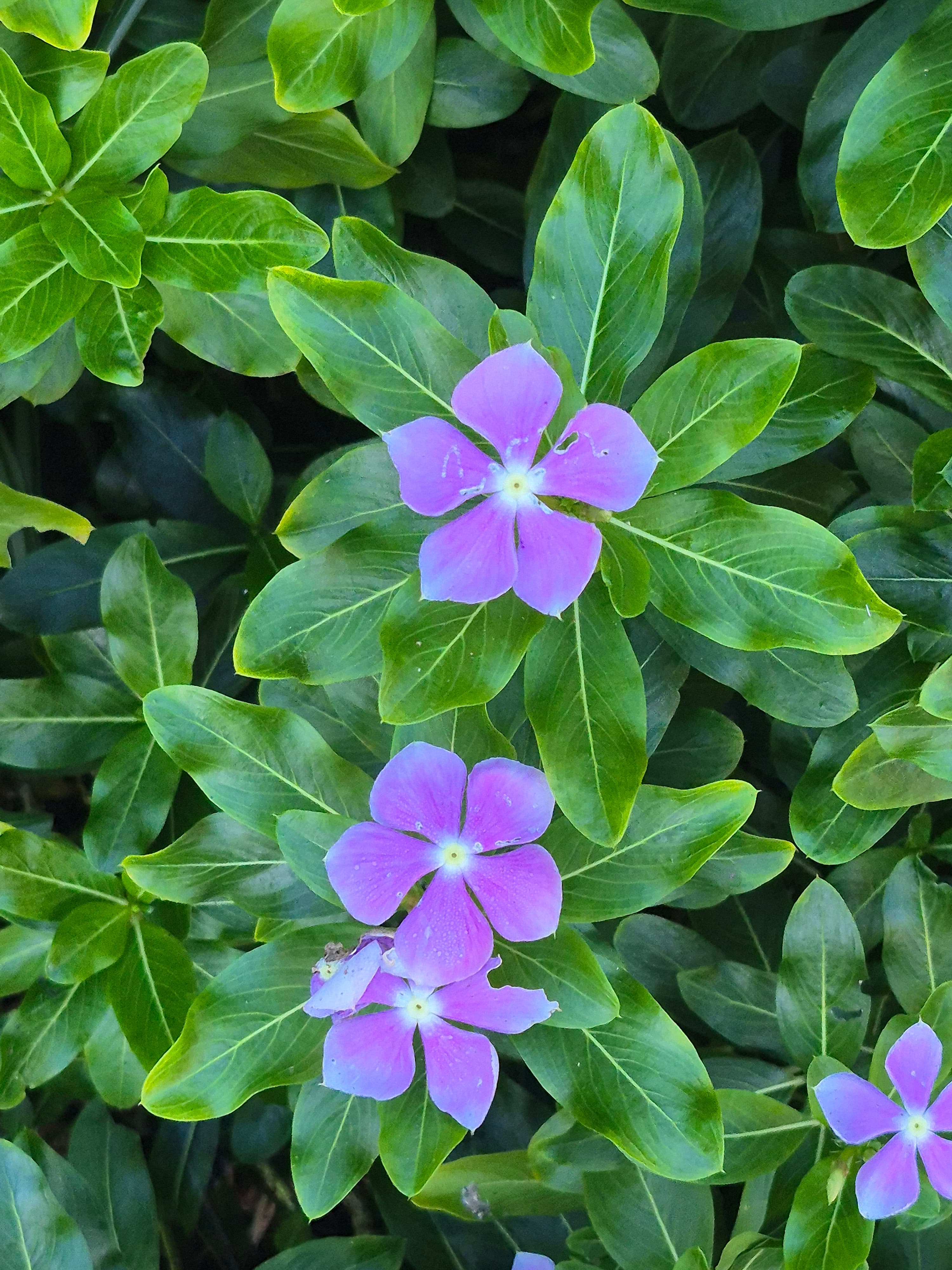 Annual Vinca
 Apeldoorn Tulip
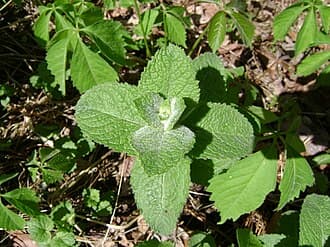 Apple Mint
 April Tryst Camellia
 Arbequina Olive
 Arizona Sun Blanket Flower
 Arkin Carambola
 Armenian Cucumber
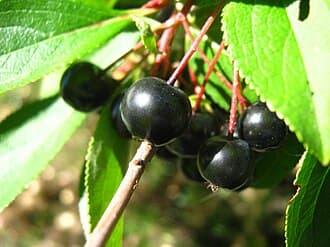 Aronia
 Arp Rosemary
 Arugula
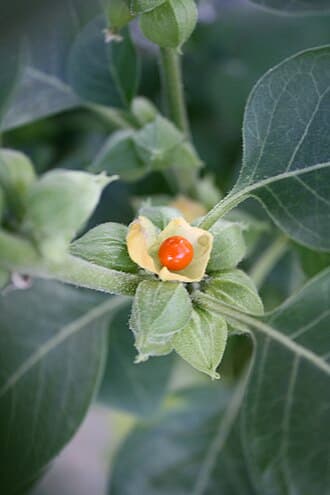 Ashwagandha
 Asian Pear
 Asian Persimmon
 Atemoya
 Atlantic Giant Pumpkin🥕Atomic Red Carrot
 Aucuba
 August Beauty Gardenia
 Aunt Molly's Ground Cherry
 Autumn Joy Sedum
 Avocado
 Bachelor's Button
 Balsam Fir
 Balsam Poplar
 Banana Pepper
 Barbara Karst Bougainvillea
 Bartlett Pear
 Bay Laurel
 Bayberry
 Beach Plum
 Beauregard Sweet Potato
 Becky Shasta Daisy
 Bee Balm🍅Beefmaster Tomato
 Benarys Giant Zinnia
 Bengal Tiger Canna
 Better Boy Tomato🥬Bibb Lettuce🍅Big Beef Tomato
 Big Boy Tomato
 Bilberry
 Bing Cherry
 Bitter Melon
 Black Bean
 Black Beauty Eggplant
 Black Beauty Zucchini
 Black Beluga Lentil
 Black Cherry Tomato
 Black Crowberry
 Black Currant🍉Black Diamond Watermelon
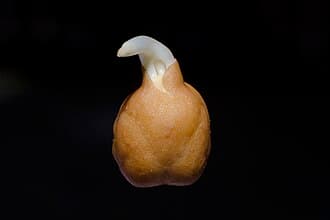 Black Kabouli Chickpea
 Black Krim Tomato
 Black Raspberry
 Black Sapote🥬Black Seeded Simpson Lettuce🥕Black Spanish Radish
 Black Tartarian Cherry
 Black Walnut
 Black-Eyed Pea
 Black-eyed Susan Vine
 Blood Orange
 Bloomsdale Spinach
 Blue Bird Delphinium
 Blue Bird Rose of Sharon
 Blue Fescue
 Blue Lake Green Bean
 Bluecrop Blueberry
 Bocking 14 Comfrey
 Bok Choy
For educational and informational purposes only. Pest control advice is general guidance drawn from university cooperative extension sources; always identify a pest positively and read and follow the label on any product before use, especially around food crops, children, and pets.