
Pillbugs and Sowbugs
Order Isopoda
Small, gray, armored soil crawlers, the familiar roly-polies, that are crustaceans rather than insects and live by recycling decaying plant matter. They are mostly beneficial decomposers, but in damp, mulch-rich gardens they sometimes nibble seedlings, tender roots, and ripening fruit and vegetables resting on the soil.
🔎 How to spot it
Both are gray, oval, segmented, and up to about half an inch, with seven pairs of legs and a hard, armored back. Pillbugs roll into a tight ball when disturbed, the classic roly-poly, while sowbugs cannot roll and have two small tail-like appendages. Look for them by day clustered under boards, pots, mulch, and debris in cool, damp spots, coming out at night to feed.
🥀 Damage it causes
Pillbugs and sowbugs feed mainly on decaying organic matter and are valuable decomposers, so they usually do no harm. When numerous in damp conditions, though, they can chew on seedlings and new roots and gnaw holes in strawberries, tomatoes, and other fruit or vegetables lying on the soil, often enlarging damage that slugs or rot started.
🛡️ Prevent it
Reduce the damp and decaying matter they thrive in: pull mulch, compost, and debris back from the base of plants, water early in the day so the surface dries by evening, and water less often where practical. Keep ripening fruit such as strawberries and tomatoes up off the soil with mulch, supports, or cages so the crawlers cannot reach them.
🧯 If it is already here
Rarely is any treatment needed, since they are mostly helpful. Where they damage seedlings or fruit, remove their daytime shelter, boards, debris, and excess mulch near plants, and trap them under a hollowed melon rind or rolled damp newspaper, then discard the catch. Drying out the surface and keeping fruit off the ground usually solves the problem without pesticides.
💡 Good to know
It helps to remember pillbugs and sowbugs are crustaceans, cousins of shrimp and crabs, not insects, and are mostly beneficial recyclers of organic matter, so they are worth tolerating except when they turn to seedlings or fruit. Damage is almost always a sign of too much moisture and decaying debris, so drying things out is the real fix.
🌱 Plants it attacks
714 plants in the library can be attacked by this pest
 Acorn Squash
 Adirondack Blue Potato
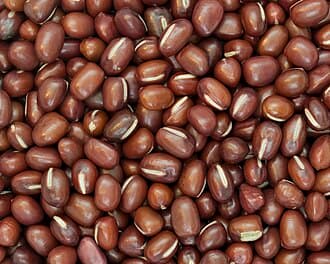 Adzuki Bean
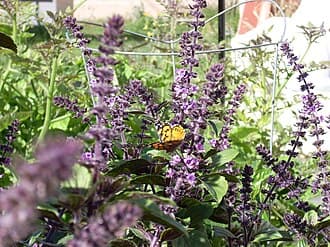 African Blue Basil
 African Marigold
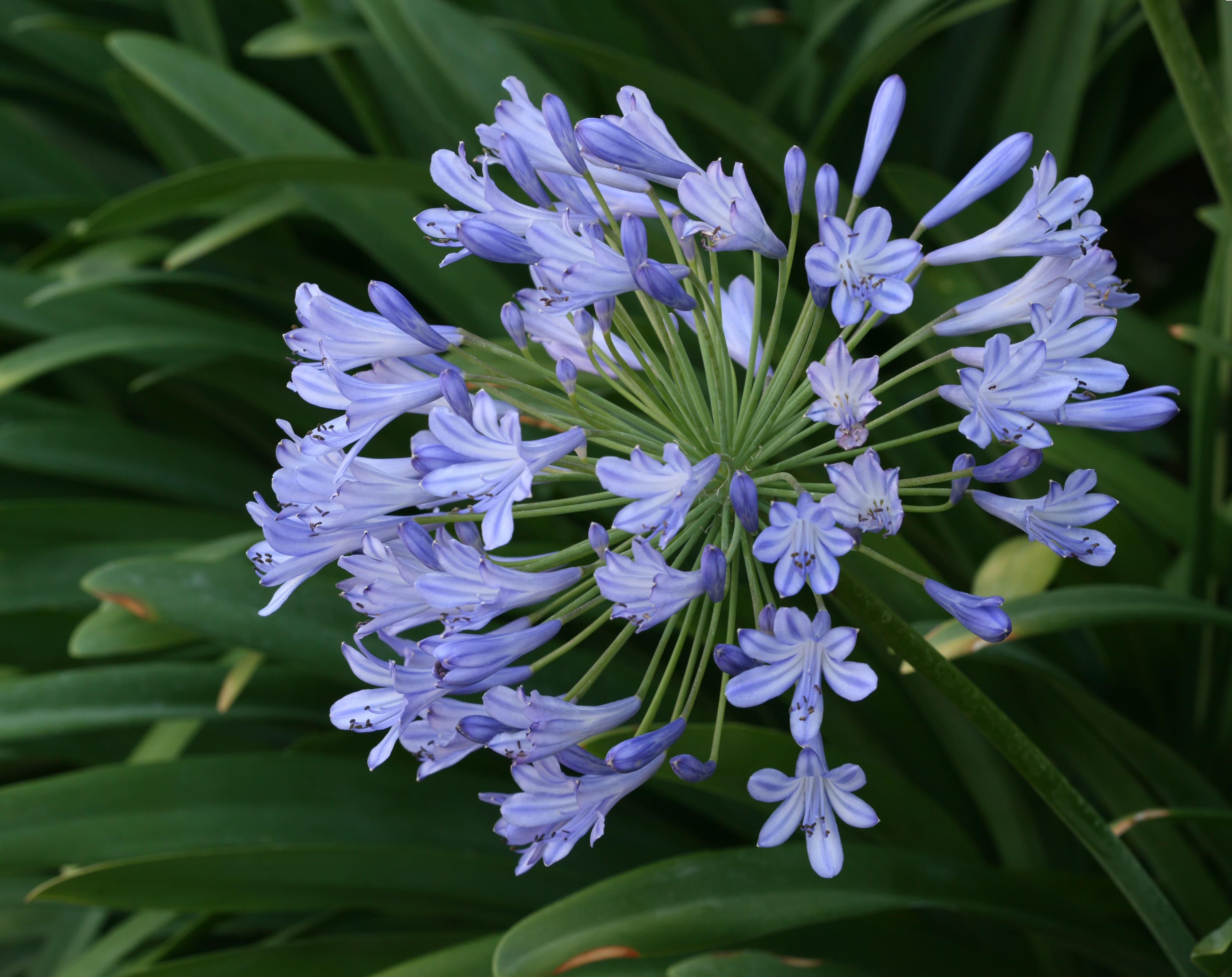 Agapanthus
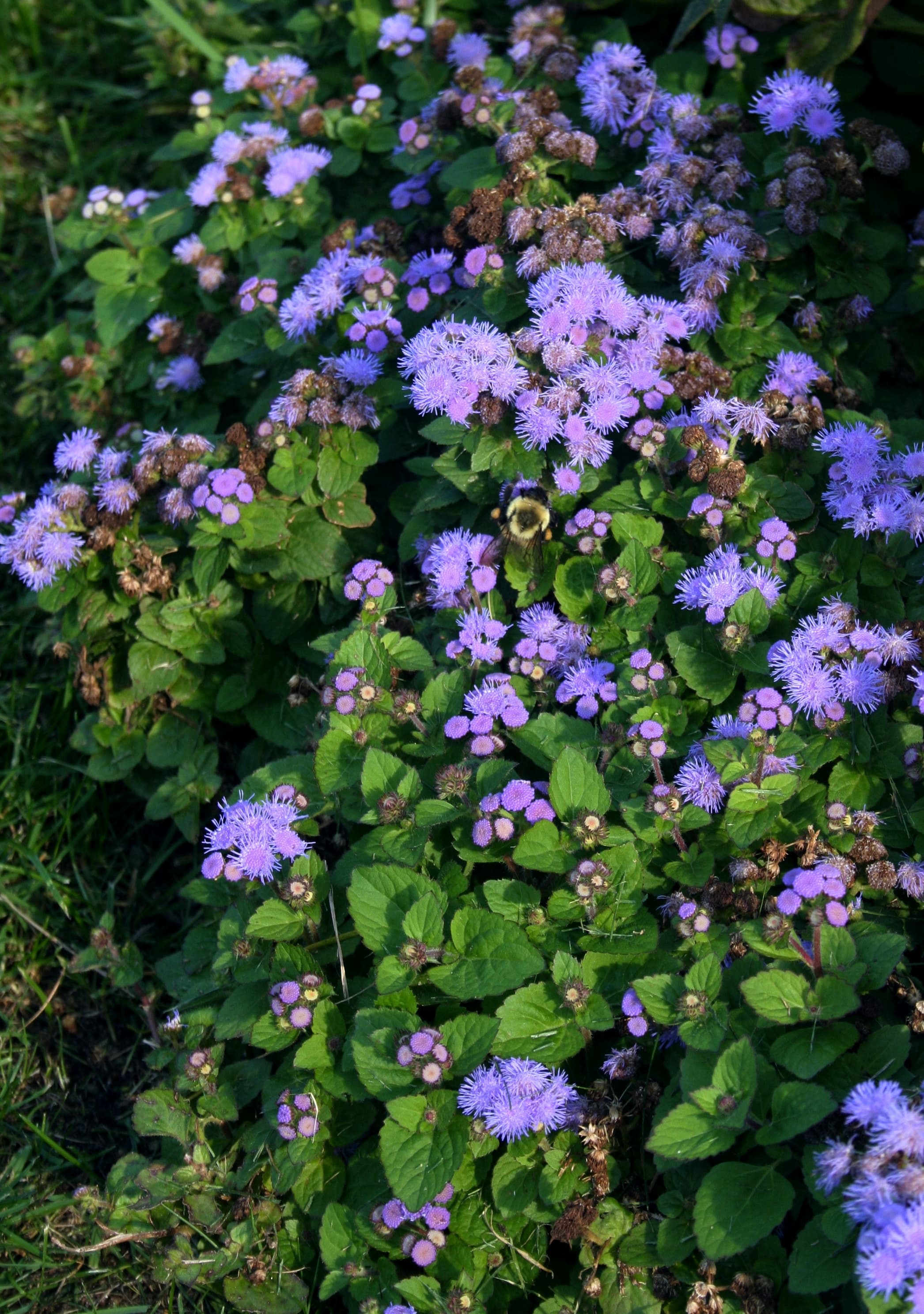 Ageratum
 Agrimony
 Aji Amarillo Pepper🍓Albion Strawberry
 Alice du Pont Mandevilla🥔All Blue Potato
 Almond
 Aloe Vera
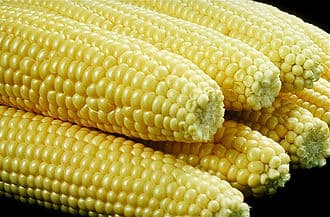 Ambrosia Corn
 American Basswood
 American Beauty Dragon Fruit
 American Beech
 American Persimmon
 Amethyst Falls Wisteria
 Amish Paste Tomato
 Anaheim Pepper
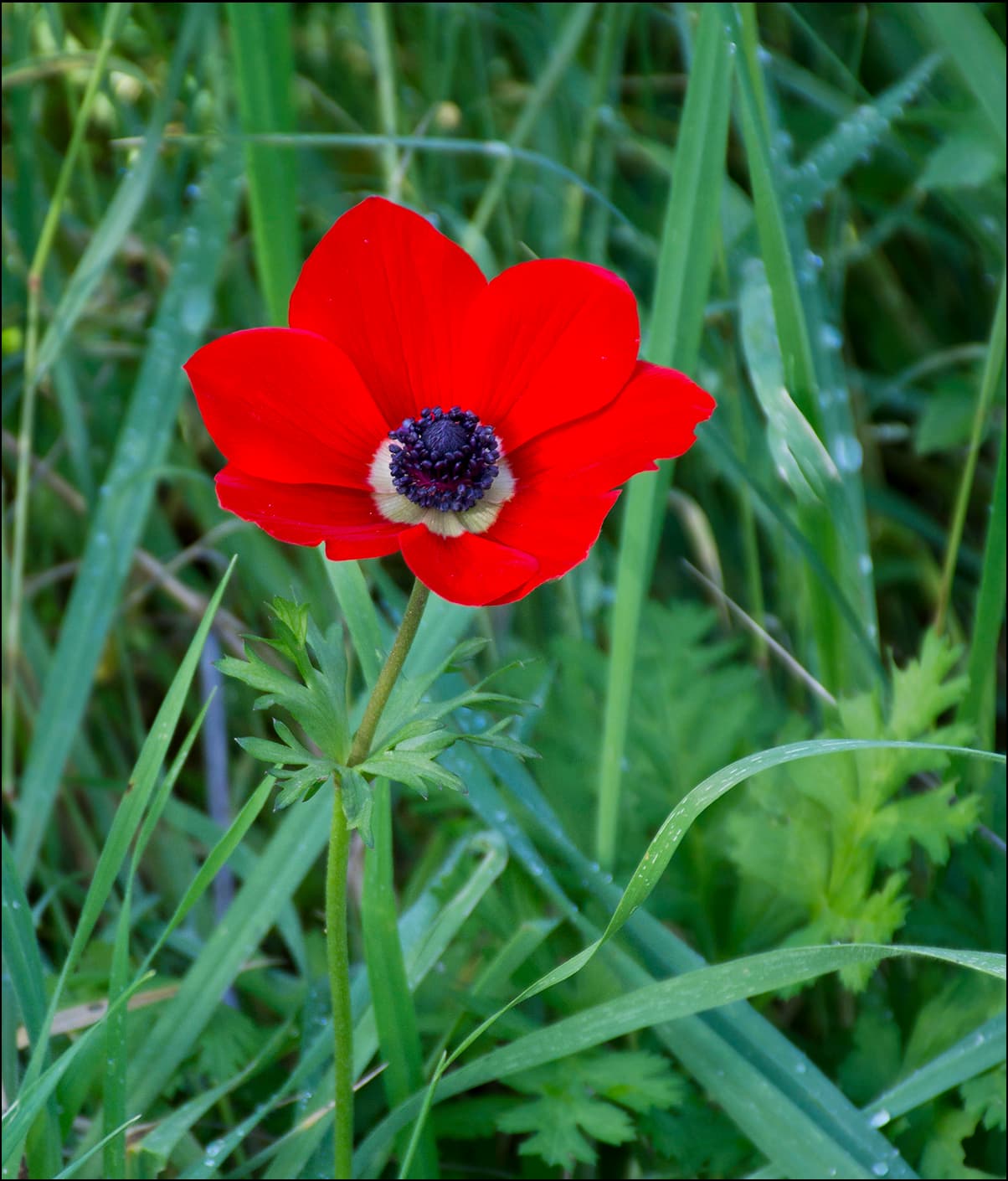 Anemone
 Angelique Tulip
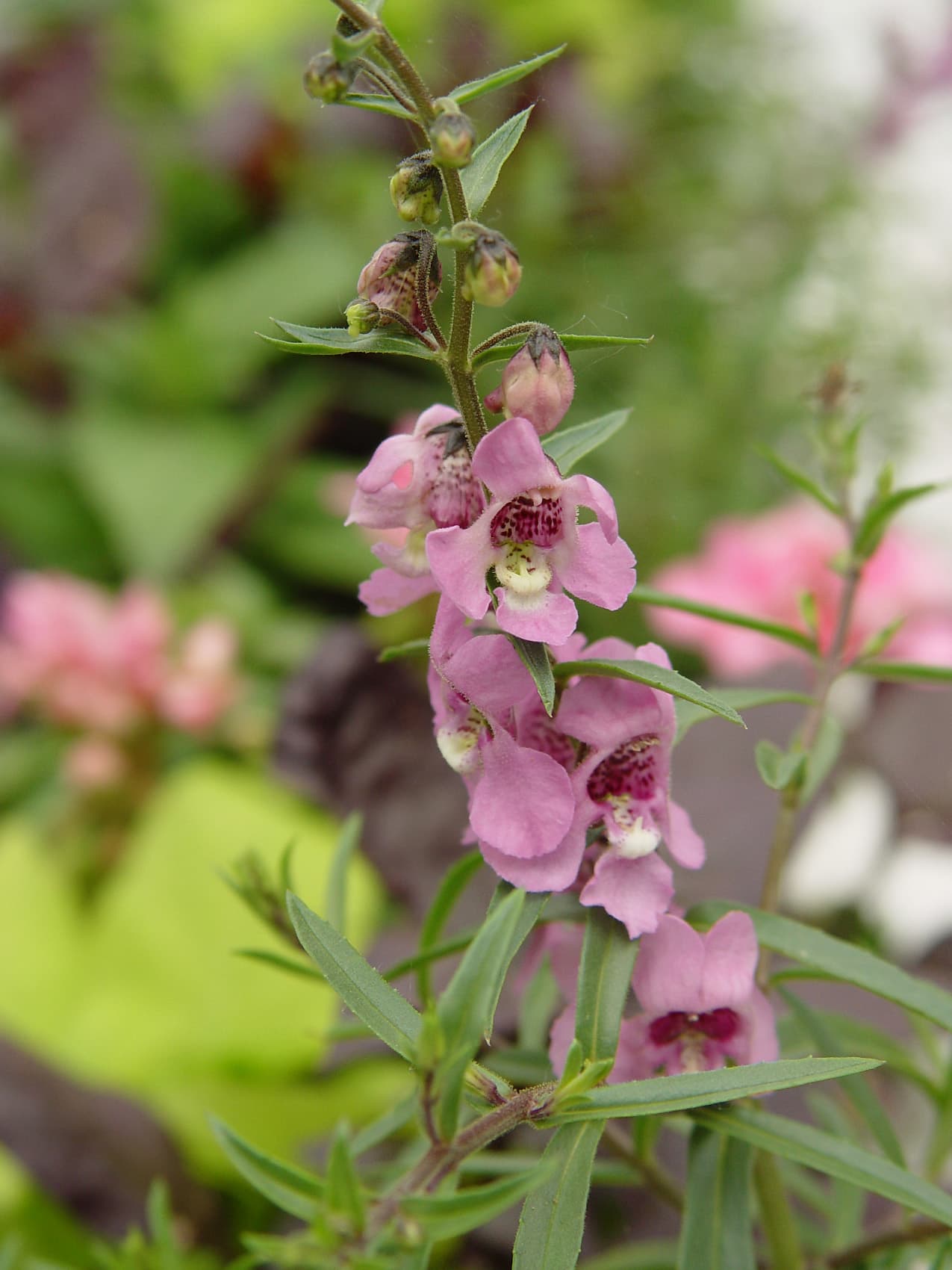 Angelonia
 Anise
Anise Anise Hyssop
 Anjou Pear
 Annabelle Smooth Hydrangea
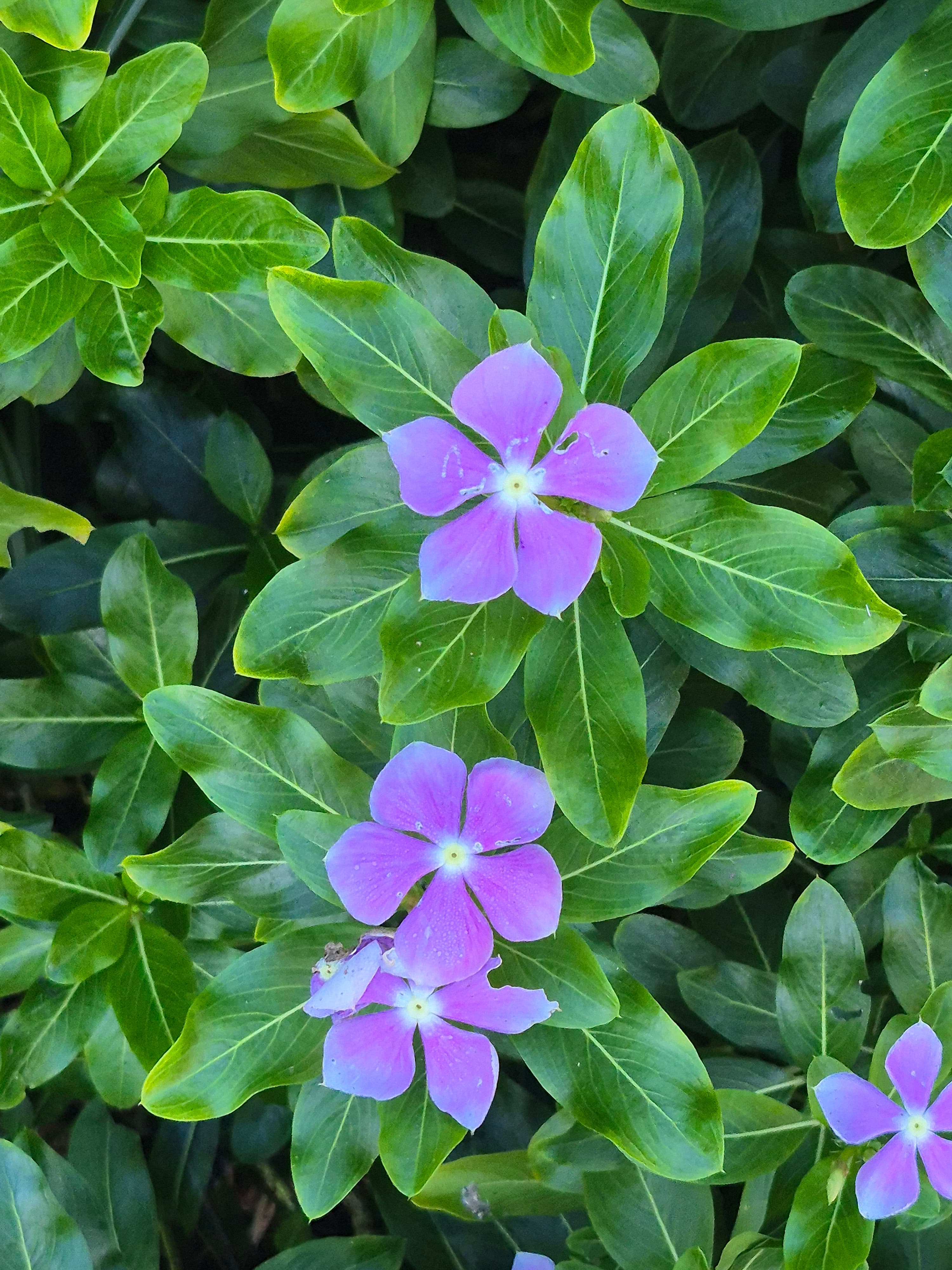 Annual Vinca
 Apeldoorn Tulip
 Apple Mint
 April Tryst Camellia
 Arbequina Olive
 Arizona Sun Blanket Flower
 Arkin Carambola
 Armenian Cucumber
 Aronia
 Arp Rosemary
 Arugula
 Ashwagandha
 Asian Pear
 Asian Persimmon
 Atemoya
 Atlantic Giant Pumpkin🥕Atomic Red Carrot
 Aucuba
 August Beauty Gardenia
 Aunt Molly's Ground Cherry
 Autumn Joy Sedum
 Avocado
 Bachelor's Button
 Balsam Fir
 Balsam Poplar
 Banana Pepper
 Barbara Karst Bougainvillea
 Bartlett Pear
 Bay Laurel
 Bayberry
 Beach Plum
 Beauregard Sweet Potato
 Becky Shasta Daisy
 Bee Balm🍅Beefmaster Tomato
 Benarys Giant Zinnia
 Bengal Tiger Canna
 Better Boy Tomato🥬Bibb Lettuce🍅Big Beef Tomato
 Big Boy Tomato
 Bilberry
 Bing Cherry
 Bitter Melon
 Black Bean
 Black Beauty Eggplant
 Black Beauty Zucchini
 Black Beluga Lentil
 Black Cherry Tomato
 Black Crowberry
 Black Currant🍉Black Diamond Watermelon
 Black Kabouli Chickpea
 Black Krim Tomato
 Black Raspberry
 Black Sapote🥬Black Seeded Simpson Lettuce🥕Black Spanish Radish
 Black Tartarian Cherry
 Black Walnut
 Black-Eyed Pea
 Black-eyed Susan Vine
 Blood Orange
 Bloomsdale Spinach
 Blue Bird Delphinium
 Blue Bird Rose of Sharon
 Blue Fescue
 Blue Lake Green Bean
 Bluecrop Blueberry
 Bocking 14 Comfrey
 Bok Choy
For educational and informational purposes only. Pest control advice is general guidance drawn from university cooperative extension sources; always identify a pest positively and read and follow the label on any product before use, especially around food crops, children, and pets.