
Pocket Gophers
Family Geomyidae
Stout burrowing rodents that live almost entirely underground and feed on roots, tubers, and whole plants pulled down into their tunnels from below. Pocket gophers, common in the western and central states, can destroy vegetables and young trees fast, and their crescent-shaped soil mounds are the sign of an active animal in the bed.
🔎 How to spot it
Gophers are rarely seen, but their mounds give them away: fan- or crescent-shaped piles of loose soil with the hole plugged off to one side, unlike the volcano-shaped, centered mounds of moles. Look for plants that wilt or vanish, pulled down into the soil, roots gnawed and exposed, and clipped stems near tunnel openings. Fresh, soft mounds mean a gopher is active.
🥀 Damage it causes
Pocket gophers feed on roots, tubers, bulbs, and whole plants, often pulling a plant down into the burrow from below, and a single gopher can work down a garden row quickly. Plants with large taproots and fleshy roots are most vulnerable, and gophers also girdle and clip young trees and shrubs, gnaw irrigation lines, and undermine beds with their tunnels.
🛡️ Prevent it
Protect beds and individual plants with buried wire-mesh barriers, a quarter- to half-inch mesh fence buried about 18 inches deep, or line planting holes and raised beds with hardware cloth and wire baskets around the roots of valued plants. Keep an eye out for fresh mounds so you can act before a gopher works through a row. Reduce dense weedy cover that supports them.
🧯 If it is already here
Trapping is the most effective and immediate control: place gopher traps in the main runway, found by probing near a fresh mound, and check and reset them. Burrow baits are also used where legal and appropriate. Because a new gopher can move into vacated tunnels, stay watchful for fresh mounds and protect prized plants with wire baskets.
💡 Good to know
The crescent-shaped, plugged mound is the easy way to tell a pocket gopher from a mole, whose mounds are round and centered, and the difference matters because gophers truly eat plants while moles do not. Gophers move into open tunnels readily, so ongoing watchfulness for fresh mounds, plus wire baskets around favorite plants, is the lasting defense.
🌱 Plants it attacks
714 plants in the library can be attacked by this pest
 Acorn Squash
 Adirondack Blue Potato
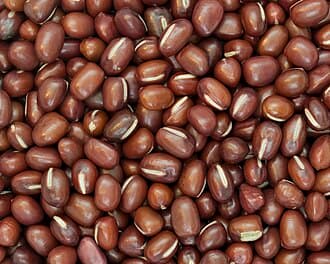 Adzuki Bean
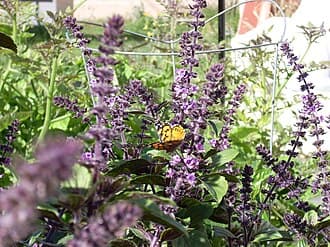 African Blue Basil
 African Marigold
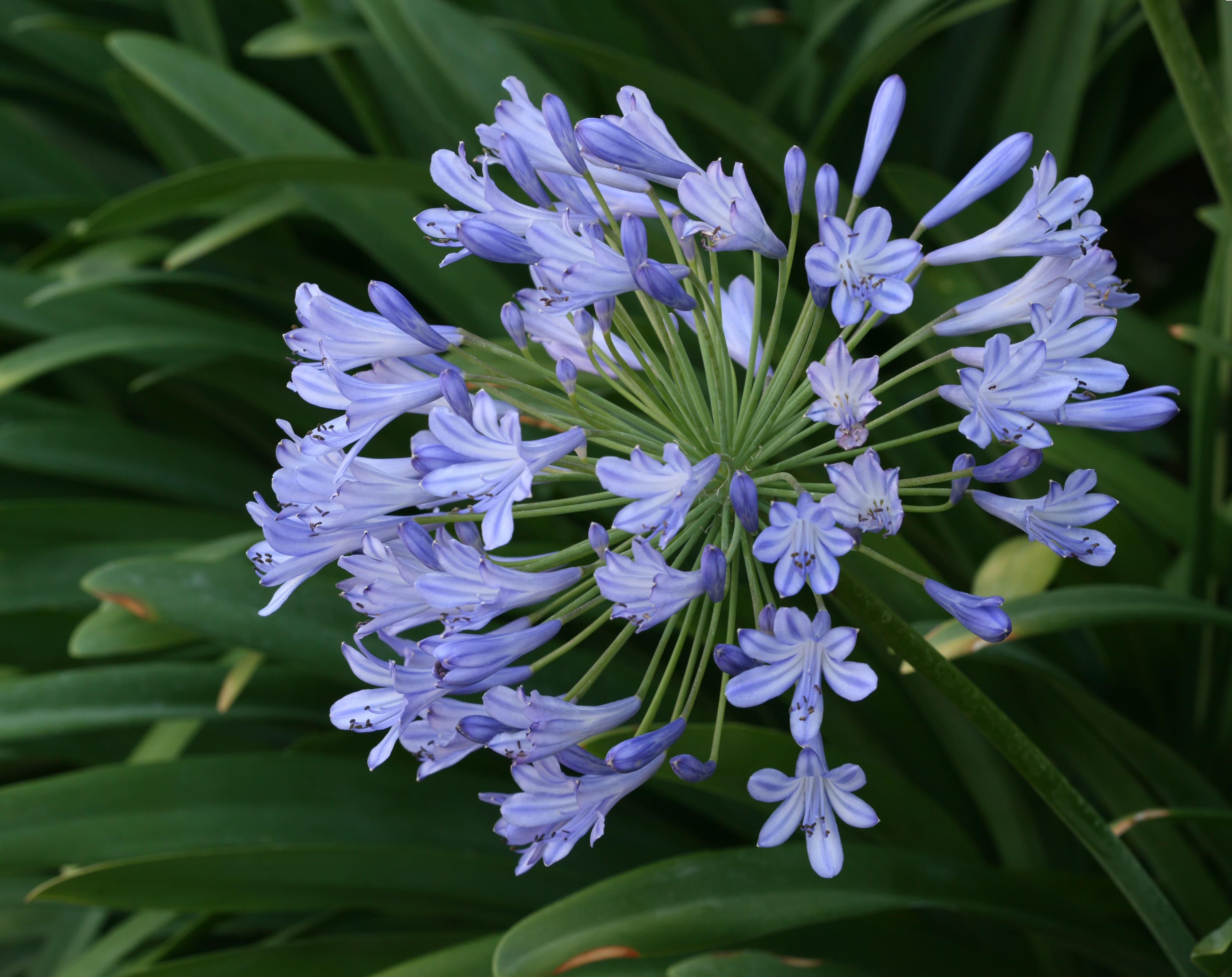 Agapanthus
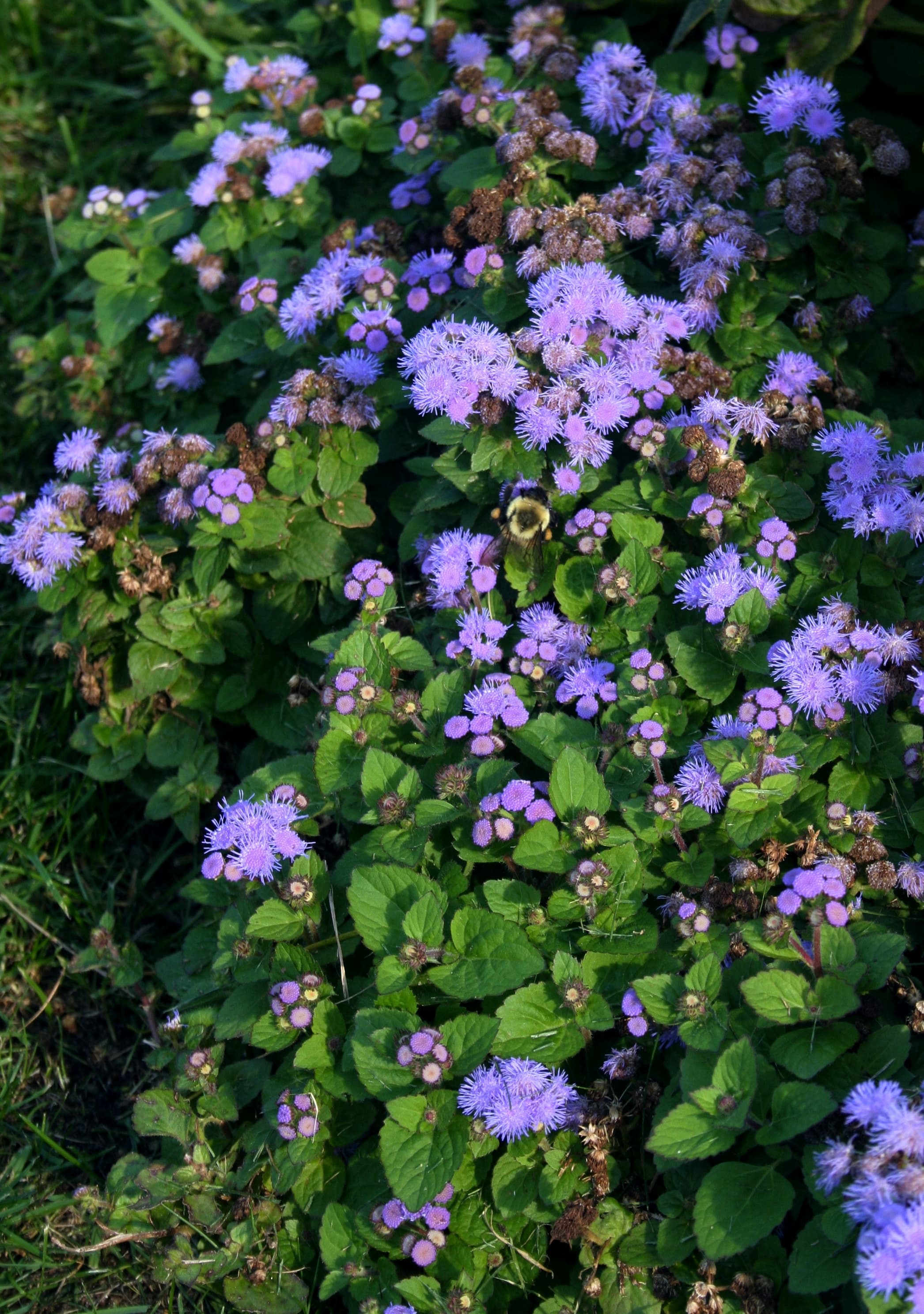 Ageratum
 Agrimony
 Aji Amarillo Pepper🍓Albion Strawberry
 Alice du Pont Mandevilla🥔All Blue Potato
 Almond
 Aloe Vera
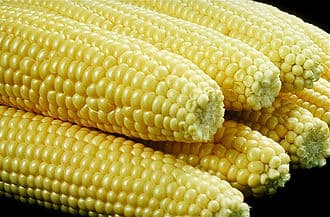 Ambrosia Corn
 American Basswood
 American Beauty Dragon Fruit
 American Beech
 American Persimmon
 Amethyst Falls Wisteria
 Amish Paste Tomato
 Anaheim Pepper
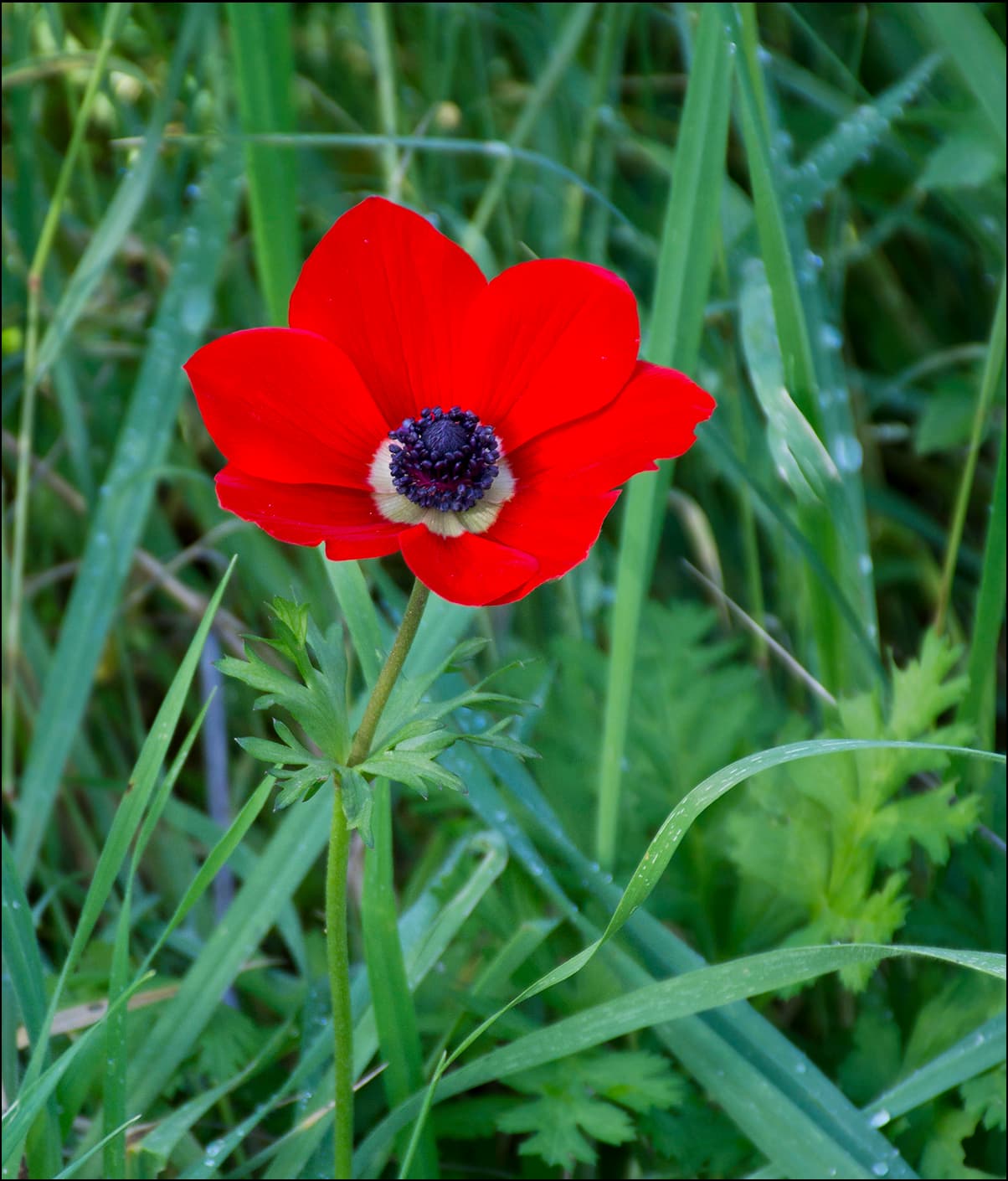 Anemone
 Angelique Tulip
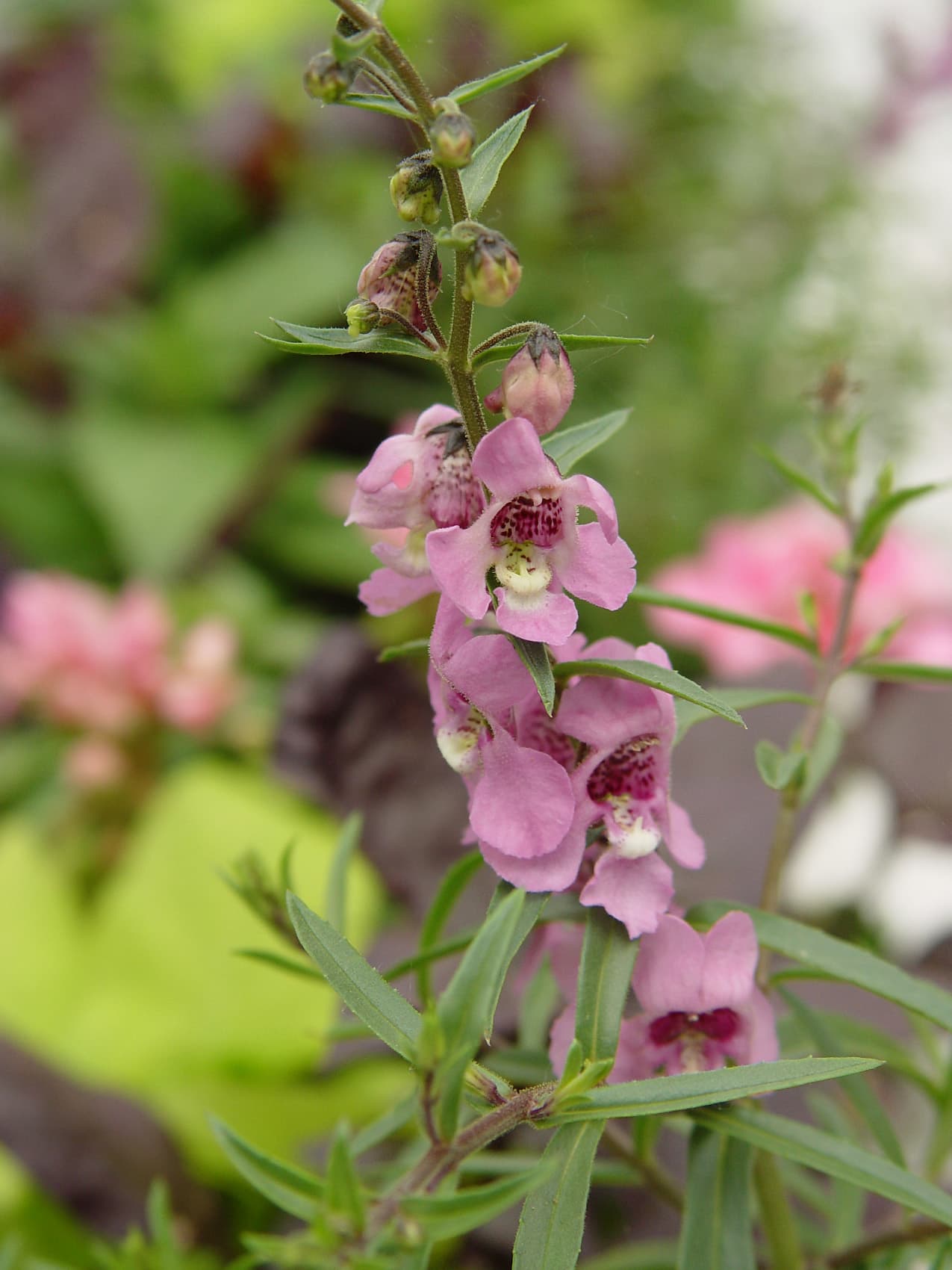 Angelonia
 Anise
Anise Anise Hyssop
 Anjou Pear
 Annabelle Smooth Hydrangea
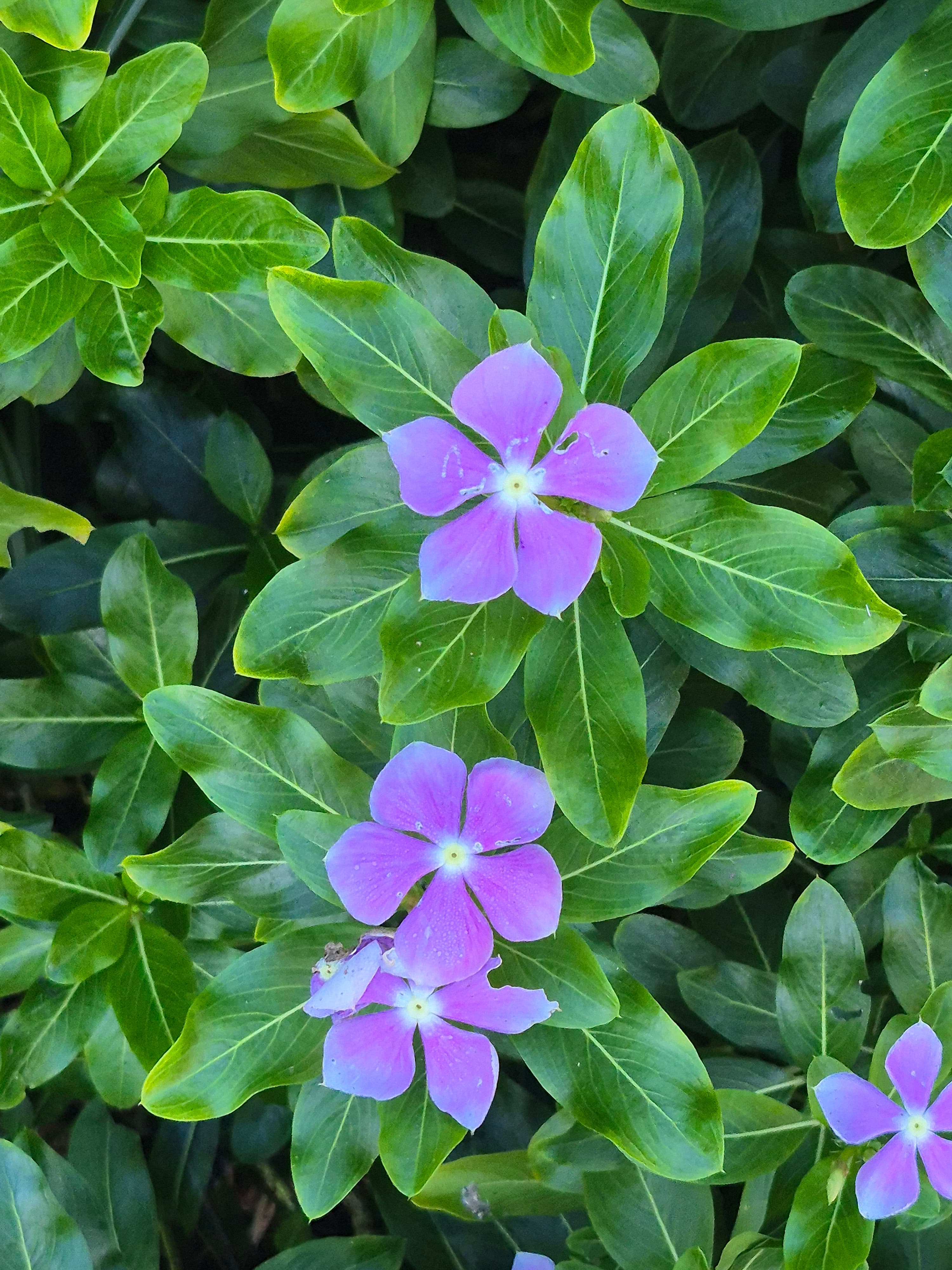 Annual Vinca
 Apeldoorn Tulip
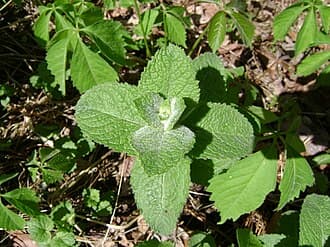 Apple Mint
 April Tryst Camellia
 Arbequina Olive
 Arizona Sun Blanket Flower
 Arkin Carambola
 Armenian Cucumber
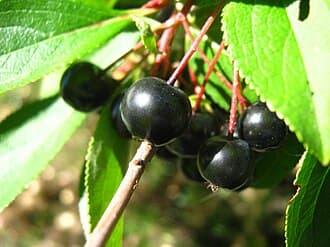 Aronia
 Arp Rosemary
 Arugula
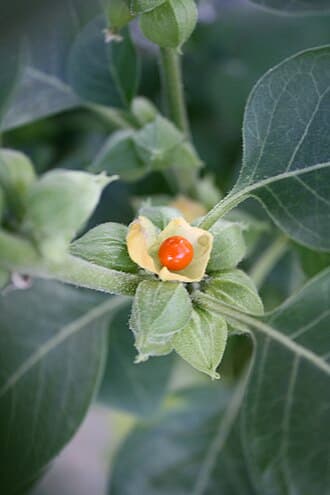 Ashwagandha
 Asian Pear
 Asian Persimmon
 Atemoya
 Atlantic Giant Pumpkin🥕Atomic Red Carrot
 Aucuba
 August Beauty Gardenia
 Aunt Molly's Ground Cherry
 Autumn Joy Sedum
 Avocado
 Bachelor's Button
 Balsam Fir
 Balsam Poplar
 Banana Pepper
 Barbara Karst Bougainvillea
 Bartlett Pear
 Bay Laurel
 Bayberry
 Beach Plum
 Beauregard Sweet Potato
 Becky Shasta Daisy
 Bee Balm🍅Beefmaster Tomato
 Benarys Giant Zinnia
 Bengal Tiger Canna
 Better Boy Tomato🥬Bibb Lettuce🍅Big Beef Tomato
 Big Boy Tomato
 Bilberry
 Bing Cherry
 Bitter Melon
 Black Bean
 Black Beauty Eggplant
 Black Beauty Zucchini
 Black Beluga Lentil
 Black Cherry Tomato
 Black Crowberry
 Black Currant🍉Black Diamond Watermelon
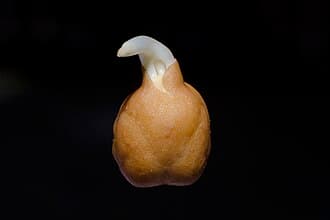 Black Kabouli Chickpea
 Black Krim Tomato
 Black Raspberry
 Black Sapote🥬Black Seeded Simpson Lettuce🥕Black Spanish Radish
 Black Tartarian Cherry
 Black Walnut
 Black-Eyed Pea
 Black-eyed Susan Vine
 Blood Orange
 Bloomsdale Spinach
 Blue Bird Delphinium
 Blue Bird Rose of Sharon
 Blue Fescue
 Blue Lake Green Bean
 Bluecrop Blueberry
 Bocking 14 Comfrey
 Bok Choy
For educational and informational purposes only. Pest control advice is general guidance drawn from university cooperative extension sources; always identify a pest positively and read and follow the label on any product before use, especially around food crops, children, and pets.