
Rabbits
Sylvilagus spp.
Cottontail rabbits are among the most common garden raiders, clipping off seedlings, beans, lettuce, and other tender plants with a clean, angled cut and gnawing the bark of young trees in winter. They breed fast, so a tidy fence around the vegetables is the surest defense.
🔎 How to spot it
Rabbit feeding leaves a clean, sharp, 45-degree angled cut on stems and a neatly clipped look on low plants, all within a couple of feet of the ground; their sharp incisors leave no torn, ragged ends like deer. Other signs are pea-sized round droppings, patches of gnawed bark on young trunks in winter, and the rabbits themselves at dawn and dusk.
🥀 Damage it causes
Rabbits eat a wide range of vegetables and flowers, favoring young, tender growth, and can mow down a row of seedlings or beans quickly; the clean angled cut is their signature. In winter, when other food is scarce, they gnaw the bark and clip the low branches of young trees and shrubs, sometimes girdling and killing them.
🛡️ Prevent it
A low fence is highly effective: chicken wire or hardware cloth about two to three feet tall with one-inch-or-smaller mesh, with the bottom buried or bent outward at the base so rabbits cannot dig under. Cage or wrap young tree trunks with hardware cloth for winter. Remove the brush piles, tall weeds, and debris that give rabbits cover near the garden.
🧯 If it is already here
If a fence is not yet up, taste and odor repellents can help for a while, but they wear off and often fail in a vegetable garden full of preferred food, so reapply after rain and rotate products. Live-trapping and relocating is limited by local rules and rarely a lasting fix. Exclusion with a buried-bottom fence remains the dependable solution.
💡 Good to know
Tell rabbits from deer by the cut: rabbits leave a clean, knife-like 45-degree slice low to the ground, deer leave a torn, ragged break higher up. Because cottontails reproduce so quickly and repellents fade, a modest, well-secured fence around the vegetable patch is by far the best investment.
🌱 Plants it attacks
714 plants in the library can be attacked by this pest
 Acorn Squash
 Adirondack Blue Potato
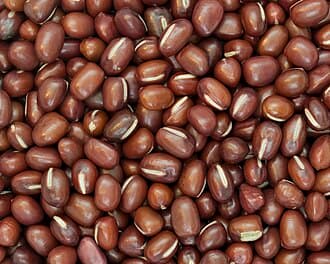 Adzuki Bean
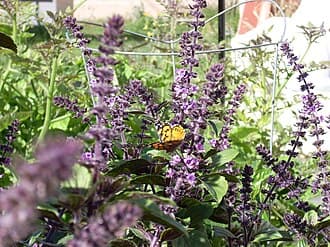 African Blue Basil
 African Marigold
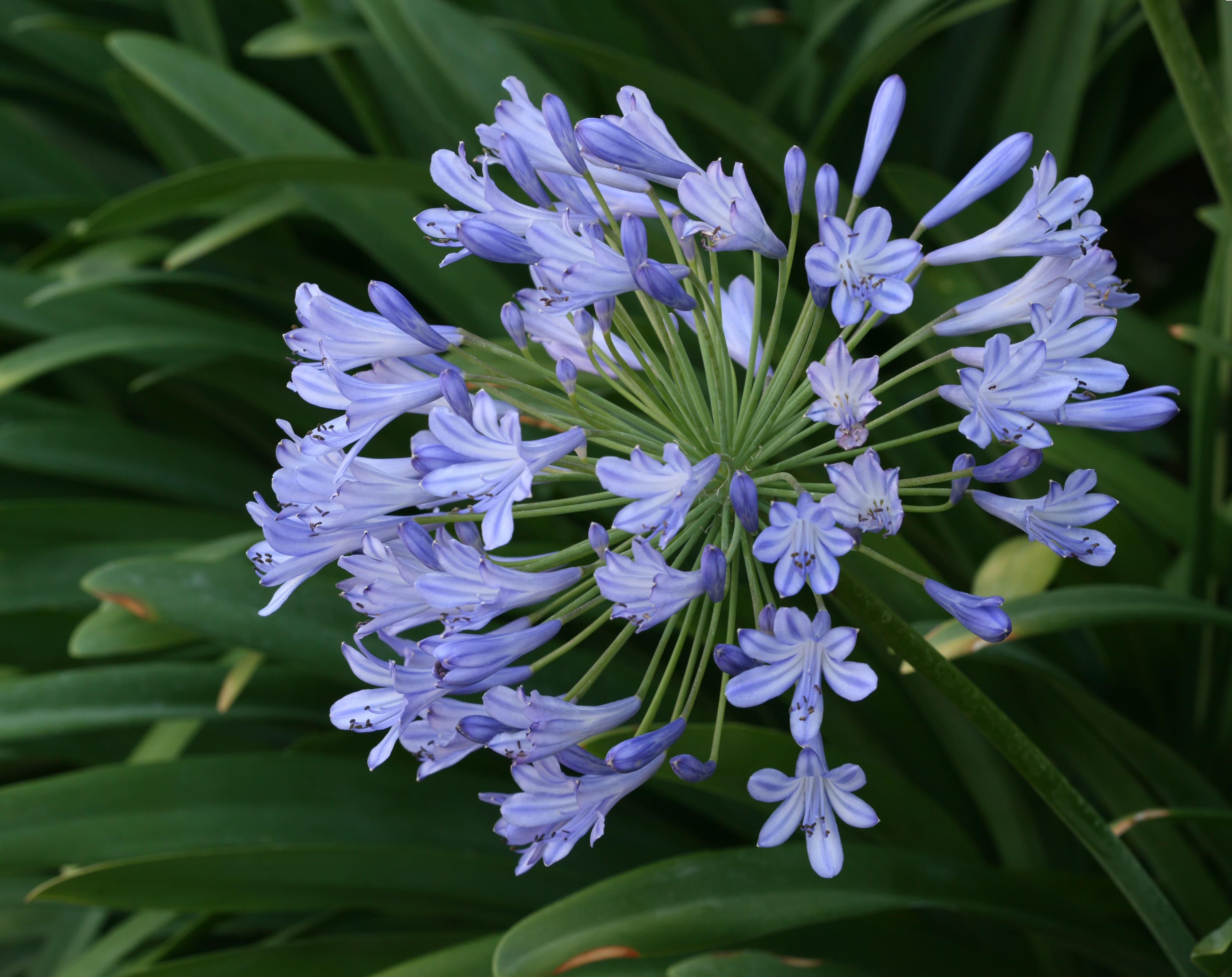 Agapanthus
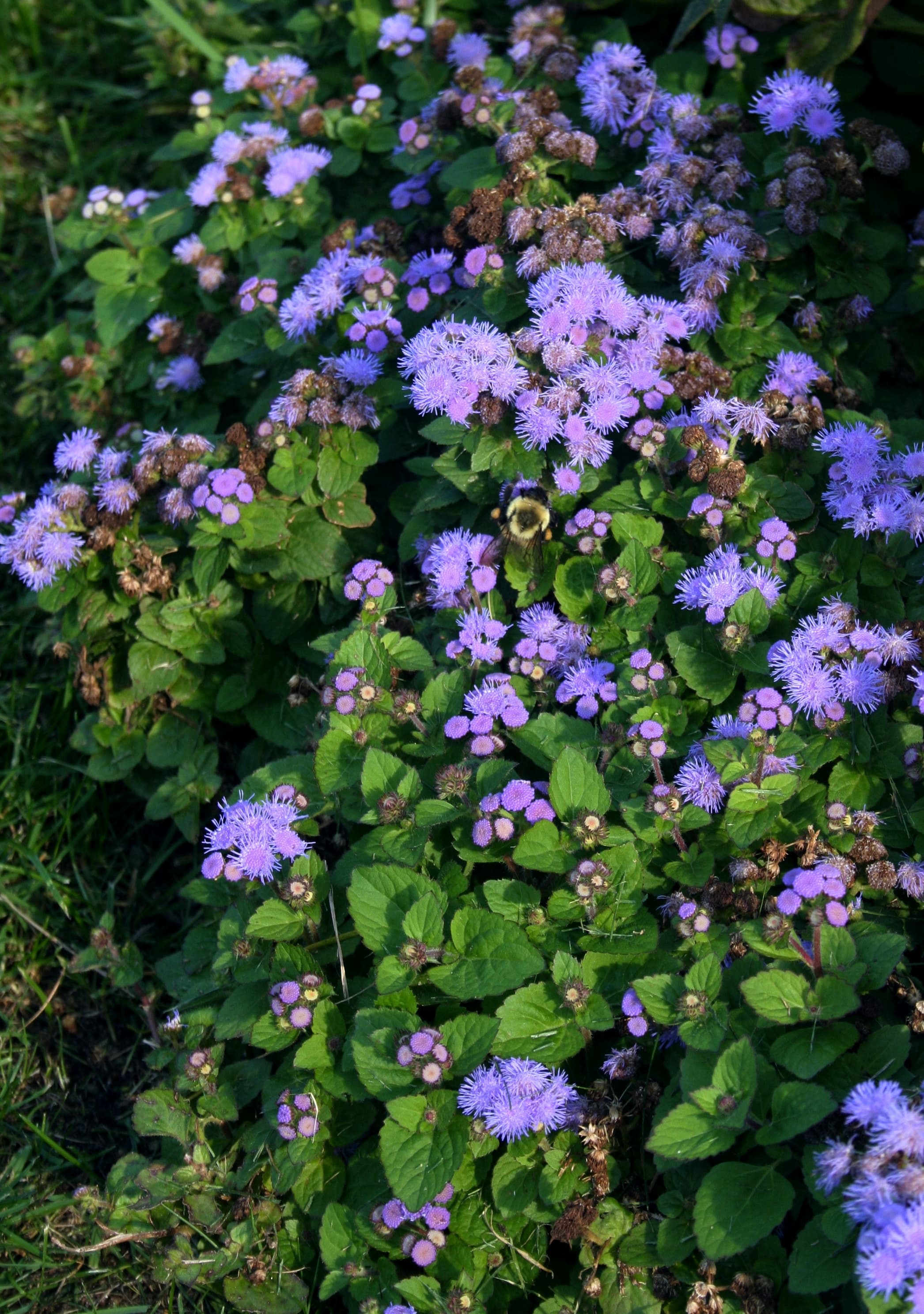 Ageratum
 Agrimony
 Aji Amarillo Pepper🍓Albion Strawberry
 Alice du Pont Mandevilla🥔All Blue Potato
 Almond
 Aloe Vera
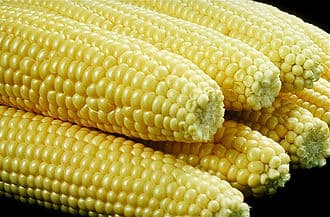 Ambrosia Corn
 American Basswood
 American Beauty Dragon Fruit
 American Beech
 American Persimmon
 Amethyst Falls Wisteria
 Amish Paste Tomato
 Anaheim Pepper
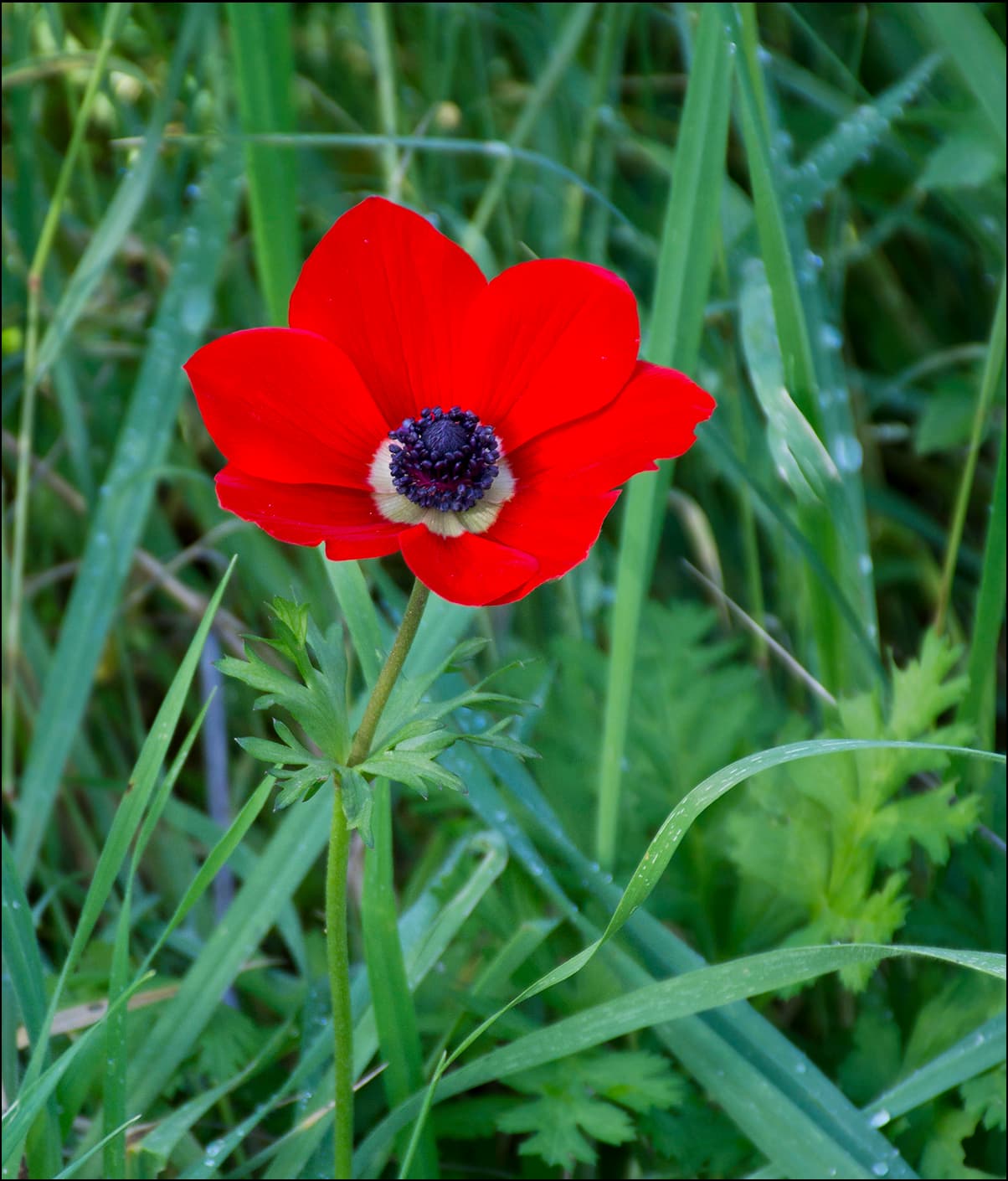 Anemone
 Angelique Tulip
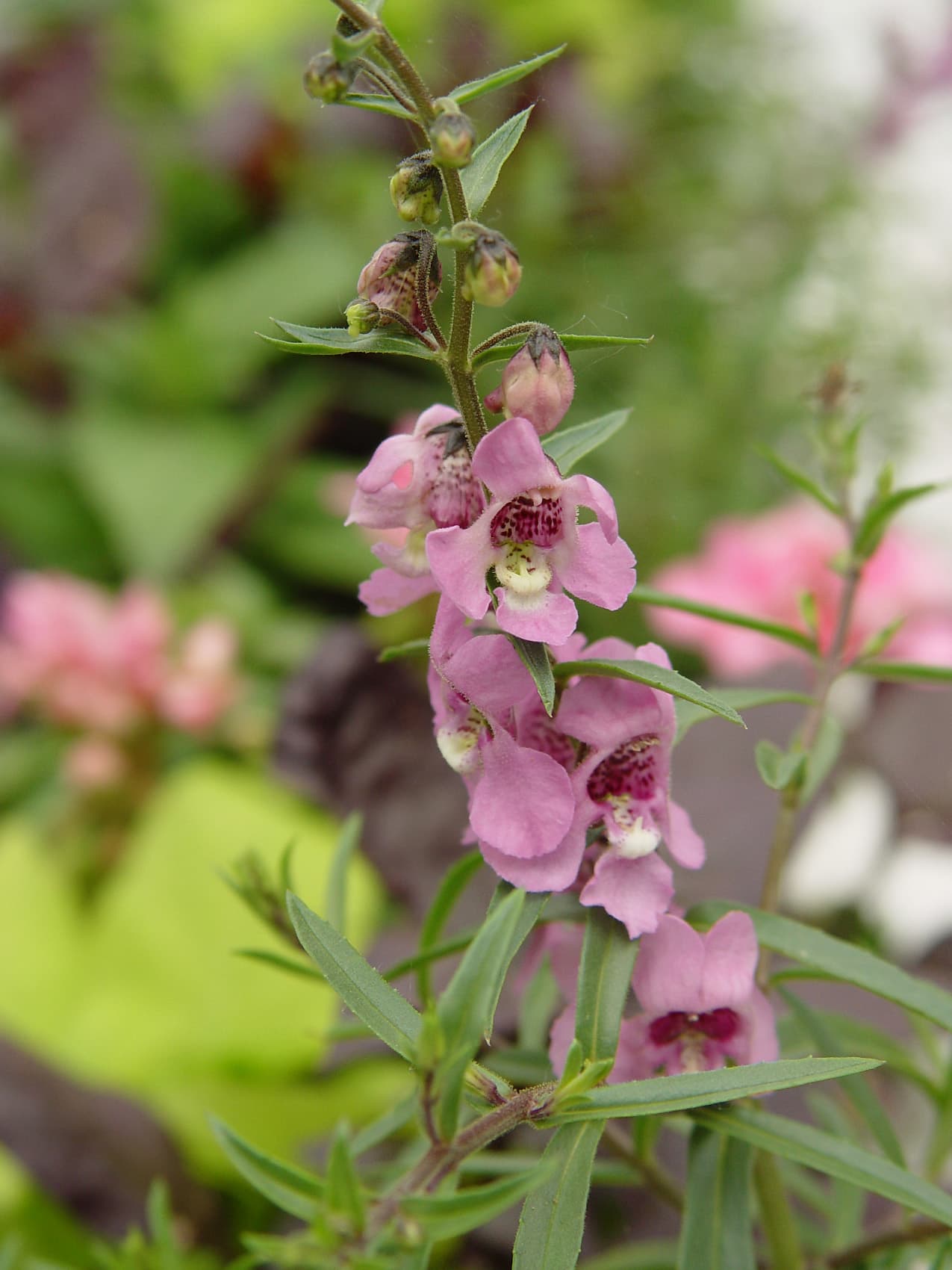 Angelonia
 Anise
Anise Anise Hyssop
 Anjou Pear
 Annabelle Smooth Hydrangea
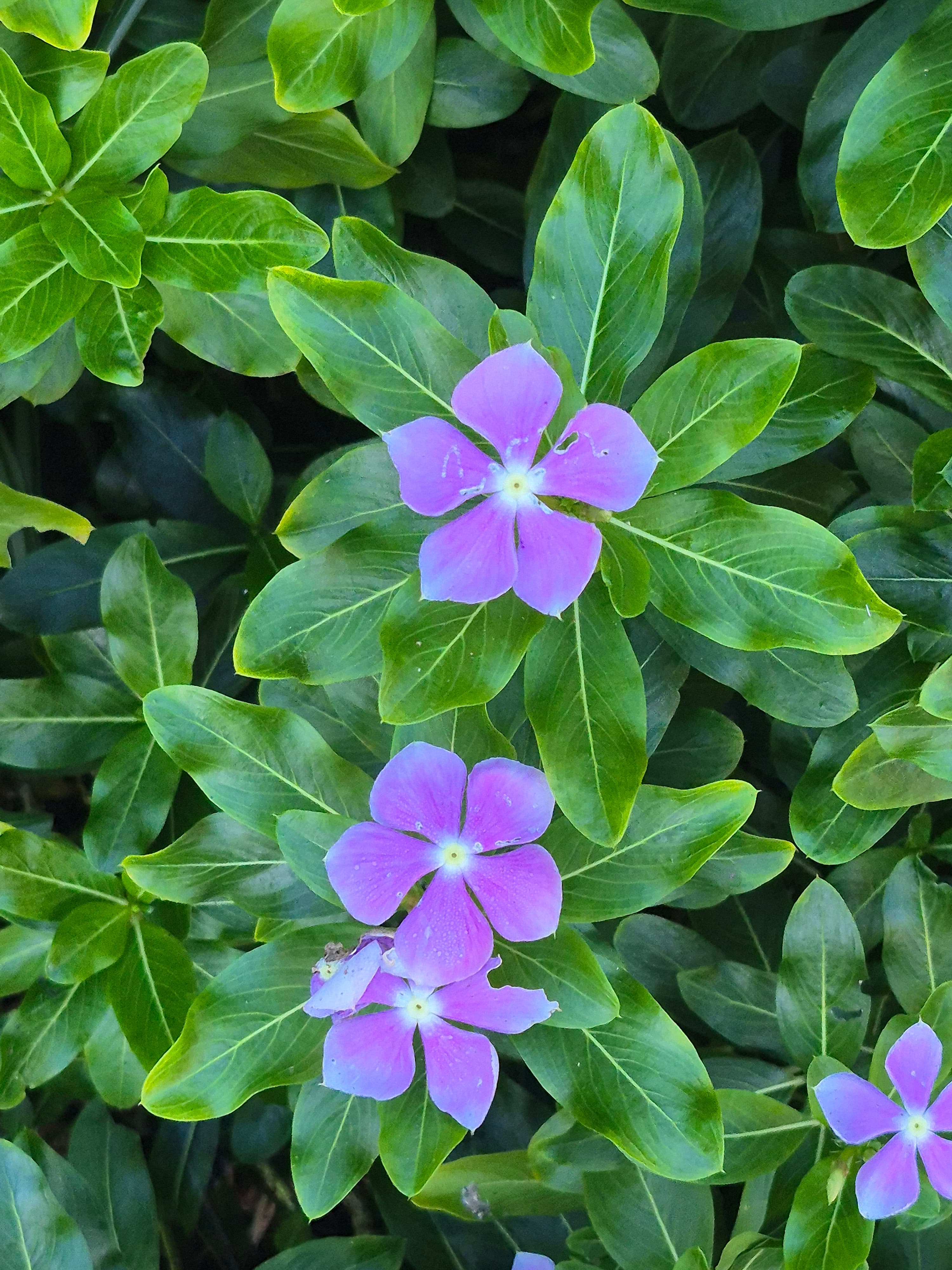 Annual Vinca
 Apeldoorn Tulip
 Apple Mint
 April Tryst Camellia
 Arbequina Olive
 Arizona Sun Blanket Flower
 Arkin Carambola
 Armenian Cucumber
 Aronia
 Arp Rosemary
 Arugula
 Ashwagandha
 Asian Pear
 Asian Persimmon
 Atemoya
 Atlantic Giant Pumpkin🥕Atomic Red Carrot
 Aucuba
 August Beauty Gardenia
 Aunt Molly's Ground Cherry
 Autumn Joy Sedum
 Avocado
 Bachelor's Button
 Balsam Fir
 Balsam Poplar
 Banana Pepper
 Barbara Karst Bougainvillea
 Bartlett Pear
 Bay Laurel
 Bayberry
 Beach Plum
 Beauregard Sweet Potato
 Becky Shasta Daisy
 Bee Balm🍅Beefmaster Tomato
 Benarys Giant Zinnia
 Bengal Tiger Canna
 Better Boy Tomato🥬Bibb Lettuce🍅Big Beef Tomato
 Big Boy Tomato
 Bilberry
 Bing Cherry
 Bitter Melon
 Black Bean
 Black Beauty Eggplant
 Black Beauty Zucchini
 Black Beluga Lentil
 Black Cherry Tomato
 Black Crowberry
 Black Currant🍉Black Diamond Watermelon
 Black Kabouli Chickpea
 Black Krim Tomato
 Black Raspberry
 Black Sapote🥬Black Seeded Simpson Lettuce🥕Black Spanish Radish
 Black Tartarian Cherry
 Black Walnut
 Black-Eyed Pea
 Black-eyed Susan Vine
 Blood Orange
 Bloomsdale Spinach
 Blue Bird Delphinium
 Blue Bird Rose of Sharon
 Blue Fescue
 Blue Lake Green Bean
 Bluecrop Blueberry
 Bocking 14 Comfrey
 Bok Choy
For educational and informational purposes only. Pest control advice is general guidance drawn from university cooperative extension sources; always identify a pest positively and read and follow the label on any product before use, especially around food crops, children, and pets.