
Root-Knot Nematodes
Meloidogyne spp.
Microscopic soil-dwelling roundworms that invade plant roots and force them to form knotty galls. Hidden underground, they show up as plants that wilt, yellow, and languish for no clear reason, and the swollen, galled roots found when you dig give them away.
🔎 How to spot it
The nematodes themselves are too small to see, so you diagnose them by the roots: dig up a struggling plant, wash the soil off, and look for the characteristic round swellings or galls along the roots, from pinhead-sized up to about an inch and often beaded in a row. Above ground, plants are stunted, pale or yellowed, and wilt in the heat despite adequate water, often in patches across the bed.
🥀 Damage it causes
By feeding in the roots and forming galls, the nematodes block the flow of water and nutrients, so plants are stunted, yellowed, wilt easily in warm weather, respond poorly to fertilizer and water, and yield little; severe infestations kill plants. Tomato, carrot, pepper, cucumber, melon, and many other vegetables are susceptible, and the galls also open the door to root-rot fungi.
🛡️ Prevent it
Plant resistant varieties where you can, such as tomatoes marked with the N (for nematode) in the VFN code on the label. Rotate with resistant or non-host crops like grains and certain cover crops, though the wide host range of the nematode limits rotation. Build soil with organic matter to support beneficial organisms, keep tools and transplants clean, and solarize badly infested beds under clear plastic in the hot months.
🧯 If it is already here
There is no home cure once roots are galled, so management is about lowering the population for next season: pull and destroy heavily infested plants with their roots, fallow or solarize the worst beds, and add organic matter. Then come back to that ground with resistant varieties and a rotation away from favored hosts. A dense marigold cover crop turned into the soil can suppress some nematode populations.
💡 Good to know
Because the damage is underground and looks like a nutrient or water problem, root-knot nematode is often missed until you dig and find the telltale galls, so checking the roots of a stunted plant is the key diagnostic step. They spread on soil, water, tools, and infested transplants, so good sanitation and resistant varieties are the backbone of living with them.
🌱 Plants it attacks
714 plants in the library can be attacked by this pest
 Acorn Squash
 Adirondack Blue Potato
 Adzuki Bean
 African Blue Basil
 African Marigold
 Agapanthus
 Ageratum
 Agrimony
 Aji Amarillo Pepper🍓Albion Strawberry
 Alice du Pont Mandevilla🥔All Blue Potato
 Almond
 Aloe Vera
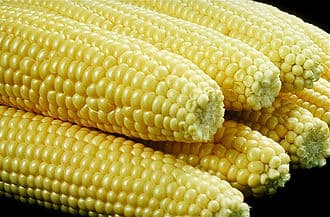 Ambrosia Corn
 American Basswood
 American Beauty Dragon Fruit
 American Beech
 American Persimmon
 Amethyst Falls Wisteria
 Amish Paste Tomato
 Anaheim Pepper
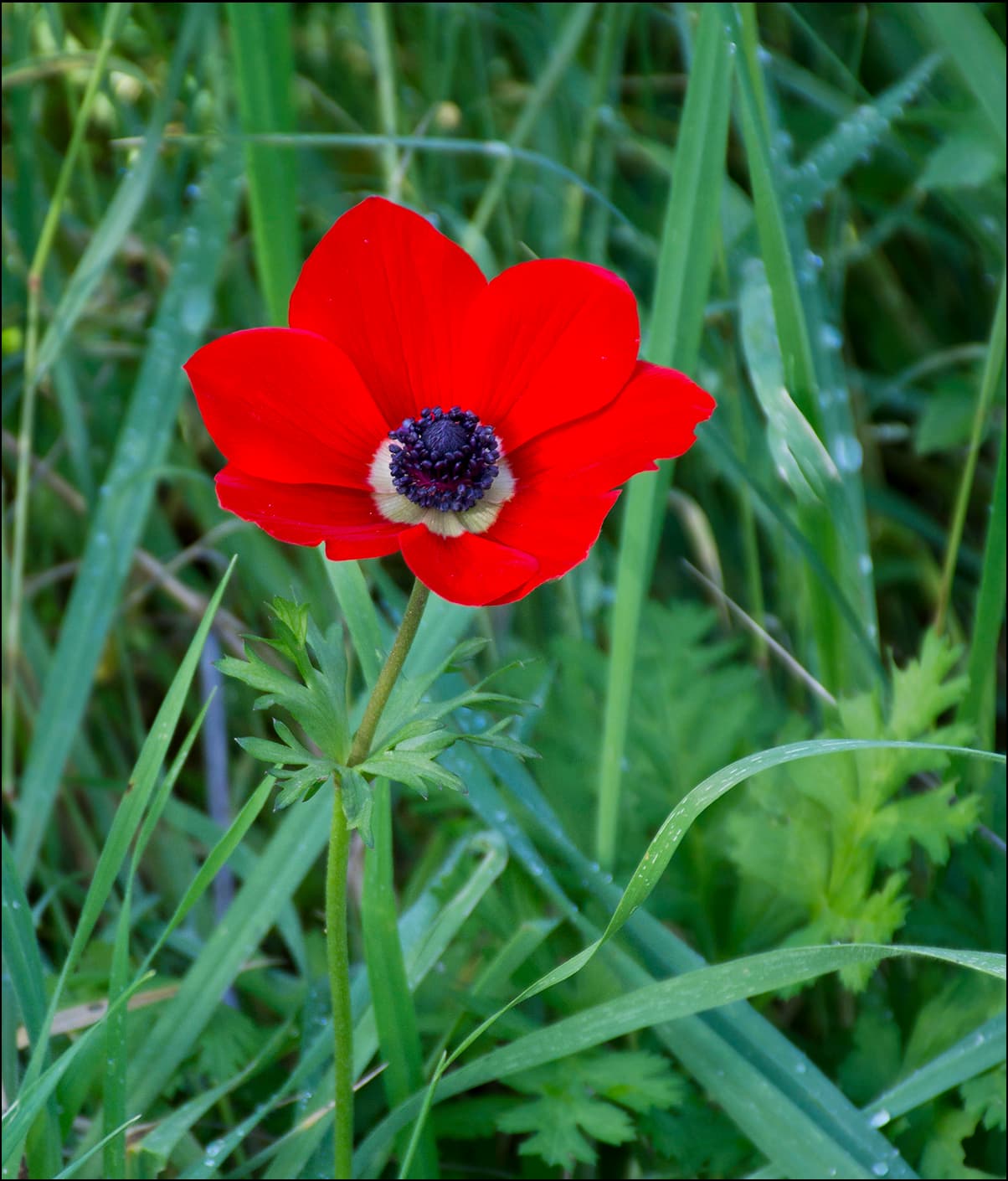 Anemone
 Angelique Tulip
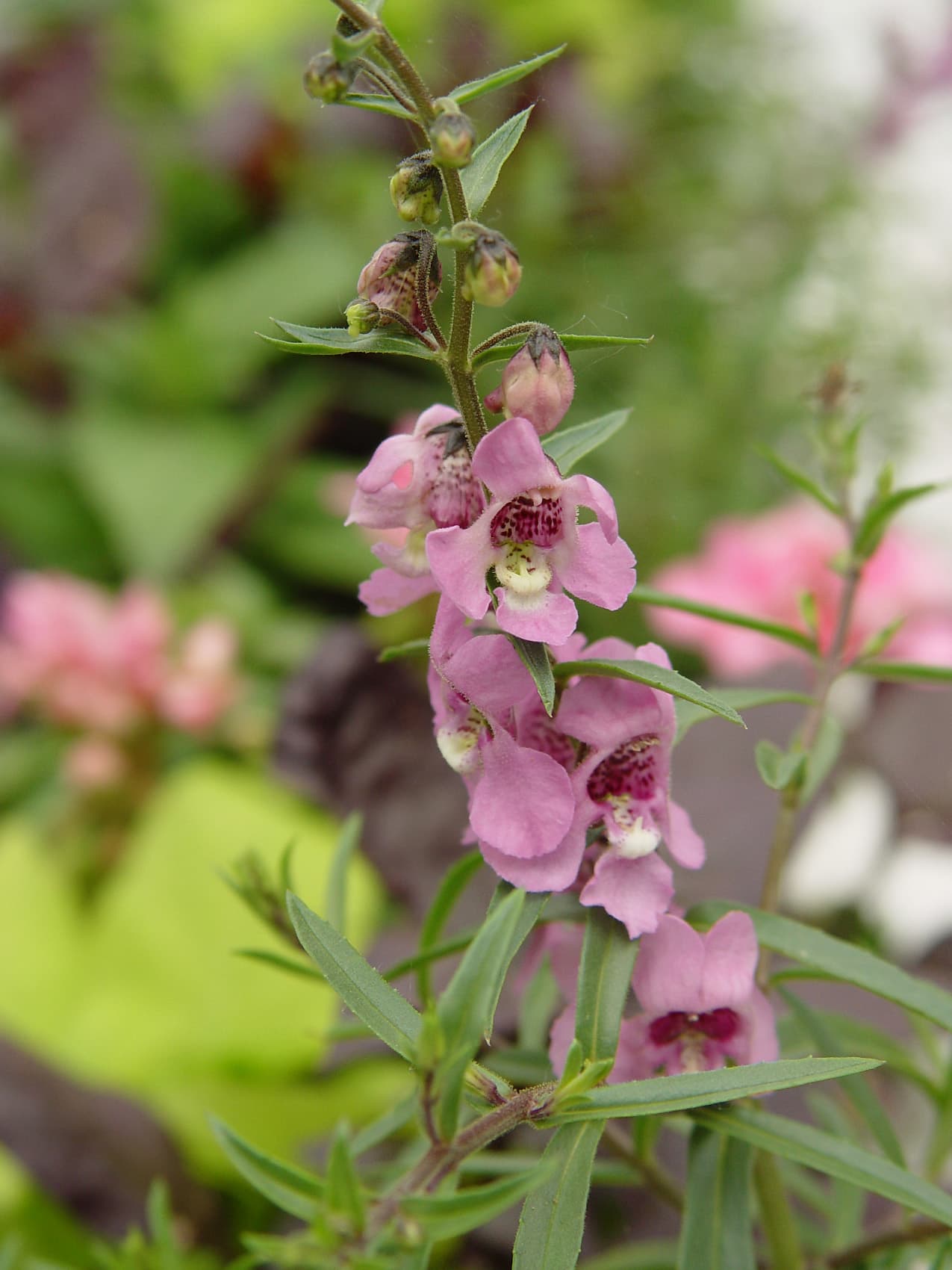 Angelonia
 Anise
Anise Anise Hyssop
 Anjou Pear
 Annabelle Smooth Hydrangea
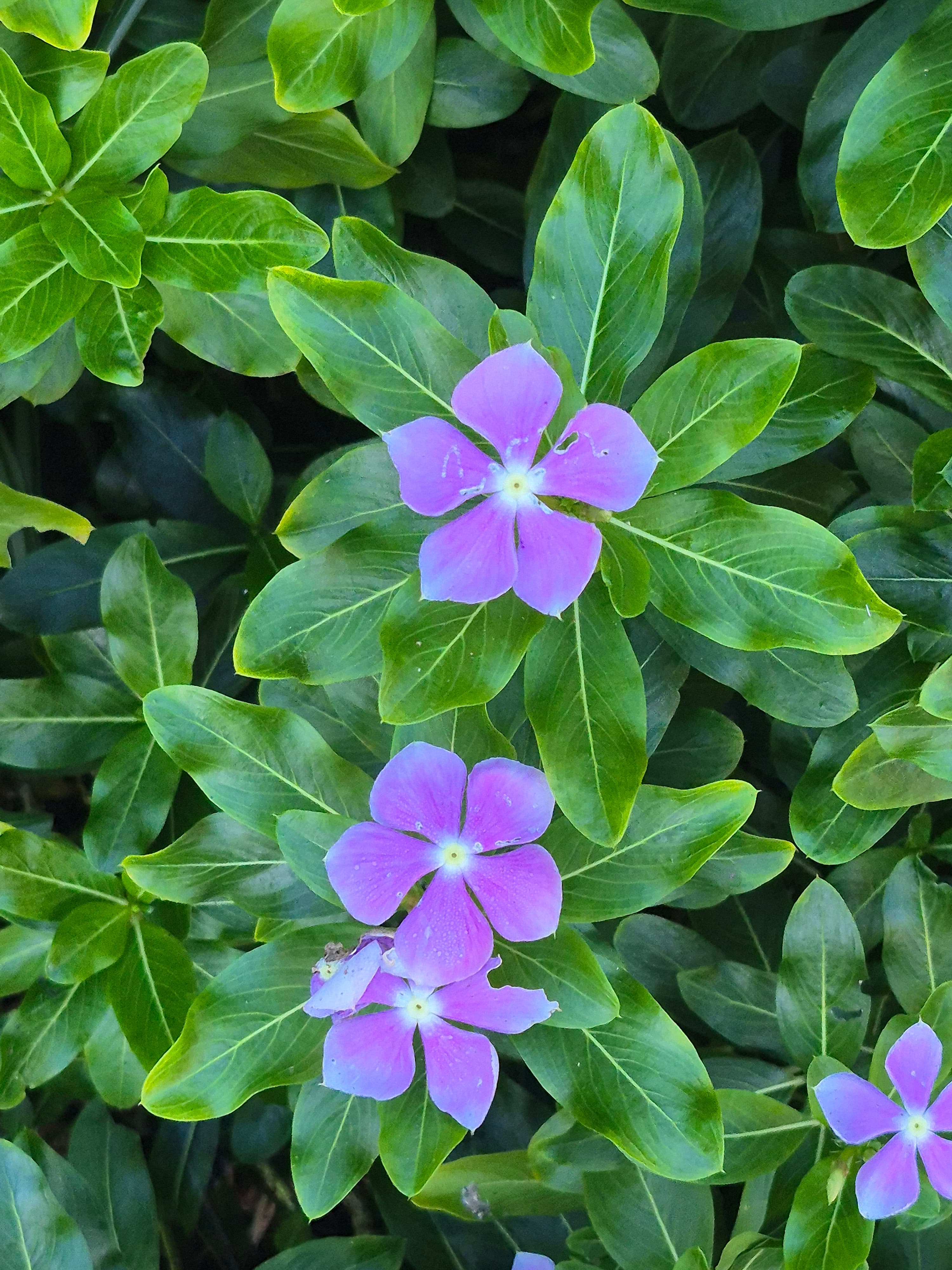 Annual Vinca
 Apeldoorn Tulip
 Apple Mint
 April Tryst Camellia
 Arbequina Olive
 Arizona Sun Blanket Flower
 Arkin Carambola
 Armenian Cucumber
 Aronia
 Arp Rosemary
 Arugula
 Ashwagandha
 Asian Pear
 Asian Persimmon
 Atemoya
 Atlantic Giant Pumpkin🥕Atomic Red Carrot
 Aucuba
 August Beauty Gardenia
 Aunt Molly's Ground Cherry
 Autumn Joy Sedum
 Avocado
 Bachelor's Button
 Balsam Fir
 Balsam Poplar
 Banana Pepper
 Barbara Karst Bougainvillea
 Bartlett Pear
 Bay Laurel
 Bayberry
 Beach Plum
 Beauregard Sweet Potato
 Becky Shasta Daisy
 Bee Balm🍅Beefmaster Tomato
 Benarys Giant Zinnia
 Bengal Tiger Canna
 Better Boy Tomato🥬Bibb Lettuce🍅Big Beef Tomato
 Big Boy Tomato
 Bilberry
 Bing Cherry
 Bitter Melon
 Black Bean
 Black Beauty Eggplant
 Black Beauty Zucchini
 Black Beluga Lentil
 Black Cherry Tomato
 Black Crowberry
 Black Currant🍉Black Diamond Watermelon
 Black Kabouli Chickpea
 Black Krim Tomato
 Black Raspberry
 Black Sapote🥬Black Seeded Simpson Lettuce🥕Black Spanish Radish
 Black Tartarian Cherry
 Black Walnut
 Black-Eyed Pea
 Black-eyed Susan Vine
 Blood Orange
 Bloomsdale Spinach
 Blue Bird Delphinium
 Blue Bird Rose of Sharon
 Blue Fescue
 Blue Lake Green Bean
 Bluecrop Blueberry
 Bocking 14 Comfrey
 Bok Choy
For educational and informational purposes only. Pest control advice is general guidance drawn from university cooperative extension sources; always identify a pest positively and read and follow the label on any product before use, especially around food crops, children, and pets.