
Thrips
Order Thysanoptera
Slivers of insects, barely visible to the eye, that rasp at leaves, buds, and flowers and leave a silvery, speckled scarring. A few species also transmit damaging plant viruses, which can matter more than the feeding itself.
🔎 How to spot it
At under 1/20 inch, thrips look like tiny pale-yellow to dark-brown slivers with narrow, fringed wings; you usually need a hand lens, or you can shake a flower or shoot over white paper and watch for moving specks. The damage is the giveaway: silvery or whitish stippling and flecking on leaves and petals, tiny black dots of excrement, and distorted, scarred new growth, buds, and fruit.
🥀 Damage it causes
Thrips puncture and rasp the cells of leaves, flower petals, and developing fruit, leaving silvery scarring, flecking, and distorted or stunted new growth, often dotted with black specks of frass. Some species, such as the western flower thrips, transmit tospoviruses like tomato spotted wilt, which can be far more damaging than the feeding.
🛡️ Prevent it
Keep plants vigorous and watered and avoid excess nitrogen, which fuels the tender growth thrips prefer. Clear out weeds and old crop debris that harbor them, use reflective mulch on young plants, and avoid broad-spectrum insecticides that destroy the natural enemies and can flare thrips up.
🧯 If it is already here
Hose plants to dislodge thrips and prune out badly distorted or scarred growth. Hang blue or yellow sticky traps to monitor and reduce adults. For heavier infestations, spinosad, insecticidal soap, or neem oil help, and conserving natural enemies such as minute pirate bugs, lacewings, and predatory mites keeps numbers down.
💡 Good to know
Thrips are genuinely hard to control because they are tiny, breed fast, and tuck into buds and other tight spots where sprays miss, so combining tactics beats relying on any one. If plants show ring spots or sudden wilting along with thrips, suspect a thrips-spread virus, for which removing the infected plants is the only remedy.
🌱 Plants it attacks
714 plants in the library can be attacked by this pest
 Acorn Squash
 Adirondack Blue Potato
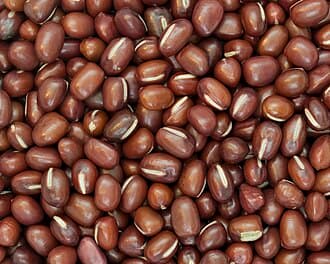 Adzuki Bean
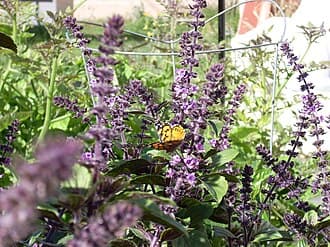 African Blue Basil
 African Marigold
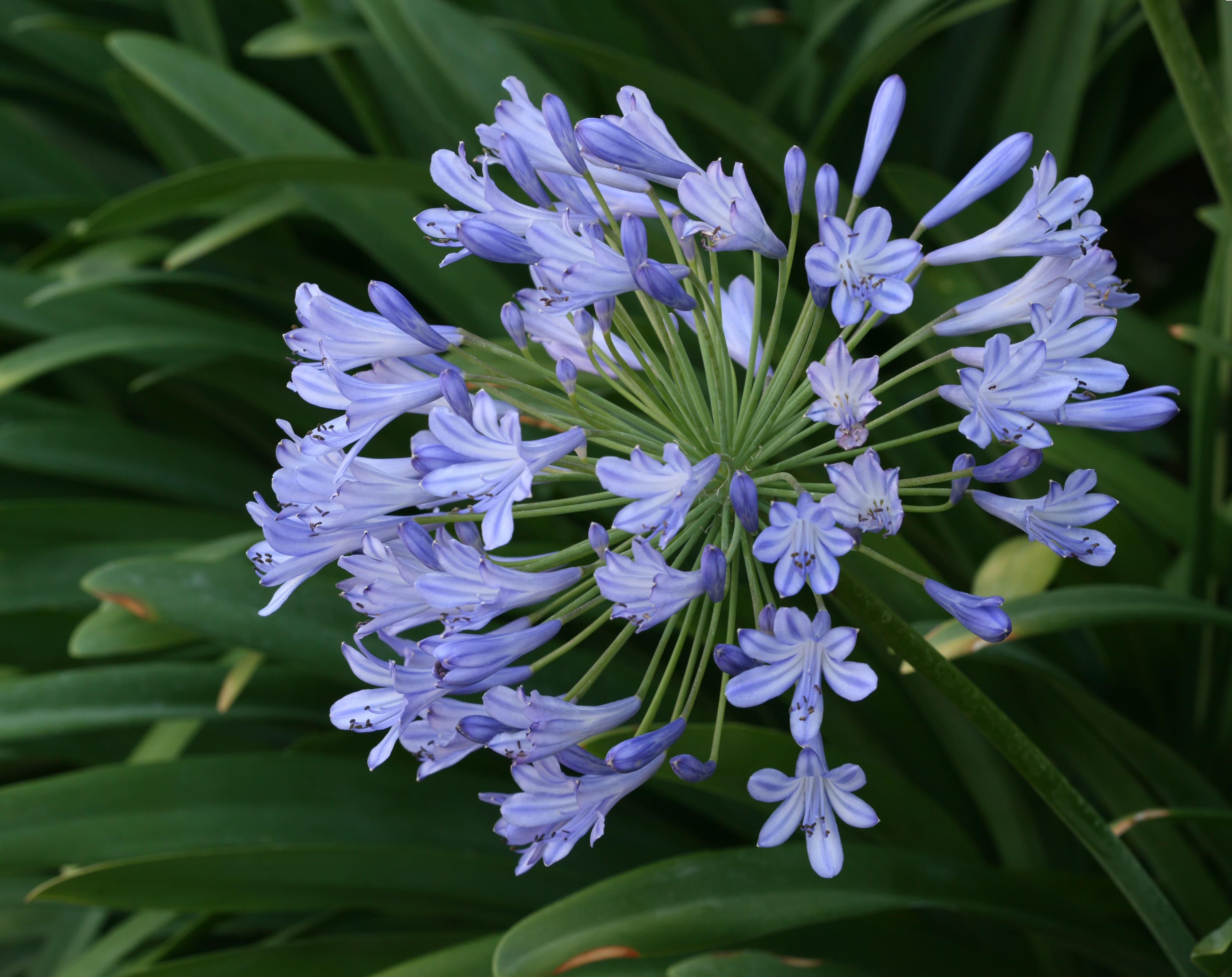 Agapanthus
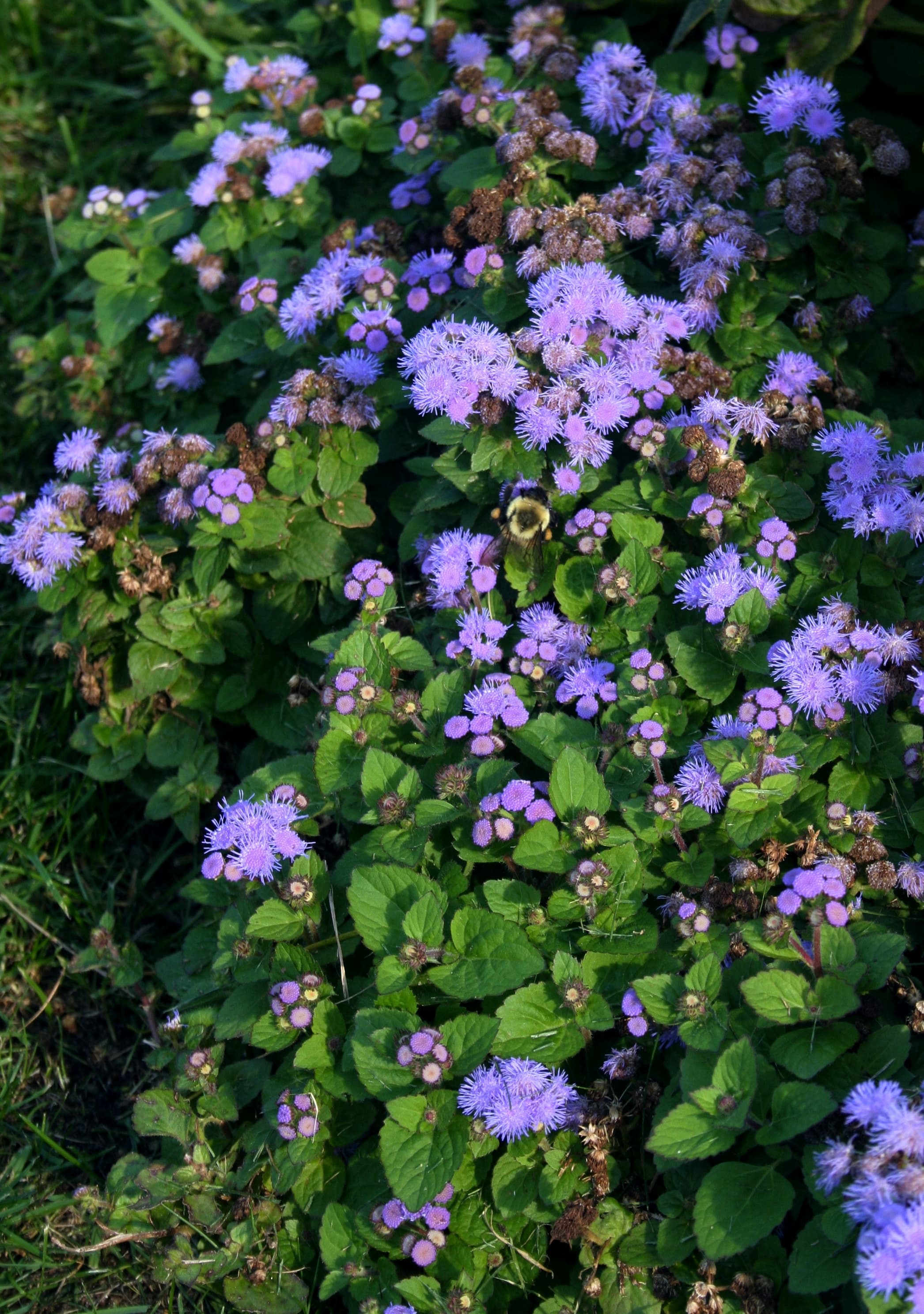 Ageratum
 Agrimony
 Aji Amarillo Pepper🍓Albion Strawberry
 Alice du Pont Mandevilla🥔All Blue Potato
 Almond
 Aloe Vera
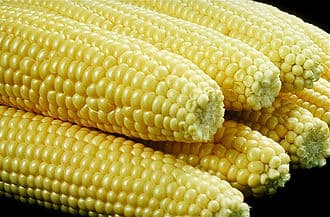 Ambrosia Corn
 American Basswood
 American Beauty Dragon Fruit
 American Beech
 American Persimmon
 Amethyst Falls Wisteria
 Amish Paste Tomato
 Anaheim Pepper
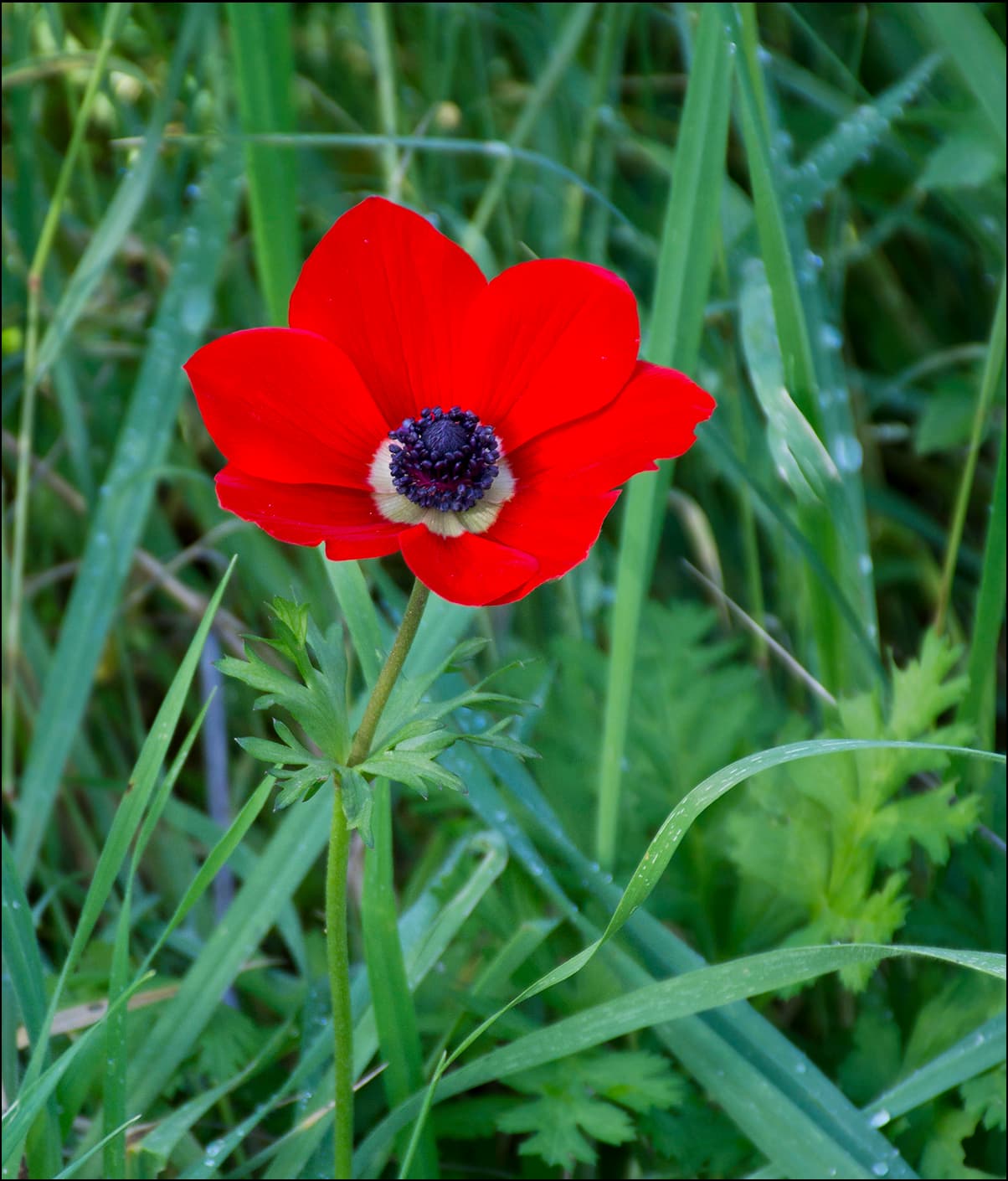 Anemone
 Angelique Tulip
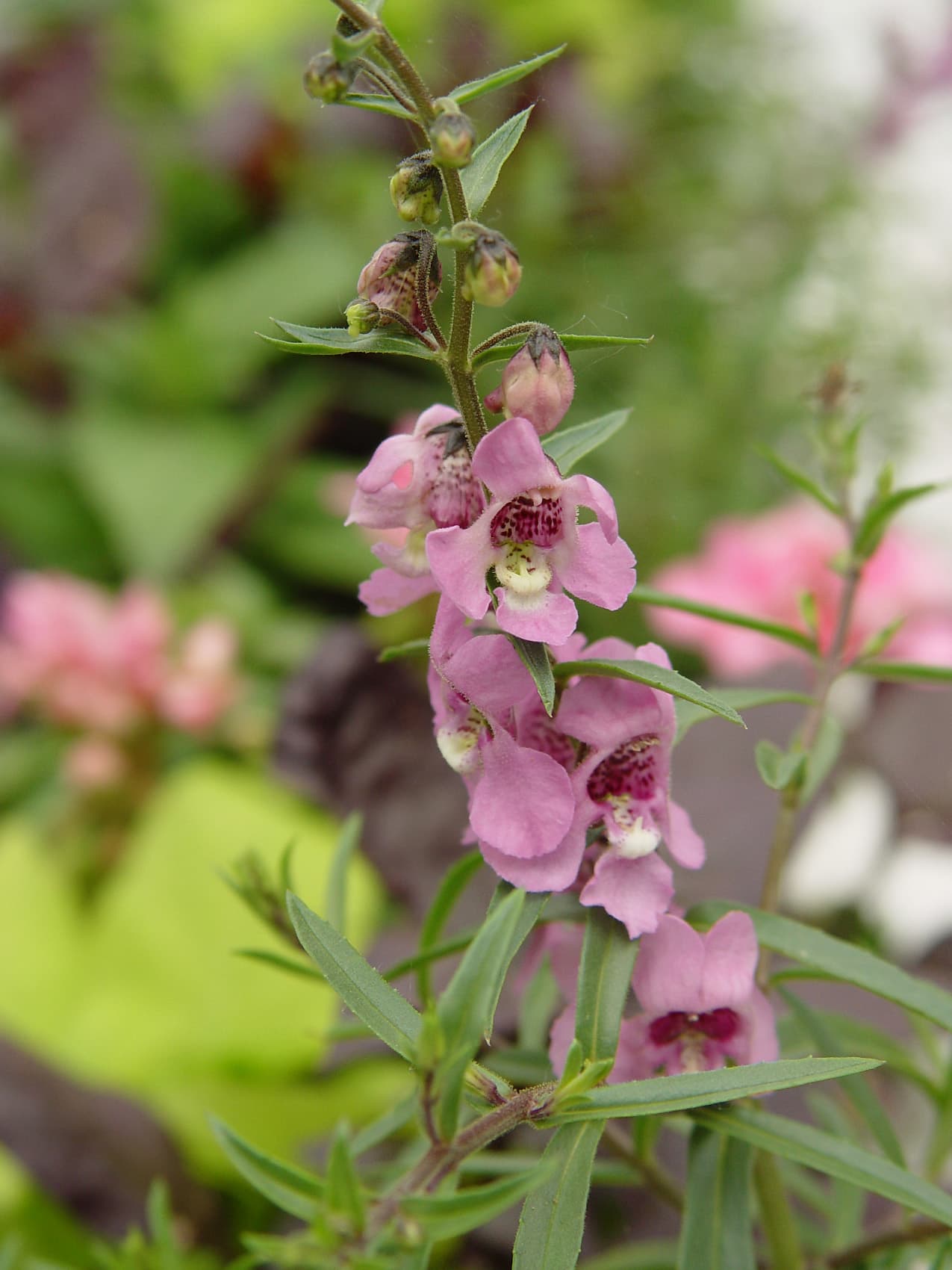 Angelonia
 Anise
Anise Anise Hyssop
 Anjou Pear
 Annabelle Smooth Hydrangea
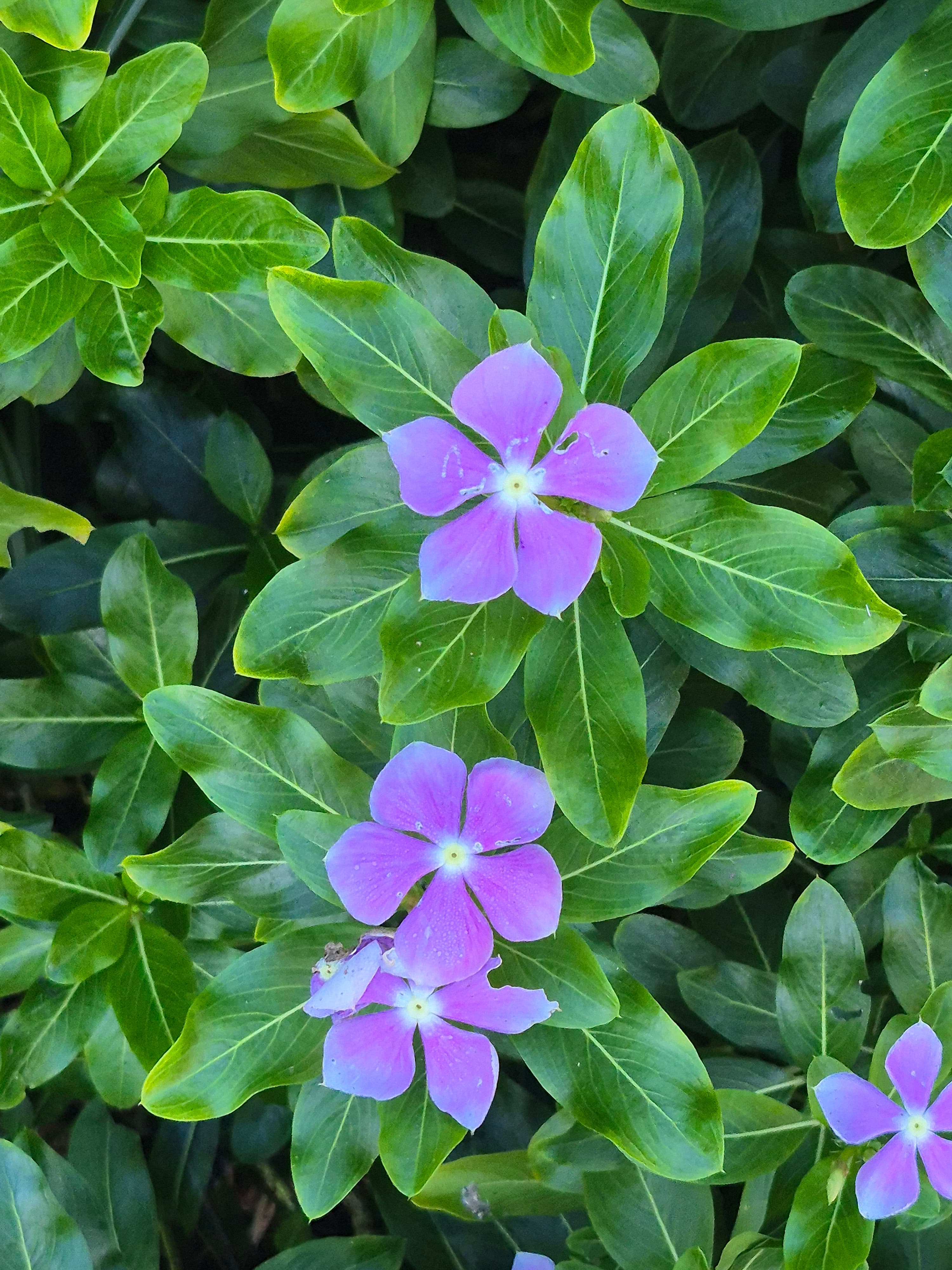 Annual Vinca
 Apeldoorn Tulip
 Apple Mint
 April Tryst Camellia
 Arbequina Olive
 Arizona Sun Blanket Flower
 Arkin Carambola
 Armenian Cucumber
 Aronia
 Arp Rosemary
 Arugula
 Ashwagandha
 Asian Pear
 Asian Persimmon
 Atemoya
 Atlantic Giant Pumpkin🥕Atomic Red Carrot
 Aucuba
 August Beauty Gardenia
 Aunt Molly's Ground Cherry
 Autumn Joy Sedum
 Avocado
 Bachelor's Button
 Balsam Fir
 Balsam Poplar
 Banana Pepper
 Barbara Karst Bougainvillea
 Bartlett Pear
 Bay Laurel
 Bayberry
 Beach Plum
 Beauregard Sweet Potato
 Becky Shasta Daisy
 Bee Balm🍅Beefmaster Tomato
 Benarys Giant Zinnia
 Bengal Tiger Canna
 Better Boy Tomato🥬Bibb Lettuce🍅Big Beef Tomato
 Big Boy Tomato
 Bilberry
 Bing Cherry
 Bitter Melon
 Black Bean
 Black Beauty Eggplant
 Black Beauty Zucchini
 Black Beluga Lentil
 Black Cherry Tomato
 Black Crowberry
 Black Currant🍉Black Diamond Watermelon
 Black Kabouli Chickpea
 Black Krim Tomato
 Black Raspberry
 Black Sapote🥬Black Seeded Simpson Lettuce🥕Black Spanish Radish
 Black Tartarian Cherry
 Black Walnut
 Black-Eyed Pea
 Black-eyed Susan Vine
 Blood Orange
 Bloomsdale Spinach
 Blue Bird Delphinium
 Blue Bird Rose of Sharon
 Blue Fescue
 Blue Lake Green Bean
 Bluecrop Blueberry
 Bocking 14 Comfrey
 Bok Choy
For educational and informational purposes only. Pest control advice is general guidance drawn from university cooperative extension sources; always identify a pest positively and read and follow the label on any product before use, especially around food crops, children, and pets.