
White Grubs
Family Scarabaeidae
The fat, C-shaped larvae of scarab beetles, including Japanese beetles, masked chafers, and May and June beetles, that live in the soil and chew on roots. They are best known for browning out patches of lawn, but they also feed on the roots of vegetables, seedlings, and ornamentals, weakening plants from below.
🔎 How to spot it
Grubs are plump, soft, C-curved larvae up to about an inch long, dirty white with a tan to brown head and three pairs of small legs near the front. You find them by digging a few inches into soil or under loosened, browning turf. Above ground the signs are irregular patches of wilting or dead plants and spongy lawn that pulls back like loose carpet, often torn up further by skunks, raccoons, and birds digging for the grubs.
🥀 Damage it causes
White grubs chew off roots and root hairs, so plants wilt, yellow, grow poorly, and pull up easily because the root system is gone. In lawns they create dead patches that look like drought even after rain; in the garden they damage the roots of seedlings, vegetables, strawberries, and potatoes. Healthy turf can tolerate up to about ten grubs per square foot before damage shows.
🛡️ Prevent it
Reduce the beetle egg-laying that starts an infestation by not overwatering lawns in midsummer, since the adults prefer to lay in moist soil. Keep plants and turf vigorous so they outgrow light root feeding, and turn over garden soil in fall to expose grubs to cold and to birds. Manage the adult beetles, such as Japanese beetles, to limit the next generation of grubs.
🧯 If it is already here
Where a few plants are affected, dig and destroy the grubs you find. Beneficial nematodes (Heterorhabditis bacteriophora) and the bacterium milky spore can be watered into moist soil to attack grubs, working best on young grubs in late summer. Time any treatment for late summer when grubs are small and feeding near the surface, not for the large, deep grubs of spring. Water treatments in well.
💡 Good to know
Several different beetles share the white-grub stage, and they can be told apart by the pattern of hairs, called the raster, on the underside of the tail end. Grubs hatch in summer, feed near the surface, then burrow deep to overwinter and return to feed in spring before pupating. Because they spend most of the year underground, late summer is the only practical window to control them.
🌱 Plants it attacks
714 plants in the library can be attacked by this pest
 Acorn Squash
 Adirondack Blue Potato
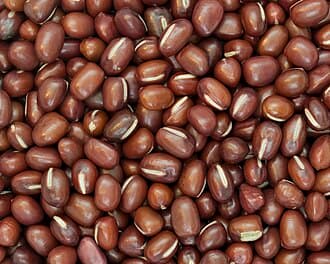 Adzuki Bean
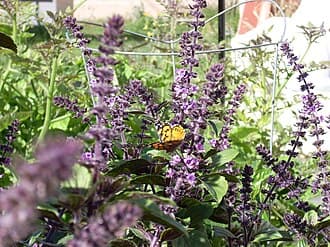 African Blue Basil
 African Marigold
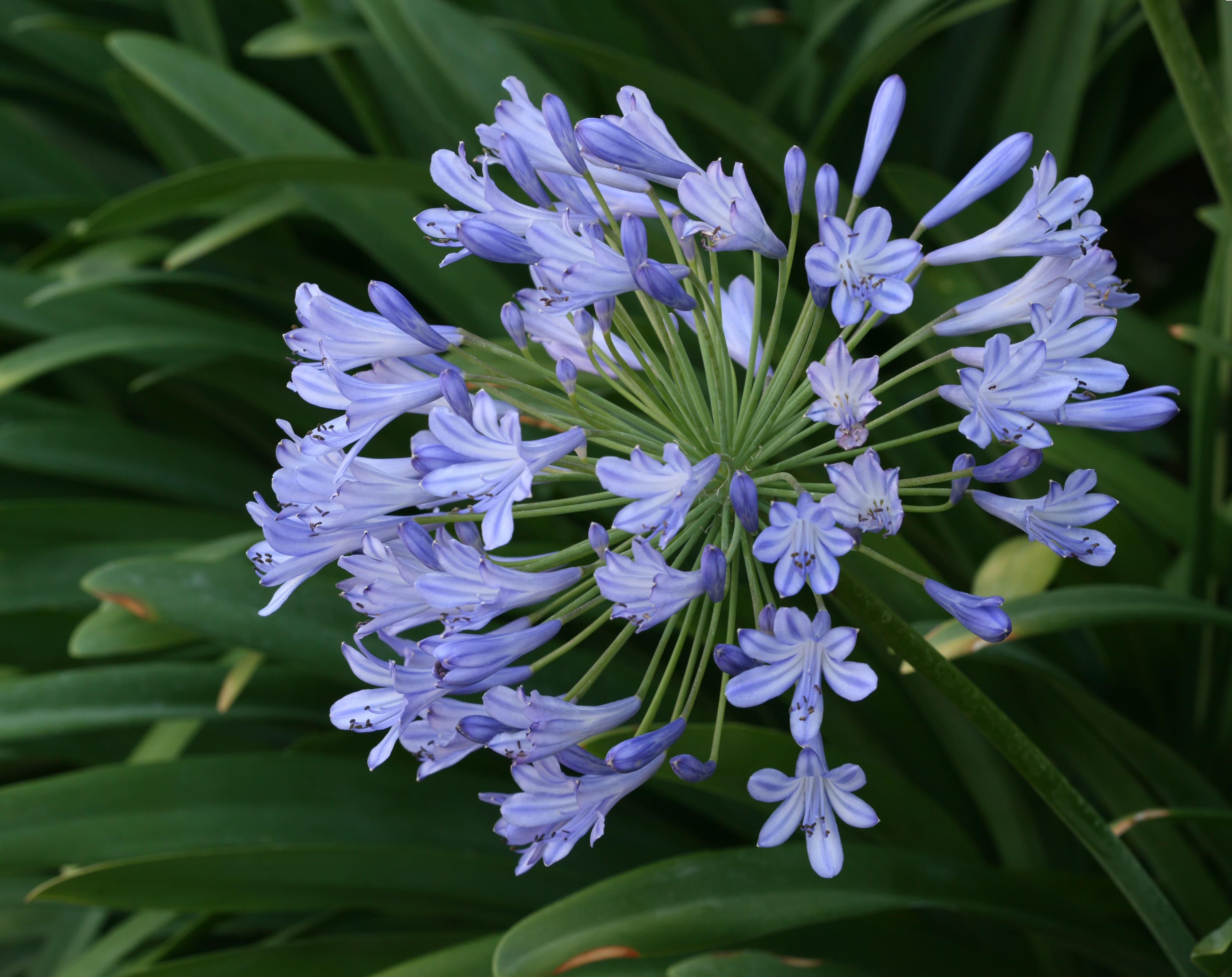 Agapanthus
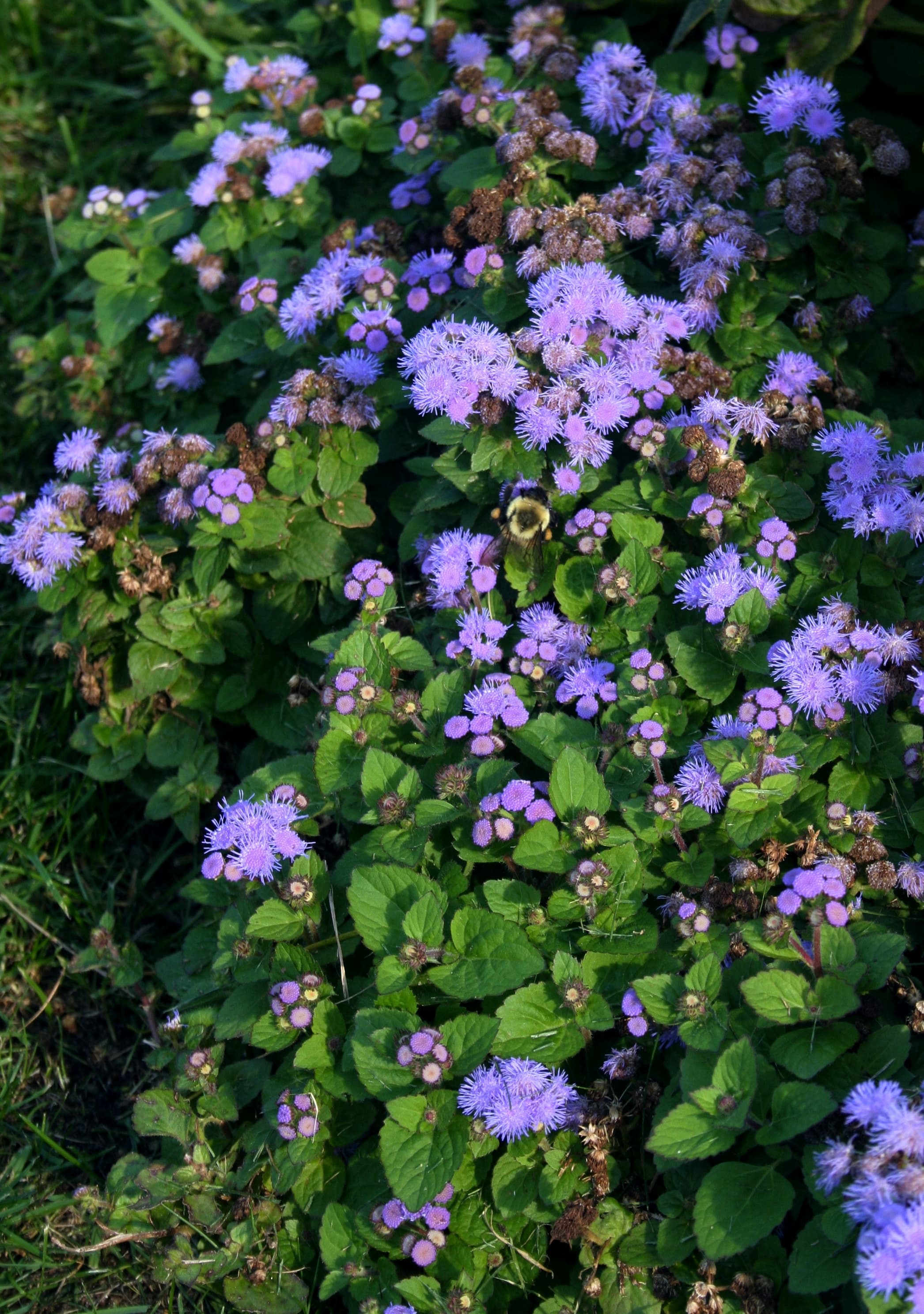 Ageratum
 Agrimony
 Aji Amarillo Pepper🍓Albion Strawberry
 Alice du Pont Mandevilla🥔All Blue Potato
 Almond
 Aloe Vera
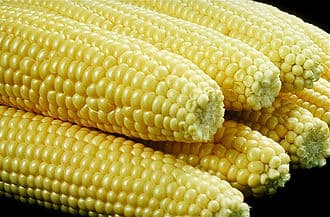 Ambrosia Corn
 American Basswood
 American Beauty Dragon Fruit
 American Beech
 American Persimmon
 Amethyst Falls Wisteria
 Amish Paste Tomato
 Anaheim Pepper
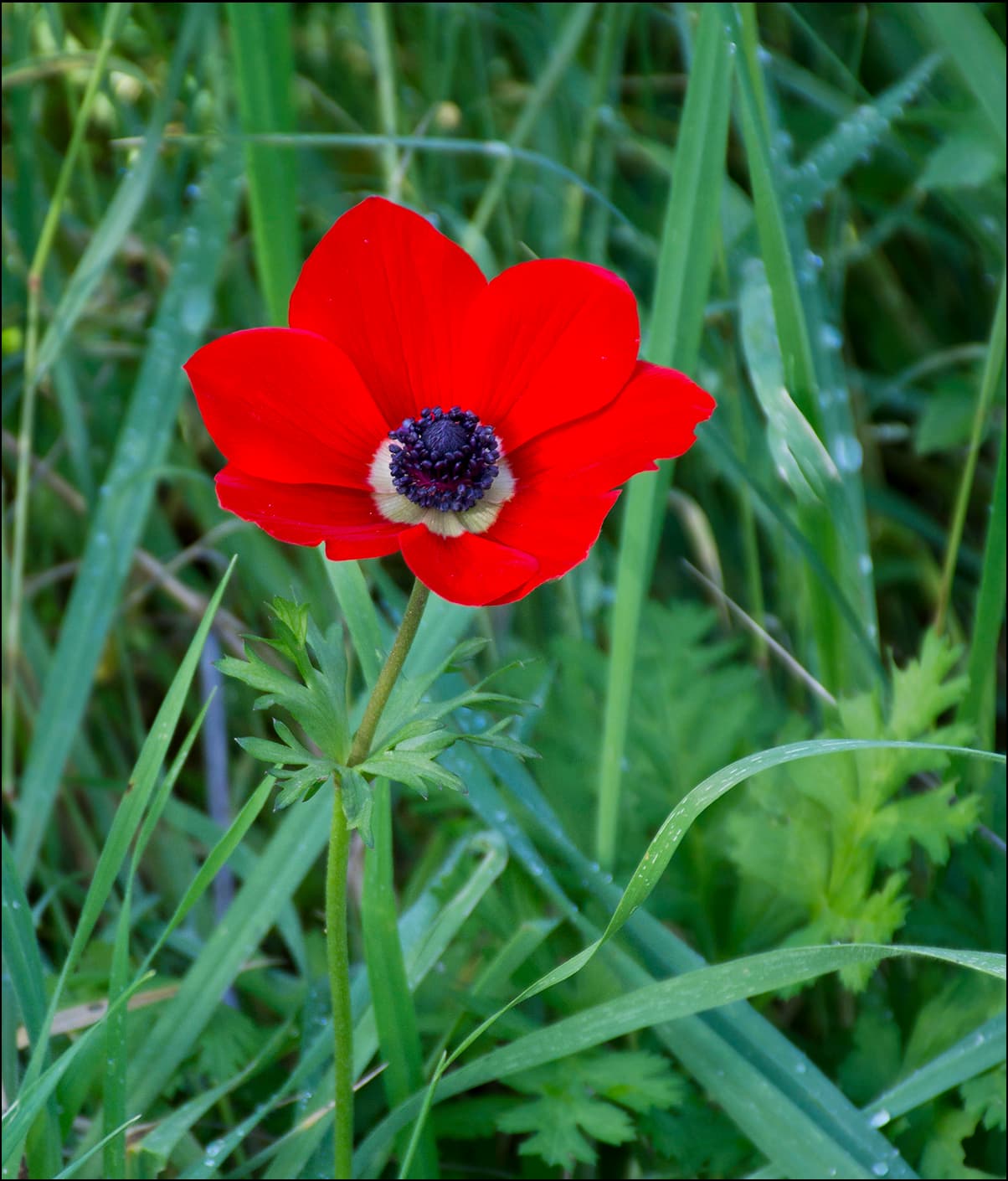 Anemone
 Angelique Tulip
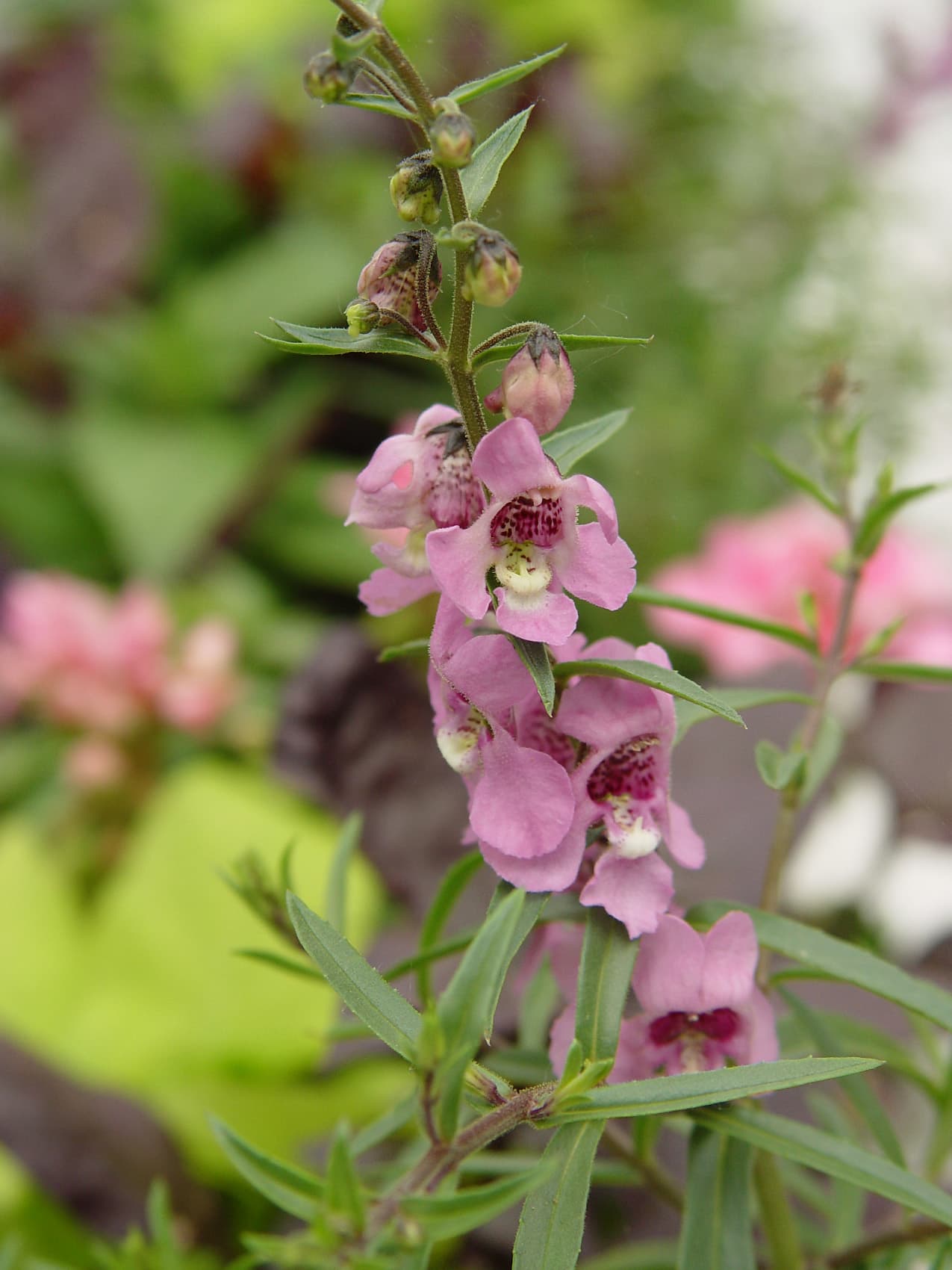 Angelonia
 Anise
Anise Anise Hyssop
 Anjou Pear
 Annabelle Smooth Hydrangea
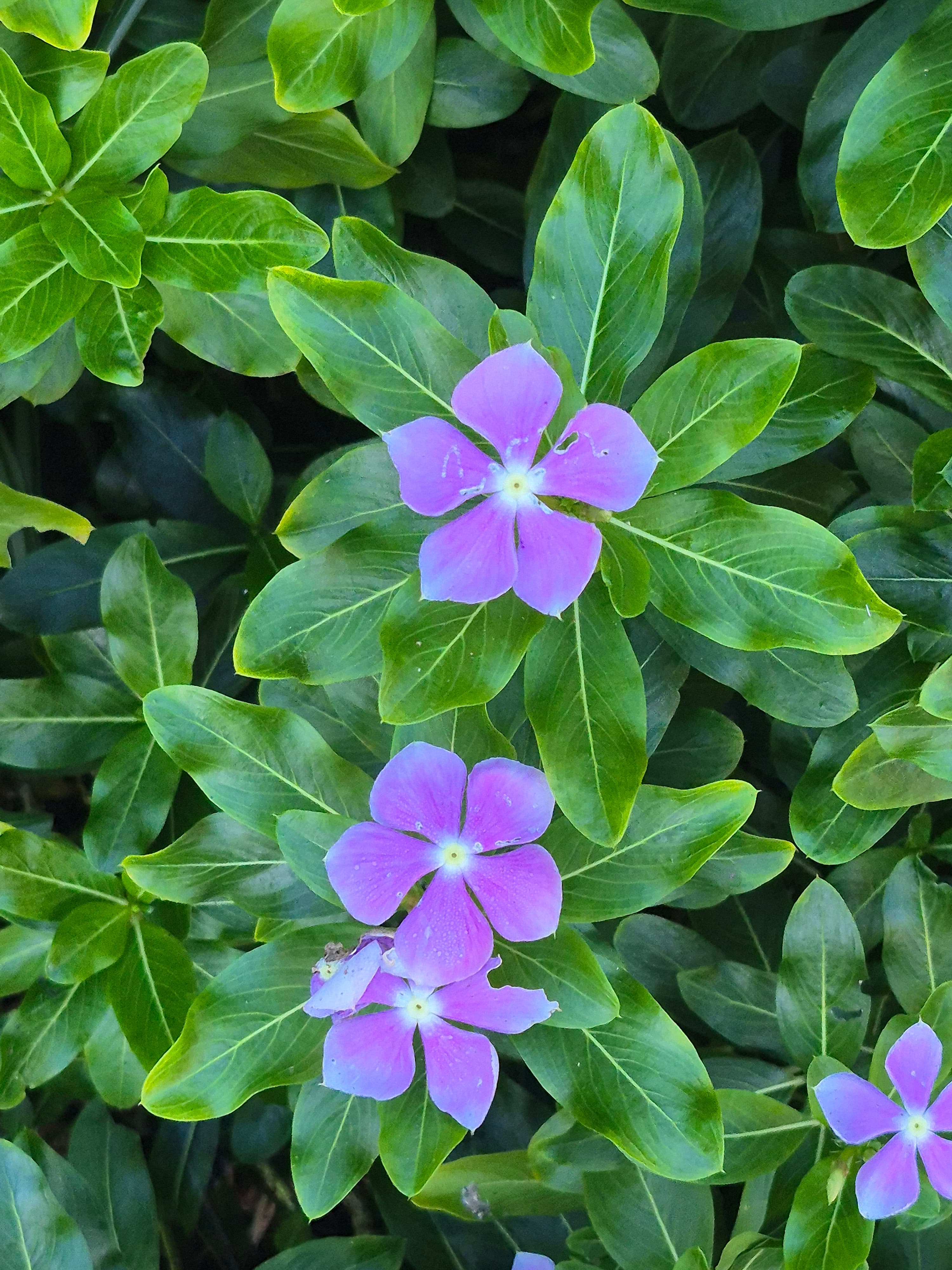 Annual Vinca
 Apeldoorn Tulip
 Apple Mint
 April Tryst Camellia
 Arbequina Olive
 Arizona Sun Blanket Flower
 Arkin Carambola
 Armenian Cucumber
 Aronia
 Arp Rosemary
 Arugula
 Ashwagandha
 Asian Pear
 Asian Persimmon
 Atemoya
 Atlantic Giant Pumpkin🥕Atomic Red Carrot
 Aucuba
 August Beauty Gardenia
 Aunt Molly's Ground Cherry
 Autumn Joy Sedum
 Avocado
 Bachelor's Button
 Balsam Fir
 Balsam Poplar
 Banana Pepper
 Barbara Karst Bougainvillea
 Bartlett Pear
 Bay Laurel
 Bayberry
 Beach Plum
 Beauregard Sweet Potato
 Becky Shasta Daisy
 Bee Balm🍅Beefmaster Tomato
 Benarys Giant Zinnia
 Bengal Tiger Canna
 Better Boy Tomato🥬Bibb Lettuce🍅Big Beef Tomato
 Big Boy Tomato
 Bilberry
 Bing Cherry
 Bitter Melon
 Black Bean
 Black Beauty Eggplant
 Black Beauty Zucchini
 Black Beluga Lentil
 Black Cherry Tomato
 Black Crowberry
 Black Currant🍉Black Diamond Watermelon
 Black Kabouli Chickpea
 Black Krim Tomato
 Black Raspberry
 Black Sapote🥬Black Seeded Simpson Lettuce🥕Black Spanish Radish
 Black Tartarian Cherry
 Black Walnut
 Black-Eyed Pea
 Black-eyed Susan Vine
 Blood Orange
 Bloomsdale Spinach
 Blue Bird Delphinium
 Blue Bird Rose of Sharon
 Blue Fescue
 Blue Lake Green Bean
 Bluecrop Blueberry
 Bocking 14 Comfrey
 Bok Choy
For educational and informational purposes only. Pest control advice is general guidance drawn from university cooperative extension sources; always identify a pest positively and read and follow the label on any product before use, especially around food crops, children, and pets.