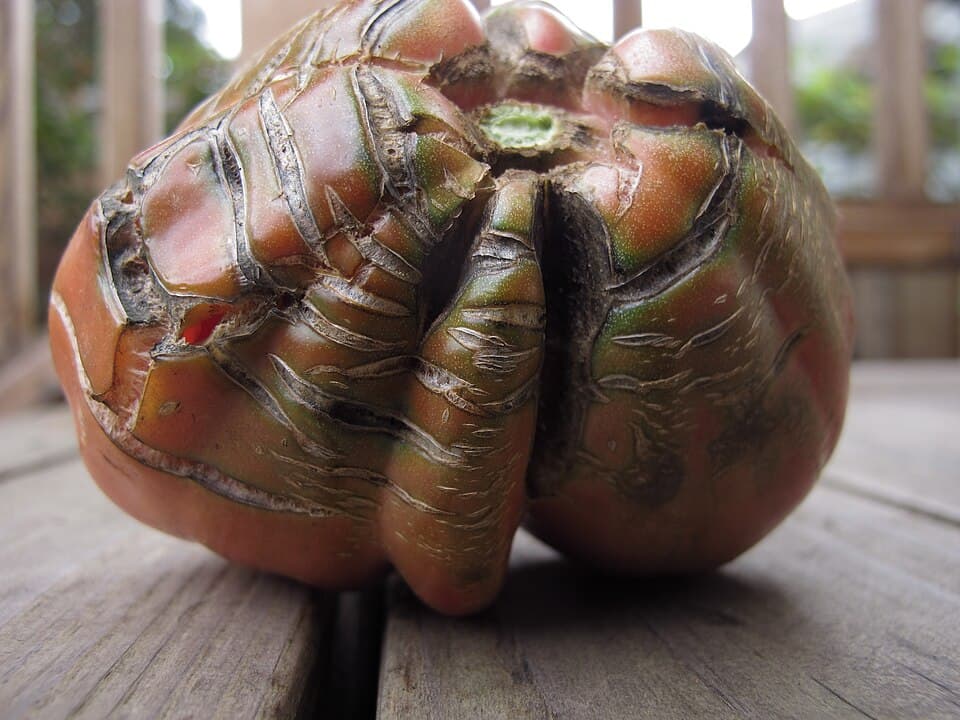
Cracking & Splitting
A physiological disorder in which fruits, heads, or roots crack or split open because the plant takes up water faster than its skin can stretch. It is most familiar in tomatoes that split after a heavy rain, but cabbage heads, carrots, and many fruits do the same thing, and the open cracks then invite rot and insects.
🔎 How to spot it
Look for splits in the skin: rings circling the stem end or cracks running down the side of a tomato, deep splits across a cabbage head, or lengthwise cracks in carrots, radishes, and other roots. The cracks appear suddenly after a swing in moisture, often following rain or heavy watering that breaks a dry spell. The split tissue may stay clean or begin to rot.
🥀 Damage it causes
The damage is mainly to quality: cracked fruit and split heads or roots are unsightly, do not store, and the open wounds let in rot organisms, fruit flies, and other pests that spoil the produce. A sudden flush of water near harvest can split a large share of a tomato or cabbage crop at once. Lightly cracked produce is still edible if used right away.
🔬 What causes it
Cracking is caused by uneven growth driven by uneven water: when a dry plant is suddenly flooded with rain or irrigation, the inside swells faster than the skin can grow, and the skin splits. Wide swings in soil moisture, temperature, and humidity all promote it, and ripe or nearly ripe fruit and mature cabbage heads are the most prone. Some varieties crack much more readily than others.
🛡️ Prevent it
Keep soil moisture as steady as possible: water deeply and regularly rather than letting plants dry out and then soaking them, and mulch to buffer the soil against drying and sudden wetting. Harvest ripe tomatoes and mature cabbages promptly, especially when heavy rain is forecast, and choose crack-resistant tomato varieties. For cabbage prone to splitting, slowing growth at maturity by twisting the plant to break some roots can help.
🧯 If it is already here
There is no way to heal a crack, so use or trim cracked produce quickly before it rots, and pick split fruit and heads rather than leaving them to spoil and attract pests. Going forward, even out the watering and mulch the bed. Because cracking is a response to moisture swings, steady irrigation and timely harvest prevent most of it.
💡 Good to know
The trigger is almost always a sudden change in water, which is why tomatoes so often split right after a downpour ends a dry spell. Even, consistent watering and a good mulch are the best defense, along with picking fruit and heads before a forecast rain. Variety choice matters a great deal for tomatoes.
🌱 Plants it affects
113 plants in the library can be affected by this problem
 Amish Paste Tomato🥕Atomic Red Carrot
 Aunt Molly's Ground Cherry
 Beach Plum🍅Beefmaster Tomato
 Better Boy Tomato🍅Big Beef Tomato
 Big Boy Tomato
 Bing Cherry
 Bitter Melon
 Black Cherry Tomato🍉Black Diamond Watermelon
 Black Krim Tomato🥕Black Spanish Radish
 Black Tartarian Cherry🥕Bolero Carrot🍅Box Car Willie Tomato
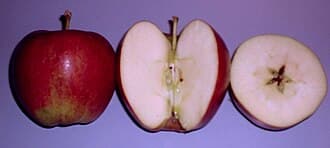 Braeburn Apple
 Brandywine Tomato
 Bull's Blood Beet
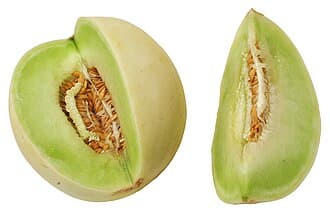 Casaba Melon
 Catawba Grape
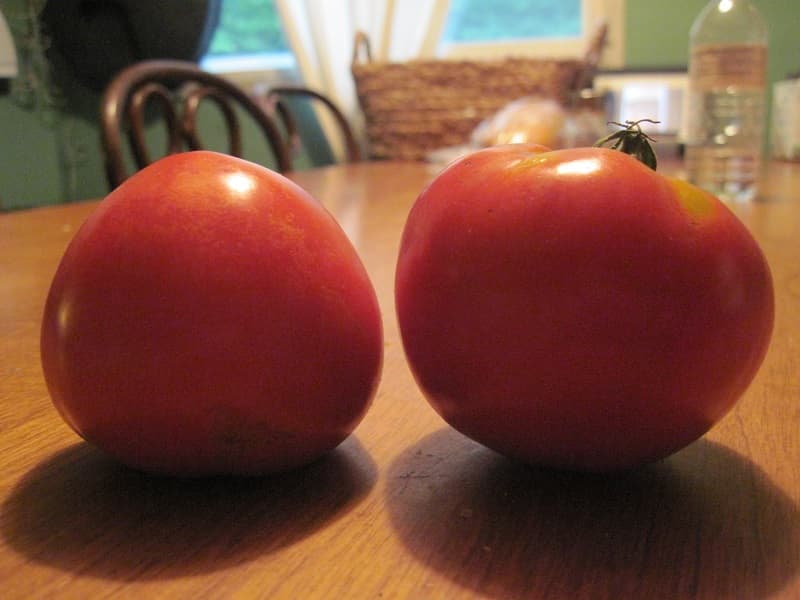 Celebrity Tomato
 Chantenay Carrot
 Charleston Gray Watermelon
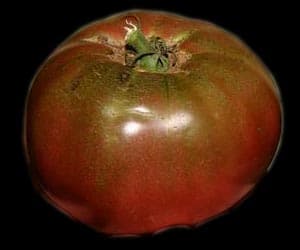 Cherokee Purple Tomato
 Cherry Belle Radish
 Chioggia Beet
 Cipollini Onion
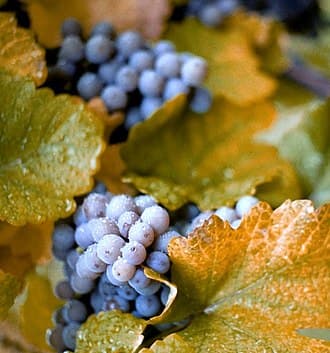 Concord Grape
 Cornelian Cherry
 Cortland Apple
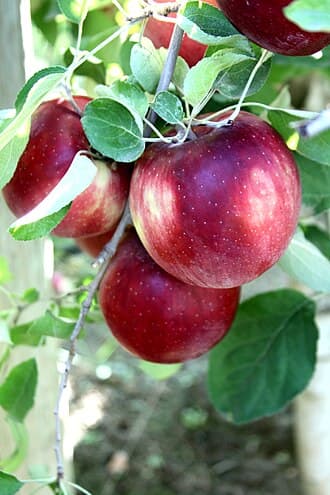 Cosmic Crisp Apple
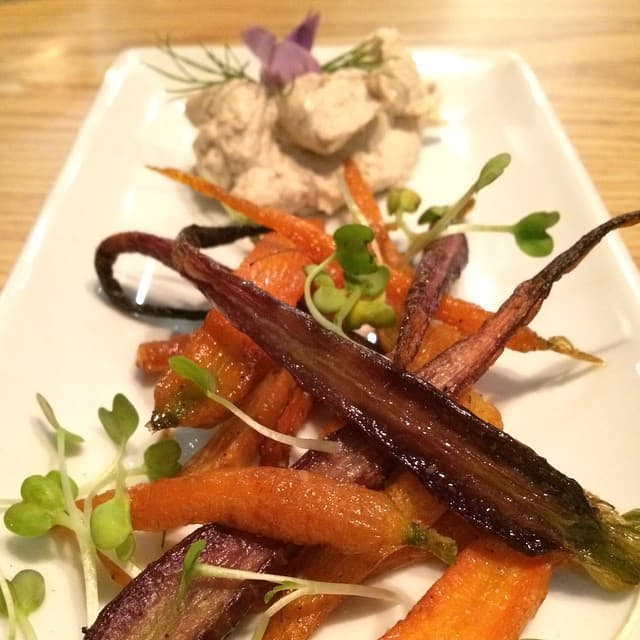 Cosmic Purple Carrot
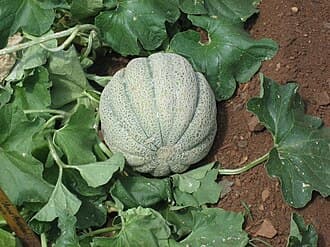 Crenshaw Melon
 Crimson Sweet Watermelon
 Cylindra Beet
 Daikon Radish
 Damson Plum
 Danvers Carrot
 Detroit Dark Red Beet
 Dragon Carrot
 Early Girl Tomato🌸Easter Egg Radish
 Egyptian Walking Onion🥕French Breakfast Radish
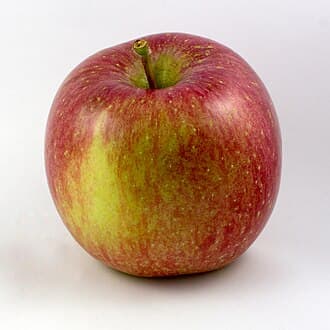 Fuji Apple
 Gala Apple
 Galia Melon🍅German Queen Tomato
 Golden Beet
 Granny Smith Apple
 Green Cabbage
 Green Zebra Tomato
 Hakurei Turnip
 Honeycrisp Apple
 Honeydew Melon
 Imperator Carrot
 Indigo Rose Tomato
 January King Cabbage🍉Jubilee Watermelon
 Juliet Grape Tomato
 Kellogg's Breakfast Tomato🍅La Roma IV Tomato
 Lemon Boy Tomato
 McIntosh Apple
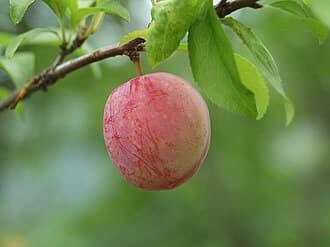 Methley Plum🍉Mini Love Watermelon🥕Mokum Carrot
 Montmorency Cherry🍉Moon and Stars Watermelon🍅Mortgage Lifter Tomato
 Mr. Stripey Tomato
 Muscadine Grape
 Nanking Cherry
 Nantes Carrot
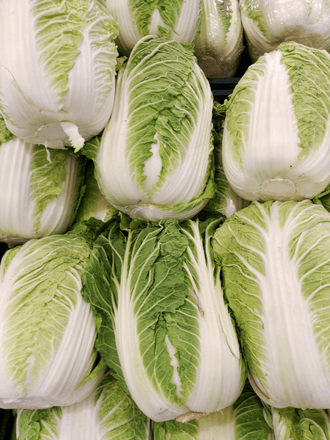 Napa Cabbage
 Niagara Grape🍉Orangeglo Watermelon
 Oregon Grape🥕Paris Market Carrot
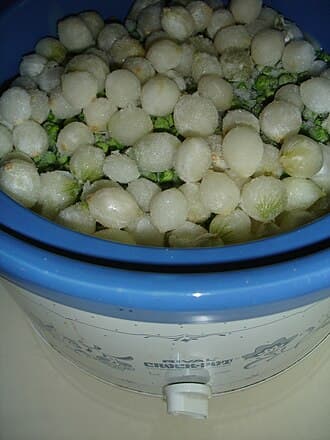 Pearl Onion
 Pineapple Tomato
 Pink Lady Apple
 Pomegranate
 Purple Top Turnip
 Rainier Cherry
 Red Cabbage
 Red Delicious Apple🧅Red Onion
 Roma Tomato🍅Rutgers Tomato
 San Marzano Tomato
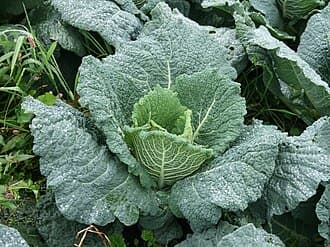 Savoy Cabbage🧅Spanish Onion
 Stanley Plum🍅Striped German Tomato
 Sugar Apple
 Sugar Baby Watermelon🍅Sungold Cherry Tomato
For educational and informational purposes only. Disease management advice is general guidance drawn from university cooperative extension sources; always identify a problem positively and read and follow the label on any product before use, especially around food crops, children, and pets.