
Tomato Spotted Wilt Virus
Tomato spotted wilt virus
A damaging plant virus spread by tiny thrips that infects tomatoes, peppers, lettuce, and hundreds of other plants. It stunts and deforms the plant and marks the leaves and fruit with rings and bronzed, dead patches. There is no cure, so control means managing the thrips that carry it and removing infected plants fast.
🔎 How to spot it
Look for stunted, one-sided, or distorted growth with leaves showing bronzing, dark brown to black spots, and dead patches, often as distinct concentric ring spots. Growing tips may blacken and die back. On fruit, especially tomato and pepper, watch for pale or yellow rings and blotches that make it mottled and unmarketable. Symptoms vary widely and can mimic other problems.
🥀 Damage it causes
Infected plants are stunted, deformed, and unproductive, and the virus stays in the plant for life. Fruit is often ringed, mottled, and unusable, and plants infected young may set little or no crop. Because the virus has a huge host range, infected plants and weeds become reservoirs that thrips spread to healthy plants.
🔬 What causes it
Tomato spotted wilt is caused by a virus carried by thrips, especially the western flower thrips. Only the larvae can pick the virus up, by feeding on an infected plant, and the adults then carry and inject it for the rest of their lives as they feed. The virus overwinters in many weeds and ornamentals, and infected transplants can bring it into the garden.
🛡️ Prevent it
Start with virus-free, thrips-free transplants and grow resistant tomato and pepper varieties, marked with genes such as Sw-5, where available. Control thrips and keep down the weeds in and around the garden that host both the virus and the insect. Reflective mulches deter thrips, and floating row cover can protect young plants. Remove infected plants promptly.
🧯 If it is already here
There is no cure for an infected plant, so pull and destroy suspected plants quickly, even at the seedling stage, so thrips cannot spread the virus from them, and do not compost them. Manage thrips on the remaining plants and clear nearby weed reservoirs. Resistant varieties and clean transplants prevent far more than any spray can fix.
💡 Good to know
Tomato spotted wilt is easy to confuse with other troubles because its symptoms are so variable, but the bronzing and concentric ring spots, plus the presence of thrips, point to it. Since the virus rides on thrips and overwinters in weeds, the most effective steps are resistant varieties, clean transplants, and steady thrips and weed control rather than treating sick plants.
🌱 Plants it affects
312 plants in the library can be affected by this problem
 Adirondack Blue Potato
 Adzuki Bean
 African Marigold
 Agapanthus
 Ageratum
 Aji Amarillo Pepper
 Alice du Pont Mandevilla🥔All Blue Potato
 Amethyst Falls Wisteria
 Amish Paste Tomato
 Anaheim Pepper
 Anemone
 Angelique Tulip
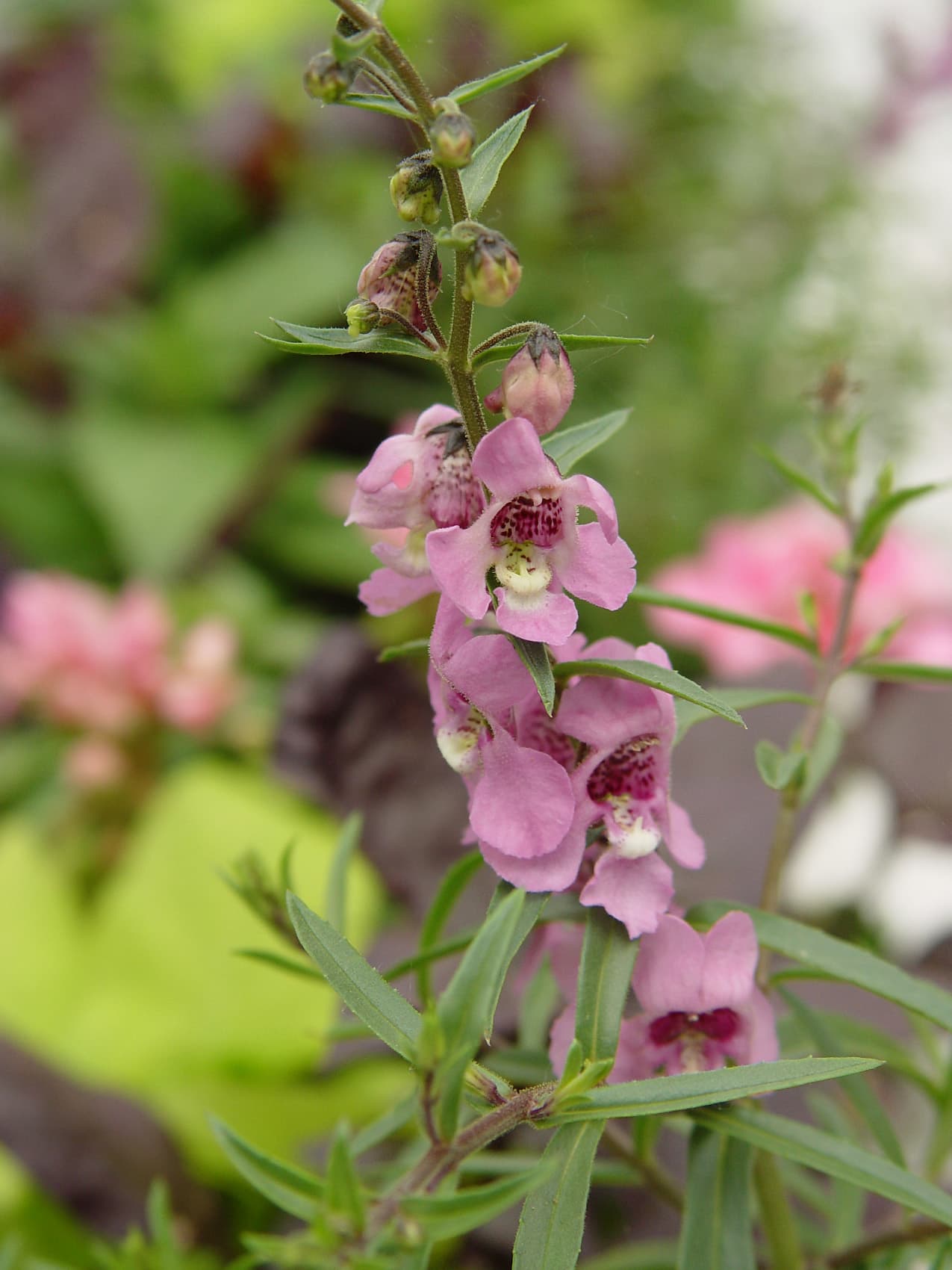 Angelonia
 Annabelle Smooth Hydrangea
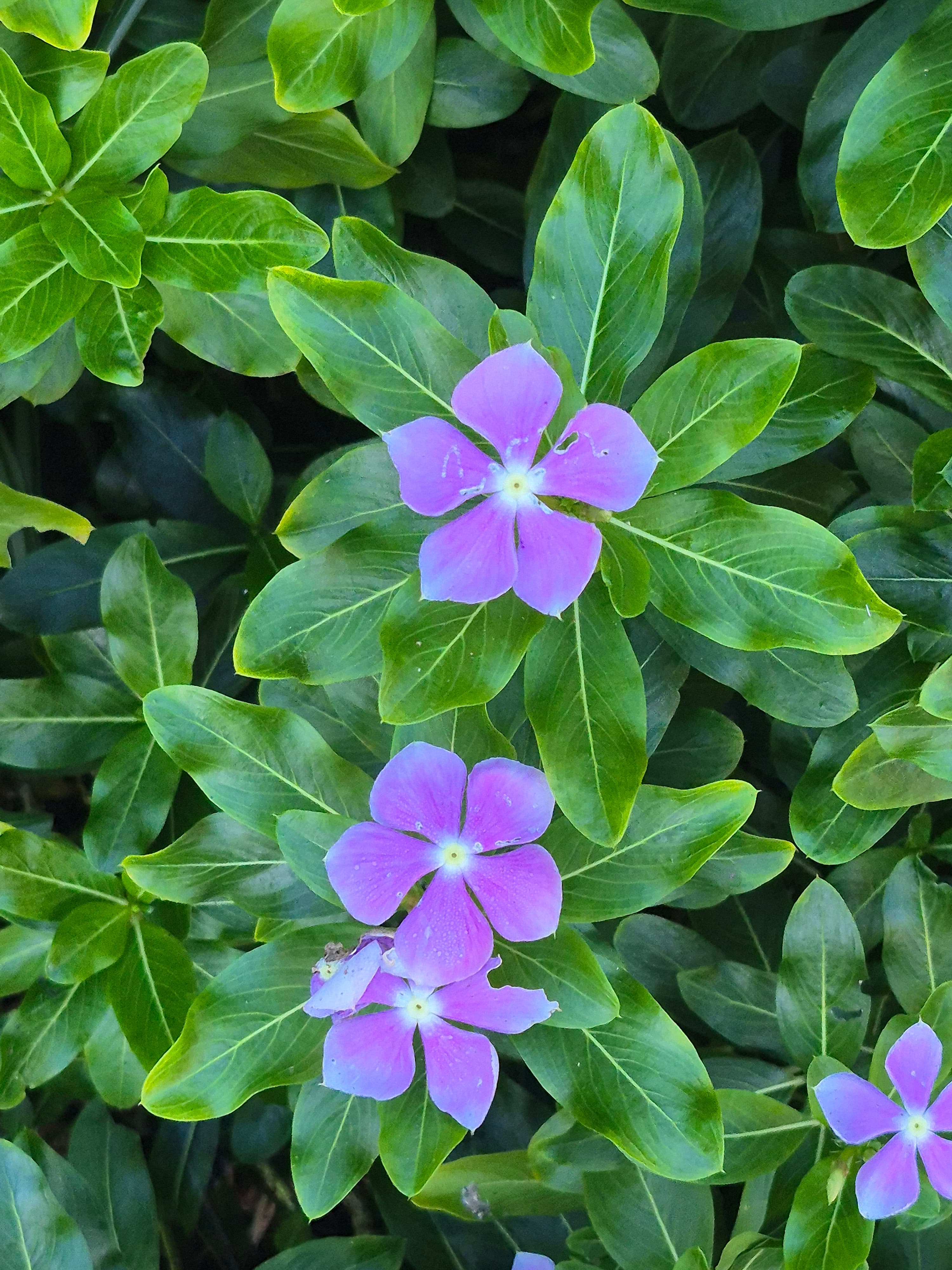 Annual Vinca
 Apeldoorn Tulip
 April Tryst Camellia
 Arizona Sun Blanket Flower
 Arugula
 August Beauty Gardenia
 Autumn Joy Sedum
 Bachelor's Button
 Banana Pepper
 Barbara Karst Bougainvillea
 Beauregard Sweet Potato
 Becky Shasta Daisy
 Bee Balm🍅Beefmaster Tomato
 Benarys Giant Zinnia
 Bengal Tiger Canna
 Better Boy Tomato🥬Bibb Lettuce🍅Big Beef Tomato
 Big Boy Tomato
 Black Bean
 Black Beauty Eggplant
 Black Cherry Tomato
 Black Krim Tomato🥬Black Seeded Simpson Lettuce
 Black-Eyed Pea
 Black-eyed Susan Vine
 Blood Orange
 Bloomsdale Spinach
 Blue Bird Delphinium
 Blue Bird Rose of Sharon
 Blue Fescue
 Blue Lake Green Bean🍅Box Car Willie Tomato
 Brandywine Tomato
 Broad Windsor Fava Bean
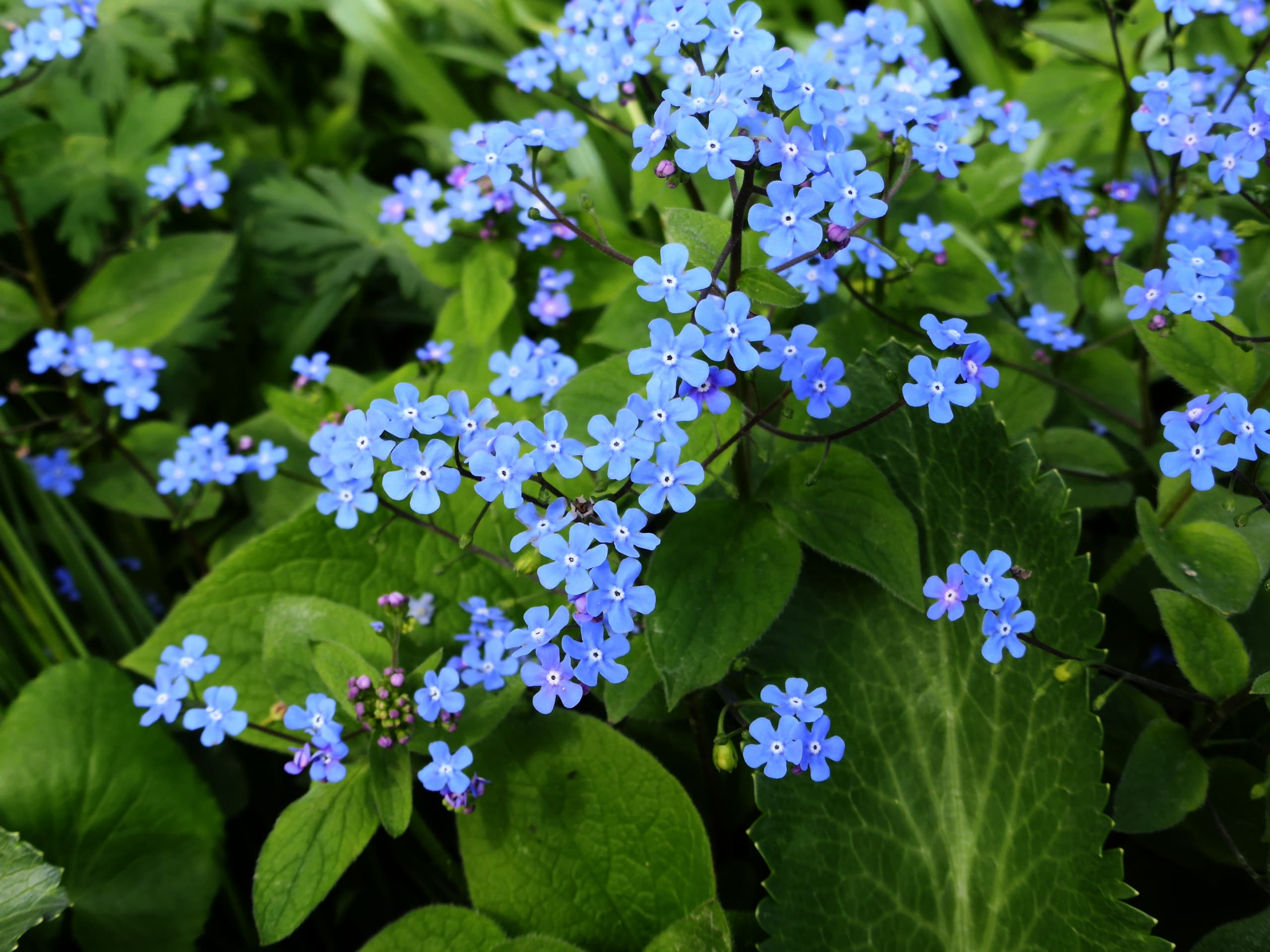 Brunnera
 Burning Bush
 Buttercrunch Lettuce
 Butterfly Blue Pincushion Flower
 Butterfly Marguerite Daisy
 Butterfly Weed
 Cafe au Lait Dahlia
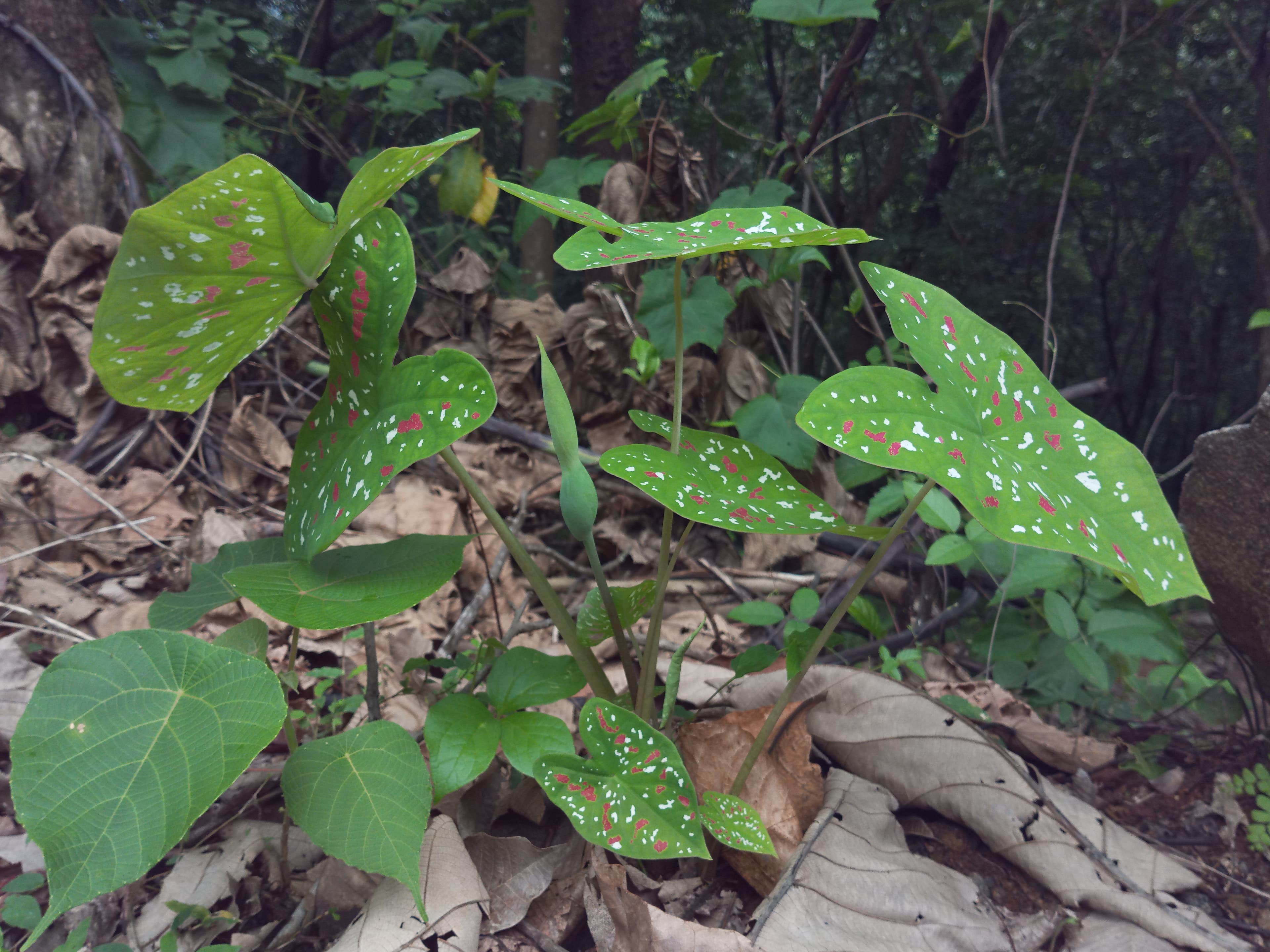 Caladium
 Calendula
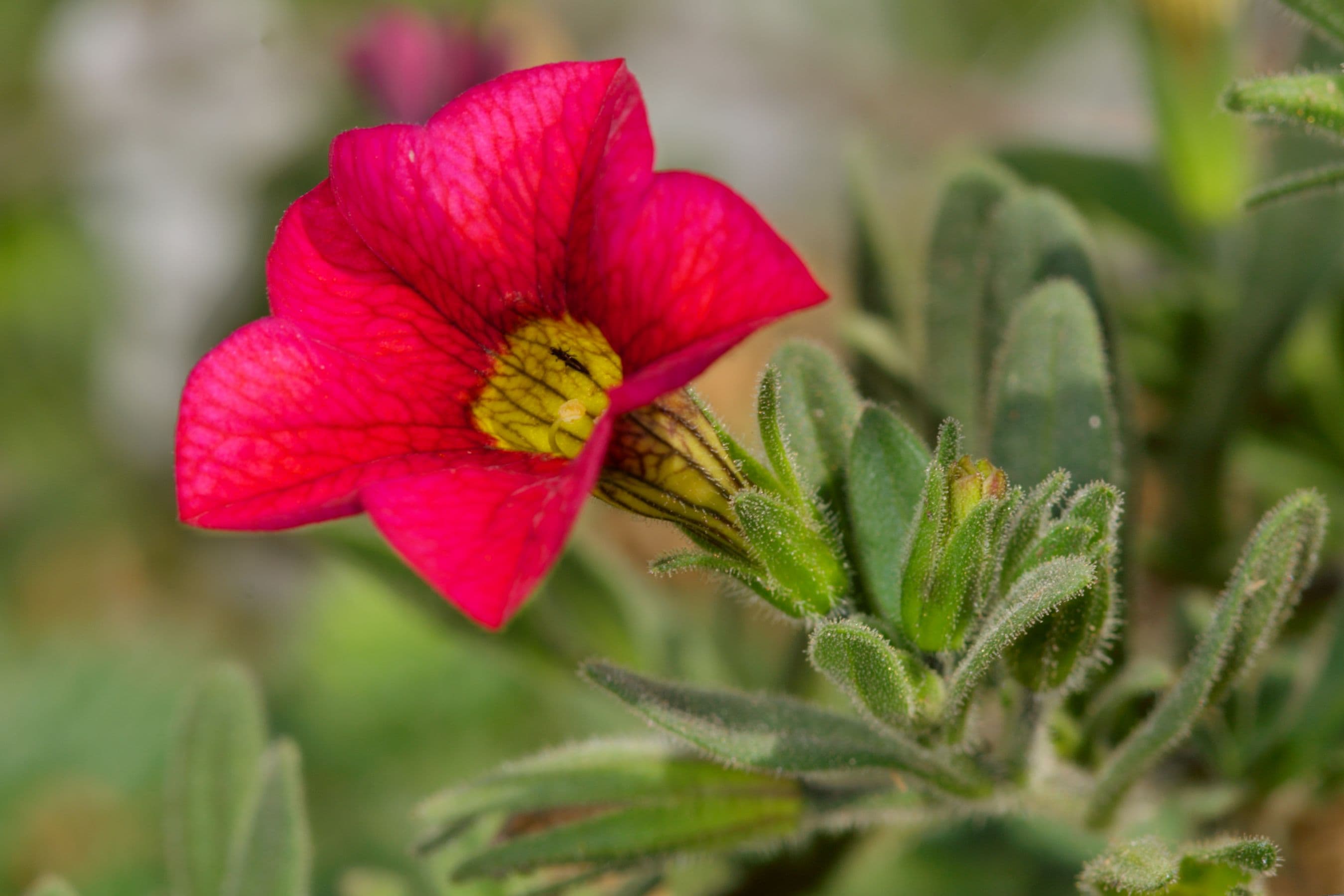 Calibrachoa
 California Giant Zinnia
 California Poppy
 Campanula
 Cannellini Bean
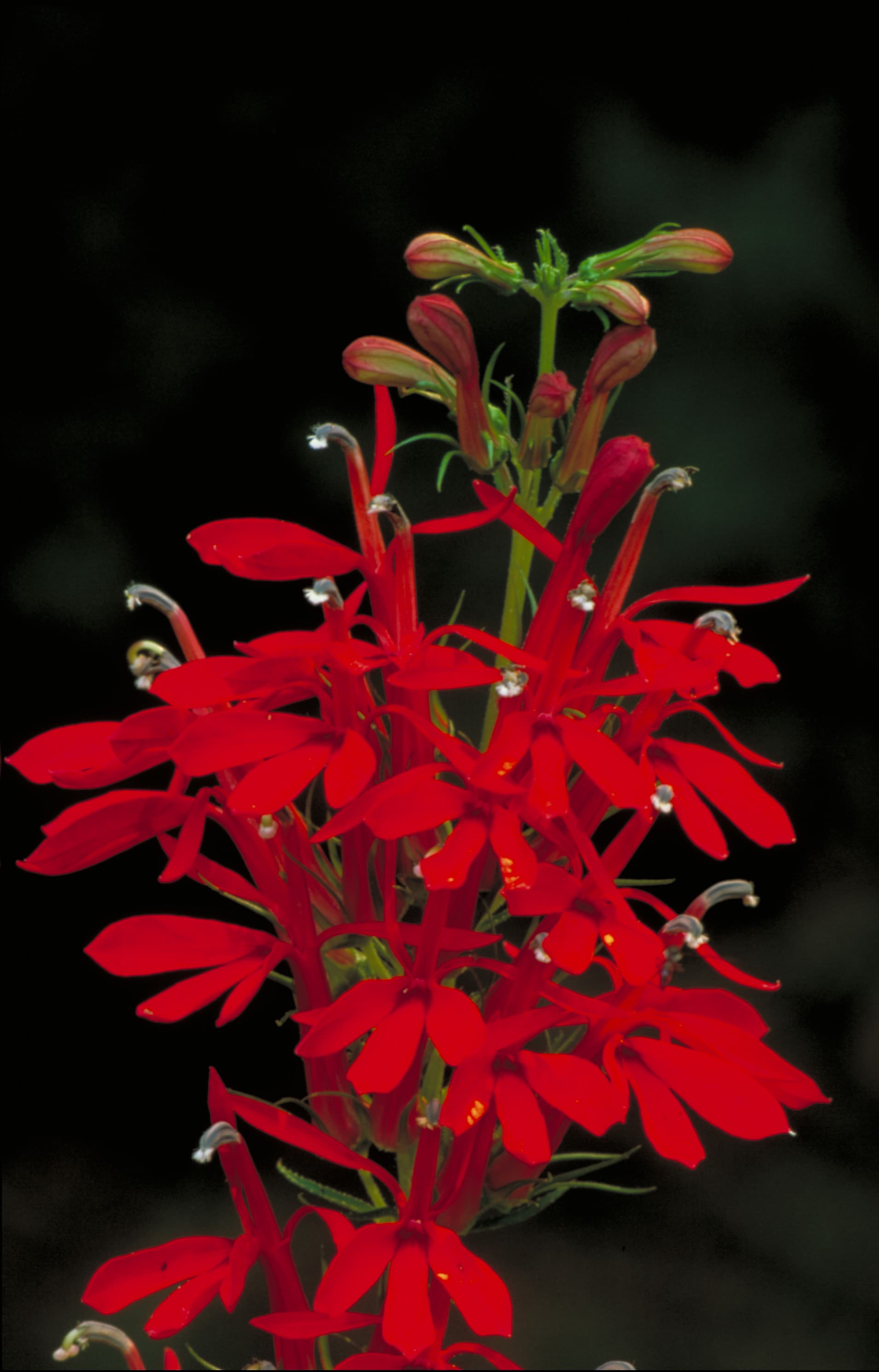 Cardinal Flower
 Carolina Geranium
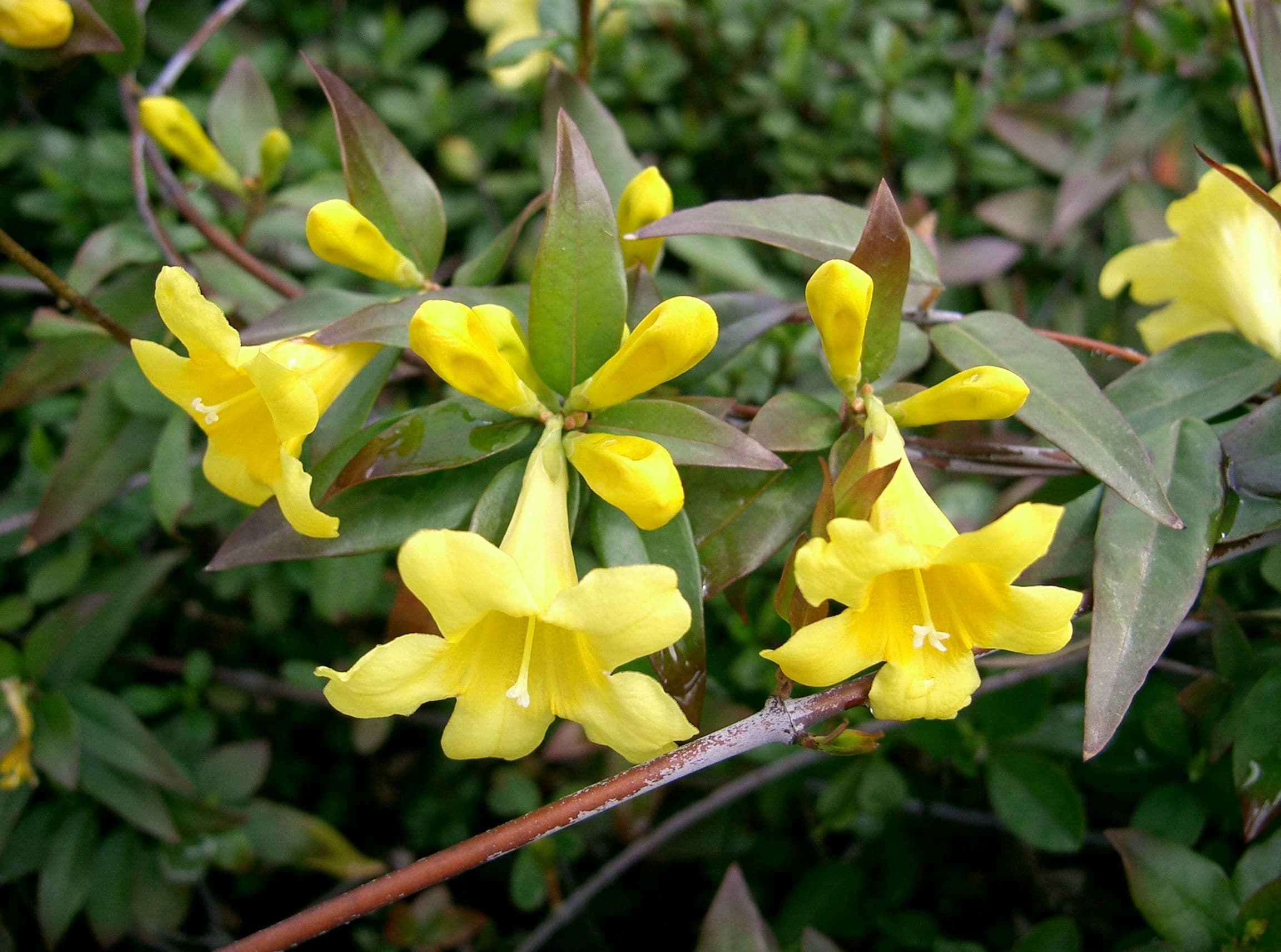 Carolina Jessamine
 Carolina Reaper Pepper
 Cayenne Pepper
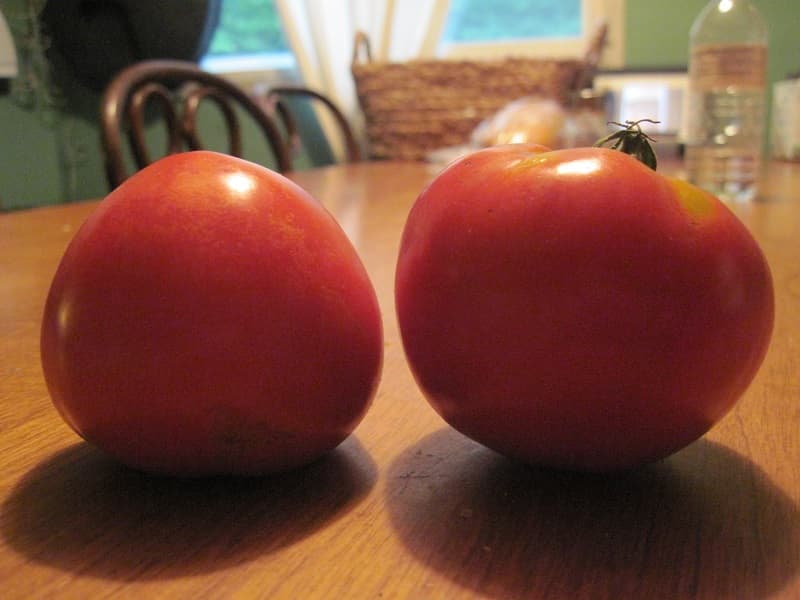 Celebrity Tomato
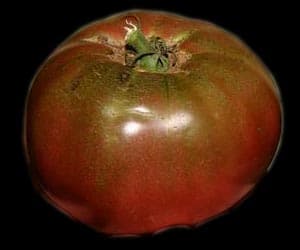 Cherokee Purple Tomato
 Chicory
 Climbing Hydrangea
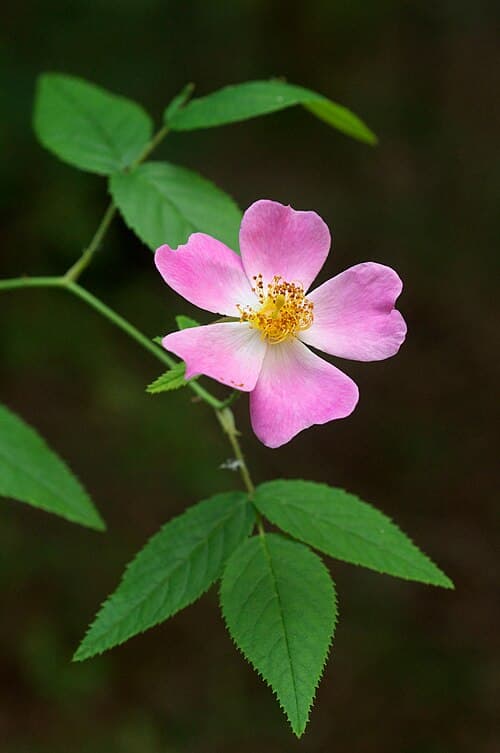 Climbing Prairie Rose
 Cocktail Vodka Begonia
 Coleus
 Collard Greens
 Coral Drift Groundcover Rose
 Cosmos
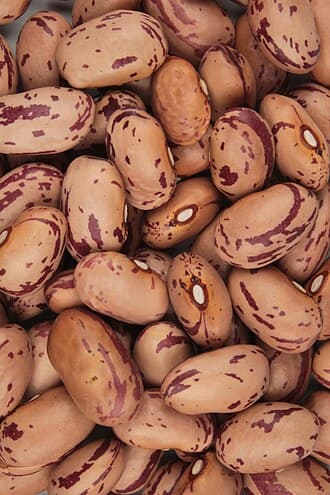 Cranberry Bean
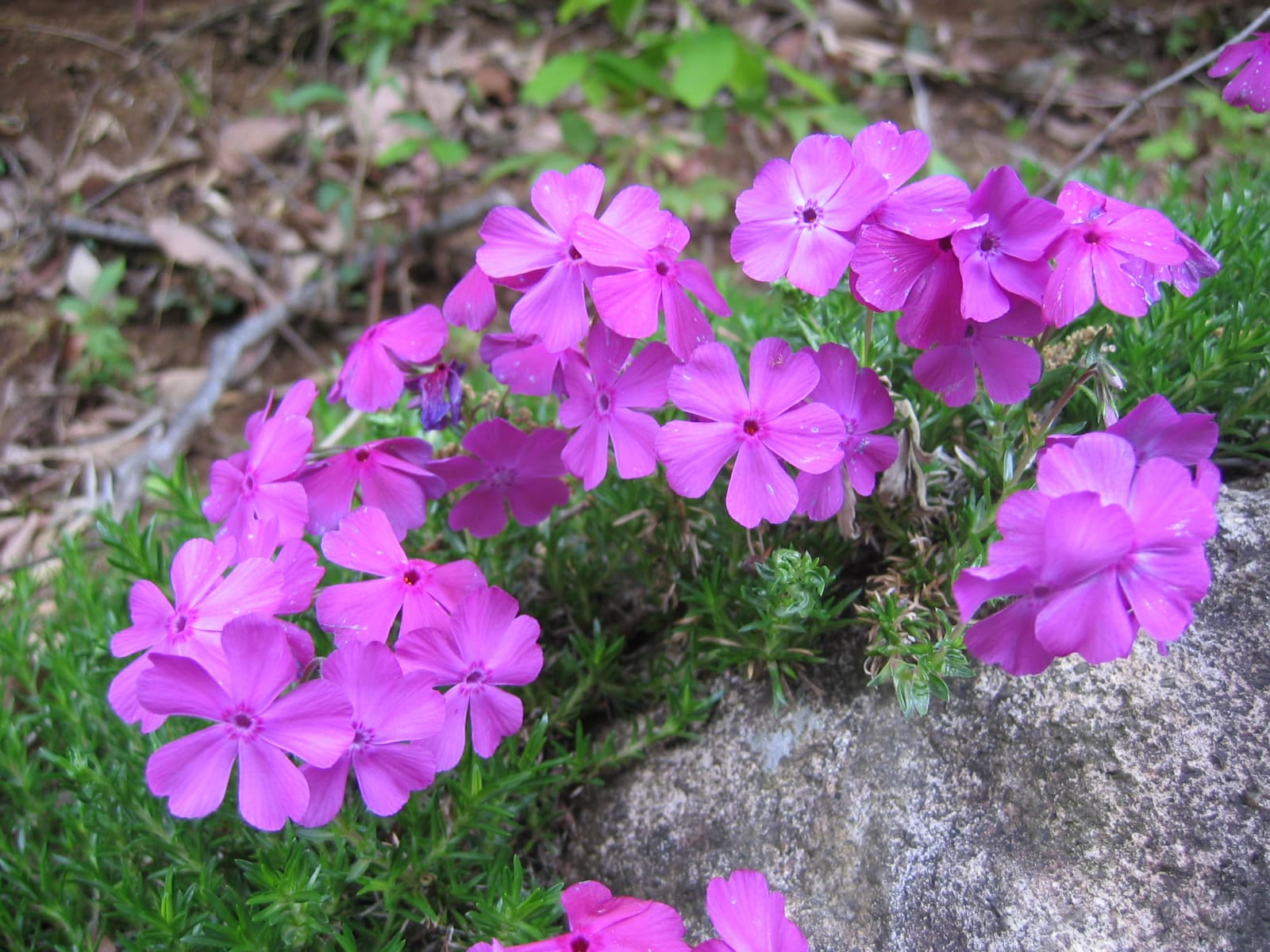 Creeping Phlox
 Cubanelle Pepper
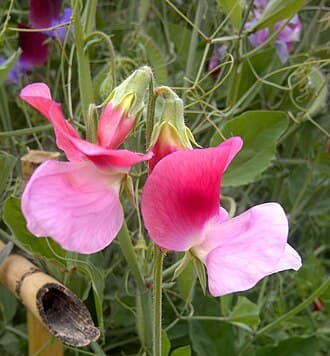 Cupani Sweet Pea
 Dandelion
 David Garden Phlox
 Delft Blue Hyacinth
 Denim n Lace Russian Sage
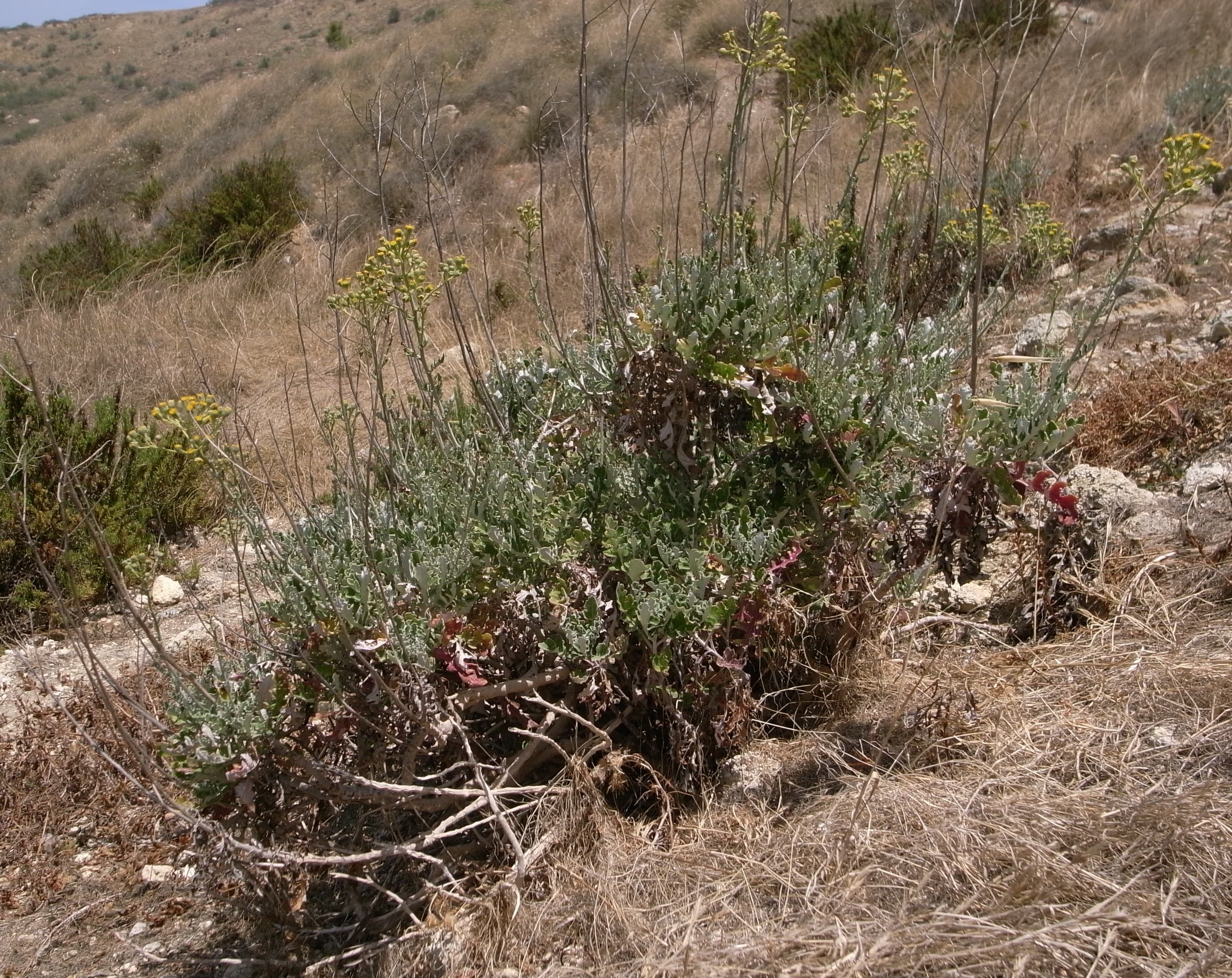 Dusty Miller
 Dutch Master Daffodil
 Early Girl Tomato
 Eastern Red Columbine
 Endive
 Endless Summer Hydrangea
 English Lavender
 English Shelling Pea
 Evening Primrose
 Fairy Tale Eggplant
 Fanal Astilbe
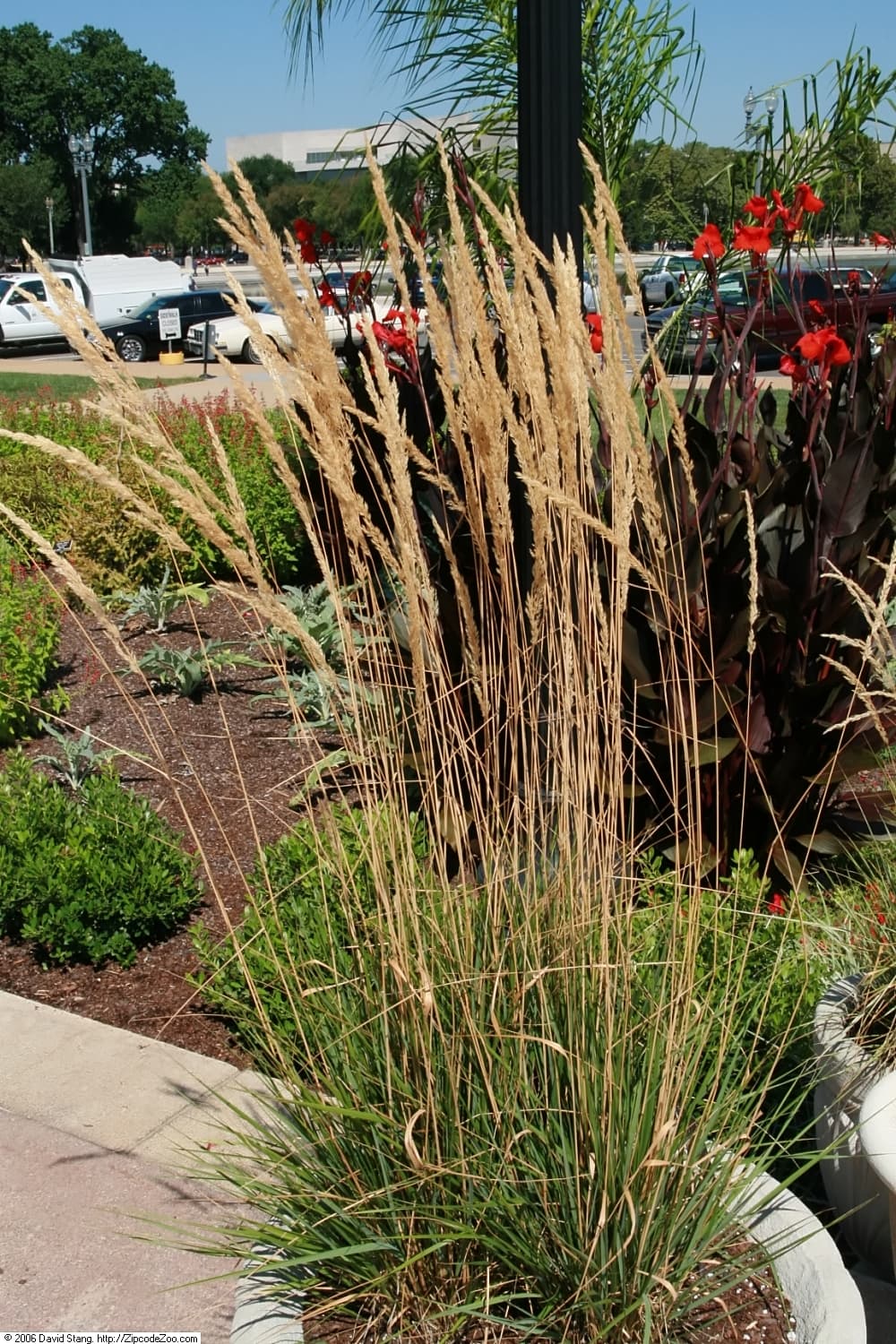 Feather Reed Grass
For educational and informational purposes only. Disease management advice is general guidance drawn from university cooperative extension sources; always identify a problem positively and read and follow the label on any product before use, especially around food crops, children, and pets.