
Blister Beetles
Family Meloidae
Slender, soft-bodied beetles that can descend on a garden in swarms and defoliate plants fast, then vanish. Blister beetles chew leaves and flowers of tomatoes, beans, potatoes, and many other plants, and they carry an irritating chemical, cantharidin, that can blister skin, so they are handled with care.
🔎 How to spot it
Look for elongated, narrow beetles, half an inch to an inch long, with a distinct narrow neck behind the head and soft, flexible wing covers. They come in solid black or gray or in stripes of yellow or orange and black. They often appear suddenly in groups, clustered on and defoliating a few plants, especially flowers and tender foliage, then move on.
🥀 Damage it causes
Blister beetles chew leaves, flowers, and sometimes fruit, and a swarm can defoliate plants quickly, hitting tomatoes, potatoes, beans, beets, chard, and many flowers. They tend to feed in groups along field edges, so damage is often patchy and concentrated. Their numbers and damage can build fast and then disappear as the beetles move on.
🛡️ Prevent it
Scout regularly during summer, especially edges and flowering plants, so you catch a group before it spreads. Floating row cover keeps them off vulnerable plants. Their larvae are actually beneficial, feeding on grasshopper eggs in the soil, so blister beetle outbreaks often follow grasshopper years; managing grasshoppers indirectly limits them.
🧯 If it is already here
Handpick into soapy water, but wear gloves, because crushed beetles release cantharidin that can blister skin. Knock them from plants into a bucket of soapy water in the cool of morning when they are sluggish. For heavy infestations, labeled insecticides give control, but spot-treat the affected plants rather than blanket-spraying, to spare pollinators and the beneficial larval stage.
💡 Good to know
Take the blistering warning seriously: do not crush blister beetles against bare skin, since their cantharidin can raise a welt, and the same toxin makes them dangerous to horses if baled into hay. Because their larvae eat grasshopper eggs, the beetles tend to surge in the years after big grasshopper populations.
🌱 Plants it attacks
318 plants in the library can be attacked by this pest
 Adirondack Blue Potato
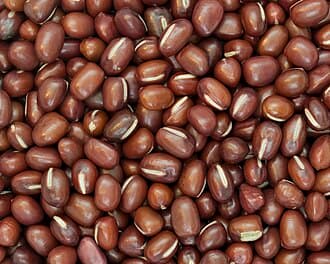 Adzuki Bean
 African Marigold
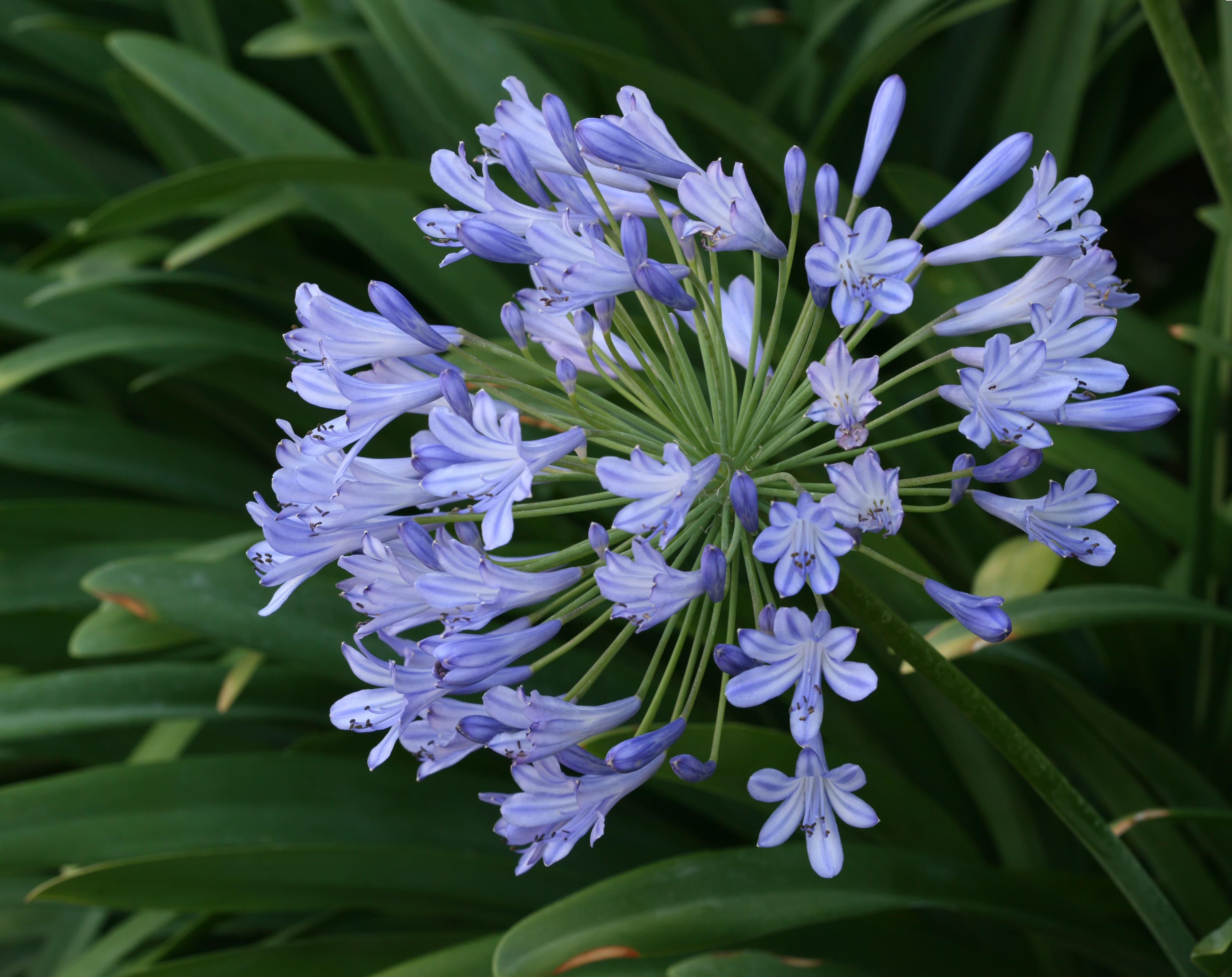 Agapanthus
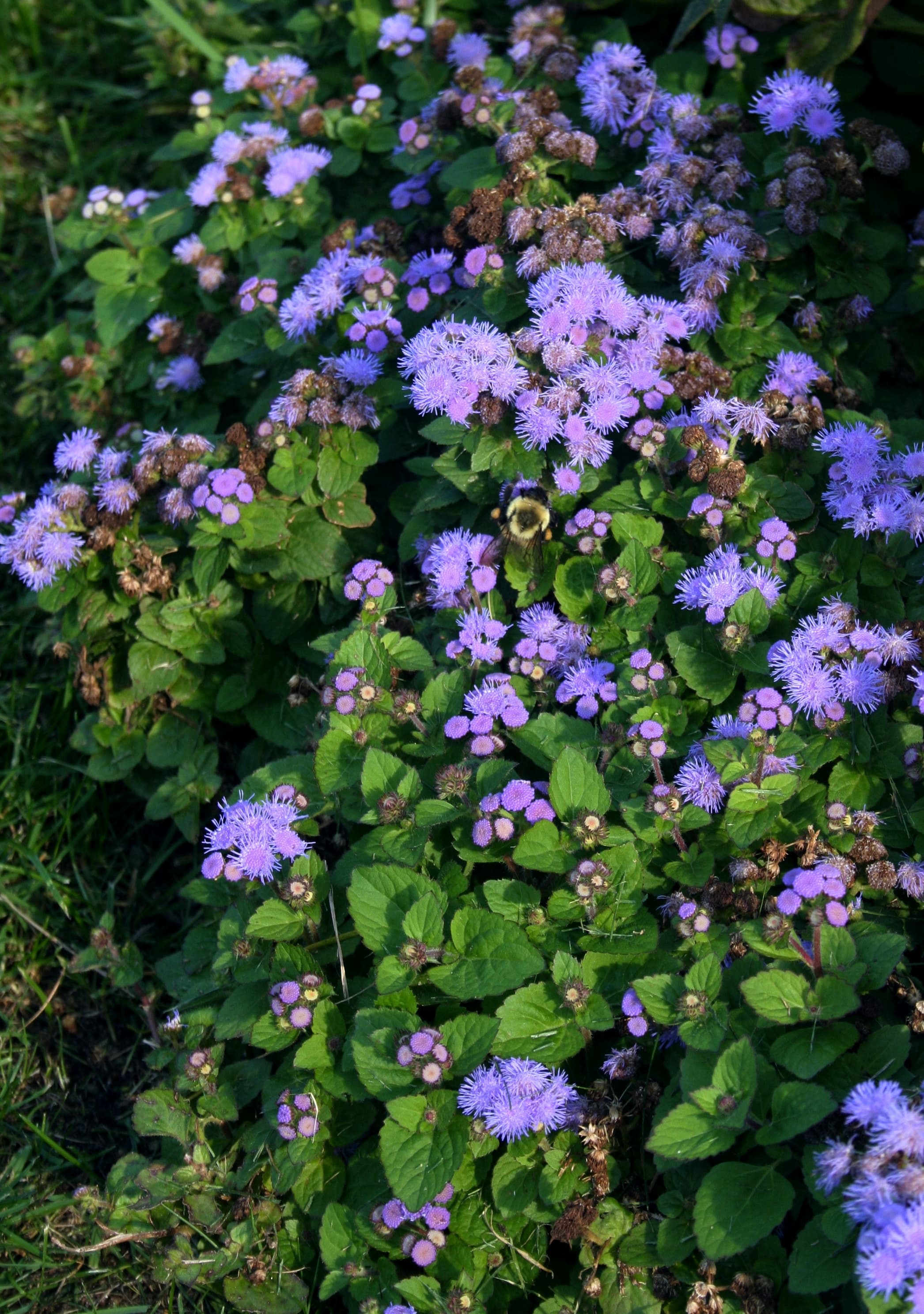 Ageratum
 Aji Amarillo Pepper
 Alice du Pont Mandevilla🥔All Blue Potato
 Amethyst Falls Wisteria
 Amish Paste Tomato
 Anaheim Pepper
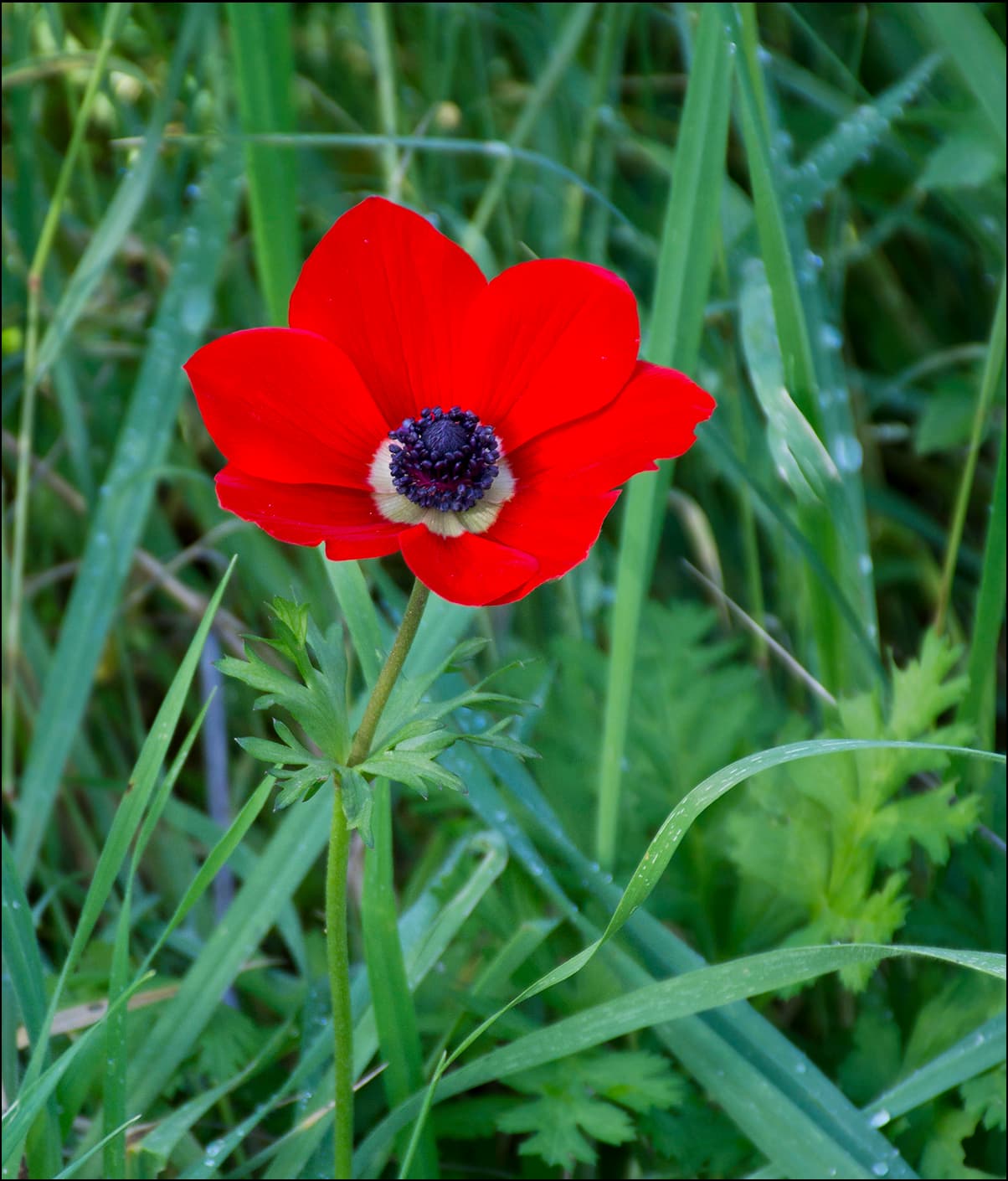 Anemone
 Angelique Tulip
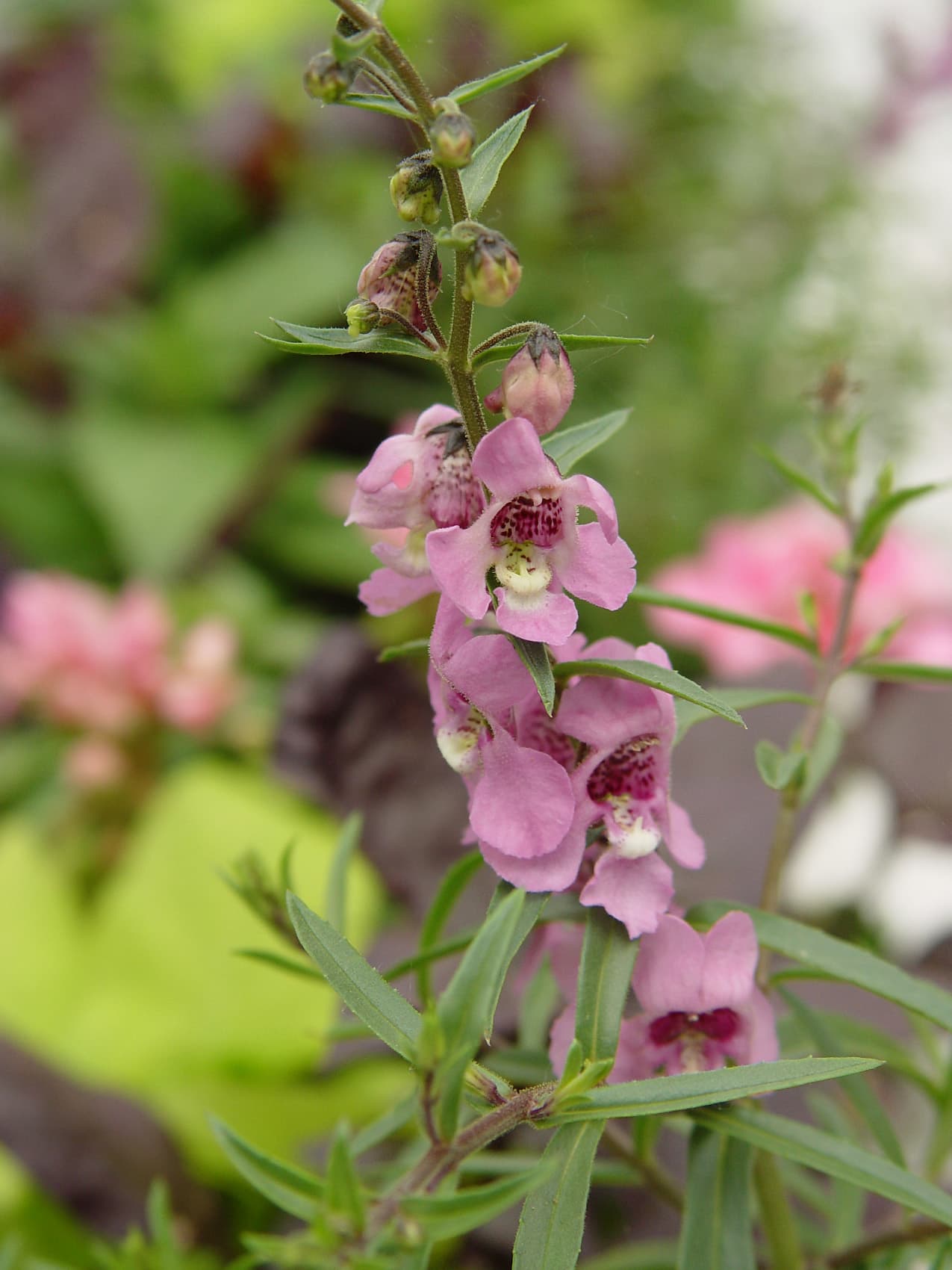 Angelonia
 Annabelle Smooth Hydrangea
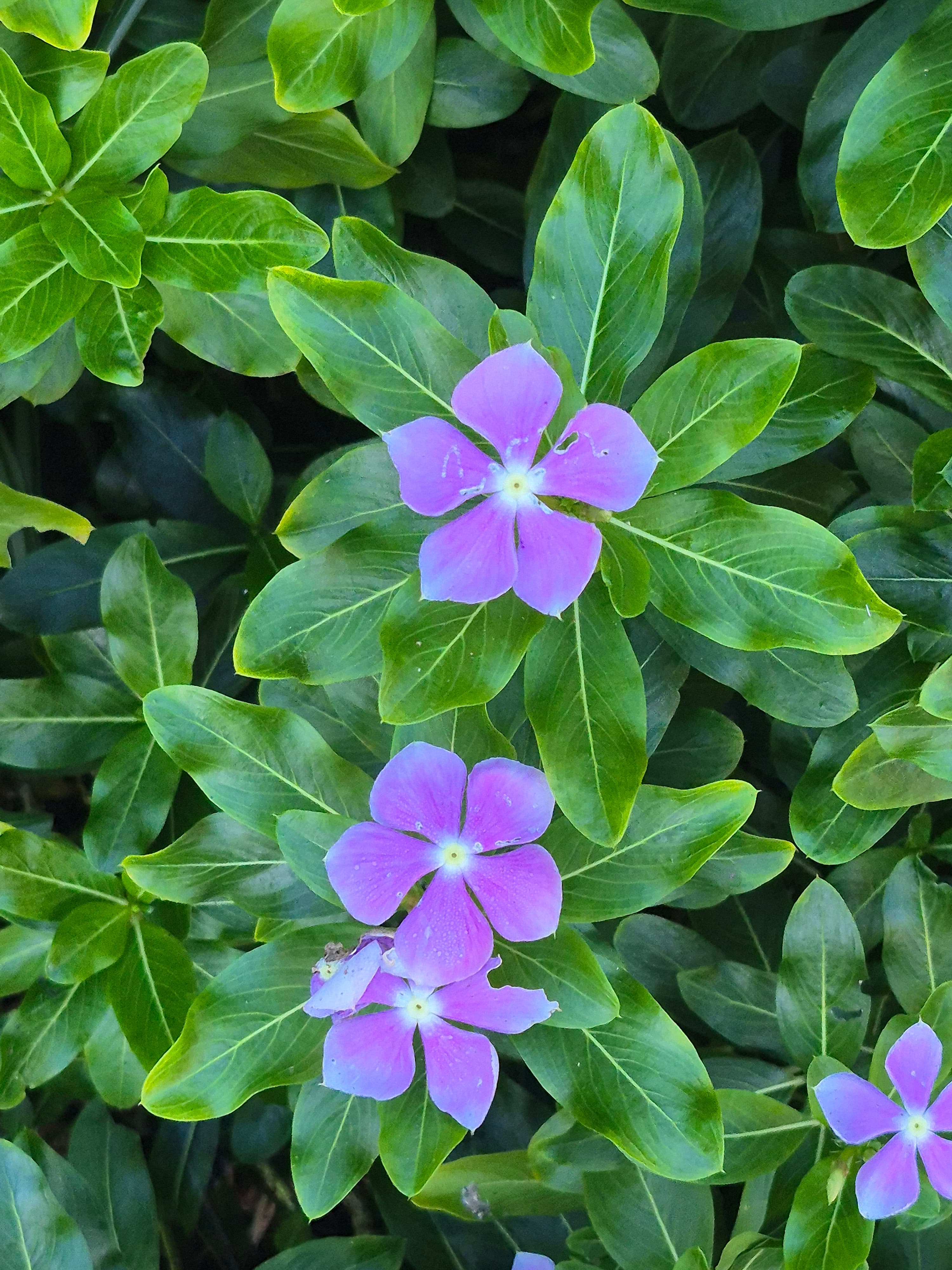 Annual Vinca
 Apeldoorn Tulip
 April Tryst Camellia
 Arizona Sun Blanket Flower
 Arugula
 August Beauty Gardenia
 Autumn Joy Sedum
 Bachelor's Button
 Banana Pepper
 Barbara Karst Bougainvillea
 Beauregard Sweet Potato
 Becky Shasta Daisy
 Bee Balm🍅Beefmaster Tomato
 Benarys Giant Zinnia
 Bengal Tiger Canna
 Better Boy Tomato🥬Bibb Lettuce🍅Big Beef Tomato
 Big Boy Tomato
 Black Bean
 Black Beauty Eggplant
 Black Cherry Tomato
 Black Krim Tomato🥬Black Seeded Simpson Lettuce
 Black-Eyed Pea
 Black-eyed Susan Vine
 Blood Orange
 Bloomsdale Spinach
 Blue Bird Delphinium
 Blue Bird Rose of Sharon
 Blue Fescue
 Blue Lake Green Bean🍅Box Car Willie Tomato
 Brandywine Tomato
 Broad Windsor Fava Bean
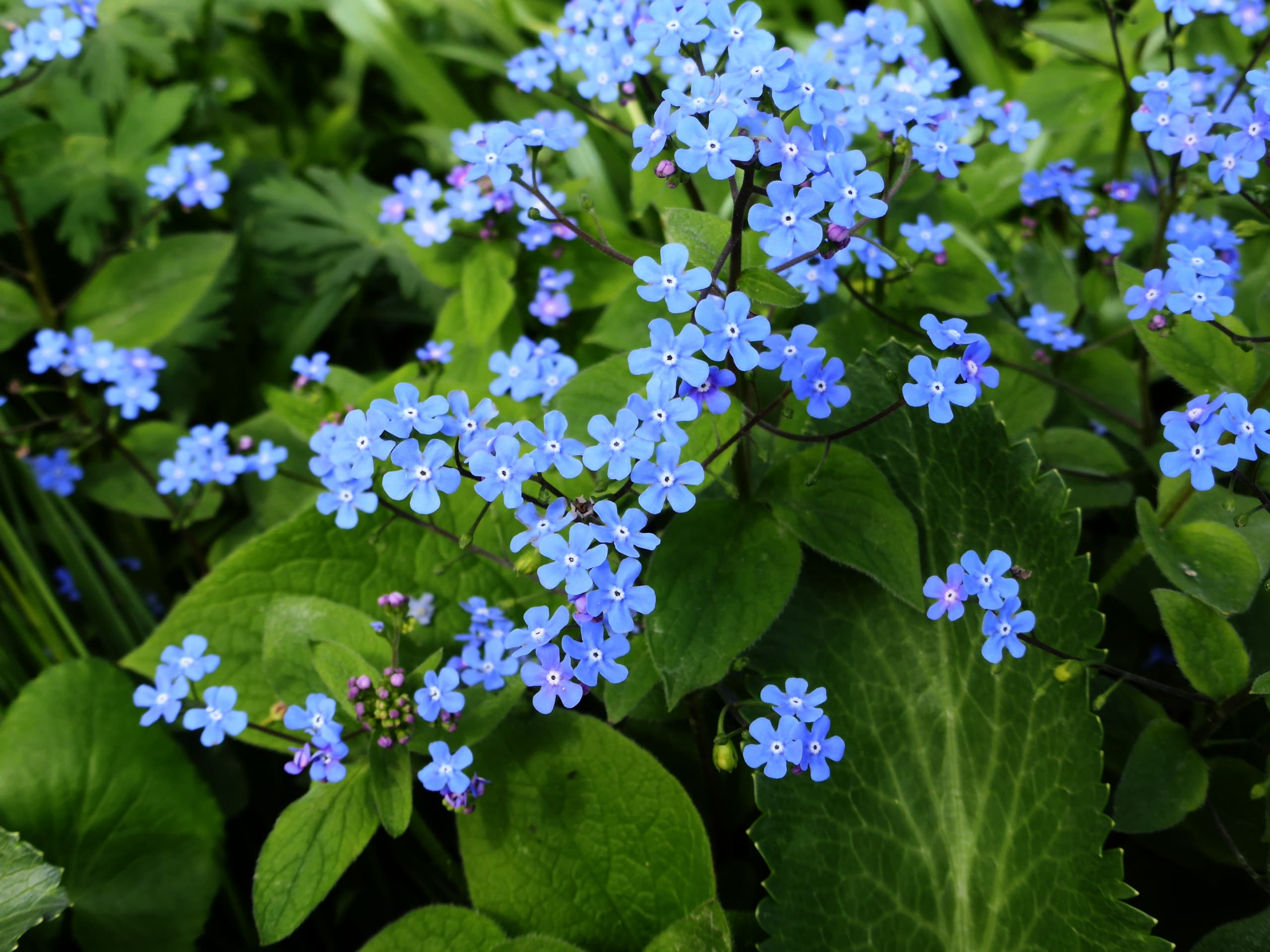 Brunnera
 Bull's Blood Beet
 Burning Bush
 Buttercrunch Lettuce
 Butterfly Blue Pincushion Flower
 Butterfly Marguerite Daisy
 Butterfly Weed
 Cafe au Lait Dahlia
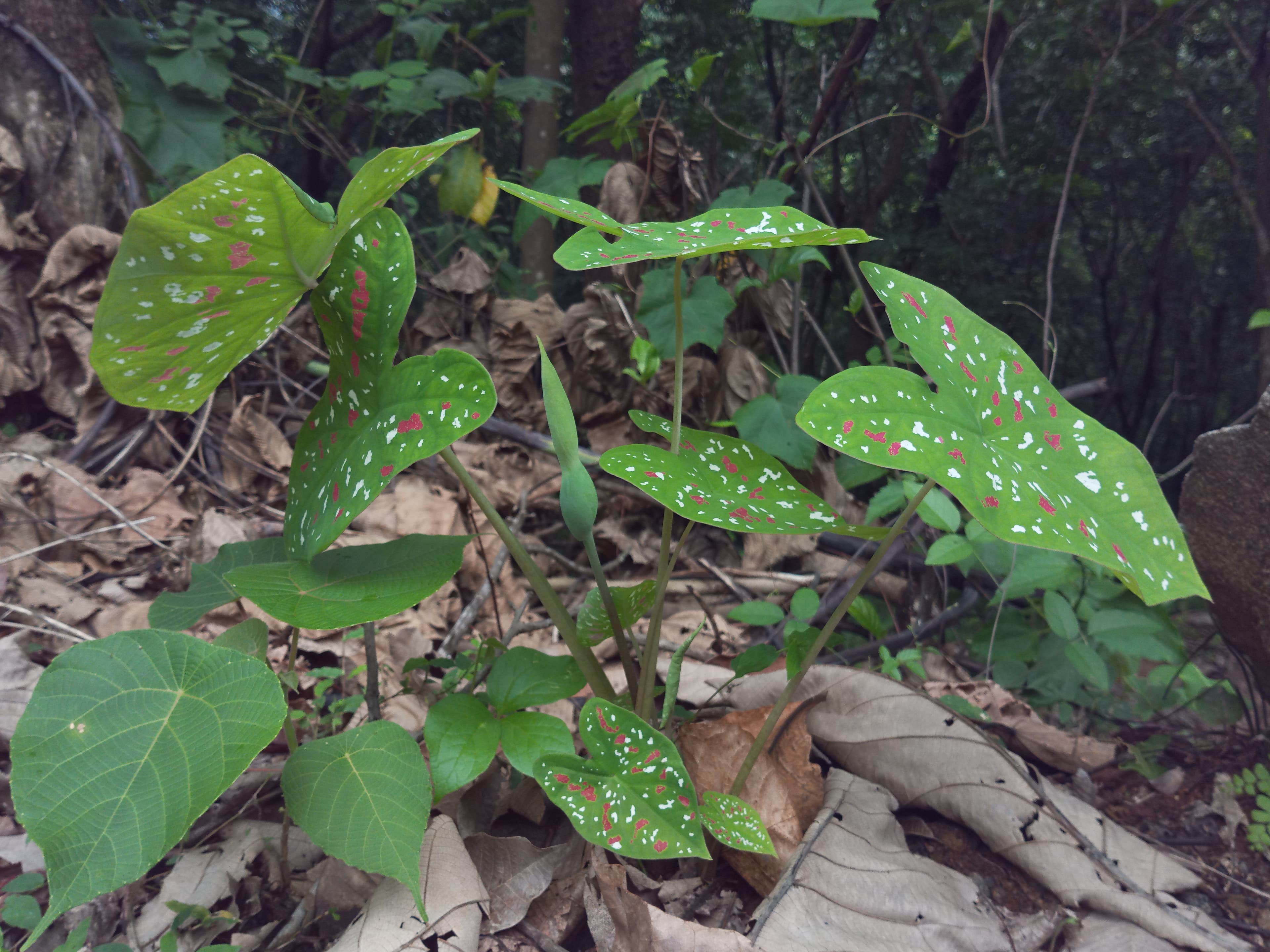 Caladium
 Calendula
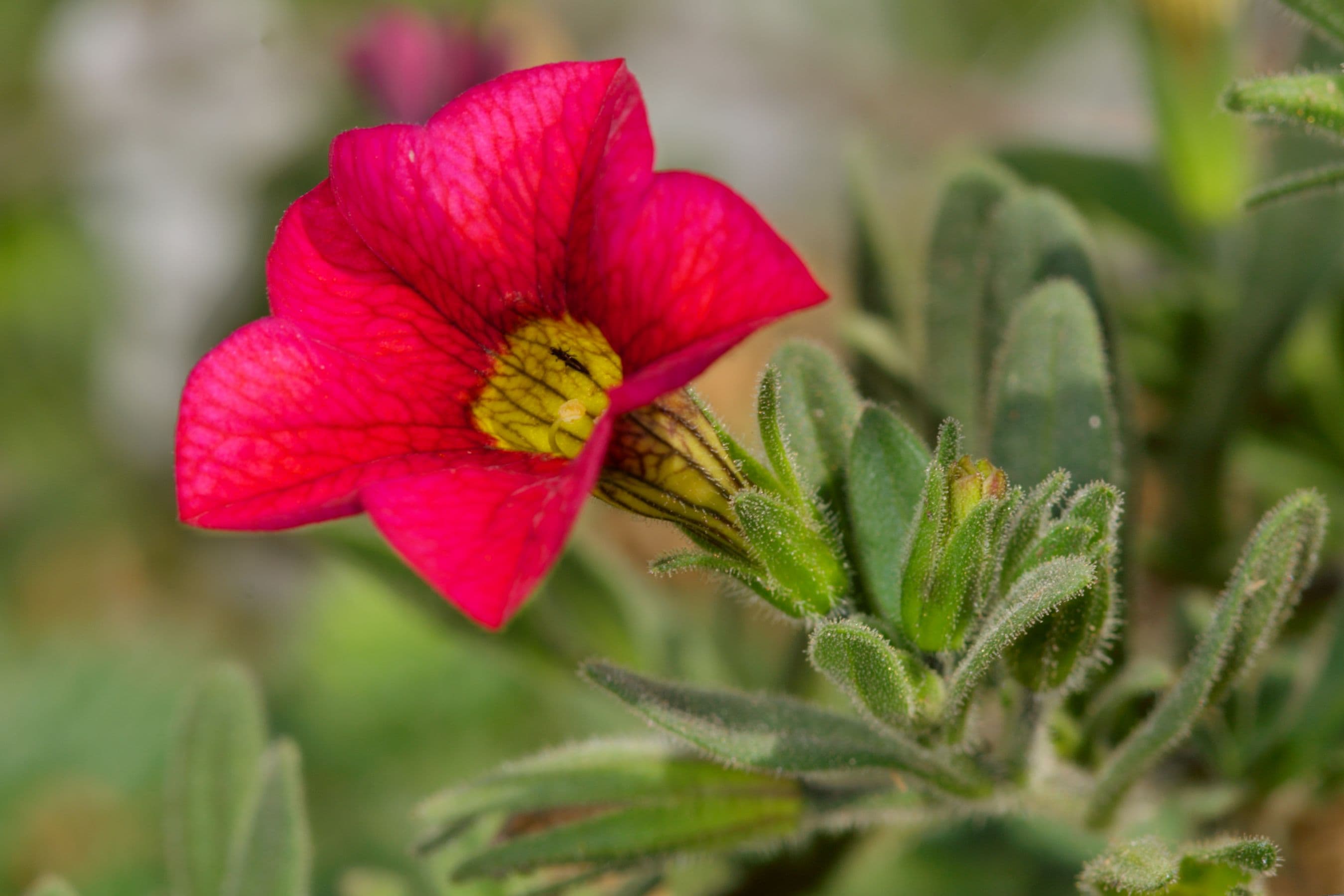 Calibrachoa
 California Giant Zinnia
 California Poppy
 Campanula
 Cannellini Bean
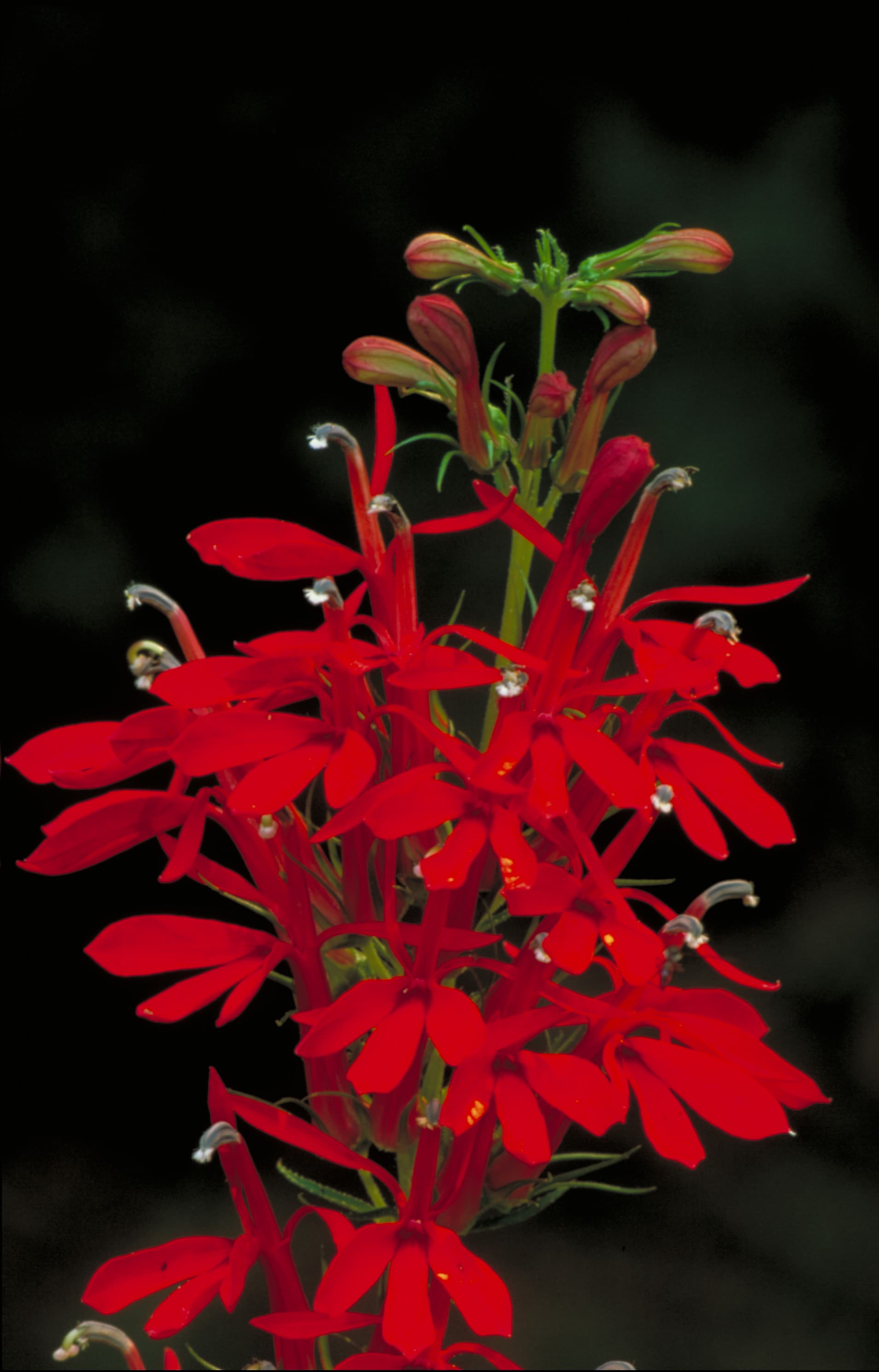 Cardinal Flower
 Carolina Geranium
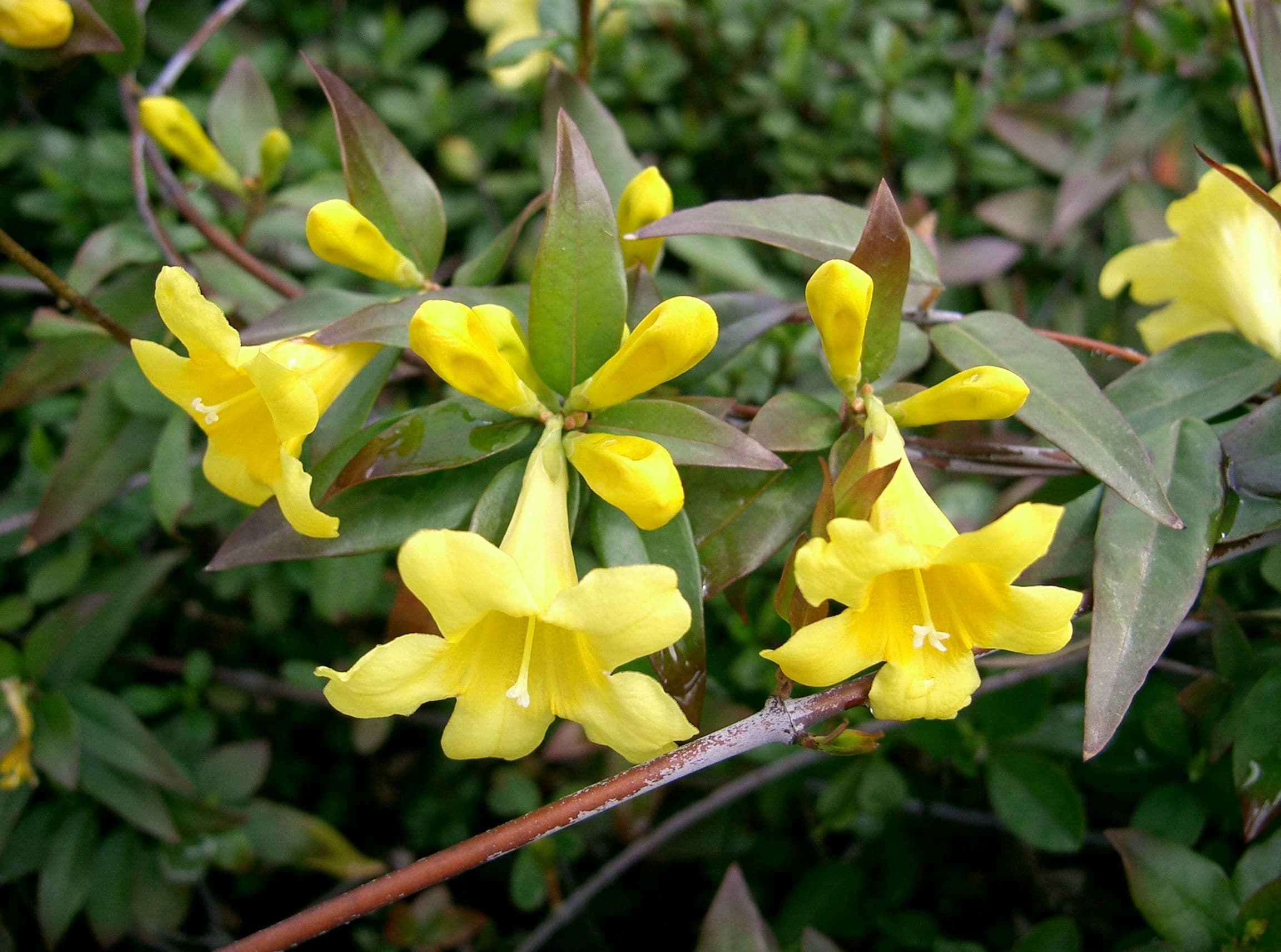 Carolina Jessamine
 Carolina Reaper Pepper
 Cayenne Pepper
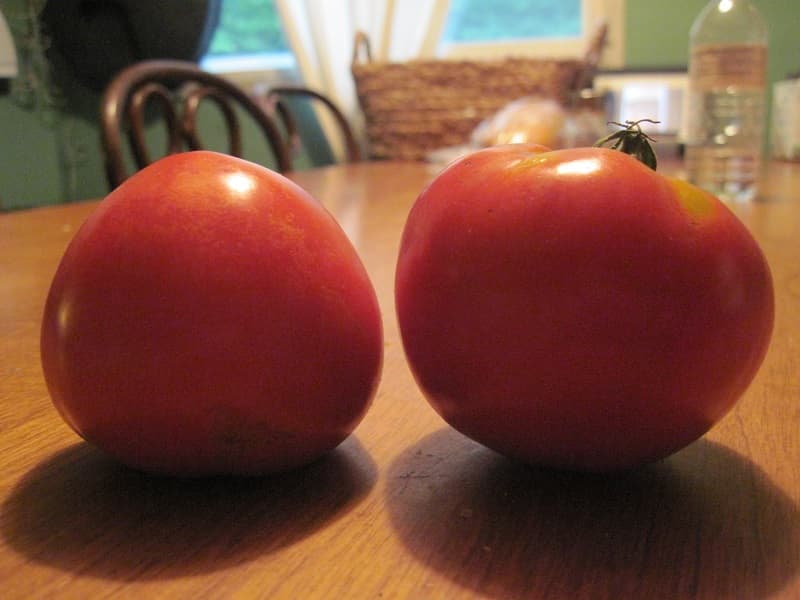 Celebrity Tomato
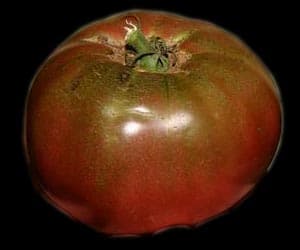 Cherokee Purple Tomato
 Chicory
 Chioggia Beet
 Climbing Hydrangea
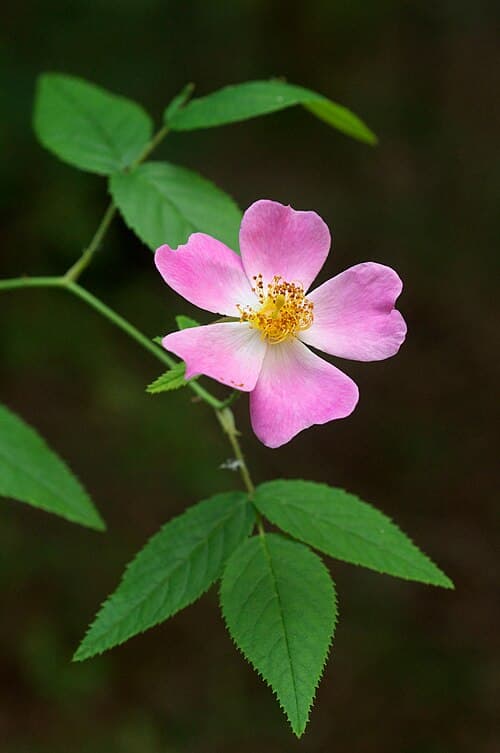 Climbing Prairie Rose
 Cocktail Vodka Begonia
 Coleus
 Collard Greens
 Coral Drift Groundcover Rose
 Cosmos
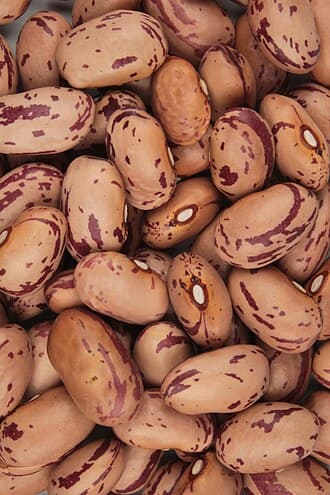 Cranberry Bean
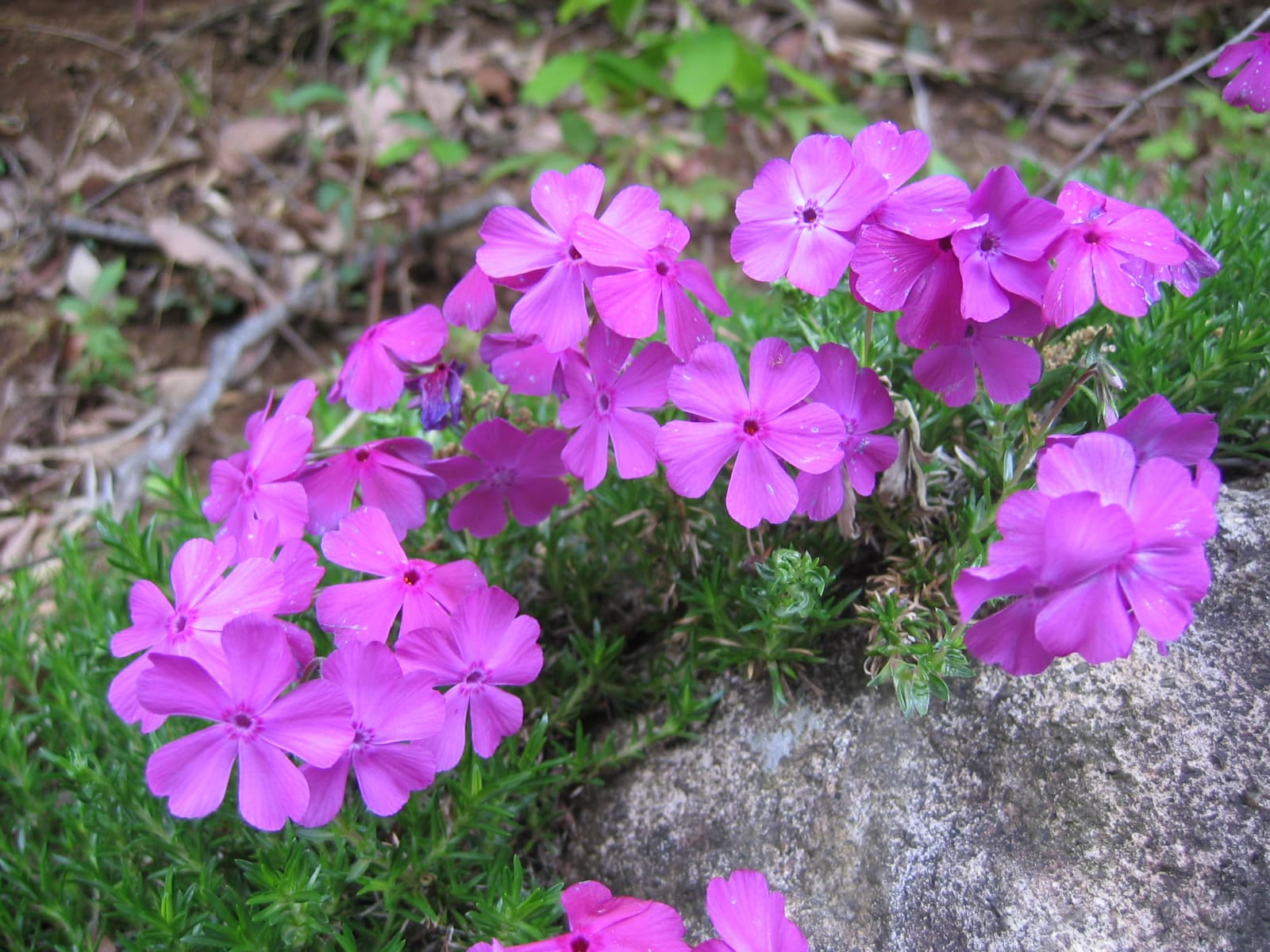 Creeping Phlox
 Cubanelle Pepper
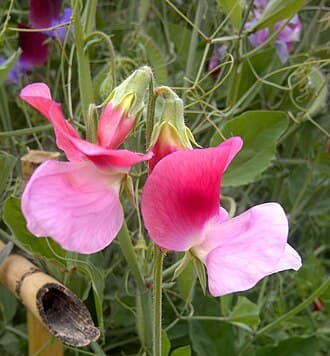 Cupani Sweet Pea
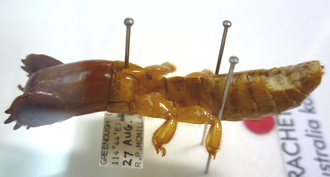 Cylindra Beet
 Dandelion
 David Garden Phlox
 Delft Blue Hyacinth
 Denim n Lace Russian Sage
 Detroit Dark Red Beet
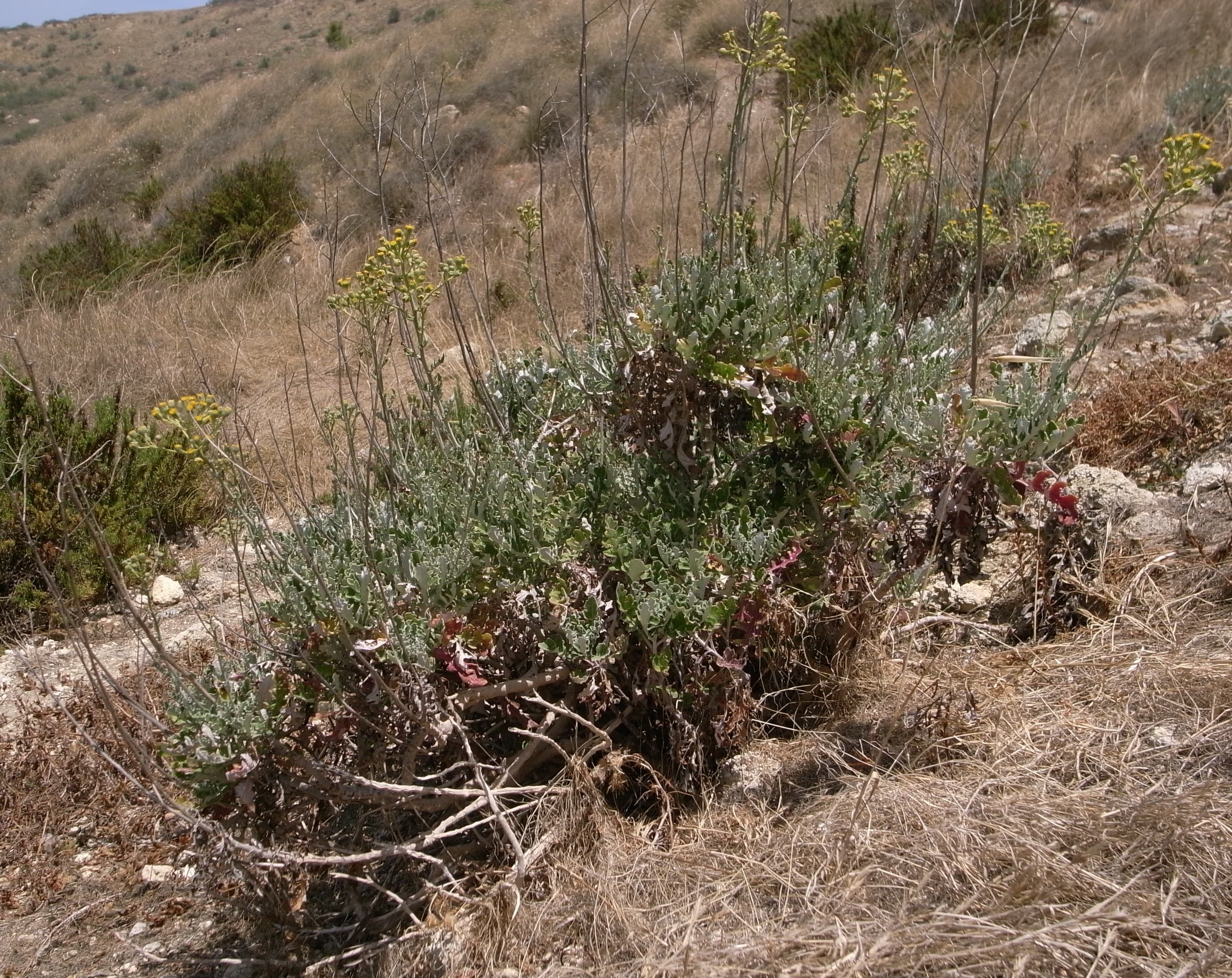 Dusty Miller
 Dutch Master Daffodil
 Early Girl Tomato
 Eastern Red Columbine
 Edamame
 Endive
 Endless Summer Hydrangea
 English Lavender
For educational and informational purposes only. Pest control advice is general guidance drawn from university cooperative extension sources; always identify a pest positively and read and follow the label on any product before use, especially around food crops, children, and pets.