
Spotted Lanternfly
Lycorma delicatula
An invasive, planthopper-like insect first found in Pennsylvania in 2014 and now spreading across the eastern states. It feeds on sap from many plants, with a special appetite for grapevines, hops, fruit trees, and the weedy tree-of-heaven. It rarely kills garden plants outright, but its feeding stresses them and its sticky waste fouls everything below.
🔎 How to spot it
Adults are about an inch long with showy gray forewings dotted black and bright red underwings flashed in flight, and they are most visible in late summer and fall. The young nymphs are black with white spots, becoming red and black as they mature. Watch also for the inch-long, gray, mud-like egg masses smeared on trunks, stones, furniture, and vehicles, and for sticky honeydew and black sooty mold coating leaves and surfaces under infested plants.
🥀 Damage it causes
Spotted lanternflies pierce stems and trunks to suck sap, weakening and stressing plants and, on grapevines, reducing yield, lowering vine sugars and root reserves, and sometimes killing the vine. They excrete large amounts of sticky honeydew that grows black sooty mold over leaves, fruit, decks, and cars, and the swarming adults are a serious nuisance. They are not known to directly kill most trees and garden plants.
🛡️ Prevent it
Learn to recognize all life stages and scrape egg masses into a bag with hand sanitizer or alcohol from fall through spring to cut the next generation. Remove nearby tree-of-heaven, its favored host, where practical. Inspect anything stored outdoors, vehicles, firewood, and plants before moving them, since people accidentally spread the egg masses, and follow any local quarantine or reporting guidance.
🧯 If it is already here
Kill nymphs and adults you find by squashing them, and continue destroying egg masses through the dormant season. A circle trap, a screen funnel banded around the trunk, can capture nymphs climbing trees; avoid sticky bands, which also catch birds and beneficial insects. Report new sightings to your state agriculture department, especially in newly invaded areas, since early detection helps slow the spread.
💡 Good to know
Do not panic: despite the alarm, spotted lanternfly is mainly a grape, tree, and nuisance pest rather than a killer of vegetable gardens. There is one generation a year. Because it hitchhikes as egg masses on anything left outdoors, the single most useful thing a gardener can do is check for and destroy egg masses and report new finds.
🌱 Plants it attacks
77 plants in the library can be attacked by this pest
 American Basswood
 Anjou Pear
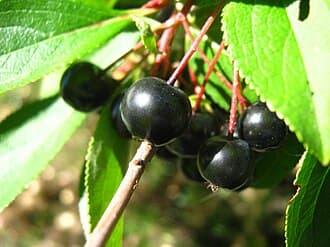 Aronia
 Asian Pear
 Aunt Molly's Ground Cherry
 Balsam Poplar
 Bartlett Pear
 Beach Plum
 Bing Cherry
 Black Tartarian Cherry
 Black Walnut
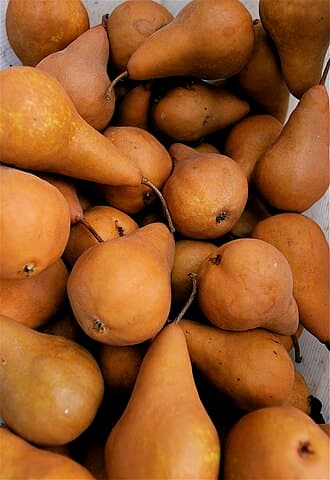 Bosc Pear
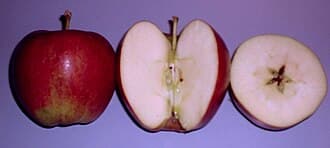 Braeburn Apple
 Catawba Grape
 Champagne Loquat
 Chokecherry
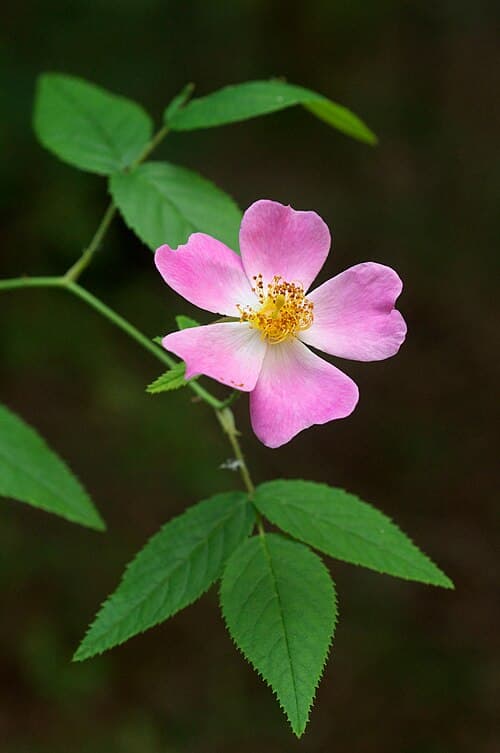 Climbing Prairie Rose
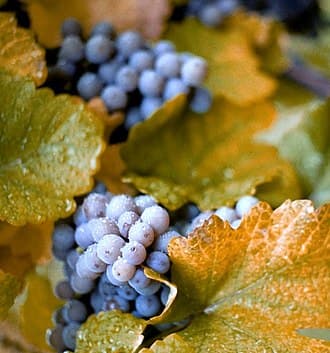 Concord Grape
 Contender Peach
 Coral Drift Groundcover Rose
 Cornelian Cherry
 Cortland Apple
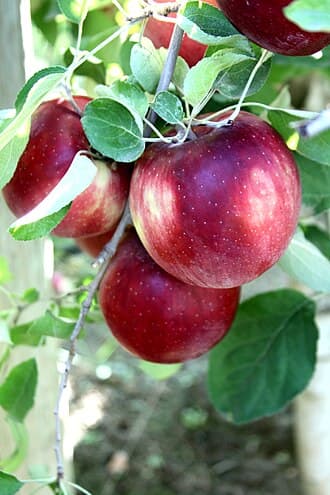 Cosmic Crisp Apple
 Damson Plum
 Elberta Peach
 English Walnut
 Fantasia Nectarine
 Flowering Dogwood
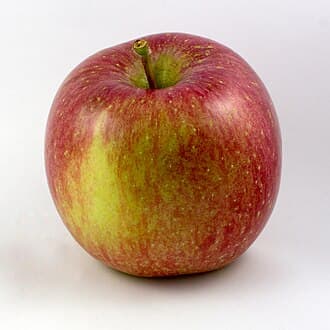 Fuji Apple
 Gala Apple
 Graham Thomas English Rose
 Granny Smith Apple
 Hansa Rugosa Rose
 Hawthorn
 Honey Locust
 Honeycrisp Apple
 Hops
Hops Iceberg Floribunda Rose
 Indian Hawthorn
 Knock Out Rose
 McIntosh Apple
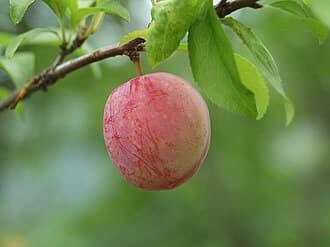 Methley Plum
 Miss Kim Lilac
 Mister Lincoln Hybrid Tea Rose
 Montmorency Cherry
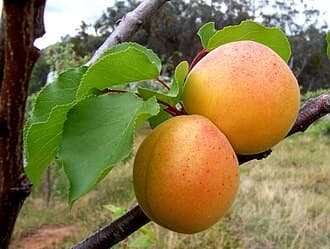 Moorpark Apricot
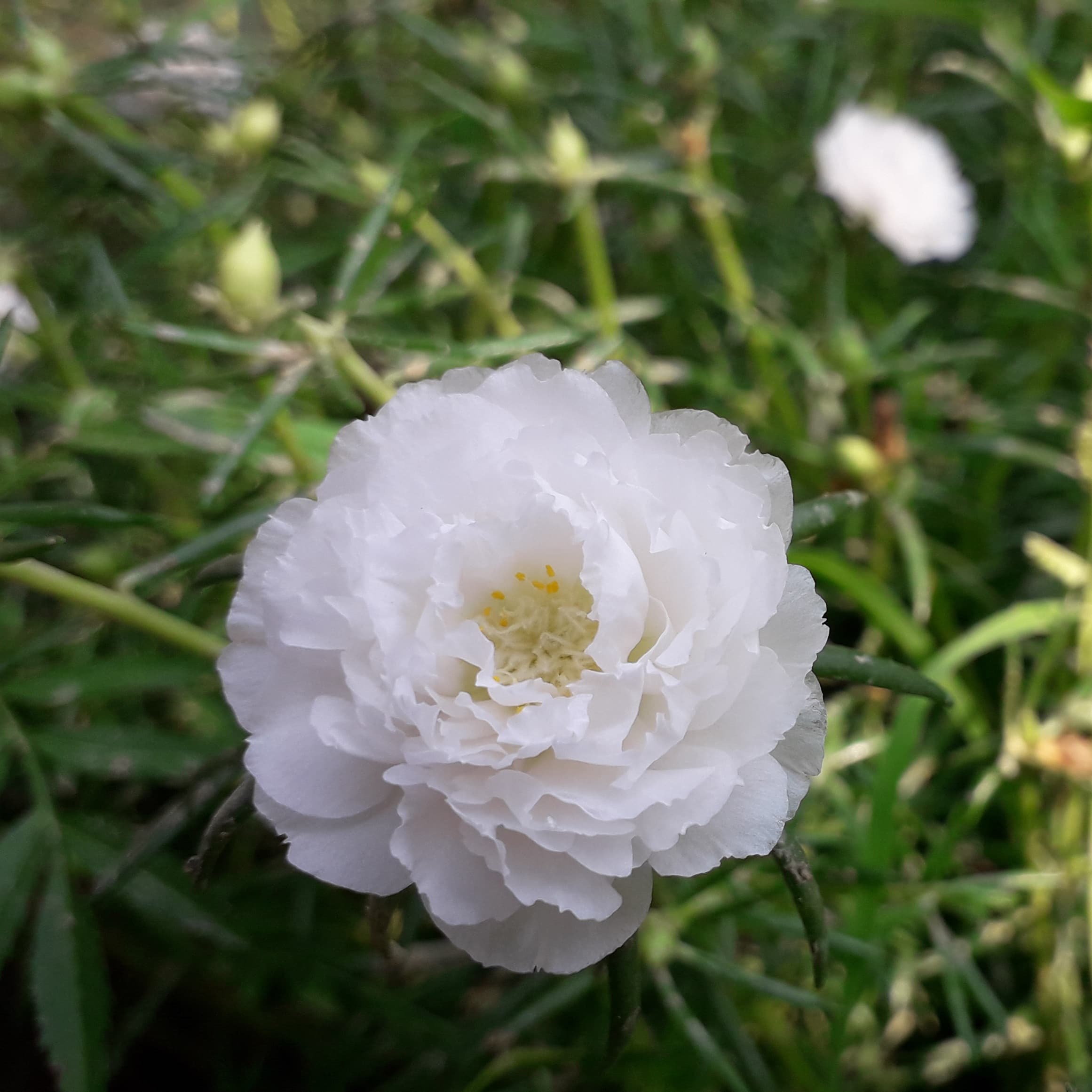 Moss Rose
 Muscadine Grape
 Nanking Cherry
 New Dawn Climbing Rose
 Niagara Grape
 Oregon Grape
 Paper Birch
 Peace Hybrid Tea Rose
 Pink Lady Apple
 Prickly Pear
 Quaking Aspen
 Queen Elizabeth Grandiflora Rose
 Quince
 Rainier Cherry
 Red Alder
 Red Delicious Apple
 Redhaven Peach
 Regent Saskatoon
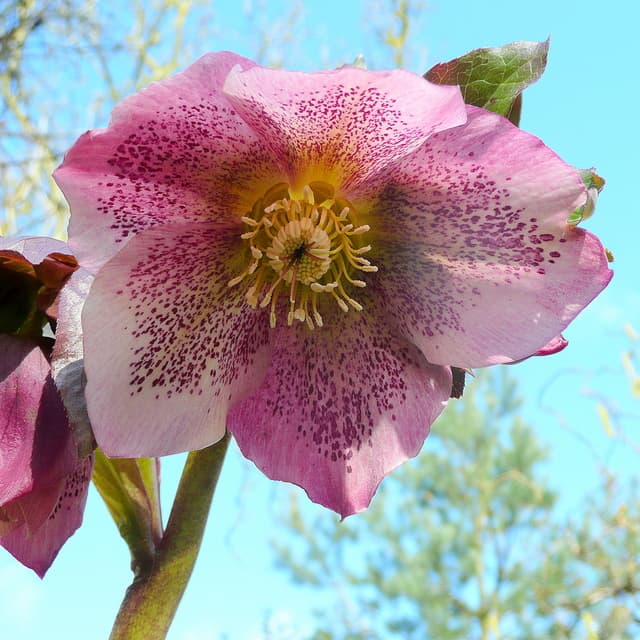 Royal Heritage Lenten Rose
 Sarah Bernhardt Peony
 Sassafras
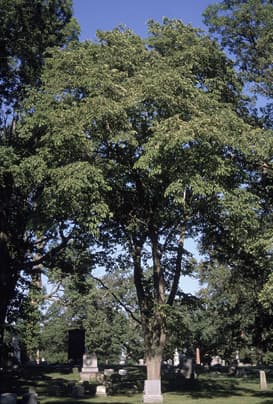 Slippery Elm
 Stanley Plum
 Sugar Apple
 Sugar Maple
 Sweet Chariot Miniature Rose
 Texas Scarlet Flowering Quince
 Thompson Seedless Grape
 White Ash
 White Willow
 Witch Hazel
For educational and informational purposes only. Pest control advice is general guidance drawn from university cooperative extension sources; always identify a pest positively and read and follow the label on any product before use, especially around food crops, children, and pets.