
Aster Yellows
Candidatus Phytoplasma asteris
A disease caused by a phytoplasma, a tiny bacteria-like organism, that is spread by leafhoppers and twists plants into yellowed, stunted, weirdly deformed growth. Aster yellows hits a very wide range of vegetables and flowers, including carrots, lettuce, and many ornamentals, and there is no cure, so control means managing leafhoppers and pulling infected plants.
🔎 How to spot it
Look for yellowing, stunting, and strange distorted growth: clusters of spindly upright shoots, leaves that come in yellow or white, and flowers that are deformed, greenish, and leafy instead of normal. On carrots, look for yellow or reddish twisted tops, hairy secondary roots, and a bitter taste; on many flowers, look for green, stunted, sterile blooms.
🥀 Damage it causes
Infected plants are stunted, deformed, and unproductive, and the phytoplasma stays in the plant for life. Carrot roots turn bitter and hairy and lettuce fails to head, while ornamentals throw distorted, greenish, sterile flowers. Infected plants and perennial weeds become reservoirs that leafhoppers carry to healthy plants.
🔬 What causes it
Aster yellows is caused by a phytoplasma, Candidatus Phytoplasma asteris, that lives in the plant food-conducting tissue and is spread by leafhoppers, mainly the aster leafhopper, as they feed. The insects pick it up from infected plants and inject it into healthy ones, and the organism overwinters in perennial weeds, ornamentals, and the leafhoppers, often blowing in on leafhoppers from the south.
🛡️ Prevent it
Control the leafhoppers that spread it and keep down the perennial weeds that harbor both the insect and the phytoplasma in and around the garden. Remove and destroy infected plants promptly so they cannot serve as a source. Floating row cover can keep leafhoppers off vulnerable crops like carrots and lettuce, and some carrot varieties are more tolerant.
🧯 If it is already here
There is no cure, so pull and destroy infected plants as soon as you spot the telltale yellowing and deformity, and do not compost them, so leafhoppers cannot spread the phytoplasma from them. Manage leafhoppers on the remaining crop and clear nearby weed reservoirs. Prevention through vector and weed control is the only real handle on it.
💡 Good to know
The bizarre, almost mutant-looking growth, yellow leafy flowers, witches-broom shoots, and bitter hairy carrots, is the giveaway for aster yellows and sets it apart from ordinary nutrient yellowing. Because it rides on leafhoppers and overwinters in weeds, controlling the insect and removing infected plants and weeds are the only effective steps.
🌱 Plants it affects
235 plants in the library can be affected by this problem
 African Marigold
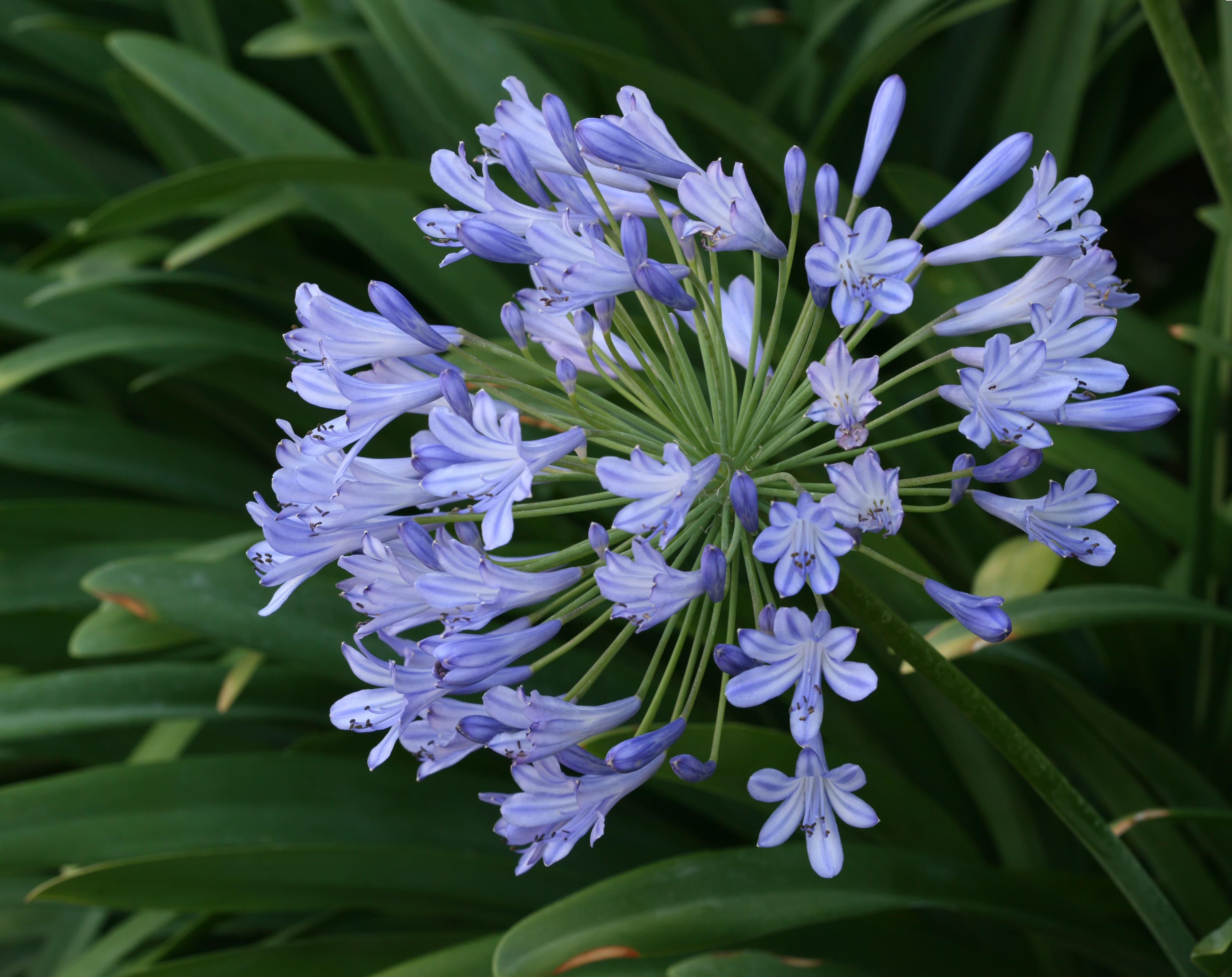 Agapanthus
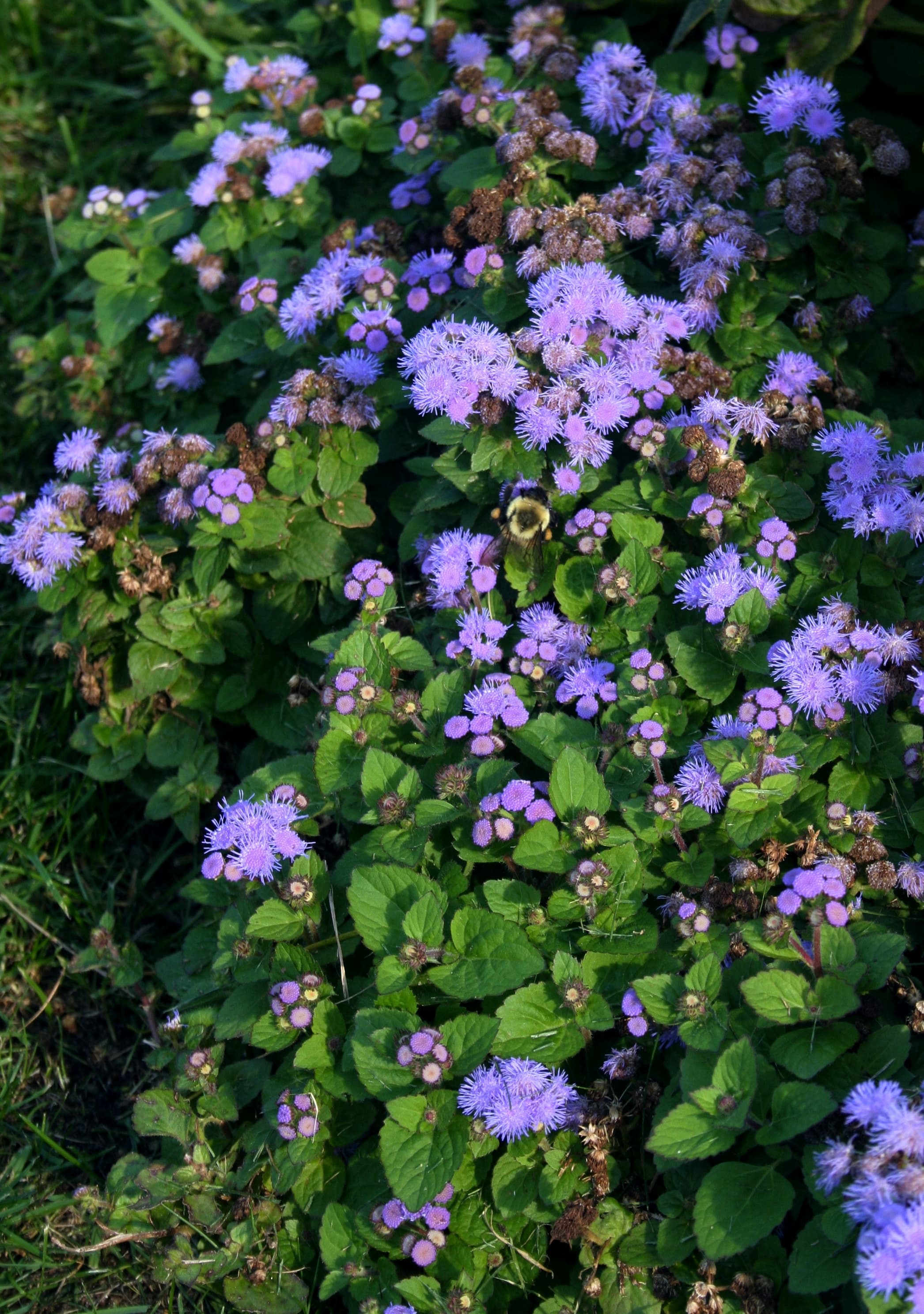 Ageratum
 Alice du Pont Mandevilla
 Amethyst Falls Wisteria
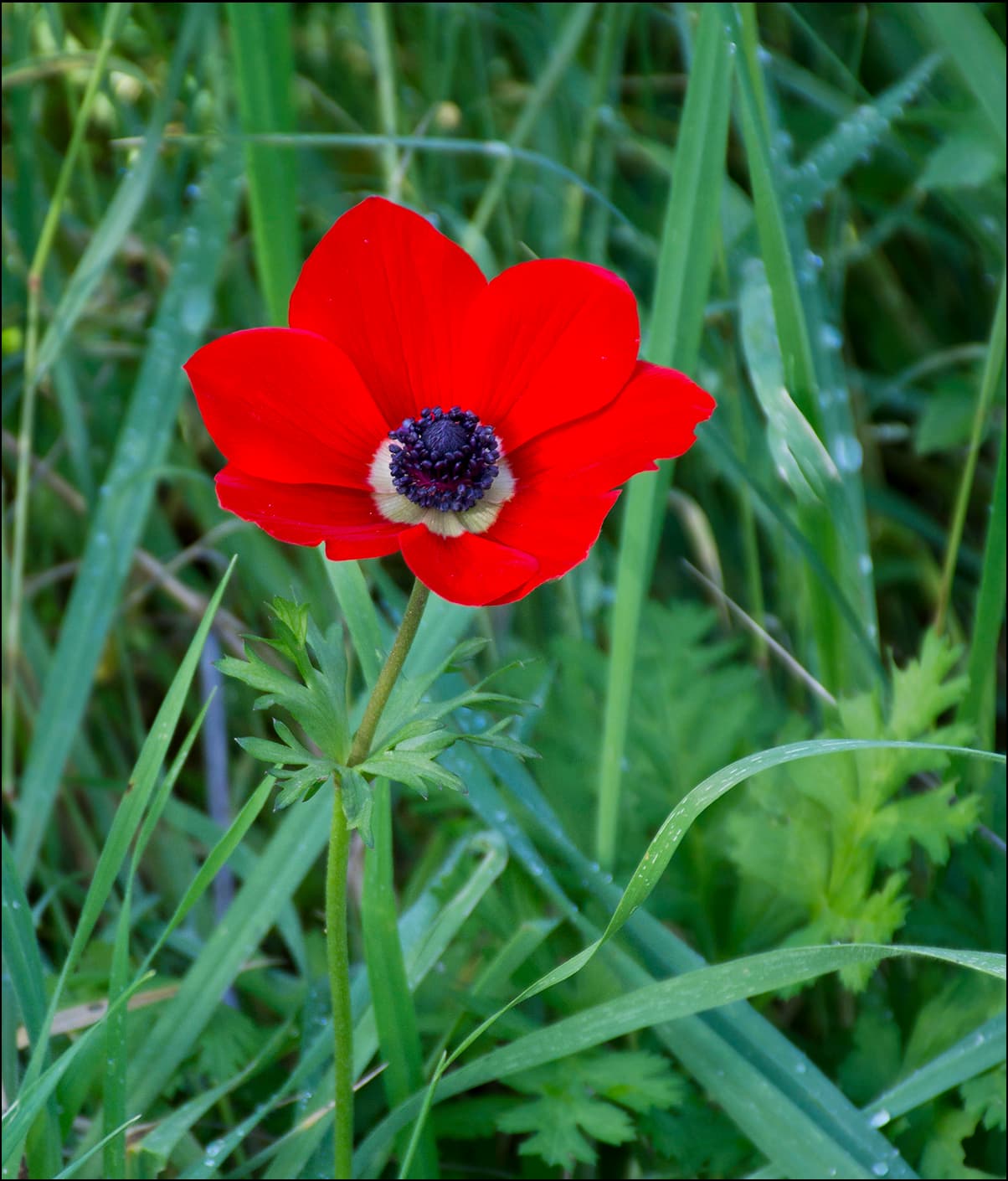 Anemone
 Angelique Tulip
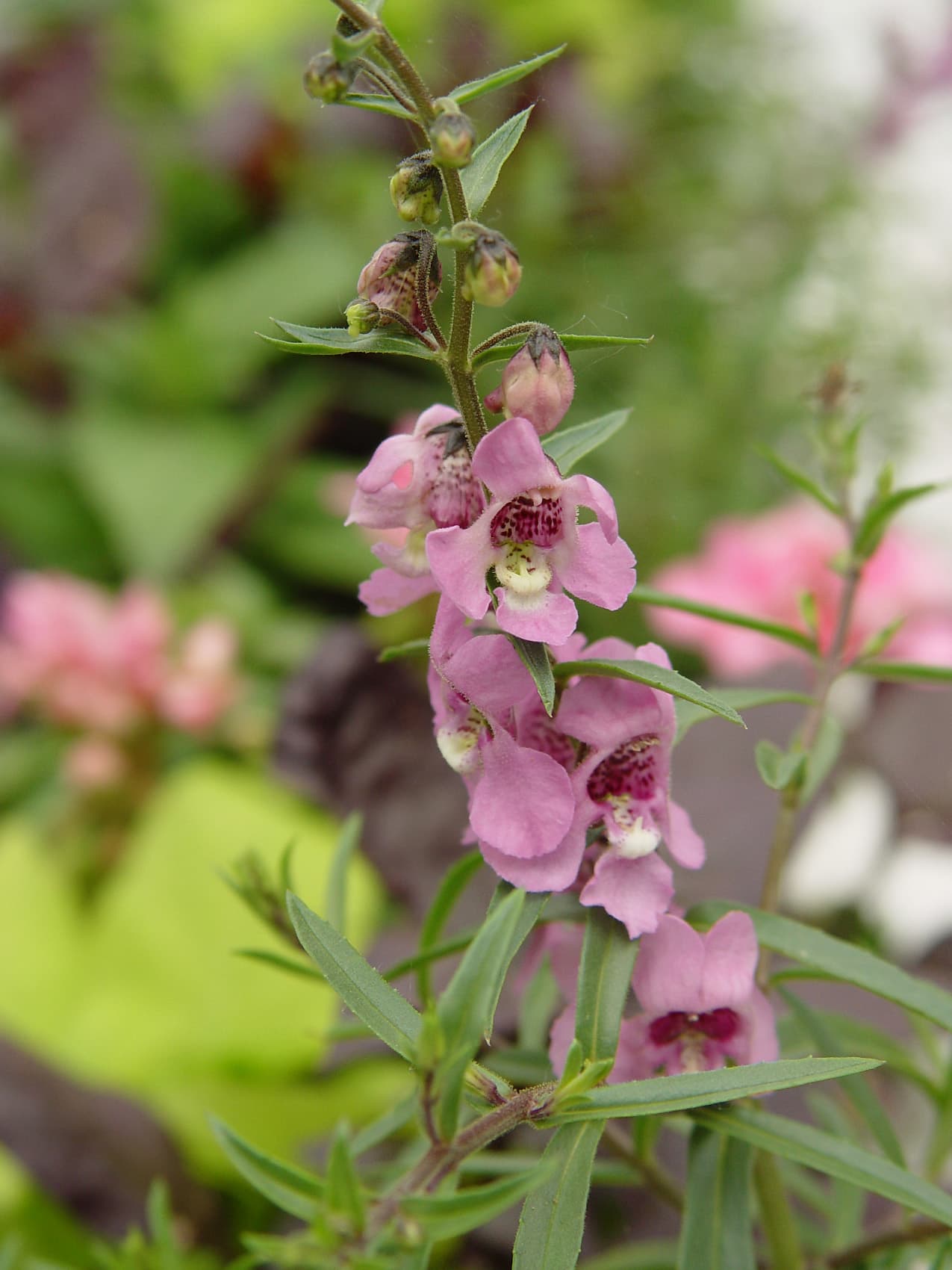 Angelonia
 Annabelle Smooth Hydrangea
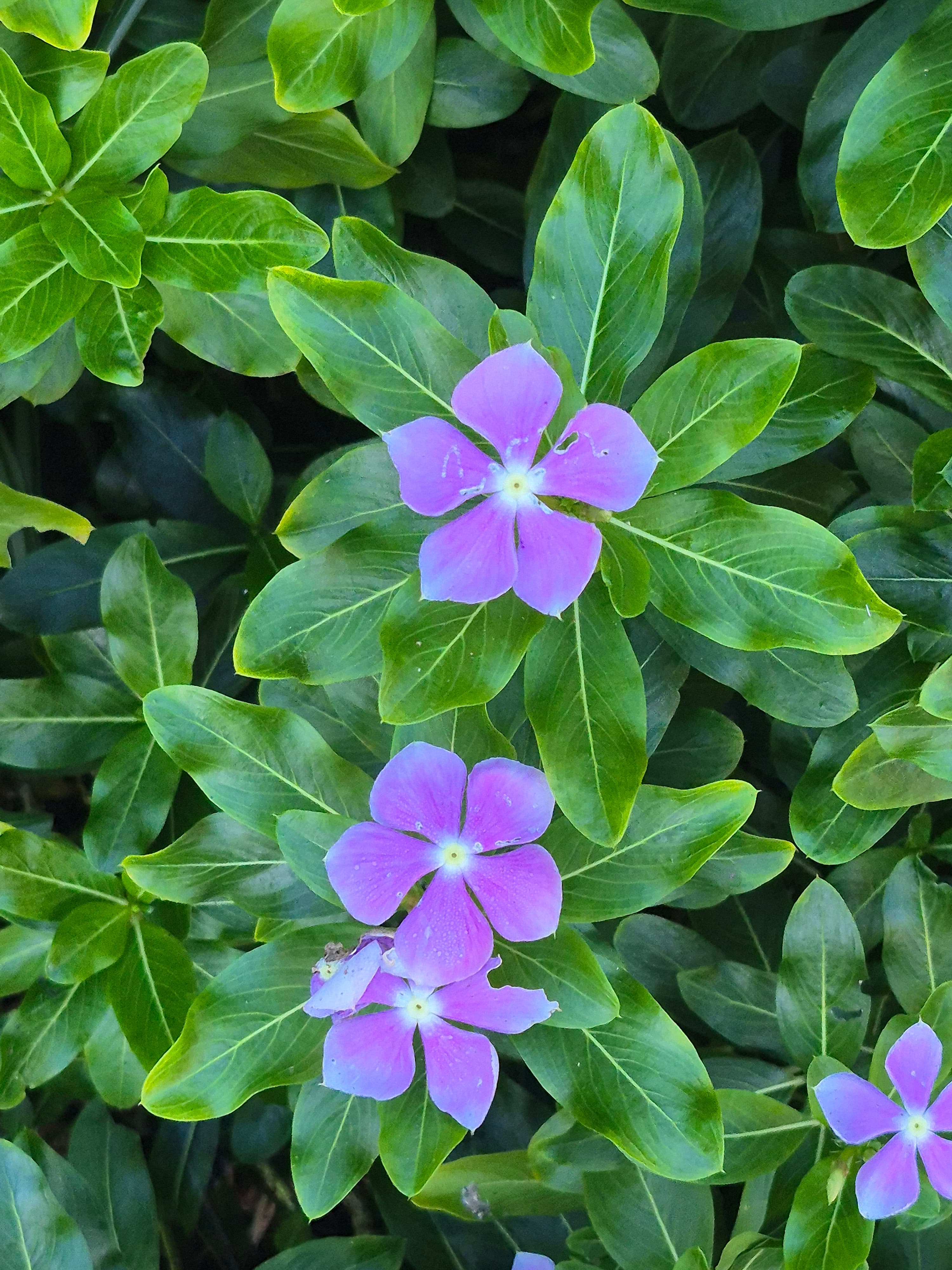 Annual Vinca
 Apeldoorn Tulip
 April Tryst Camellia
 Arizona Sun Blanket Flower
 Arugula🥕Atomic Red Carrot
 August Beauty Gardenia
 Autumn Joy Sedum
 Bachelor's Button
 Barbara Karst Bougainvillea
 Becky Shasta Daisy
 Bee Balm
 Benarys Giant Zinnia
 Bengal Tiger Canna🥬Bibb Lettuce🥬Black Seeded Simpson Lettuce
 Black-Eyed Pea
 Black-eyed Susan Vine
 Blood Orange
 Bloomsdale Spinach
 Blue Bird Delphinium
 Blue Bird Rose of Sharon
 Blue Fescue🥕Bolero Carrot
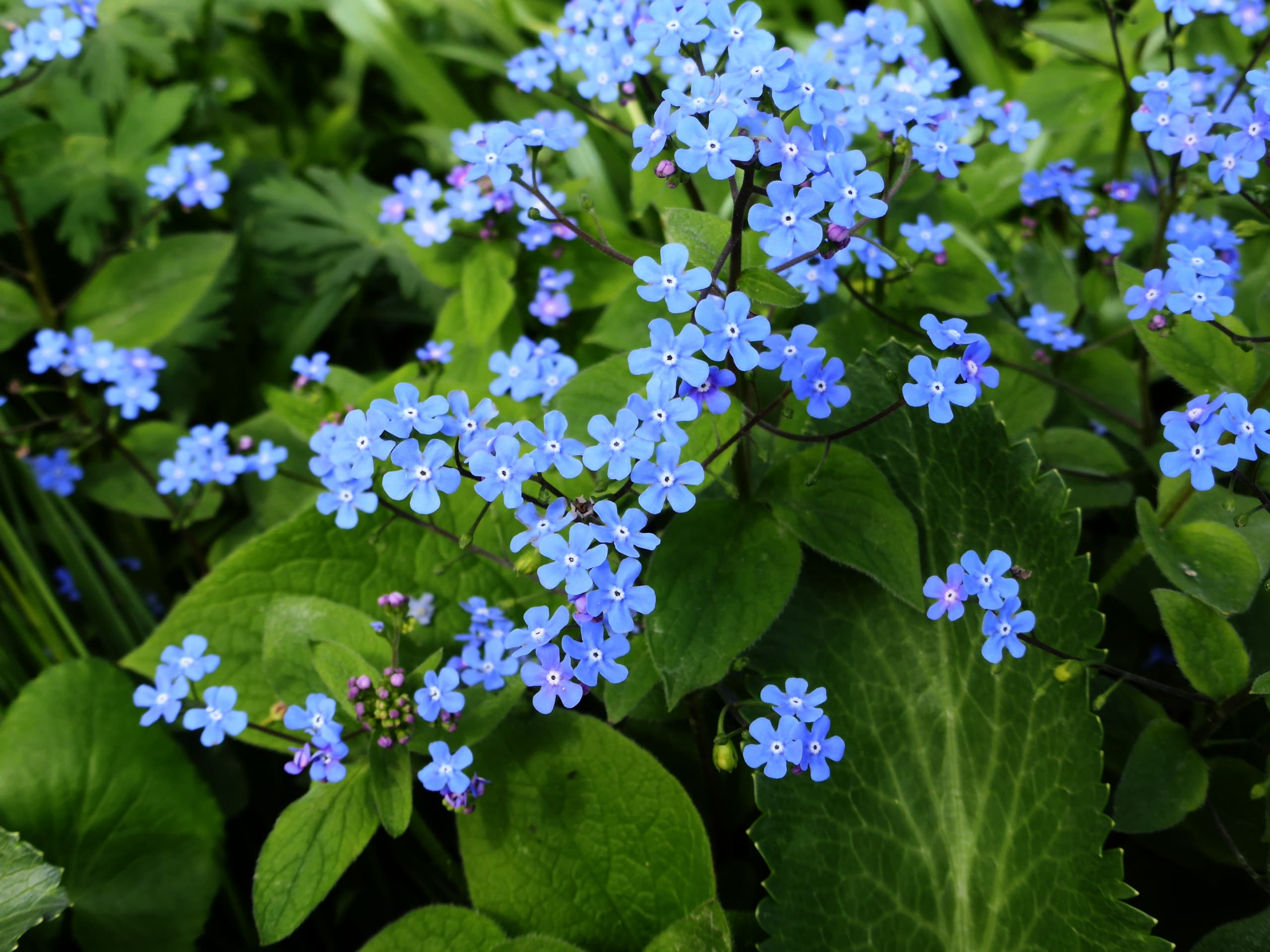 Brunnera
 Burning Bush
 Buttercrunch Lettuce
 Butterfly Blue Pincushion Flower
 Butterfly Marguerite Daisy
 Butterfly Weed
 Cafe au Lait Dahlia
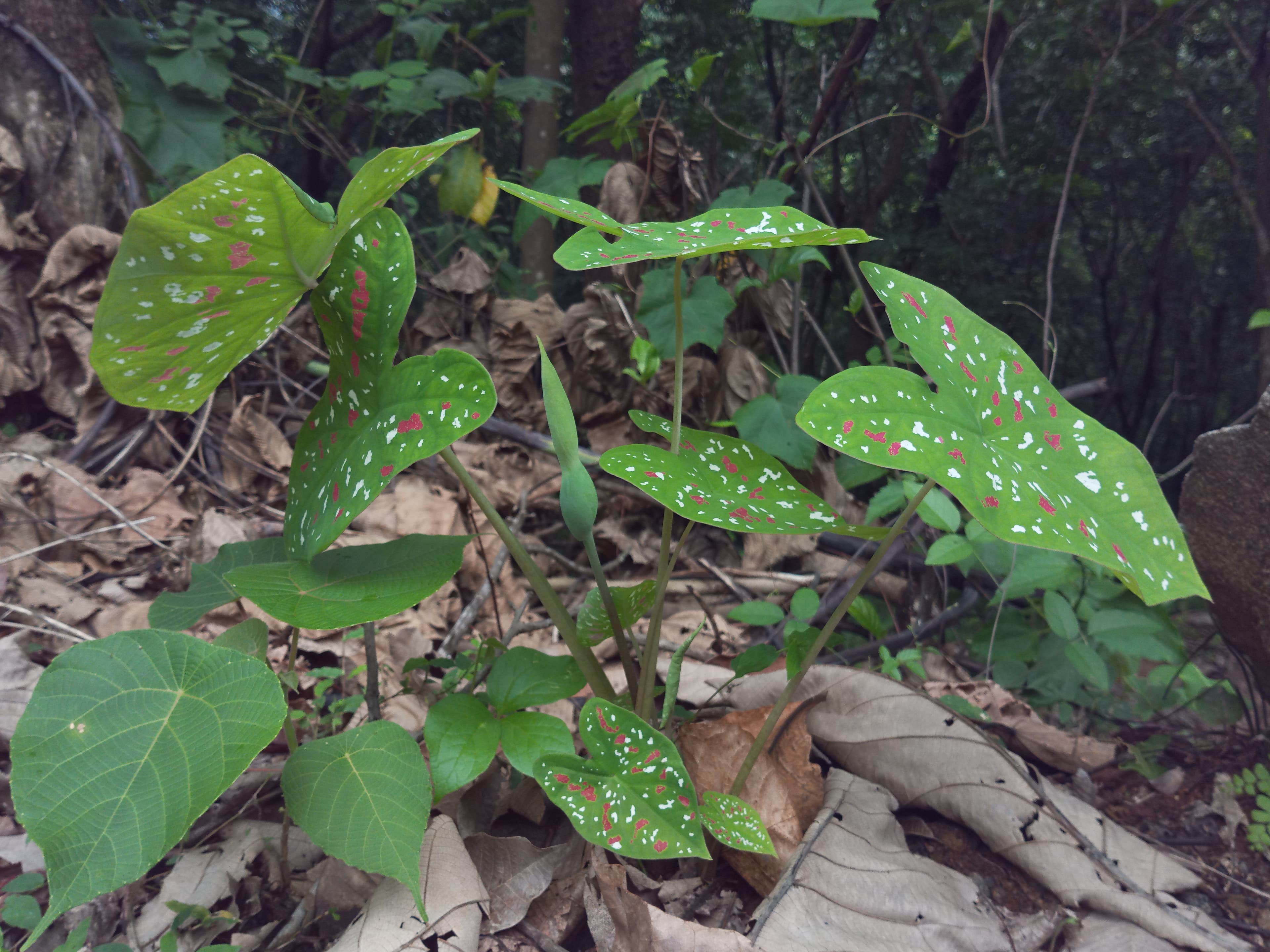 Caladium
 Calendula
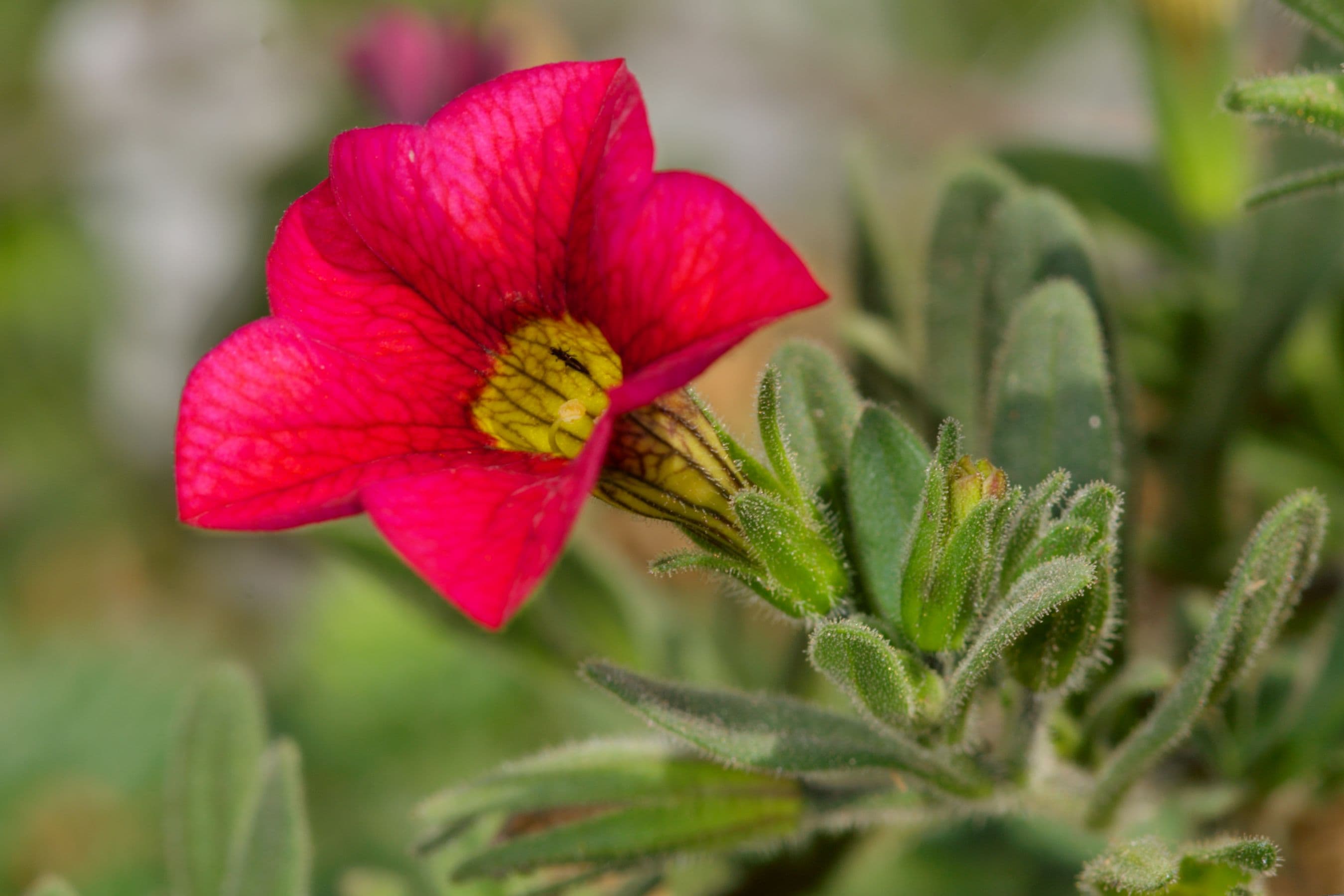 Calibrachoa
 California Giant Zinnia
 California Poppy
 Campanula
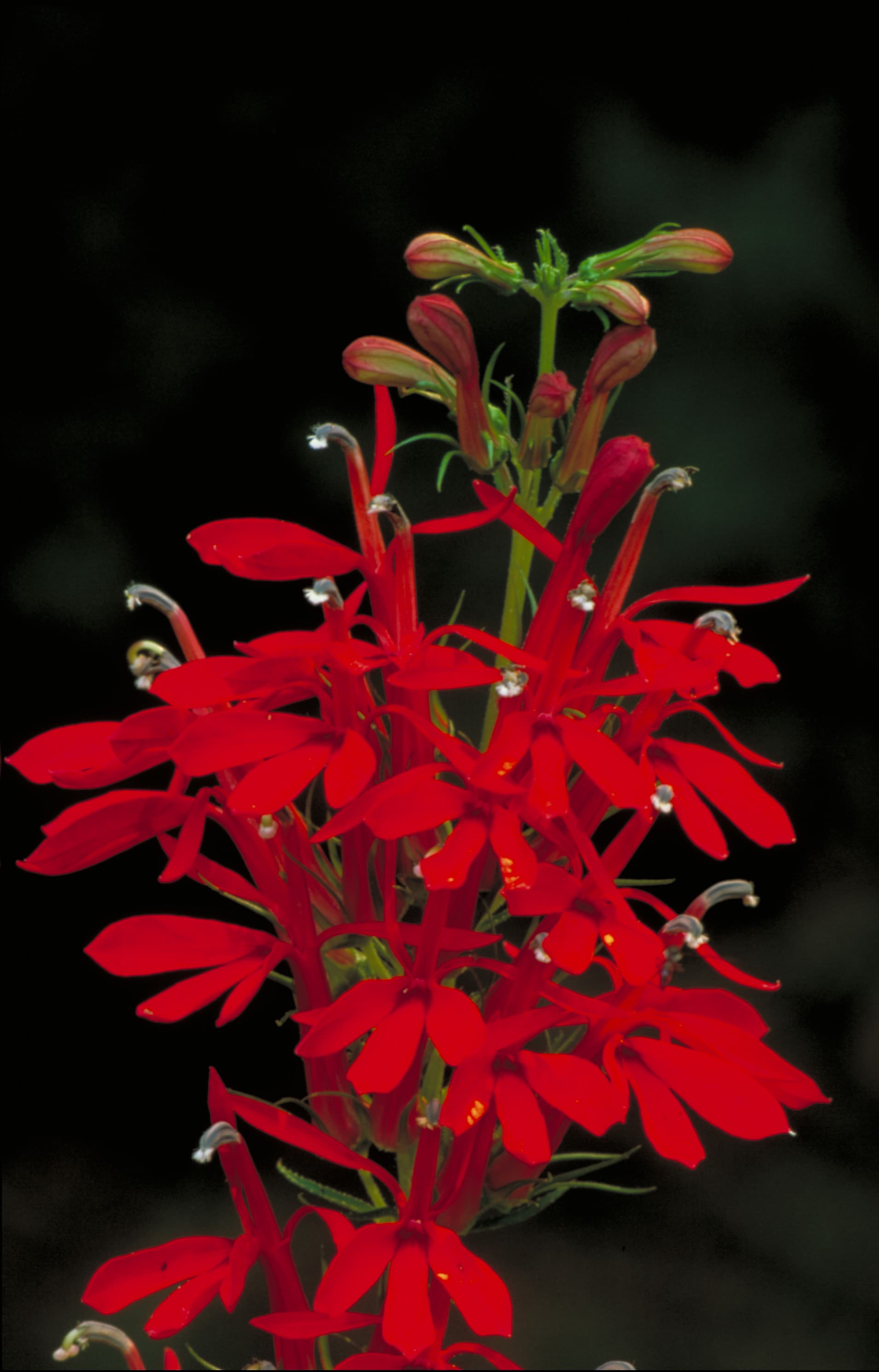 Cardinal Flower
 Carolina Geranium
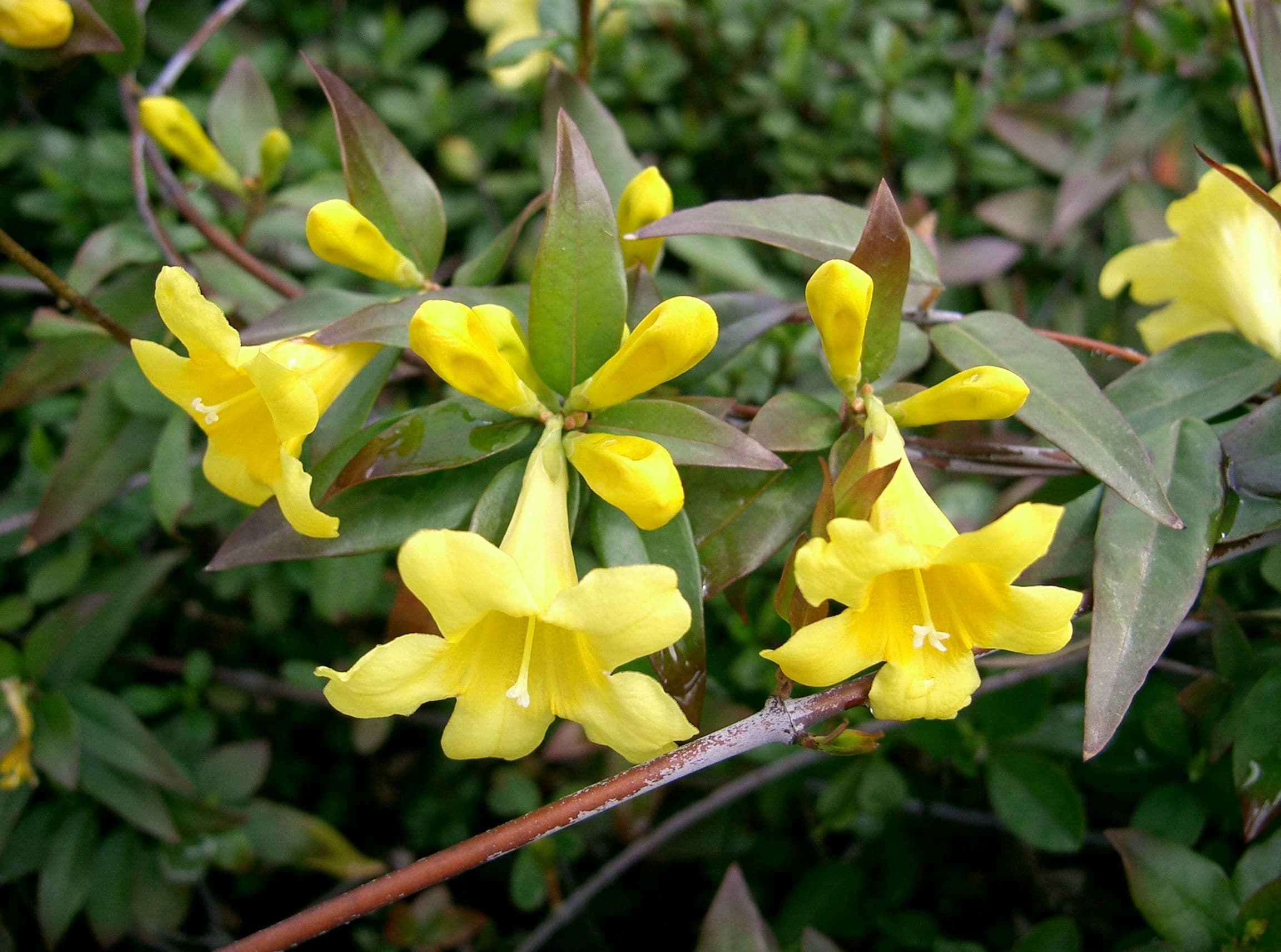 Carolina Jessamine
 Chantenay Carrot
 Chicory
 Climbing Hydrangea
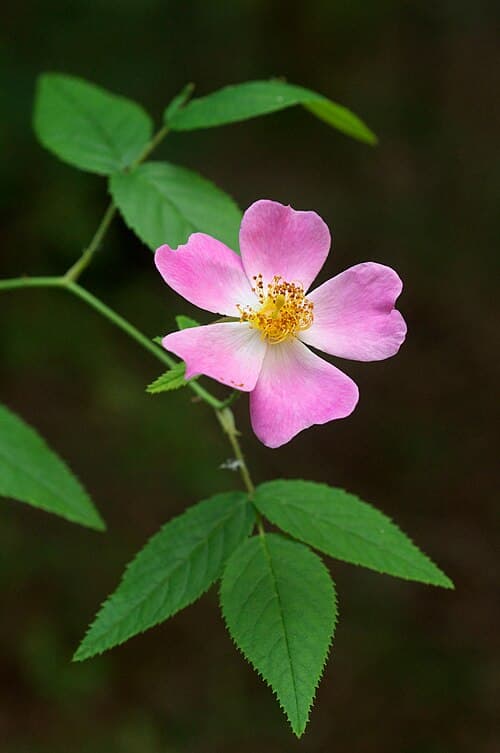 Climbing Prairie Rose
 Cocktail Vodka Begonia
 Coleus
 Collard Greens
 Coral Drift Groundcover Rose
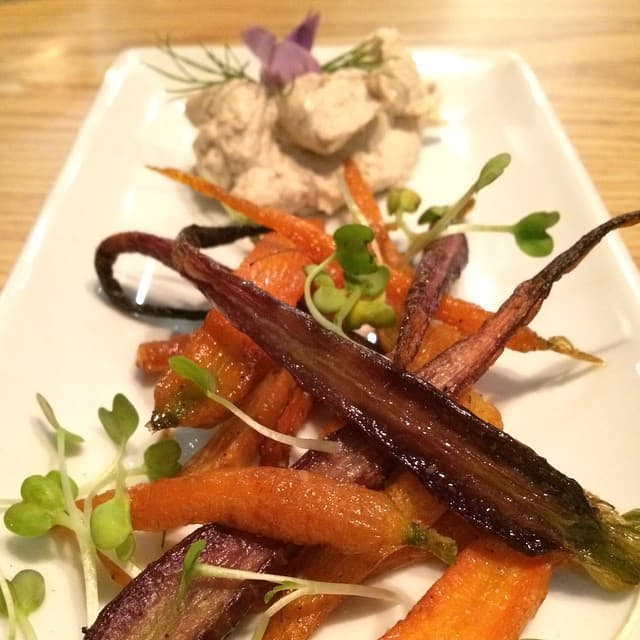 Cosmic Purple Carrot
 Cosmos
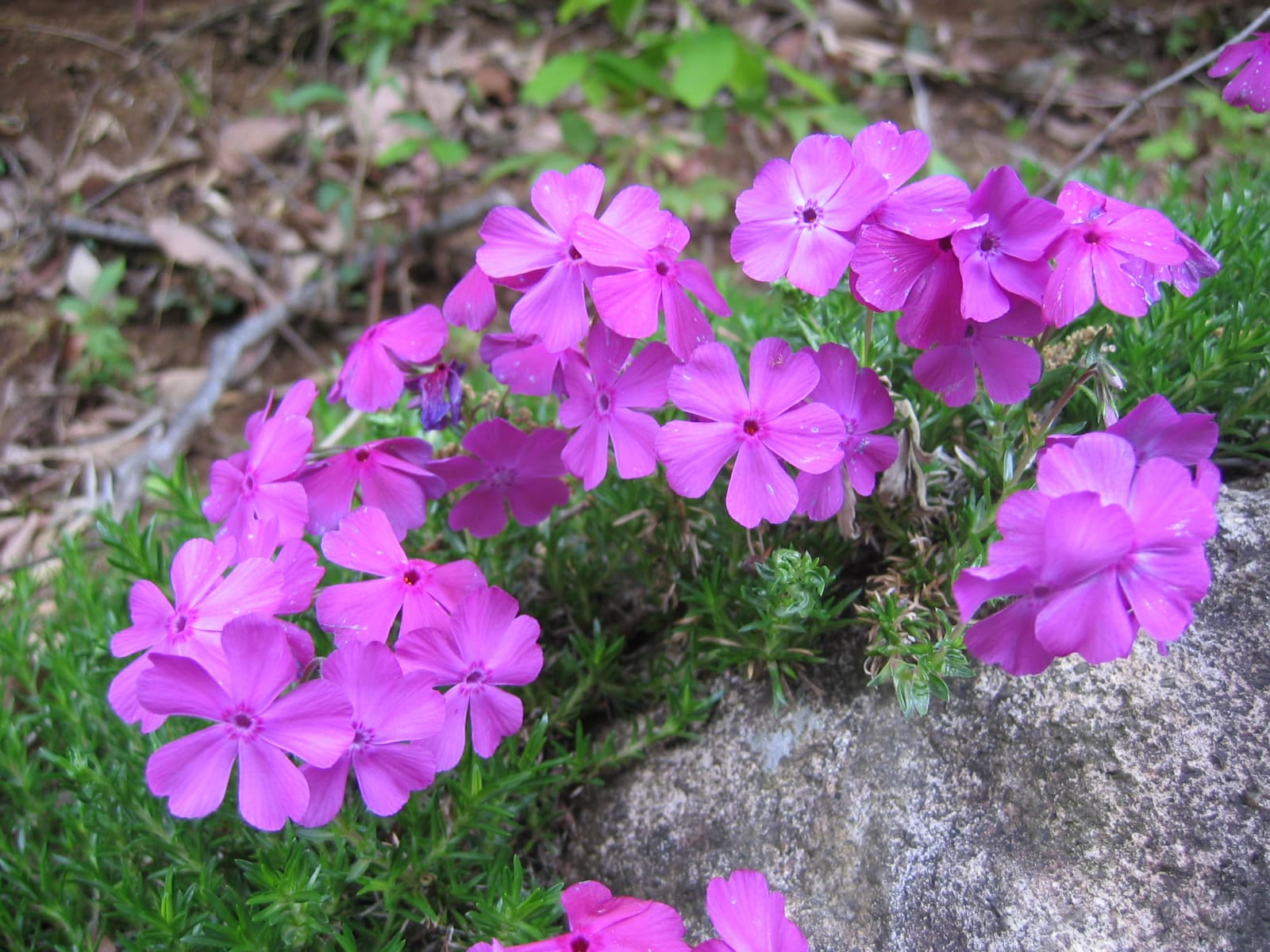 Creeping Phlox
 Cupani Sweet Pea
 Dandelion
 Danvers Carrot
 David Garden Phlox
 Delft Blue Hyacinth
 Denim n Lace Russian Sage
 Dragon Carrot
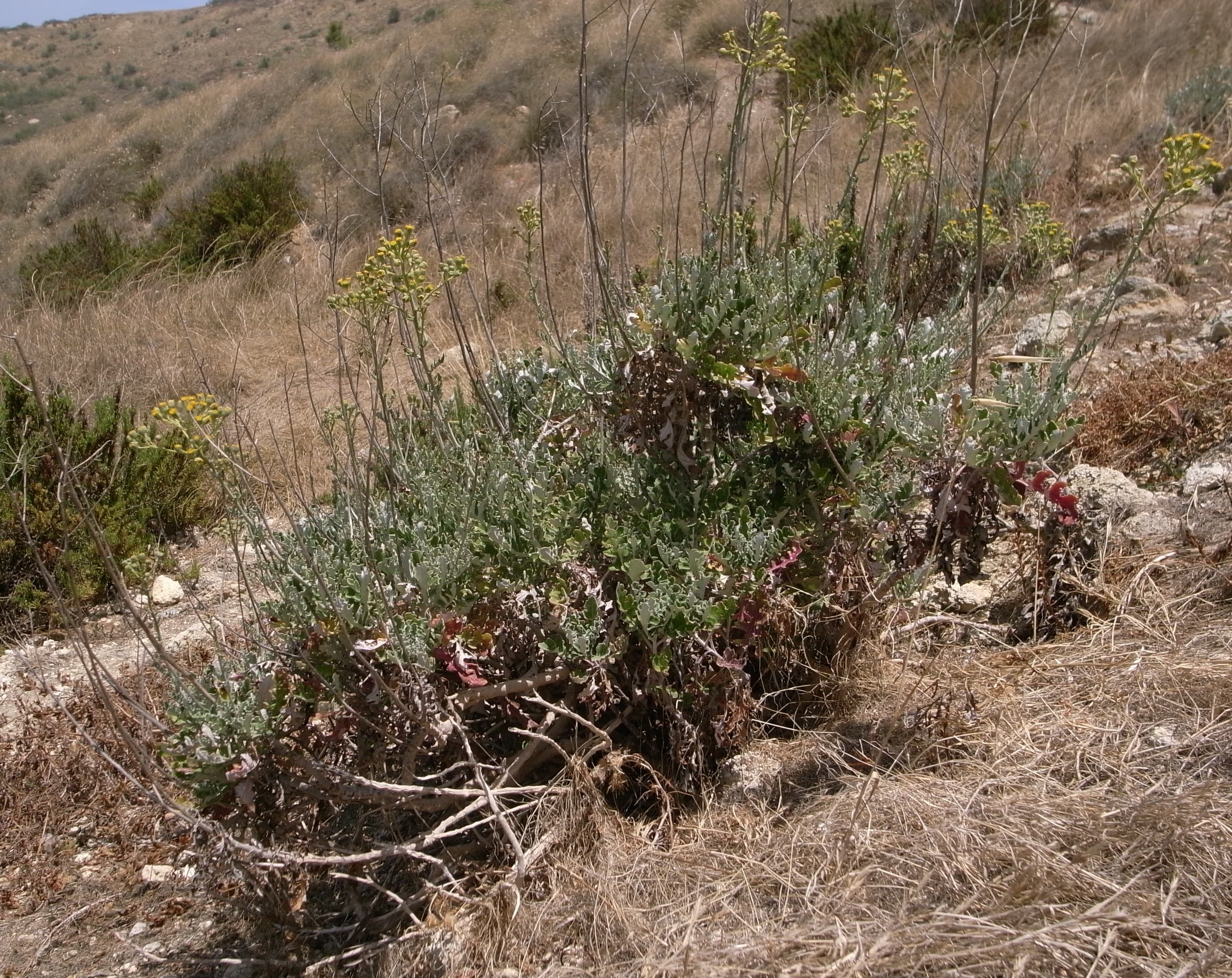 Dusty Miller
 Dutch Master Daffodil
 Eastern Red Columbine
 Endive
 Endless Summer Hydrangea
 English Lavender
 English Shelling Pea
 Evening Primrose
 Fanal Astilbe
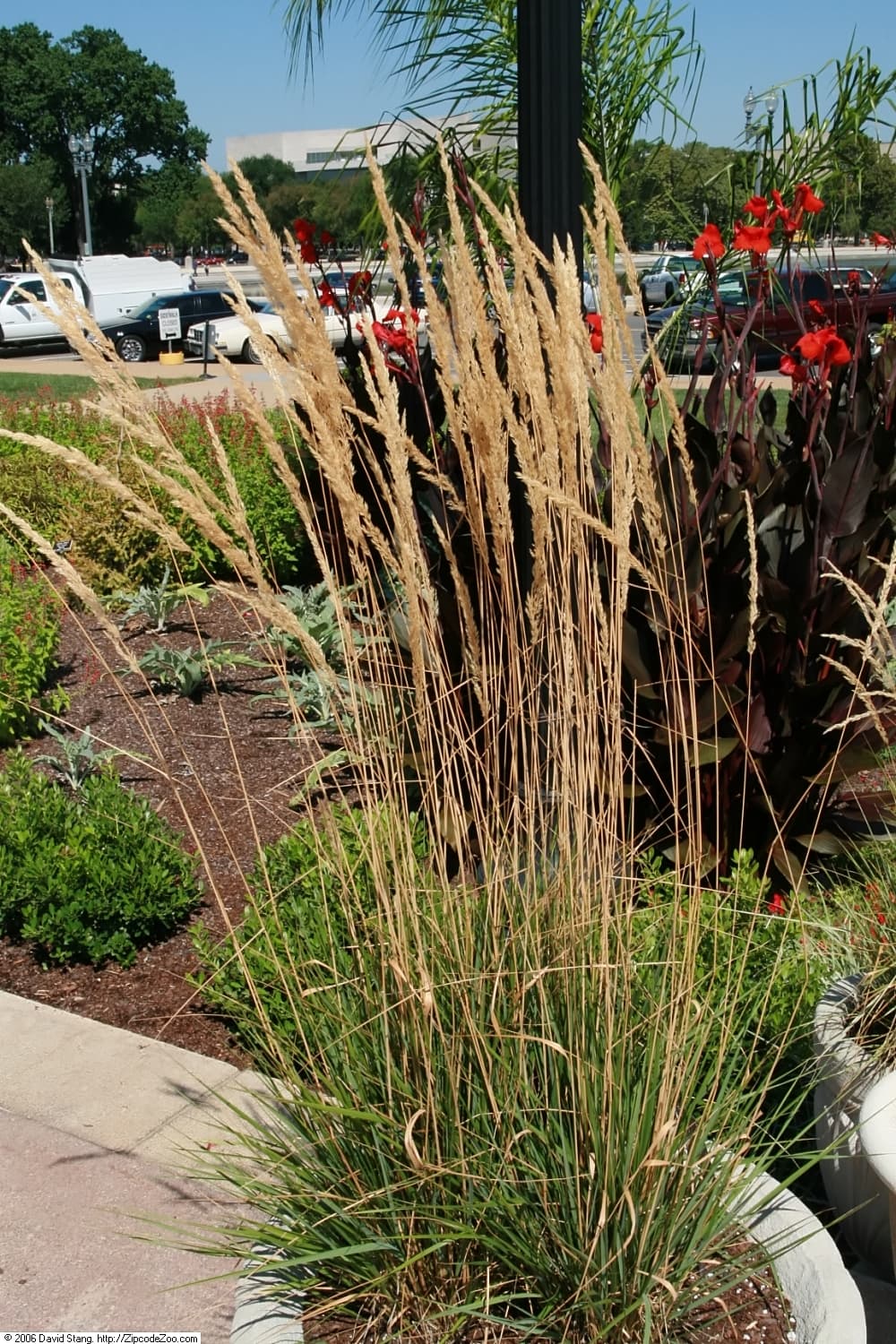 Feather Reed Grass
 Field Pea
 Fireworks Goldenrod
 Flamingo Feather Celosia
 Flower Record Crocus
 Fountain Grass
 Foxglove
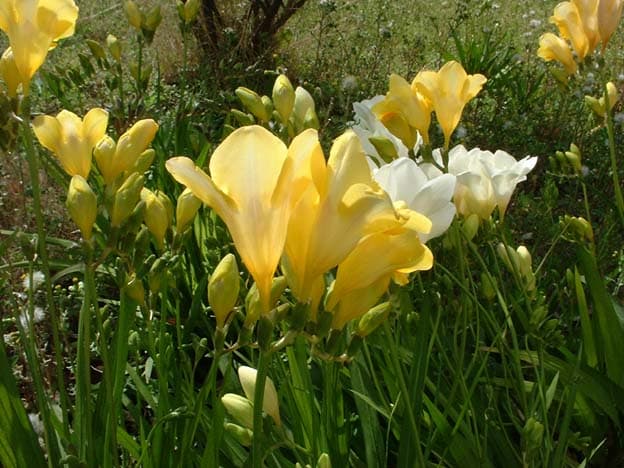 Freesia
 French Marigold
 Frisée
 Garden Gladiolus
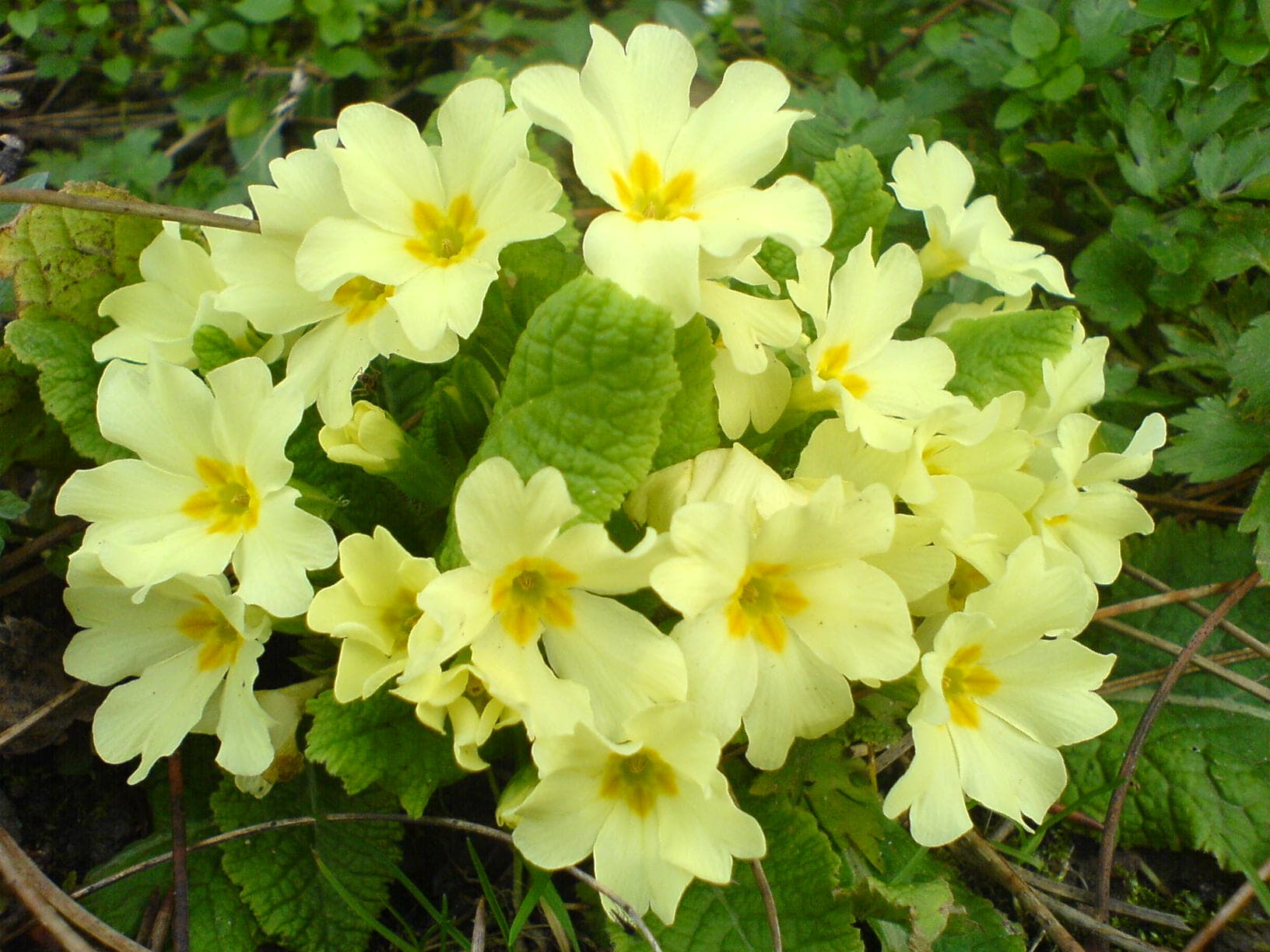 Garden Primrose
 Garden Sage
 Garvinea Sweet Glow Gerbera
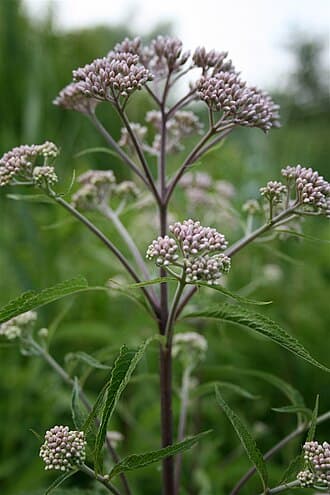 Gateway Joe Pye Weed
 Gaura
Gaura Globe Amaranth
 Globemaster Allium
 Glossy Abelia
 Goldflame Spirea
 Goldsturm Black-Eyed Susan
 Graham Thomas English Rose
 Grape Hyacinth
 Green Leaf Lettuce
For educational and informational purposes only. Disease management advice is general guidance drawn from university cooperative extension sources; always identify a problem positively and read and follow the label on any product before use, especially around food crops, children, and pets.