
Charcoal Rot
Macrophomina phaseolina
A hot-weather, soilborne rot caused by a fungus with an enormous host range, named for the sooty, charcoal-like dusting of tiny black survival bodies it leaves in rotted tissue. It is a stress disease that strikes hardest when plants are hot and drought-stressed, causing sudden wilting and collapse.
🔎 How to spot it
Plants show water stress and then wilt and collapse, often suddenly in hot weather. Cutting into the crown, lower stem, or roots reveals reddish-brown to black necrotic tissue, and the rotted tissue and woody vascular ring are peppered with countless tiny black microsclerotia that look like ground charcoal or pepper. Shredded, gray-black lower stems are common in some crops.
🥀 Damage it causes
The rot kills crown and root tissue, so plants lose vigor, wilt, ripen or die prematurely, and yield poorly, and badly affected plants collapse outright. Losses are worst in hot, dry seasons and on light, sandy soils, and the disease can take down patches of a planting.
🔬 What causes it
The fungus Macrophomina phaseolina, which survives in soil and crop debris as long-lived microsclerotia for years and infects more than 500 plant species. It is a stress pathogen: disease explodes with high temperatures (around 86 F), drought and water stress, sandy soils, and heavy fruit load, and builds up when susceptible hosts are grown in the same ground repeatedly.
🛡️ Prevent it
Because it is a stress disease, the main defense is keeping plants from getting hot and dry: irrigate evenly to avoid drought stress, mulch to cool and conserve soil moisture, and avoid overcrowding and overloading plants. Rotate away from susceptible hosts to less-susceptible cereals or grasses, and remove and destroy infected debris.
🧯 If it is already here
There is no rescue treatment once plants collapse, so management is preventive. Pull and destroy affected plants, keep the rest well watered to ease stress, and plan rotation, resistant varieties, and good soil moisture for the next crop. In intensive plantings, pre-plant soil treatments such as solarization or fumigation are used to lower the soil inoculum.
💡 Good to know
The charcoal-dust look of the microsclerotia in split stems and roots is the diagnostic sign. Anything that reduces heat and drought stress, especially steady irrigation, does more than any spray to hold this disease down.
🌱 Plants it affects
213 plants in the library can be affected by this problem
 Acorn Squash
 Adirondack Blue Potato
 Adzuki Bean
 Agapanthus
 Aji Amarillo Pepper🍓Albion Strawberry🥔All Blue Potato
 Aloe Vera
 Ambrosia Corn
 Amish Paste Tomato
 Anaheim Pepper
 Anemone
 Anise Hyssop
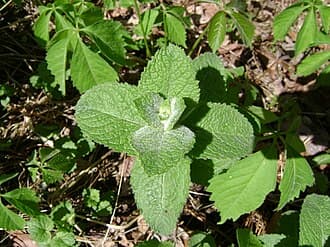 Apple Mint
 April Tryst Camellia
 Armenian Cucumber
 Arp Rosemary
 Atlantic Giant Pumpkin
 Banana Pepper
 Beauregard Sweet Potato🍅Beefmaster Tomato
 Better Boy Tomato🍅Big Beef Tomato
 Big Boy Tomato
 Bitter Melon
 Black Bean
 Black Beauty Eggplant
 Black Beauty Zucchini
 Black Cherry Tomato🍉Black Diamond Watermelon
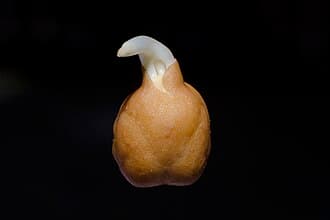 Black Kabouli Chickpea
 Black Krim Tomato
 Black-Eyed Pea
 Blue Fescue
 Blue Lake Green Bean🥒Boston Pickling Cucumber🍅Box Car Willie Tomato
 Brandywine Tomato
 Broad Windsor Fava Bean
 Buttercup Squash
 Butternut Squash
 Cannellini Bean
 Cantaloupe
 Carolina Reaper Pepper
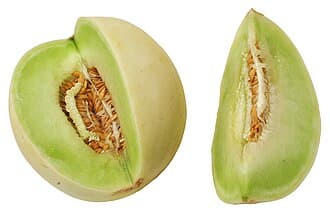 Casaba Melon
 Catnip
 Cayenne Pepper
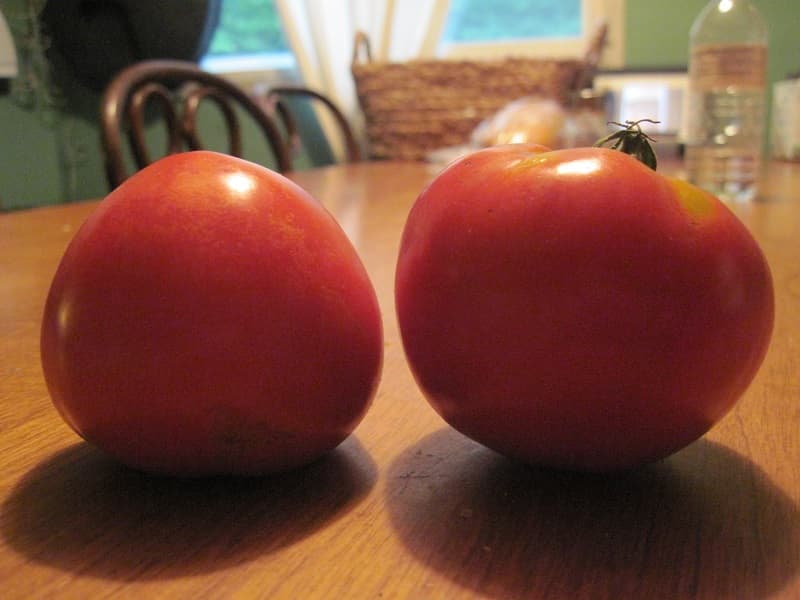 Celebrity Tomato
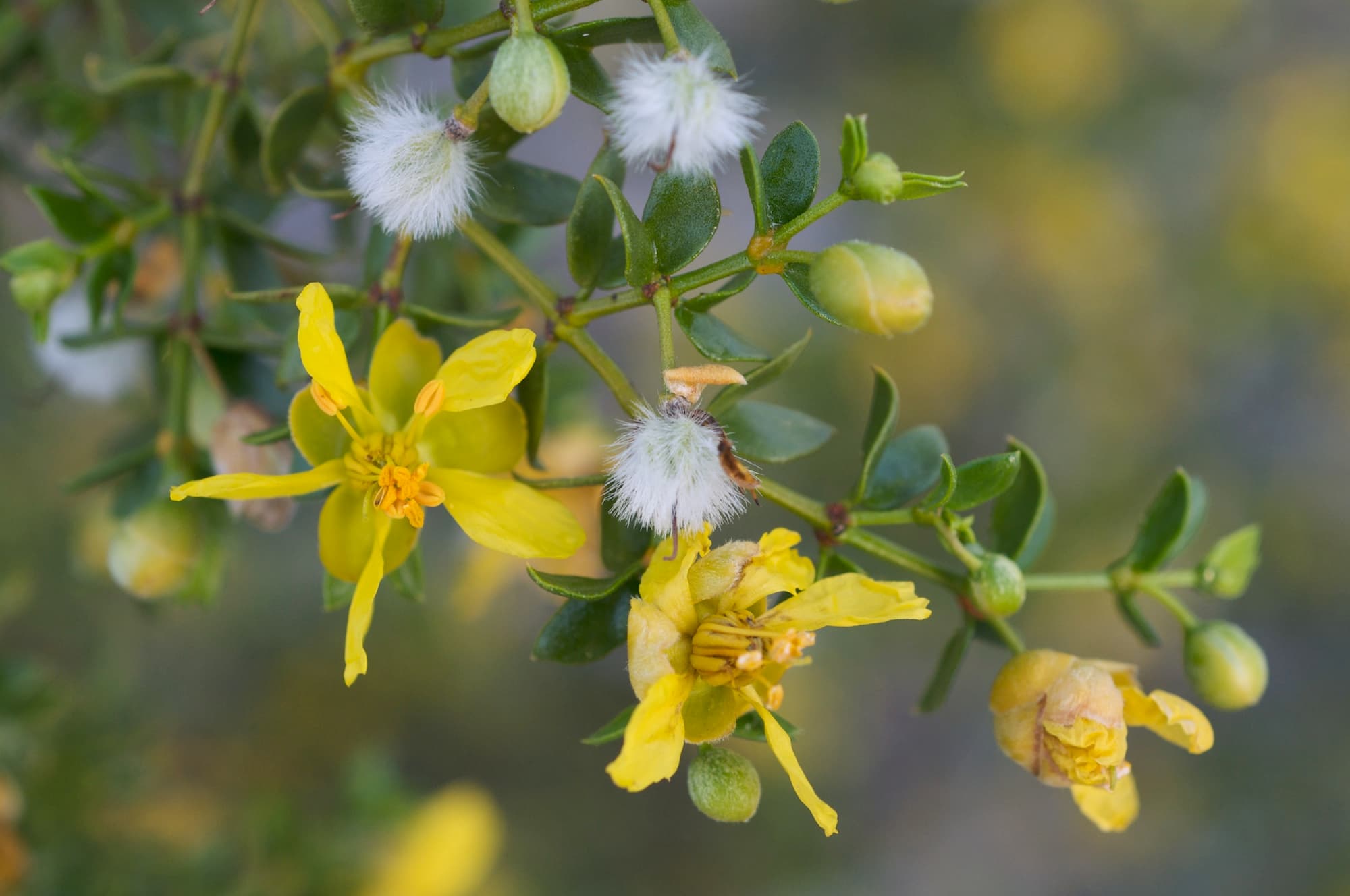 Chaparral
 Charleston Gray Watermelon
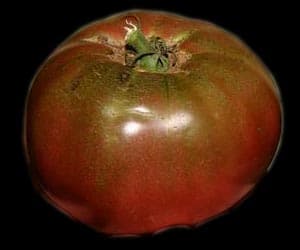 Cherokee Purple Tomato
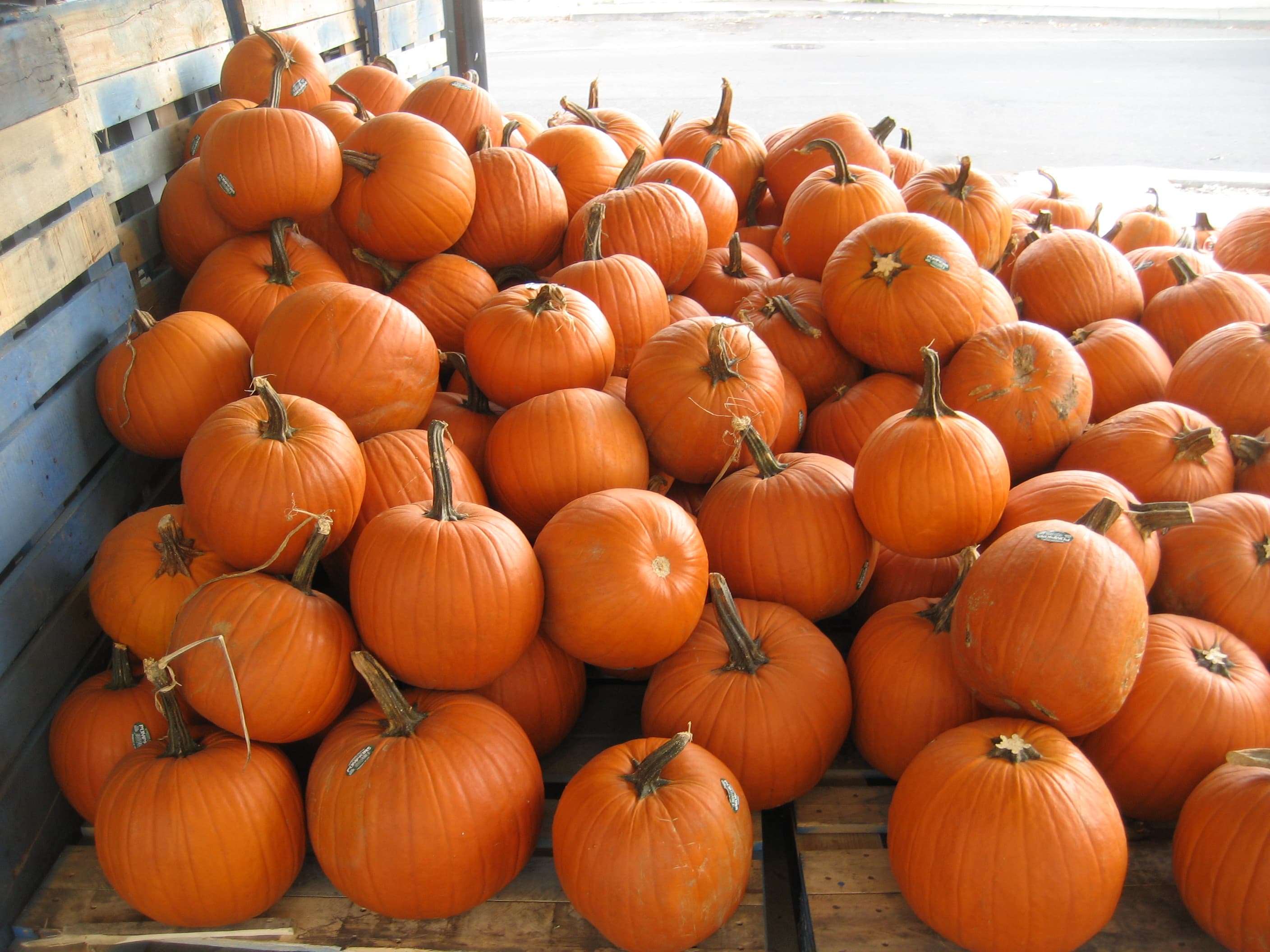 Cinderella Pumpkin
 Costata Romanesco Zucchini
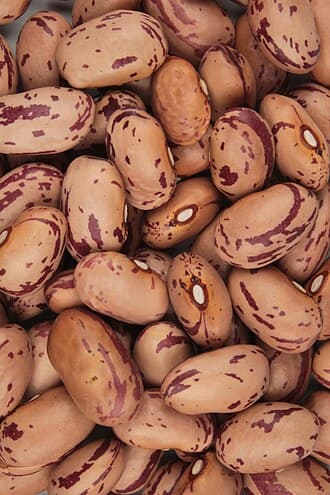 Cranberry Bean
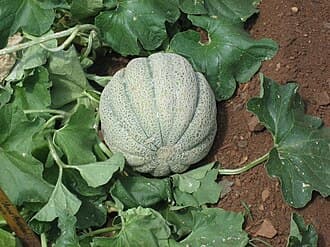 Crenshaw Melon
 Crimson Sweet Watermelon
 Cubanelle Pepper
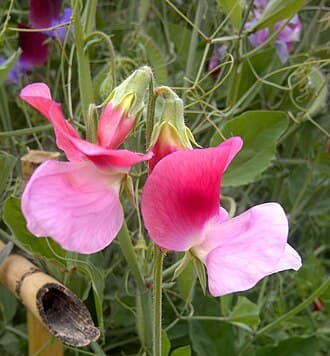 Cupani Sweet Pea
 Curry Plant
 Delicata Squash
 Denim n Lace Russian Sage
 Distylium🥒Diva Cucumber
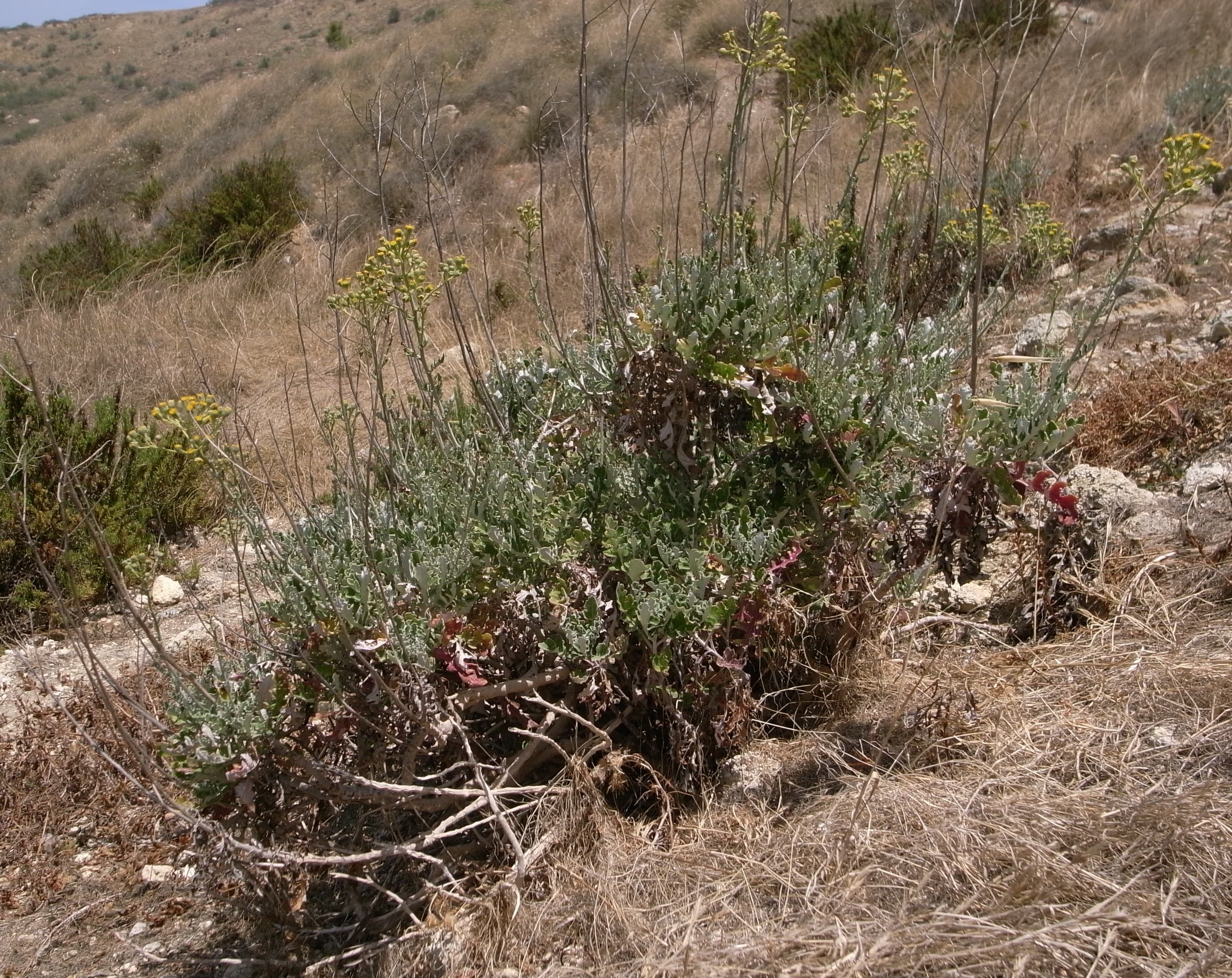 Dusty Miller
 Early Girl Tomato
 Edamame🥒English Cucumber
 English Lavender
 English Shelling Pea
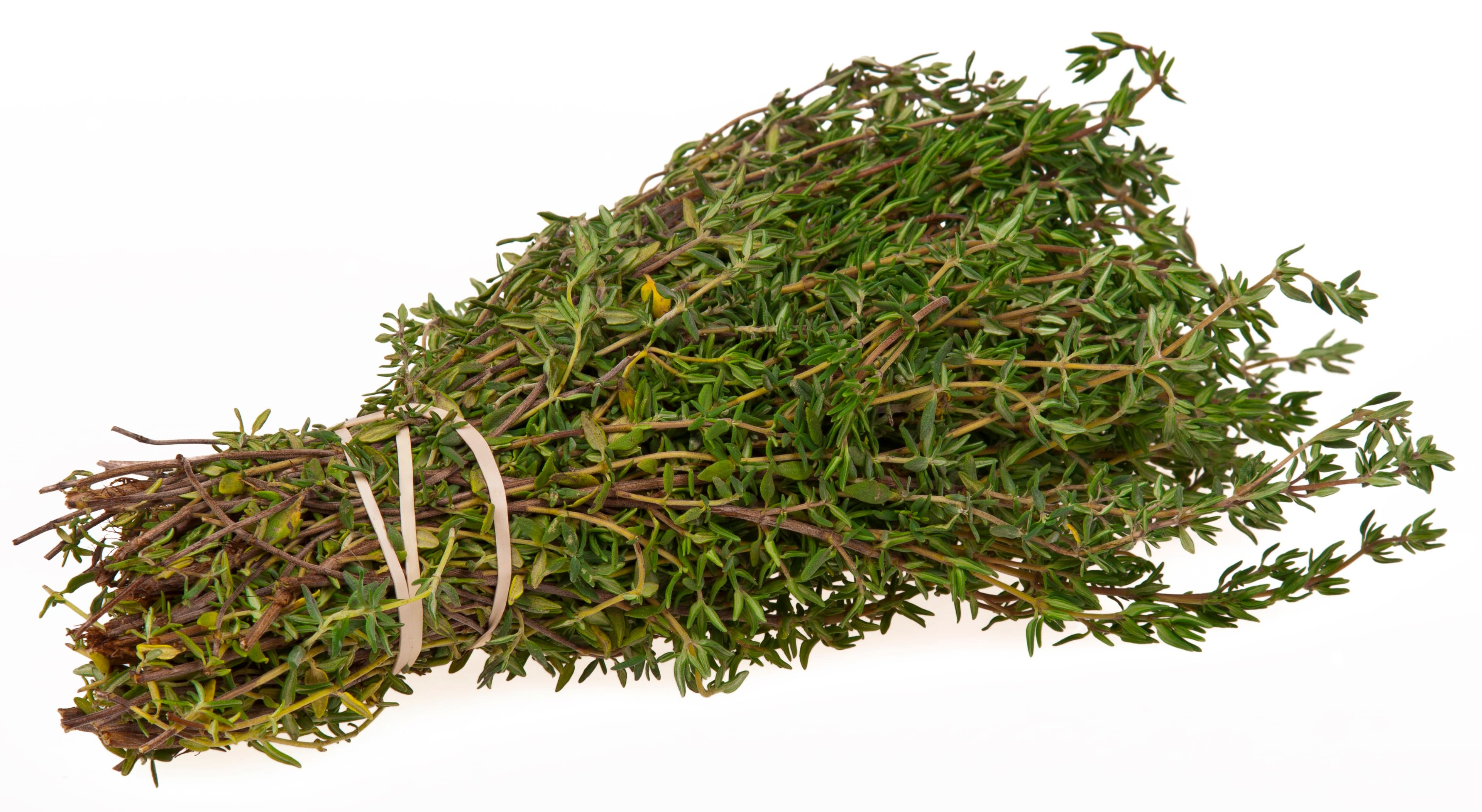 English Thyme
 Fairy Tale Eggplant
 Fenugreek
 Field Pea
 Fingerling Potato
 Fordhook 242 Lima Bean
 Fountain Grass
 French Tarragon
 Fresno Pepper
 Galia Melon
 Garden Sage
 Gaura
Gaura German Butterball Potato🍅German Queen Tomato
 Ghost Pepper
 Ginger
 Ginkgo
 Golden Bantam Corn
 Golden Beet
 Greek Oregano
 Green Bell Pepper
 Green Zebra Tomato
 Habanero Pepper
 Hardy Kiwi
 Honeoye Strawberry
 Honeydew Melon
 Hubbard Squash
 Hungarian Wax Pepper
 Husker Red Penstemon
 Hyssop
 Indigo Rose Tomato
For educational and informational purposes only. Disease management advice is general guidance drawn from university cooperative extension sources; always identify a problem positively and read and follow the label on any product before use, especially around food crops, children, and pets.