
White Mold
Sclerotinia sclerotiorum
A fungal rot that strikes a wide range of vegetables, coating stems, leaves, and pods with a cottony white mold and rotting them through. White mold thrives in cool, damp, crowded plantings and is especially troublesome on beans, lettuce, cabbage, carrots, and tomatoes. Its hard black resting bodies let it survive in the soil for years.
🔎 How to spot it
Look first for a soft, watery rot on stems, leaves, pods, or fruit, soon covered with a fluffy white cottony mold in damp conditions. The surest sign is the hard, black, irregular resting bodies, the sclerotia, that form in and on the rotted tissue, looking like mouse droppings or small lumps of coal. Infected stems may bleach white and wilt above the rot.
🥀 Damage it causes
White mold rots stems, crowns, pods, and fruit, wilting and killing the parts above the infection and often the whole plant. It can cause stem and crown cankers, root rot, seedling damping-off, and blossom and fruit rot, and it ruins harvested produce in storage. A bad case can take out patches of a bean or lettuce planting.
🔬 What causes it
White mold is caused by the fungus Sclerotinia sclerotiorum, which survives in soil for years as hard black sclerotia. In cool, moist conditions these sprout to release spores that infect through flowers and dying tissue, and the disease then spreads plant to plant by contact. It develops fastest at 68 to 77 F in dense, humid canopies that stay wet.
🛡️ Prevent it
Open up the canopy for airflow and faster drying: space plants widely, avoid heavy nitrogen that builds dense growth, and stake or trellis where you can. Water at the base in the morning rather than overhead. Rotate with non-host crops such as corn and small grains, and remove and destroy infected plants, sclerotia and all, so they do not seed the soil.
🧯 If it is already here
There is no cure for an infected plant, so pull and destroy affected plants promptly, including the black sclerotia, and do not compost them. Improve air movement and reduce moisture right away. Because the fungus persists in soil for years, the real management is cultural: rotation, spacing, and sanitation, since fungicides give limited help in the home garden.
💡 Good to know
The hard black sclerotia are both the diagnostic clue and the reason white mold is so persistent, since they can wait in the soil for many years between host crops. The disease loves a dense, humid canopy, so the same airflow and spacing that fight gray mold and downy mildew also hold white mold back.
🌱 Plants it affects
362 plants in the library can be affected by this problem
 Adirondack Blue Potato
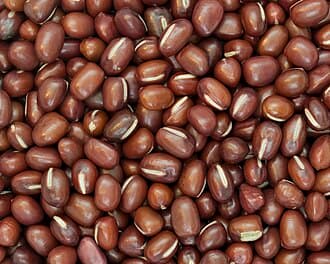 Adzuki Bean
 African Marigold
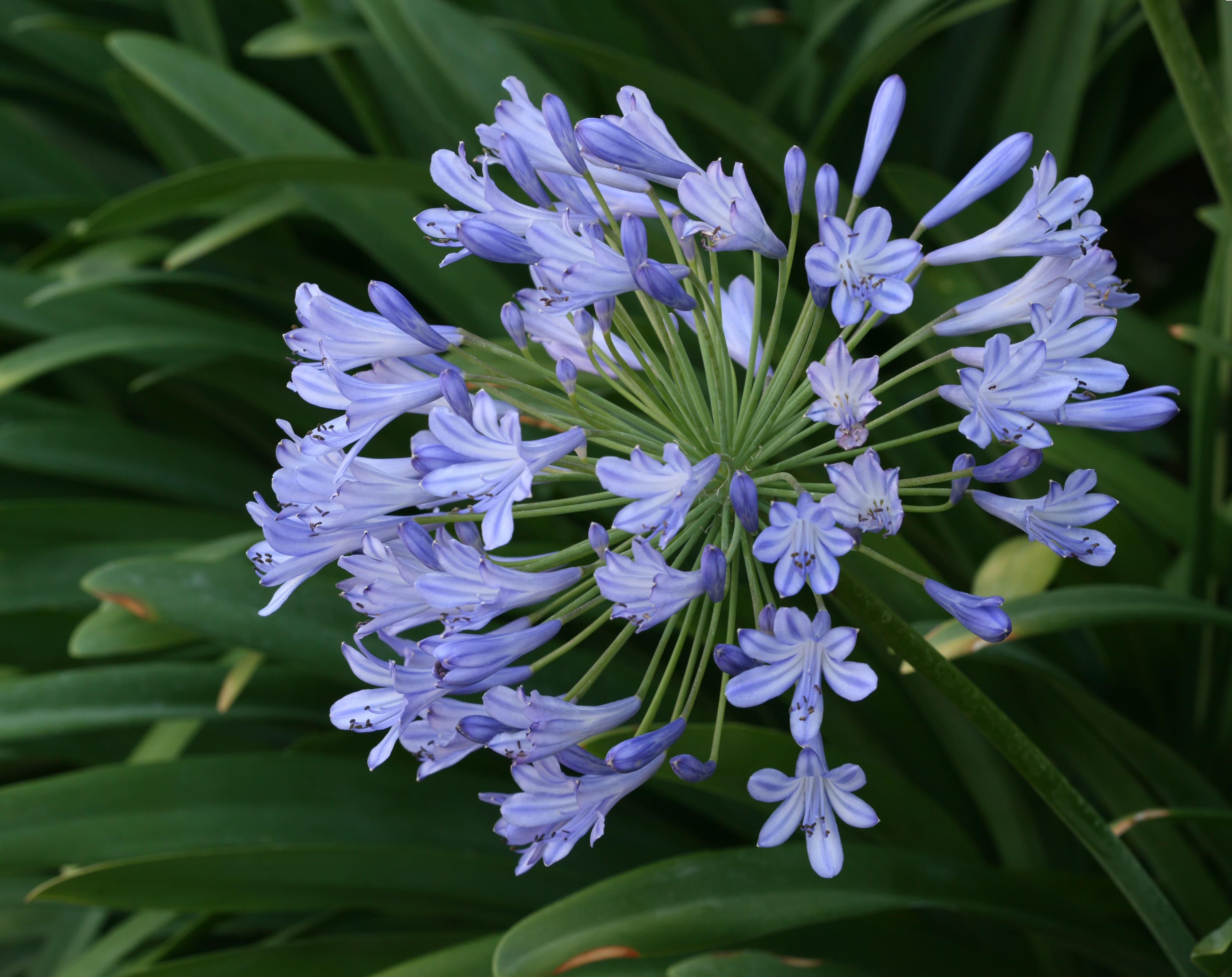 Agapanthus
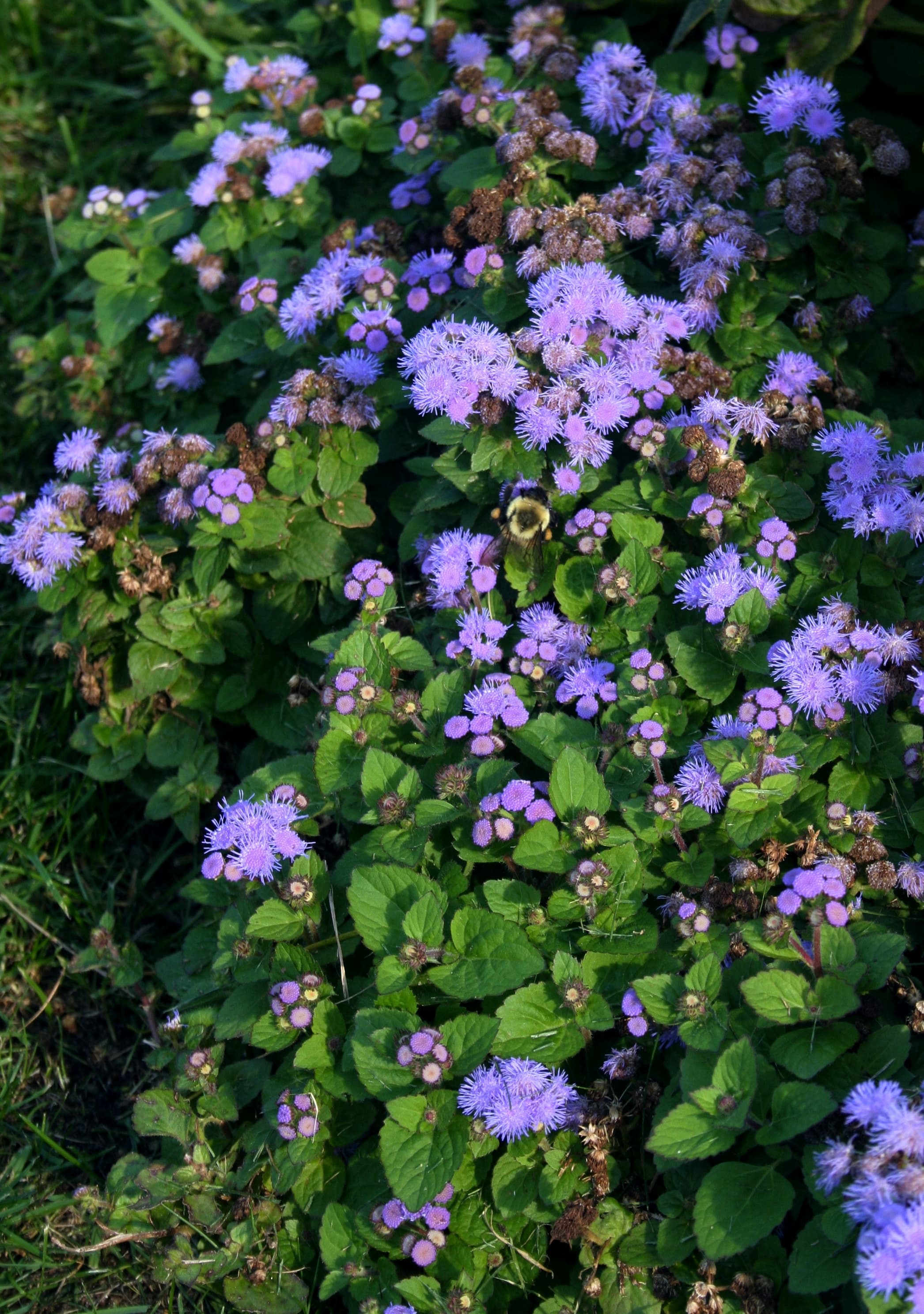 Ageratum
 Aji Amarillo Pepper
 Alice du Pont Mandevilla🥔All Blue Potato
 Amethyst Falls Wisteria
 Amish Paste Tomato
 Anaheim Pepper
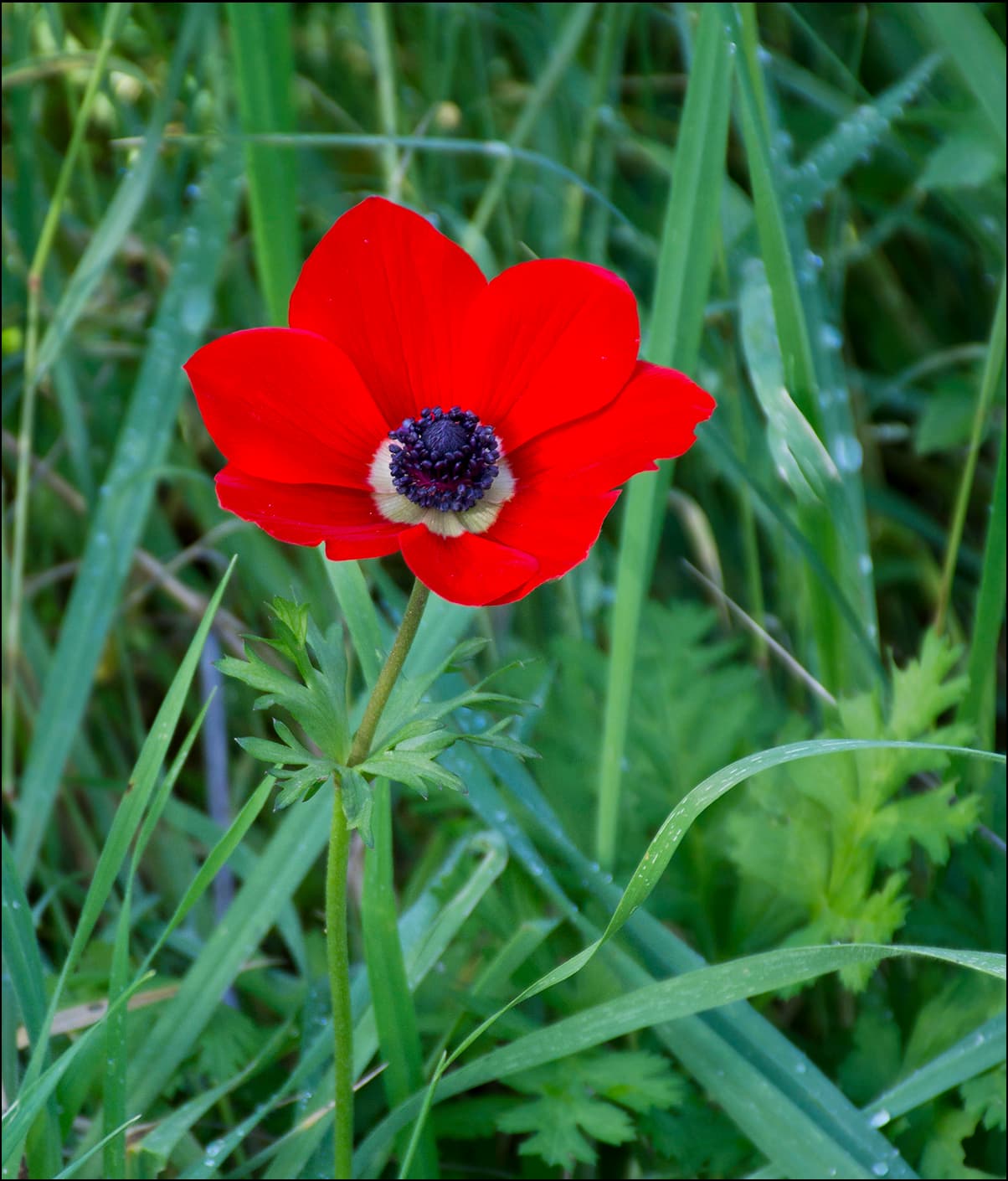 Anemone
 Angelique Tulip
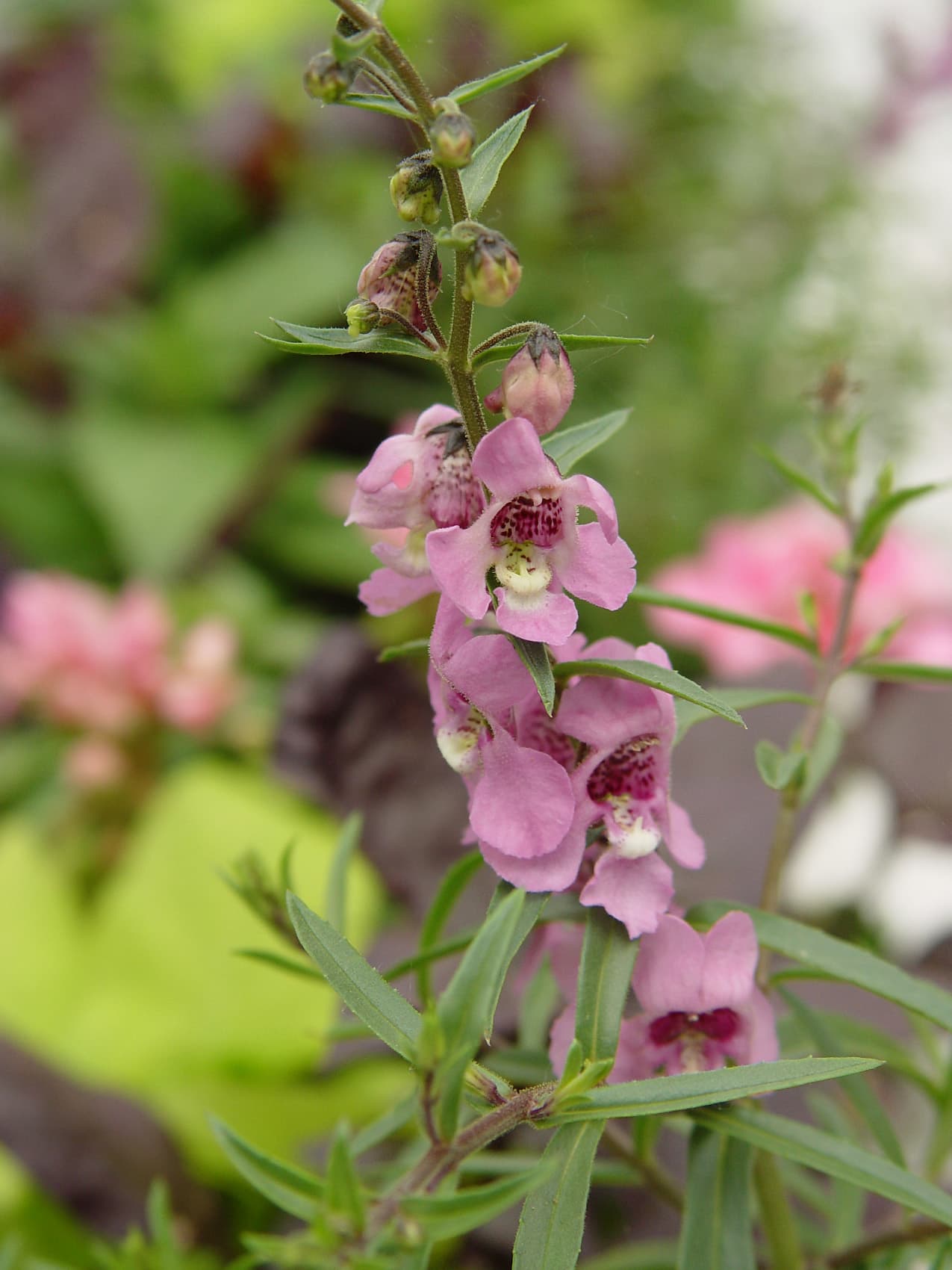 Angelonia
 Annabelle Smooth Hydrangea
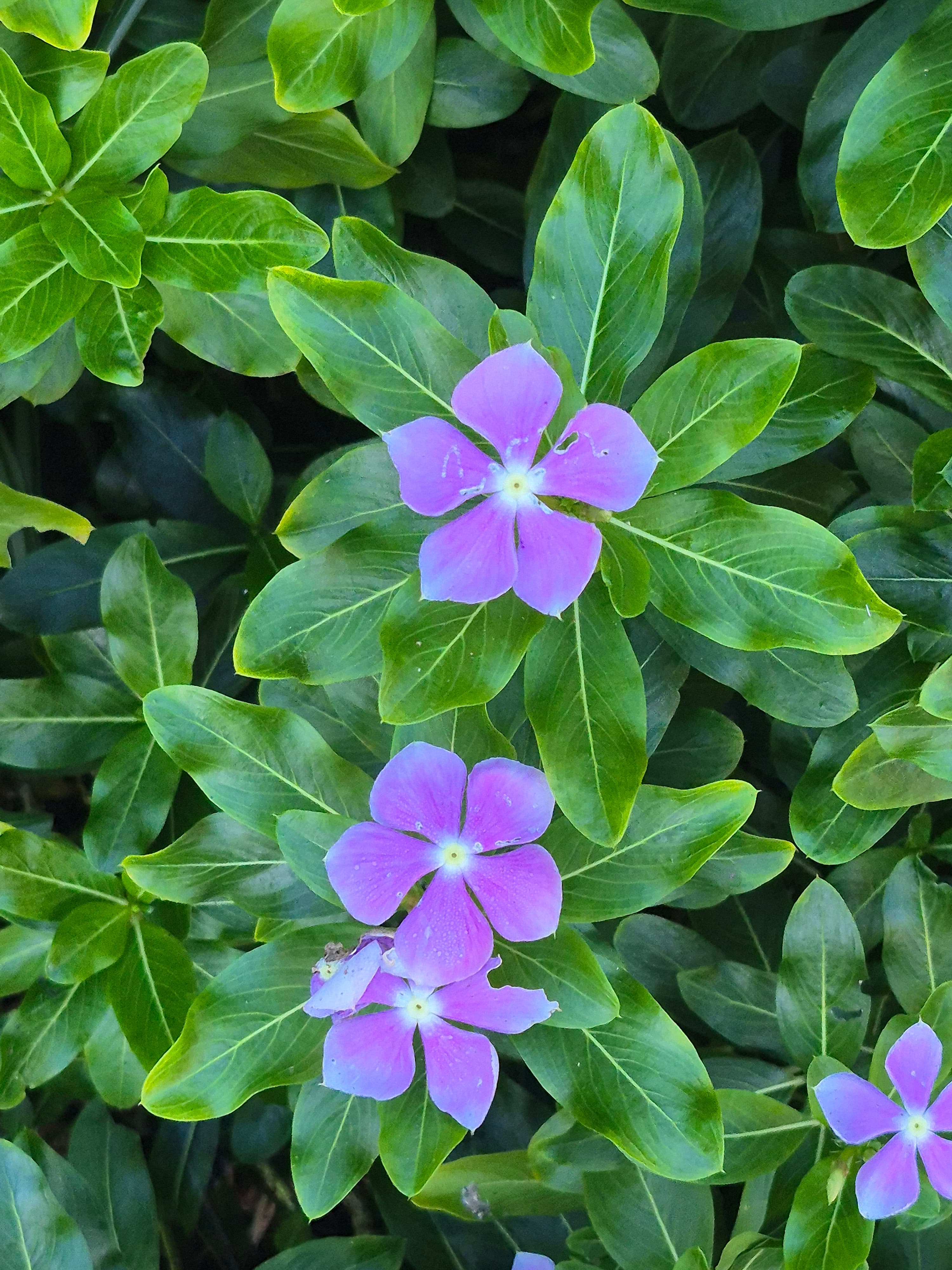 Annual Vinca
 Apeldoorn Tulip
 April Tryst Camellia
 Arizona Sun Blanket Flower
 Arugula🥕Atomic Red Carrot
 August Beauty Gardenia
 Autumn Joy Sedum
 Bachelor's Button
 Banana Pepper
 Barbara Karst Bougainvillea
 Beauregard Sweet Potato
 Becky Shasta Daisy
 Bee Balm🍅Beefmaster Tomato
 Benarys Giant Zinnia
 Bengal Tiger Canna
 Better Boy Tomato🥬Bibb Lettuce🍅Big Beef Tomato
 Big Boy Tomato
 Black Bean
 Black Beauty Eggplant
 Black Beluga Lentil
 Black Cherry Tomato
 Black Krim Tomato🥬Black Seeded Simpson Lettuce🥕Black Spanish Radish
 Black-Eyed Pea
 Black-eyed Susan Vine
 Blood Orange
 Bloomsdale Spinach
 Blue Bird Delphinium
 Blue Bird Rose of Sharon
 Blue Fescue
 Blue Lake Green Bean
 Bok Choy🥕Bolero Carrot🍅Box Car Willie Tomato
 Brandywine Tomato
 Broad Windsor Fava Bean
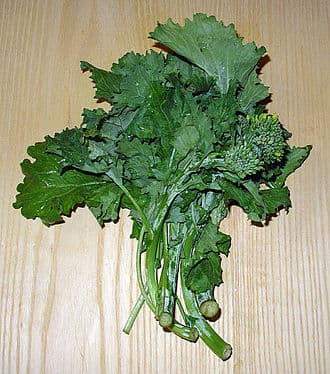 Broccoli Rabe
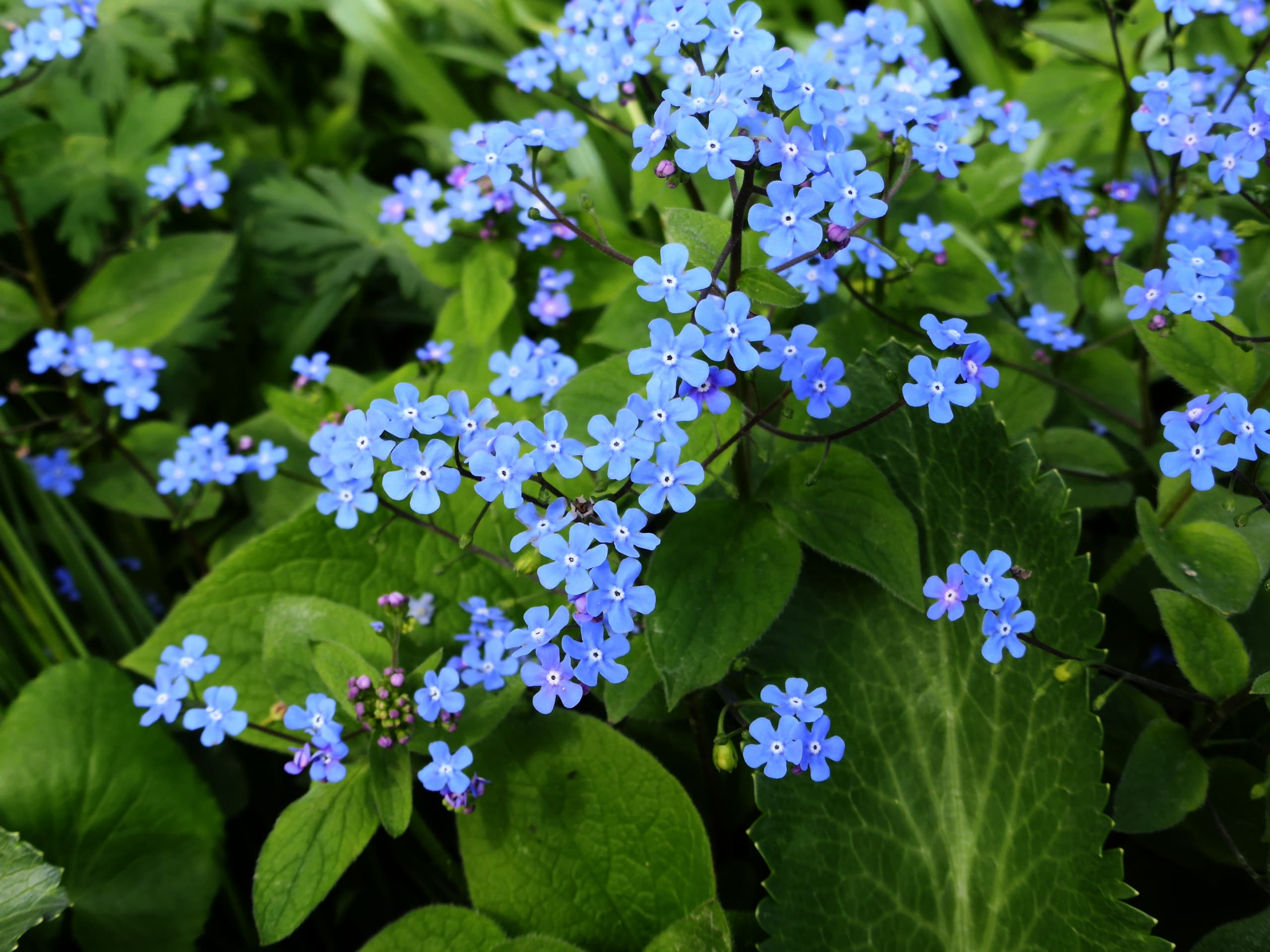 Brunnera
 Brussels Sprouts
 Burning Bush
 Buttercrunch Lettuce
 Butterfly Blue Pincushion Flower
 Butterfly Marguerite Daisy
 Butterfly Weed
 Cafe au Lait Dahlia
 Calabrese Broccoli
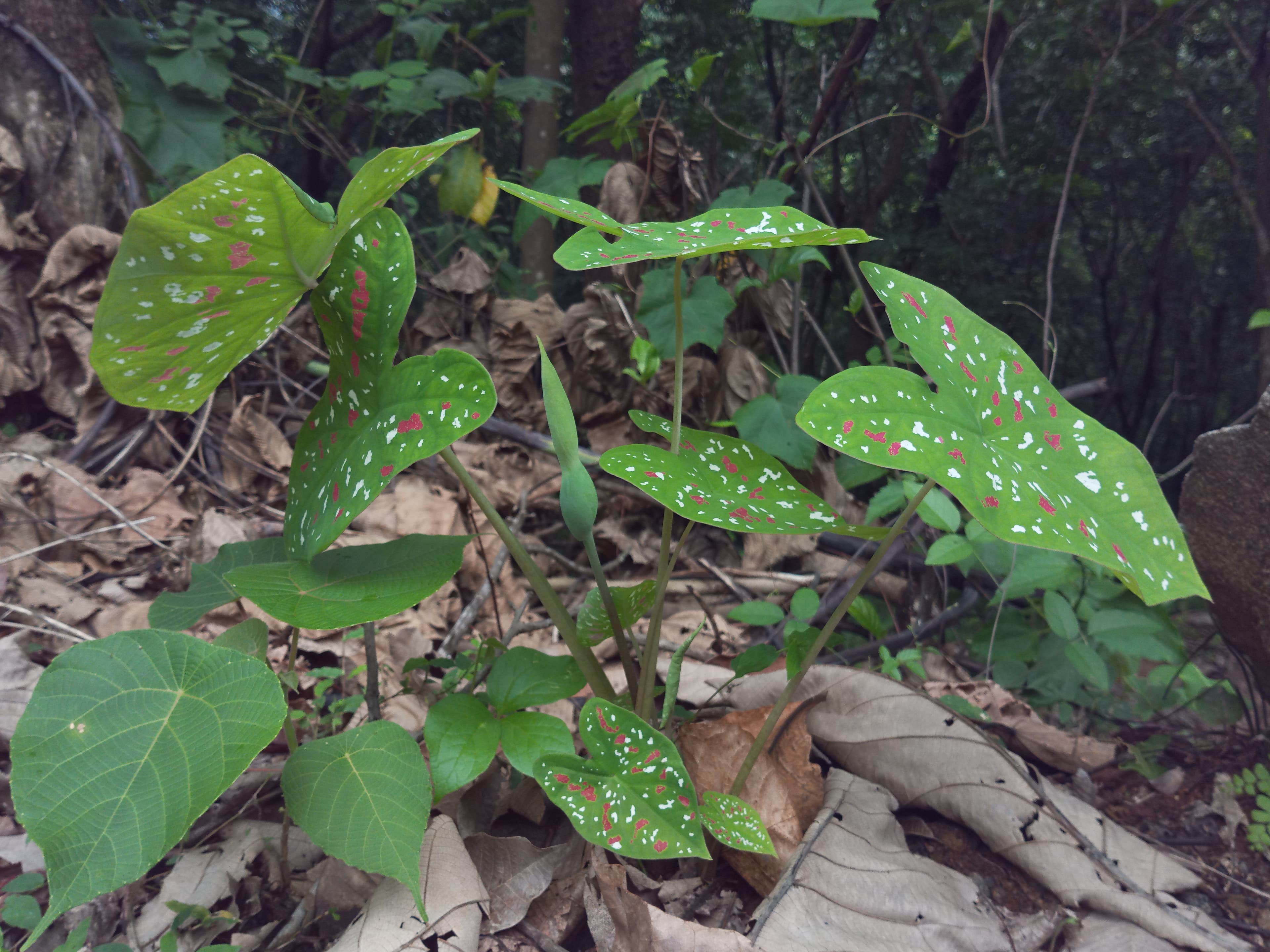 Caladium
 Calendula
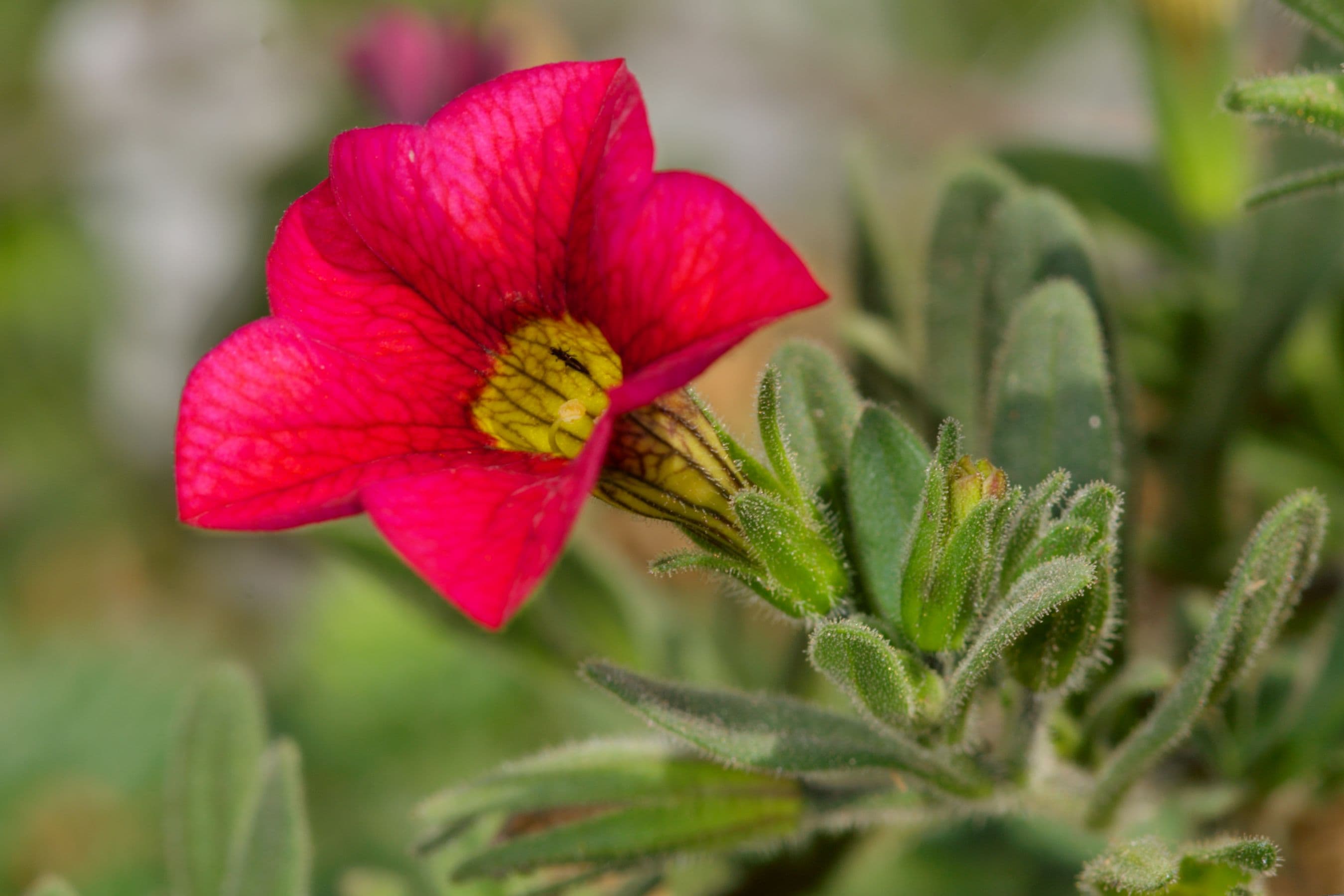 Calibrachoa
 California Giant Zinnia
 California Poppy
 Campanula
 Cannellini Bean
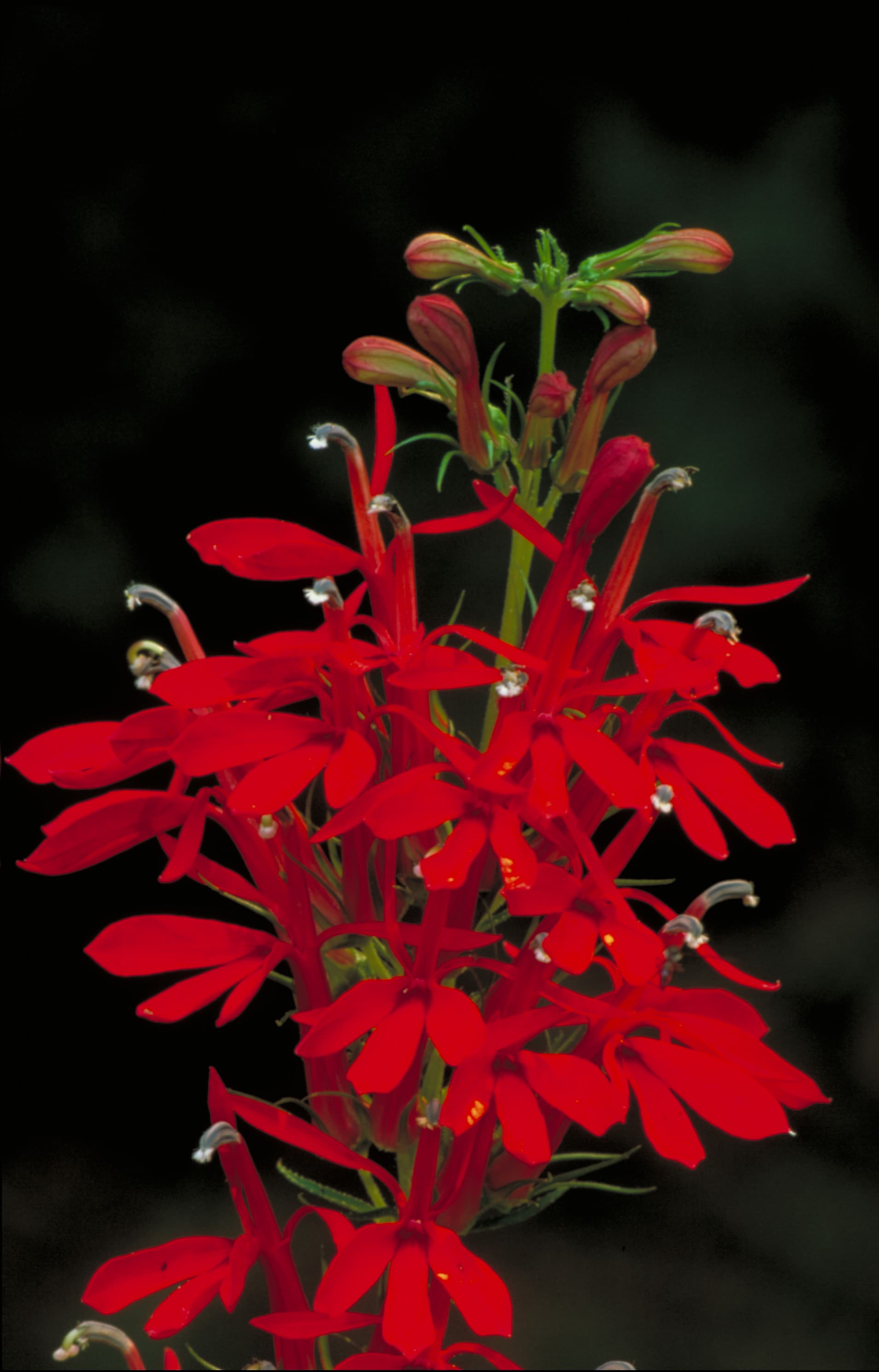 Cardinal Flower
 Carolina Geranium
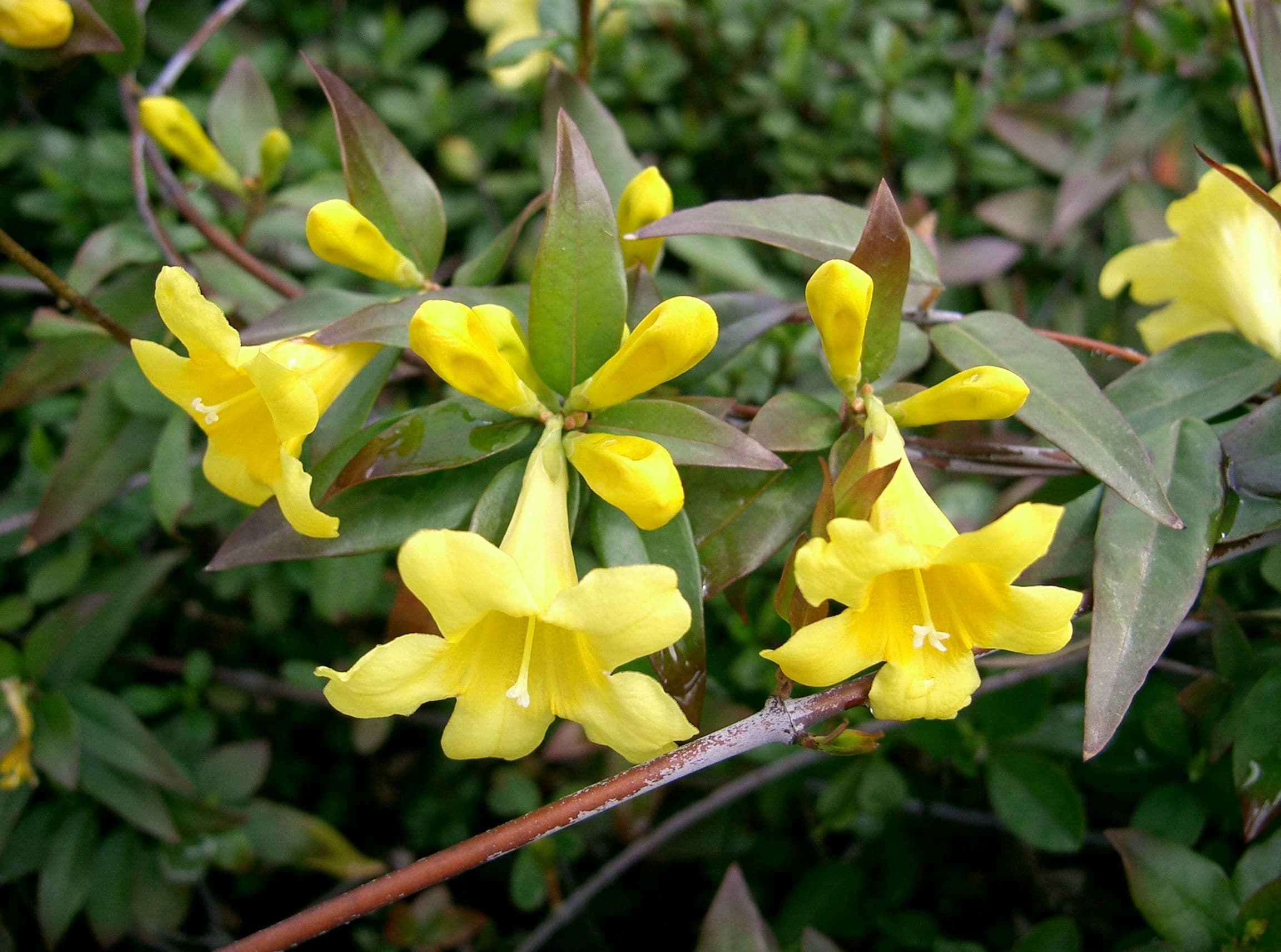 Carolina Jessamine
 Carolina Reaper Pepper
 Cayenne Pepper
 Celebrity Tomato🥬Champion Collards
 Chantenay Carrot
 Cheddar Cauliflower
 Cherokee Purple Tomato
 Cherry Belle Radish
 Chicory
 Chinese Broccoli
 Climbing Hydrangea
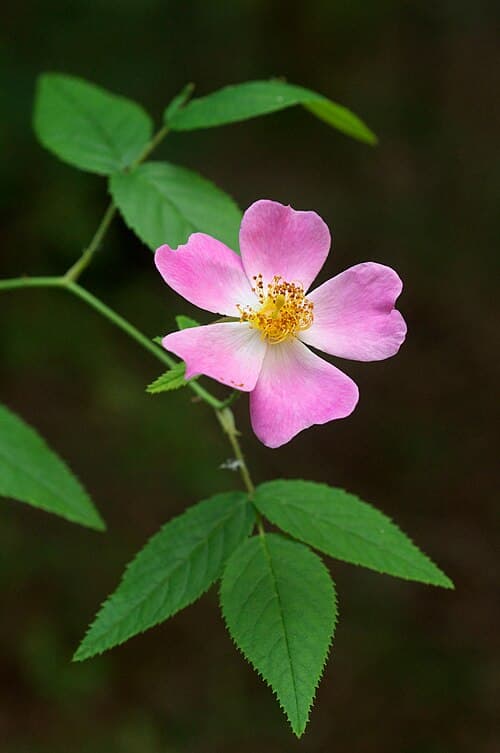 Climbing Prairie Rose
 Cocktail Vodka Begonia
 Coleus
 Collard Greens
 Coral Drift Groundcover Rose
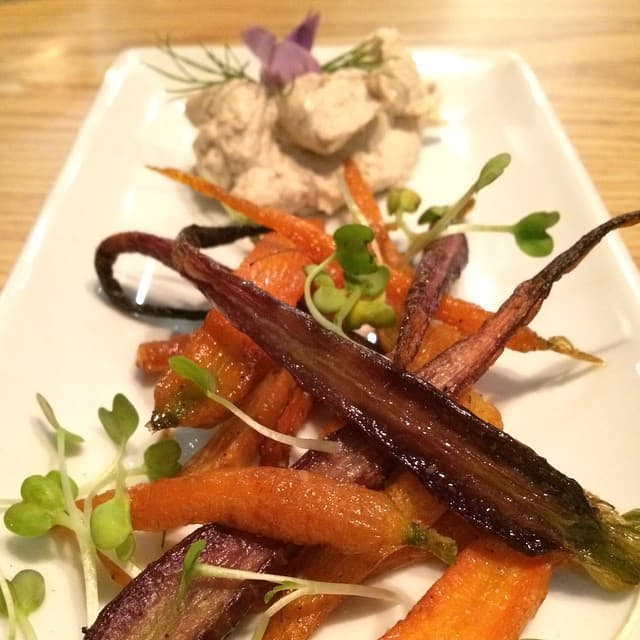 Cosmic Purple Carrot
 Cosmos
 Cranberry Bean
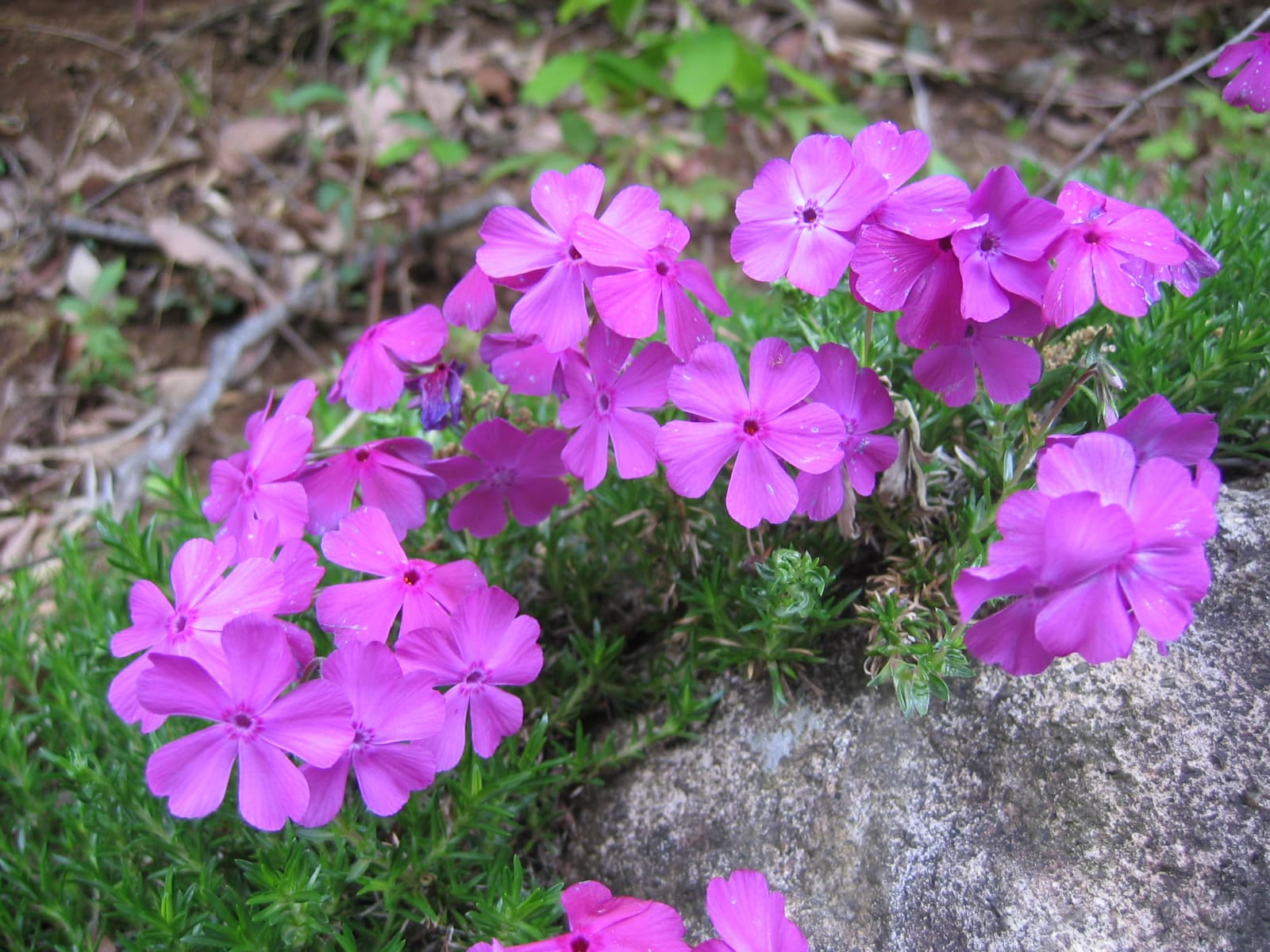 Creeping Phlox
 Cubanelle Pepper
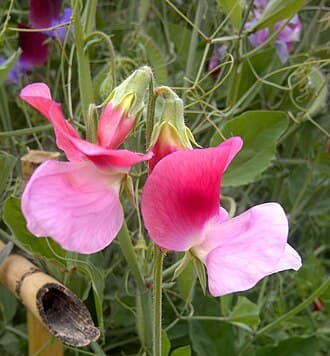 Cupani Sweet Pea
 Daikon Radish
 Dandelion
For educational and informational purposes only. Disease management advice is general guidance drawn from university cooperative extension sources; always identify a problem positively and read and follow the label on any product before use, especially around food crops, children, and pets.