
Broad and Cyclamen Mites
Polyphagotarsonemus latus, Phytonemus pallidus
Microscopic mites that attack the buds and growing tips of peppers, strawberries, and many ornamentals, twisting and stunting the new growth. Too small to see without a strong lens, broad and cyclamen mites are often misdiagnosed, since the distorted, crinkled, bronzed new leaves they cause look like a disease, herbicide injury, or nutrient problem rather than a pest.
🔎 How to spot it
The mites themselves are invisible to the naked eye, so you diagnose by the damage to new growth: leaves that emerge cupped, curled, crinkled, thickened, and often bronzed or stiff, with stunted, tufted growing tips and deformed, discolored, or aborted buds and flowers. On strawberries the crown leaves are stunted and crinkled; on peppers the leaf edges roll and the tips distort. A 15x or stronger lens is needed to see the mites.
🥀 Damage it causes
By feeding on the tender buds, growing points, and undersides of expanding leaves, these mites distort and stunt the new growth, deform and discolor flowers and fruit, and can stall a plant and slash its yield. Strawberries, peppers, and many flowers are hit hard, and because the mites multiply fast, a small infestation can quickly ruin all the new growth.
🛡️ Prevent it
Start with clean, mite-free transplants, since the mites often arrive on infested plants, and isolate and inspect new or gift plants before adding them to the garden. Avoid moving the mites on hands and tools from infested to healthy plants. Encourage predatory mites, which help keep them in check, and remove and destroy heavily infested plants that serve as a source.
🧯 If it is already here
Remove and destroy badly infested growth or whole plants to cut the population. A hot-water dip, about 111 F for fifteen minutes, kills the mites on dormant or transplant material. Sulfur and a few labeled miticides give control, and predatory mites can be released, but coverage of the hidden buds and growing points is difficult, so catching it early and removing infested tissue matter most.
💡 Good to know
Broad and cyclamen mites are among the most-misdiagnosed pests, because the twisted, stunted new growth looks so much like herbicide injury, a virus, or a nutrient problem, and the culprit is invisible without magnification. The tell is that the damage is always on the newest growth and buds; when peppers or strawberries distort at the tips for no clear reason, suspect these mites.
🌱 Plants it attacks
245 plants in the library can be attacked by this pest
 African Marigold
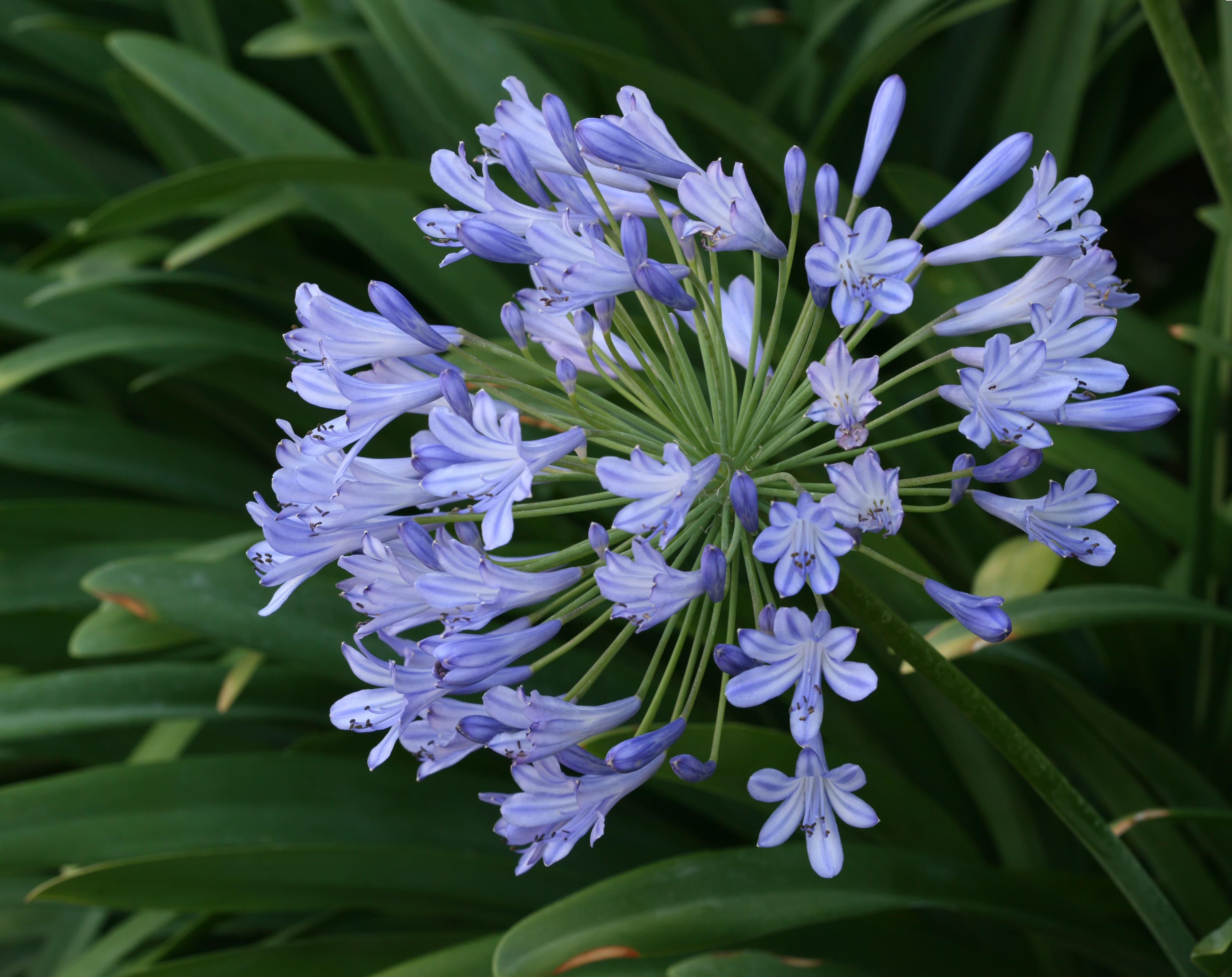 Agapanthus
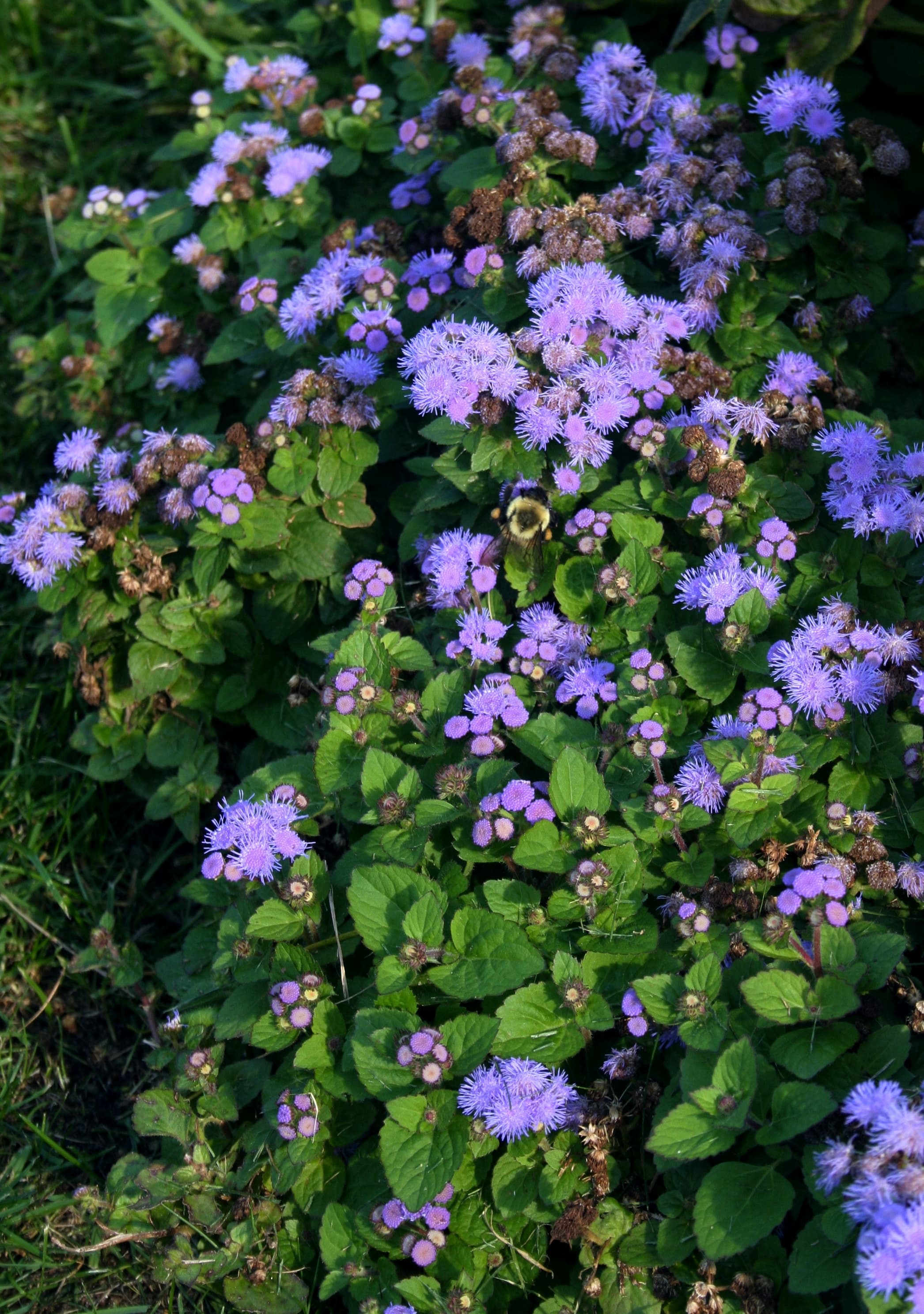 Ageratum
 Aji Amarillo Pepper🍓Albion Strawberry
 Alice du Pont Mandevilla
 Amethyst Falls Wisteria
 Amish Paste Tomato
 Anaheim Pepper
 Anemone
 Angelique Tulip
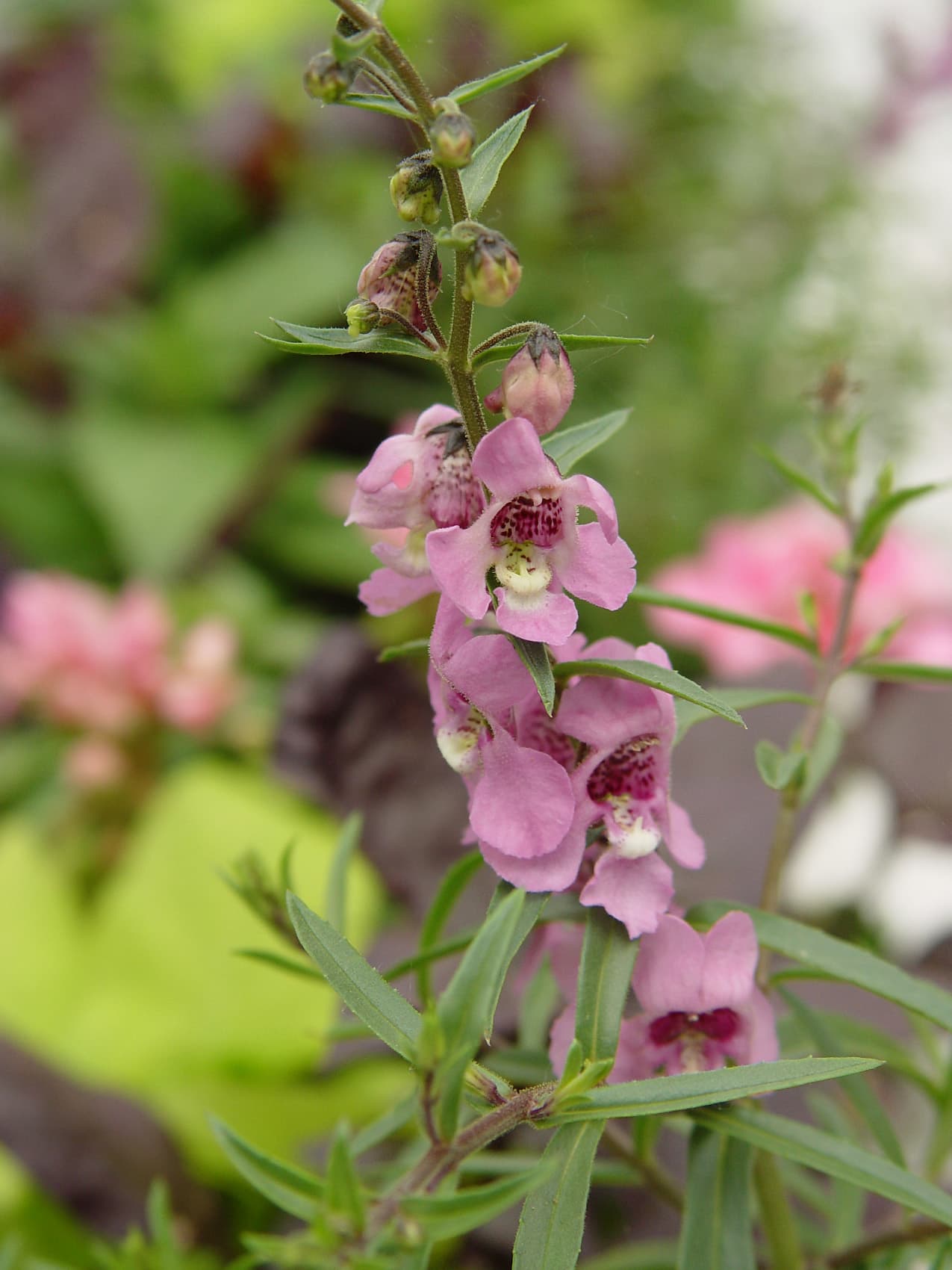 Angelonia
 Annabelle Smooth Hydrangea
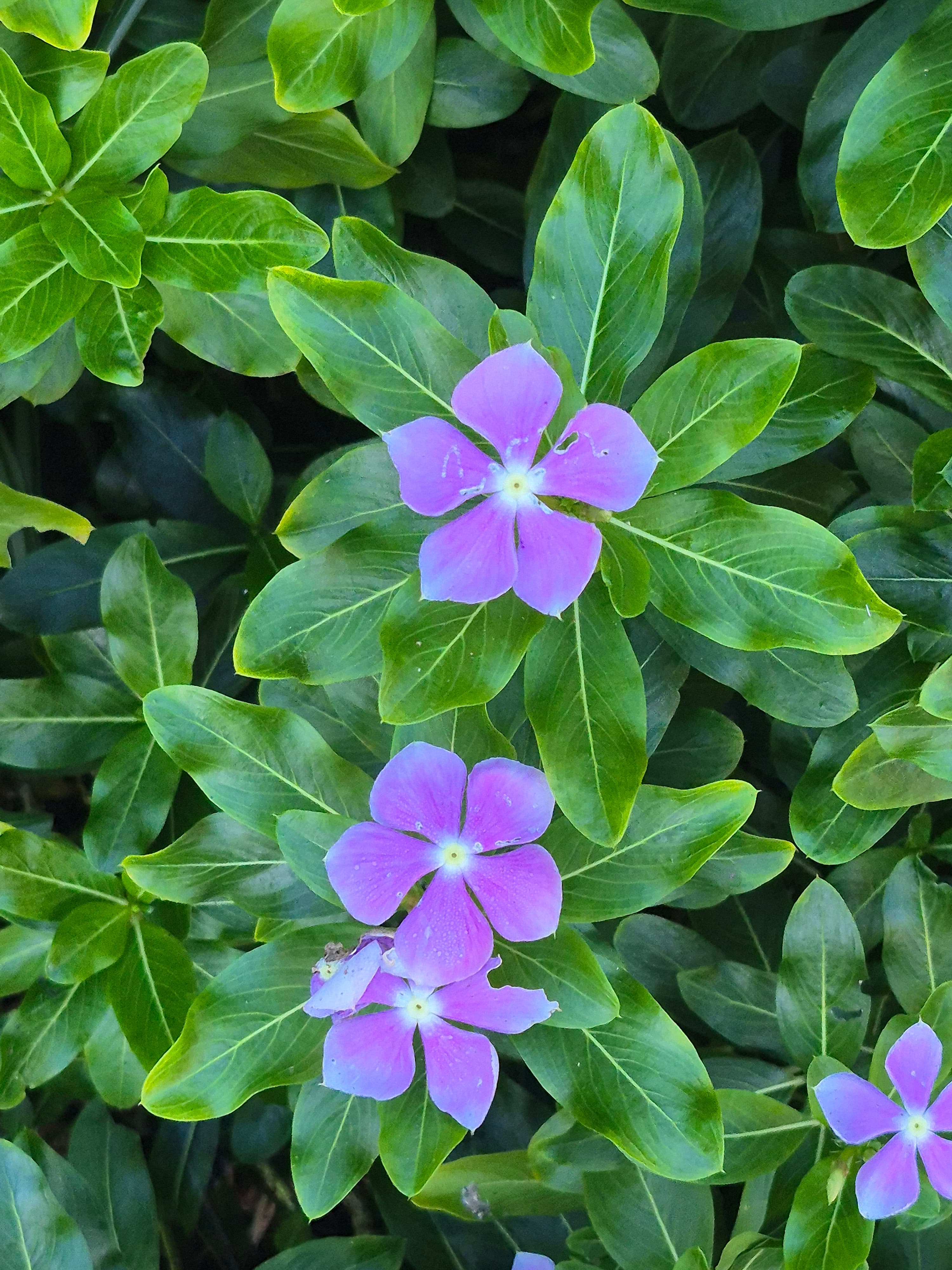 Annual Vinca
 Apeldoorn Tulip
 April Tryst Camellia
 Arizona Sun Blanket Flower
 August Beauty Gardenia
 Autumn Joy Sedum
 Bachelor's Button
 Banana Pepper
 Barbara Karst Bougainvillea
 Becky Shasta Daisy
 Bee Balm🍅Beefmaster Tomato
 Benarys Giant Zinnia
 Bengal Tiger Canna
 Better Boy Tomato🍅Big Beef Tomato
 Big Boy Tomato
 Black Cherry Tomato
 Black Krim Tomato
 Black-Eyed Pea
 Black-eyed Susan Vine
 Blood Orange
 Blue Bird Delphinium
 Blue Bird Rose of Sharon
 Blue Fescue🍅Box Car Willie Tomato
 Brandywine Tomato
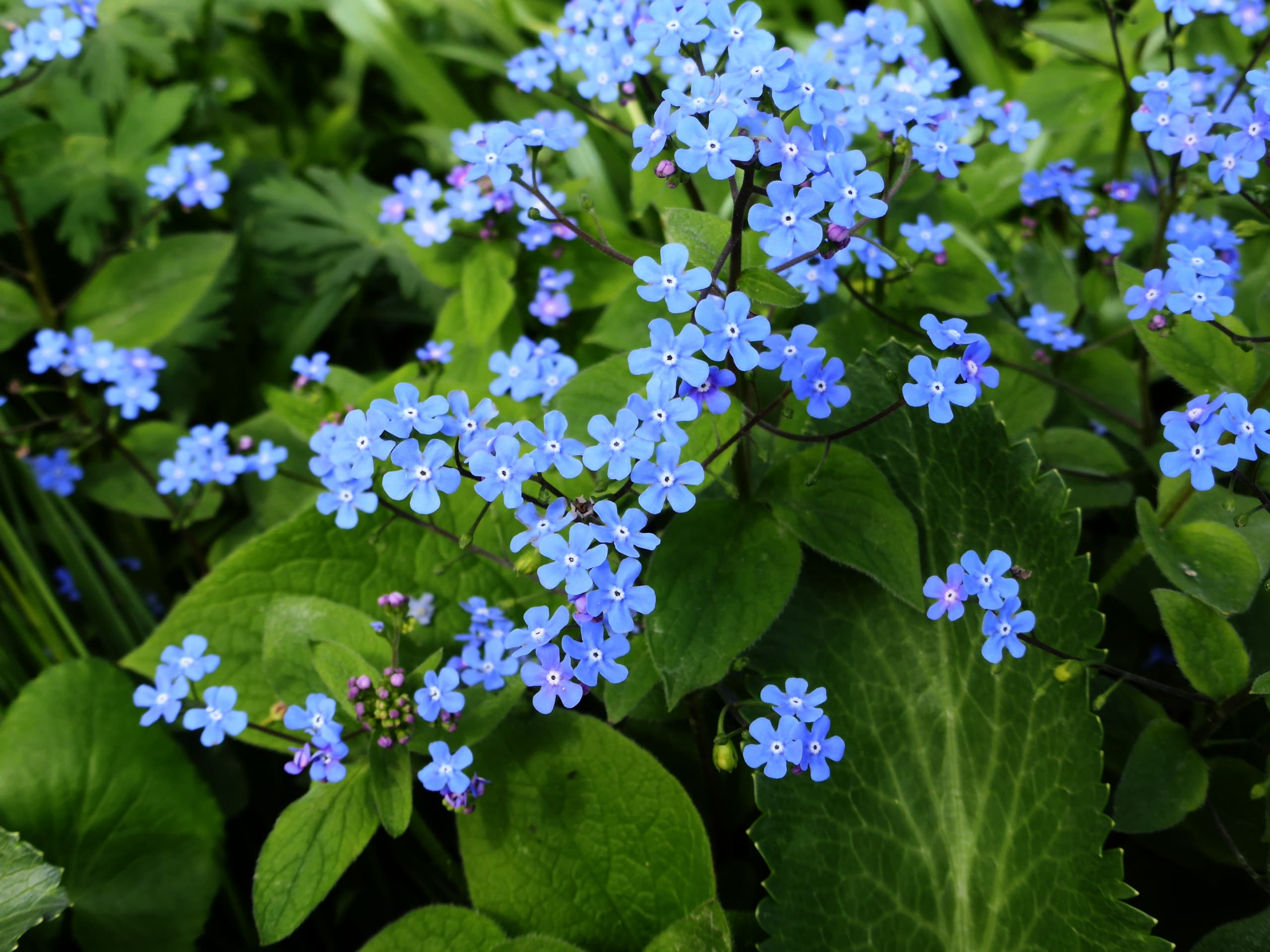 Brunnera
 Burning Bush
 Butterfly Blue Pincushion Flower
 Butterfly Marguerite Daisy
 Butterfly Weed
 Cafe au Lait Dahlia
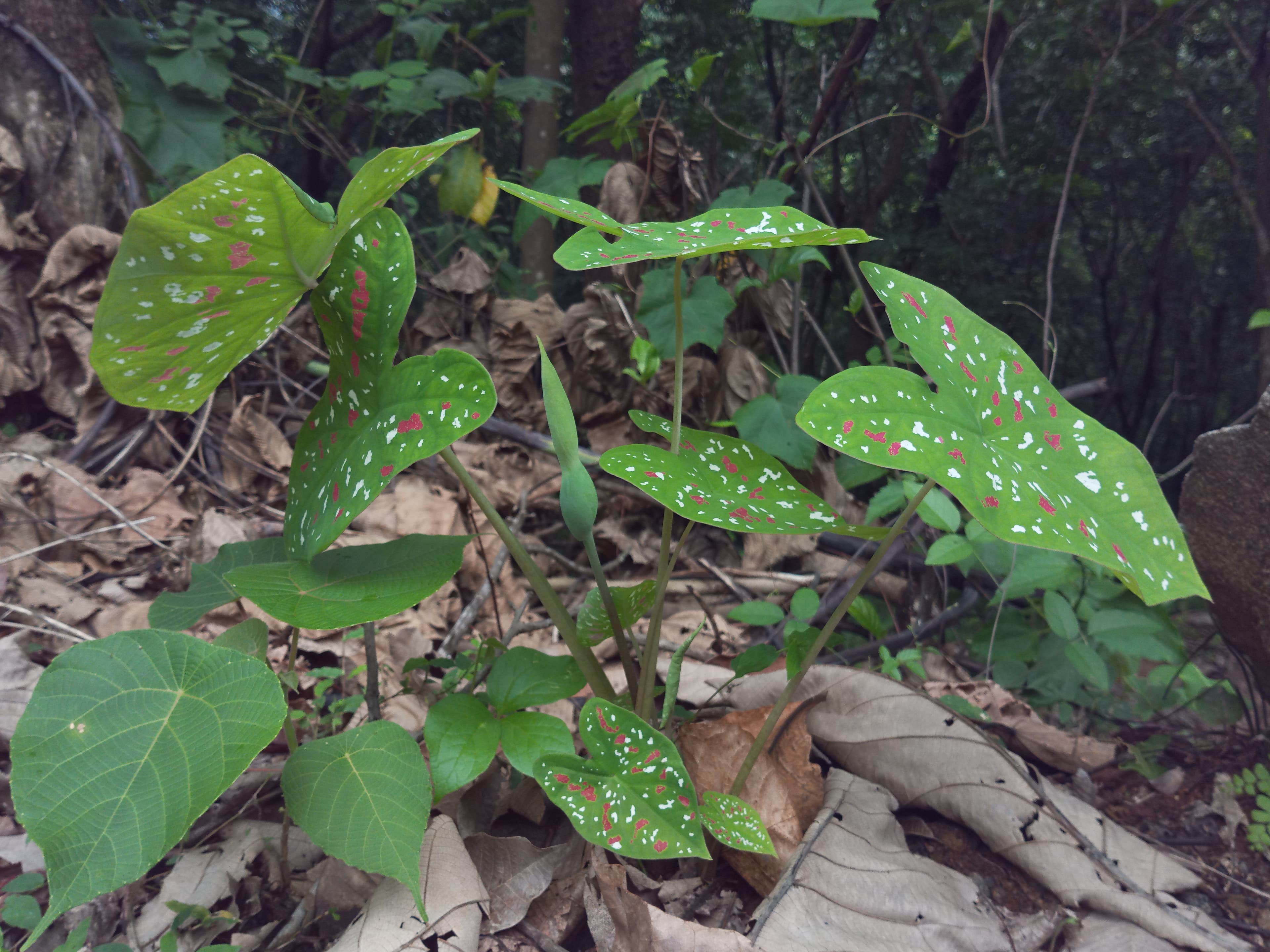 Caladium
 Calendula
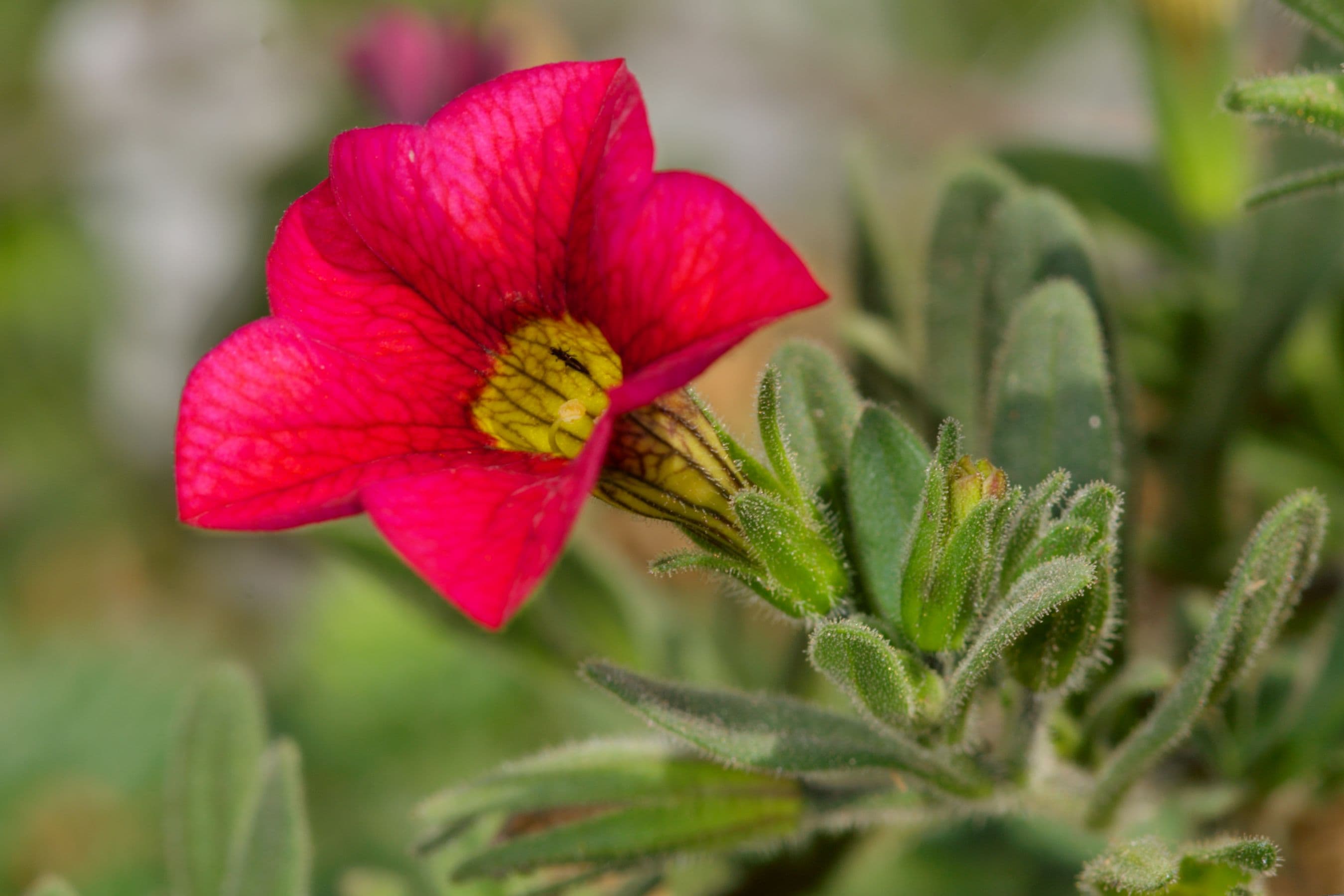 Calibrachoa
 California Giant Zinnia
 California Poppy
 Campanula
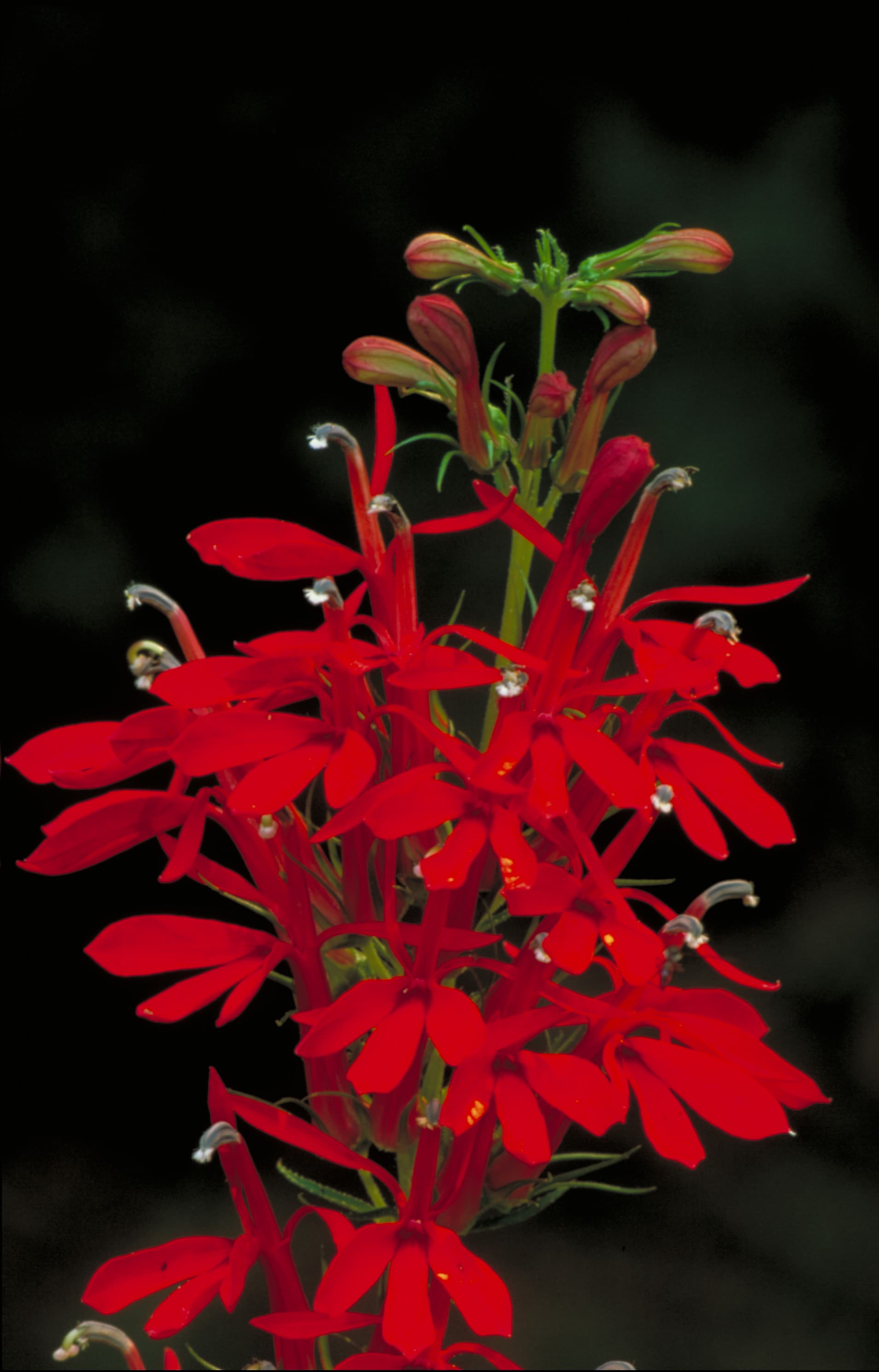 Cardinal Flower
 Carolina Geranium
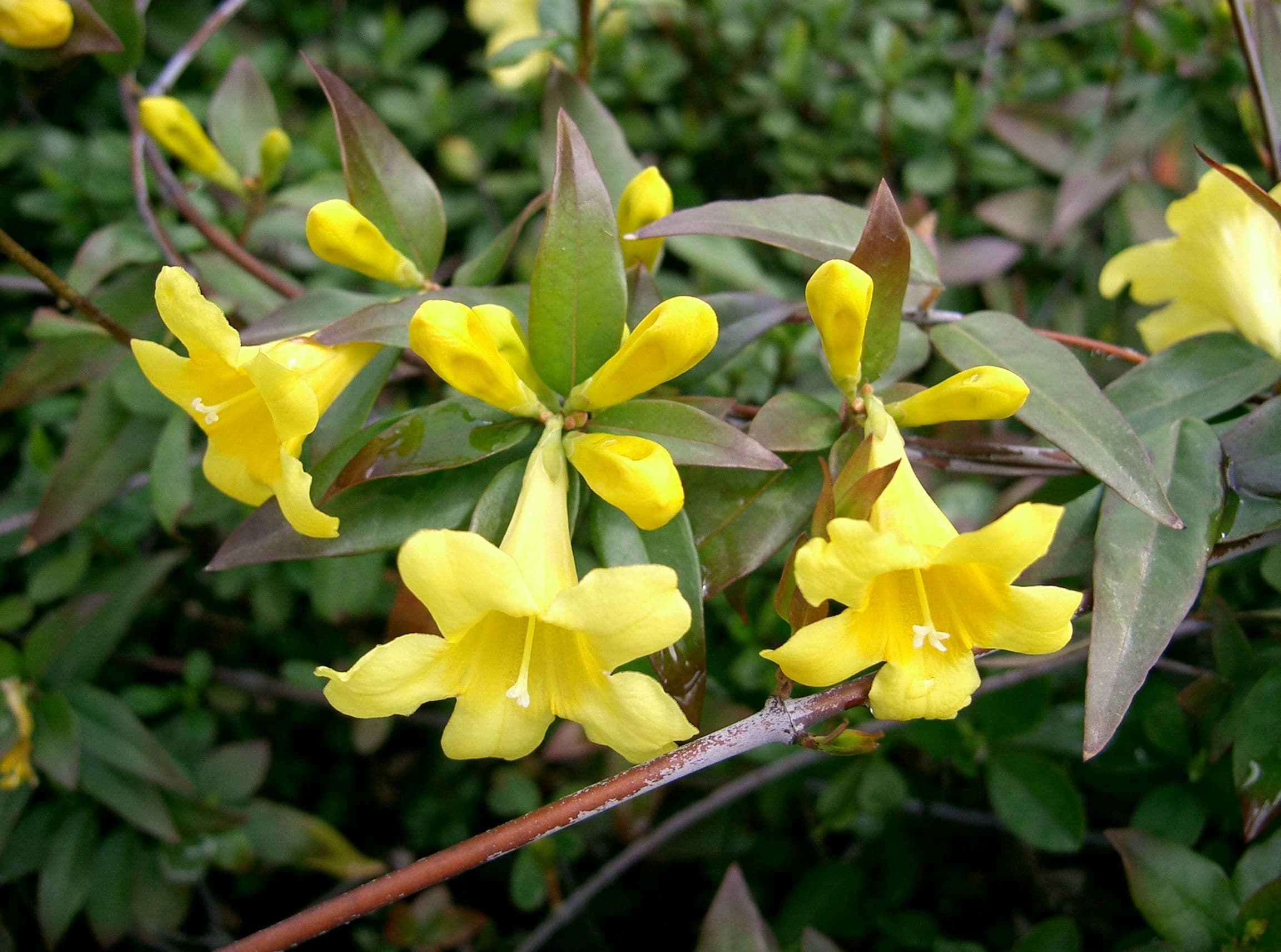 Carolina Jessamine
 Carolina Reaper Pepper
 Cayenne Pepper
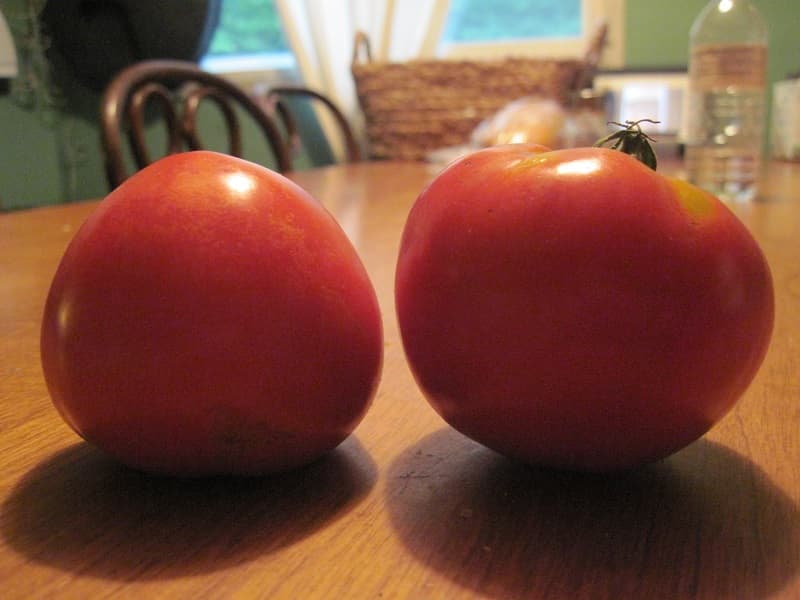 Celebrity Tomato
 Cherokee Purple Tomato
 Climbing Hydrangea
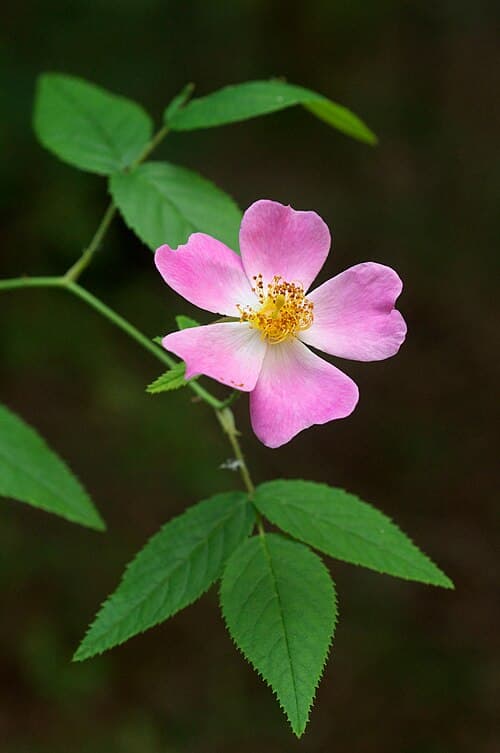 Climbing Prairie Rose
 Cocktail Vodka Begonia
 Coleus
 Coral Drift Groundcover Rose
 Cosmos
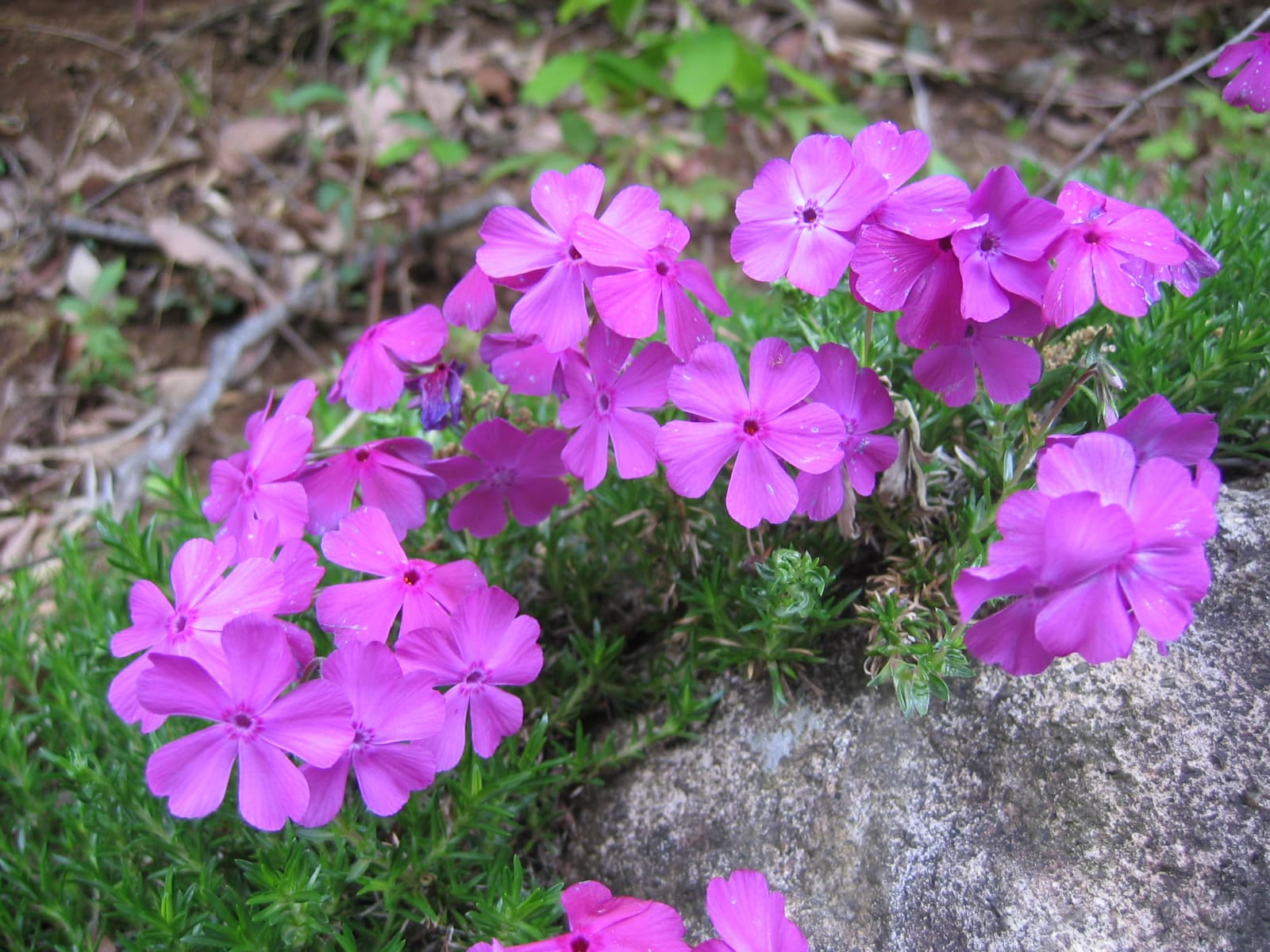 Creeping Phlox
 Cubanelle Pepper
 Cupani Sweet Pea
 David Garden Phlox
 Delft Blue Hyacinth
 Denim n Lace Russian Sage
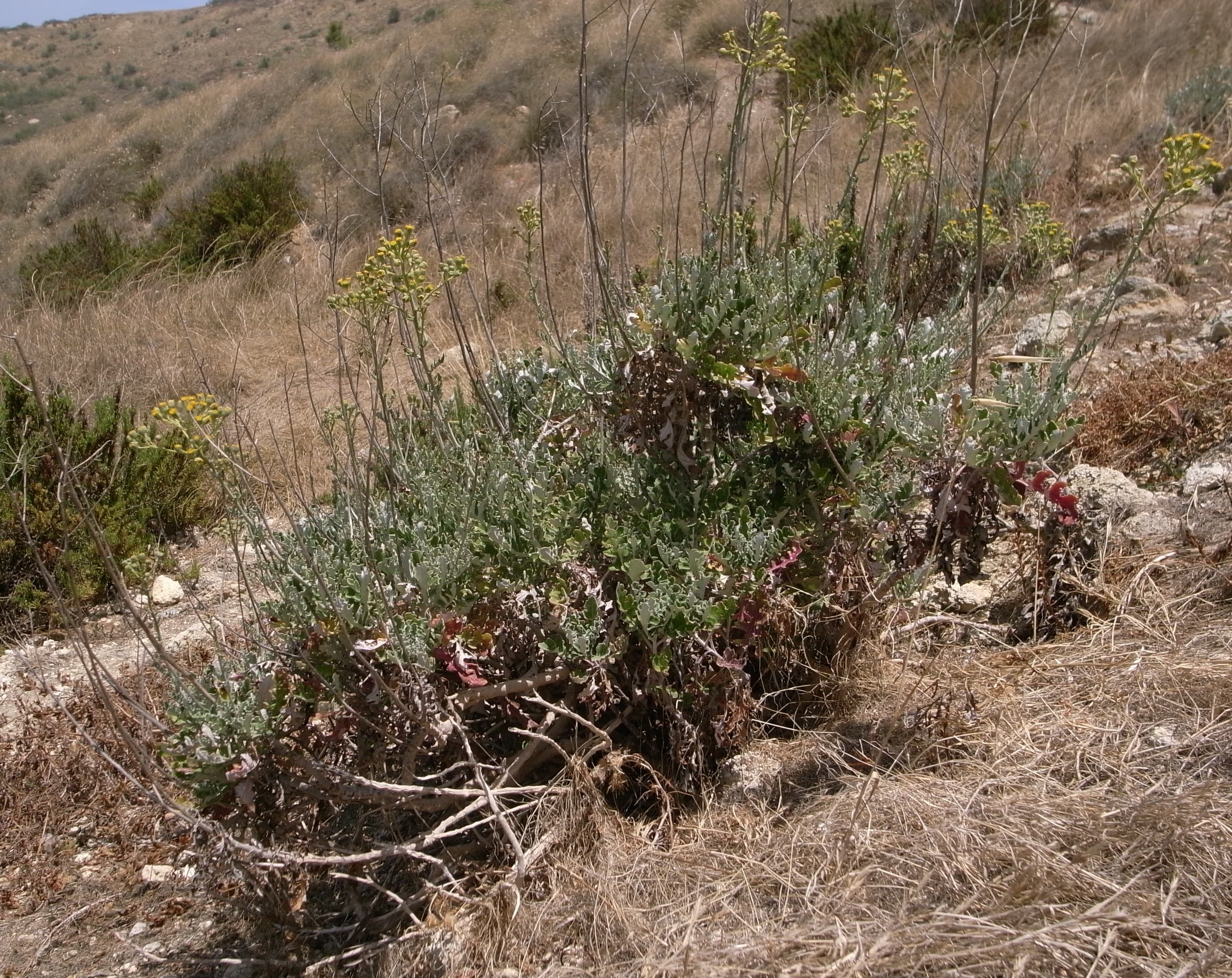 Dusty Miller
 Dutch Master Daffodil
 Early Girl Tomato
 Eastern Red Columbine
 Endless Summer Hydrangea
 English Lavender
 English Shelling Pea
 Evening Primrose
 Fanal Astilbe
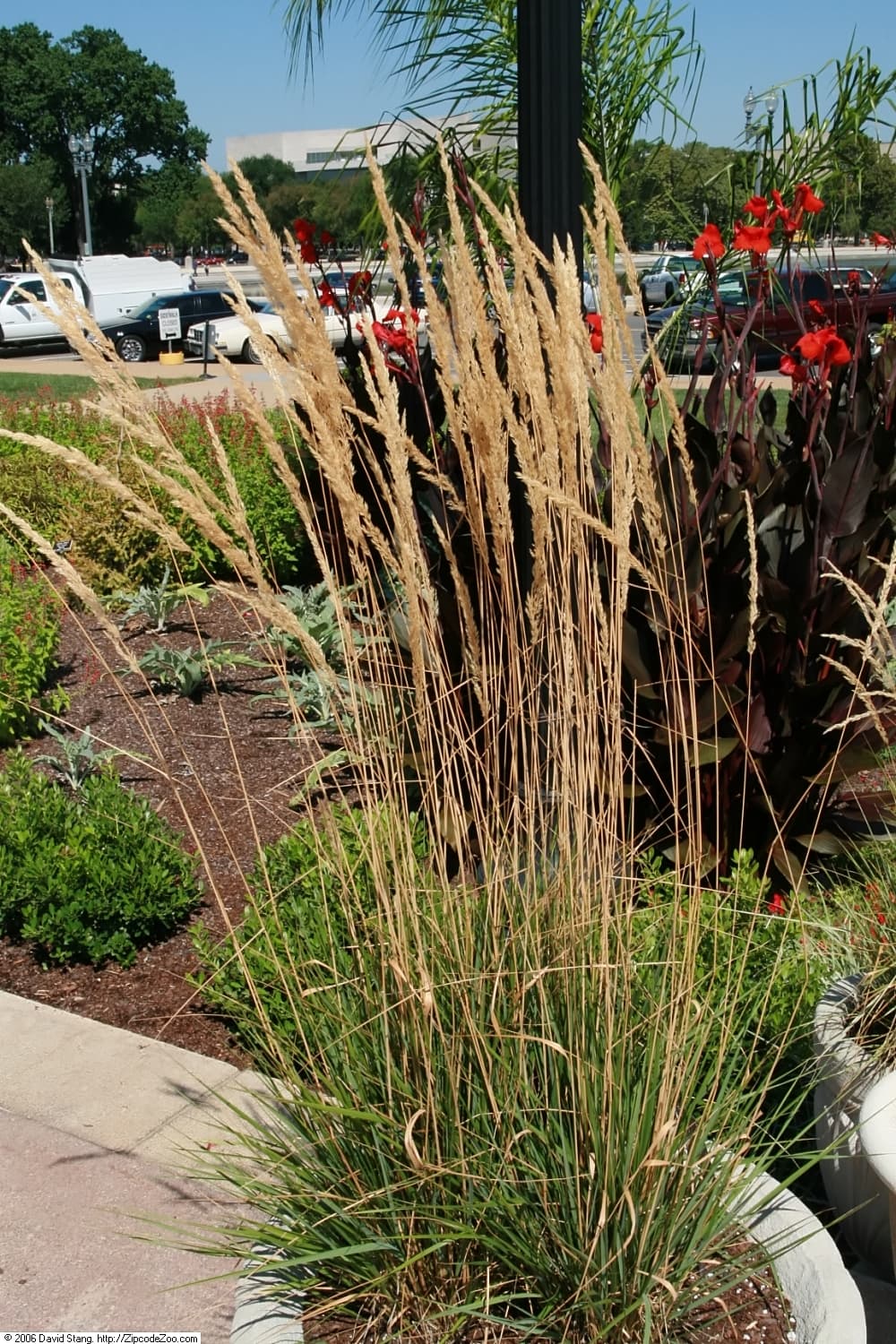 Feather Reed Grass
 Field Pea
 Fireworks Goldenrod
 Flamingo Feather Celosia
 Flower Record Crocus
 Fountain Grass
 Foxglove
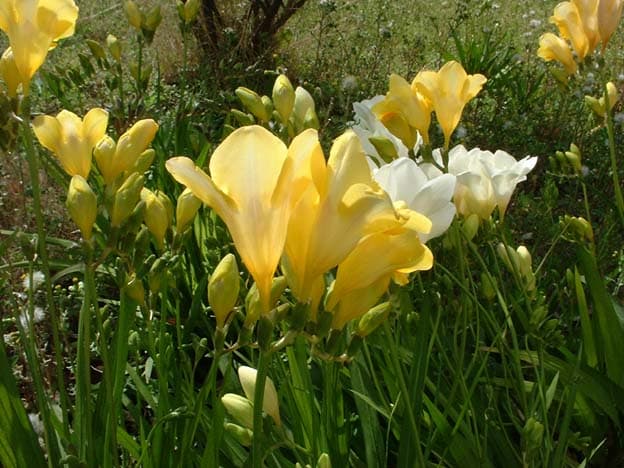 Freesia
 French Marigold
 Fresno Pepper
 Garden Gladiolus
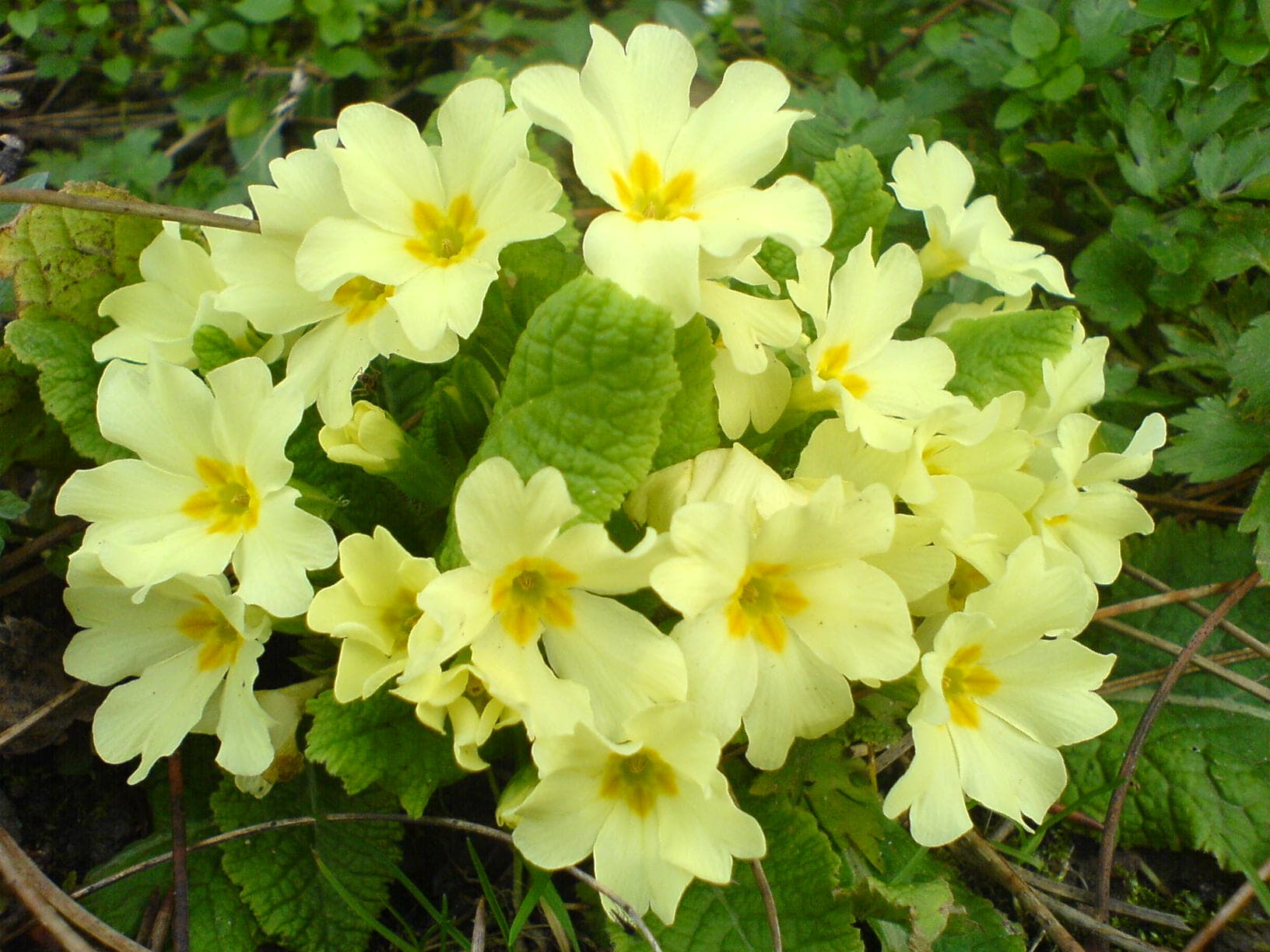 Garden Primrose
 Garden Sage
 Garvinea Sweet Glow Gerbera
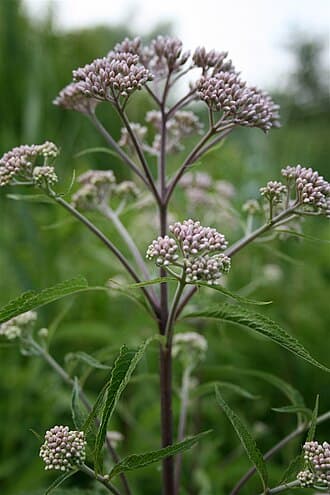 Gateway Joe Pye Weed
 Gaura🍅German Queen Tomato
 Ghost Pepper
 Globe Amaranth
 Globemaster Allium
For educational and informational purposes only. Pest control advice is general guidance drawn from university cooperative extension sources; always identify a pest positively and read and follow the label on any product before use, especially around food crops, children, and pets.