
Groundhogs
Marmota monax
A large burrowing rodent, also called the woodchuck, that can flatten a vegetable garden in short order. Groundhogs graze heavily on leafy greens, beans, peas, and many vegetables, feeding most in early morning and evening, and their big burrows undermine beds, foundations, and walls.
🔎 How to spot it
Groundhogs are stout, low-slung rodents about 16 to 27 inches long including the tail, with grizzled brown fur, short legs, and a bushy tail, weighing up to a dozen pounds by fall. The clearest signs are wide burrow entrances, 10 to 12 inches across with a mound of excavated soil, usually along field edges, fence lines, or under sheds and decks, plus neatly clipped plants and trampled rows near the burrow.
🥀 Damage it causes
They are voracious grazers, mowing down lettuce, beans, peas, greens, and many other vegetables, often eating young plants to the ground and sampling far more than they finish. Their extensive burrow systems can undermine foundations, walls, and walkways, and the entrance mounds and holes are a hazard in lawns and pastures.
🛡️ Prevent it
A good fence is the best defense. Use a fence at least three feet tall of woven wire or heavy poultry wire, with the bottom 12 inches buried and bent outward in an L underground to stop digging, and the top 15 inches left loose and bent outward so they cannot climb over. A single electrified wire four to five inches off the ground adds protection. No repellents are reliably effective.
🧯 If it is already here
Where one has moved in, live-trapping and removal can help, but check local wildlife regulations first, since relocating animals is restricted in many areas. Removing brush piles, tall weeds, and the cover near burrows makes the site less attractive. Scare devices and frequent human activity give only temporary relief, so durable fencing remains the dependable answer.
💡 Good to know
Groundhogs are true hibernators, denning up from fall until late winter, so damage is seasonal, heaviest in spring and summer when they are fattening up. They are good climbers and diggers despite their bulk, which is why an effective fence has to address both over and under. Their abandoned burrows are later used by rabbits, skunks, and foxes.
🌱 Plants it attacks
548 plants in the library can be attacked by this pest
 Acorn Squash
 Adirondack Blue Potato
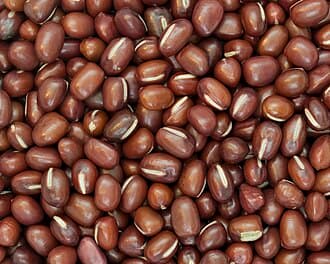 Adzuki Bean
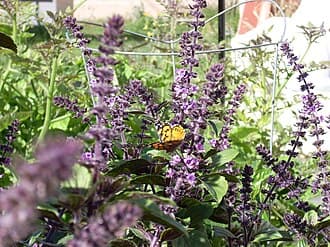 African Blue Basil
 African Marigold
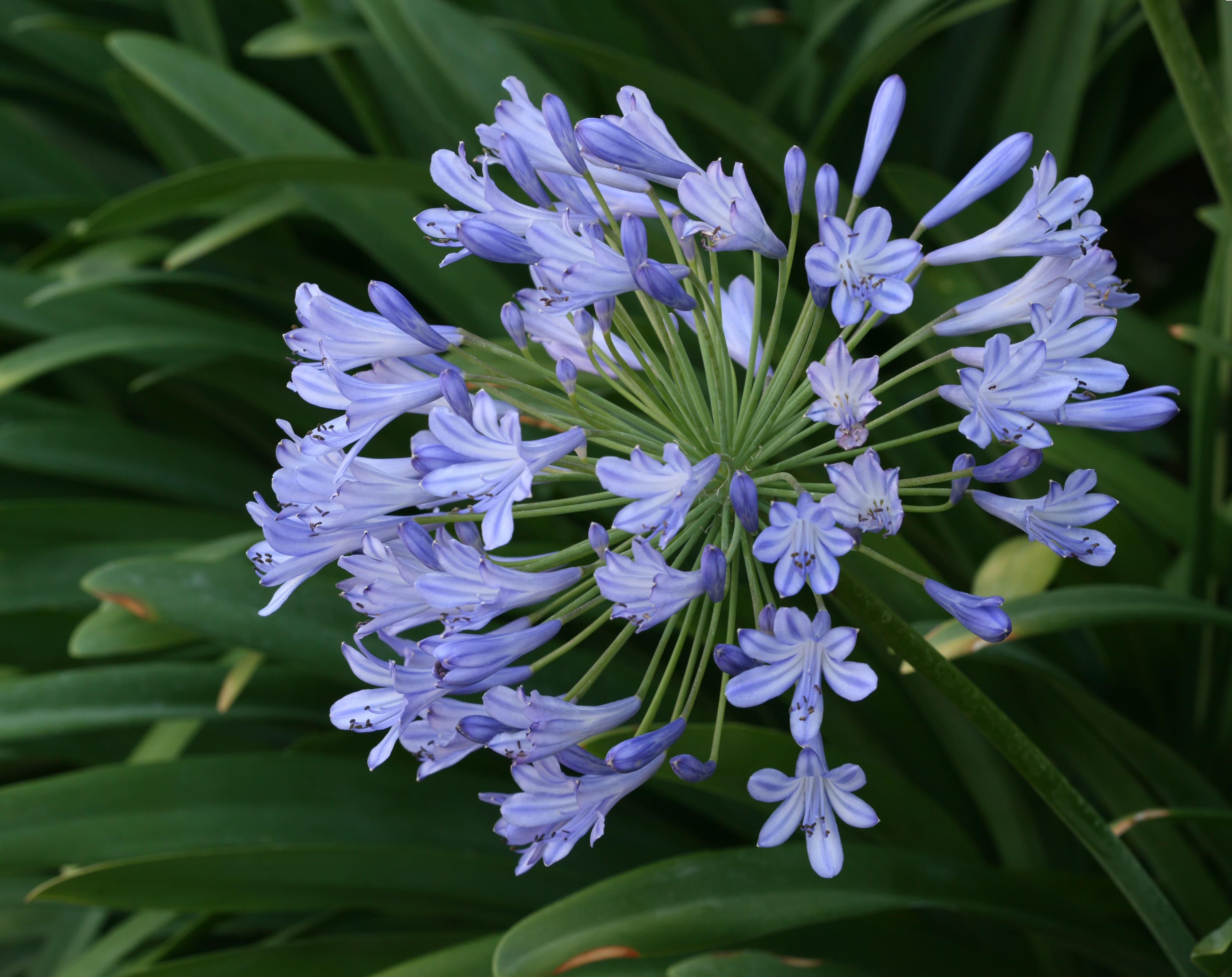 Agapanthus
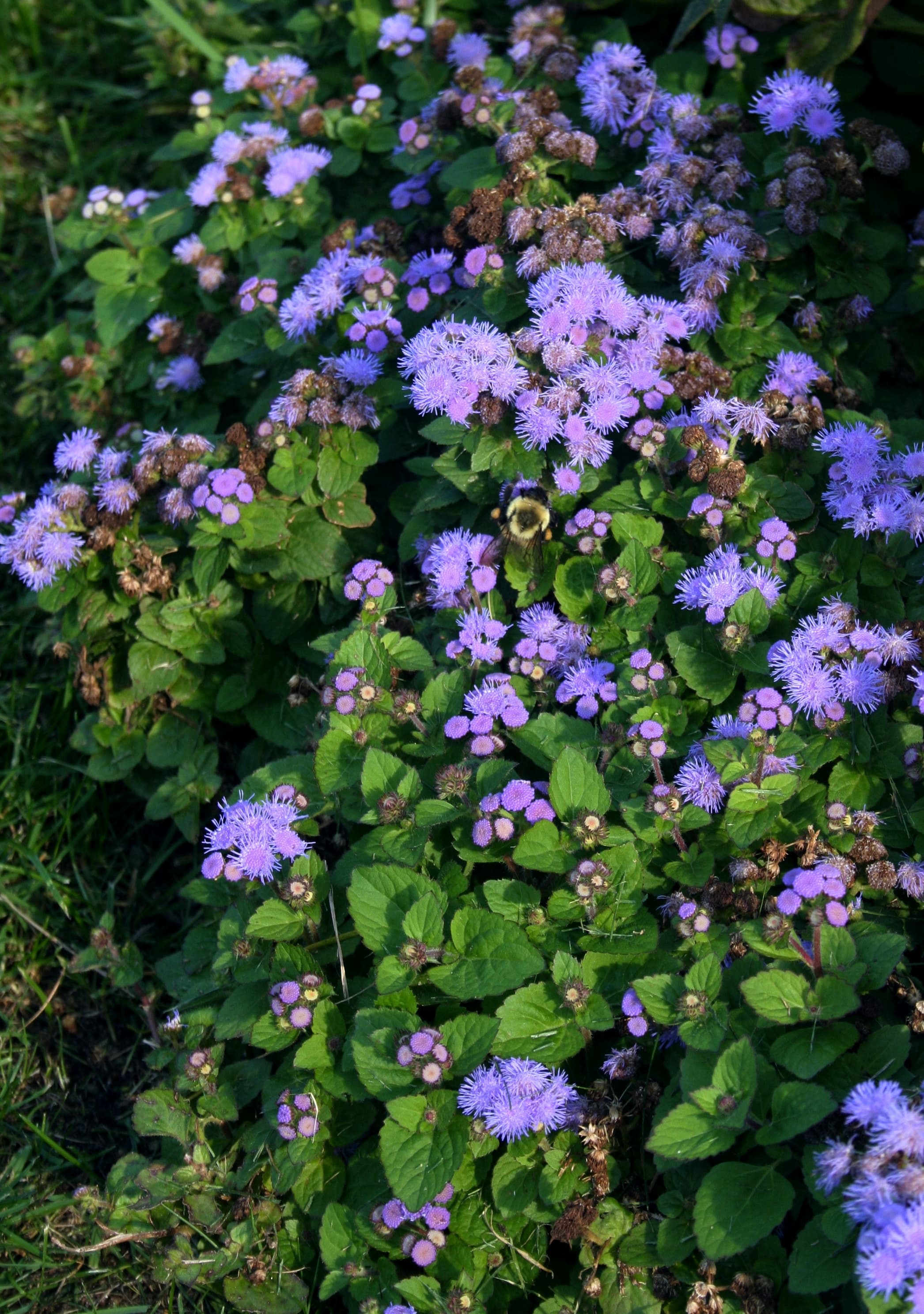 Ageratum
 Agrimony
 Aji Amarillo Pepper🍓Albion Strawberry
 Alice du Pont Mandevilla🥔All Blue Potato
 Aloe Vera
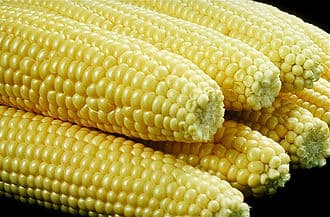 Ambrosia Corn
 Amethyst Falls Wisteria
 Amish Paste Tomato
 Anaheim Pepper
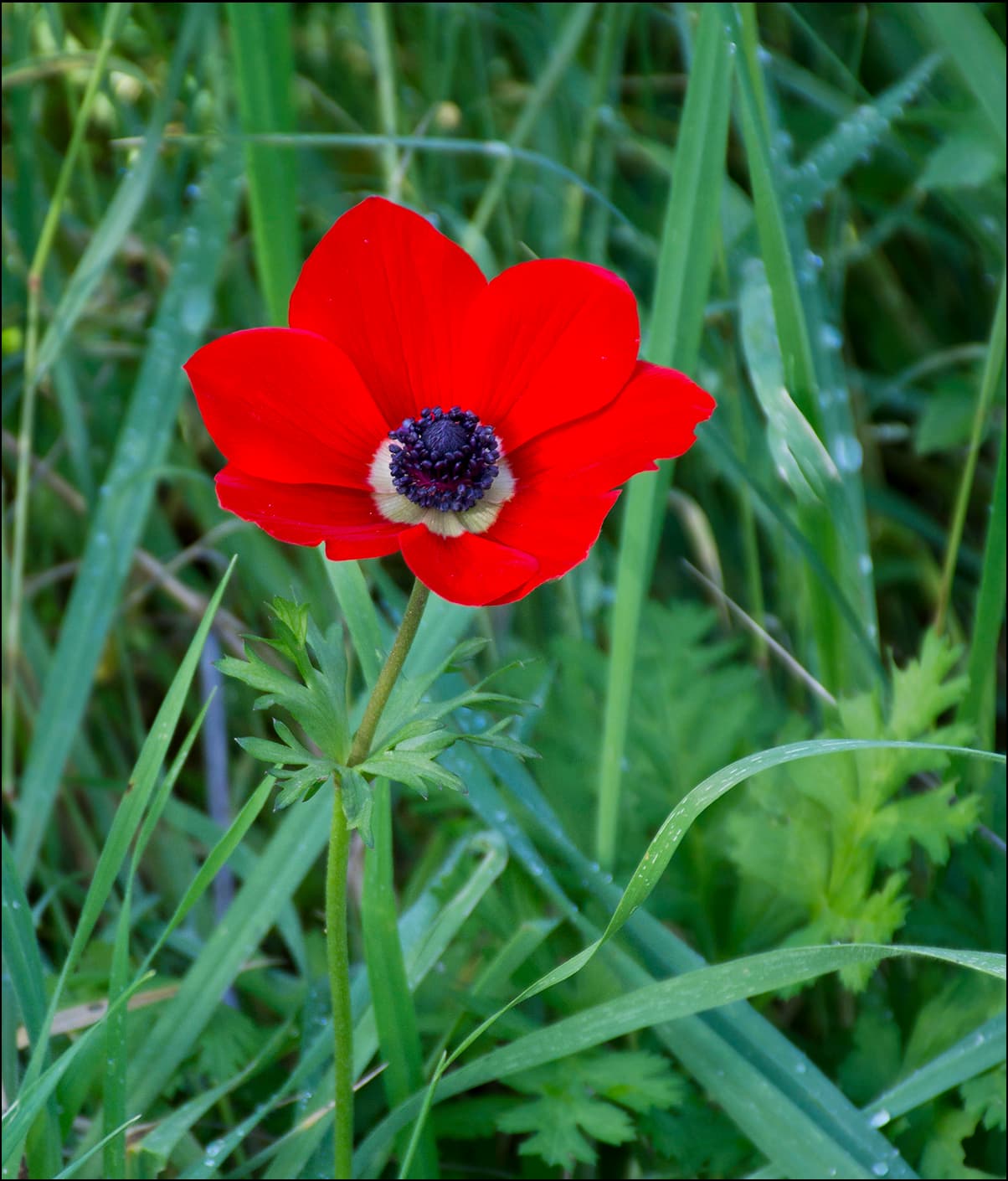 Anemone
 Angelique Tulip
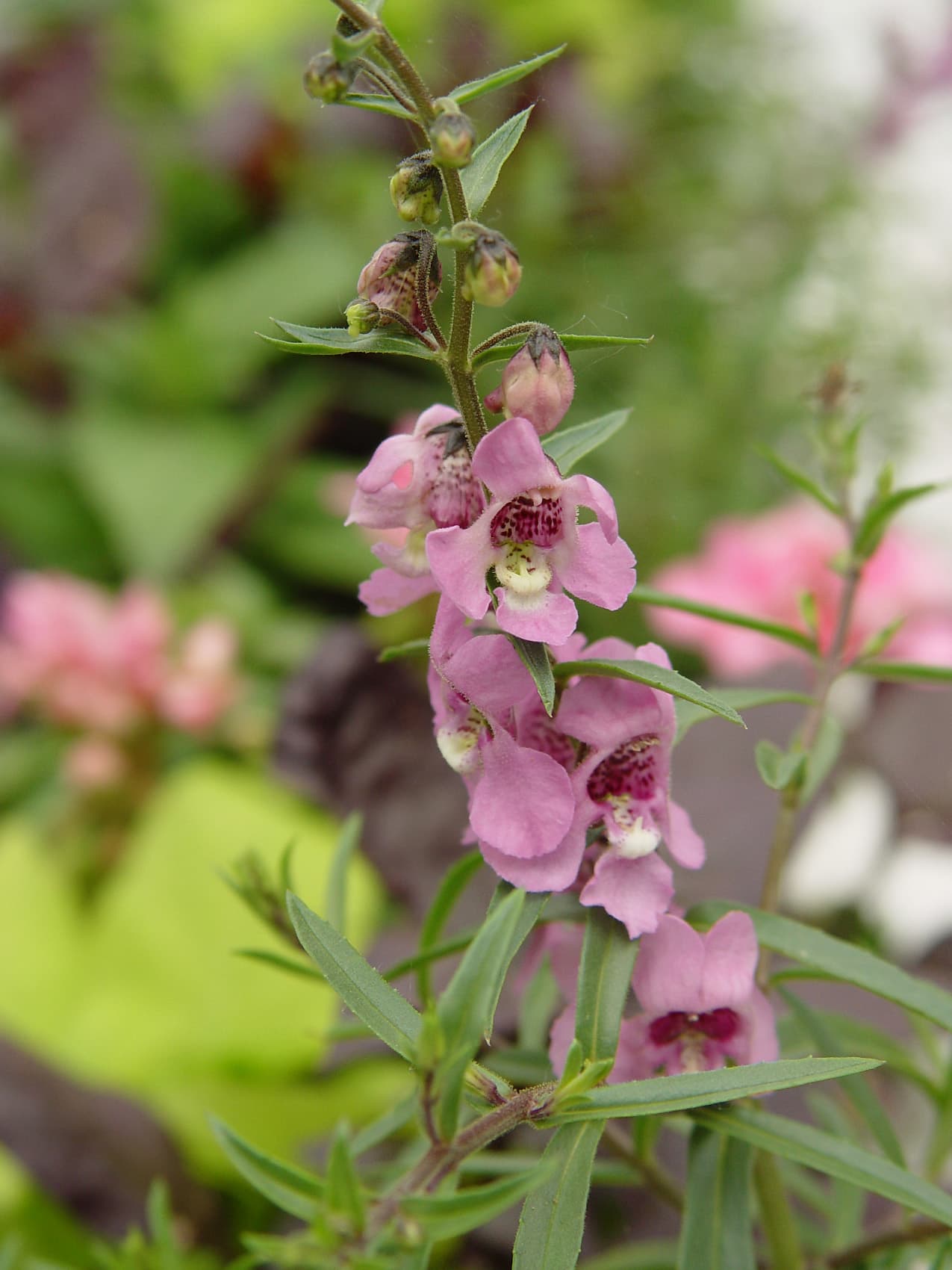 Angelonia
 Anise
Anise Anise Hyssop
 Anjou Pear
 Annabelle Smooth Hydrangea
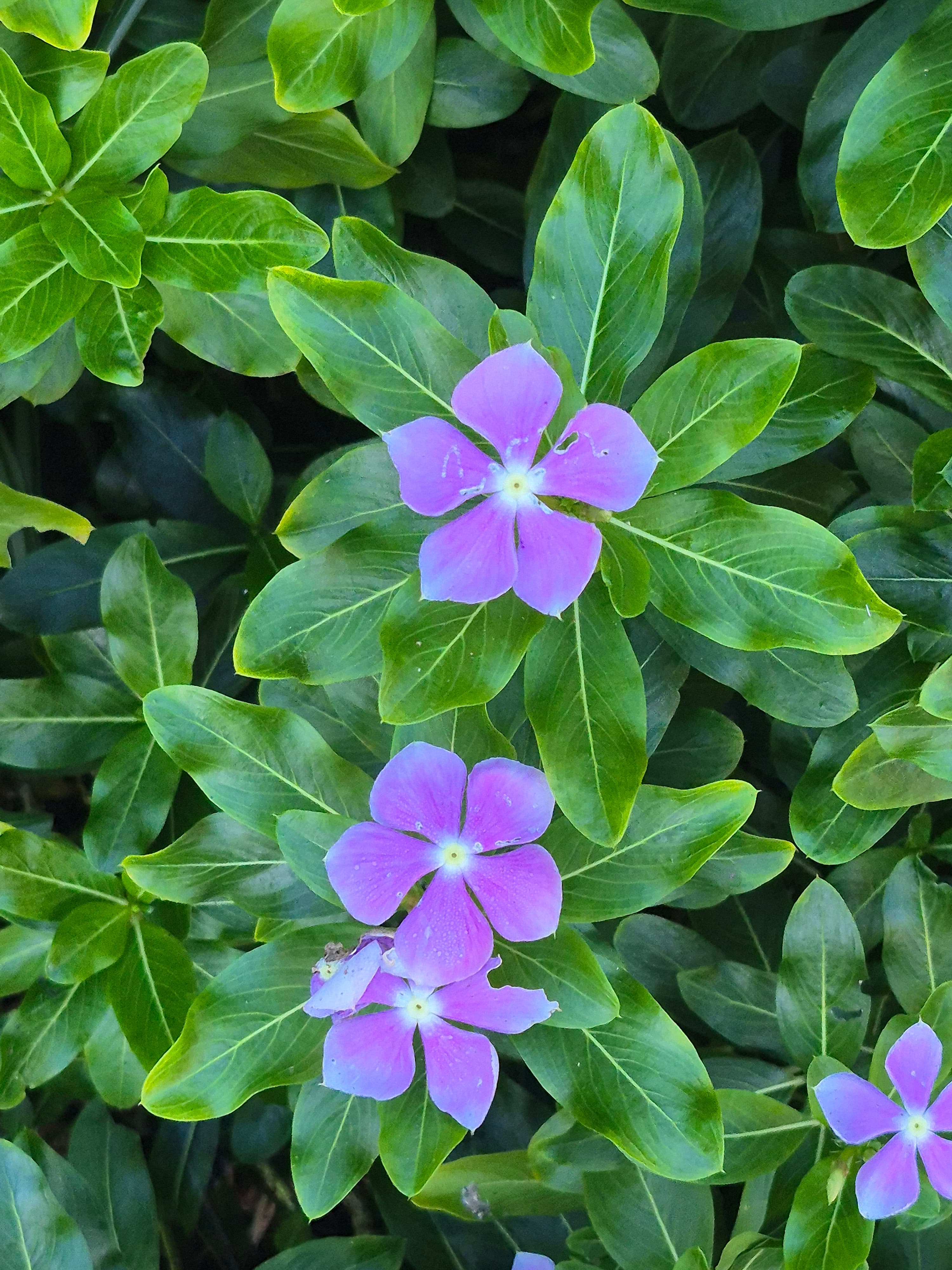 Annual Vinca
 Apeldoorn Tulip
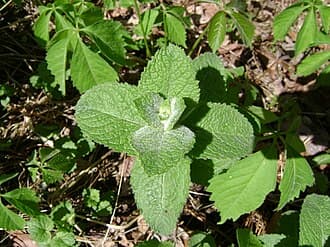 Apple Mint
 April Tryst Camellia
 Arizona Sun Blanket Flower
 Armenian Cucumber
 Arp Rosemary
 Arugula
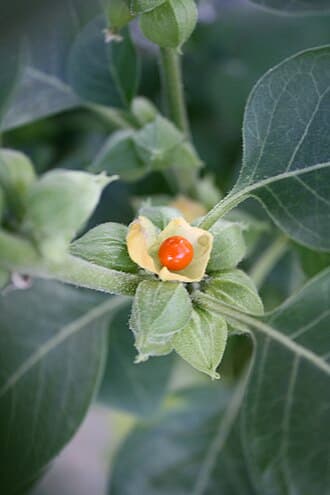 Ashwagandha
 Asian Pear
 Atlantic Giant Pumpkin🥕Atomic Red Carrot
 August Beauty Gardenia
 Autumn Joy Sedum
 Bachelor's Button
 Banana Pepper
 Barbara Karst Bougainvillea
 Bartlett Pear
 Bay Laurel
 Beauregard Sweet Potato
 Becky Shasta Daisy
 Bee Balm🍅Beefmaster Tomato
 Benarys Giant Zinnia
 Bengal Tiger Canna
 Better Boy Tomato🥬Bibb Lettuce🍅Big Beef Tomato
 Big Boy Tomato
 Bitter Melon
 Black Bean
 Black Beauty Eggplant
 Black Beauty Zucchini
 Black Beluga Lentil
 Black Cherry Tomato
 Black Kabouli Chickpea
 Black Krim Tomato🥬Black Seeded Simpson Lettuce🥕Black Spanish Radish
 Black-Eyed Pea
 Black-eyed Susan Vine
 Blood Orange
 Bloomsdale Spinach
 Blue Bird Delphinium
 Blue Bird Rose of Sharon
 Blue Fescue
 Blue Lake Green Bean
 Bocking 14 Comfrey
 Bok Choy🥕Bolero Carrot
 Boneset
 Borage
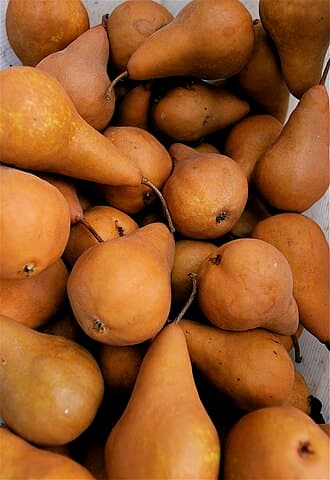 Bosc Pear🥒Boston Pickling Cucumber
 Bottle Gourd🍅Box Car Willie Tomato
 Brandywine Tomato
 Broad Windsor Fava Bean
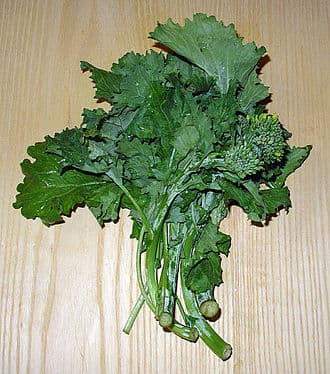 Broccoli Rabe
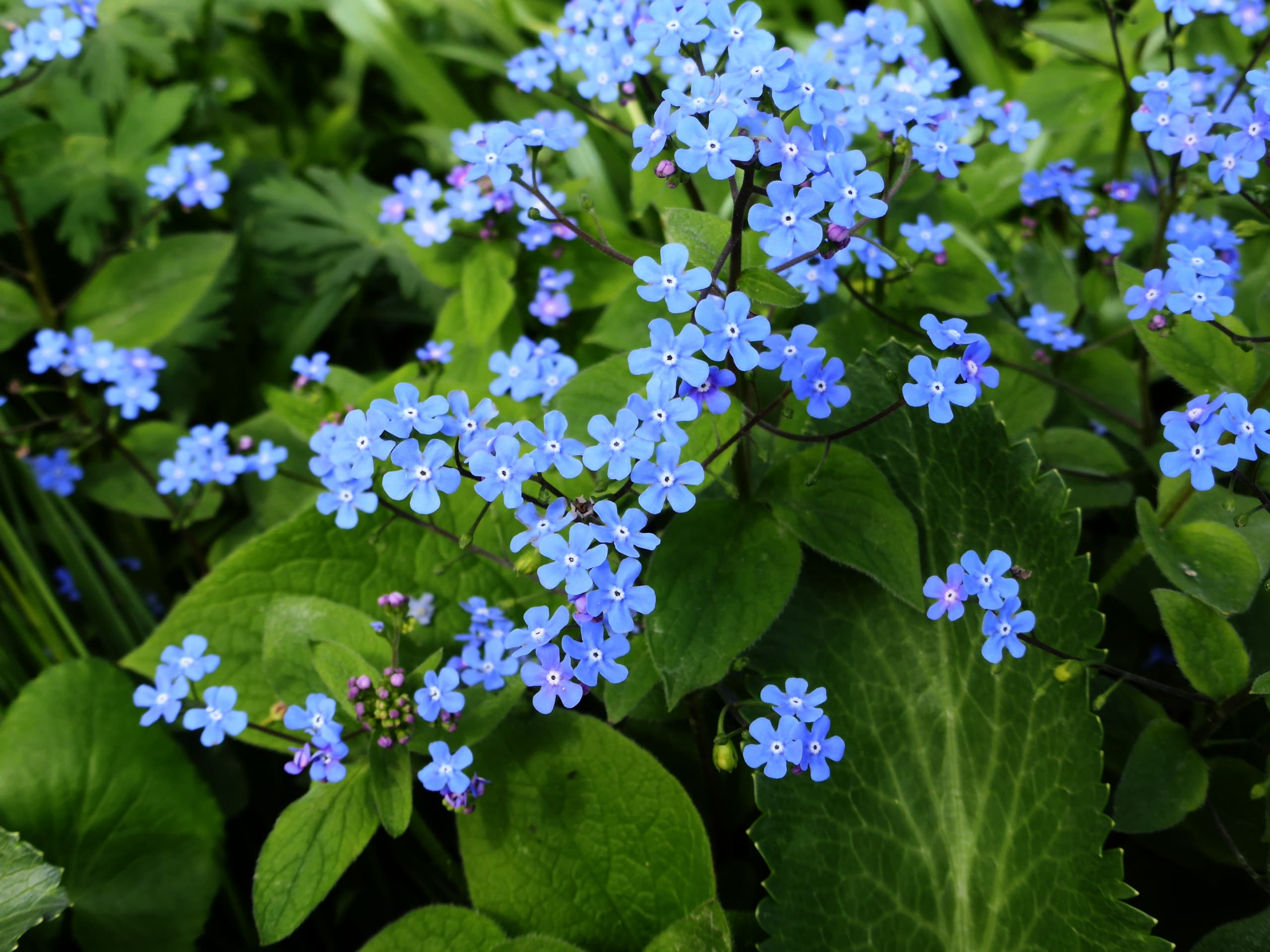 Brunnera
 Brussels Sprouts
 Bull's Blood Beet
 Burdock
 Burgundy Okra
 Burning Bush
 Buttercrunch Lettuce
 Buttercup Squash
 Butterfly Blue Pincushion Flower
 Butterfly Marguerite Daisy
 Butterfly Weed
 Butternut Squash
 Cafe au Lait Dahlia
 Calabrese Broccoli
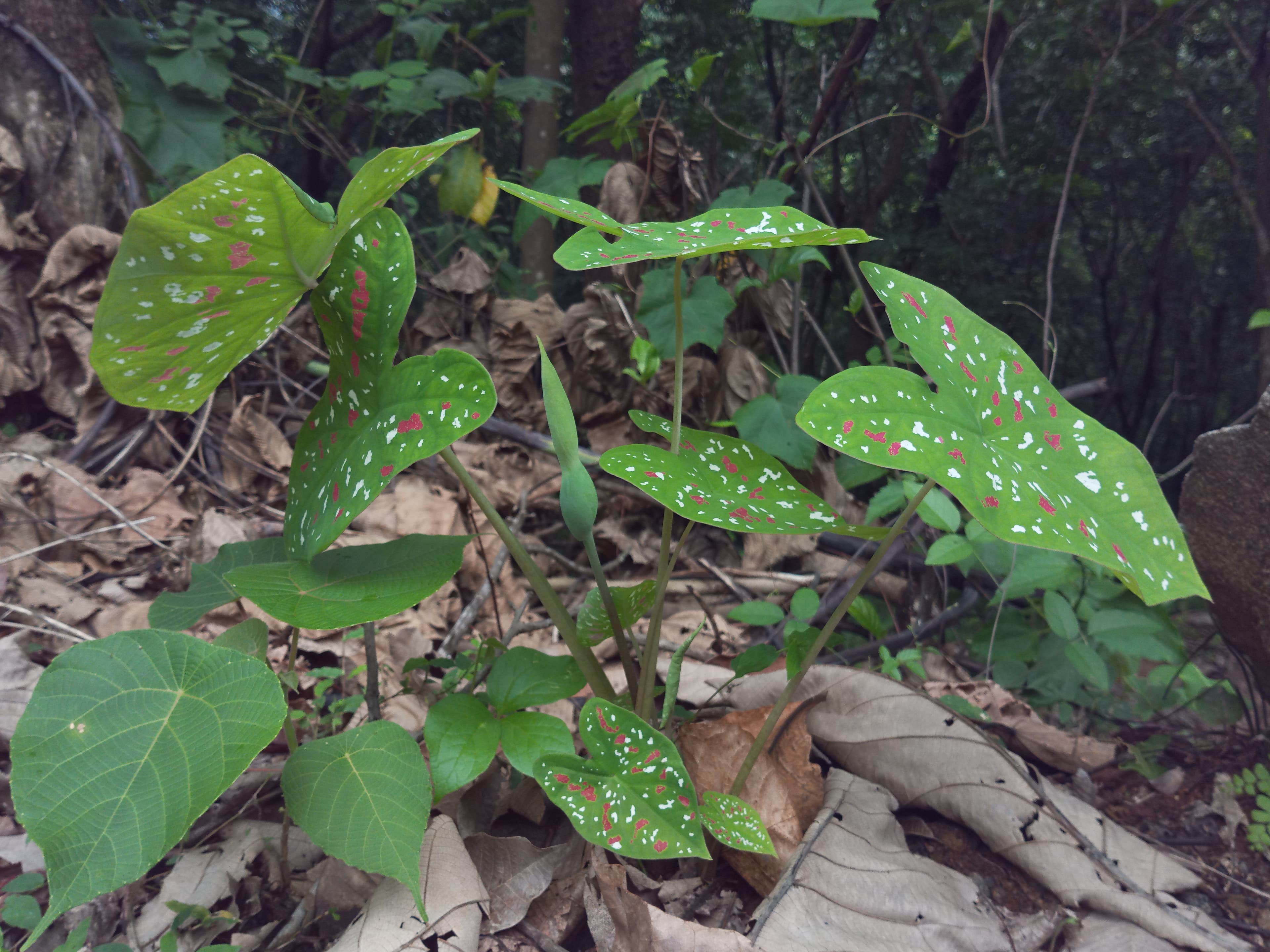 Caladium
 Calendula
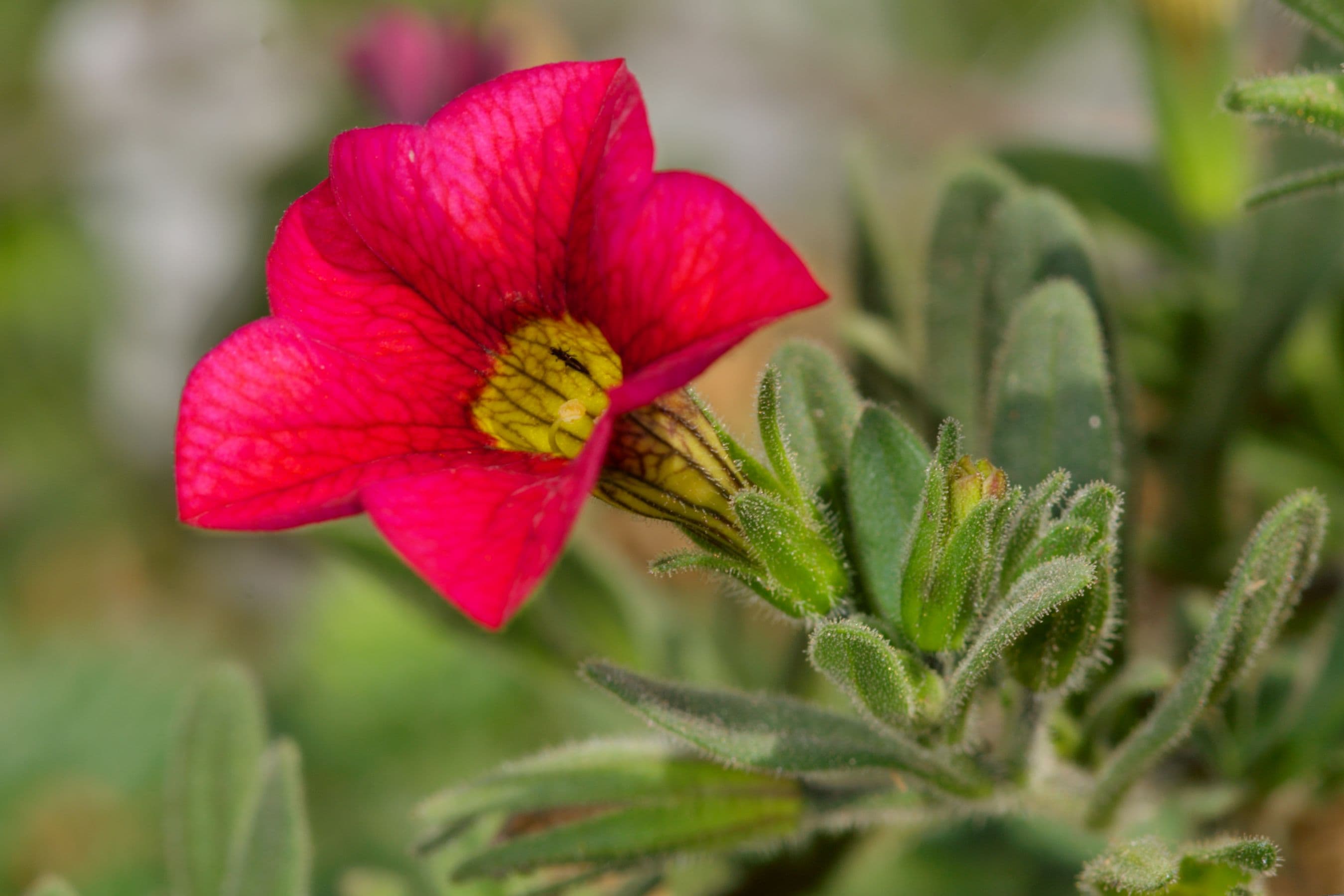 Calibrachoa
For educational and informational purposes only. Pest control advice is general guidance drawn from university cooperative extension sources; always identify a pest positively and read and follow the label on any product before use, especially around food crops, children, and pets.