
Tobacco Budworm
Chloridea virescens
A caterpillar that bores into the flower buds of geranium, petunia, nicotiana, and other ornamentals, eating the developing petals from inside so the blooms never open. It is often called the geranium budworm for its favorite host.
🔎 How to spot it
The caterpillars are up to about an inch long and vary in color, often matching their flowers, from green to reddish to brown, with fine lengthwise stripes. The adult is a moth with a wingspan of about one and a half inches and light green forewings crossed by pale wavy bands. The clearest sign is small holes chewed in flower buds with dark frass.
🥀 Damage it causes
Caterpillars bore into flower buds and feed on the developing petals and reproductive parts, so buds fail to open or open ragged and full of holes, and seed pods are eaten. When buds run short the larvae also feed on shoot tips and leaves. Geranium, petunia, nicotiana, and tobacco are favored, with roses, snapdragon, verbena, and some vegetables also attacked.
🛡️ Prevent it
Pick caterpillars off by hand, scouting at dusk when they climb up from the base of the plant to feed, since most hide low during the day. Remove and destroy infested buds. Smooth-leaved ivy geraniums are damaged far less than zonal geraniums, and in cold-winter areas removing soil from stored plants helps destroy overwintering pupae.
🧯 If it is already here
Apply spinosad or another labeled material late in the day before larvae bore into the buds, since once inside they are protected. Bacillus thuringiensis works on exposed feeders such as those on petunia but is less effective on geranium where larvae tunnel quickly. Repeat as new buds form through the season.
💡 Good to know
There are usually two generations a year, and the insect overwinters as pupae a few inches deep in the soil, but the pupae are killed by hard freezes below about twenty degrees, so in cold regions it often survives only in warm microclimates near heated foundations. Matching its color to the flower makes it easy to overlook. Treat early, before buds are bored.
🌱 Plants it attacks
239 plants in the library can be attacked by this pest
 African Marigold
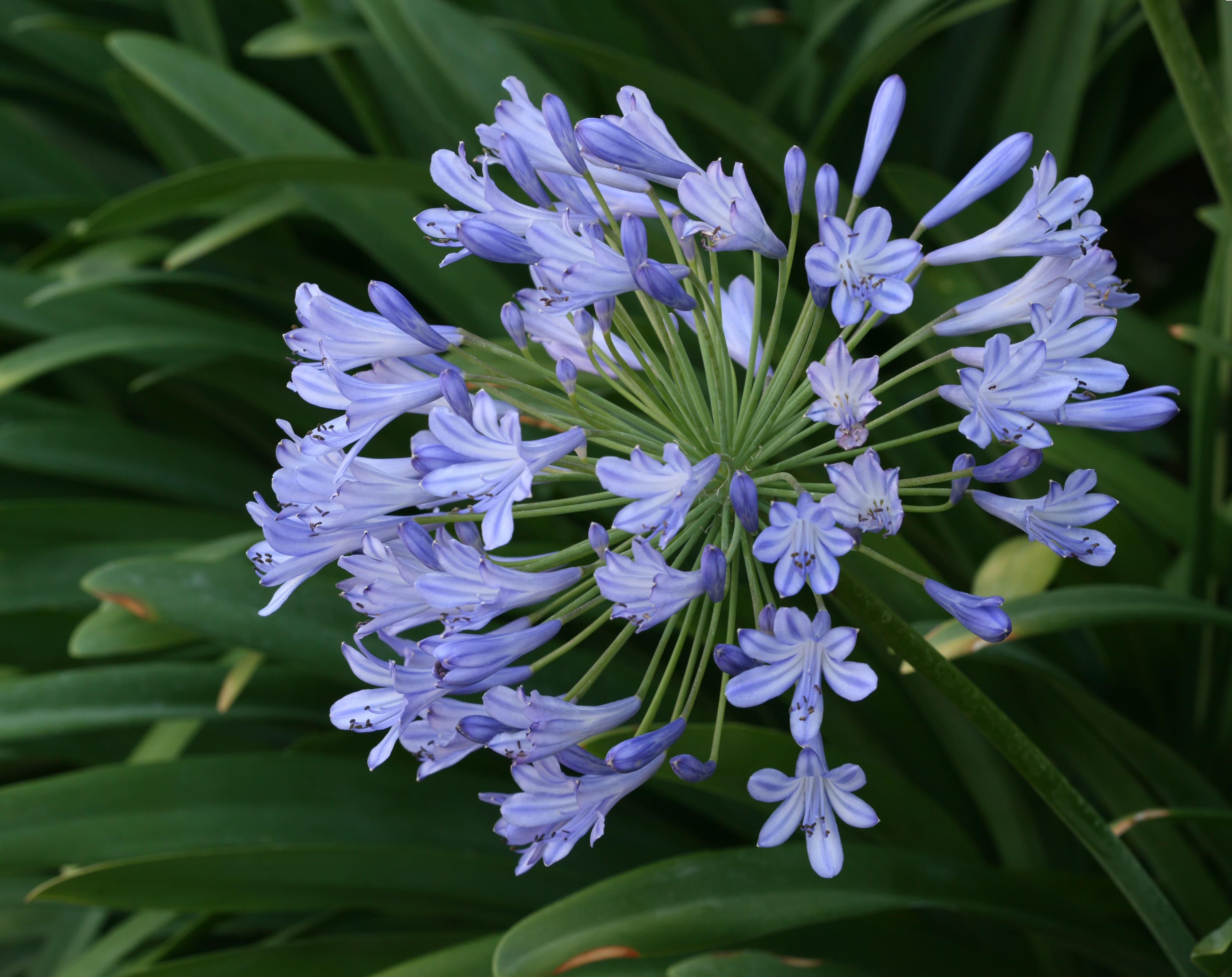 Agapanthus
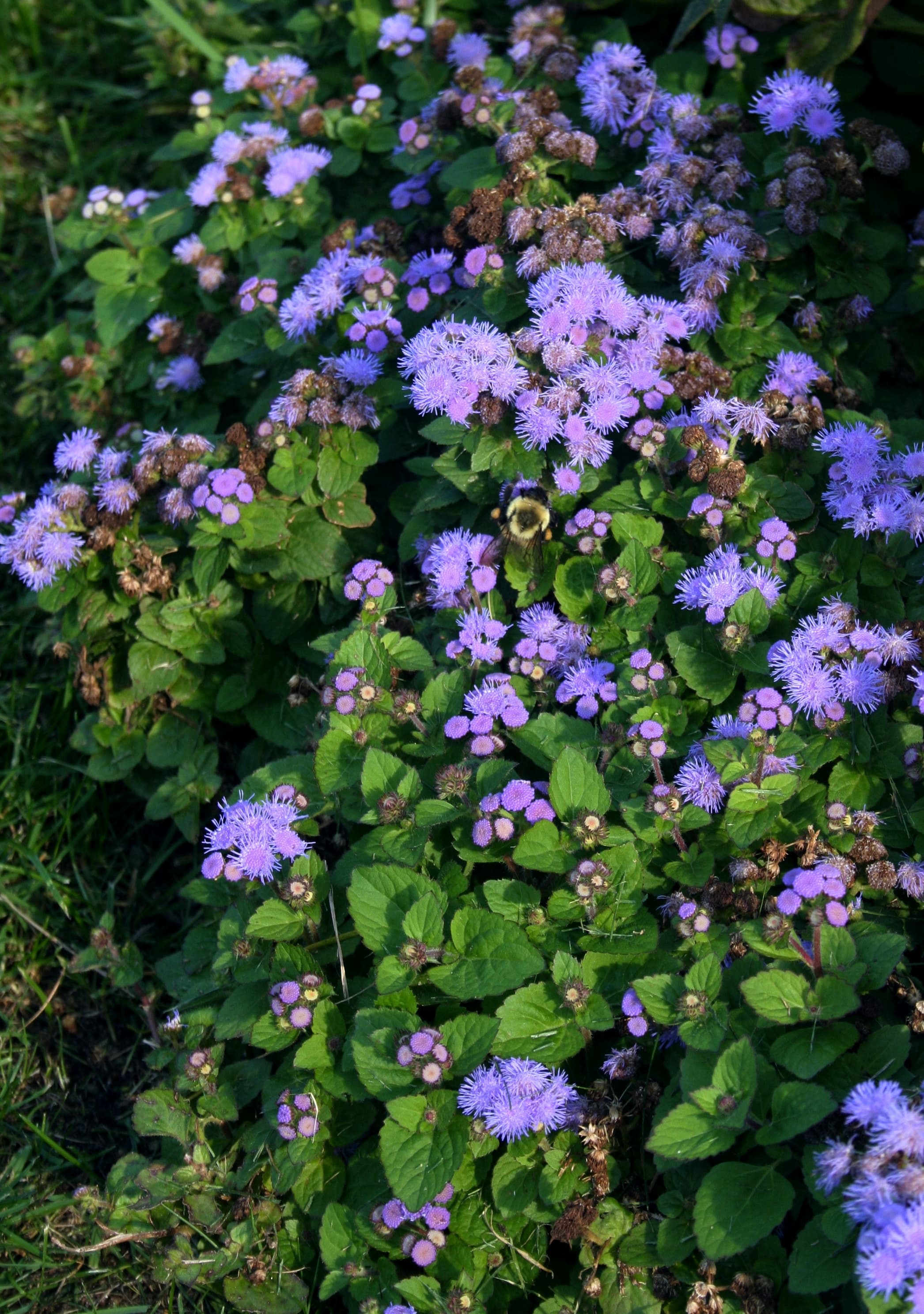 Ageratum
 Aji Amarillo Pepper
 Alice du Pont Mandevilla
 Amethyst Falls Wisteria
 Amish Paste Tomato
 Anaheim Pepper
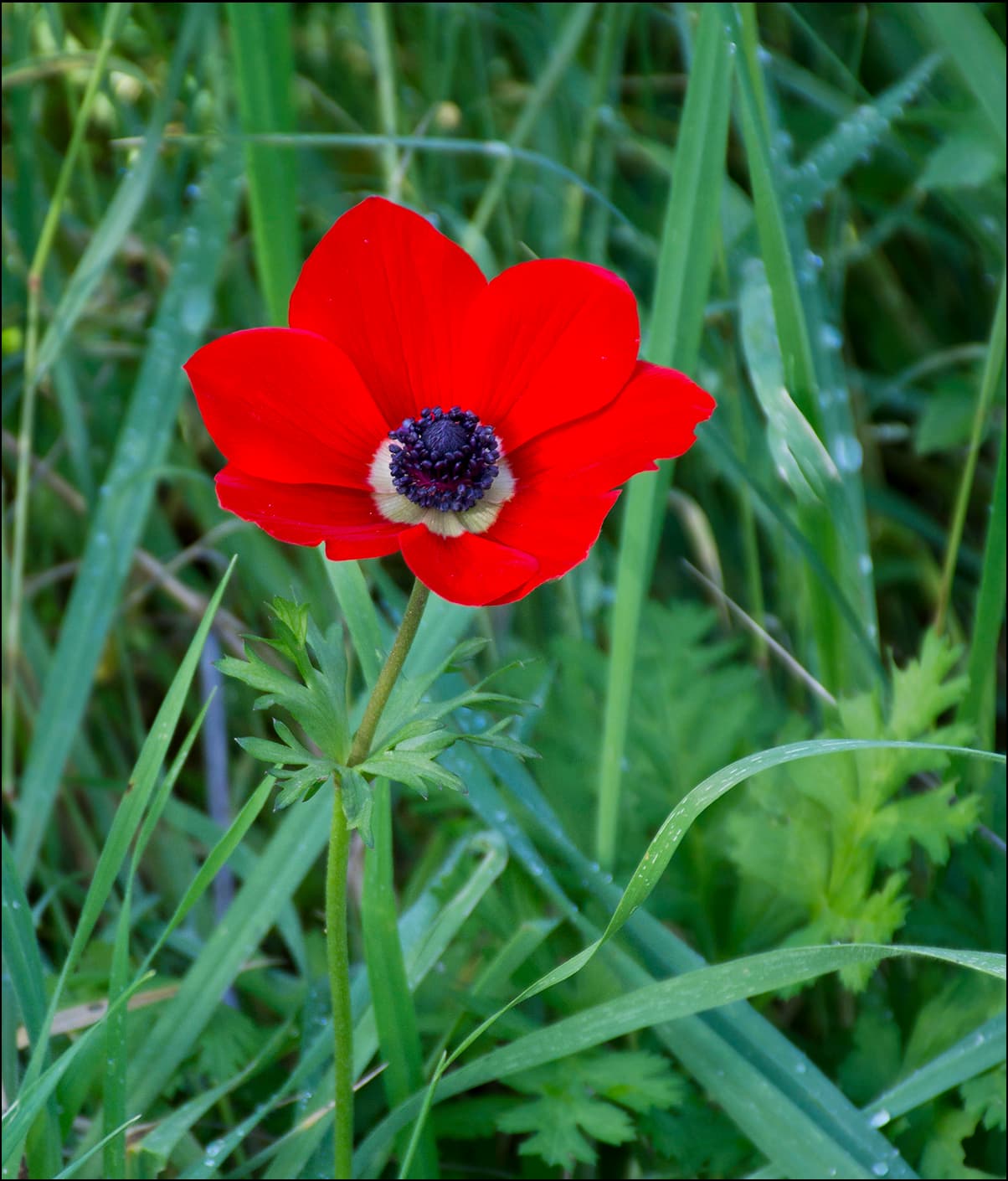 Anemone
 Angelique Tulip
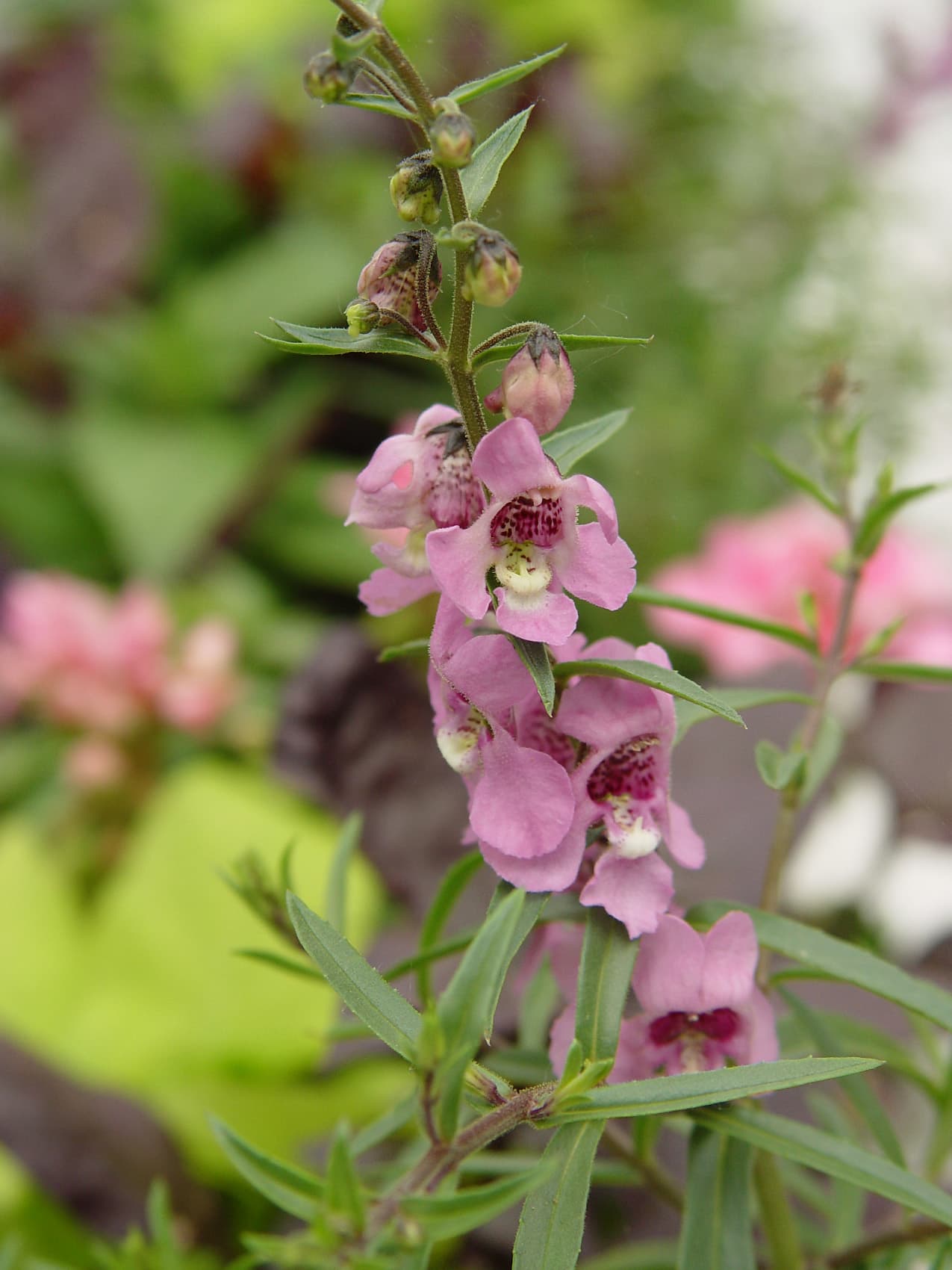 Angelonia
 Annabelle Smooth Hydrangea
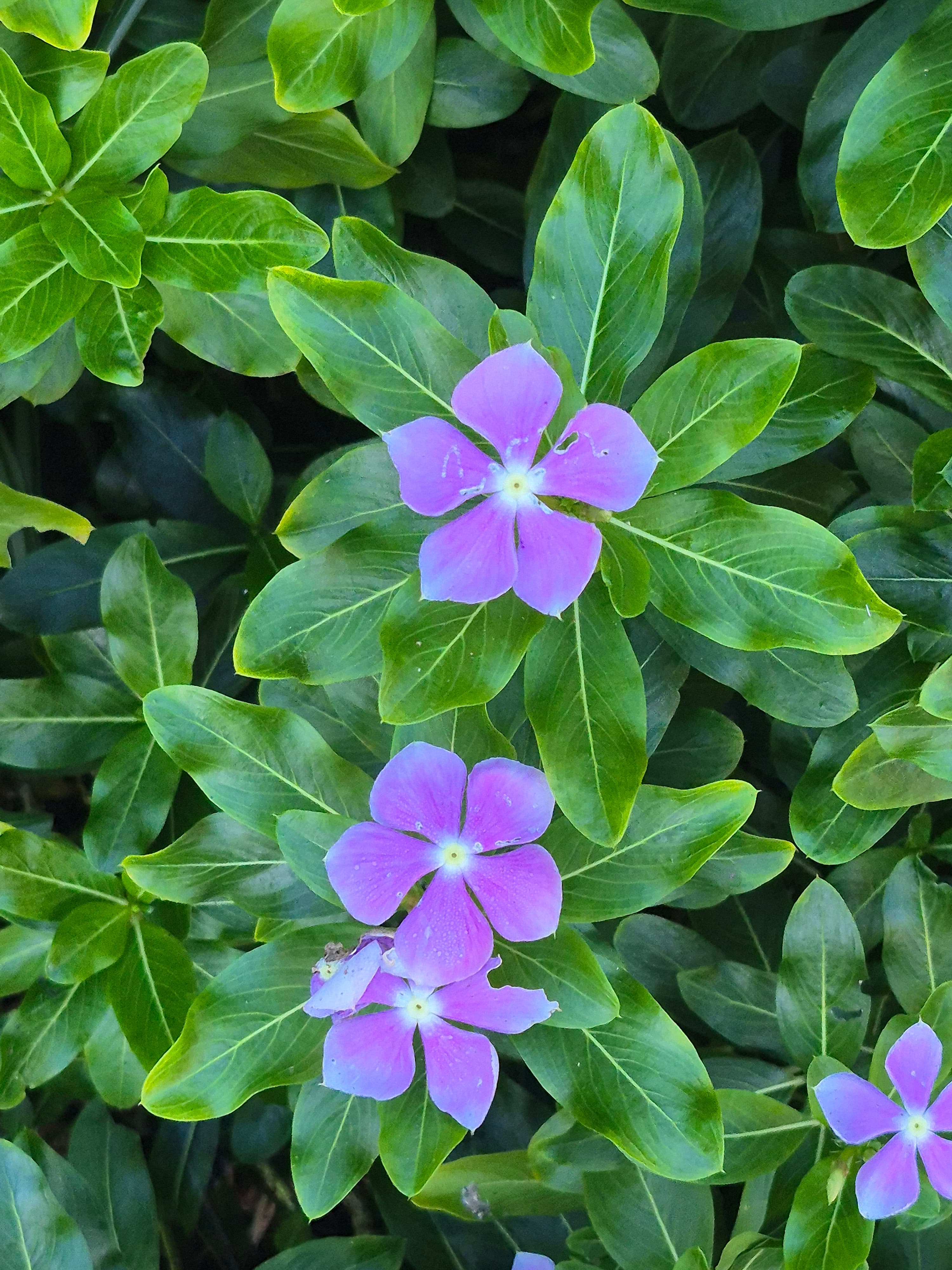 Annual Vinca
 Apeldoorn Tulip
 April Tryst Camellia
 Arizona Sun Blanket Flower
 August Beauty Gardenia
 Autumn Joy Sedum
 Bachelor's Button
 Banana Pepper
 Barbara Karst Bougainvillea
 Becky Shasta Daisy
 Bee Balm🍅Beefmaster Tomato
 Benarys Giant Zinnia
 Bengal Tiger Canna
 Better Boy Tomato🍅Big Beef Tomato
 Big Boy Tomato
 Black Cherry Tomato
 Black Krim Tomato
 Black-Eyed Pea
 Black-eyed Susan Vine
 Blood Orange
 Blue Bird Delphinium
 Blue Bird Rose of Sharon
 Blue Fescue🍅Box Car Willie Tomato
 Brandywine Tomato
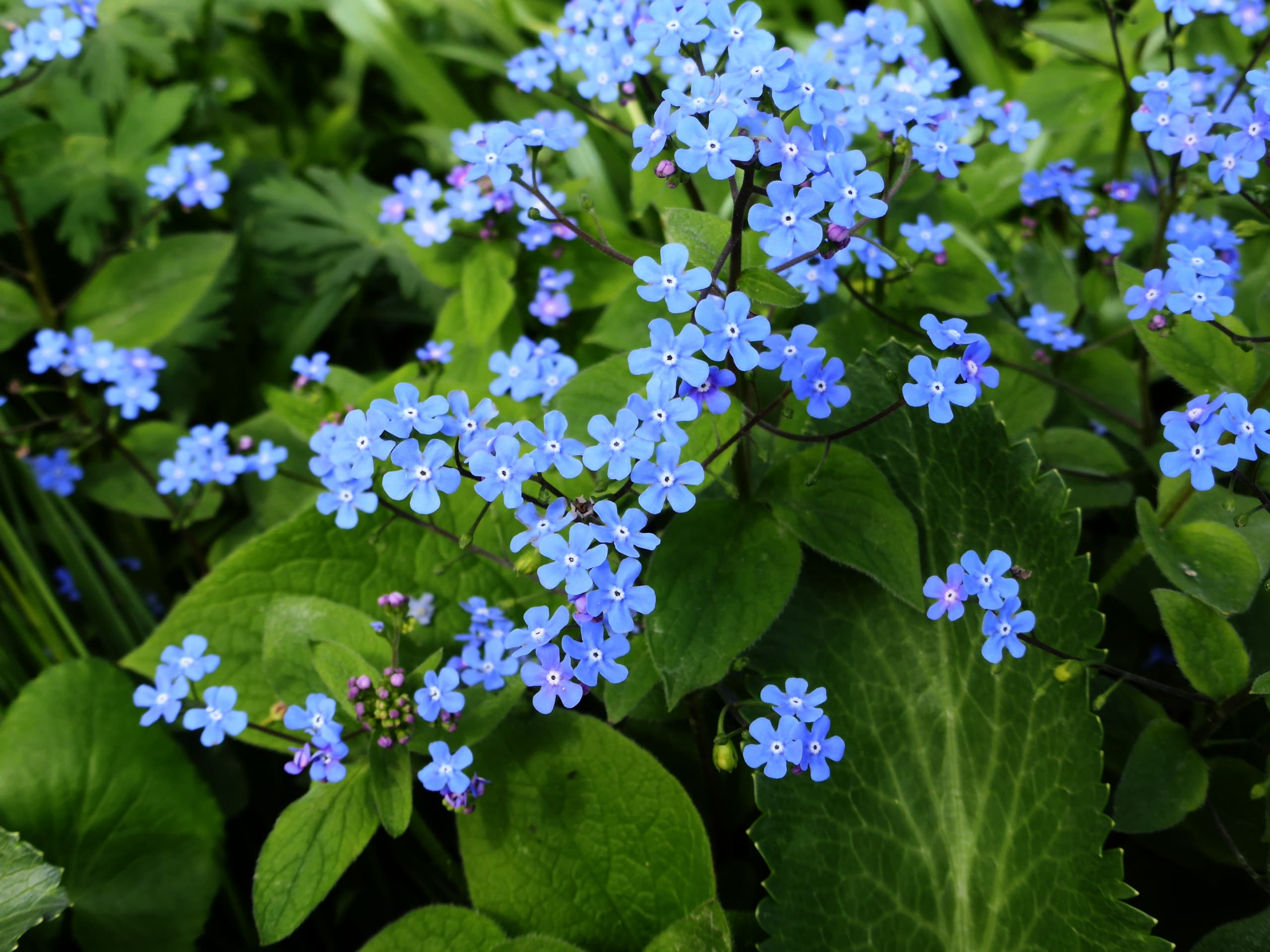 Brunnera
 Burning Bush
 Butterfly Blue Pincushion Flower
 Butterfly Marguerite Daisy
 Butterfly Weed
 Cafe au Lait Dahlia
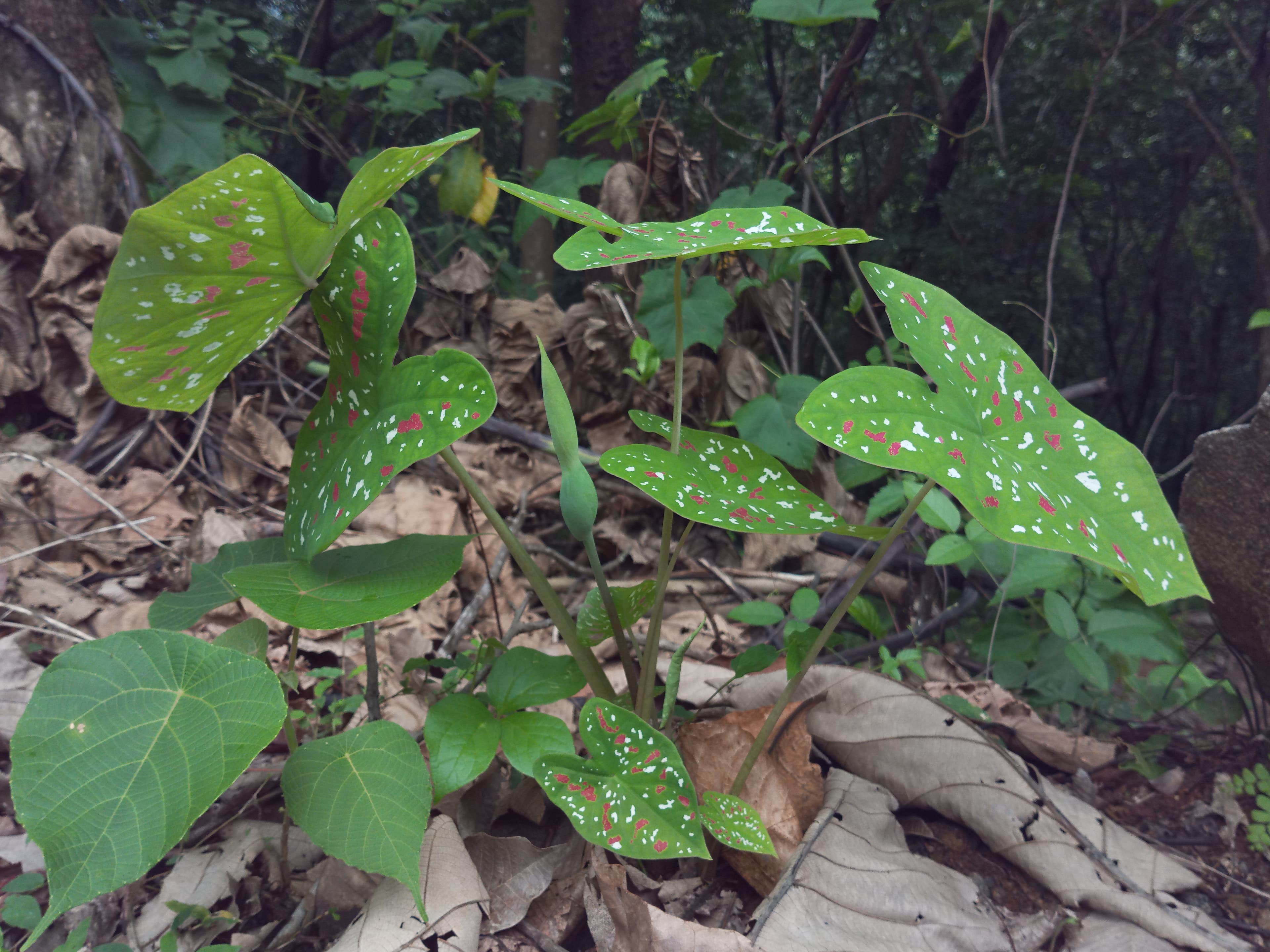 Caladium
 Calendula
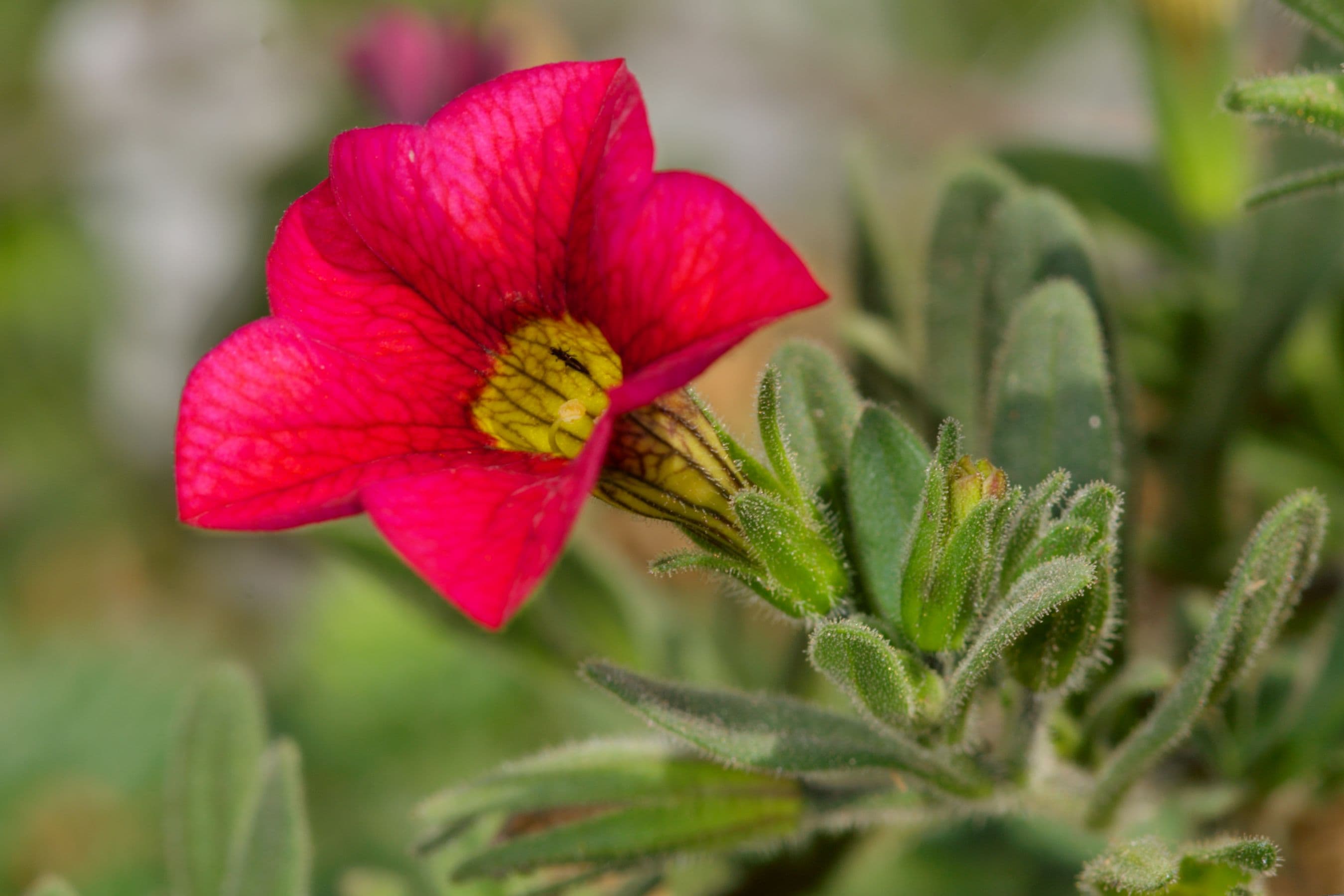 Calibrachoa
 California Giant Zinnia
 California Poppy
 Campanula
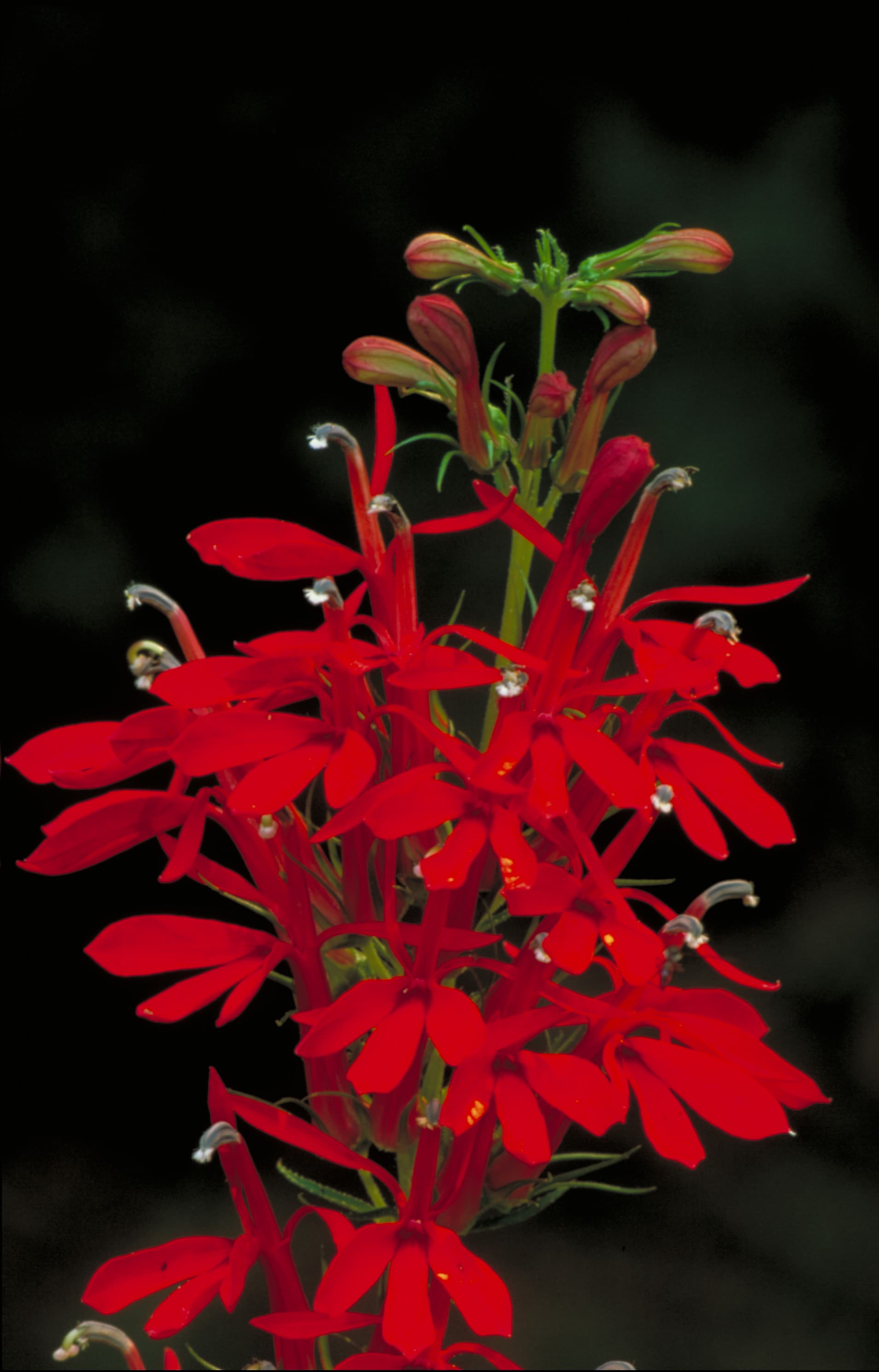 Cardinal Flower
 Carolina Geranium
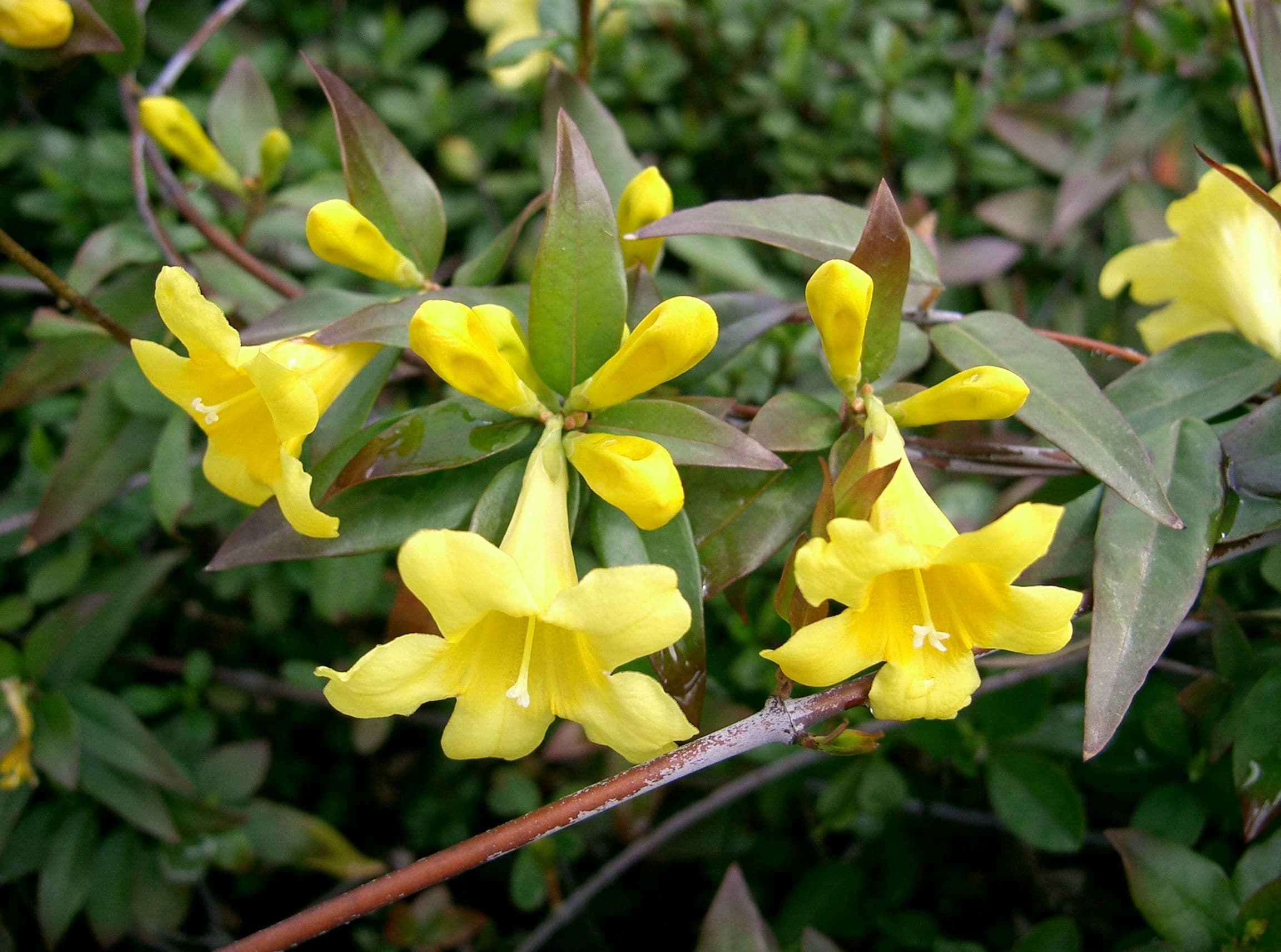 Carolina Jessamine
 Carolina Reaper Pepper
 Cayenne Pepper
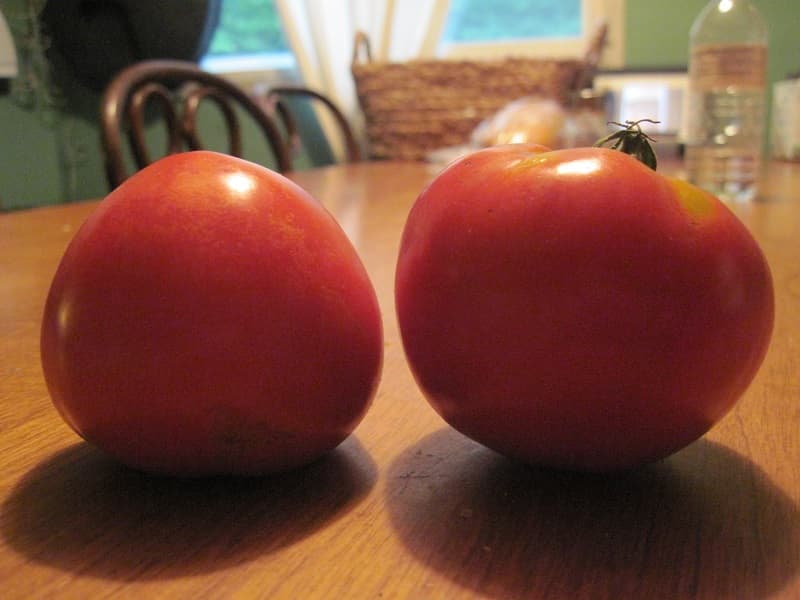 Celebrity Tomato
 Cherokee Purple Tomato
 Climbing Hydrangea
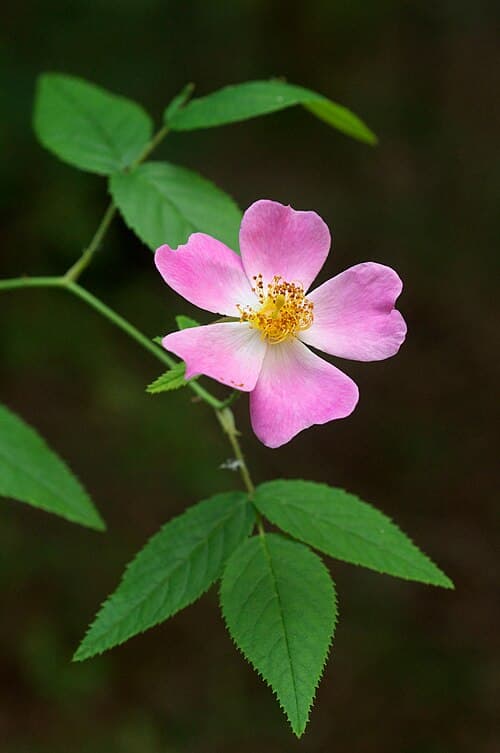 Climbing Prairie Rose
 Cocktail Vodka Begonia
 Coleus
 Coral Drift Groundcover Rose
 Cosmos
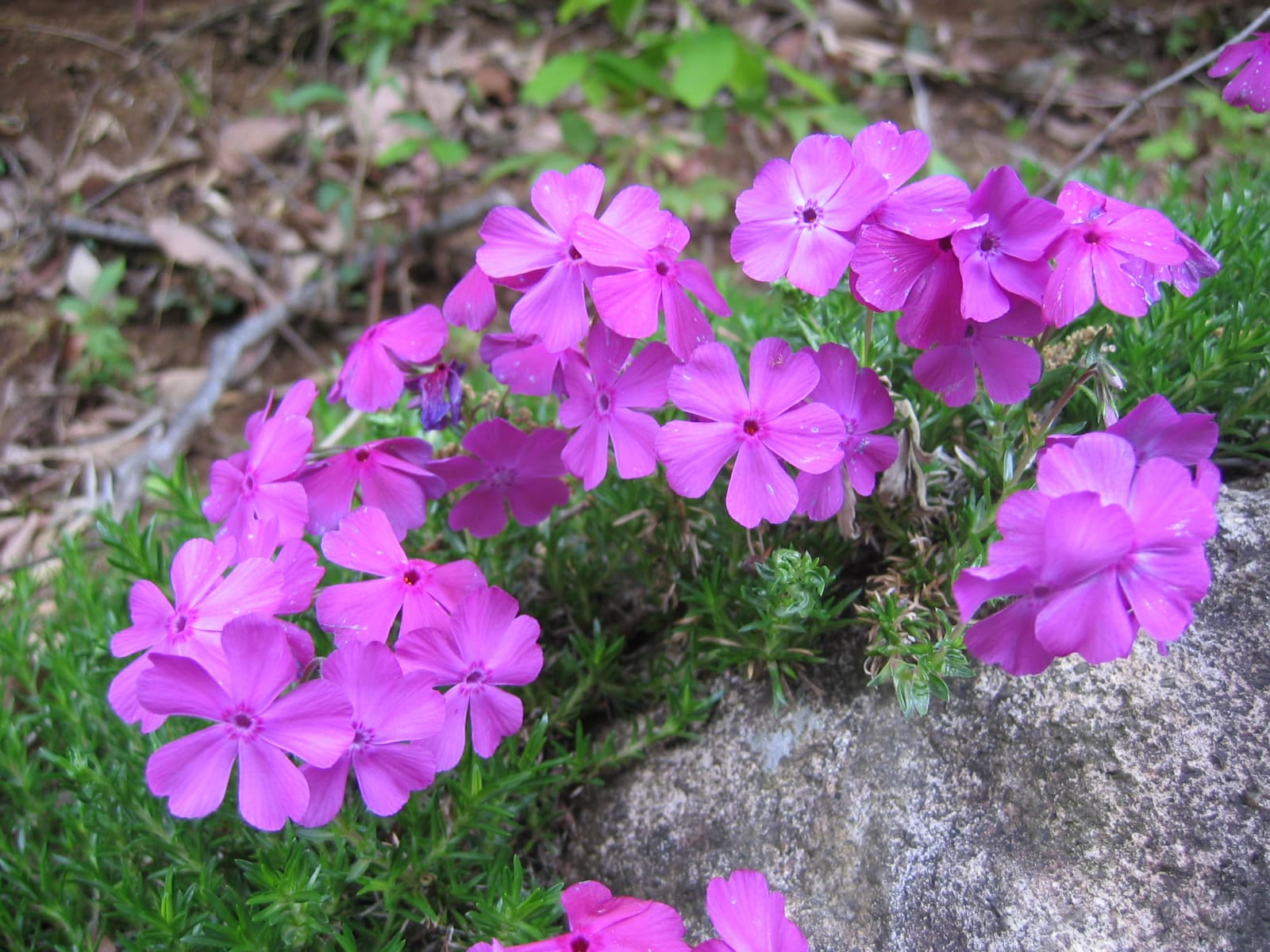 Creeping Phlox
 Cubanelle Pepper
 Cupani Sweet Pea
 David Garden Phlox
 Delft Blue Hyacinth
 Denim n Lace Russian Sage
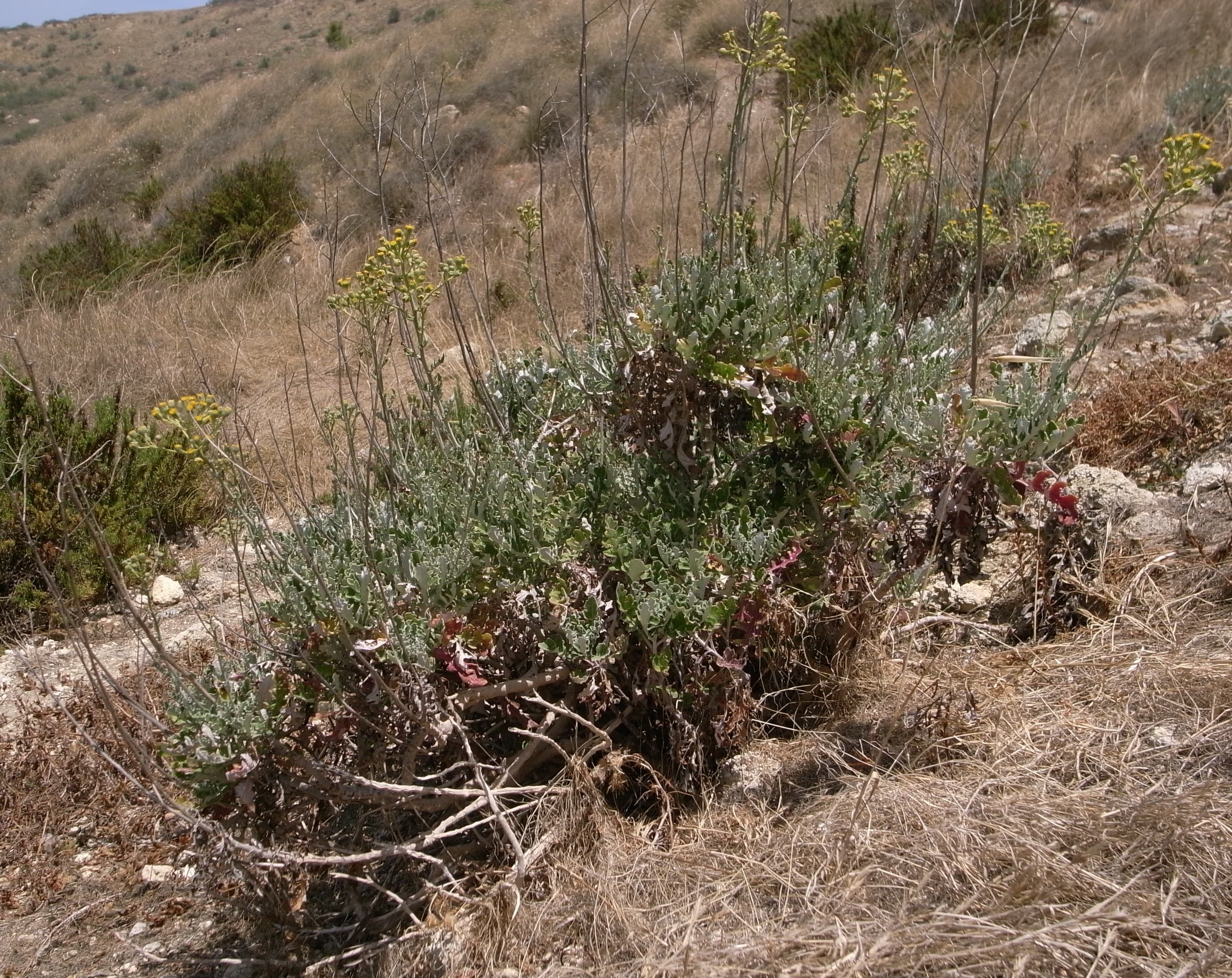 Dusty Miller
 Dutch Master Daffodil
 Early Girl Tomato
 Eastern Red Columbine
 Endless Summer Hydrangea
 English Lavender
 English Shelling Pea
 Evening Primrose
 Fanal Astilbe
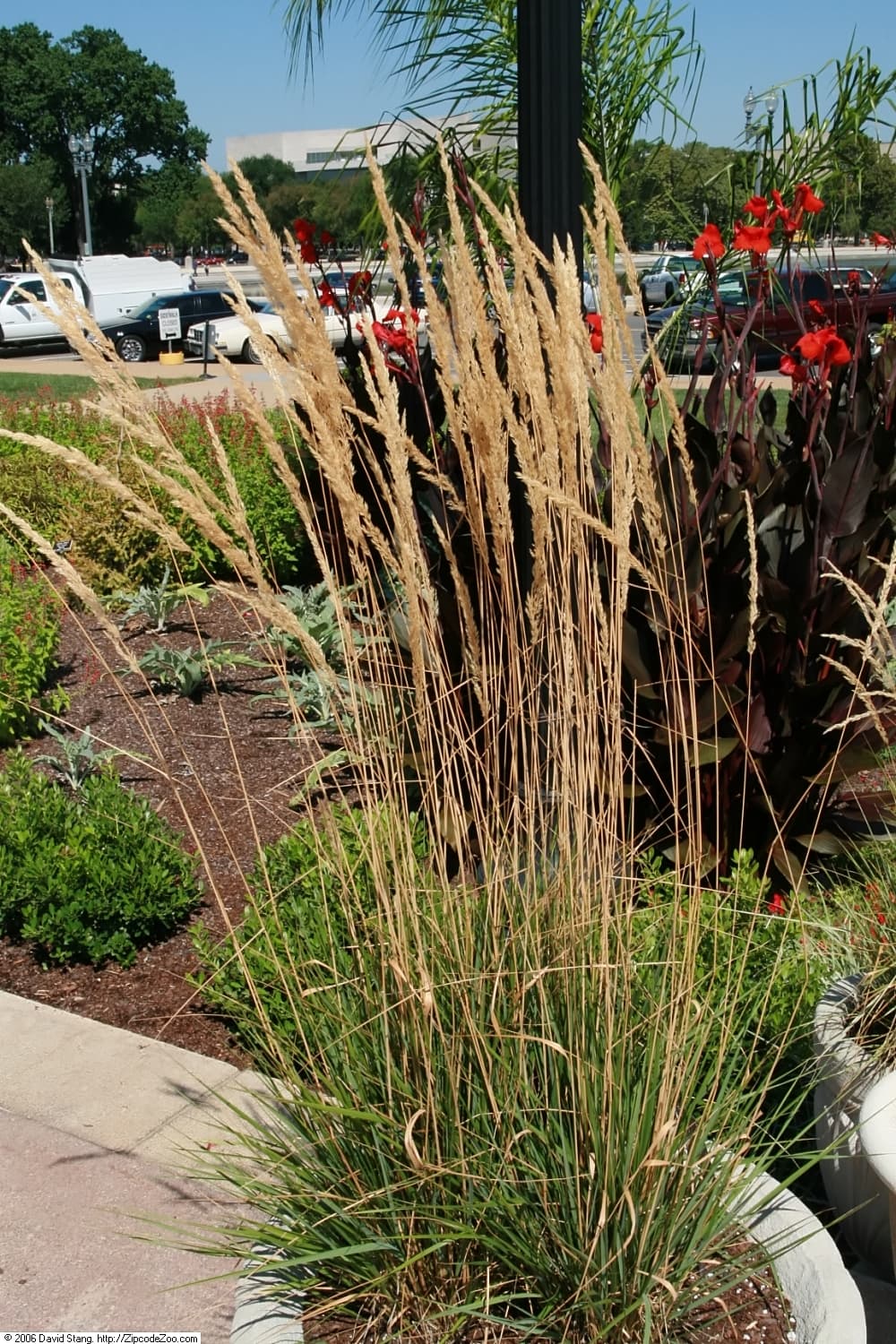 Feather Reed Grass
 Field Pea
 Fireworks Goldenrod
 Flamingo Feather Celosia
 Flower Record Crocus
 Fountain Grass
 Foxglove
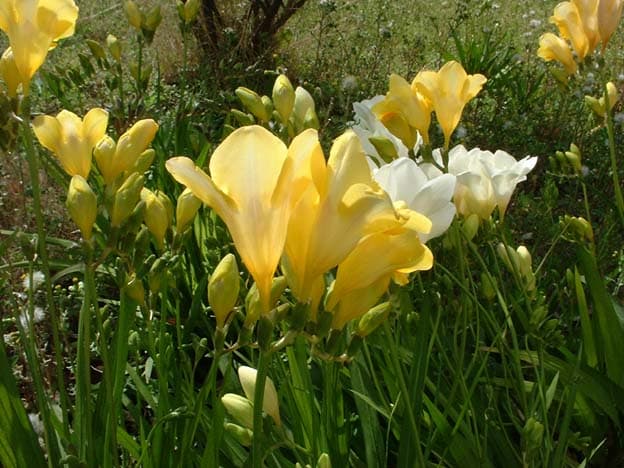 Freesia
 French Marigold
 Fresno Pepper
 Garden Gladiolus
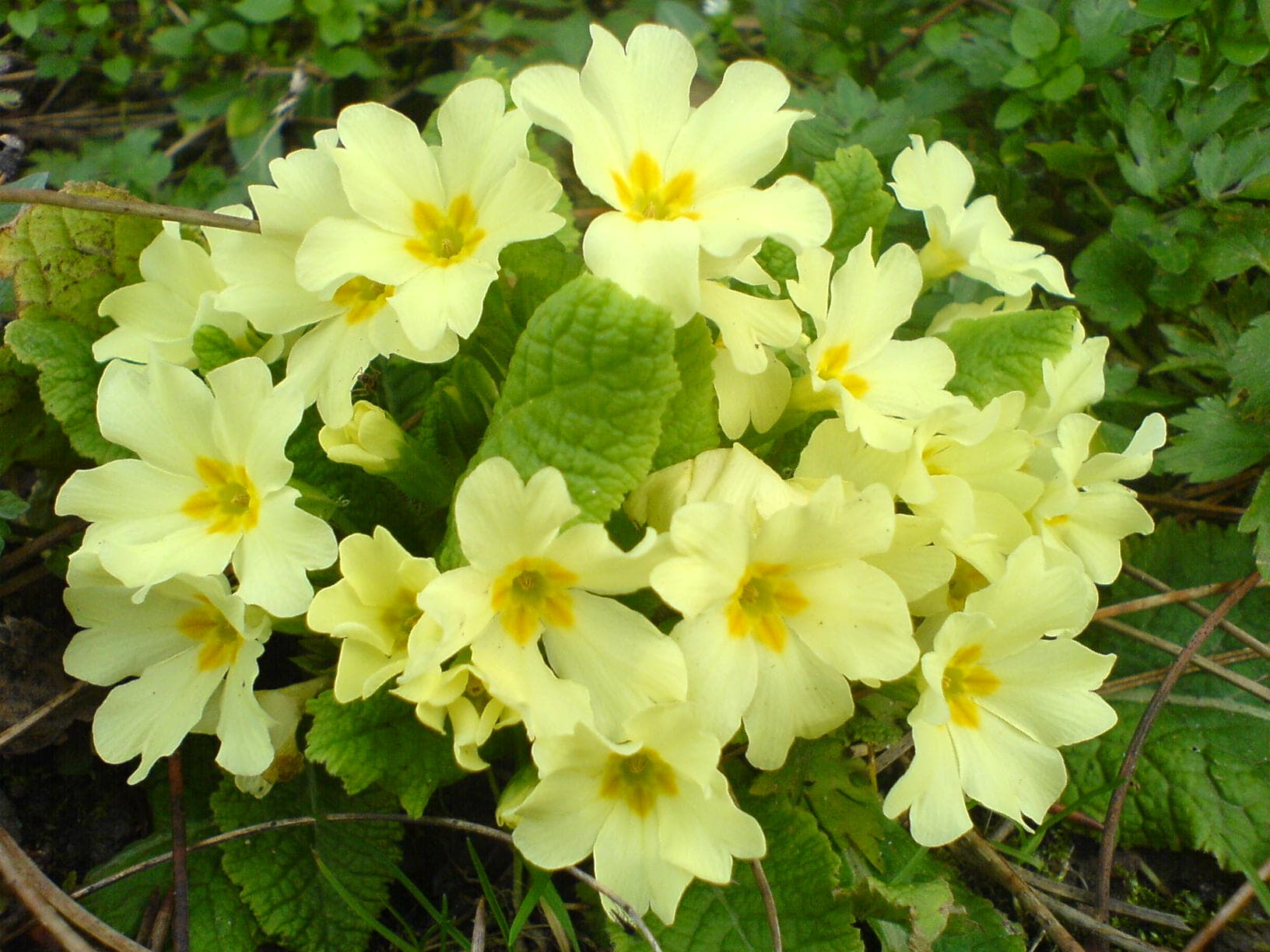 Garden Primrose
 Garden Sage
 Garvinea Sweet Glow Gerbera
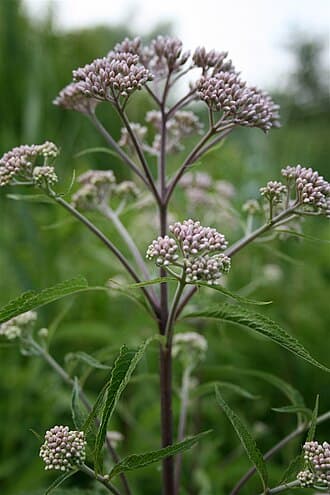 Gateway Joe Pye Weed
 Gaura🍅German Queen Tomato
 Ghost Pepper
 Globe Amaranth
 Globemaster Allium
 Glossy Abelia
For educational and informational purposes only. Pest control advice is general guidance drawn from university cooperative extension sources; always identify a pest positively and read and follow the label on any product before use, especially around food crops, children, and pets.