
Bolting
Bolting is when a leafy or cool-season vegetable suddenly sends up a flower stalk and goes to seed, turning bitter and tough in the process. It is a natural response to heat and lengthening days, not a disease, and it commonly ends the harvest of lettuce, spinach, cilantro, and other cool-weather crops as summer arrives.
🔎 How to spot it
Look for a plant that abruptly grows taller and sends up a central flower stalk, with the leaves becoming smaller, narrower, and often more bitter. In lettuce and spinach the head or rosette stretches upward and turns leggy; in cilantro, basil, and brassicas, flower buds and stalks appear. Once the stalk forms, the edible leaves quickly lose quality.
🥀 Damage it causes
Bolting effectively ends the useful harvest: leaves of bolted lettuce, spinach, and herbs turn bitter and tough, roots and bulbs of bolted onions and beets become woody, and the plant pours its energy into seed rather than the part you eat. The crop is not poisonous, just unpalatable, though you can save seed from it.
🔬 What causes it
Bolting is triggered by the plant sensing that conditions favor reproduction, mainly heat and long summer days, and sometimes a cold spell followed by warmth or transplant stress. Cool-season crops like lettuce, spinach, cilantro, and radish bolt as temperatures climb and days lengthen, and drought and root disturbance can hurry it along.
🛡️ Prevent it
Plant cool-season crops early in spring or for a fall harvest, so they mature in cool, shortening days rather than into summer heat. Choose slow-bolt or bolt-resistant varieties. Keep plants evenly watered and unstressed, use shade cloth and mulch to keep roots cool in warm spells, and harvest promptly while the leaves are still tender.
🧯 If it is already here
Bolting cannot be reversed once the flower stalk forms. Harvest what you can right away before it turns too bitter; pinching out flower stalks on herbs buys a little time but not much. The practical response is to pull the bolted plant and resow a fresh, heat-tolerant or fall crop, or let a plant or two flower for pollinators and seed.
💡 Good to know
Bolting is a calendar and weather problem, not a pest, so the fix is timing rather than treatment: grow cool-season crops in the cool ends of the season. Letting cilantro or a brassica bolt is not all bad, since the flowers feed pollinators and you can collect seed, such as coriander from cilantro.
🌱 Plants it affects
130 plants in the library can be affected by this problem
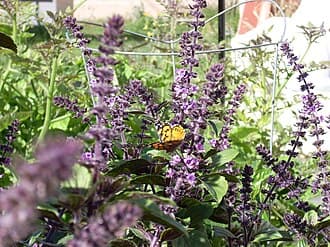 African Blue Basil
 Arugula🥕Atomic Red Carrot🥬Bibb Lettuce🥬Black Seeded Simpson Lettuce🥕Black Spanish Radish
 Bloomsdale Spinach
 Bok Choy🥕Bolero Carrot
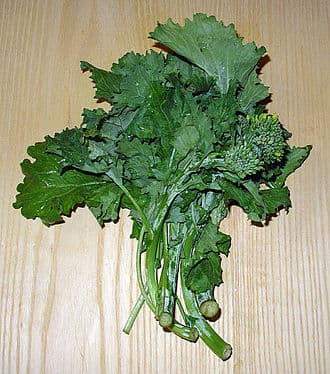 Broccoli Rabe
 Brussels Sprouts
 Bull's Blood Beet
 Burdock
 Buttercrunch Lettuce
 Calabrese Broccoli🥬Champion Collards
 Chantenay Carrot
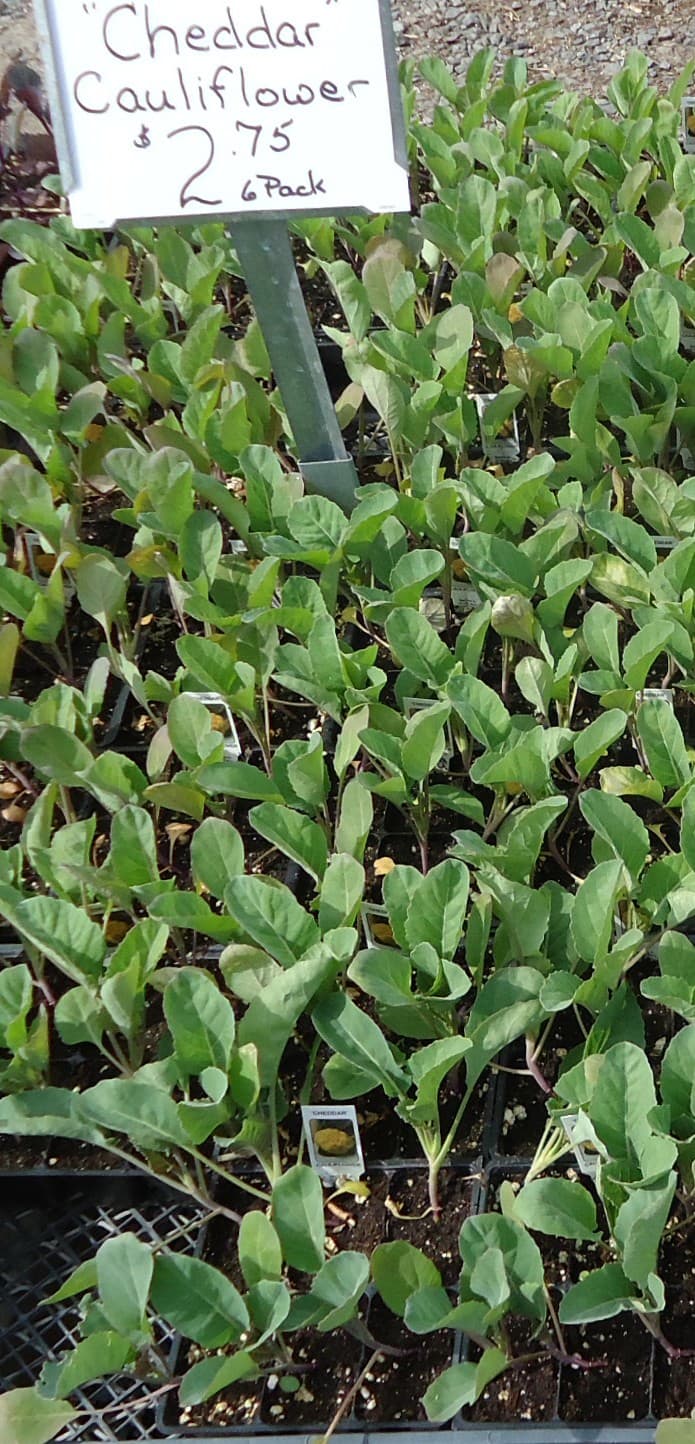 Cheddar Cauliflower
 Cherry Belle Radish
 Chicory
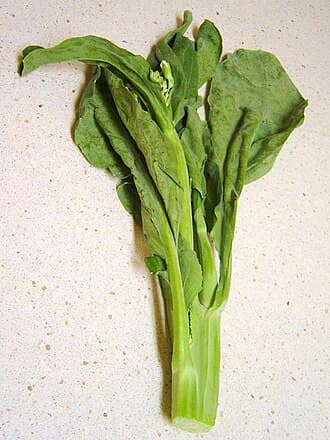 Chinese Broccoli
 Chioggia Beet
 Cinnamon Basil
 Cipollini Onion
 Collard Greens
 Common Chives
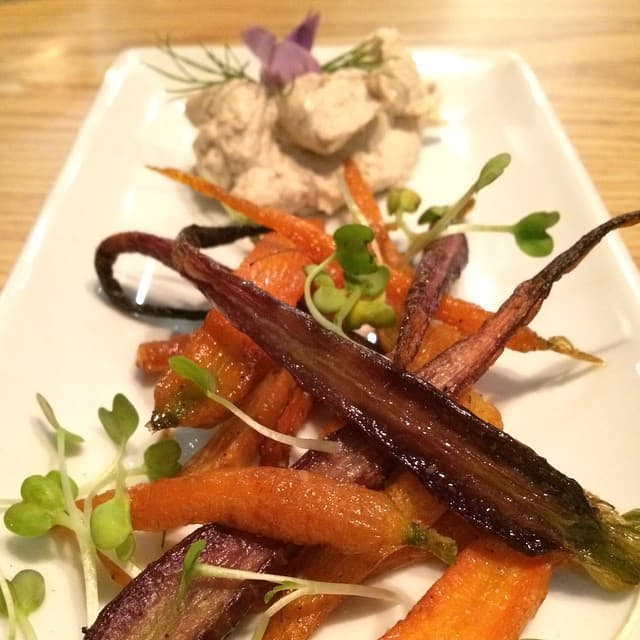 Cosmic Purple Carrot
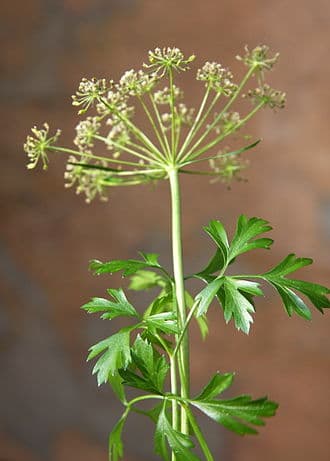 Curly Parsley
 Cylindra Beet
 Daikon Radish
 Dandelion
 Danvers Carrot
 De Cicco Broccoli
 Detroit Dark Red Beet
 Dill
Dill Dragon Carrot
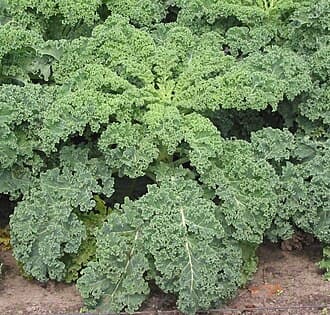 Dwarf Blue Curled Vates Kale🥬Dwarf Siberian Kale🌸Easter Egg Radish
 Egyptian Walking Onion
 Elephant Garlic
 Endive
 Florence Fennel🥕French Breakfast Radish
 Frisée
 Garlic Chives
 Genovese Basil🧄German Extra Hardy Garlic
 Globemaster Allium
 Golden Beet
 Greek Basil
 Green Cabbage
 Green Leaf Lettuce
 Hakurei Turnip
 Holy Basil
 Horseradish
 Iceberg Lettuce
 Imperator Carrot🧄Inchelium Red Garlic
 Italian Flat-Leaf Parsley
 Italian Large Leaf Basil
 January King Cabbage🧄Killarney Red Garlic
 Kohlrabi
 Lacinato Kale
 Lamb's Quarter
 Leek
Leek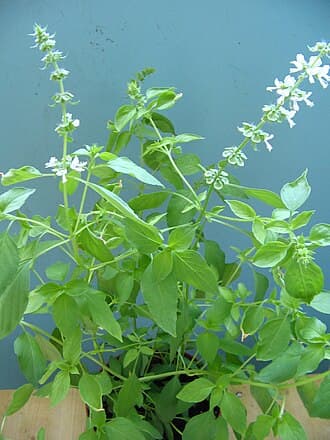 Lemon Basil
 Lettuce-Leaf Basil🥬Little Gem Lettuce🥬Lollo Rossa Lettuce
 Mâche
Mâche Malabar Spinach
 Mizuna🥕Mokum Carrot
 Music Hardneck Garlic
 Mustard Greens
 Nantes Carrot
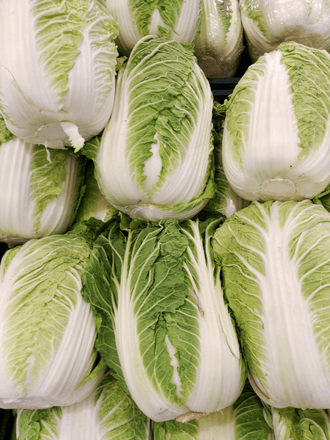 Napa Cabbage
 New Zealand Spinach🥬Oakleaf Lettuce
 Orach🥕Paris Market Carrot
 Pearl Onion
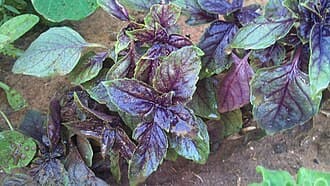 Purple Basil🥦Purple Cape Cauliflower
 Purple Sprouting Broccoli
 Purple Top Turnip
 Purslane
 Radicchio🥕Rainbow Carrot Mix
 Rainbow Chard
 Red Cabbage
 Red Leaf Lettuce🧅Red Onion
 Red Russian Kale
 Redbor Kale
 Romaine Lettuce
 Romanesco Cauliflower
 Rutabaga
For educational and informational purposes only. Disease management advice is general guidance drawn from university cooperative extension sources; always identify a problem positively and read and follow the label on any product before use, especially around food crops, children, and pets.