
Balsam Woolly Adelgid
Adelges piceae
A tiny introduced insect that covers itself in white wool while feeding on the bark of true firs, injecting saliva that disrupts the wood the tree builds. It is a major killer of Fraser fir in the southern Appalachians and a serious threat to fir Christmas tree growers and landscape firs.
🔎 How to spot it
Feeding shows up as small white woolly spots on the trunk, branches, and twigs of fir, with the purple-black adult hidden beneath the waxy wool. The crawler stage looks like the egg but with eyes and legs. Because the insects are tiny and the wax is the most visible sign, early infestations are easily overlooked.
🥀 Damage it causes
A clear symptom is gouting, a swelling around the shoot nodes and buds caused by the reaction of the tree to the saliva injected as the adelgid feeds. The tree responds by producing dense, abnormal wood that limits the movement of water, nutrients, and hormones, so foliage thins, growth slows, and trees can die after several years. Fraser fir is extremely sensitive and is often killed, which is why the pest has reshaped natural fir stands in the mountains.
🛡️ Prevent it
Inspect firs for woolly spots and node swelling, especially Fraser and other true firs, and avoid moving infested nursery stock. Keep trees vigorous, since stress worsens decline, and conserve the lady beetles and syrphid fly larvae that feed on the adelgid by avoiding broad-spectrum sprays. There is no resistance in the most susceptible firs, so early detection matters.
🧯 If it is already here
On accessible landscape trees, insecticidal soap or horticultural oil thoroughly coating the bark smothers the insects, applied in the dormant window, with soap used roughly November through March and oil December through March. Good coverage of trunk and branches is essential because the wax protects the insects. Avoid synthetic pyrethroids, which can flare spruce spider mite and rust mites by killing their predators.
💡 Good to know
The balsam woolly adelgid produces two to three generations a year depending on temperature and feeds only on true firs, with Fraser fir the most seriously affected. It is an introduced pest with no fully effective native predators, so it does not naturally collapse. Because all stages stay fixed under the wool, thorough spray coverage and timing are what determine success.
🌱 Plants it attacks
515 plants in the library can be attacked by this pest
 Adirondack Blue Potato
 Adzuki Bean
 African Blue Basil
 African Marigold
 Agapanthus
 Ageratum
 Agrimony
 Aji Amarillo Pepper
 Alice du Pont Mandevilla🥔All Blue Potato
 Amethyst Falls Wisteria
 Amish Paste Tomato
 Anaheim Pepper
 Angelique Tulip
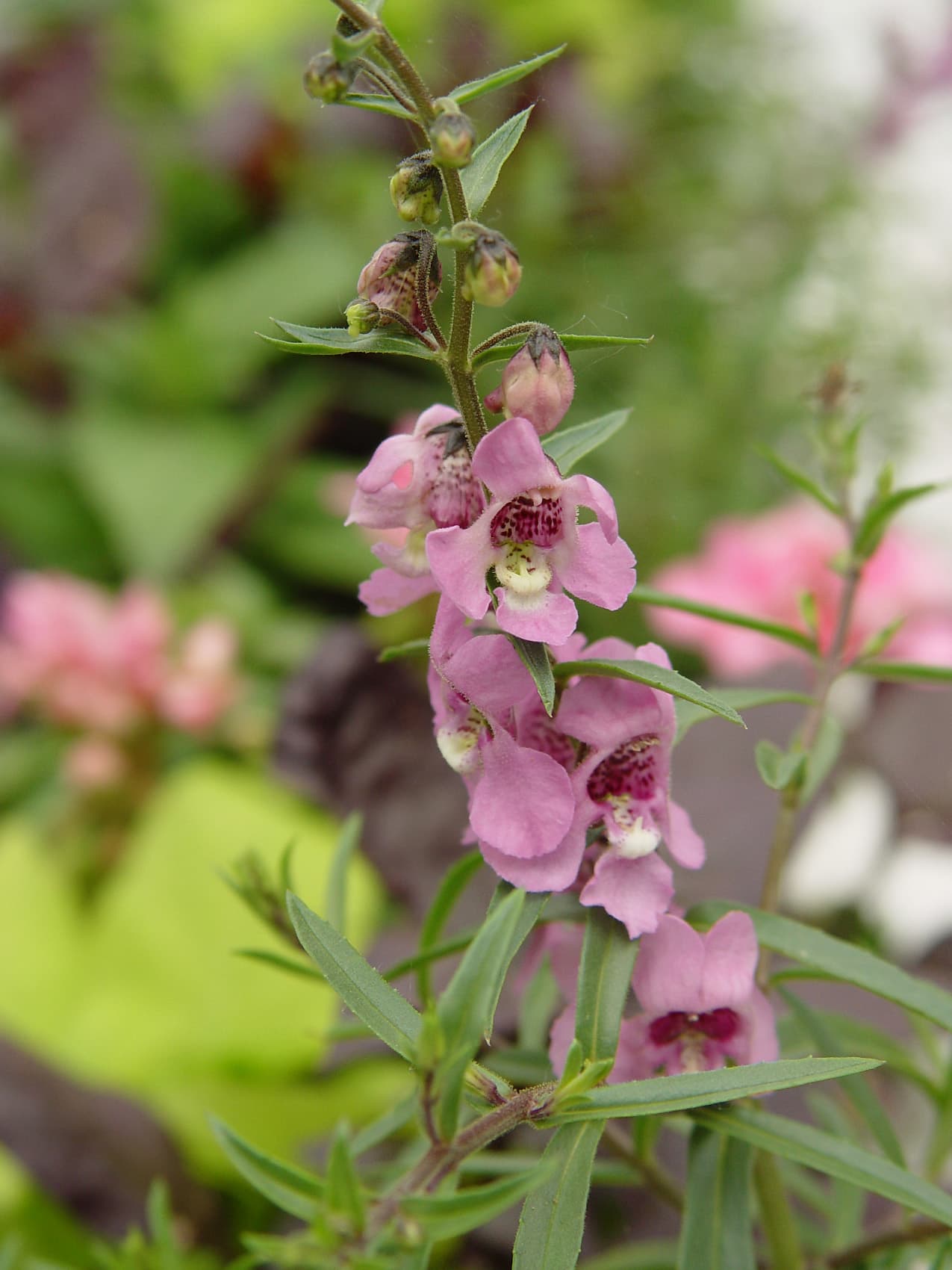 Angelonia
 Anise
Anise Anise Hyssop
 Anjou Pear
 Annabelle Smooth Hydrangea
 Apeldoorn Tulip
 Apple Mint
 April Tryst Camellia
 Armenian Cucumber
 Aronia
 Arugula
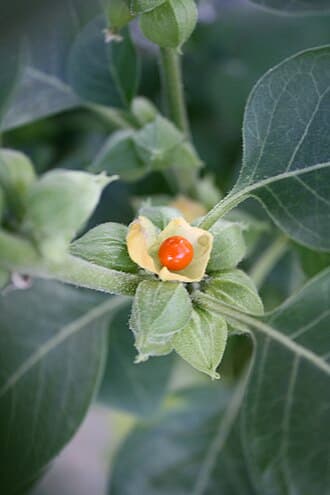 Ashwagandha
 Asian Pear🥕Atomic Red Carrot
 August Beauty Gardenia
 Aunt Molly's Ground Cherry
 Autumn Joy Sedum
 Bachelor's Button
 Balsam Fir
 Banana Pepper
 Barbara Karst Bougainvillea
 Bartlett Pear
 Bay Laurel
 Becky Shasta Daisy
 Bee Balm🍅Beefmaster Tomato
 Benarys Giant Zinnia
 Better Boy Tomato🥬Bibb Lettuce🍅Big Beef Tomato
 Big Boy Tomato
 Bilberry
 Bing Cherry
 Bitter Melon
 Black Bean
 Black Beauty Eggplant
 Black Beauty Zucchini
 Black Beluga Lentil
 Black Cherry Tomato
 Black Currant🍉Black Diamond Watermelon
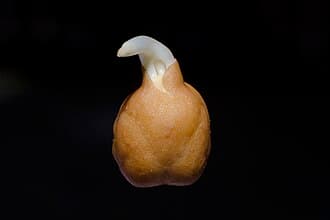 Black Kabouli Chickpea
 Black Krim Tomato
 Black Raspberry🥬Black Seeded Simpson Lettuce🥕Black Spanish Radish
 Black Tartarian Cherry
 Black-Eyed Pea
 Blood Orange
 Bloomsdale Spinach
 Blue Bird Rose of Sharon
 Blue Lake Green Bean
 Bok Choy🥕Bolero Carrot
 Boneset
 Borage
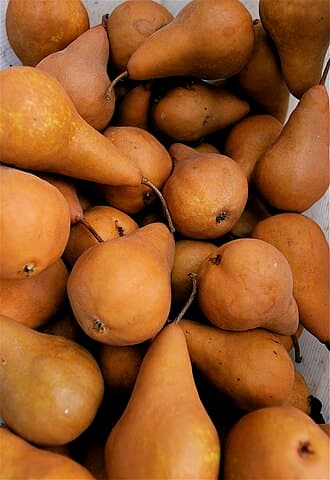 Bosc Pear🥒Boston Pickling Cucumber🍅Box Car Willie Tomato
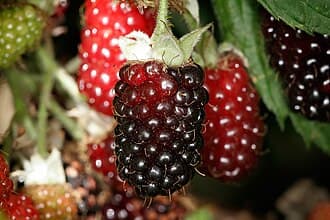 Boysenberry
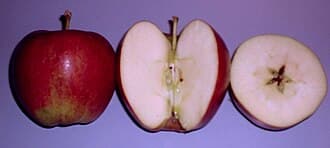 Braeburn Apple
 Brandywine Tomato
 Broad Windsor Fava Bean
 Broccoli Rabe
 Bull's Blood Beet
 Burdock
 Burgundy Okra
 Buttercrunch Lettuce
 Butterfly Blue Pincushion Flower
 Butterfly Marguerite Daisy
 Cafe au Lait Dahlia
 Calabrese Broccoli
 Calamondin
 Calendula
 Calibrachoa
 California Giant Zinnia
 California Poppy
 Campanula
 Cannellini Bean
 Cantaloupe
 Caraway
 Cardoon
 Carolina Geranium
 Carolina Reaper Pepper
 Casaba Melon
 Cascara Sagrada
For educational and informational purposes only. Pest control advice is general guidance drawn from university cooperative extension sources; always identify a pest positively and read and follow the label on any product before use, especially around food crops, children, and pets.