
Cabbage Looper
Trichoplusia ni
A smooth green caterpillar that loops its body like an inchworm as it crawls, chewing big holes in cabbage-family crops and many others. The cabbage looper is one of the common green caterpillars on cole crops, alongside the imported cabbageworm, and it skeletonizes leaves and bores into heads from midsummer on.
🔎 How to spot it
The caterpillar is smooth and pale green with a few thin white stripes down the back, up to about an inch and a half long, and it moves by arching its middle into a loop because it lacks the middle pairs of legs that smooth-crawling caterpillars have. Look for ragged holes chewed in leaves, dark green droppings, and young larvae skeletonizing leaf undersides. The night-flying gray moth has a small silver figure-eight mark on each forewing.
🥀 Damage it causes
Young loopers skeletonize the undersides of leaves, while older ones chew large ragged holes straight through leaves and into flower heads, and they bore into the heads of cabbage, broccoli, and cauliflower, contaminating them with droppings. Besides cole crops they feed on lettuce, beans, tomato, and many other plants.
🛡️ Prevent it
Cover cole crops with floating row cover from transplanting to keep the moths from laying eggs. Scout the undersides of leaves for the single round eggs and small loopers, and encourage the many natural enemies, parasitic wasps, predatory bugs, and birds, that usually keep loopers in check when broad-spray insecticides are avoided. Clean up crop debris after harvest.
🧯 If it is already here
Handpick the caterpillars, which is very effective on a few plants. For larger numbers, the organic sprays Bacillus thuringiensis (Bt) and spinosad work well on small loopers; aim for the leaf undersides and treat while larvae are young. Release or protect natural enemies, and tiny Trichogramma wasps are sold to parasitize the eggs before they hatch.
💡 Good to know
The looping crawl is the easy way to tell a cabbage looper from the velvety, smooth-crawling imported cabbageworm, which moves without arching. All the green cabbage caterpillars are controlled the same way, with row cover, scouting, and Bt. A healthy population of parasitic wasps usually keeps loopers from getting out of hand.
🌱 Plants it attacks
142 plants in the library can be attacked by this pest
 Adirondack Blue Potato
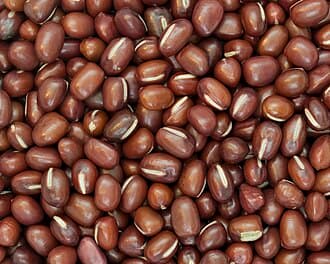 Adzuki Bean🥔All Blue Potato
 Amish Paste Tomato
 Arugula
 Barbara Karst Bougainvillea
 Beauregard Sweet Potato🍅Beefmaster Tomato
 Better Boy Tomato🥬Bibb Lettuce🍅Big Beef Tomato
 Big Boy Tomato
 Black Bean
 Black Cherry Tomato
 Black Krim Tomato🥬Black Seeded Simpson Lettuce🥕Black Spanish Radish
 Black-Eyed Pea
 Bloomsdale Spinach
 Blue Lake Green Bean
 Bok Choy🍅Box Car Willie Tomato
 Brandywine Tomato
 Broad Windsor Fava Bean
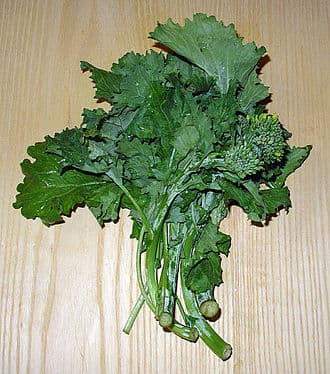 Broccoli Rabe
 Brussels Sprouts
 Buttercrunch Lettuce
 Calabrese Broccoli
 Cannellini Bean
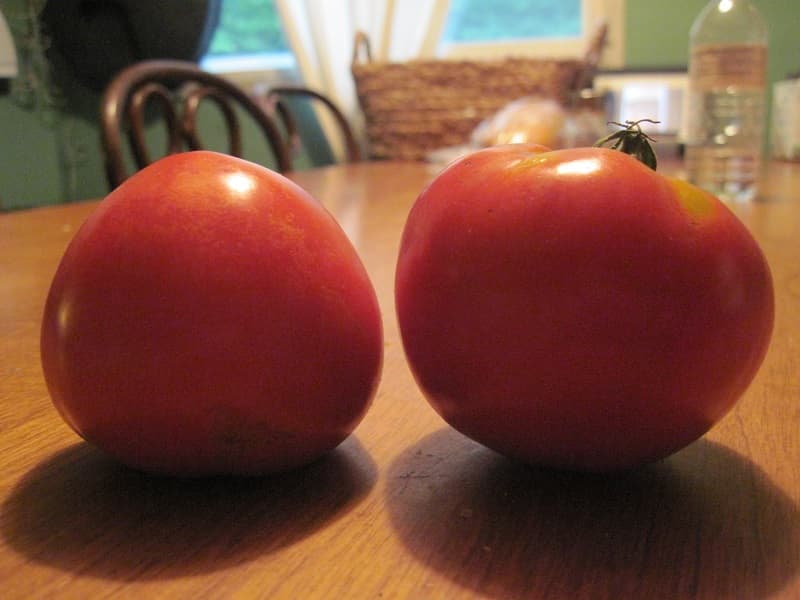 Celebrity Tomato🥬Champion Collards
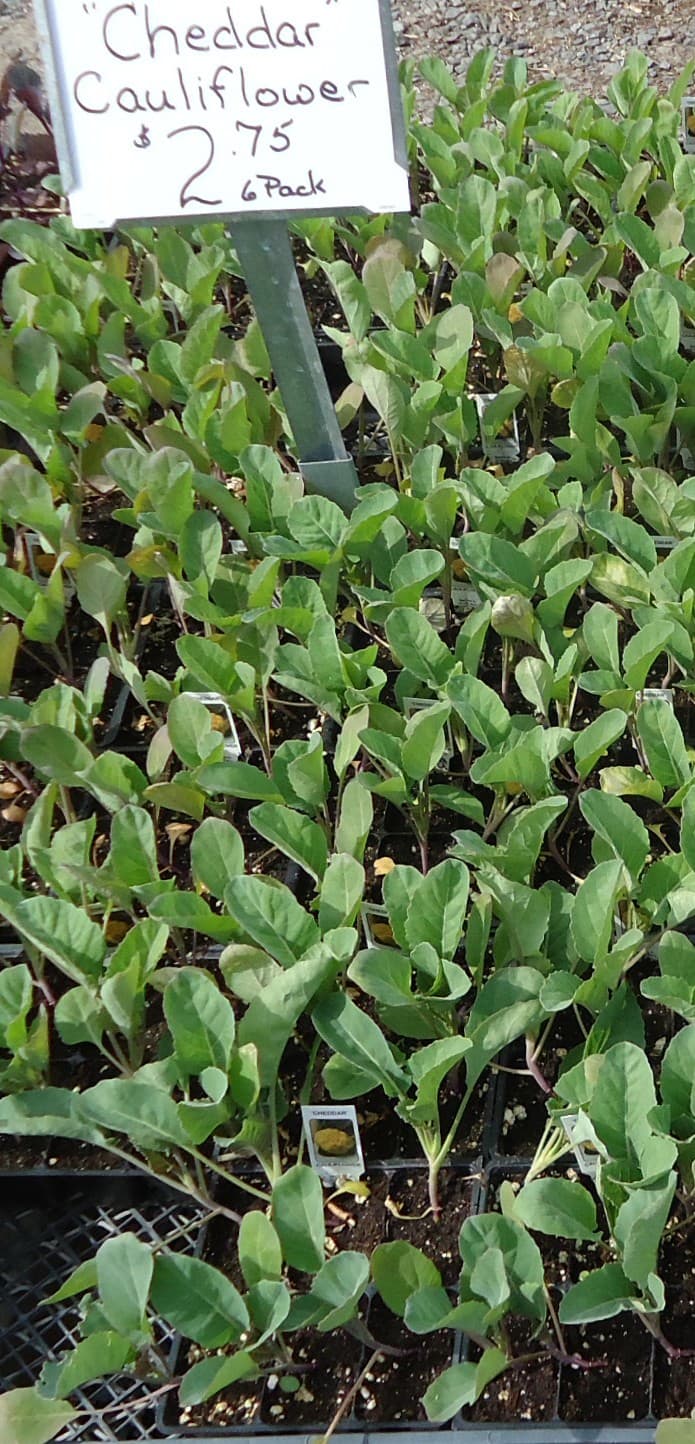 Cheddar Cauliflower
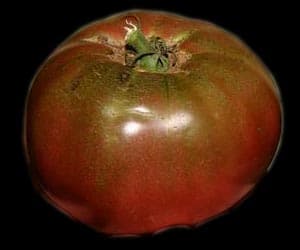 Cherokee Purple Tomato
 Cherry Belle Radish
 Chicory
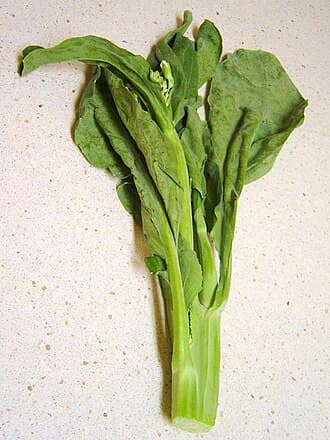 Chinese Broccoli
 Collard Greens
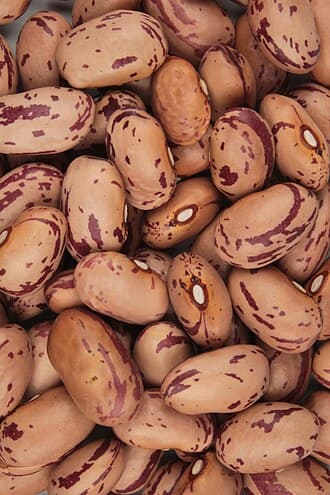 Cranberry Bean
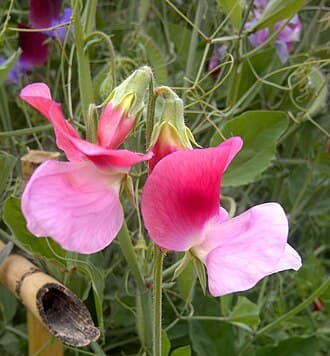 Cupani Sweet Pea
 Daikon Radish
 Dandelion
 De Cicco Broccoli
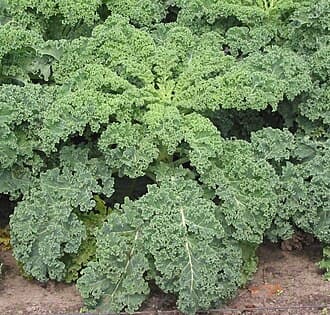 Dwarf Blue Curled Vates Kale🥬Dwarf Siberian Kale
 Early Girl Tomato🌸Easter Egg Radish
 Endive
 English Shelling Pea
 Field Pea
 Fingerling Potato
 Fordhook 242 Lima Bean🥕French Breakfast Radish
 Frisée
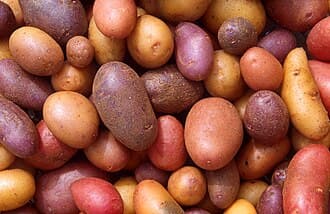 German Butterball Potato🍅German Queen Tomato
 Green Cabbage
 Green Leaf Lettuce
 Green Zebra Tomato
 Hakurei Turnip
 Horseradish
 Iceberg Lettuce
 Indigo Rose Tomato
 January King Cabbage
 Juliet Grape Tomato
 Kellogg's Breakfast Tomato
 Kennebec Potato
 Kentucky Wonder Pole Bean
 Kidney Bean
 Kohlrabi🍅La Roma IV Tomato
 Lacinato Kale
 Lamb's Quarter
 Lemon Boy Tomato
 Lincoln Pea🥬Little Gem Lettuce🥬Lollo Rossa Lettuce
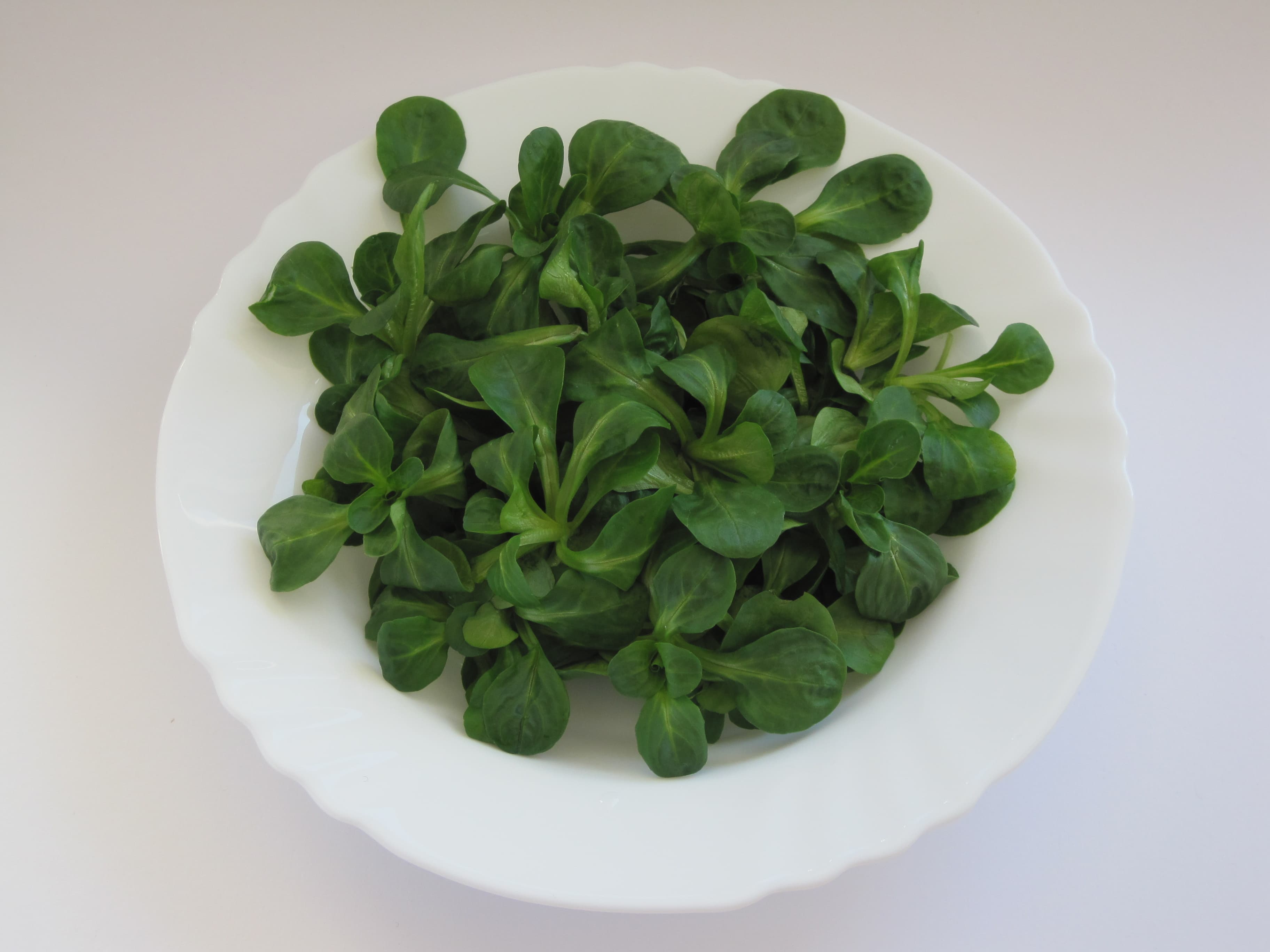 Mâche
Mâche Malabar Spinach
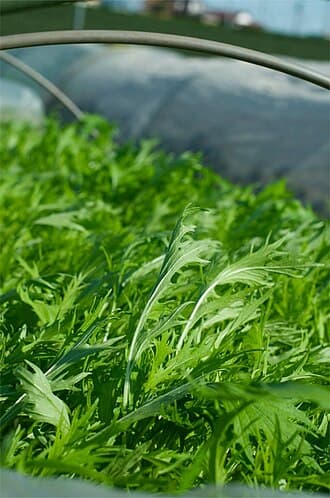 Mizuna🍅Mortgage Lifter Tomato
 Mr. Stripey Tomato
 Mung Bean
 Mustard Greens
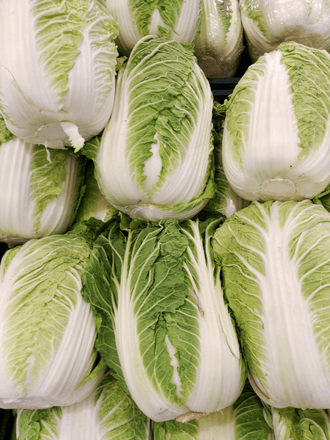 Napa Cabbage
 Navy Bean
 New Zealand Spinach
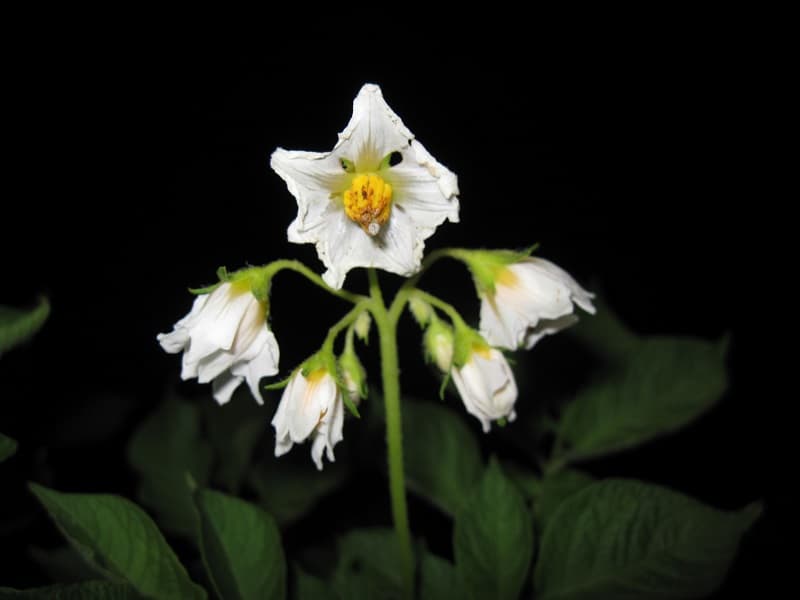 Norland Potato🥬Oakleaf Lettuce
 Orach
Orach Pineapple Tomato
 Pinto Bean🌱Provider Bush Bean🥦Purple Cape Cauliflower🥔Purple Majesty Potato
 Purple Sprouting Broccoli
 Purple Top Turnip
 Purslane
 Radicchio🥕Rainbow Carrot Mix
 Rainbow Chard
For educational and informational purposes only. Pest control advice is general guidance drawn from university cooperative extension sources; always identify a pest positively and read and follow the label on any product before use, especially around food crops, children, and pets.