
Crown Gall
Agrobacterium tumefaciens
A bacterial disease that causes rough, tumor-like galls on the roots, crown, and lower stems of a huge range of plants, from fruit trees and brambles to roses and grapes. The galls disrupt the flow of water and nutrients, stunting and weakening the plant, and the bacteria can persist in the soil for years once established.
🔎 How to spot it
Look for rounded, rough, tumor-like growths, at first soft, spongy, and cream-colored, later hard, woody, and dark, on the roots, the crown at the soil line, and the lower stems or trunk. Galls range from pea-sized to several inches across. Above ground the plant may be stunted, weak, and slow, with poor vigor, especially when young.
🥀 Damage it causes
The galls disrupt the movement of water and nutrients through the affected tissue, so plants are stunted, weak, and less productive, and young or nursery plants can be seriously set back or killed. Older plants often survive but decline, and the wounds and galls open the way to secondary wood rots.
🔬 What causes it
Crown gall is caused by the soil bacterium Agrobacterium tumefaciens, which enters only through wounds, from pruning, transplanting, cultivation, grafting, or insects, near the soil line. The bacteria insert genes that make the plant tissue grow the gall. They survive in galls and in the soil for years, and spread on infected nursery stock, tools, and soil water.
🛡️ Prevent it
Start with clean, gall-free nursery stock and inspect roots and crowns before planting, rejecting any with galls. Avoid wounding the crown and roots when planting and cultivating, and disinfect pruning and grafting tools. Do not replant susceptible plants into known infested ground. A preventive root dip with the biological agent Agrobacterium radiobacter K-84 protects new plantings at planting time.
🧯 If it is already here
There is no cure once a plant is galled, so dig out and destroy severely affected young plants, and do not replant susceptible species in that spot. An established tree with a few galls may live for years, so keep it vigorous and watch for secondary rots. Because the bacteria persist in the soil, prevention and sanitation, not treatment, are the real controls.
💡 Good to know
Crown gall has an enormous host range, which is why it turns up on everything from roses and brambles to fruit and nut trees. The soft, tumor-like galls at the crown distinguish it from the firmer, woody burls some plants form naturally. Because it enters through wounds and lingers in soil, gentle handling at planting and clean stock prevent most cases.
🌱 Plants it affects
157 plants in the library can be affected by this problem
 Alice du Pont Mandevilla
 American Basswood
 Amethyst Falls Wisteria
 Amish Paste Tomato
 Anjou Pear
 Annabelle Smooth Hydrangea
 April Tryst Camellia
 Aronia
 Asian Pear
 August Beauty Gardenia
 Aunt Molly's Ground Cherry
 Bachelor's Button
 Balsam Poplar
 Barbara Karst Bougainvillea
 Bartlett Pear
 Beach Plum🍅Beefmaster Tomato
 Better Boy Tomato🍅Big Beef Tomato
 Big Boy Tomato
 Bilberry
 Bing Cherry
 Black Cherry Tomato
 Black Crowberry
 Black Currant
 Black Krim Tomato
 Black Raspberry
 Black Tartarian Cherry
 Black Walnut
 Blue Bird Rose of Sharon
 Bluecrop Blueberry
 Bosc Pear🍅Box Car Willie Tomato
 Boysenberry
 Braeburn Apple
 Brandywine Tomato
 Burning Bush
 Catawba Grape
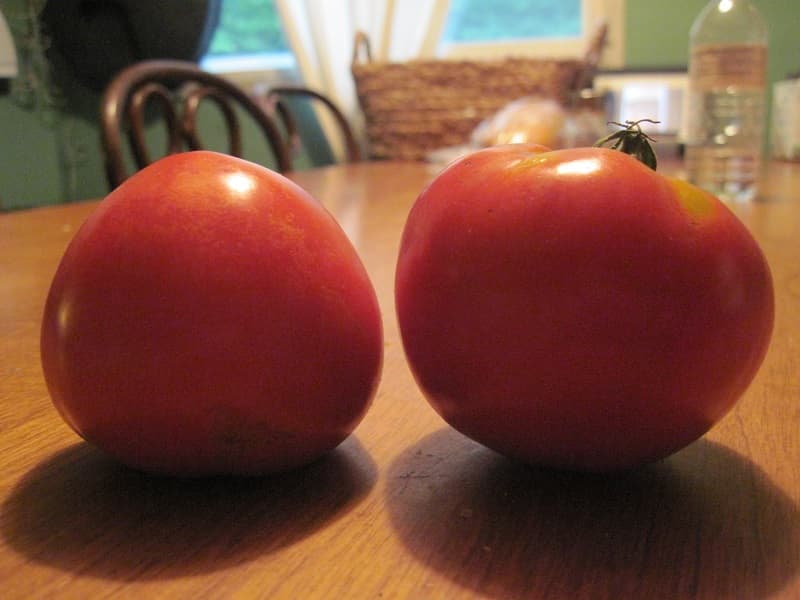 Celebrity Tomato
 Champagne Loquat
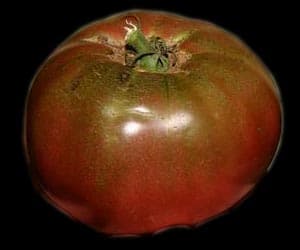 Cherokee Purple Tomato
 Chokecherry
 Climbing Hydrangea
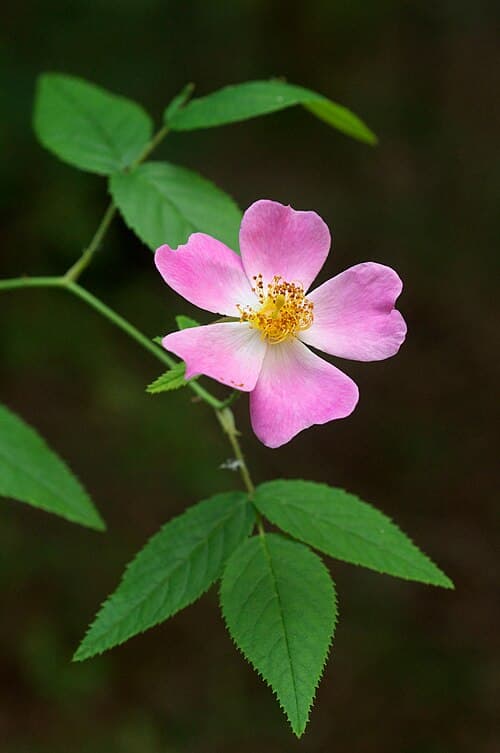 Climbing Prairie Rose
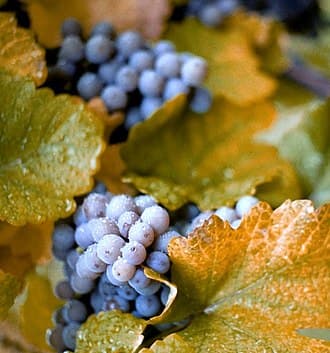 Concord Grape
 Contender Peach
 Coral Drift Groundcover Rose
 Cornelian Cherry
 Cortland Apple
 Cosmic Crisp Apple
 Cranberry
 Damson Plum
 Diabolo Ninebark
 Early Amethyst Beautyberry
 Early Girl Tomato
 Elberta Peach
 Elderberry
 Endless Summer Hydrangea
 English Walnut
 Evergreen Huckleberry
 Fantasia Nectarine
 Flowering Dogwood
 Fuji Apple
 Gala Apple🍅German Queen Tomato
 Goji Berry
 Goldflame Spirea
 Gooseberry
 Graham Thomas English Rose
 Granny Smith Apple
 Green Zebra Tomato
 Hansa Rugosa Rose
 Hawthorn
 Heritage Raspberry
 Honeoye Strawberry
 Honey Locust
 Honeyberry
 Honeycrisp Apple
 Hummingbird Summersweet
 Iceberg Floribunda Rose
 Indian Hawthorn
 Indigo Rose Tomato
 Jackmanii Clematis
 Juliet Grape Tomato
 June-Bearing Strawberry
 Karen Azalea
 Kellogg's Breakfast Tomato
 Knock Out Rose🍅La Roma IV Tomato
 Lemon Boy Tomato
 Limelight Panicle Hydrangea
 Lynwood Gold Forsythia
 Major Wheeler Trumpet Honeysuckle
 Mammoth Sunflower
 McIntosh Apple
 Methley Plum
 Miss Kim Lilac
 Miss Molly Butterfly Bush
 Mister Lincoln Hybrid Tea Rose
For educational and informational purposes only. Disease management advice is general guidance drawn from university cooperative extension sources; always identify a problem positively and read and follow the label on any product before use, especially around food crops, children, and pets.