
Common Stalk Borer
Papaipema nebris
The caterpillar of a native moth that bores into the stems of corn and a very wide range of thick-stemmed herbaceous plants, tunneling inside and causing the top to wilt. It often moves from grassy weeds and field edges into a garden, where a single borer can ruin a prized stem.
🔎 How to spot it
The larva is three quarters to two inches long and is easy to recognize when young, brownish to purple with white lines running the length of the body and a dark saddle band about one fourth of the way down that makes that area solid brown or purple. As it matures the white lines fade and the body becomes brownish gray. The adult is a small gray-brown moth with white spots and a wingspan of about one to one and a half inches.
🥀 Damage it causes
The larva chews leaves and then bores into the stem, and the tunneling makes the plant wilt, with the central leaves dying while visible holes and frass mark the entry. Because the young borers migrate from grassy weeds into nearby plants early in the season, the first damage often appears along the edges of a planting. A single stem can be killed, which is significant on flowers and vegetables grown one to a stalk.
🛡️ Prevent it
Mow and control grassy weeds in and around the garden in late summer and fall, since the eggs are laid on grasses and weedy borders and the borers move from there into crops the next spring. Clean up weedy field edges before the season to cut off the source. Pull and destroy wilted, infested stems with the borer inside before it matures.
🧯 If it is already here
Once the larva is inside the stem, sprays cannot reach it, so the practical response is to remove and destroy infested stems and to manage the weedy hosts that supply the borers. If a borer is found, it can sometimes be dug out of a split stem on a valued plant. Preventive weed management the season before is far more effective than rescue treatment.
💡 Good to know
The common stalk borer has one generation a year, overwinters as eggs laid on grasses and weeds, and pupates in late summer near the soil surface. It feeds on a very broad list of plants, which is why it turns up on everything from corn to garden perennials. The dark banded young larva with white stripes is the surest way to identify it.
🌱 Plants it attacks
364 plants in the library can be attacked by this pest
 Adirondack Blue Potato
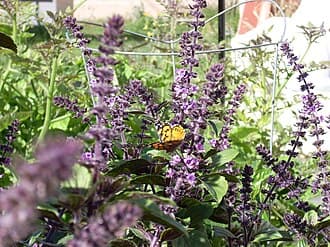 African Blue Basil
 African Marigold
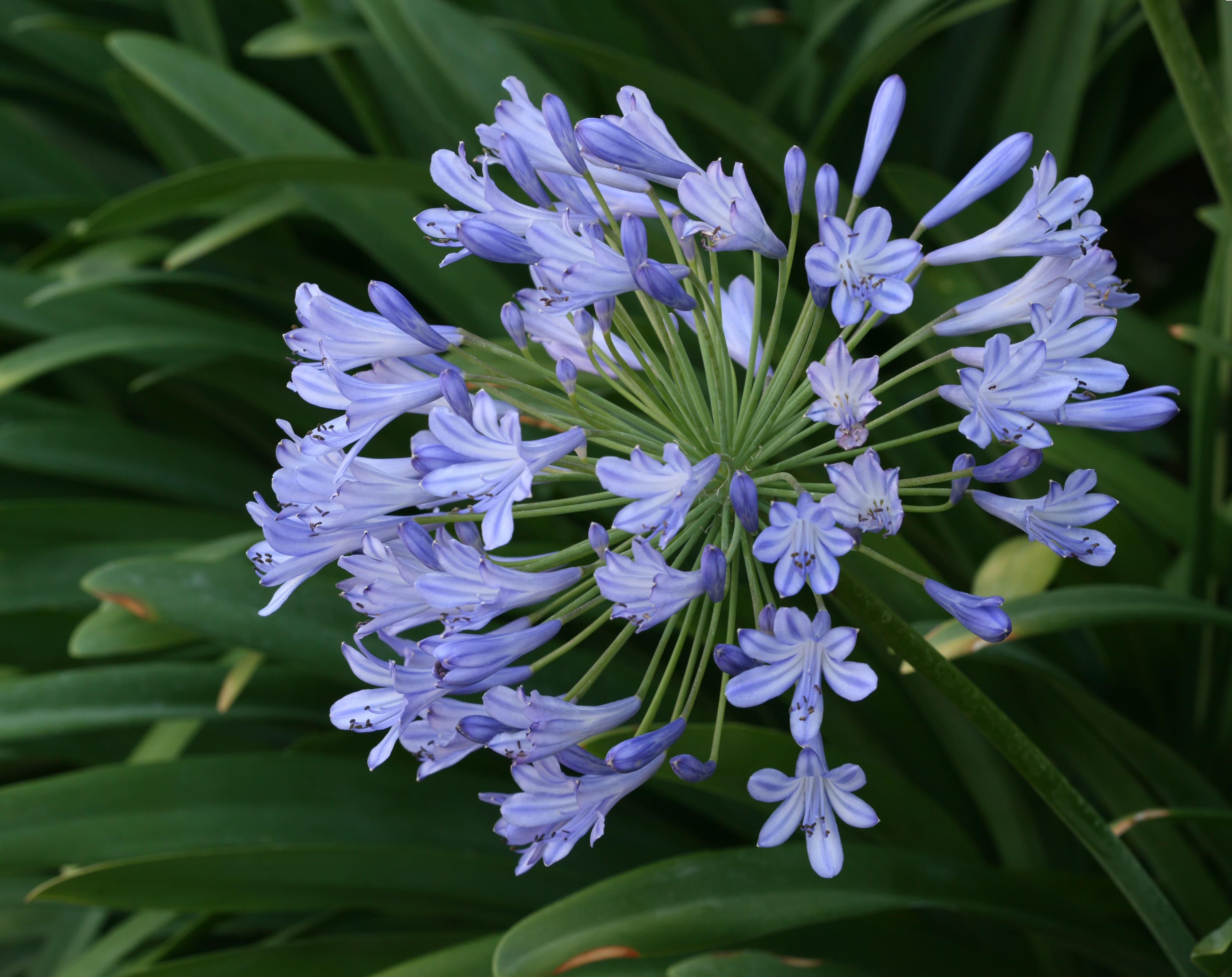 Agapanthus
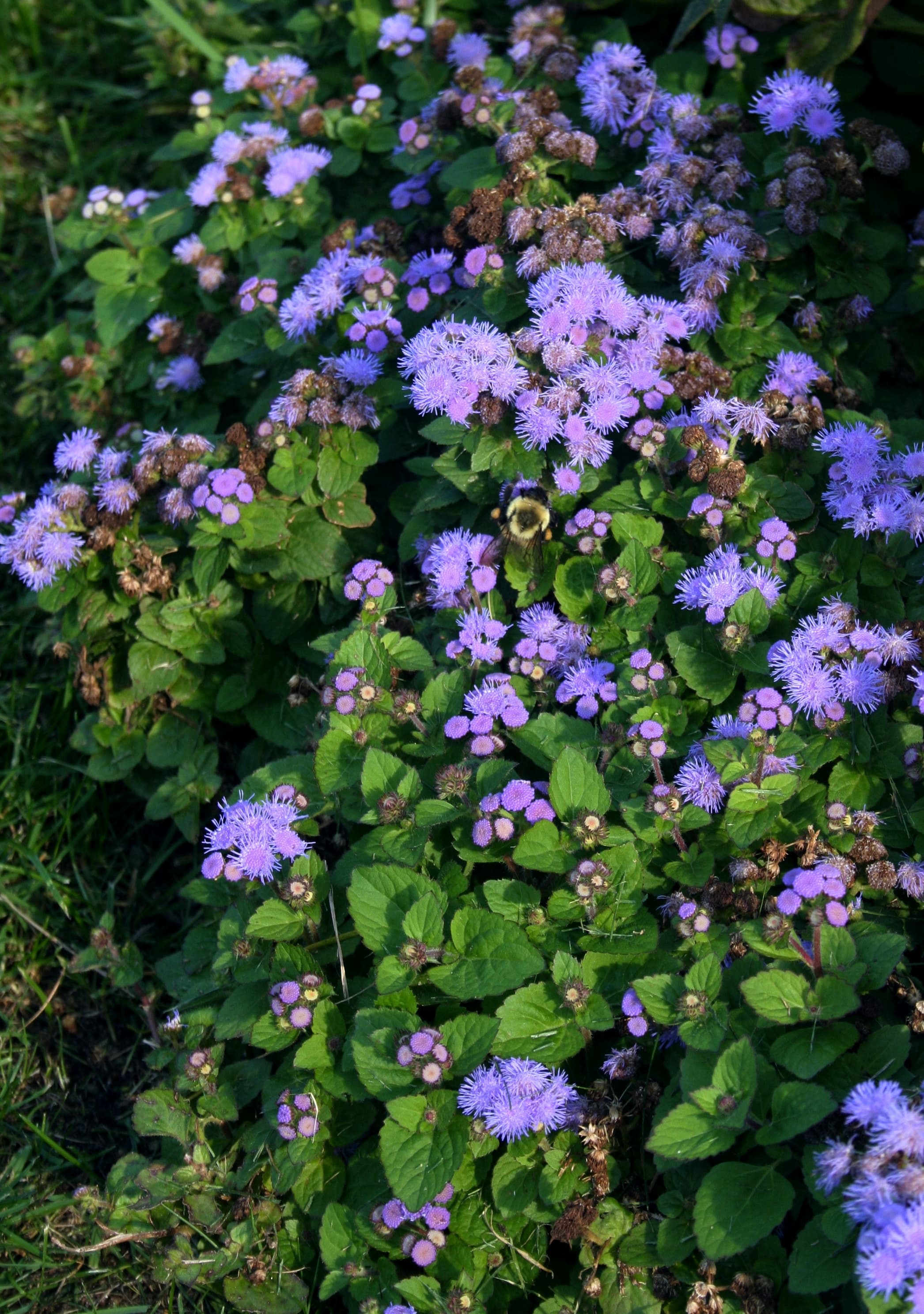 Ageratum
 Agrimony
 Aji Amarillo Pepper
 Alice du Pont Mandevilla🥔All Blue Potato
 Aloe Vera
 Ambrosia Corn
 Amethyst Falls Wisteria
 Amish Paste Tomato
 Anaheim Pepper
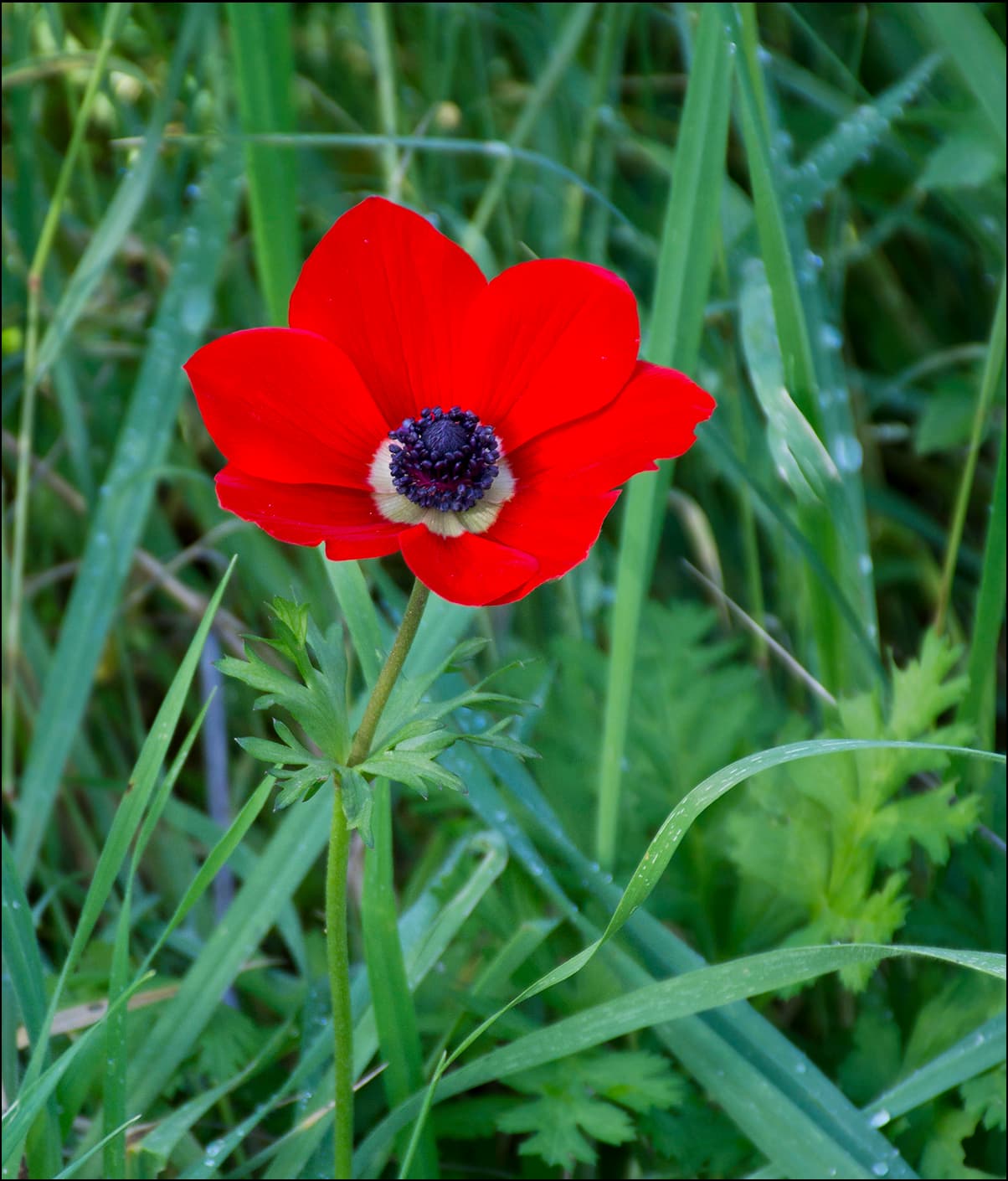 Anemone
 Angelique Tulip
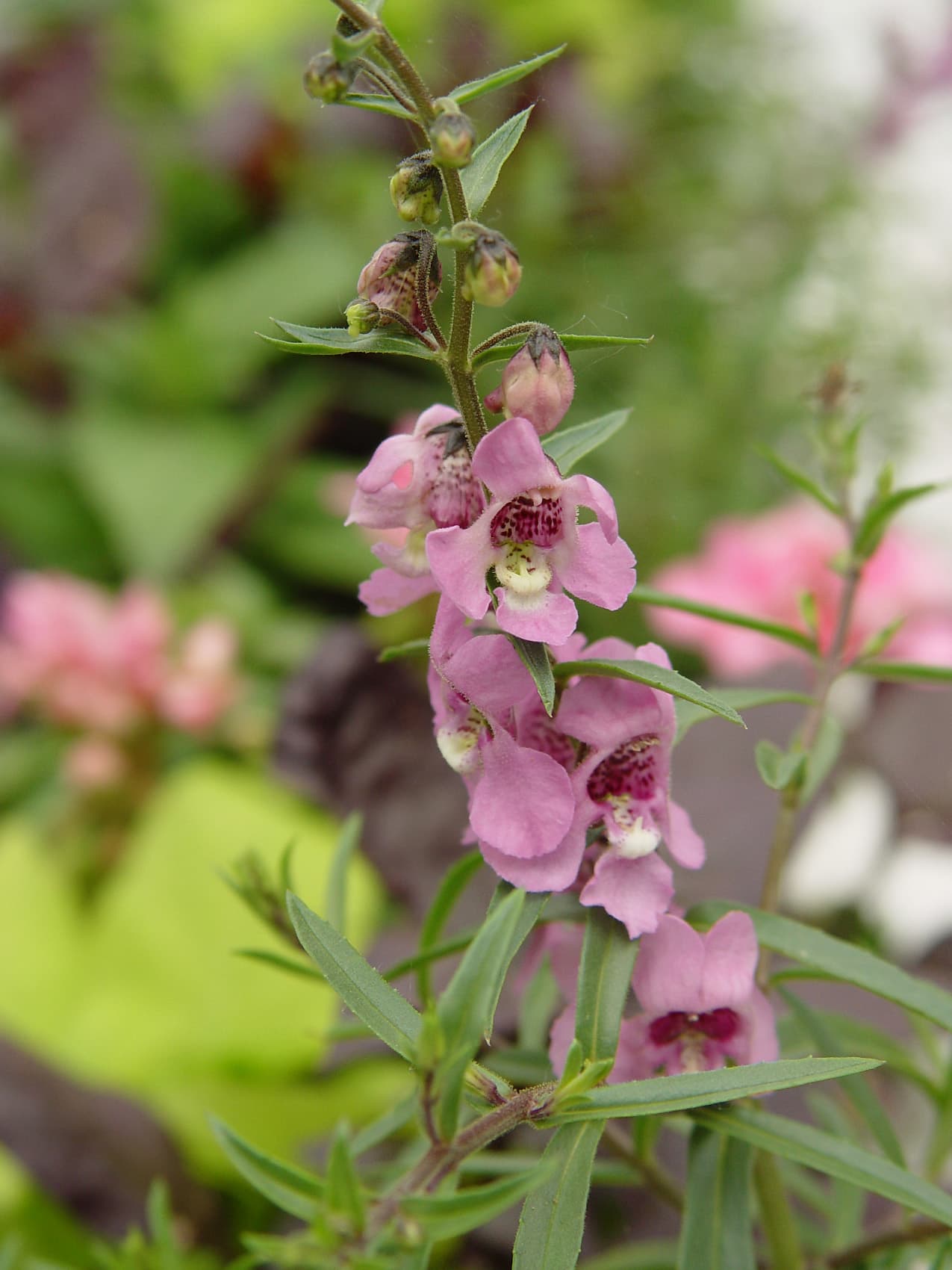 Angelonia
 Anise
Anise Anise Hyssop
 Annabelle Smooth Hydrangea
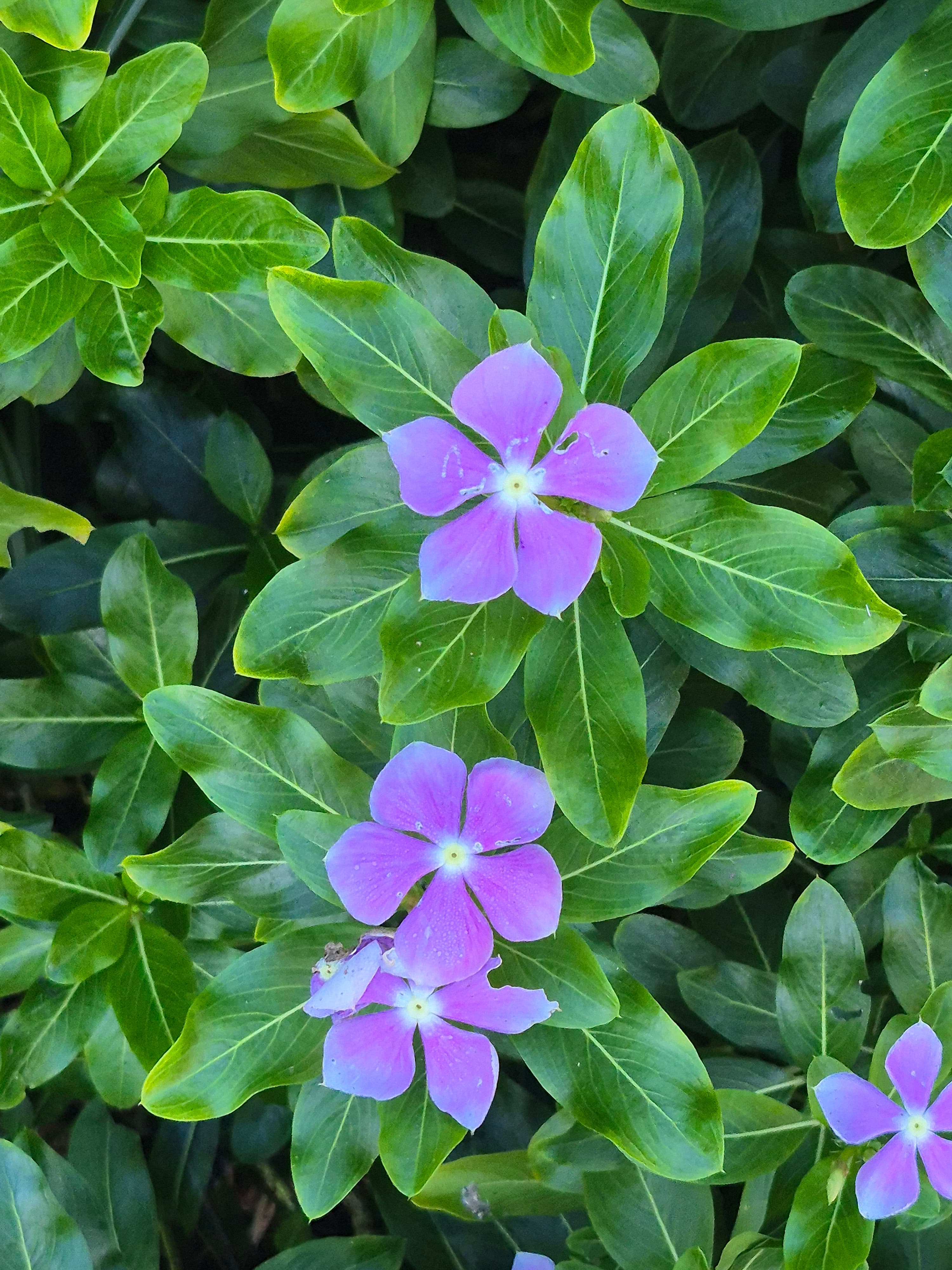 Annual Vinca
 Apeldoorn Tulip
 Apple Mint
 April Tryst Camellia
 Arizona Sun Blanket Flower
 Arp Rosemary
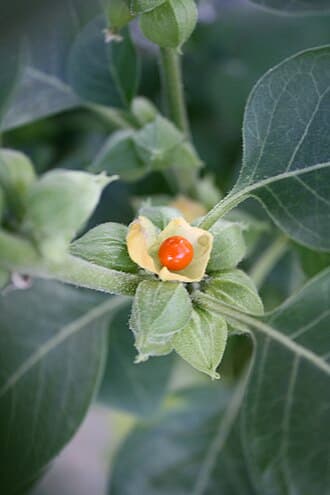 Ashwagandha
 August Beauty Gardenia
 Autumn Joy Sedum
 Bachelor's Button
 Banana Pepper
 Barbara Karst Bougainvillea
 Bay Laurel
 Beauregard Sweet Potato
 Becky Shasta Daisy
 Bee Balm🍅Beefmaster Tomato
 Benarys Giant Zinnia
 Bengal Tiger Canna
 Better Boy Tomato🥬Bibb Lettuce🍅Big Beef Tomato
 Big Boy Tomato
 Black Beauty Eggplant
 Black Cherry Tomato
 Black Krim Tomato🥬Black Seeded Simpson Lettuce
 Black-Eyed Pea
 Black-eyed Susan Vine
 Blood Orange
 Blue Bird Delphinium
 Blue Bird Rose of Sharon
 Blue Fescue
 Bocking 14 Comfrey
 Boneset
 Borage🍅Box Car Willie Tomato
 Brandywine Tomato
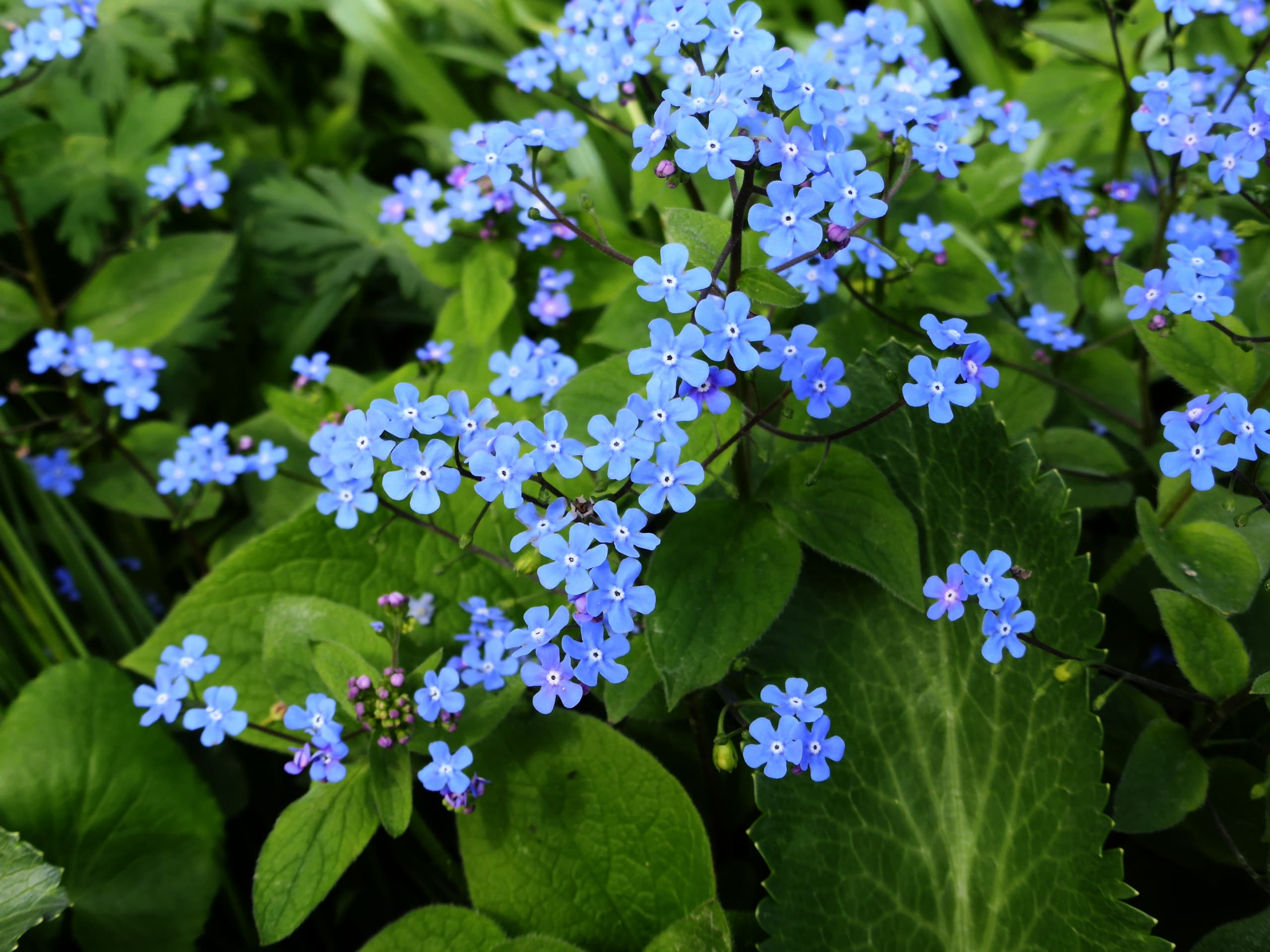 Brunnera
 Burning Bush
 Buttercrunch Lettuce
 Butterfly Blue Pincushion Flower
 Butterfly Marguerite Daisy
 Butterfly Weed
 Cafe au Lait Dahlia
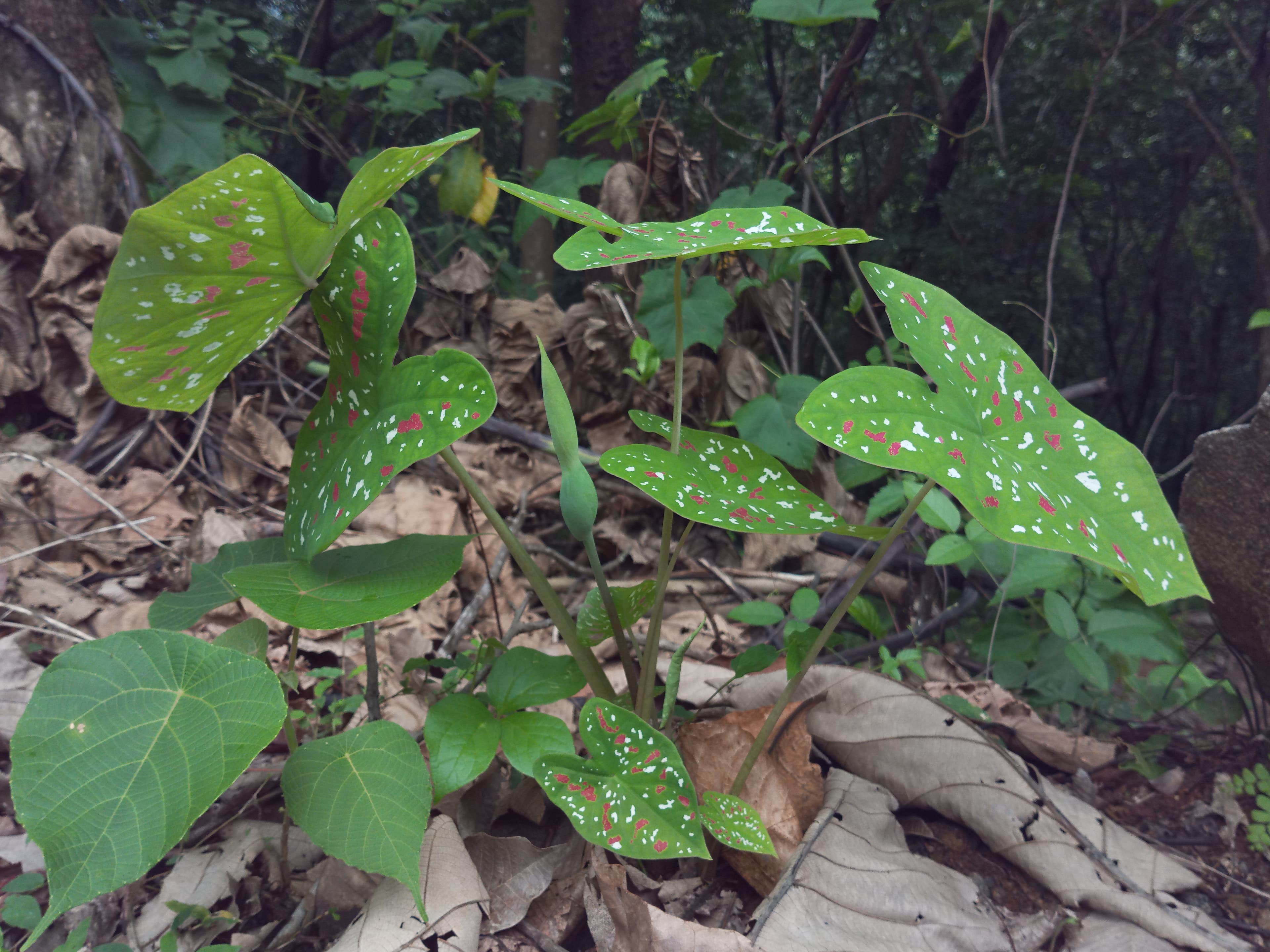 Caladium
 Calendula
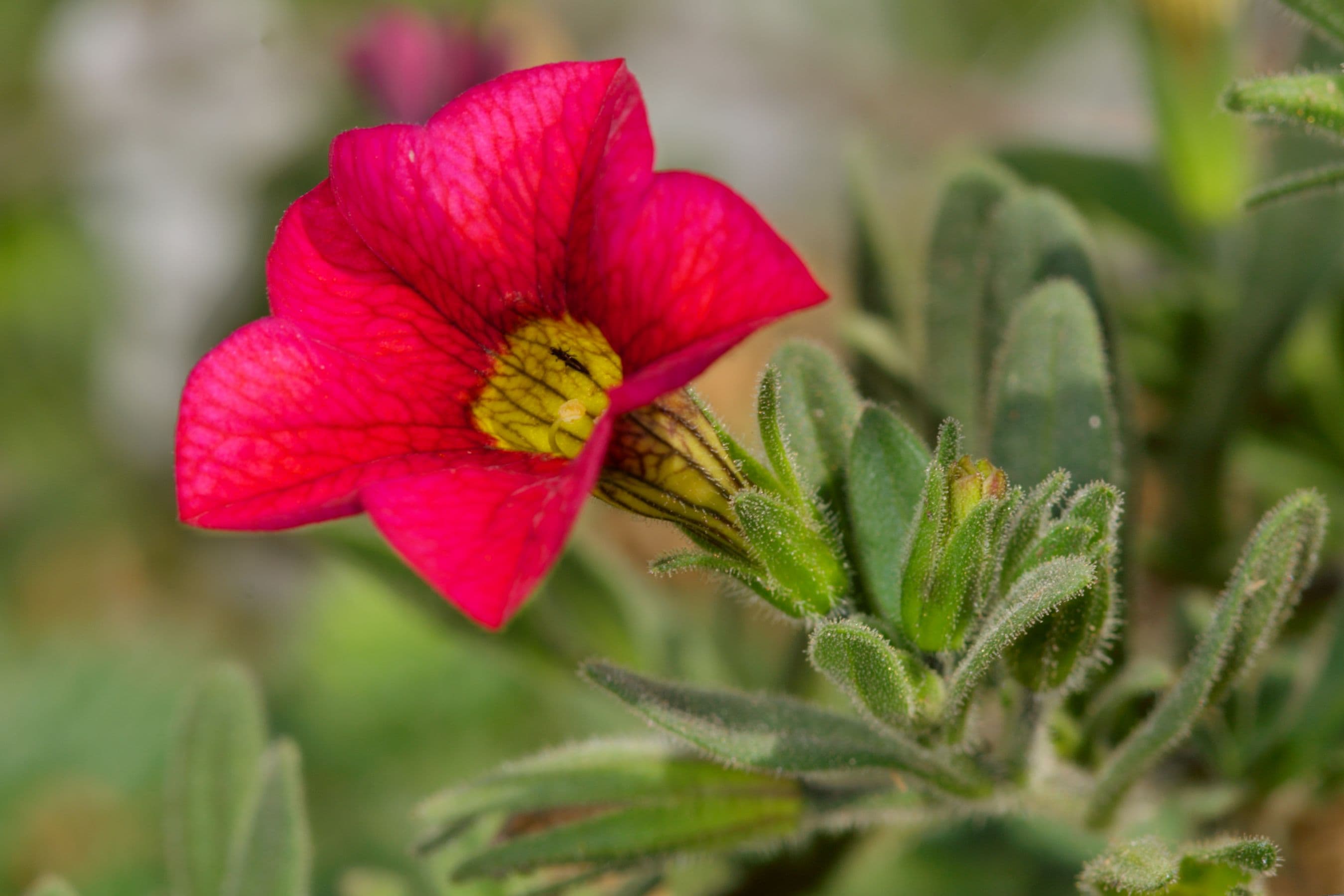 Calibrachoa
 California Giant Zinnia
 California Poppy
 Campanula
 Caraway
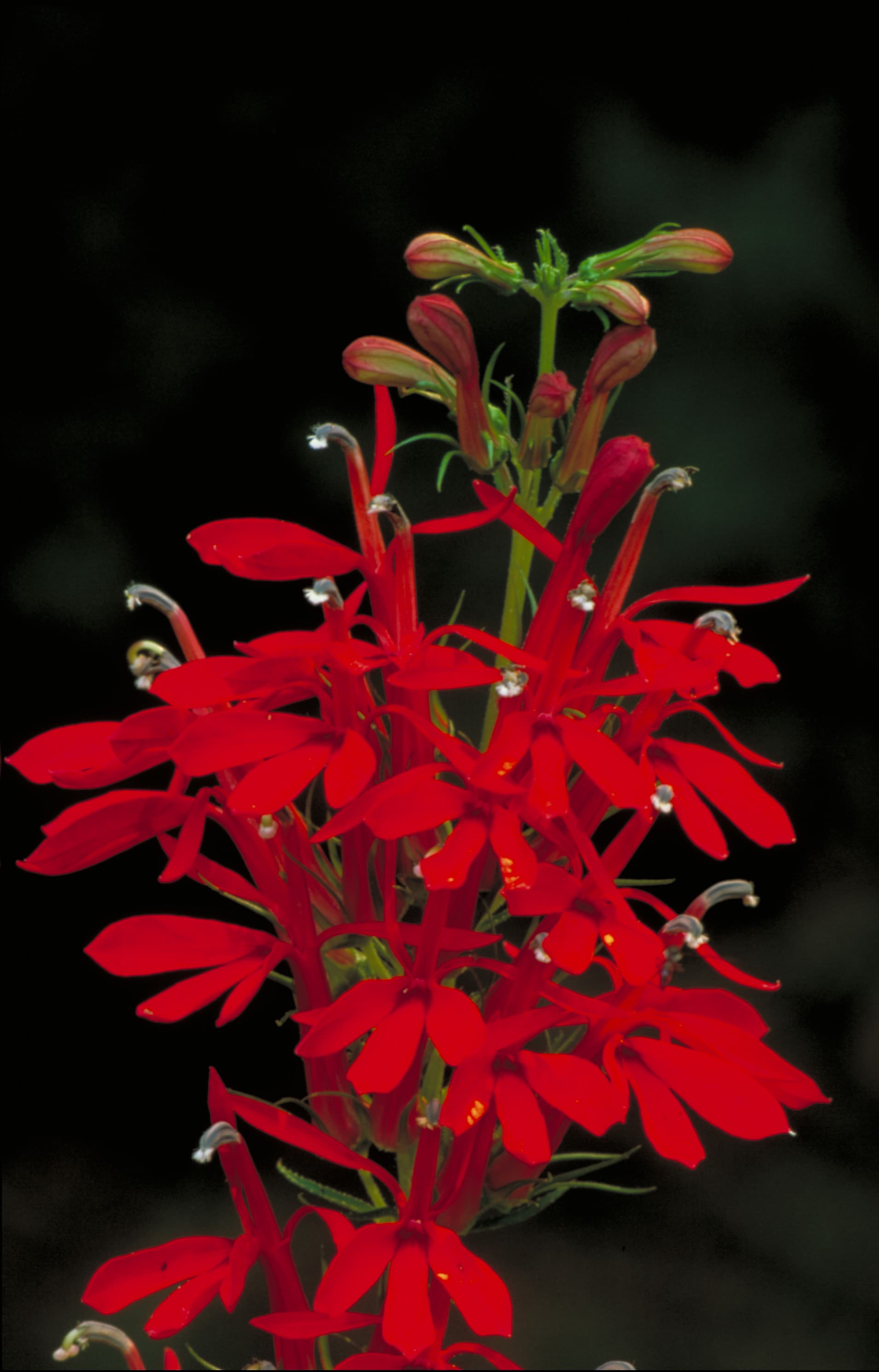 Cardinal Flower
 Carolina Geranium
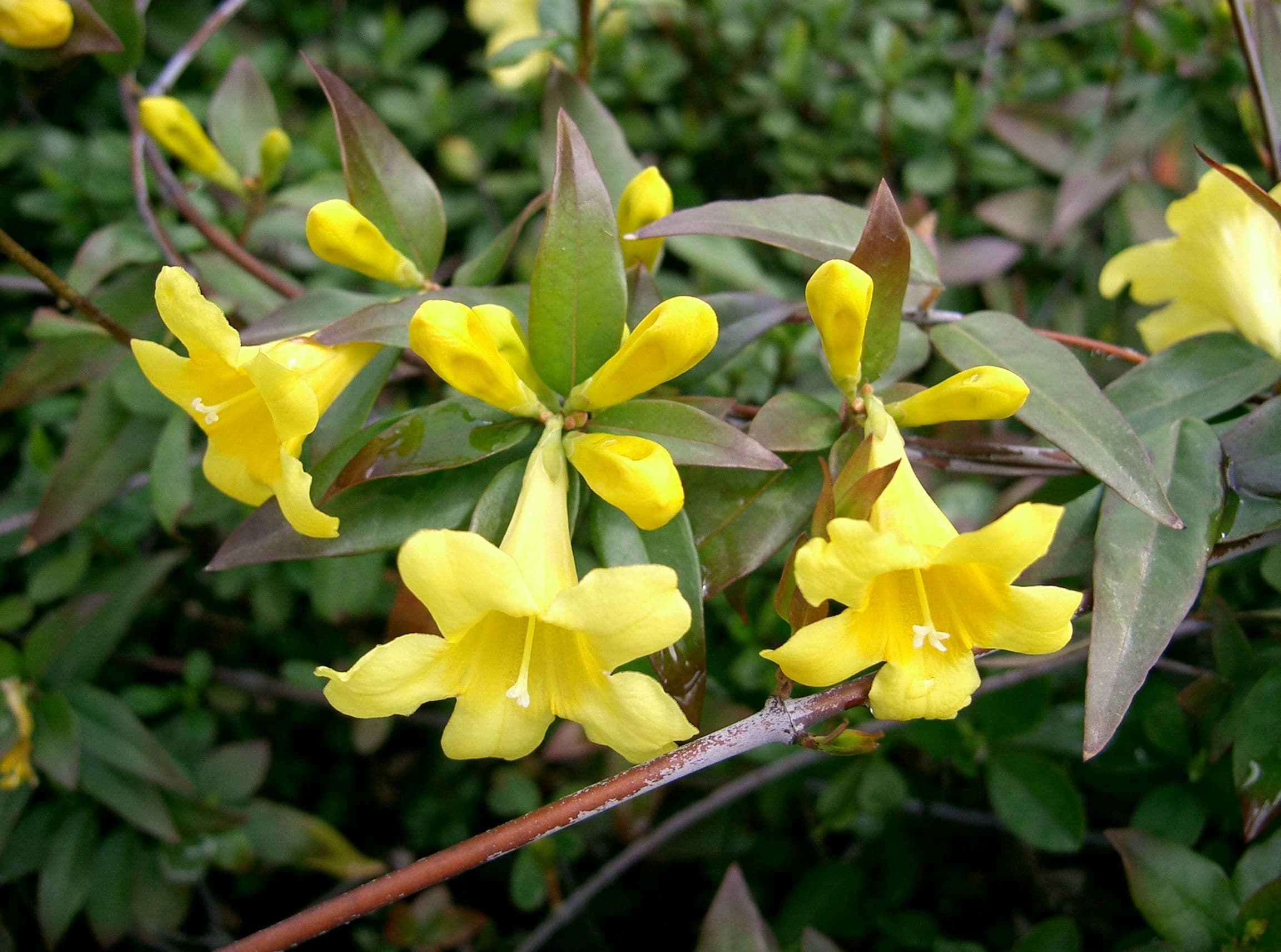 Carolina Jessamine
 Carolina Reaper Pepper
 Catnip
 Cayenne Pepper
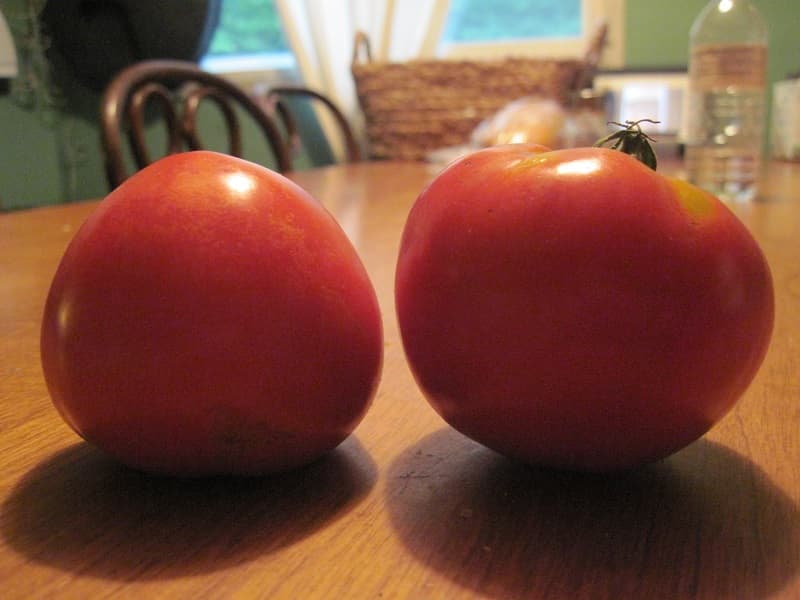 Celebrity Tomato
 Chamomile
 Cherokee Purple Tomato
 Chervil
 Chocolate Mint
 Cinnamon Basil
 Climbing Hydrangea
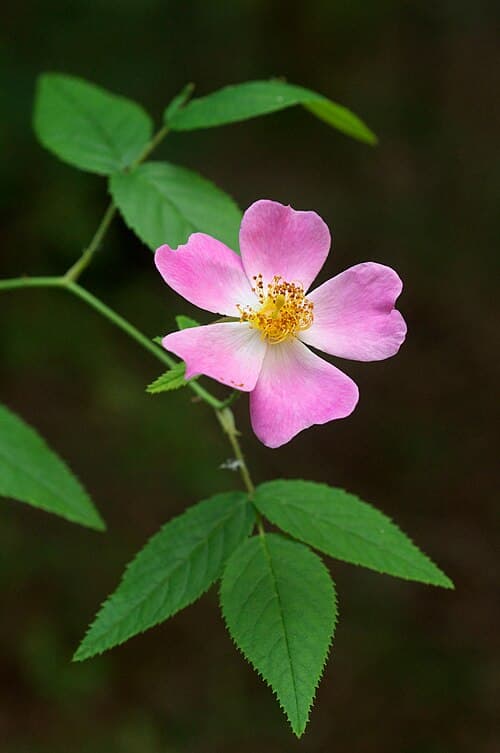 Climbing Prairie Rose
 Cocktail Vodka Begonia
 Coleus
 Common Chives
 Common Flax
 Common Mallow
 Coral Drift Groundcover Rose
 Cosmos
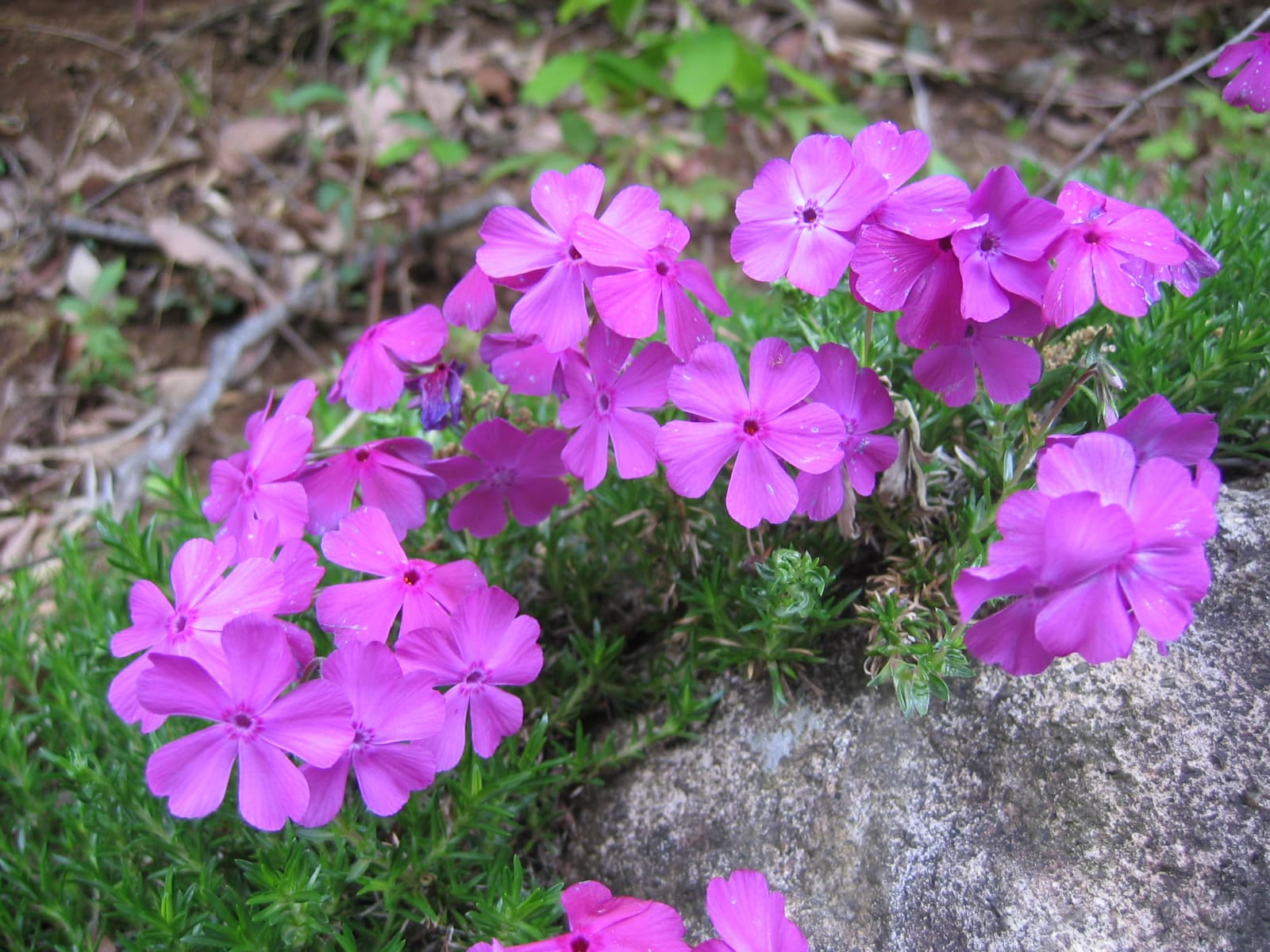 Creeping Phlox
 Crimson Cherry Rhubarb
 Cuban Oregano
 Cubanelle Pepper
 Culantro
 Cumin
Cumin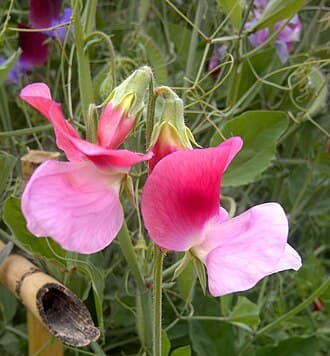 Cupani Sweet Pea
For educational and informational purposes only. Pest control advice is general guidance drawn from university cooperative extension sources; always identify a pest positively and read and follow the label on any product before use, especially around food crops, children, and pets.