
Rose Chafer
Macrodactylus subspinosus
A tan, long-legged beetle that swarms in early summer, especially on sandy soils, to feed on flowers, leaves, and fruit. Rose chafers love roses and peonies but also riddle grapes, raspberries, and strawberries and skeletonize the leaves of many plants, often appearing suddenly in numbers for a few weeks in June and then gone.
🔎 How to spot it
Adults are slender, about a third of an inch, tan to greenish with a reddish-brown head and conspicuous long, spiny, reddish-orange legs. They appear from late May through June, often many at once. Look for large irregular holes eaten in blossoms, especially roses and peonies, leaves skeletonized between the veins, and feeding on grapes, raspberries, and strawberries. They favor areas of light, sandy soil.
🥀 Damage it causes
Rose chafers chew ragged holes in flowers, especially roses and peonies, skeletonize leaves by eating the tissue between the veins, and feed on grape, raspberry, and strawberry fruit. A swarm can disfigure blossoms and foliage and damage a fruit crop over their few weeks of activity. Their grubs feed on grass and weed roots in the soil but do little notable harm.
🛡️ Prevent it
Where rose chafers are a yearly problem on sandy ground, protect prized roses, small fruit, and vegetables with floating row cover or cheesecloth during the few weeks of adult activity in June, removing it for pollination as needed. There is little to do about the soil-dwelling grubs, so the focus is shielding plants during the brief adult swarm.
🧯 If it is already here
Handpick the beetles into soapy water, which is practical since they are large, slow, and cluster on favored plants. Row cover keeps them off valued plants during the swarm. For heavy infestations, labeled insecticides give control, but spot-treat to spare pollinators on blooming plants. The swarm is short-lived, so protecting plants for those few weeks is often enough.
💡 Good to know
Rose chafers are tied to light, sandy soils, where their grubs develop, so gardens on sandy ground see them year after year while those on heavy clay rarely do. They are also toxic to birds and poultry if eaten in quantity. Their season is short, just a few weeks in early summer, so the goal is simply to get prized plants through the swarm.
🌱 Plants it attacks
88 plants in the library can be attacked by this pest
 Anjou Pear
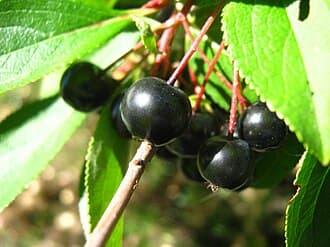 Aronia
 Asian Pear
 Aunt Molly's Ground Cherry
 Bartlett Pear
 Beach Plum
 Bilberry
 Bing Cherry
 Black Crowberry
 Black Currant
 Black Raspberry
 Black Tartarian Cherry
 Bluecrop Blueberry
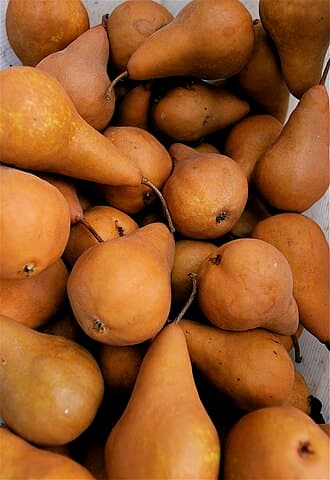 Bosc Pear
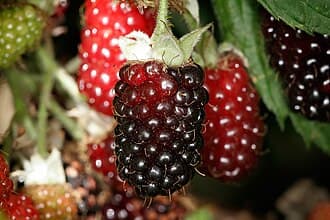 Boysenberry
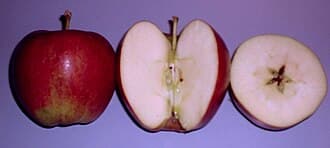 Braeburn Apple
 Cafe au Lait Dahlia
 Catawba Grape
 Champagne Loquat
 Chokecherry
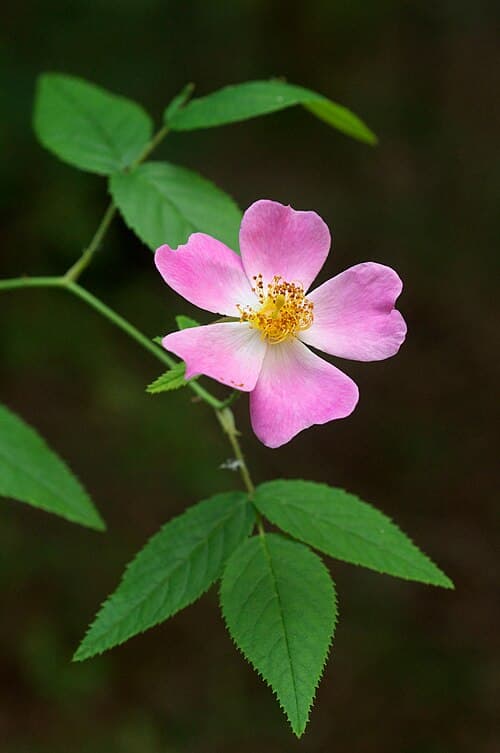 Climbing Prairie Rose
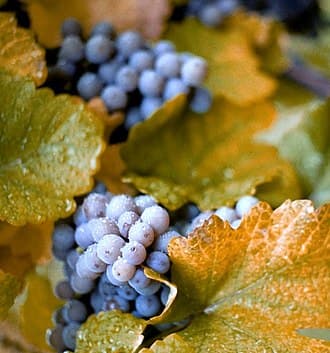 Concord Grape
 Contender Peach
 Coral Drift Groundcover Rose
 Cornelian Cherry
 Cortland Apple
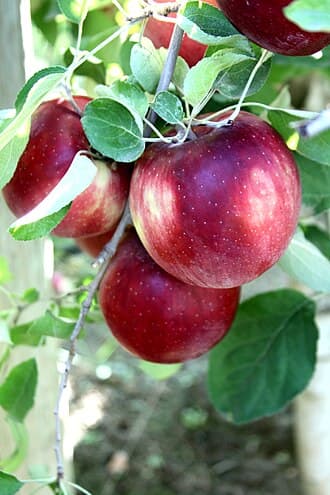 Cosmic Crisp Apple
 Cranberry
 Damson Plum
 Elberta Peach
 Elderberry
 Evergreen Huckleberry
 Fantasia Nectarine
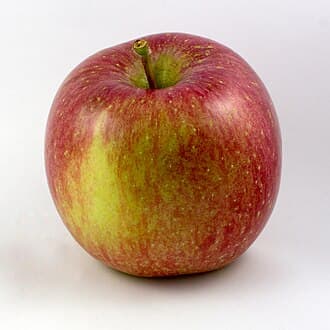 Fuji Apple
 Gala Apple
 Goji Berry
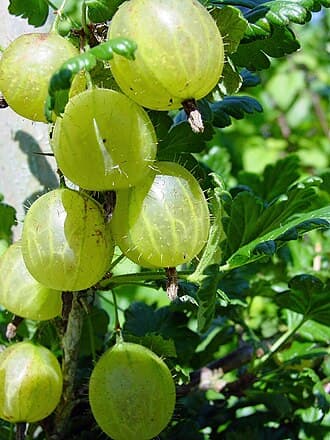 Gooseberry
 Graham Thomas English Rose
 Granny Smith Apple
 Hansa Rugosa Rose
 Hawthorn
 Heritage Raspberry
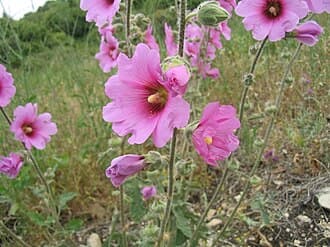 Hollyhock
 Honeoye Strawberry
 Honeyberry
 Honeycrisp Apple
 Iceberg Floribunda Rose
 Indian Hawthorn
 June-Bearing Strawberry
 Karma Choc Dahlia
 Knock Out Rose
 McIntosh Apple
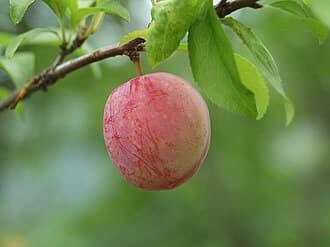 Methley Plum
 Mister Lincoln Hybrid Tea Rose
 Montmorency Cherry
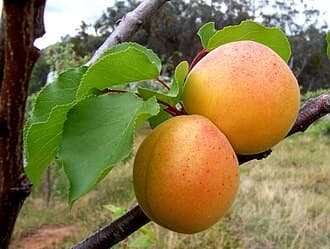 Moorpark Apricot
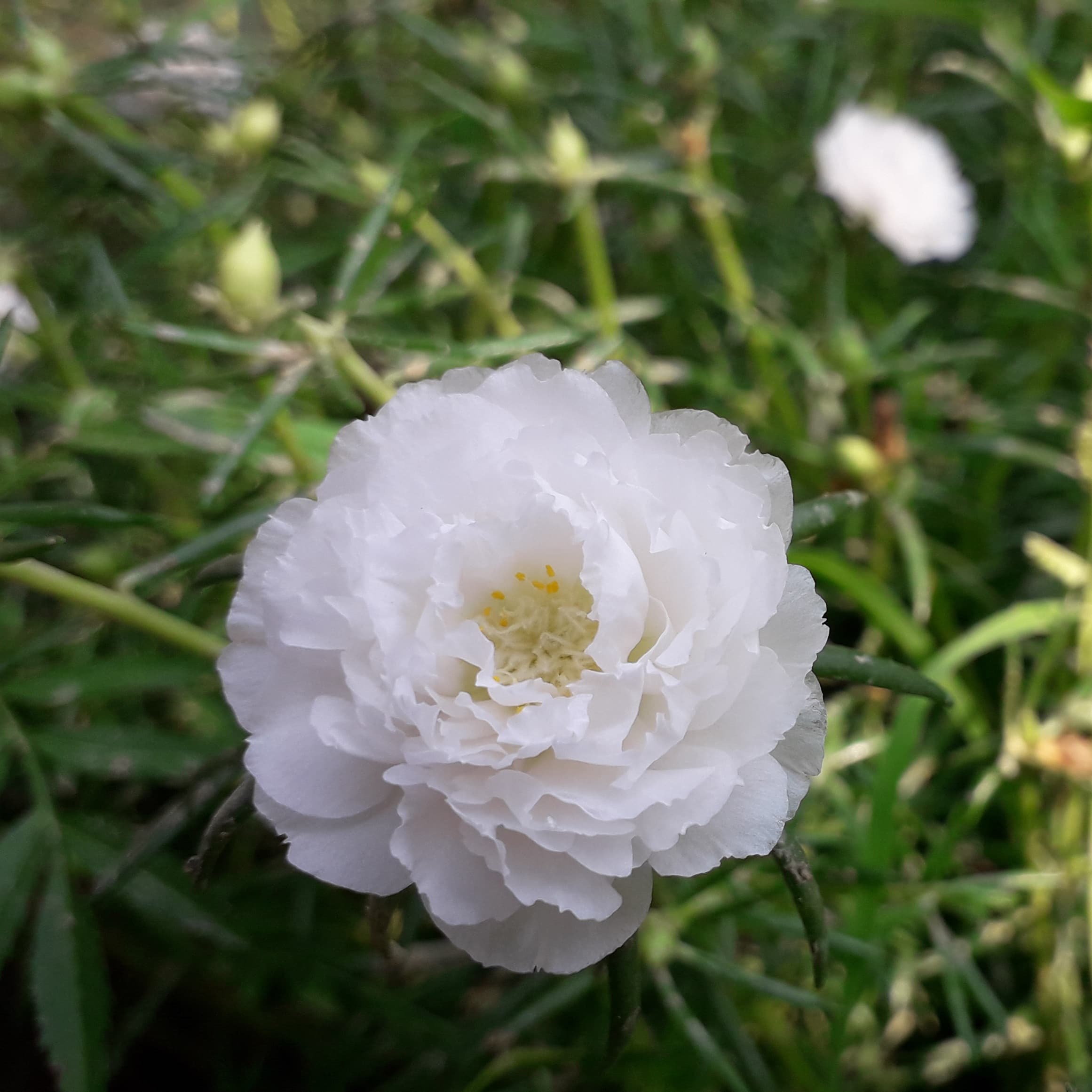 Moss Rose
 Mulberry
 Muscadine Grape
 Nanking Cherry
 New Dawn Climbing Rose
 Niagara Grape
 Oregon Grape🍓Ozark Beauty Strawberry
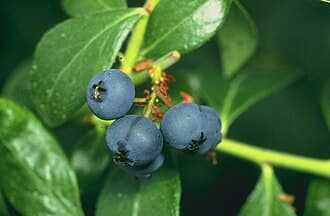 Patriot Blueberry
 Peace Hybrid Tea Rose
 Pink Lady Apple
 Prickly Pear
 Queen Elizabeth Grandiflora Rose
 Quince
 Rainier Cherry
 Red Currant
 Red Delicious Apple
 Redhaven Peach
 Regent Saskatoon
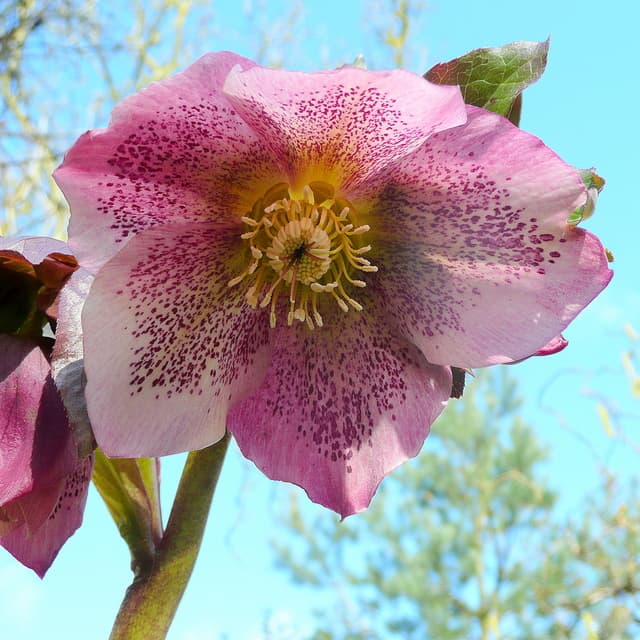 Royal Heritage Lenten Rose
 Sarah Bernhardt Peony🍓Seascape Strawberry
 Stanley Plum
 Sugar Apple
 Superstition Bearded Iris
 Sweet Chariot Miniature Rose
 Texas Scarlet Flowering Quince
 Thompson Seedless Grape
 Tifblue Blueberry
 Triple Crown Blackberry
 White Currant
For educational and informational purposes only. Pest control advice is general guidance drawn from university cooperative extension sources; always identify a pest positively and read and follow the label on any product before use, especially around food crops, children, and pets.