
Black Vine Weevil
Otiorhynchus sulcatus
The black vine weevil, known in Britain simply as the vine weevil, is a flightless, night-feeding beetle whose adults notch the edges of leaves while their grubs, hidden in the soil and potting mix, chew the roots and crown - by far the more serious damage. It attacks a very wide range of plants, with rhododendron, azalea, yew, hydrangea, and strawberry among its favorites, and container-grown plants suffer worst, where a heavy grub population can wilt or kill a plant before the weevil is ever seen.
🔎 How to spot it
The adult is a slate-gray to dull-black, hard-shelled weevil about three-eighths of an inch (9 mm) long, its wing cases often flecked with dirty-yellow specks, with a short broad snout. It cannot fly but climbs well and feeds only at night. The clearest adult sign is neat, crescent-shaped notches chewed along the leaf margins. The grub is a plump, white, legless, C-shaped larva up to about three-eighths of an inch long with a pale brown head, found in the soil and root ball. A plant that wilts or declines despite good care, with notched leaves above, often has grubs eating its roots below.
🥀 Damage it causes
Adult leaf-margin notching is mostly cosmetic and rarely affects a plant's vigor, but it is the warning sign of the real threat below. The grubs chew the roots and strip bark from the crown and lower stem, which can girdle and kill the plant - container-grown plants, azaleas, rhododendrons, yew, and strawberries are hit hardest. Grubs can also bore into the tubers of cyclamen and begonia and into the stem bases of cacti and succulents. Most plant losses happen from fall into early spring, when the grubs are reaching full size.
🛡️ Prevent it
Inspect new nursery and container plants for notched leaves and reject infested stock, since that is how these flightless weevils usually spread. Keep plants vigorous so they better tolerate some root feeding, and check the most susceptible pot plants regularly. Sticky barriers around pot rims and greenhouse benches trap the climbing adults, and encouraging natural predators - birds, frogs, toads, and hedgehogs - helps keep numbers down.
🧯 If it is already here
Target the grubs, the most damaging stage, with beneficial nematodes (such as Steinernema kraussei or Heterorhabditis species) watered into moist soil in late summer to early fall, while the soil is still warm enough for them to work. For the adults, go out after dark and shake or beat the foliage over a sheet to dislodge and collect them, or trap them by day under boards and burlap. Repot badly affected container plants, washing the grubs from the roots and into fresh mix, and remove plants killed by heavy feeding.
💡 Good to know
Vine weevils are unusual in that all adults are female and reproduce without mating, each laying several hundred eggs through spring and summer, so a single weevil can seed a serious infestation. There is one generation a year: adults emerge from late spring, feed for a few weeks before laying, and the grubs feed through fall and overwinter in the soil. Because the adults are flightless and feed only at night, the crescent-notched leaves usually show up long before you ever spot the weevil - treat that notching as your cue to check the roots.
🌱 Plants it attacks
225 plants in the library can be attacked by this pest
 African Marigold
 Agapanthus
 Ageratum🍓Albion Strawberry
 Alice du Pont Mandevilla
 Amethyst Falls Wisteria
 Anemone
 Angelique Tulip
 Angelonia
 Annabelle Smooth Hydrangea
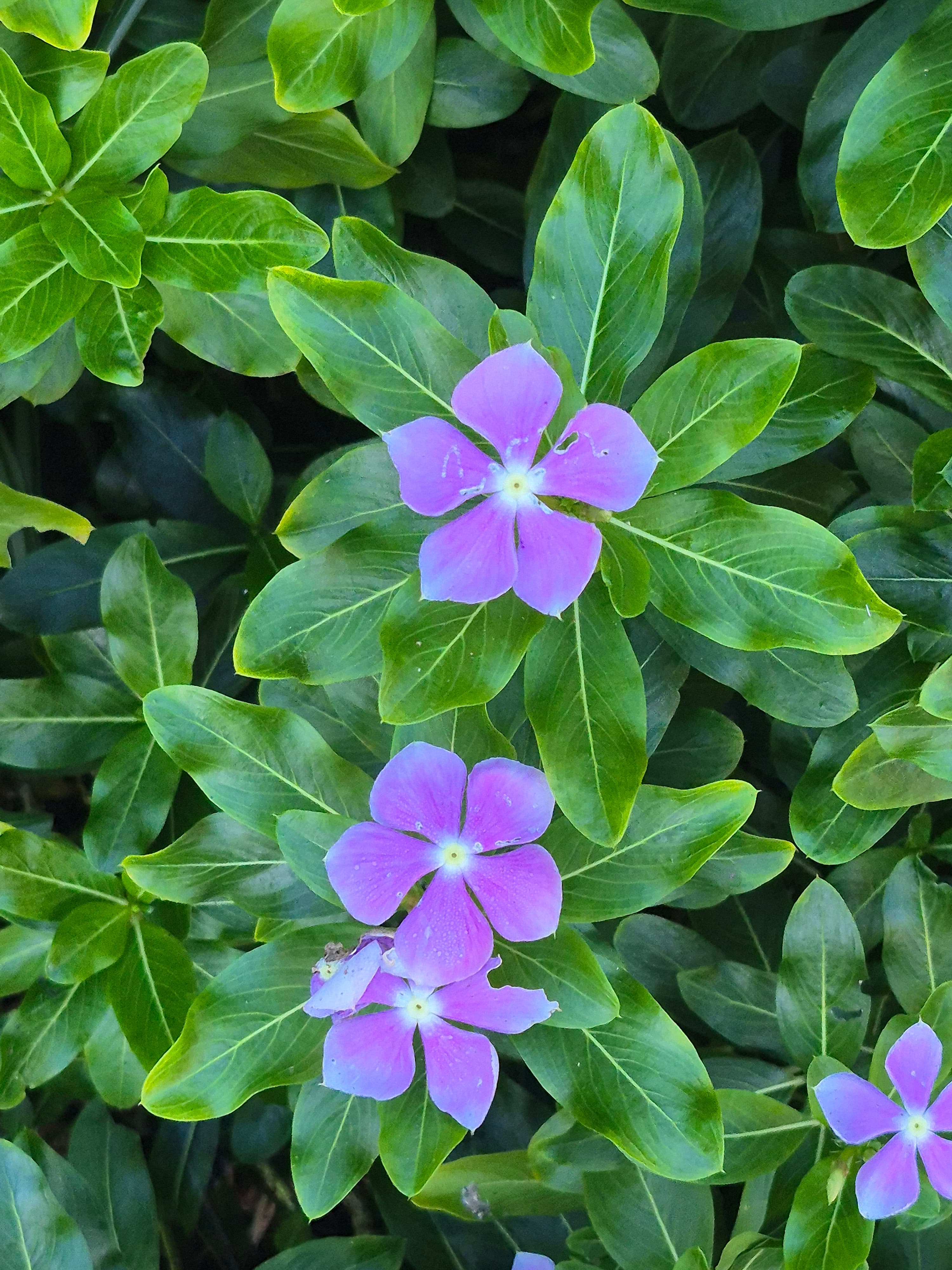 Annual Vinca
 Apeldoorn Tulip
 April Tryst Camellia
 Arizona Sun Blanket Flower
 Arkin Carambola
 Aronia
 August Beauty Gardenia
 Autumn Joy Sedum
 Bachelor's Button
 Balsam Fir
 Barbara Karst Bougainvillea
 Becky Shasta Daisy
 Bee Balm
 Benarys Giant Zinnia
 Bengal Tiger Canna
 Bilberry
 Black Crowberry
 Black Currant
 Black Raspberry
 Black-Eyed Pea
 Black-eyed Susan Vine
 Blood Orange
 Blue Bird Delphinium
 Blue Bird Rose of Sharon
 Blue Fescue
 Bluecrop Blueberry
 Boysenberry
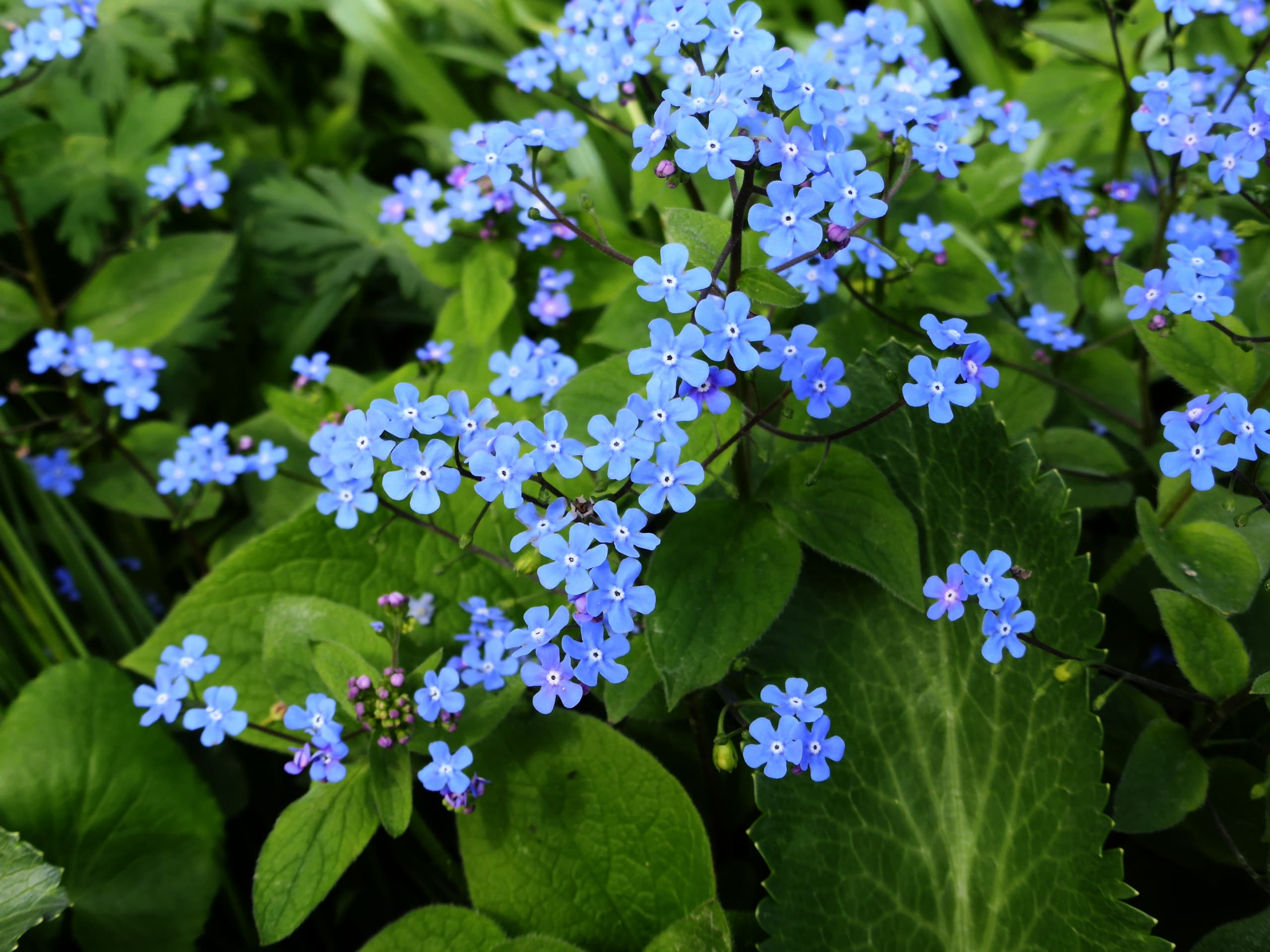 Brunnera
 Burning Bush
 Butterfly Blue Pincushion Flower
 Butterfly Marguerite Daisy
 Butterfly Weed
 Cafe au Lait Dahlia
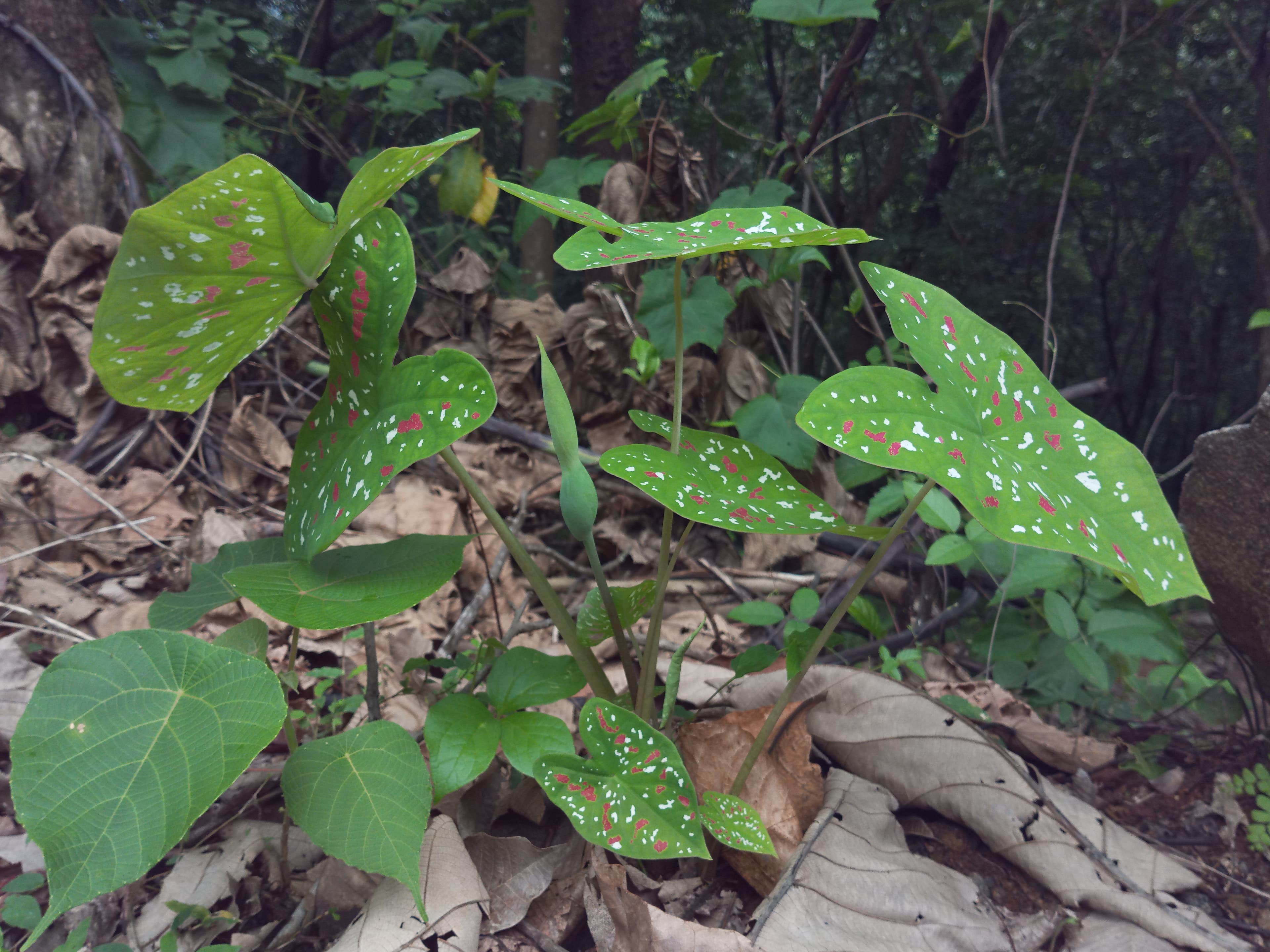 Caladium
 Calendula
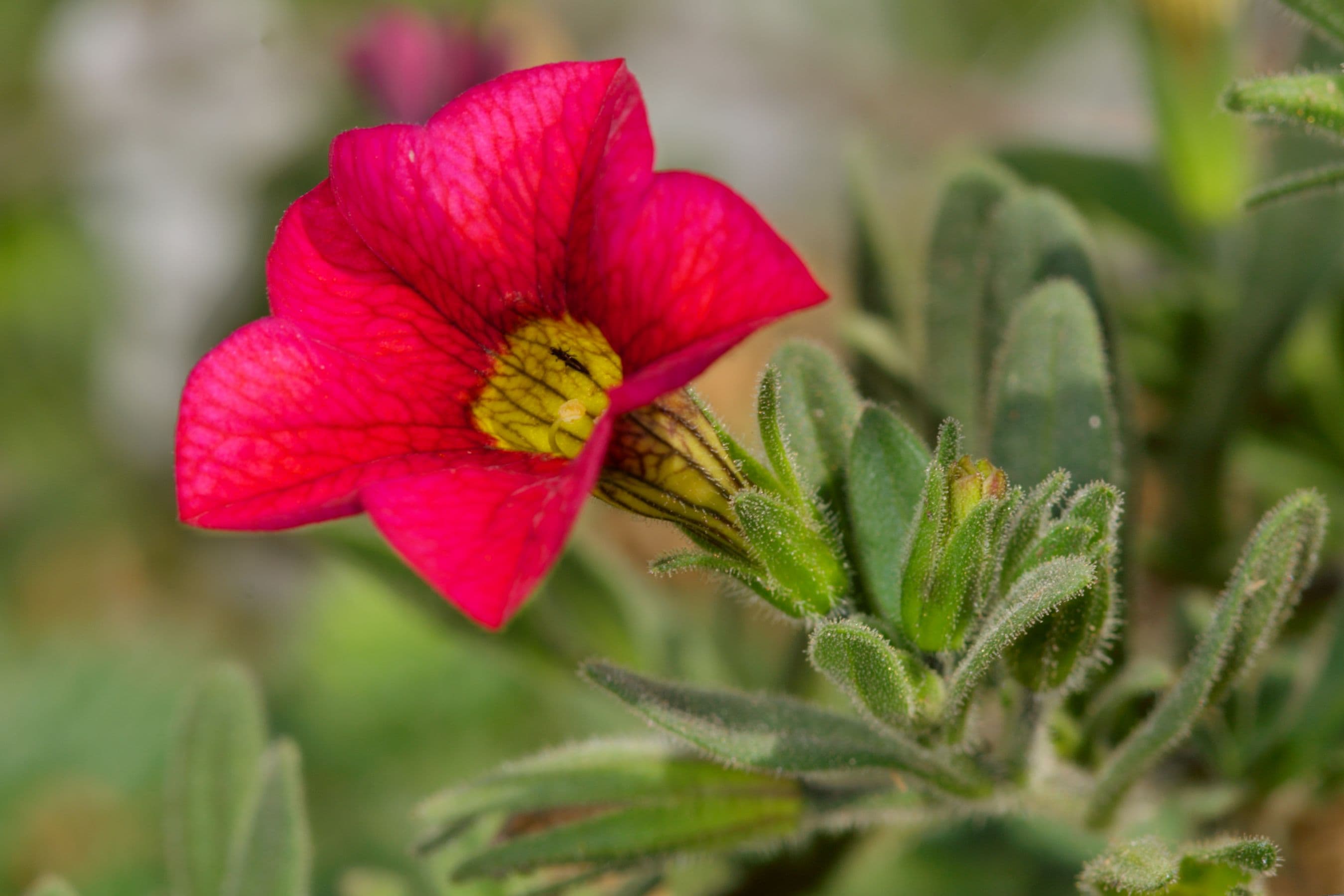 Calibrachoa
 California Giant Zinnia
 California Poppy
 Campanula
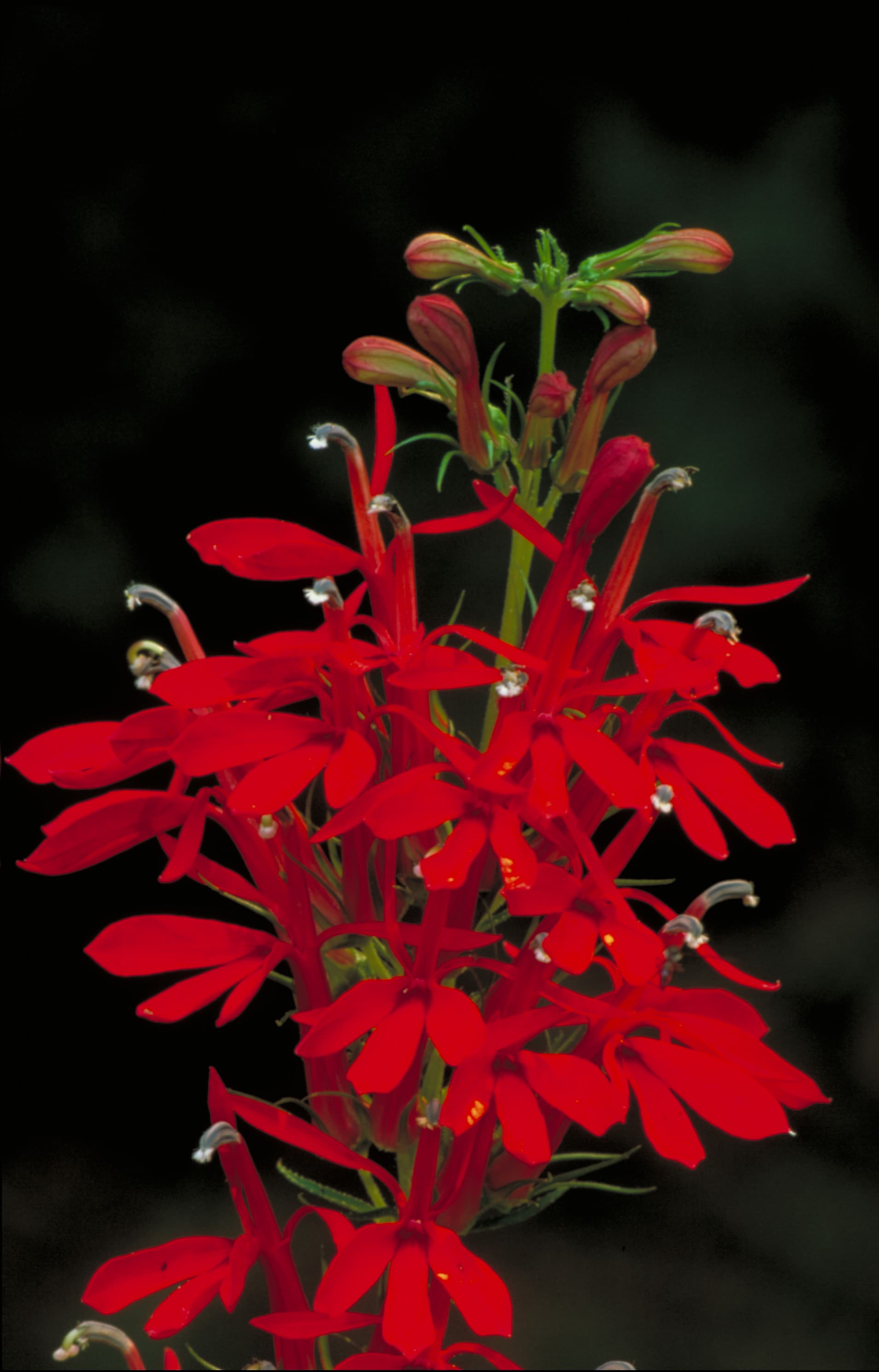 Cardinal Flower
 Carolina Geranium
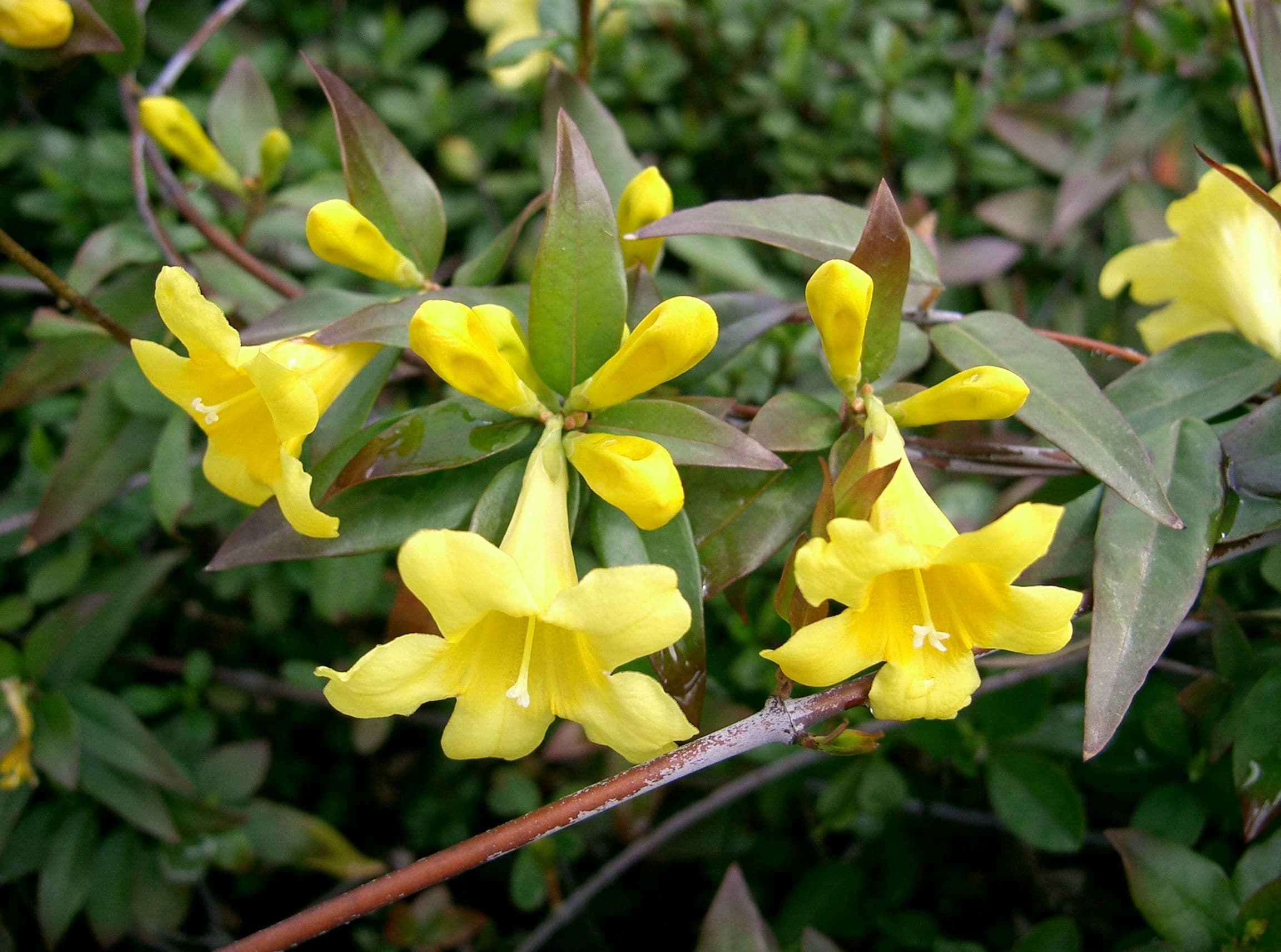 Carolina Jessamine
 Catawba Grape
 Climbing Hydrangea
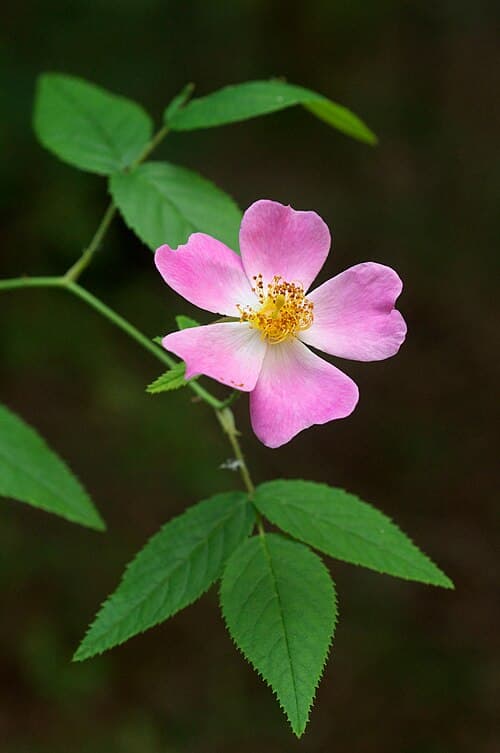 Climbing Prairie Rose
 Cocktail Vodka Begonia
 Coleus
 Concord Grape
 Coral Drift Groundcover Rose
 Cosmos
 Cranberry
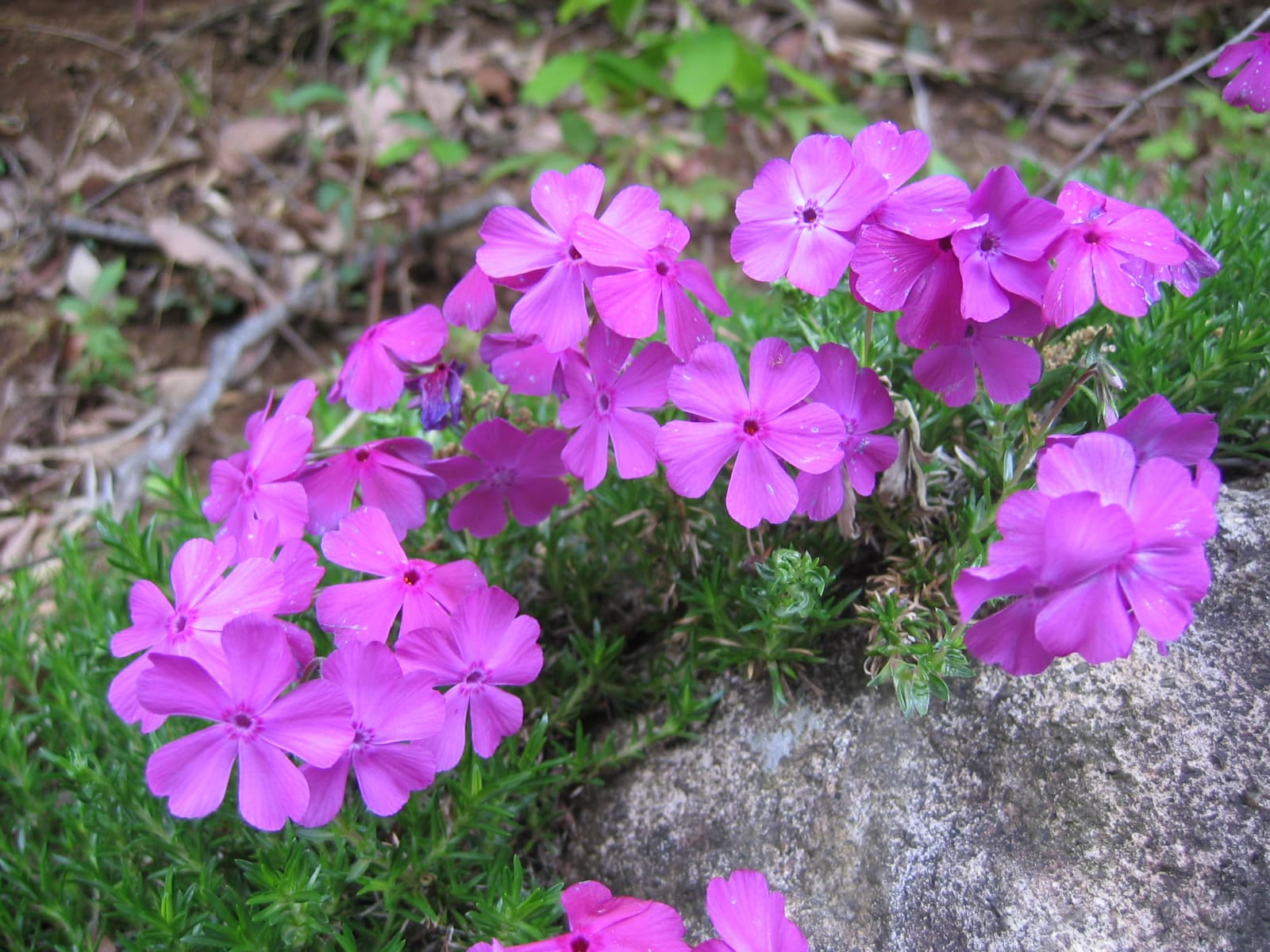 Creeping Phlox
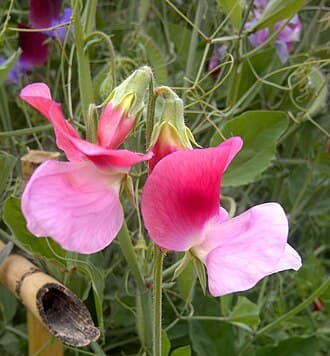 Cupani Sweet Pea
 David Garden Phlox
 Delft Blue Hyacinth
 Denim n Lace Russian Sage
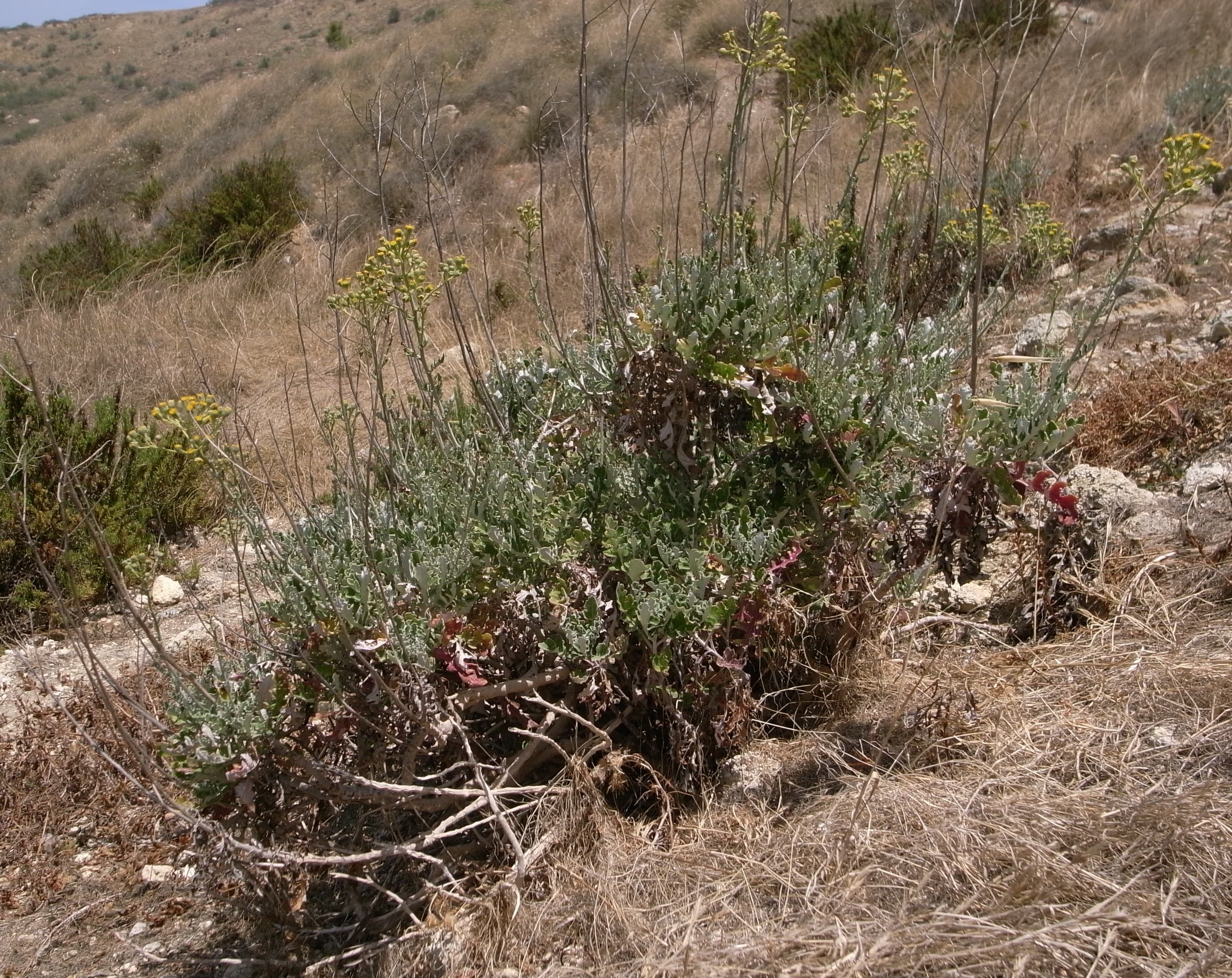 Dusty Miller
 Dutch Master Daffodil
 Eastern Red Columbine
 Eastern White Pine
 Elderberry
 Endless Summer Hydrangea
 English Lavender
 English Shelling Pea
 Evening Primrose
 Evergreen Huckleberry
 Fanal Astilbe
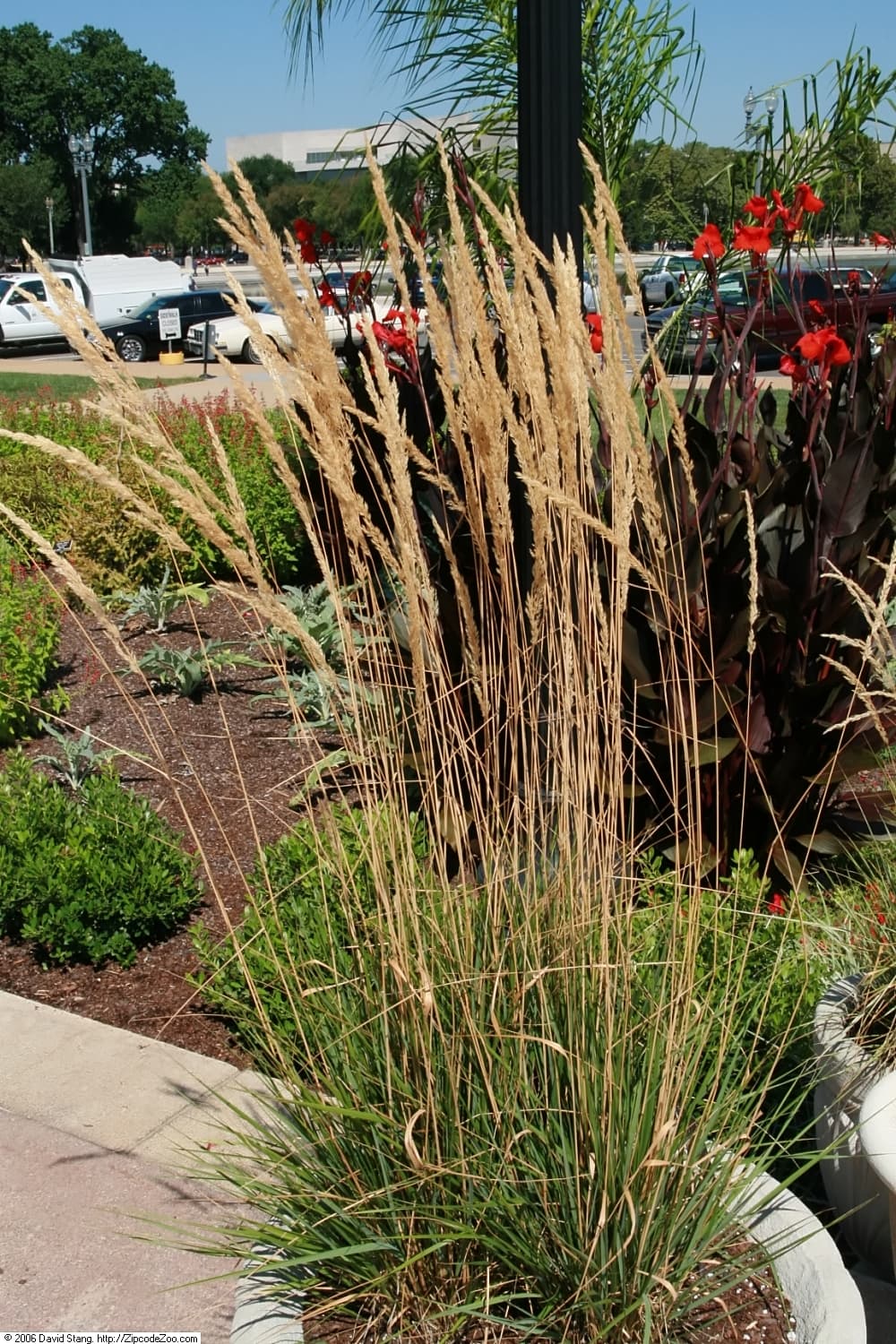 Feather Reed Grass
 Field Pea
 Fireworks Goldenrod
 Flamingo Feather Celosia
 Flower Record Crocus
 Fountain Grass
 Foxglove
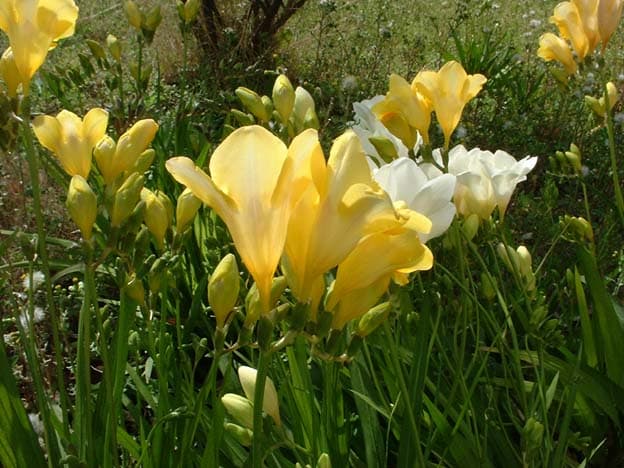 Freesia
 French Marigold
 Garden Gladiolus
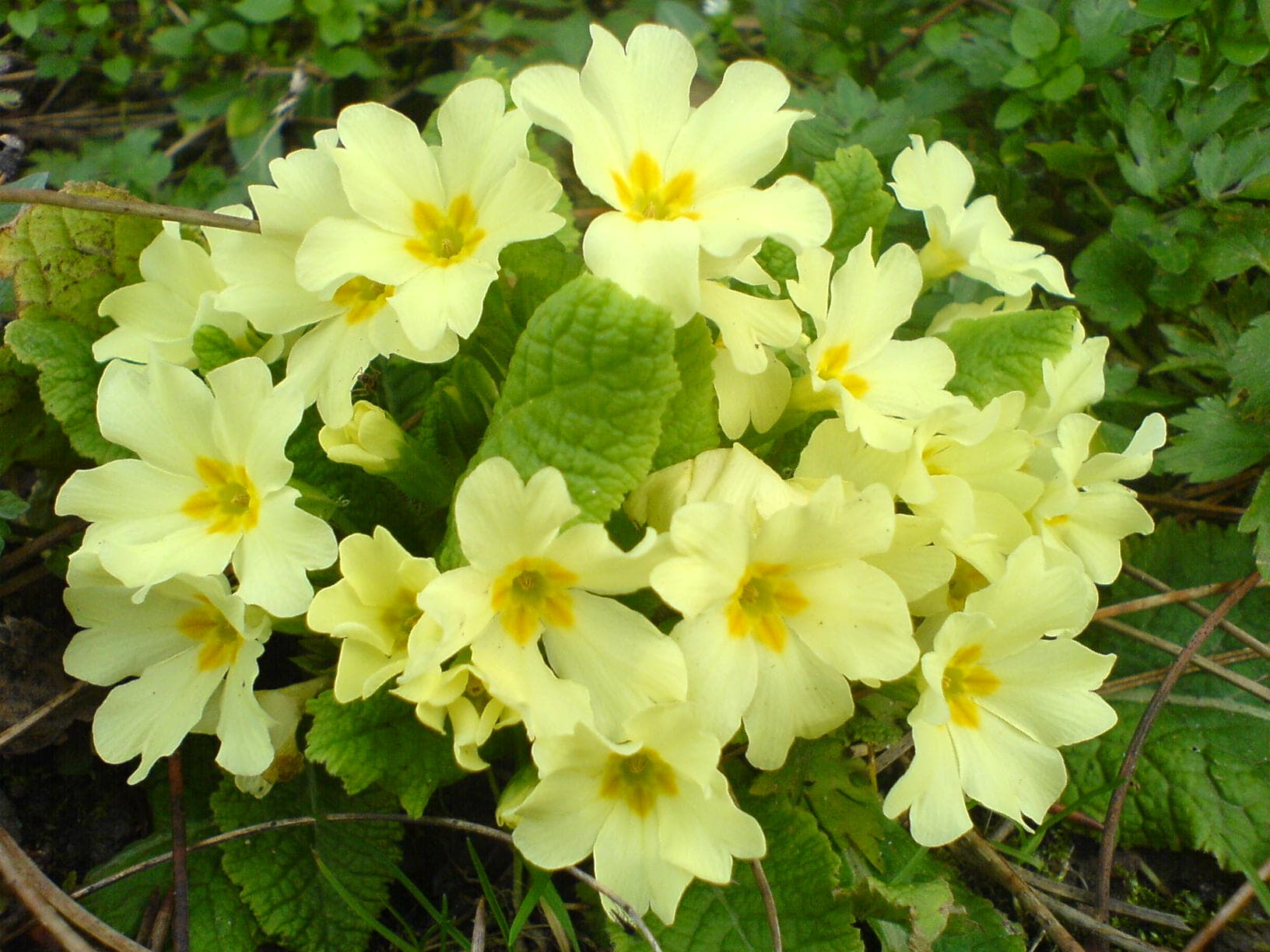 Garden Primrose
 Garden Sage
 Garvinea Sweet Glow Gerbera
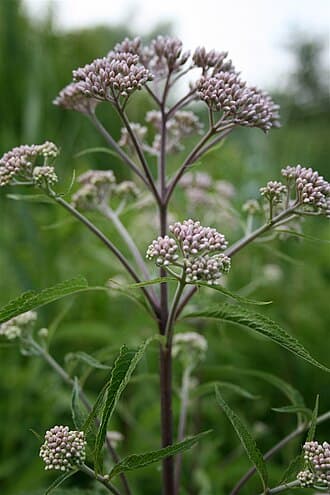 Gateway Joe Pye Weed
 Gaura
Gaura Globe Amaranth
 Globemaster Allium
 Glossy Abelia
 Goji Berry
 Goldflame Spirea
 Goldsturm Black-Eyed Susan
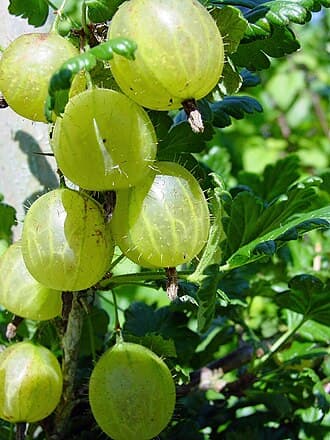 Gooseberry
 Graham Thomas English Rose
For educational and informational purposes only. Pest control advice is general guidance drawn from university cooperative extension sources; always identify a pest positively and read and follow the label on any product before use, especially around food crops, children, and pets.