
Four-Lined Plant Bug
Poecilocapsus lineatus
A fast-moving plant bug that peppers the leaves of herbs, perennials, and shrubs with neat dark spots in late spring and early summer. It is especially fond of mint, basil, and many flowers, and although the damage looks alarming, it is mostly cosmetic and the bug is active for only a few weeks.
🔎 How to spot it
Adults are bright greenish-yellow, about a quarter inch long, with four black stripes down the back and an orange head; they drop or dart away quickly when disturbed. The young nymphs are bright red with black dots. The damage is distinctive: small, round, sunken dark or translucent spots about one sixteenth inch across, often in groups, that can merge and drop out to leave a shot-hole look easily mistaken for a leaf-spot disease.
🥀 Damage it causes
Feeding punctures kill small patches of leaf tissue, leaving the spots that may turn brown or fall out as holes, and heavily hit leaves can curl, brown, and distort. The damage is concentrated on new growth at the tops of plants. It is mainly cosmetic and rarely threatens plant health, though it can disfigure herbs and flowers grown for their looks or harvest.
🛡️ Prevent it
Watch for the first nymphs and spotting in late May and early June, the only period the insect is active, since early detection limits injury. Cut back and clean up old stems in fall, where the eggs overwinter inside the stems, to lower the next year numbers. On lightly affected plants, simply tolerating the brief damage is often the best choice.
🧯 If it is already here
Because the bugs are quick and the season short, handpicking is tricky, but pinching off and destroying the first spotted leaves and any visible red nymphs helps. For valued herbs and flowers, insecticidal soap aimed at the nymphs gives some control if applied early while they are small. Once the few weeks of activity pass, no treatment is needed and plants push out clean new growth.
💡 Good to know
The neat round spots are so uniform they are routinely mistaken for a fungal leaf spot, but the timing, the lack of fungal specks, and the presence of fast green-and-black bugs or red nymphs give it away. There is one generation a year, eggs are laid in slits in plant stems, and the whole episode is over by midsummer.
🌱 Plants it attacks
289 plants in the library can be attacked by this pest
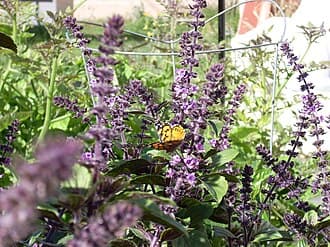 African Blue Basil
 African Marigold
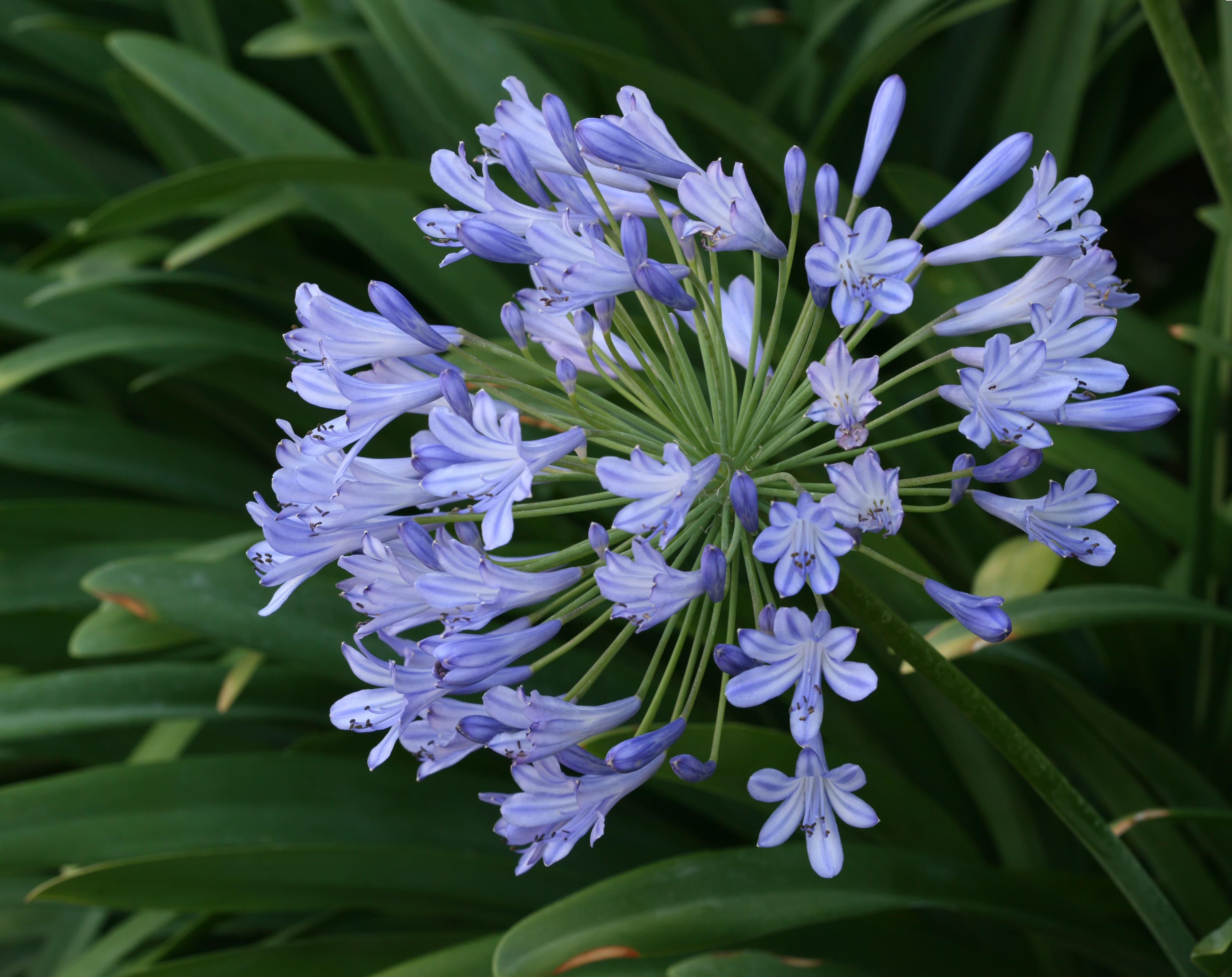 Agapanthus
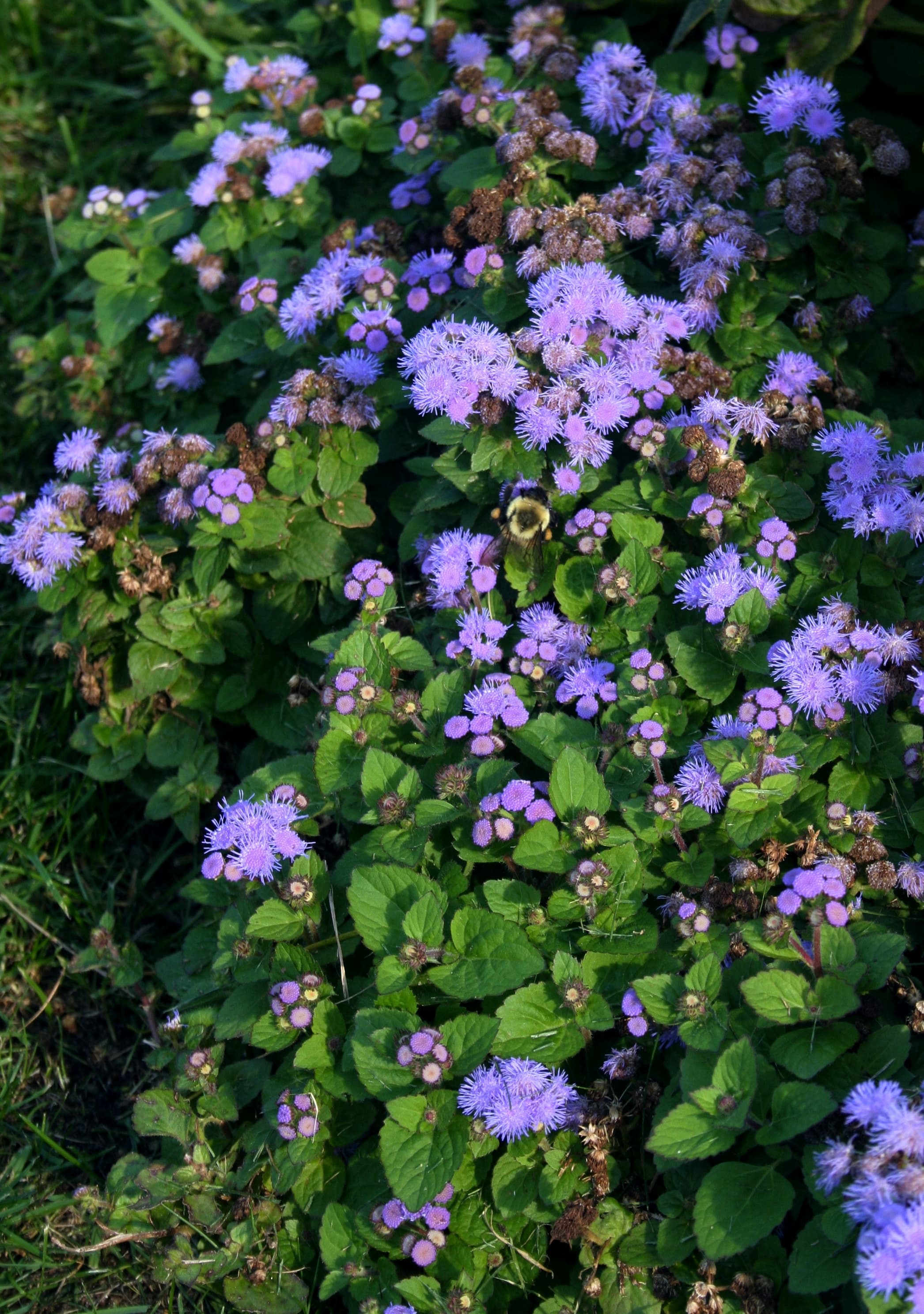 Ageratum
 Agrimony
 Alice du Pont Mandevilla
 Aloe Vera
 Amethyst Falls Wisteria
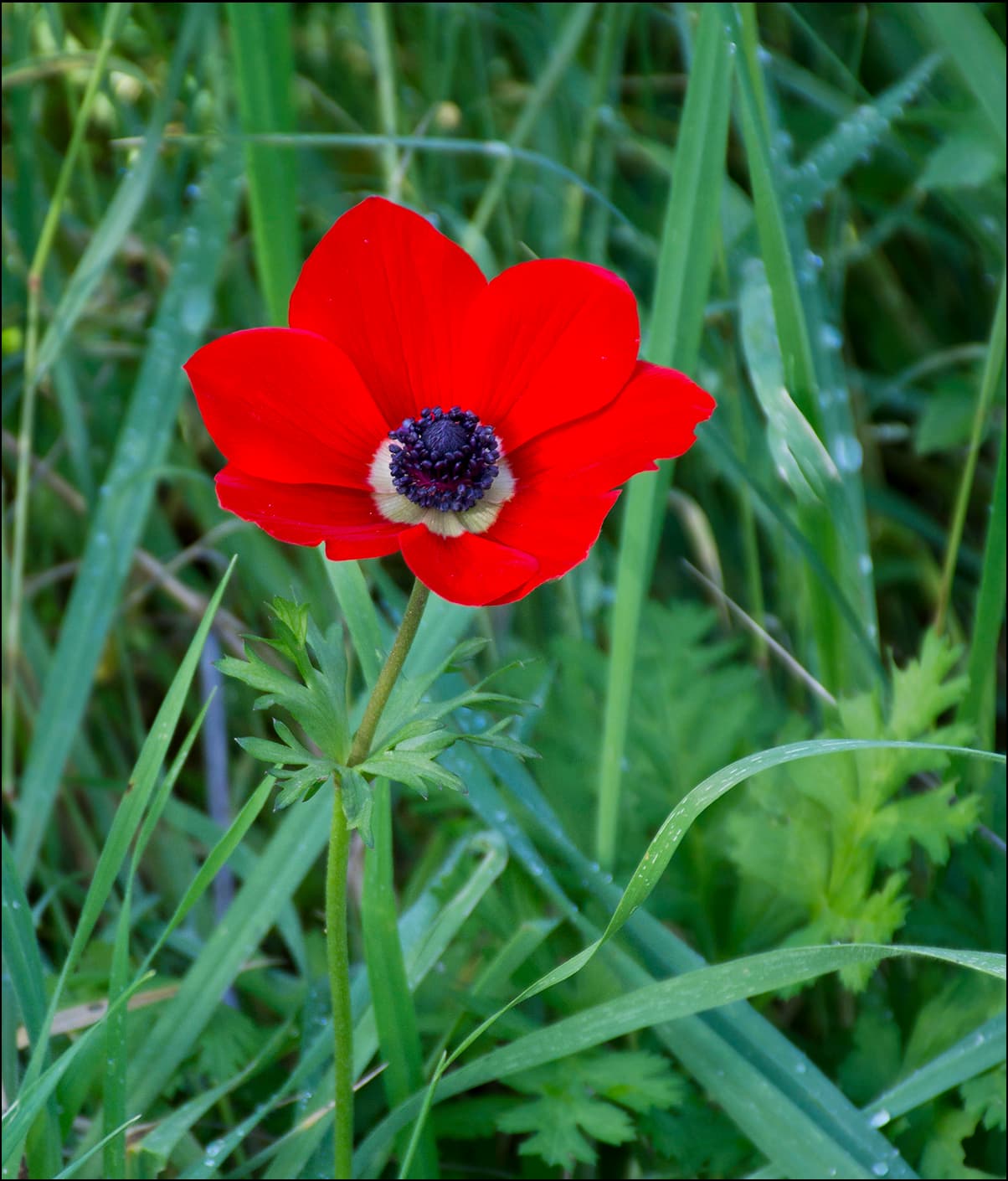 Anemone
 Angelique Tulip
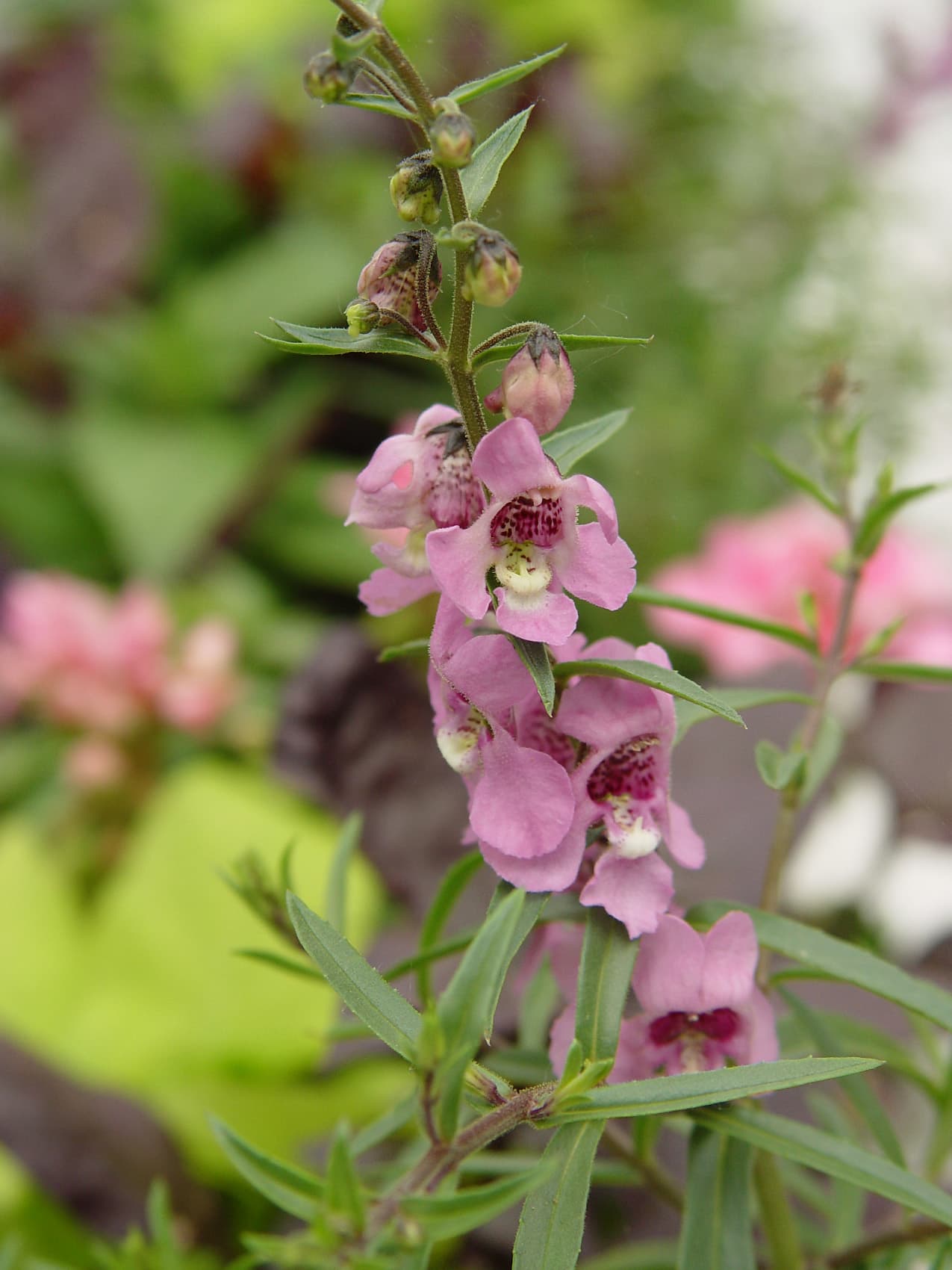 Angelonia
 Anise
Anise Anise Hyssop
 Annabelle Smooth Hydrangea
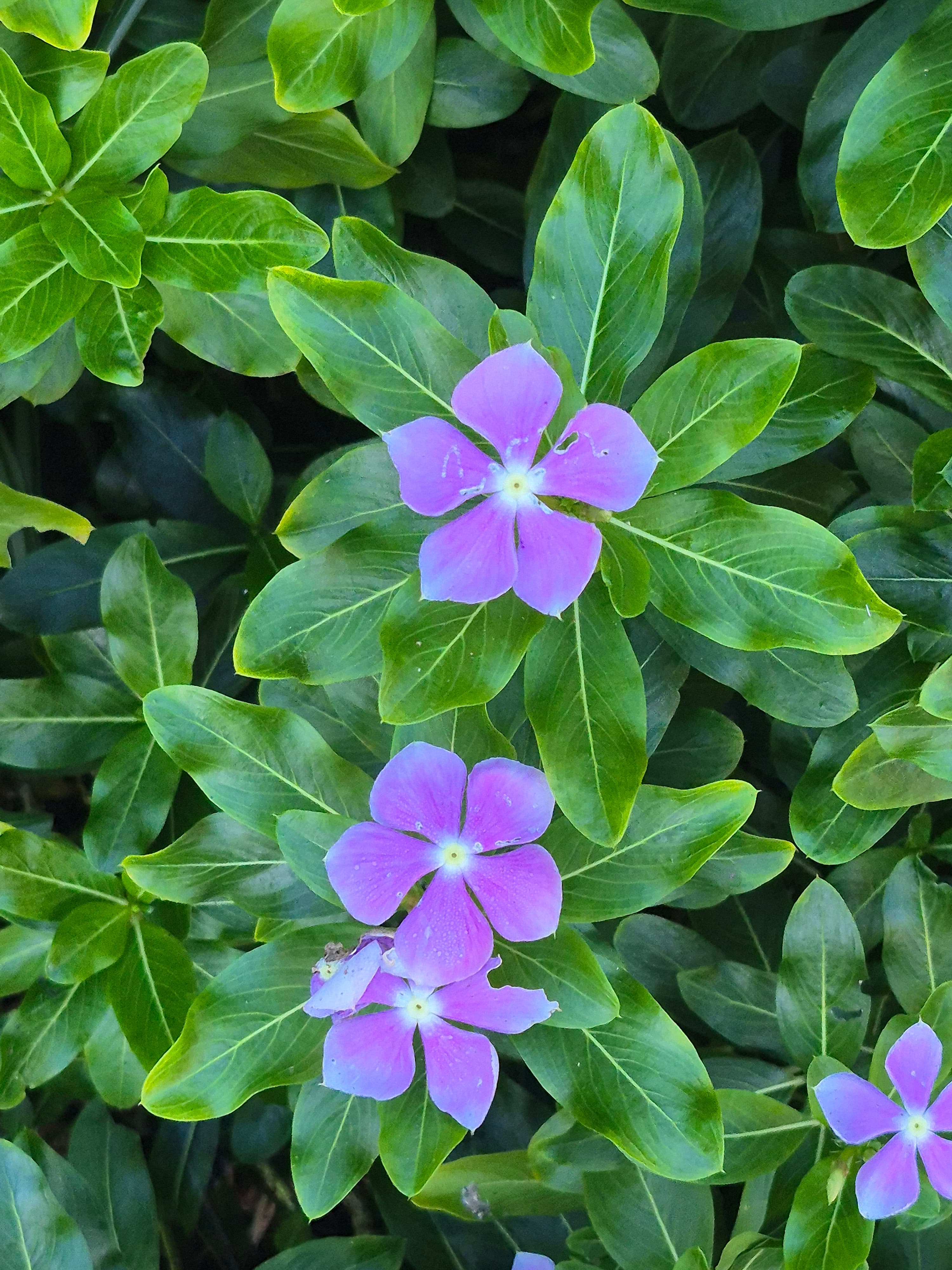 Annual Vinca
 Apeldoorn Tulip
 Apple Mint
 April Tryst Camellia
 Arizona Sun Blanket Flower
 Arp Rosemary
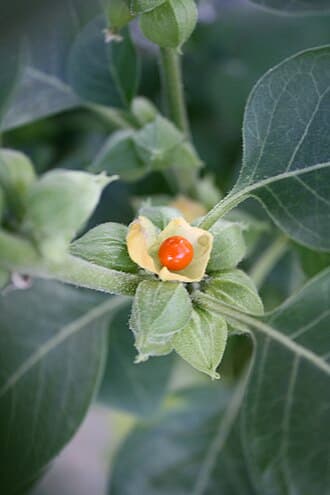 Ashwagandha
 August Beauty Gardenia
 Autumn Joy Sedum
 Bachelor's Button
 Barbara Karst Bougainvillea
 Bay Laurel
 Becky Shasta Daisy
 Bee Balm
 Benarys Giant Zinnia
 Bengal Tiger Canna🥬Bibb Lettuce
 Black Currant🥬Black Seeded Simpson Lettuce
 Black-Eyed Pea
 Black-eyed Susan Vine
 Blood Orange
 Blue Bird Delphinium
 Blue Bird Rose of Sharon
 Blue Fescue
 Bocking 14 Comfrey
 Boneset
 Borage
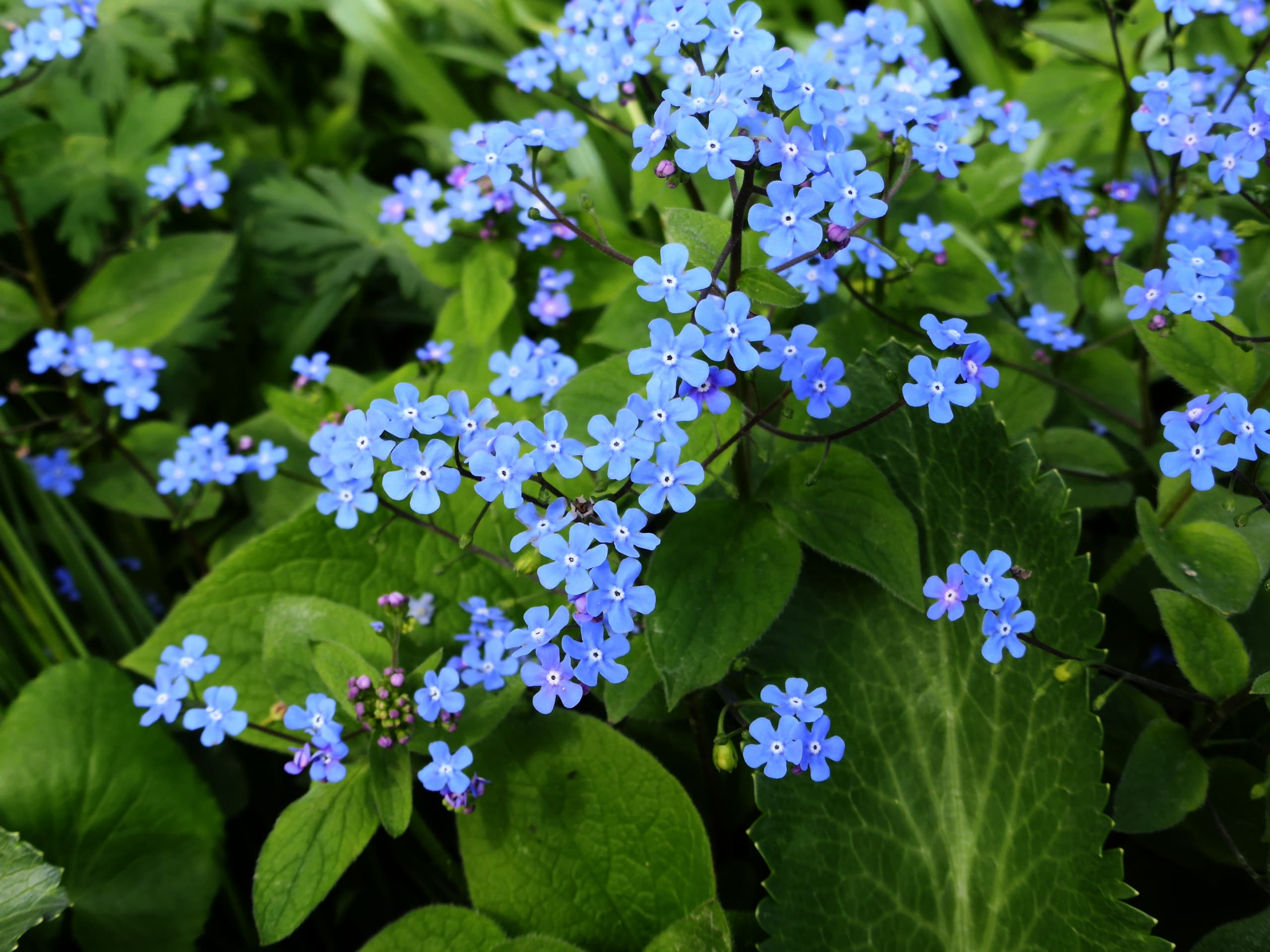 Brunnera
 Burning Bush
 Buttercrunch Lettuce
 Butterfly Blue Pincushion Flower
 Butterfly Marguerite Daisy
 Butterfly Weed
 Cafe au Lait Dahlia
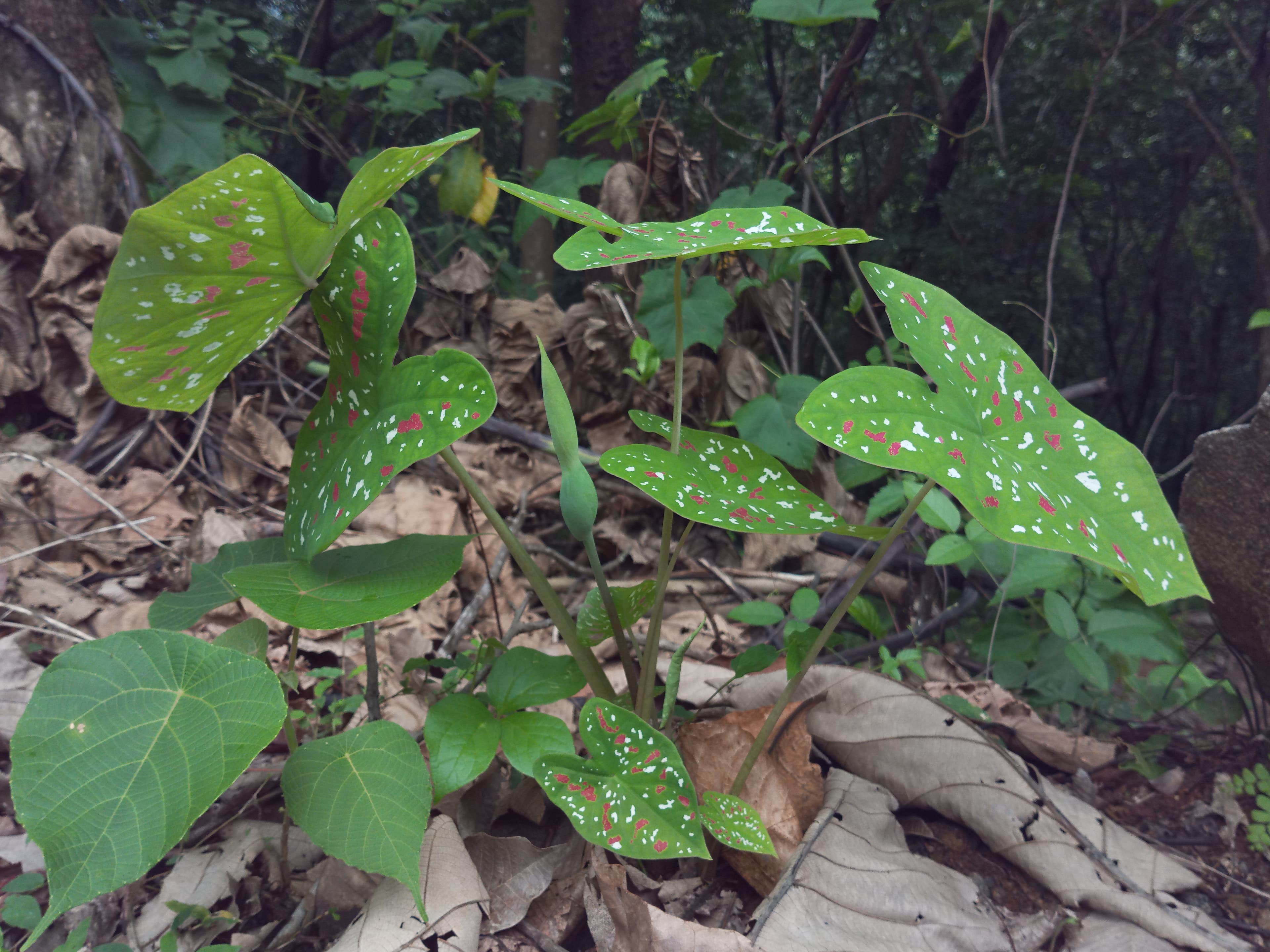 Caladium
 Calendula
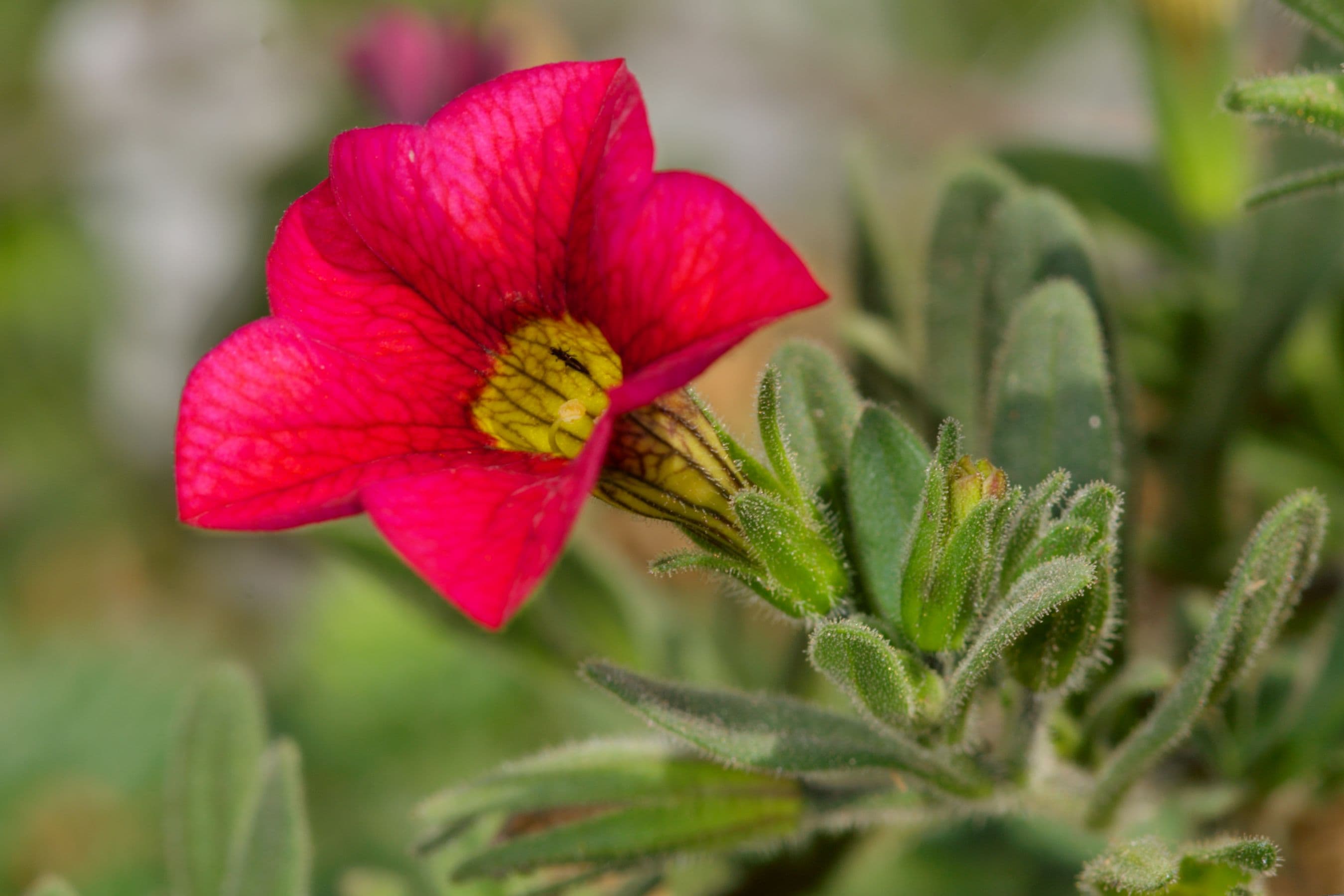 Calibrachoa
 California Giant Zinnia
 California Poppy
 Campanula
 Caraway
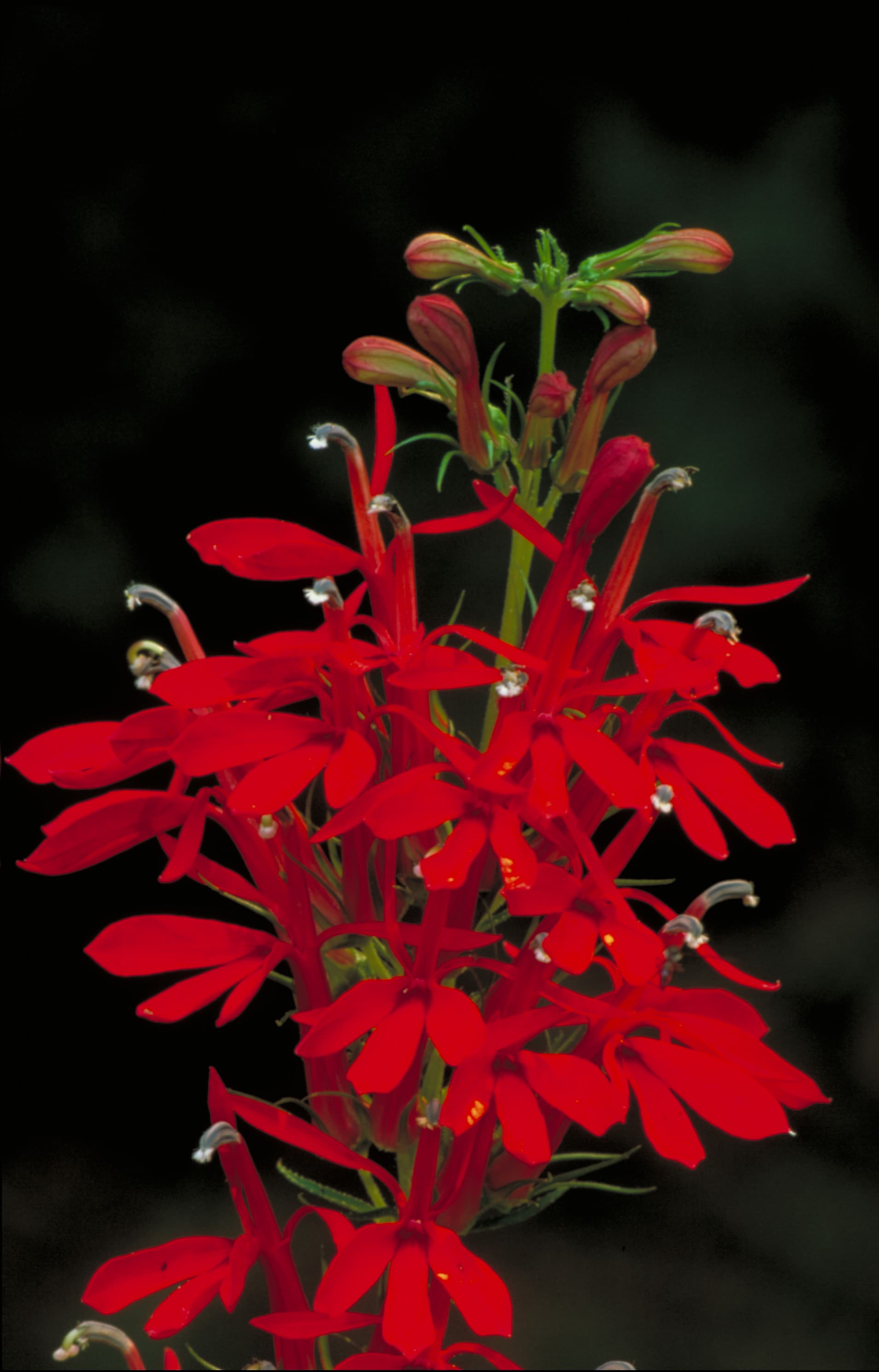 Cardinal Flower
 Carolina Geranium
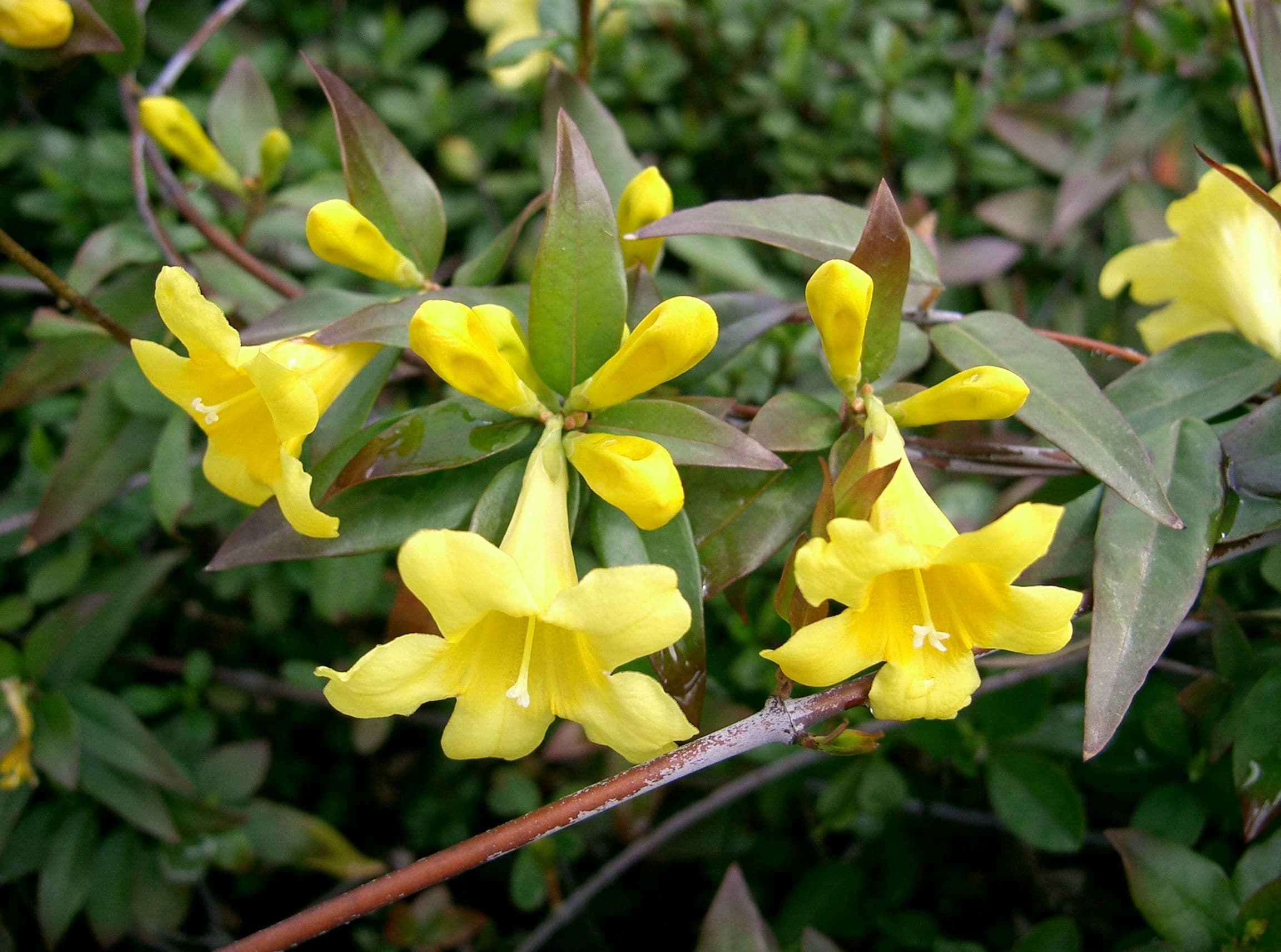 Carolina Jessamine
 Catnip
 Chamomile
 Chervil
 Chocolate Mint
 Cinnamon Basil
 Climbing Hydrangea
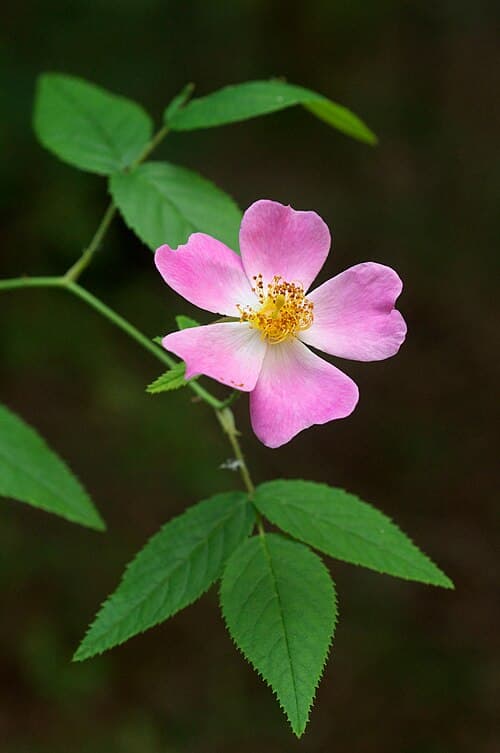 Climbing Prairie Rose
 Cocktail Vodka Begonia
 Coleus
 Common Chives
 Common Flax
 Common Mallow
 Coral Drift Groundcover Rose
 Cosmos
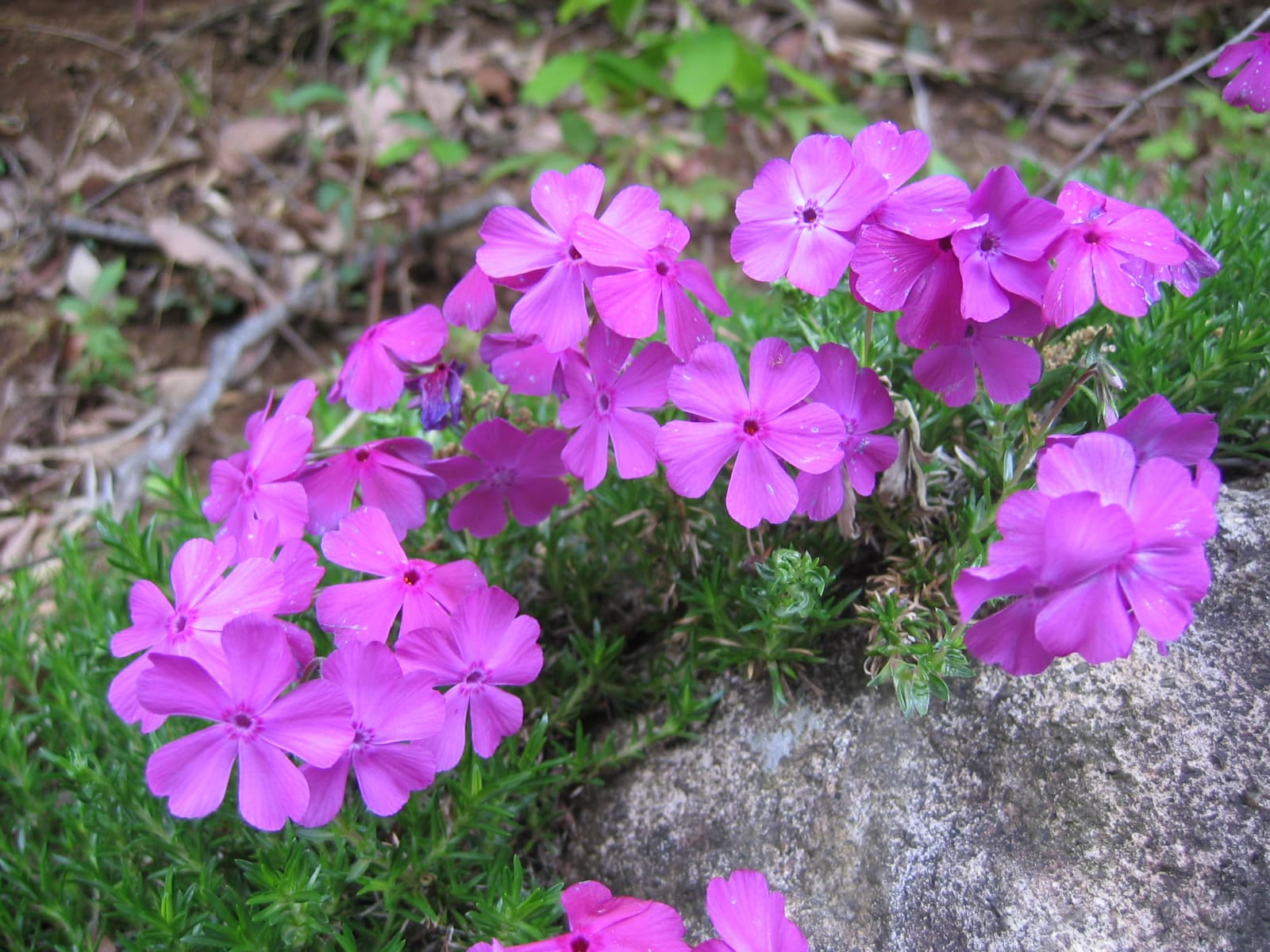 Creeping Phlox
 Cuban Oregano
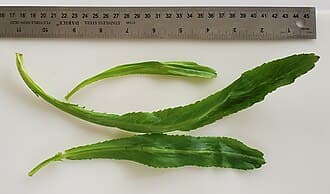 Culantro
 Cumin
Cumin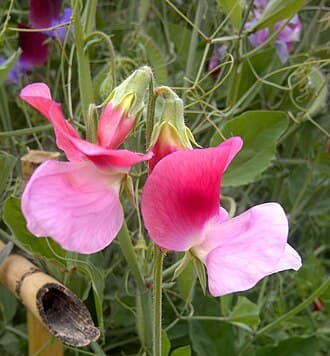 Cupani Sweet Pea
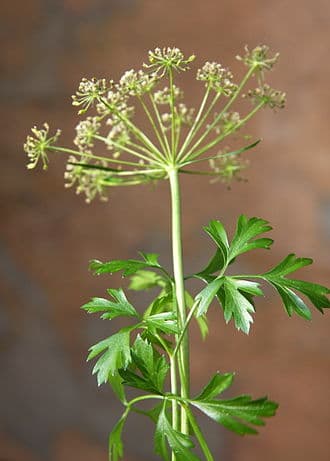 Curly Parsley
 Curry Leaf
 Curry Plant
 David Garden Phlox
 Delft Blue Hyacinth
 Denim n Lace Russian Sage
 Dill
Dill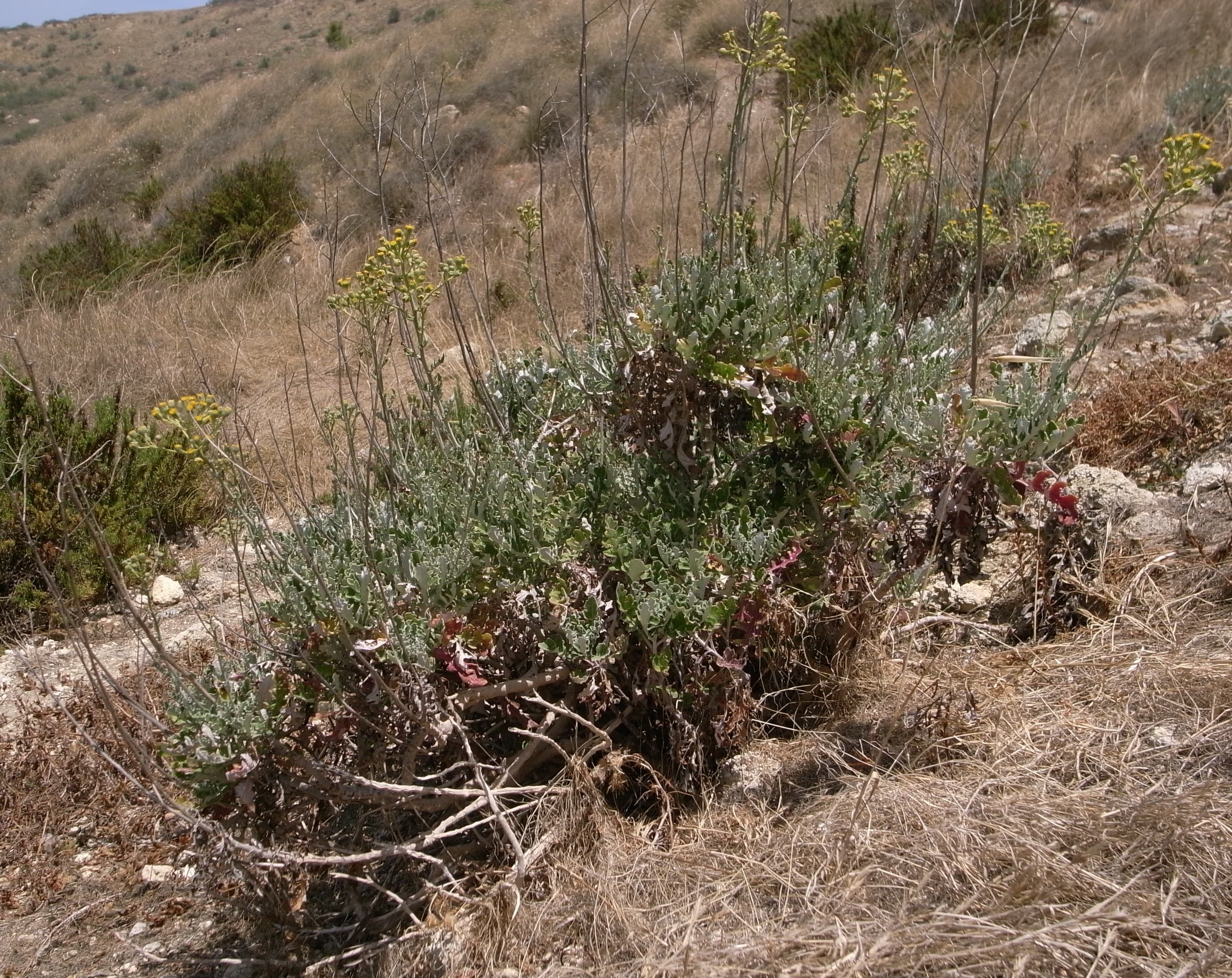 Dusty Miller
 Dutch Master Daffodil
 Eastern Red Columbine
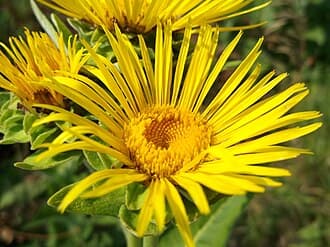 Elecampane
 Endless Summer Hydrangea
 English Lavender
 English Shelling Pea
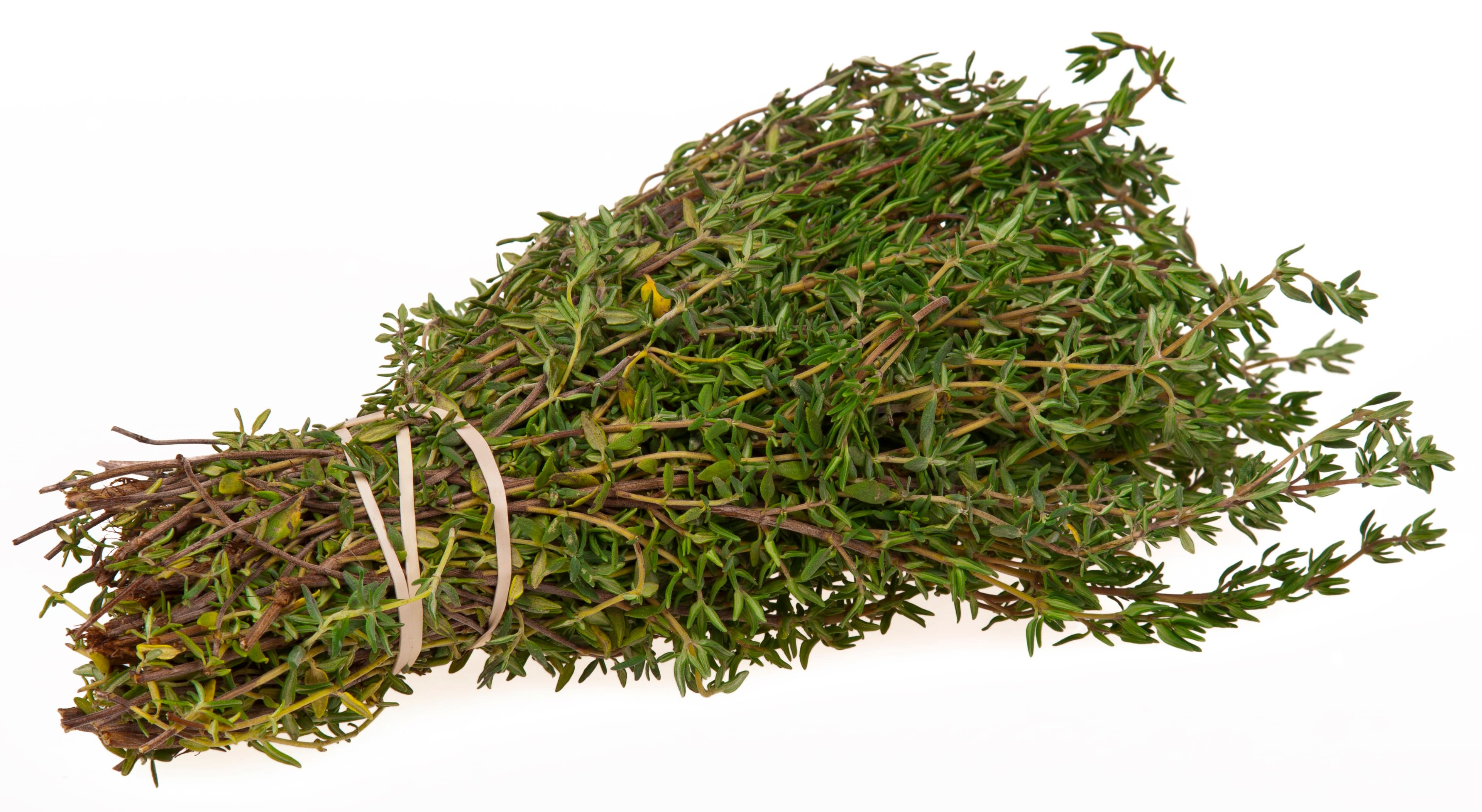 English Thyme
 Epazote
 Evening Primrose
 Fanal Astilbe
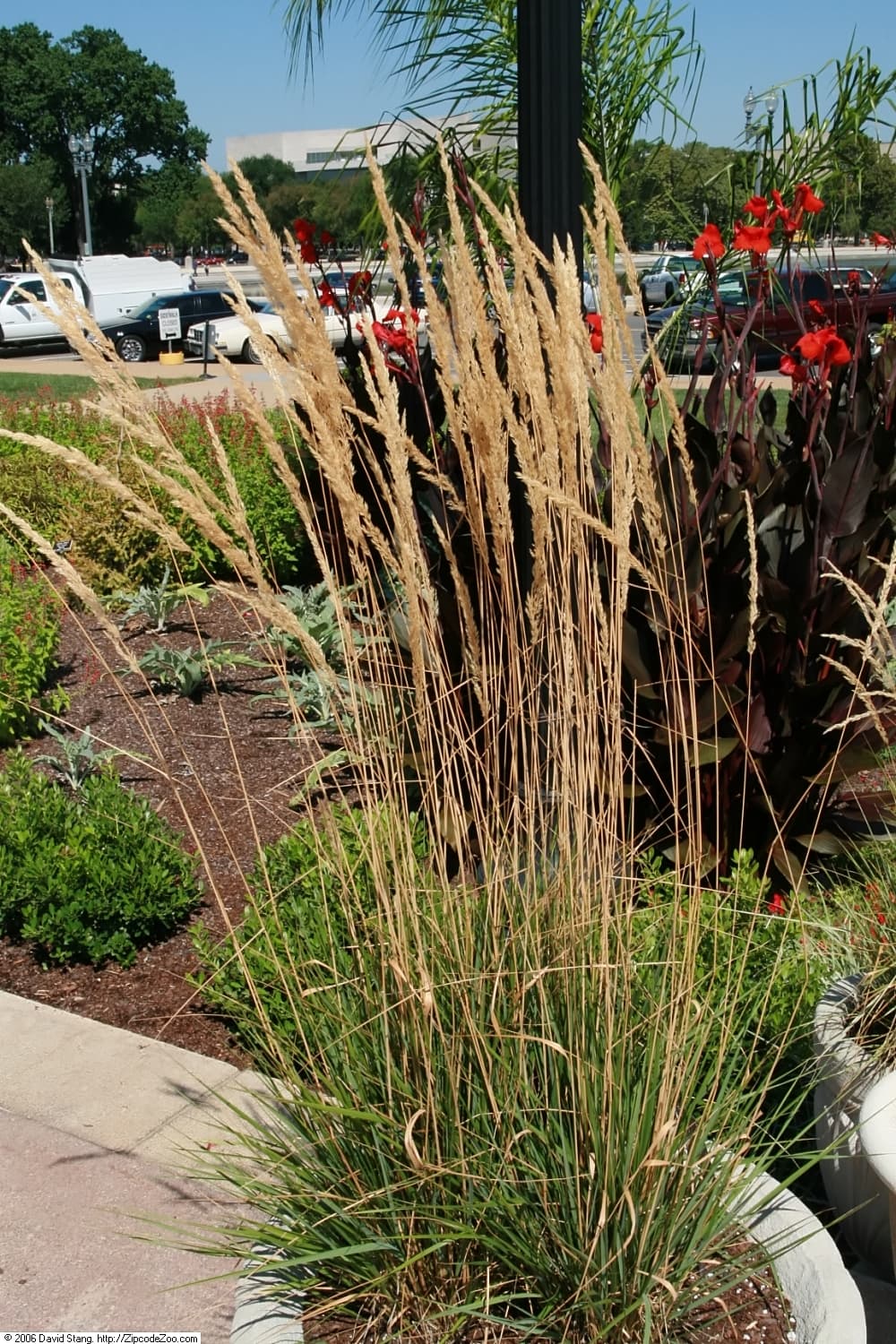 Feather Reed Grass
 Fenugreek
 Feverfew
 Field Pea
For educational and informational purposes only. Pest control advice is general guidance drawn from university cooperative extension sources; always identify a pest positively and read and follow the label on any product before use, especially around food crops, children, and pets.