
Leaf-Footed Bug
Leptoglossus species
A group of large, sap-sucking true bugs named for the small leaf-like flares on their hind legs. They pierce fruit, nuts, and seeds with a long beak, and in gardens they are common pests of tomatoes, pomegranates, and many tree fruits, where their feeding spots and blemishes the harvest.
🔎 How to spot it
Adults are narrow, brown to gray bugs about three quarters of an inch to an inch long, usually with a thin white or yellow band across the back and flattened, leaf-shaped expansions on the hind legs. Some species carry two pale spots just behind the head. The young nymphs are smaller, rounder, and often orange to reddish, and cluster together. Eggs are laid in a neat row, like a string of beads, along a stem or leaf vein.
🥀 Damage it causes
They feed by inserting a long needle-like beak into fruit, nuts, and seeds. On tomatoes the feeding causes pale or yellow spots, hard cloudy areas, and dimpling under the skin; on pomegranates and tree nuts it can cause sunken spots, staining, and dropped or aborted fruit. Damage is mostly cosmetic on thick-skinned fruit but can ruin nuts and downgrade soft fruit.
🛡️ Prevent it
Clean up weeds and overwintering shelter such as woodpiles and leaf litter near the garden where adults hide through winter. Watch for the bead-like egg rows and the clustered orange nymphs in spring and remove them while they are grouped and easy to reach. Where practical, bag developing pomegranates or protect prized fruit with netting.
🧯 If it is already here
Handpicking is effective, especially in the cool of early morning when the bugs are sluggish, knocking them into soapy water. The young nymphs are far easier to kill than the armored adults, so target them early with insecticidal soap or a labeled insecticide. Broad-spectrum pyrethroids work on adults but are toxic to bees and natural enemies, so use them sparingly and never on open bloom.
💡 Good to know
Leaf-footed bugs are strong fliers that move into gardens from surrounding weeds and trees, so an area can be reinfested even after a cleanup. They are sometimes confused with the beneficial wheel bug or with stink bugs, but the flared hind legs and narrow body set them apart. Hand control of the clustered nymphs gives the best results in a home garden.
🌱 Plants it attacks
236 plants in the library can be attacked by this pest
 Adirondack Blue Potato
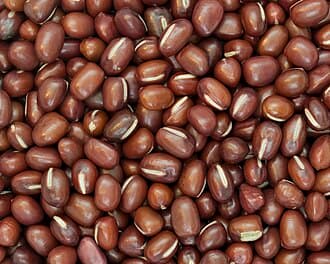 Adzuki Bean
 Aji Amarillo Pepper🍓Albion Strawberry🥔All Blue Potato
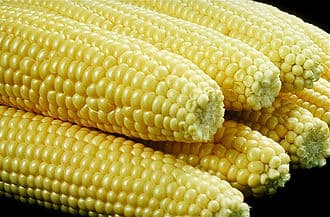 Ambrosia Corn
 American Beauty Dragon Fruit
 American Persimmon
 Amish Paste Tomato
 Anaheim Pepper
 Anjou Pear
 Arbequina Olive
 Arkin Carambola
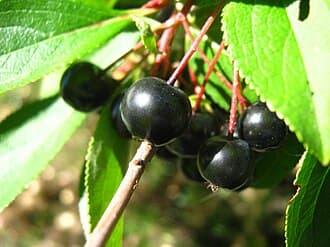 Aronia
 Asian Pear
 Asian Persimmon
 Atemoya
 Aunt Molly's Ground Cherry
 Avocado
 Banana Pepper
 Bartlett Pear
 Beach Plum
 Beauregard Sweet Potato🍅Beefmaster Tomato
 Better Boy Tomato🍅Big Beef Tomato
 Big Boy Tomato
 Bing Cherry
 Bitter Melon
 Black Bean
 Black Beauty Eggplant
 Black Cherry Tomato
 Black Currant🍉Black Diamond Watermelon
 Black Krim Tomato
 Black Raspberry
 Black Sapote
 Black Tartarian Cherry
 Black-Eyed Pea
 Blood Orange
 Blue Lake Green Bean
 Bluecrop Blueberry
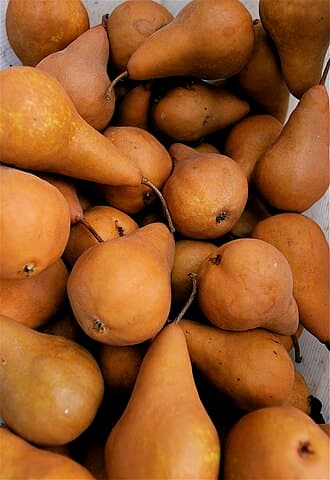 Bosc Pear🍅Box Car Willie Tomato
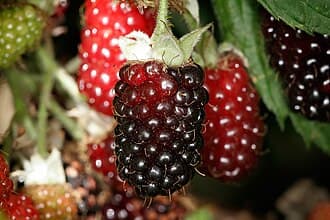 Boysenberry
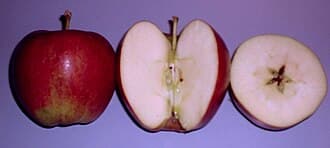 Braeburn Apple
 Brandywine Tomato
 Brewster Lychee
 Broad Windsor Fava Bean
 Brown Turkey Fig
 Burgundy Okra
 Calamondin
 Cannellini Bean
 Cantaloupe
 Carolina Reaper Pepper
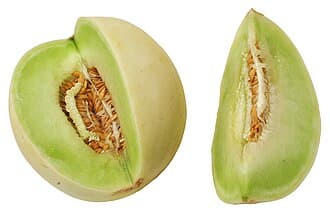 Casaba Melon
 Catawba Grape
 Cayenne Pepper
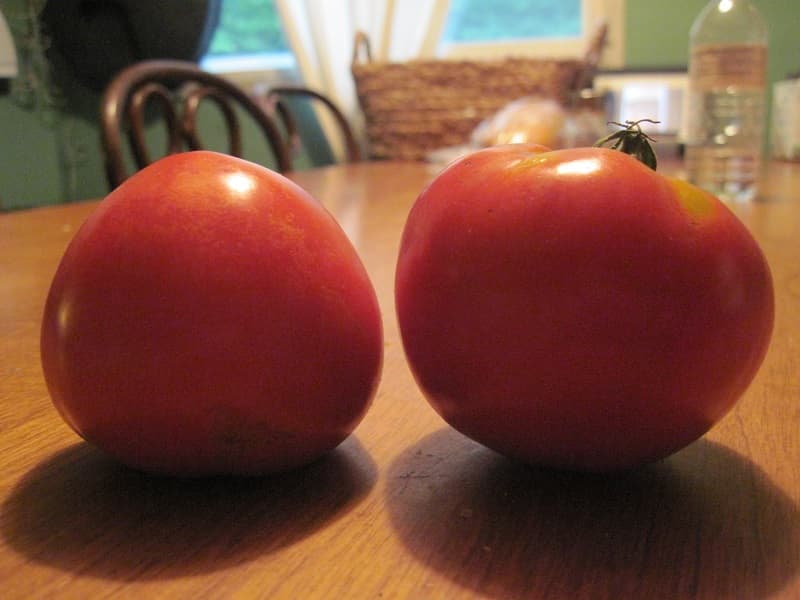 Celebrity Tomato
 Champagne Loquat
 Charleston Gray Watermelon
 Cherokee Purple Tomato
 Chicago Hardy Fig
 Clemson Spineless Okra
 Concord Grape
 Contender Peach
 Cornelian Cherry
 Cortland Apple
 Cosmic Crisp Apple
 Cranberry
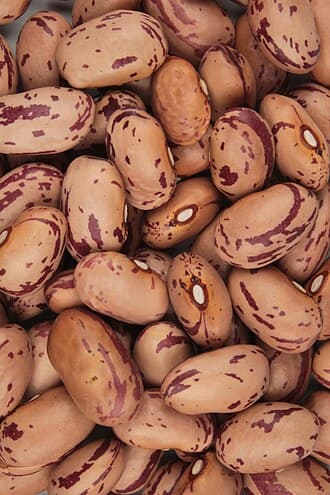 Cranberry Bean
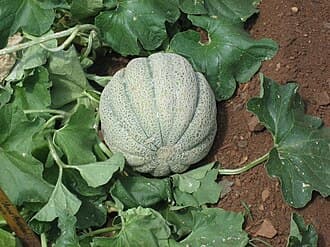 Crenshaw Melon
 Crimson Sweet Watermelon
 Cubanelle Pepper
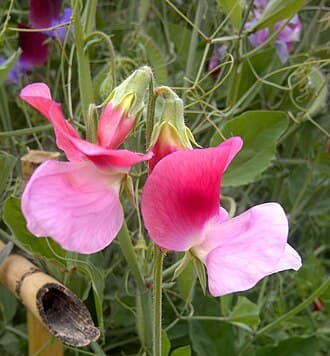 Cupani Sweet Pea
 Damson Plum
 Dwarf Cavendish Banana
 Early Girl Tomato
 Edamame
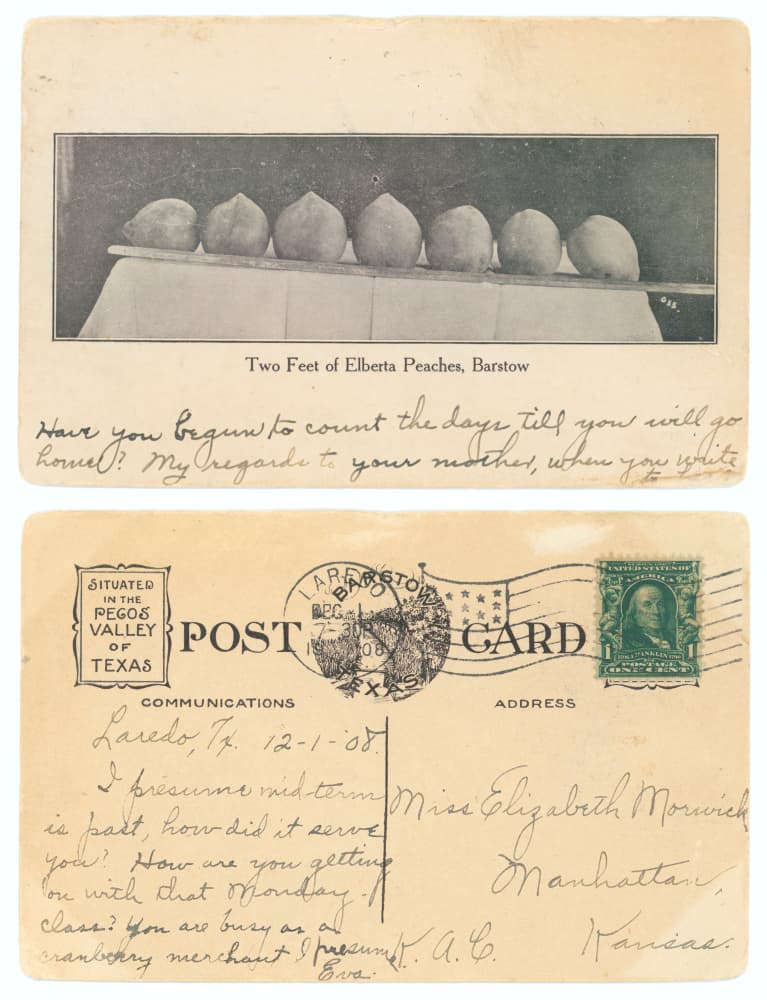 Elberta Peach
 Elderberry
 English Shelling Pea
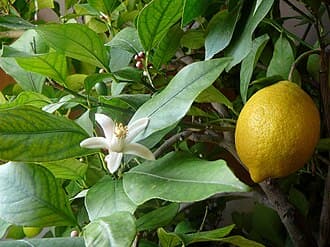 Eureka Lemon
 Evergreen Huckleberry
 Fairy Tale Eggplant
 Fantasia Nectarine
 Field Pea
 Finger Lime
 Fingerling Potato
 Fino de Jete Cherimoya
 Fordhook 242 Lima Bean
 Fresno Pepper
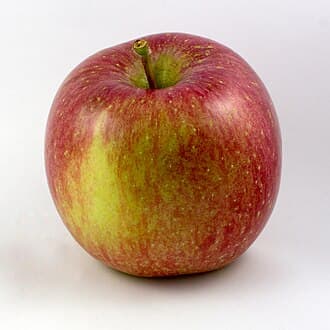 Fuji Apple
 Gala Apple
 Galia Melon
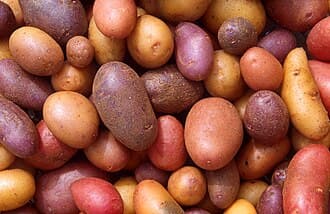 German Butterball Potato🍅German Queen Tomato
 Ghost Pepper
 Goji Berry
 Golden Bantam Corn
For educational and informational purposes only. Pest control advice is general guidance drawn from university cooperative extension sources; always identify a pest positively and read and follow the label on any product before use, especially around food crops, children, and pets.