
Squirrels
Family Sciuridae
Familiar, agile rodents that raid gardens for fruit, nuts, seeds, bulbs, and ripening vegetables, and dig up beds and containers burying and retrieving food. Tree squirrels, ground squirrels, and their smaller cousins the chipmunks all cause similar headaches, from nibbled tomatoes to uprooted seedlings and tunneled beds.
🔎 How to spot it
Tree squirrels are bushy-tailed and gray or reddish; ground squirrels are browner and den in burrows; chipmunks are small with bold back stripes. Tell-tale signs include shallow digging holes in beds, pots, and lawns, tomatoes and fruit with single bites taken out, missing or unearthed bulbs and newly planted seeds, gnawed bark and stems, and the animals themselves running along fences and into trees or burrows.
🥀 Damage it causes
Squirrels eat and spoil ripening fruit and vegetables, often taking a single bite from many tomatoes rather than finishing one, and they dig up and eat planted bulbs, seeds, and seedlings. Their constant digging disturbs roots and containers, and ground squirrels add burrows that dry out roots and undermine plantings. Chipmunks raid strawberries and newly sown seed.
🛡️ Prevent it
Protect ripening fruit and seedbeds with floating row cover, netting, or hardware-cloth cages, and cover newly planted bulbs and seeds with mesh until established. Remove easy food such as spilled birdseed and fallen fruit that draws them in. Simple digging deterrents like a stone or wire mulch over pots help. Squirrels are persistent climbers, so barriers must fully enclose the plants to work.
🧯 If it is already here
Exclusion with cages and netting is by far the most effective response, since squirrels quickly learn to ignore scare devices and most repellents. For ground squirrels denning in the garden, an integrated approach of trapping combined with habitat cleanup works best, and varying the methods prevents them from adapting. Check local regulations before trapping or relocating any wildlife.
💡 Good to know
Because squirrels are smart, athletic, and quick to habituate, no single trick keeps them out for long; rotating tactics and, above all, physically covering the vulnerable plants is what actually works. They are most destructive as fruit ripens and at fall planting time when they cache food. Tolerating some loss and protecting just the prized plants is often the most realistic plan.
🌱 Plants it attacks
188 plants in the library can be attacked by this pest
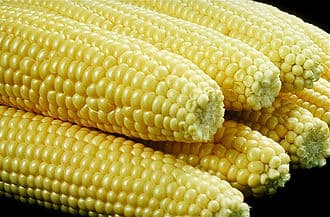 Ambrosia Corn
 American Beauty Dragon Fruit
 American Persimmon
 Amish Paste Tomato
 Angelique Tulip
 Anjou Pear
 Apeldoorn Tulip
 Arbequina Olive
 Arkin Carambola
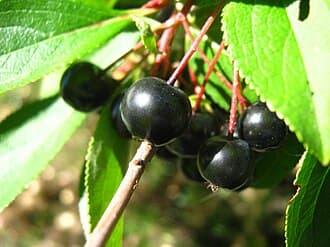 Aronia
 Asian Pear
 Asian Persimmon
 Atemoya
 Aunt Molly's Ground Cherry
 Avocado
 Bartlett Pear
 Beach Plum🍅Beefmaster Tomato
 Bengal Tiger Canna
 Better Boy Tomato🍅Big Beef Tomato
 Big Boy Tomato
 Bing Cherry
 Bitter Melon
 Black Cherry Tomato
 Black Currant🍉Black Diamond Watermelon
 Black Krim Tomato
 Black Raspberry
 Black Sapote
 Black Tartarian Cherry
 Black Walnut
 Blood Orange
 Bluecrop Blueberry
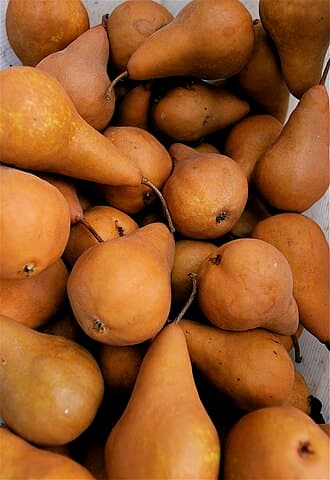 Bosc Pear🍅Box Car Willie Tomato
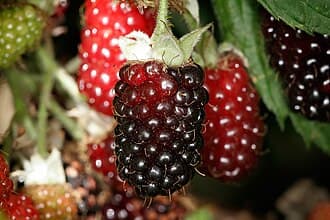 Boysenberry
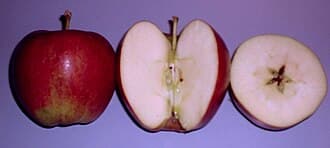 Braeburn Apple
 Brandywine Tomato
 Brewster Lychee
 Brown Turkey Fig
 Calamondin
 Cantaloupe
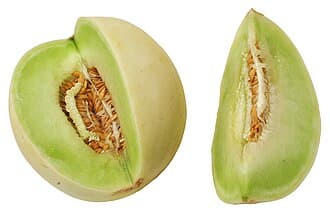 Casaba Melon
 Catawba Grape
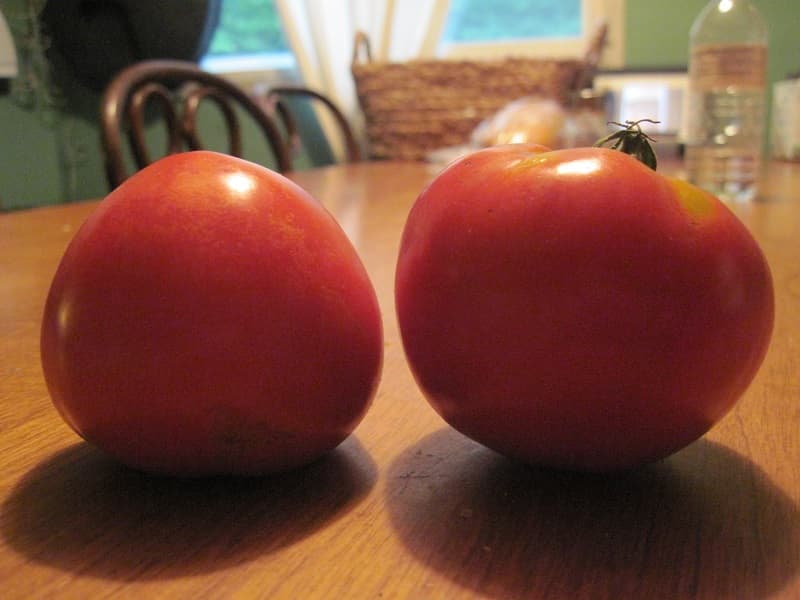 Celebrity Tomato
 Champagne Loquat
 Charleston Gray Watermelon
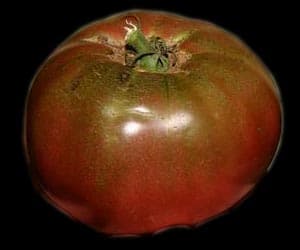 Cherokee Purple Tomato
 Chicago Hardy Fig
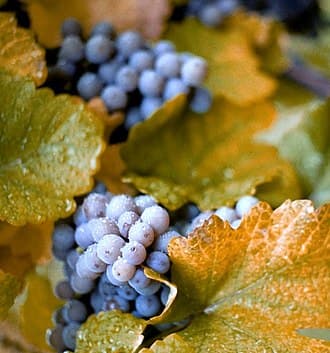 Concord Grape
 Contender Peach
 Cornelian Cherry
 Cortland Apple
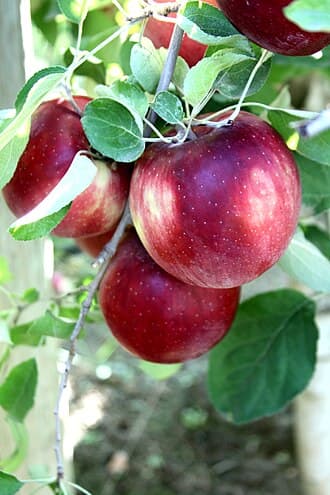 Cosmic Crisp Apple
 Cranberry
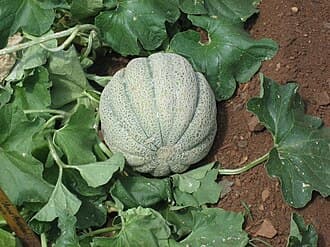 Crenshaw Melon
 Crimson Sweet Watermelon
 Damson Plum
 Delft Blue Hyacinth
 Dutch Master Daffodil
 Dwarf Cavendish Banana
 Early Girl Tomato
 Elberta Peach
 Elderberry
 English Walnut
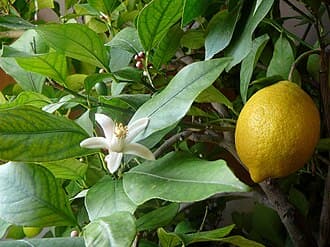 Eureka Lemon
 Evergreen Huckleberry
 Fantasia Nectarine
 Finger Lime
 Fino de Jete Cherimoya
 Flower Record Crocus
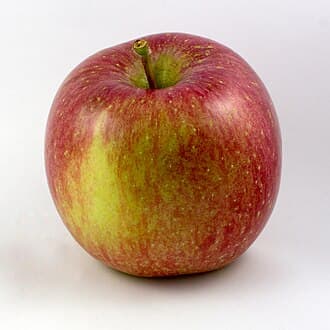 Fuji Apple
 Gala Apple
 Galia Melon
 Garden Gladiolus🍅German Queen Tomato
 Globemaster Allium
 Goji Berry
 Golden Bantam Corn
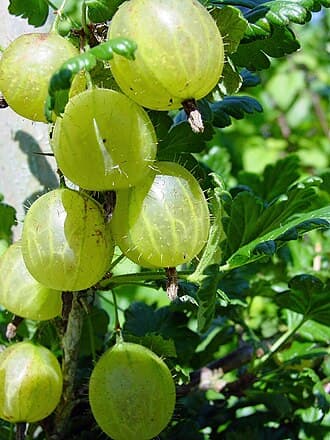 Gooseberry
 Granny Smith Apple
 Grape Hyacinth
 Grapefruit
 Green Zebra Tomato
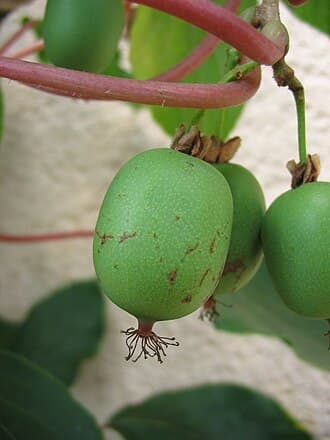 Hardy Kiwi
 Hayward Kiwi
 Heritage Raspberry
 Honeoye Strawberry
 Honeyberry
 Honeycrisp Apple
 Honeydew Melon
 Indigo Rose Tomato
 Jackfruit
 Jostaberry🍉Jubilee Watermelon
 Juliet Grape Tomato
 June-Bearing Strawberry
 Kellogg's Breakfast Tomato
For educational and informational purposes only. Pest control advice is general guidance drawn from university cooperative extension sources; always identify a pest positively and read and follow the label on any product before use, especially around food crops, children, and pets.